Attractions and Places To See around Coddington - Top 20
Best attractions and places to see around Coddington include a variety of historical sites, natural monuments, and viewpoints within the Malvern Hills. This region offers opportunities to explore ancient hill forts and enjoy expansive vistas. The area is characterized by its rolling hills and significant historical landmarks, providing a setting for outdoor activities. Visitors can discover several summits and archaeological sites that highlight the area's rich heritage and natural beauty.
Best attractions and places to see around Coddington
- The most popular attractions is Worcestershire Beacon Summit and Toposcope, a natural monument that is the highest point in the county at 425 meters. On a clear day, views extend to the Black Mountains plateau in South Wales and the Shropshire Hills.
- Another must-see spot is Herefordshire Beacon (British Camp), a summit featuring an Iron Age hill fort. Climbing to the summit rewards visitors with views of the surroundings and remnants of ancient Britain.
- Visitors also love Midsummer Hill Iron Age Hillfort, a historical site in the southern part of the Malvern Hills. It provides extensive views, including Eastnor Castle, and can be combined with other nearby summits.
- Coddington is known for its natural monuments, historical sites, and viewpoints. The area offers a variety of attractions to see and explore, from ancient hill forts to scenic summits.
- The attractions around Coddington are appreciated by the komoot community, with more than 600 upvotes and over 290 photos shared by visitors.
Last updated: June 22, 2026
Worcestershire Beacon Summit and Toposcope
Highlight • Natural Monument
On a clear day, you can see all the way to the Black Mountains plateau in South Wales. To the north west, the Shropshire Hills rise in gentle folds. The River Severn winds its way towards the sea to the east and south. A grand toposcope adorns the summit, enabling you to identify the surrounding landmarks.
Tip by

Herefordshire Beacon (British Camp)
Highlight • Summit
Tip by

Sign up now to discover places like this
Get recommendations on the best single tracks, peaks, & plenty of other exciting outdoor places.
Sign up for free
Midsummer Hill Iron Age Hillfort
Highlight • Historical Site
Tip by
Summer Hill
Highlight • Lake
Tip by

Millennium Hill
Highlight • Viewpoint
Tip by

Sign up for free to discover even more attractions around Coddington.
Sign up for free
Already have an account?
Start today with a free account
Your next adventure awaits.
Login or Signup
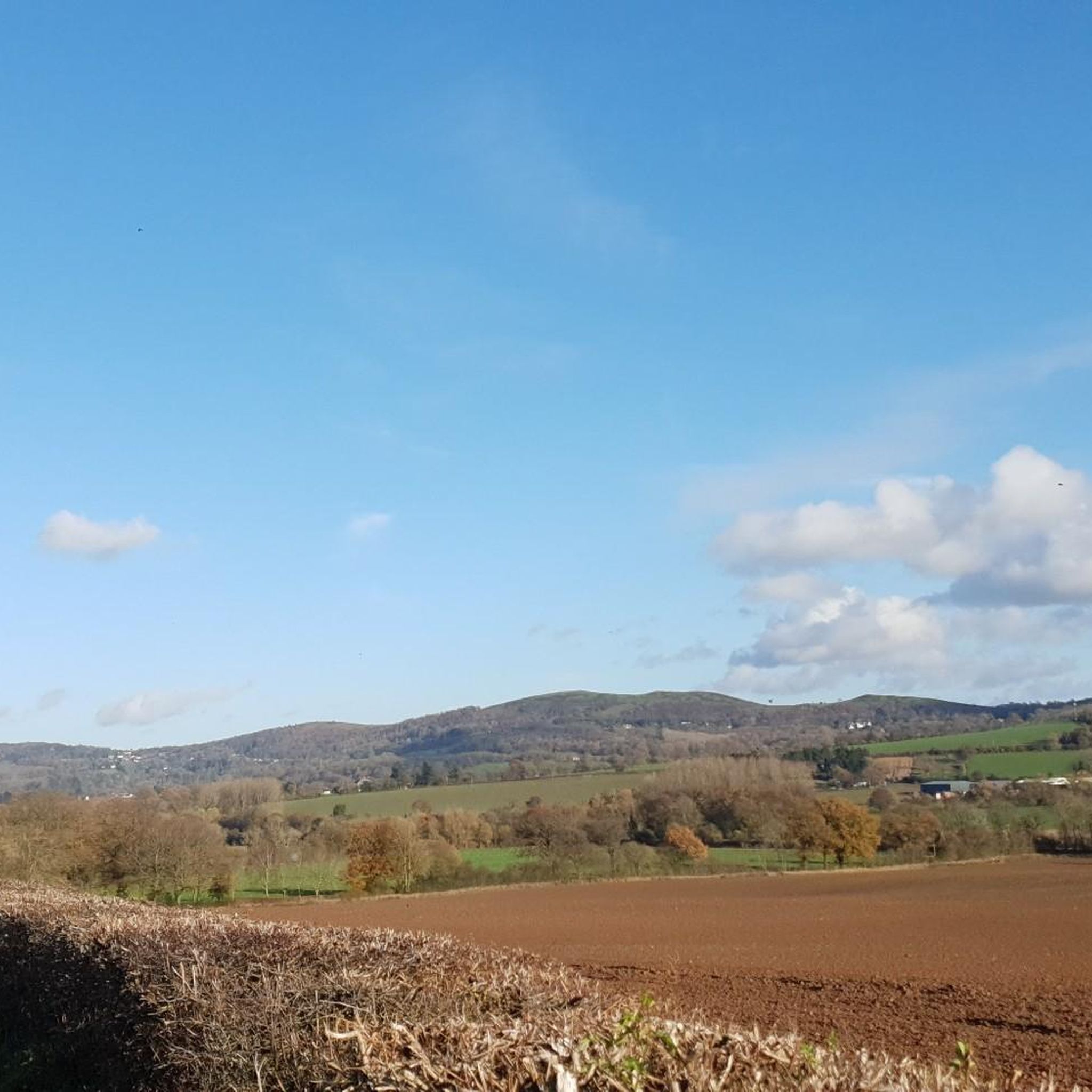
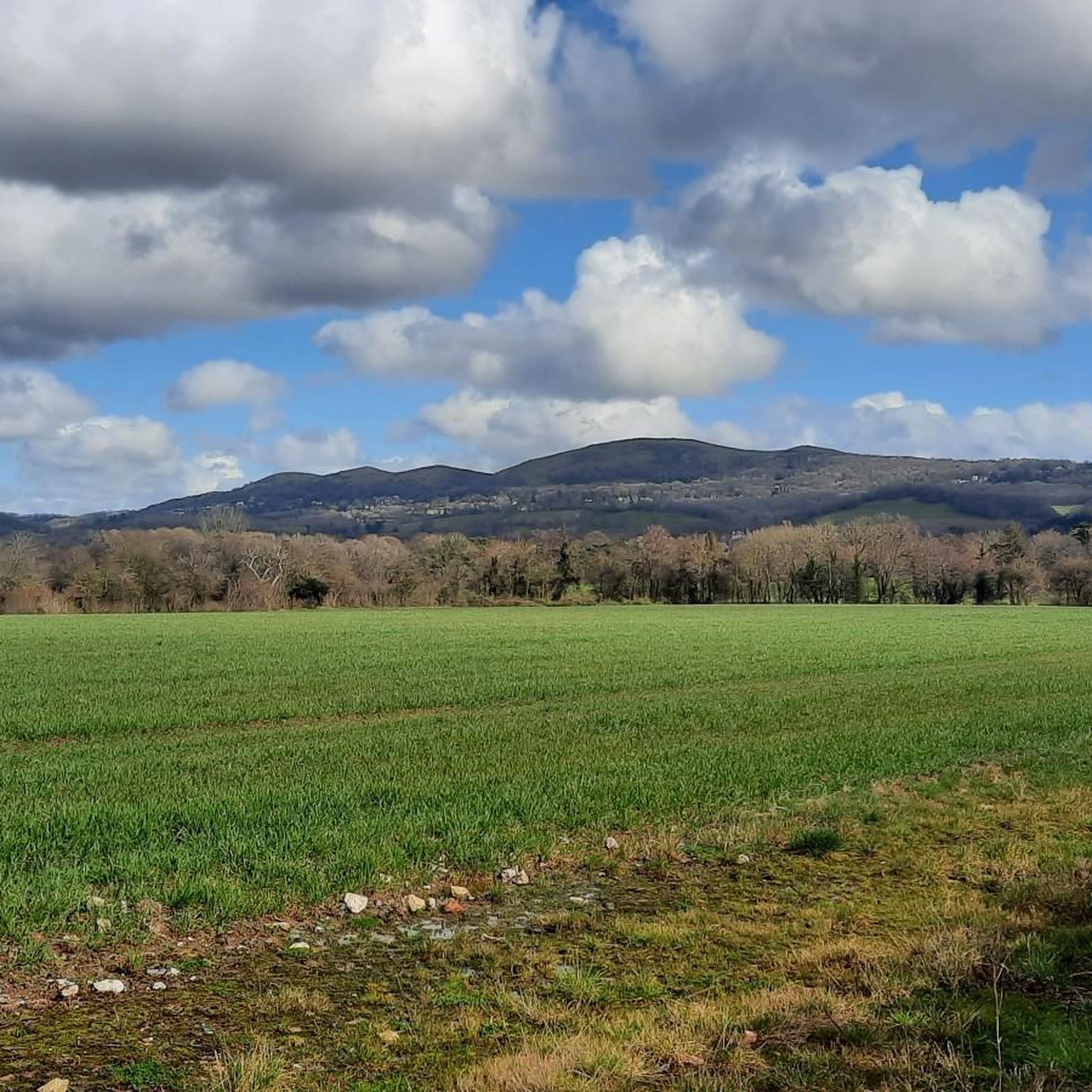
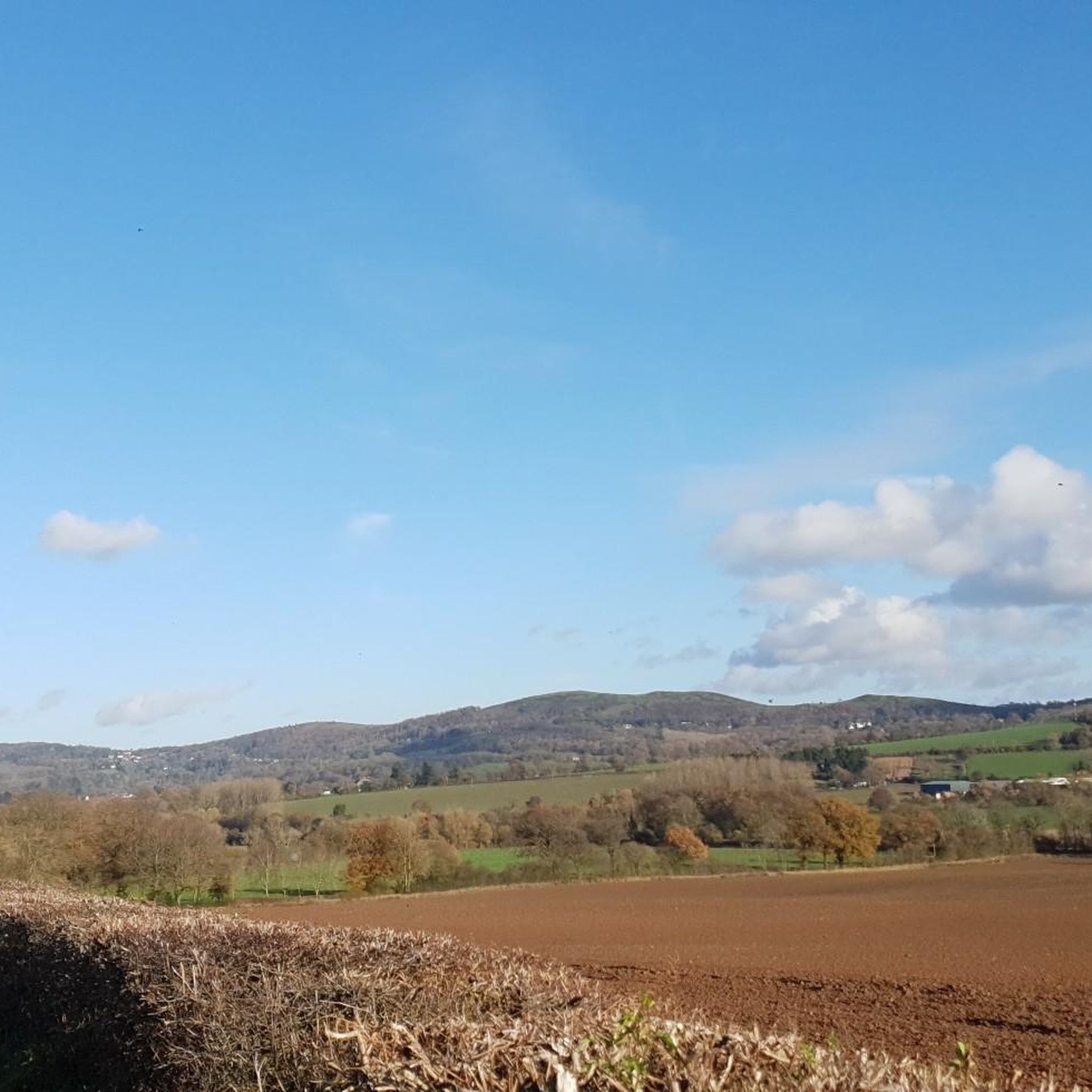
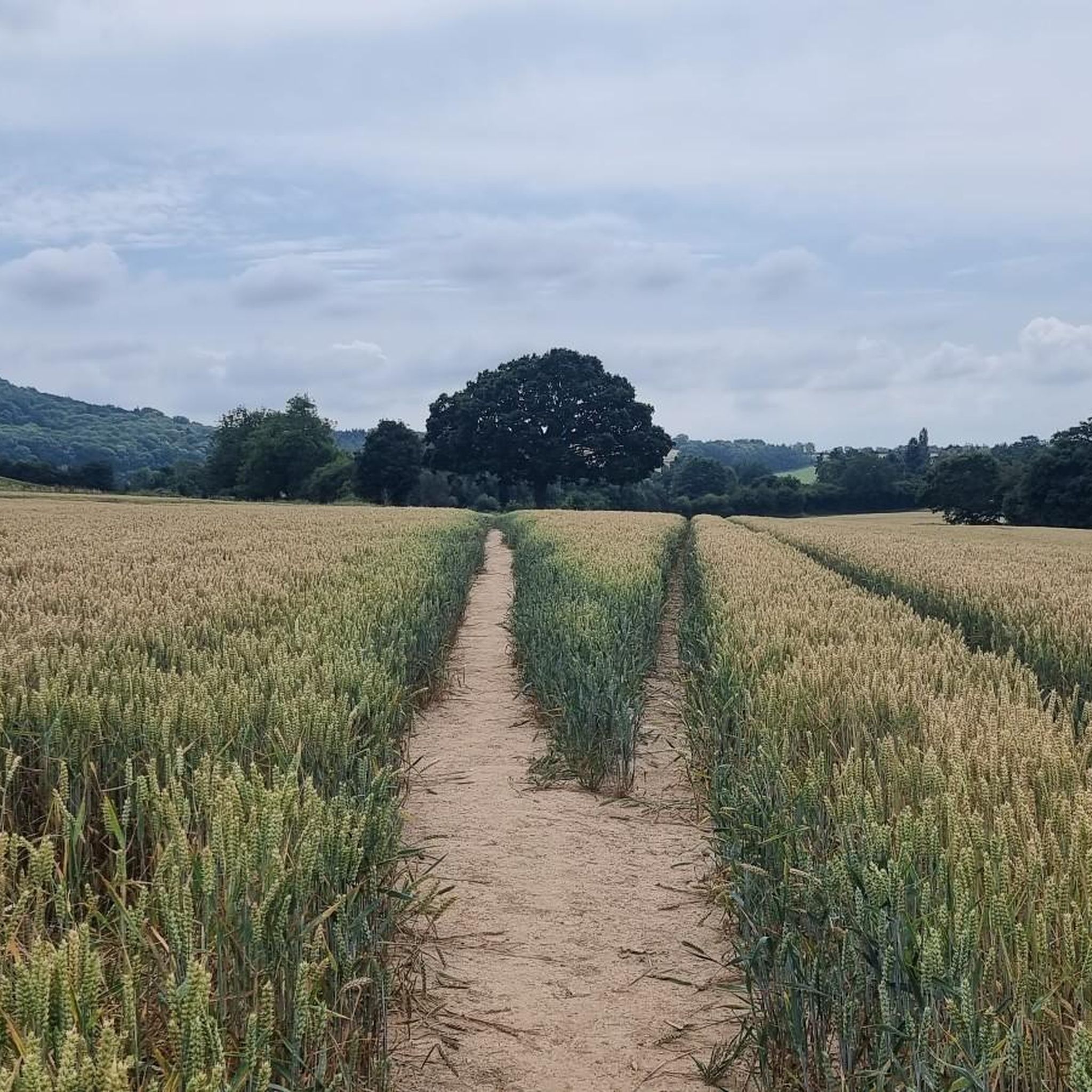
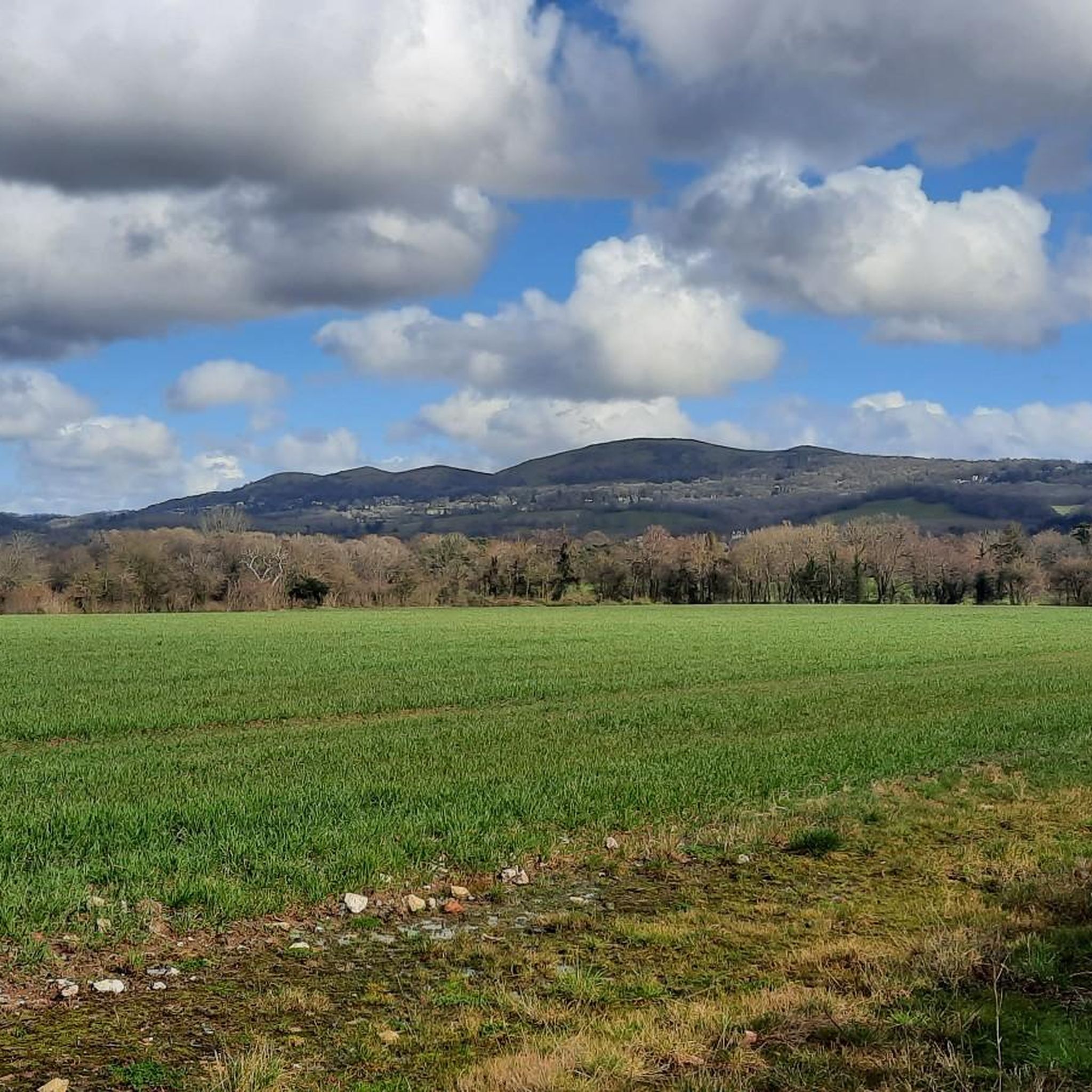

Tips from the Community

One of the finest hills in the Malverns with it's Iron Age Hillfort (yes another one on the Malverns!), and superb views west across Eastnor Park. It used to be heavily wooded on the Eastern Side, but Ash Die-back disease has caused a huge number of large mature Ash trees to be felled in recent times. This is still a hill to be savoured and you will not see too many people here either.
0
0
The other end of Hereford beacon, with good views of the Eastnor Estate with it's obelisk.
0
0
Summer Hill is a bit of a bump in between the Beacon and the Wyche Cutting, however it's steep southern aspect does afford some of the best views along the Malvern Hills ridge, particularly when there is an Inversion happening.
0
0

Midsummer Hill rises in the southern part of the Malvern Hills and is a very worthy objective. Site of a former hillfort, along with neighbouring Hollybush Hill, it provides extensive views, with the impressive Eastnor Castle visible in the Herefordshire countryside. A hike to the top could be combined with Herefordshire Beacon to the north, or a longer outing traversing the entire Malvern ridge.
0
0

The hill lies to the south of the Worcestershire Beacon, which is Worcestershire's (and the Malvern Hills') highest hill, and Summer Hill's summit, though often overlooked given the grandeur of its neighbour, is a most respectable 1,253 feet above sea level. Source: Wikishire
0
0
The Herefordshire Beacon is one of the highest peaks of the Malvern Hills. It is surrounded by a British Iron Age hill fort earthwork known as British Camp. The fort subsequently had a ringwork and bailey castle built inside its boundary and there is evidence of 120 huts in the area. British Camp has been a scheduled monument since 1923. On the eastern slope of Herefordshire Beacon, there is a disused reservoir, British Camp Reservoir, which holds approximately 213,000 cubic metres (7,500,000 cu ft) of water. Herefordshire Beacon represents one of the Malvern Hills, 1,109 feet (338 m) high, and is the second highest summit in the hills. It is within the county of Herefordshire, but is directly adjacent to the border with Worcestershire to the east. Atop Herefordshire Beacon, there is an Iron Age hill fort, known as British Camp, and would have held a settlement between 4th century BCE and 1st century CE. A ringwork and bailey castle was built within the site of the hill fort, and there is evidence of 120 huts having been built within the boundaries of the fort. The hill fort received scheduled monument status on 10 August 1923. Nearby to British Camp, on the eastern slope of Herefordshire Beacon, there is a reservoir called British Camp Reservoir. It has a capacity of 213,000 cubic metres (7,500,000 cu ft), although it has not been used for many years. In 2017, Severn Trent proposed to dismantle the treatment plant associated with the reservoir and drain it, leaving an 8,000 cubic metres (280,000 cu ft) pond. source: Wikipedia
0
0
Midsummer Hill is situated in the range of Malvern Hills that runs approximately 13 kilometres (8 mi) north-south along the Herefordshire-Worcestershire border. It lies to the south of Herefordshire Beacon with views to Eastnor Castle. It has an elevation of 284 metres (932 ft). To the north is Swinyard Hill. It is the site of an Iron Age hill fort which spans Midsummer Hill and Hollybush Hill. The hillfort is protected as a Scheduled Ancient Monument and is owned by Natural England. It can be accessed via a footpath which leads south from the car park at British Camp on the A449 or a footpath which heads north from the car park in Hollybush on the A438. The hillfort is very unusual in that the ramparts enclose two hills and the intervening valley. Bowden speculates that the spring within the valley "enhance[s] the position of the hillfort as a site of symbolic value". Source: Wikipedia
0
1

go during the week to miss the many people that walk these hills
0
0
Frequently Asked Questions
What historical sites can I explore in Coddington?
Coddington is rich in history. You can visit All Saints' Church, with its 13th-century tower, or see the historic Coddington Mill, a former four-storey brick tower windmill. The village also features several other listed buildings like Dovecote Cottage and Old Manor Farmhouse. Additionally, a medieval moated site, possibly dating back to the 12th century, is visible off Balderton Lane.
Are there any notable natural landmarks or viewpoints around Coddington?
Yes, the area boasts several significant natural landmarks and viewpoints. The highest point is Worcestershire Beacon Summit and Toposcope, offering expansive views across three counties. You can also visit Summer Hill, which features a beautiful hidden lake at an old quarry, perfect for a picnic.
What outdoor activities, like hiking or cycling, are available near Coddington's attractions?
The region around Coddington offers a variety of outdoor activities. For cycling, you can find several gravel biking routes and road cycling routes. Hikers can explore numerous trails, including easy hikes suitable for various fitness levels.
Can I find easy walking trails suitable for families near Coddington?
Absolutely. There are several easy hiking routes around Coddington that are suitable for families. For example, you can enjoy the 'Colwall Stone loop' or the 'Oyster Hill – Hope End Walled Garden loop'. These trails offer a pleasant way to experience the local countryside. You can find more options in the easy hikes guide.
What are the unique features of Worcestershire Beacon?
Worcestershire Beacon is the highest point in the county at 425 meters. It features a grand toposcope that helps identify surrounding landmarks. On a clear day, visitors can enjoy views extending to the Black Mountains plateau in South Wales and the Shropshire Hills, making it a popular spot for its panoramic vistas.
Tell me about the Iron Age hill forts in the area.
The area around Coddington is home to significant Iron Age hill forts. Herefordshire Beacon (British Camp) is a prominent example, featuring well-preserved remnants of ancient Britain. Another notable site is Midsummer Hill Iron Age Hillfort, which provides extensive views, including Eastnor Castle, and can be combined with other nearby summits for a longer exploration.
Are there any local pubs or places to eat in Coddington?
Yes, Coddington has a couple of village pubs where you can experience local life. 'The Inn on the Green' (formerly the Dice House Social Club) and 'The Plow' are two establishments that offer a glimpse into the community and provide refreshments.
What is Millennium Hill and why is it significant?
Millennium Hill is a subsidiary peak of the Herefordshire Beacon within the Malvern Hills. It was officially named in 2000 to celebrate the new millennium, and its earthworks are part of the larger British Camp hill fort. It offers brilliant views and is accessible via various routes.
What kind of views can I expect from the summits around Coddington?
The summits around Coddington, particularly in the Malvern Hills, offer spectacular panoramic views. From Worcestershire Beacon, you can see across three counties, including parts of Wales and the Shropshire Hills. Herefordshire Beacon and Midsummer Hill also provide extensive vistas of the surrounding countryside and historical landmarks like Eastnor Castle.
Are there any challenging hikes near Coddington?
Yes, for those seeking more challenging routes, there are options available. Some of the gravel biking routes, such as the 'Worcestershire Beacon – Worcestershire Beacon loop' and the 'Gullet Quarry – British Camp Café loop', are rated as difficult, indicating strenuous climbs and varied terrain that can also be enjoyed by experienced hikers.
What is the Coddington History Group?
The Coddington History Group, formed in 2003, is dedicated to preserving and sharing the village's rich past. They actively research and document Coddington's heritage, which dates back to the Domesday Book of 1086, and offer insights into its historical significance, including its role in providing 'Coddington Stone' for Newark Castle.
What do visitors enjoy most about the attractions around Coddington?
Visitors frequently praise the stunning views from the various summits and viewpoints, especially from Worcestershire Beacon. The historical significance of sites like Herefordshire Beacon (British Camp) and Midsummer Hill Iron Age Hillfort is also highly appreciated. The peaceful setting of the beautiful countryside and the well-maintained trails for walking and cycling contribute to a highly positive experience.
Most popular attractions around Coddington

Get inspired with the komoot mobile app


Explore more
Still not found the Highlight you’re looking for? See guides of the top attractions in other regions:
