Attractions and Places To See around Weobley - Top 20
Best attractions and places to see around Weobley include its historic "black and white" village character, rich architectural heritage, and surrounding natural landscapes. The area is known for its well-preserved medieval timber-framed buildings and offers access to the Herefordshire countryside. Visitors can explore ancient monuments, historical sites, and scenic viewpoints. This region provides a blend of cultural significance and outdoor exploration opportunities.
Best attractions and places to see around Weobley
- The most popular attractions is Arthur's Stone, a man-made monument that is the oldest human-made structure in Herefordshire, dating back to between 3700 and 2700 BC. It is the remains of a Neolithic chamber tomb located on a ridgeline above the Golden Valley.
- Another must-see spot is Remains of Offa’s Dyke, an ancient historical earthwork constructed over 1200 years ago. Its form remains clear in places, appearing as a grassy mound with a ditch, and offers eastward views across Herefordshire.
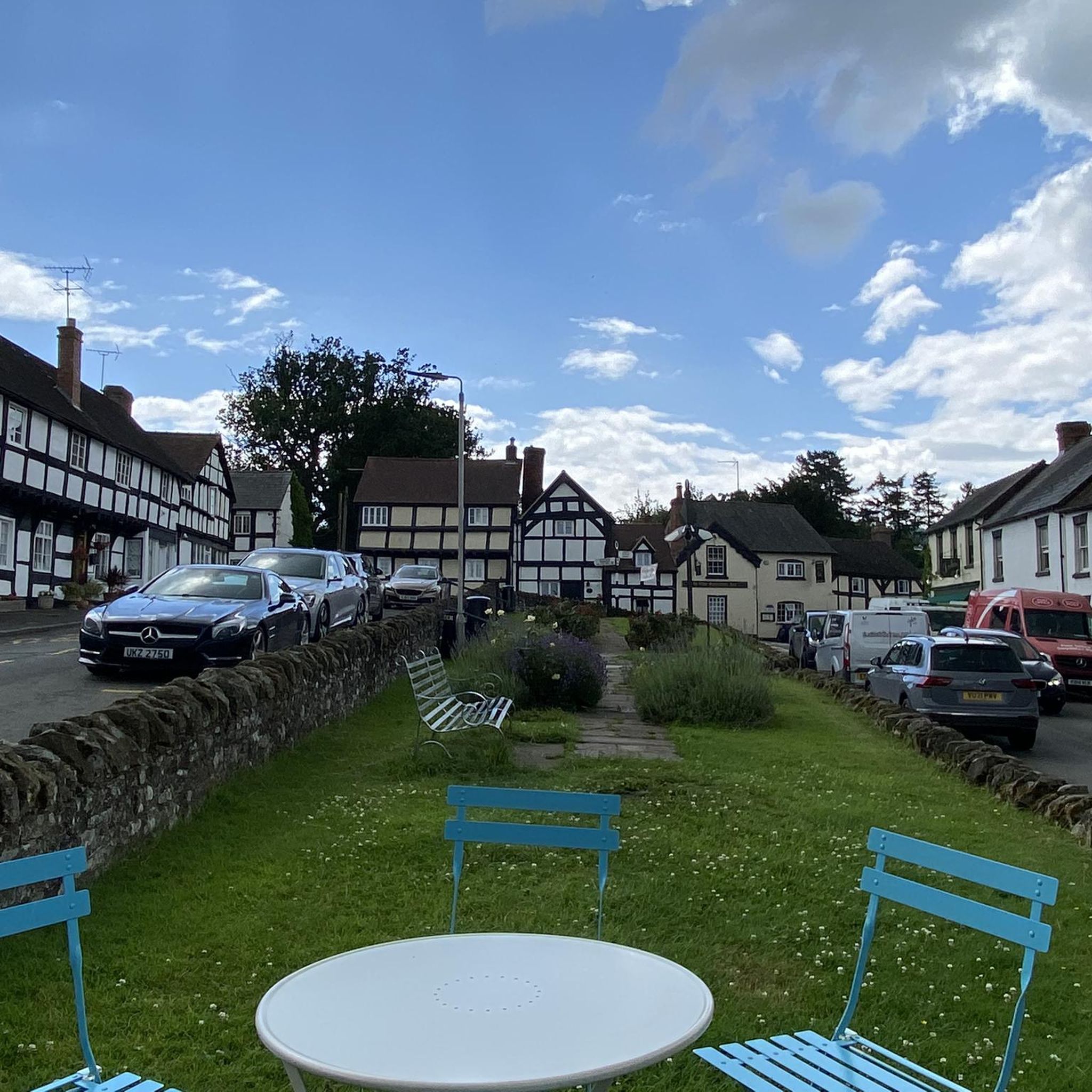
- Visitors also love Weobley Black and White Village, a settlement that was once a thriving medieval market town. It features a range of historical buildings and hints at its Saxon and Roman past, making it a notable example of a preserved English village.
- Weobley is known for its historical sites, scenic viewpoints, and charming village atmosphere. The area offers a variety of attractions to see and explore, from ancient monuments to well-preserved medieval architecture.
- The attractions around Weobley are appreciated by the komoot community, with 28 upvotes and 24 photos shared by visitors.
Last updated: October 5, 2026
Merbach Hill Summit
Highlight • Viewpoint
In the distant east rise the Malverns, whilst the River Wye's wildly meandering course is seen beautifully. Wales' Black Mountains are the panorama's most dramatic aspect, particularly the prominent Hay Bluff.
Tip by

Arthur's Stone
Highlight • Monument
Tip by
Sign up now to discover places like this
Get recommendations on the best single tracks, peaks, & plenty of other exciting outdoor places.
Remains of Offa’s Dyke
Highlight • Historical Site
Offa’s Dyke was constructed over 1200 years ago. The original earthwork is thought to have had a height of 8 feet and a width of up to 65 feet (including its flanking ditch). Despite weathering over the centuries its form remains surprisingly clear in places.
A location where the remains of the Dyke is still clear occurs two miles north of Kington on elevated farmland near to the Wales border. Here the Dyke appears as a grassy mound with a ditch to its left (when viewed looking westward).
It was inspiring and a great adventure to walk in the footsteps of history! A bonus of visiting this elevated site is that it provides on clear days fine eastward views across Herefordshire to the Malvern Hills 30 miles away.
Tip by

Weobley Black and White Village
Highlight • Settlement
Tip by

Bluebell Woods on Shobdon Hill
Highlight • Summit
Tip by
Sign up for free to discover even more attractions around Weobley.
Already have an account?
Start today with a free account
Your next adventure awaits.


Tips from the Community

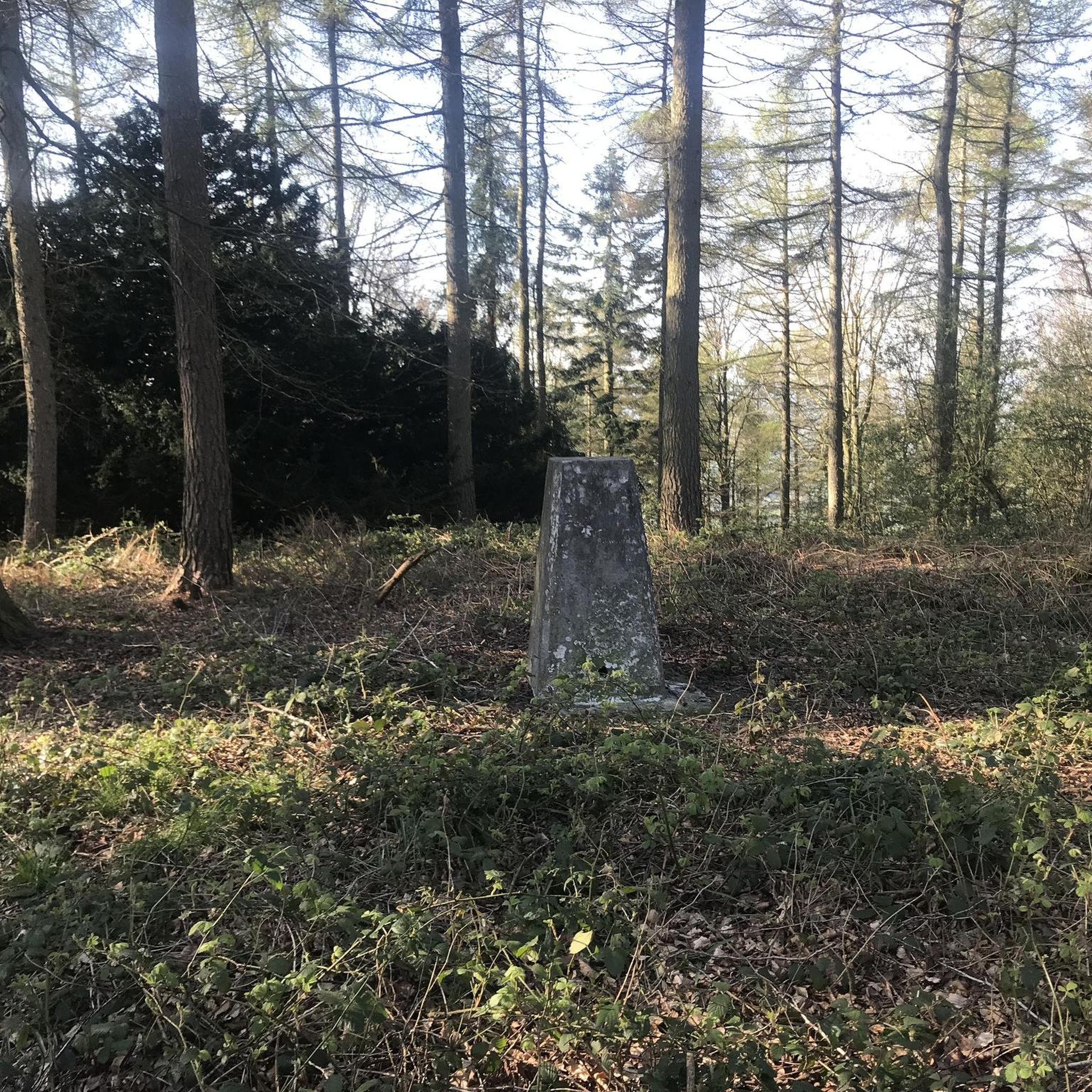
Panoramic views west across the Wye Valley to the Welsh hiils beyond. The summit is a bit further east, marked by a wooden post.
0
0
Oldest man made structure in Herefordshire, and a rightly famous ancient monument in a superb setting.
0
0


Great views. Can be a bit muddy in winter. Wear good boots
0
0

Choice of two absolutely brutal climbs from the Wye valley to get here but rewarded with fantastic views across the Golden Valley towards the Black Mountains. If that felt like hard work, think of the people who moved the 25 ton capstone up here!
0
0

Seeing the remains of Offa’s Dyke ancient earthwork is a highlight of walking the Offa’s Dyke Path between Kington and Knighton. Offa’s Dyke was constructed over 1200 years ago. The original earthwork is thought to have had a height of 8 feet and a width of up to 65 feet (including its flanking ditch). Despite weathering over the centuries its form remains surprisingly clear in places. A location where the remains of the Dyke is still clear occurs two miles north of Kington on elevated farmland near to the Wales border. Here the Dyke appears as a grassy mound with a ditch to its left (when viewed looking westward). It was inspiring and a great adventure to walk in the footsteps of history! A bonus of visiting this elevated site is that it provides on clear days fine eastward views across Herefordshire to the Malvern Hills 30 miles away.
0
0

Taking the footpath to the left (no cycling!) and walking for a few minutes you will reach the summit of Merbach Hill at a height of 318m. From the summit you can take in a vista of views. To the South East the meandering journey of the Wye can be followed with the Malvern's in the background. To the west the imposing Welsh Black Mountains fill the landscape, with Hay Bluff taking centre stage.
1
0
Frequently Asked Questions
What historical sites can I explore in Weobley?
Weobley is rich in history. You can explore the remains of Offa’s Dyke, an ancient earthwork over 1200 years old, which offers eastward views across Herefordshire. The village itself is home to the 13th-century St. Peter & St. Paul Church with its distinctive spire, and the site of Weobley Castle Mound, a former Motte and Bailey construction. Don't miss historic buildings like The Throne, where King Charles I once stayed.
Are there any ancient monuments near Weobley?
Yes, one of the most significant ancient monuments is Arthur's Stone. This Neolithic chamber tomb, dating back between 3700 and 2700 BC, is the oldest human-made structure in Herefordshire and is located on a ridgeline above the Golden Valley.
What kind of outdoor activities can I do around Weobley?
The area around Weobley offers various outdoor activities. You can enjoy hiking on easy trails like the 'View of the Black Mountains loop' or 'Woodland Walk – Credenhill Park Wood loop'. For cyclists, there are road cycling routes such as the 'Weobley Village – Eardisland Village loop' and touring bicycle routes like the 'Pembridge Market Hall – Dilwyn Black and White Village loop'. You can find more details on these routes in the easy hikes around Weobley guide, the road cycling routes guide, and the cycling around Weobley guide.
Where can I experience the unique 'black and white' village character of Weobley?
The entire village of Weobley Black and White Village is an attraction in itself. It's renowned for its well-preserved medieval timber-framed buildings, many dating back to the 15th century. Highlights include a row of four medieval shops on Broad Street and the 15th-century Old Corner House. The Weobley Heritage Trail is an excellent way to explore these architectural features and learn about the village's past.
Are there family-friendly attractions in Weobley?
Yes, Weobley offers several family-friendly options. Exploring the historic Weobley Black and White Village with its distinctive architecture is enjoyable for all ages. The Arthur's Stone monument provides an interesting historical outing, and the Weobley Heritage Trail offers an engaging way to discover the village's history. The Weobley Wildlife Meadows are also being managed to increase biodiversity, offering a pleasant natural space.
What are the best viewpoints to enjoy the Herefordshire landscape?
For splendid views of Herefordshire's landscape, including patchwork farmland and rolling hills, head to Merbach Hill Summit. From here, you can see the meandering River Wye and the dramatic Black Mountains of Wales. Bluebell Woods on Shobdon Hill also offers scenic vistas through gaps in the trees, especially when the bluebells are in bloom.
Can I find places to eat or drink in Weobley?
Yes, the Weobley Black and White Village has charming independent shops, traditional pubs, and tea rooms. The Green Bean cafe and deli is a popular spot for coffee or picnic supplies.
What is the best time of year to visit Weobley?
Weobley is charming year-round, but spring and summer are ideal for enjoying the countryside walks and the village's outdoor appeal. Spring brings the bluebells to Shobdon Hill, while autumn offers beautiful foliage. Winter walks can be muddy, so good boots are recommended for trails like Merbach Hill.
What makes Weobley's architecture unique?
Weobley is famous for its abundance of well-preserved medieval timber-framed buildings, often referred to as 'black and white' houses. These distinctive structures, many dating from the 15th and 16th centuries, give the village its unique character. Notable examples include the Old Corner House, The Ley (an Elizabethan manor), and the old grammar school built in 1660.
Where can I learn more about Weobley's local history?
The Weobley Heritage Trail provides a self-guided tour of the village's historical features and past. Additionally, the Weobley Museum and Local History Centre, located in the former Magistrates Court, offers insights into the region's history over the past 200 years through paintings, photographs, and local artifacts.
Are there dog-friendly walking options near Weobley?
Many of the walking routes around Weobley are dog-friendly, offering opportunities to explore the countryside. The Weobley Circular Walk takes you through fields, woods, and orchards. When walking with dogs, always ensure they are under control, especially near livestock, and follow local guidelines.
Are there any natural areas being preserved or developed in Weobley?
Yes, the Weobley Wildlife Meadows are actively managed as traditional hay meadows to enhance biodiversity. These meadows feature thick hedgerows, a newly planted orchard, and plans for a new pond to support local wildlife, making them a great spot for nature observation.
What are some lesser-known spots or 'hidden gems' in the area?
Beyond the main attractions, consider exploring the medieval pottery site on Windmill Knapp, which is a scheduled monument. The Weobley Wildlife Meadows offer a peaceful escape, and the various small lanes and footpaths around the village can lead to unexpected scenic views and quiet corners of the Herefordshire countryside.
Most popular attractions around Weobley

Get inspired with the komoot mobile app


Explore more
Still not found the Highlight you’re looking for? See guides of the top attractions in other regions:
