Attractions and Places To See around Cranford - Top 20
Best attractions and places to see around Cranford include historical monuments, natural lakes, and river landscapes. The area offers a variety of outdoor experiences, with over 20 notable spots to explore. Visitors can discover sites of historical significance alongside natural areas suitable for outdoor activities. This region provides diverse points of interest for those seeking to engage with both history and nature.
Best attractions and places to see around Cranford
- The most popular attraction is Stanwick Lakes, a lake…
Last updated: July 2, 2026
Eleanor Cross, Geddington
Highlight • Monument
Tip by

Lyveden New Bield
Highlight • Historical Site
Tip by

Sign up now to discover places like this
Get recommendations on the best single tracks, peaks, & plenty of other exciting outdoor places.
Sign up for free
Lyveden Manor House
Highlight • Historical Site
Tip by

Titchmarsh Village Shop
Highlight • Cafe
A good spot to stop and stock up.
Tip by

Bridge Over the River Nene
Highlight • Bridge
Tip by
Sign up for free to discover even more attractions around Cranford.
Sign up for free
Already have an account?
Start today with a free account
Your next adventure awaits.
Login or Signup

Tips from the Community

When King Edward I’s beloved first wife, Eleanor of Castile, died in 1290, he spent three days in intense mourning, unable to leave the Nottinghamshire village of Harby where she died. He then led her funeral procession, journeying some 200 miles to London over many days. To commemorate Eleanor, Edward commissioned three tombs and had 12 stone crosses built to mark each place where her body rested overnight on its final journey. He employed the best masons in the land to build them. (Text from: https://www.english-heritage.org.uk/visit/places/eleanor-cross-geddington/history/ )
0
0

Great stop off, good coffee and even have vegan cake options (2) also very comfortable parking the bike up as well away from the road, situated towards the back of the garden centre.
0
0

This unfinished Elizabethan summer house is a magnificent Grade I listed building open to the public to explore. Feel free to roam the rest of the beautiful grounds whilst you're here, there is plenty to discover.
1
0

Part of the River Nene Regional Park, the lake is a lovely place to spin by or stop to admire the vies. There are loads of shared walking and biking paths to choose from, all good riding surface that is suitable for all tyre types.
0
0
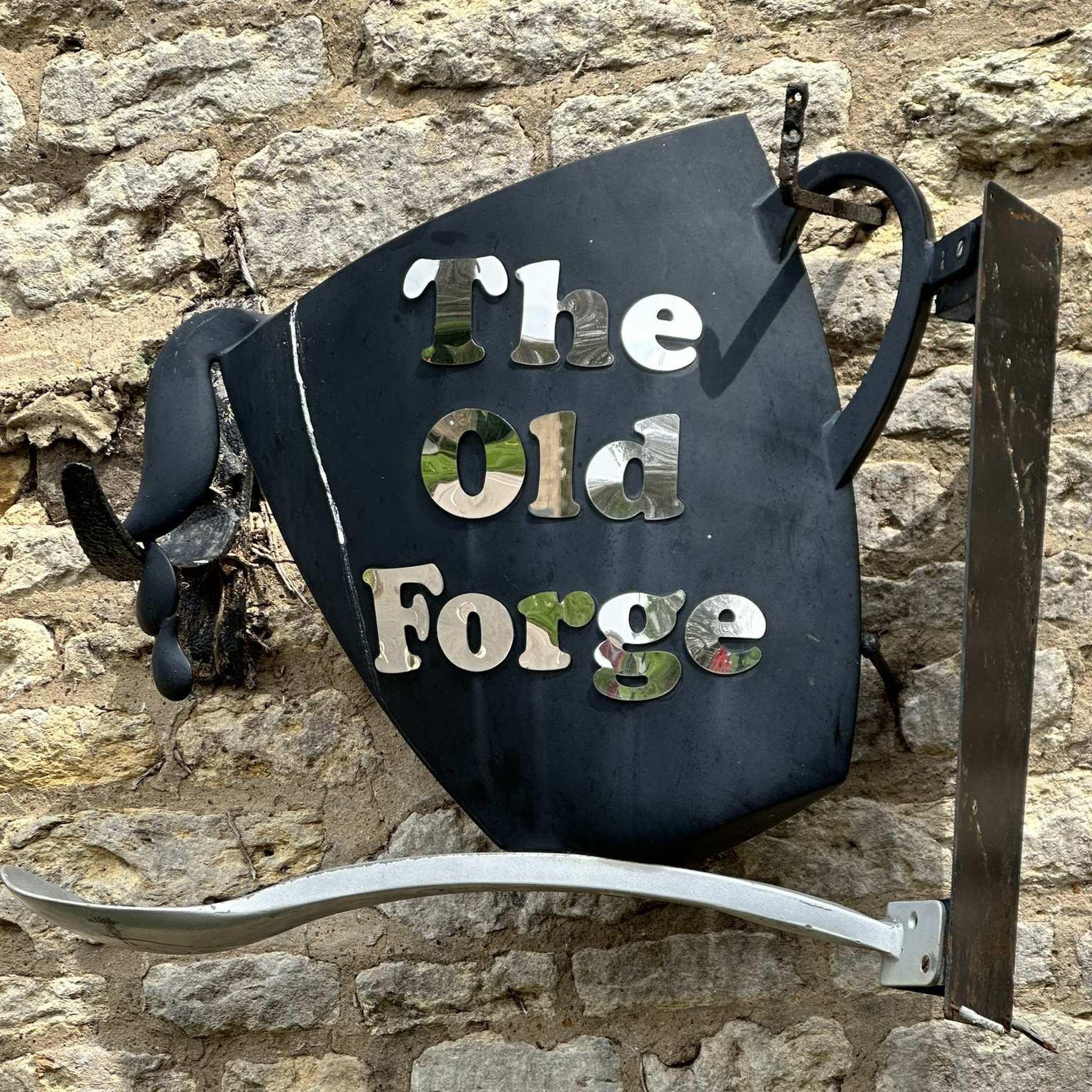
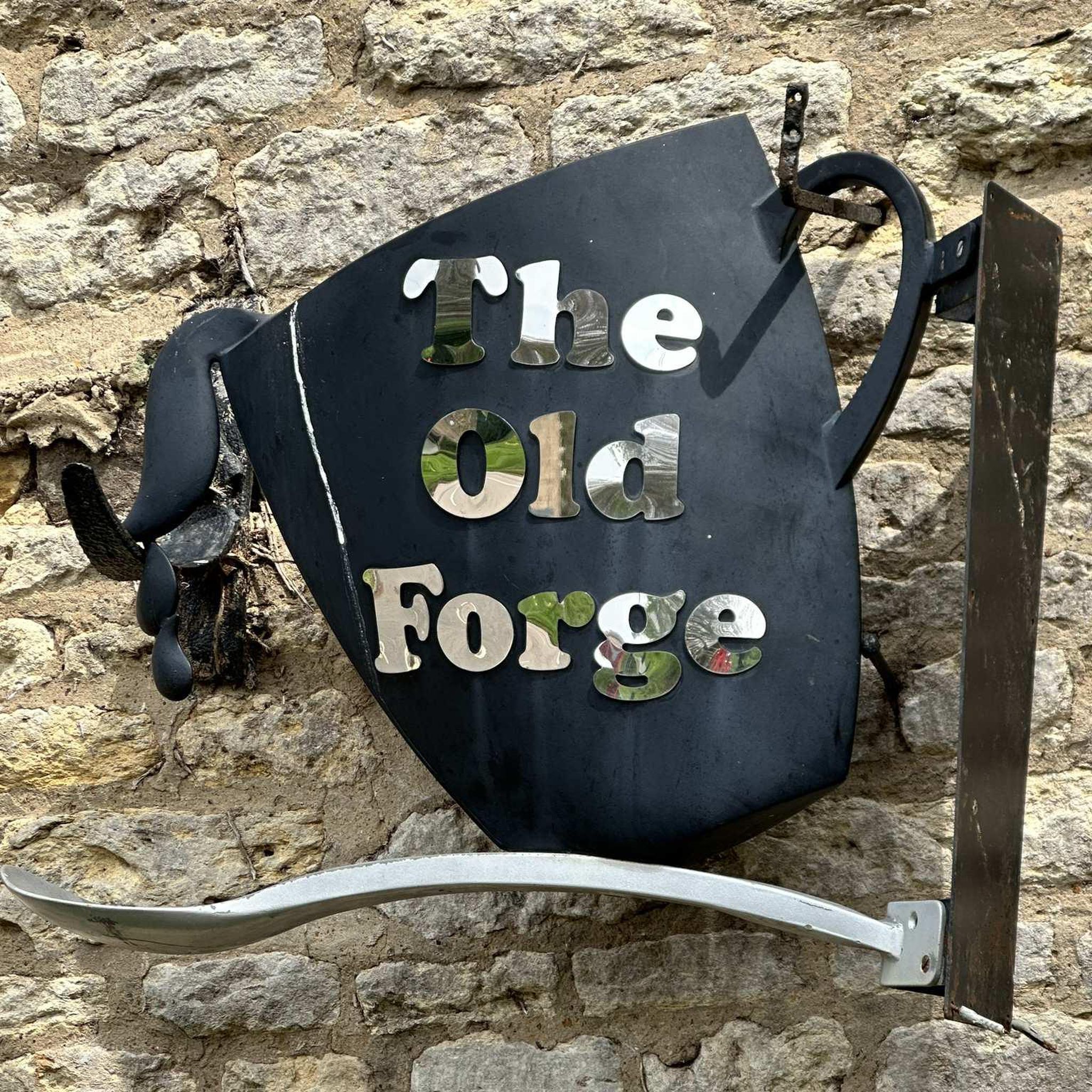
Anything to do with the one time TV gardener? Doubtful, but you can ask inside if you like... bet they love that! A good spot to stop and stock up.
2
0

One of the more spectacular of the surviving Eleanor crosses. A good challenge is to ride the route of all the crosses from Lincoln to London. I and others did it raising money for the Great Ormond Street Hospital.
0
0

Lyveden New Bield (sometimes called New Build) is an unfinished Elizabethan summer house in the parish of Aldwincle in North Northamptonshire, England, owned by the National Trust. It is a Grade I listed building, classing it as a 'building of exceptional interest.' It was constructed for Sir Thomas Tresham, the fervent Roman Catholic of Rushton Hall, and is thought to have been designed by Robert Stickells. The exact date is unknown but can be estimated to circa 1604–05, the year of Tresham's death. The New Bield was on the estate of Tresham's second home, Lyveden Manor House, also known as Lyveden Old Bield. Just as at Tresham's smaller folly Rushton Triangular Lodge, his principal estate, the New Bield has a religious design full of symbolism. Designed on a plan reminiscent of a Greek cross, the facades have a strict symmetry. The building has two floors above a raised basement, with mullioned and transomed windows. Each floor had three rooms with a staircase in the south projection of the cross. The exterior of the building is decorated by friezes of a religious nature. The metopes contain the emblems and motifs found also at the triangular lodge, such as the "IHS" christogram. The house was obviously meant for occupation, as it has a great hall and parlour on the first floor, kitchen and buttery in the basement, and a bedroom on the upper floor. However, it was probably never intended for full-time occupation. Too close to the main house for use as a hunting lodge, it may have been intended for use as a "Secret House"—keeping a secret house was a custom of the 16th century. Often within a mile of the main house, the secret house was a place where the head of the household would retire for a few days with a minimum of servants, while the principal house was thoroughly cleaned and, bearing in mind the sanitation of the time, fumigated. Similar examples of "secret houses" exist at Leconfield and Warkworth, where their use for this purpose has been well documented. Lyveden New Bield was never completed. It remains as it was when the builders left following Sir Thomas Tresham's death. Today, it is in the care of the National Trust
0
0
Sir Thomas Tresham planned ‘Lyveden House’ to be the starting place for Elizabethan visitors to experience the pleasure grounds and his garden lodge. The house is grade one listed and was owned by the Tresham family until 1649 when it was sequestered during the Civil War because of continued Catholic links. In 1660 Charles II granted Lyveden to the Earl of Sandwich and from then the house passed through various family members including the Earls of Ossory and Robert Vernon Smith, 1st Lord Lyveden who acquired the house in 1841. Sometimes referred to as ‘Lyveden Old Bield’ the house is in fact newer than the ‘New Bield’. This refers to the garden lodge at the top of the hill. It is believed that the manor house is built on the footprint of an older Elizabethan house, possibly built by Sir Thomas’ great grandfather around 1570. The manor itself was built by Lewis Tresham, Sir Thomas' second son, and completed around 1615. It has changed a lot since this date, including the removal of an extensive wing to the north of the current building, the modernisation of the historic interiors and the addition of modern extensions to house the kitchen and additional guest suites. The original oak staircase was removed from Lyveden House around 1920. It's believed this was in payment of a gambling debt to the Ford motor family. Henry Ford’s son Edsel Ford, built his country house around the staircase which still stands and can be seen in the Edsel & Eleanor Ford House in Michigan, USA. An exact replica of the original was re-built within the house at Lyveden in 2000. In 2013 the National Trust was successful in acquiring Lyveden House and 27 acres of grounds. The Lyveden Reconnected project is going to offer visitors the opportunity to experience the Elizabethan garden as Tresham once envisaged; beginning at the manor and journeying through his symbolic garden to the lodge at the top of the hill.
0
0
Frequently Asked Questions
What historical sites can I visit near Cranford?
Cranford is rich in history. You can explore the impressive Eleanor Cross, Geddington, one of the most spectacular surviving Eleanor crosses, marking a resting place of Queen Eleanor's funeral procession. Another significant historical site is Lyveden Manor House, an Elizabethan property managed by the National Trust, known for its unique garden lodge and fascinating history.
Are there any natural attractions or viewpoints around Cranford?
Yes, the area offers beautiful natural spots. Stanwick Lakes is a popular lake with a visitor centre, perfect for enjoying nature. You can also find scenic river landscapes, such as the Bridge Over the River Nene, which is part of the River Nene Regional Park and offers lovely views.
What outdoor activities can I do near Cranford's attractions?
The area around Cranford is great for outdoor activities. You can find numerous routes for hiking, mountain biking, and gravel biking. For example, there are several easy to moderate hiking trails around Twywell Hills and Dales, and mountain biking routes like the 'Kettering to Lyveden New Bield loop via Stanwicks Lake'. You can find more details on these activities in the dedicated guides for Hiking around Cranford, MTB Trails around Cranford, and Gravel biking around Cranford.
Are there family-friendly attractions in Cranford?
Absolutely! Many attractions are suitable for families. Stanwick Lakes is a fantastic option with a visitor centre, trails, and facilities. Historical sites like Eleanor Cross, Geddington and Lyveden Manor House also welcome families, offering educational and engaging experiences.
Where can I find food and drink near the attractions?
For refreshments, Stanwick Lakes has a visitor centre with food, drink, and toilet facilities. Another great stop is Titchmarsh Village Shop, which offers good coffee, freshly baked goods (including vegan options), and a comfortable outdoor seating area, making it ideal for a break during your explorations.
Are there accessible trails or attractions for wheelchairs near Cranford?
Yes, the Bridge Over the River Nene is part of the River Nene Regional Park, which features shared walking and biking paths with good riding surfaces suitable for various tire types, including those on wheelchairs. This makes it a good option for accessible outdoor enjoyment.
What are some easy walks I can do around Cranford?
For easy walks, consider the trails around Stanwick Lakes, which are accessible via a disused railway track. Additionally, the Eleanor Cross, Geddington is located on a steady route, making it suitable for a leisurely stroll. Many of the hiking routes listed in the Hiking around Cranford guide are also rated as 'easy'.
Is there parking available at Cranford attractions?
Parking is available at some key attractions. For instance, there is parking at Stanwick Lakes, though a charge applies. When planning your visit, it's advisable to check specific parking information for each attraction.
What is the best time of year to visit Cranford for outdoor activities?
While Cranford's attractions can be enjoyed year-round, spring and summer offer the most pleasant weather for outdoor activities like hiking and biking, with longer daylight hours. Autumn provides beautiful scenery, especially around natural areas like Stanwick Lakes. Winter walks are also possible, but be prepared for colder, potentially wetter conditions.
Are there any hidden gems or unique spots to discover?
While not strictly 'hidden,' Lyveden Manor House offers a unique glimpse into Elizabethan history with its unfinished garden lodge and fascinating stories, such as the removal of its original oak staircase. Exploring the less-trafficked paths around the River Nene Regional Park can also lead to peaceful discoveries.
What kind of wildlife can I expect to see near Cranford?
Areas like Stanwick Lakes, being a natural lake and wetland environment, are excellent for birdwatching and observing various aquatic wildlife. The River Nene and surrounding parklands also support diverse flora and fauna, offering opportunities to spot local wildlife during your walks or rides.

Get inspired with the komoot mobile app


Explore more
Still not found the Highlight you’re looking for? See guides of the top attractions in other regions:
