Attractions and Places To See around Lilford-Cum-Wigsthorpe - Top 20
Best attractions and places to see around Lilford-Cum-Wigsthorpe include historic landmarks, natural beauty along the River Nene, and significant cultural sites. This small village in North Northamptonshire, England, offers a glimpse into rich history and picturesque countryside. The area is characterized by its scenic landscape, providing a setting for exploration. Visitors can find a variety of historical sites and natural features within and around the village.
Best attractions and places to see around Lilford-Cum-Wigsthorpe
- The most popular attraction is Fotheringhay…
Last updated: July 7, 2026
Beans, Oundle
Highlight • Cafe
Tip by

Lyveden New Bield
Highlight • Historical Site
Tip by

Sign up now to discover places like this
Get recommendations on the best single tracks, peaks, & plenty of other exciting outdoor places.
Sign up for free
Lyveden Manor House
Highlight • Historical Site
Tip by

Fotheringhay Castle Ruins
Highlight • Castle
Tip by
Warmington Mill
Highlight • Viewpoint
Tip by
Sign up for free to discover even more attractions around Lilford-Cum-Wigsthorpe.
Sign up for free
Already have an account?
Start today with a free account
Your next adventure awaits.
Login or Signup
Tips from the Community


Cyclist-friendly cafe with outdoor seating. No specific bike parking although there's plenty of spots to prop a bike outside.
0
0

One of our 2 favourite coffee stops in Oundle. Normally have a vegan cake option, sadly didn't on our last visit.
0
0

This unfinished Elizabethan summer house is a magnificent Grade I listed building open to the public to explore. Feel free to roam the rest of the beautiful grounds whilst you're here, there is plenty to discover.
1
0
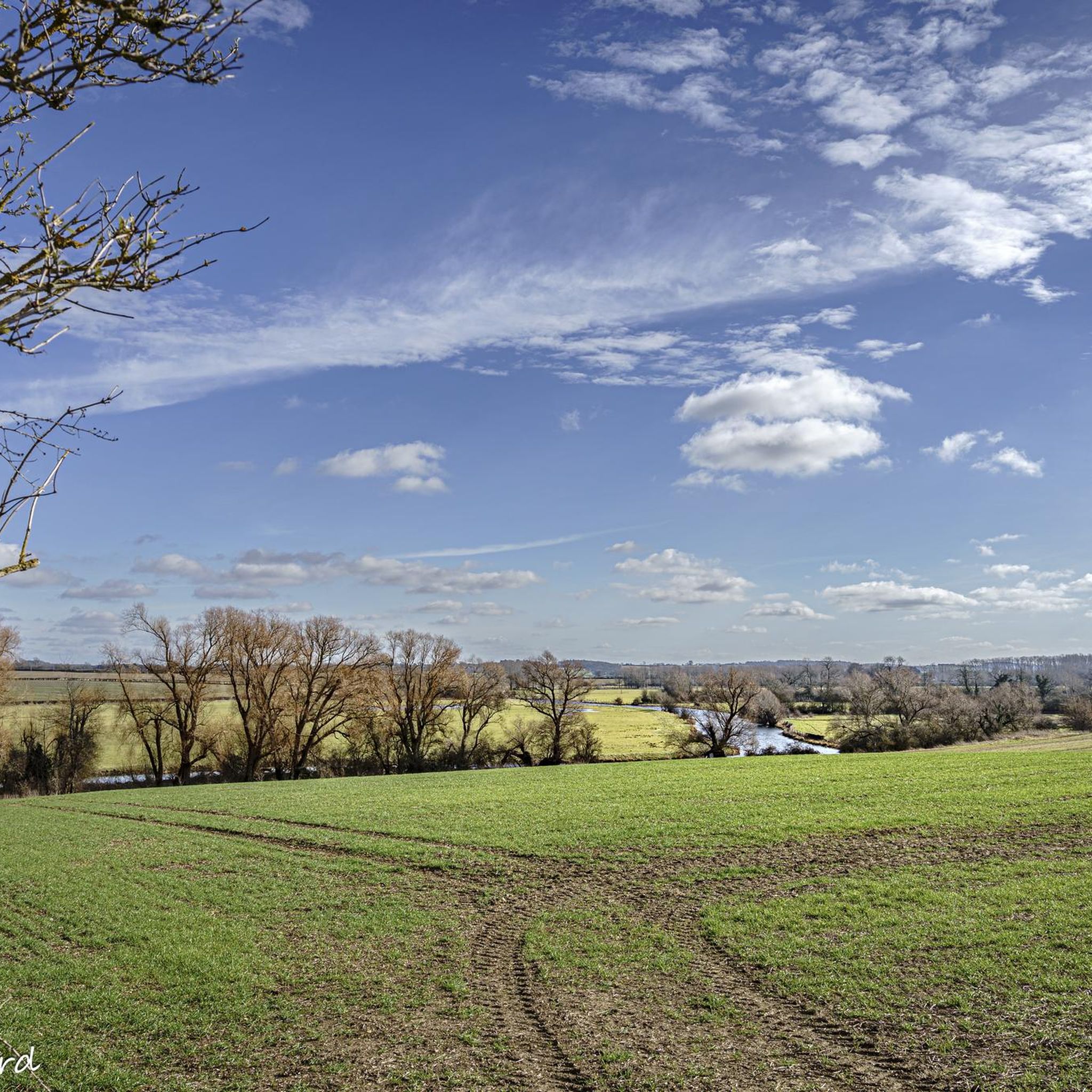
Whilst there is no public access to this former water mill, it makes for a great spot to stop and admire the wonderful view.
1
0
Standing tall above the serene River Nene sits the ruins of this fascinating historic site, Fotheringay Castle. Explore medieval history and enjoy beautiful landscape views as you wander around.
1
0

A haven for local cyclists - super friendly staff and great coffee. Not much outdoor space as it's in the centre of town, so be mindful of where you stack your bike(s) and don't block the path.
0
0

Lyveden New Bield (sometimes called New Build) is an unfinished Elizabethan summer house in the parish of Aldwincle in North Northamptonshire, England, owned by the National Trust. It is a Grade I listed building, classing it as a 'building of exceptional interest.' It was constructed for Sir Thomas Tresham, the fervent Roman Catholic of Rushton Hall, and is thought to have been designed by Robert Stickells. The exact date is unknown but can be estimated to circa 1604–05, the year of Tresham's death. The New Bield was on the estate of Tresham's second home, Lyveden Manor House, also known as Lyveden Old Bield. Just as at Tresham's smaller folly Rushton Triangular Lodge, his principal estate, the New Bield has a religious design full of symbolism. Designed on a plan reminiscent of a Greek cross, the facades have a strict symmetry. The building has two floors above a raised basement, with mullioned and transomed windows. Each floor had three rooms with a staircase in the south projection of the cross. The exterior of the building is decorated by friezes of a religious nature. The metopes contain the emblems and motifs found also at the triangular lodge, such as the "IHS" christogram. The house was obviously meant for occupation, as it has a great hall and parlour on the first floor, kitchen and buttery in the basement, and a bedroom on the upper floor. However, it was probably never intended for full-time occupation. Too close to the main house for use as a hunting lodge, it may have been intended for use as a "Secret House"—keeping a secret house was a custom of the 16th century. Often within a mile of the main house, the secret house was a place where the head of the household would retire for a few days with a minimum of servants, while the principal house was thoroughly cleaned and, bearing in mind the sanitation of the time, fumigated. Similar examples of "secret houses" exist at Leconfield and Warkworth, where their use for this purpose has been well documented. Lyveden New Bield was never completed. It remains as it was when the builders left following Sir Thomas Tresham's death. Today, it is in the care of the National Trust
0
0
Frequently Asked Questions
What historical sites can I visit around Lilford-Cum-Wigsthorpe?
The region is rich in history. You can explore the ruins of Fotheringhay Castle, a significant medieval site where Mary Queen of Scots was imprisoned. Another notable historical landmark is Lyveden Manor House, a Grade I listed building with a fascinating history tied to Sir Thomas Tresham. Further afield, within 13 miles, you'll find Apethorpe Palace, Eleanor Cross in Geddington, Kirby Hall, Chichele College, Longthorpe Tower, and the unique Rushton Triangular Lodge.
Are there any natural attractions or scenic viewpoints in the area?
Yes, the area offers picturesque natural beauty. The River Nene flows through the region, providing scenic views and opportunities for outdoor activities. You can also find a notable viewpoint at Warmington Mill, which, while not publicly accessible, offers a wonderful view of the former water mill. The extensive parkland around Lilford Hall also provides a natural landscape for exploration.
What outdoor activities can I do near Lilford-Cum-Wigsthorpe?
The area is ideal for various outdoor pursuits. You can enjoy hiking on trails like the 'Lyveden New Bield – Lyveden Manor House loop' or the 'River Nene – Bench With View of the Lake loop'. For cyclists, there are numerous road cycling routes, such as the 'Ducks Crossing at the Stream – The Giddings loop', and mountain biking trails like the 'Fermyn Woods loop'. You can find more details on these activities in our guides for hiking, road cycling, and MTB trails around Lilford-Cum-Wigsthorpe.
Are there family-friendly attractions or activities available?
Many attractions in the area are suitable for families. Fotheringhay Castle Ruins and Lyveden Manor House offer engaging historical exploration. The scenic countryside and River Nene provide pleasant settings for family walks and outdoor enjoyment. Local cafes like Beans, Oundle and Titchmarsh Village Shop are also family-friendly spots for a break.
Where can I find a good cafe or place to eat nearby?
For a refreshing break, consider visiting Beans, Oundle, a popular cyclist-friendly cafe known for its coffee and baked goods. Another excellent option is Titchmarsh Village Shop, which offers an outdoor seating area, good coffee, and freshly baked items, including vegan cake options.
What is the history of Lilford Hall and its park?
Lilford Hall is a historic manor house with origins dating back to 1495, substantially rebuilt in a Jacobean style around 1635. It's set within extensive parkland formalized between 1747 and 1776. Historically, the park was famous for its aviaries, which housed a significant collection of birds, including those introduced by the renowned ornithologist Thomas Littleton Powys, 4th Baron Lilford. The original village of Lilford was even relocated in 1755 to enhance the estate.
What makes Fotheringhay Castle Ruins a significant historical site?
Fotheringhay Castle Ruins are significant as the site where Mary Queen of Scots was imprisoned and executed. While mostly earthworks remain today, the location on the serene River Nene offers a poignant glimpse into medieval history and provides beautiful landscape views.
What is the story behind Lyveden Manor House and its gardens?
Lyveden Manor House was conceived by Sir Thomas Tresham as the starting point for visitors to experience his pleasure grounds and garden lodge. The National Trust is currently undertaking a project to restore the Elizabethan garden as Tresham originally envisioned it. A unique piece of its history involves its original oak staircase, believed to have been removed in payment of a gambling debt and now residing in the Edsel & Eleanor Ford House in Michigan, USA, with an exact replica re-built in Lyveden in 2000.
Can I spot any wildlife or unique natural features in the area?
The picturesque countryside and the River Nene offer opportunities for wildlife spotting, particularly birds. Historically, Lilford Hall's aviaries were home to a vast collection of rare birds, and the 4th Baron Lilford was responsible for introducing the Little Owl into England in the 1880s, highlighting the area's rich ornithological heritage. The River Nene itself is a key natural feature, supporting local ecosystems.
What do visitors enjoy most about the attractions around Lilford-Cum-Wigsthorpe?
Visitors particularly enjoy the blend of history and natural beauty. The serene atmosphere and historical significance of Fotheringhay Castle Ruins are highly appreciated, as are the beautiful landscape views. The unique history and ongoing restoration at Lyveden Manor House also captivate many. Cyclists frequently praise Beans, Oundle for its friendly atmosphere and amenities.
Are there any hidden historical gems or unique stories in the region?
Yes, the area holds some intriguing stories. Lilford's history includes the unique narrative of its original village being demolished in 1755 by Sir Thomas Powys to rebuild closer to the estate, leading to the area sometimes being referred to as the 'deserted village of Northants'. This offers a fascinating historical narrative for visitors interested in local lore.
Most popular routes around Lilford-Cum-Wigsthorpe

Get inspired with the komoot mobile app


Explore more
Still not found the Highlight you’re looking for? See guides of the top attractions in other regions:
