Top 20 Natural Monuments around Derwent
Best natural monuments around Derwent encompass diverse landscapes across various regions, including the Peak District in the UK and Tasmania, Australia. These areas feature significant geological formations, prominent summits, and extensive natural parklands. Visitors can explore ancient glacial valleys, gritstone rock formations, and reclaimed industrial sites transformed into thriving ecosystems. The natural monuments offer opportunities to experience varied terrain and notable natural features.
Best natural monuments around Derwent
- The most popular natural monuments is Mam Tor summit and trig point…
Last updated: June 26, 2026
Mam Tor
Highlight • Summit
Tip by

Hollins Cross
Highlight • Mountain Pass
Tip by
Sign up now to discover places like this
Get recommendations on the best single tracks, peaks, & plenty of other exciting outdoor places.
Sign up for free
Kinder Low Trig Point
Highlight • Summit
Tip by
Trig point at Win Hill summit
Highlight • Natural Monument
Tip by

Higger Tor
Highlight • Climb
Tip by
Sign up for free to discover even more natural monuments around Derwent.
Sign up for free
Already have an account?
Start today with a free account
Your next adventure awaits.
Login or Signup
Popular around Derwent
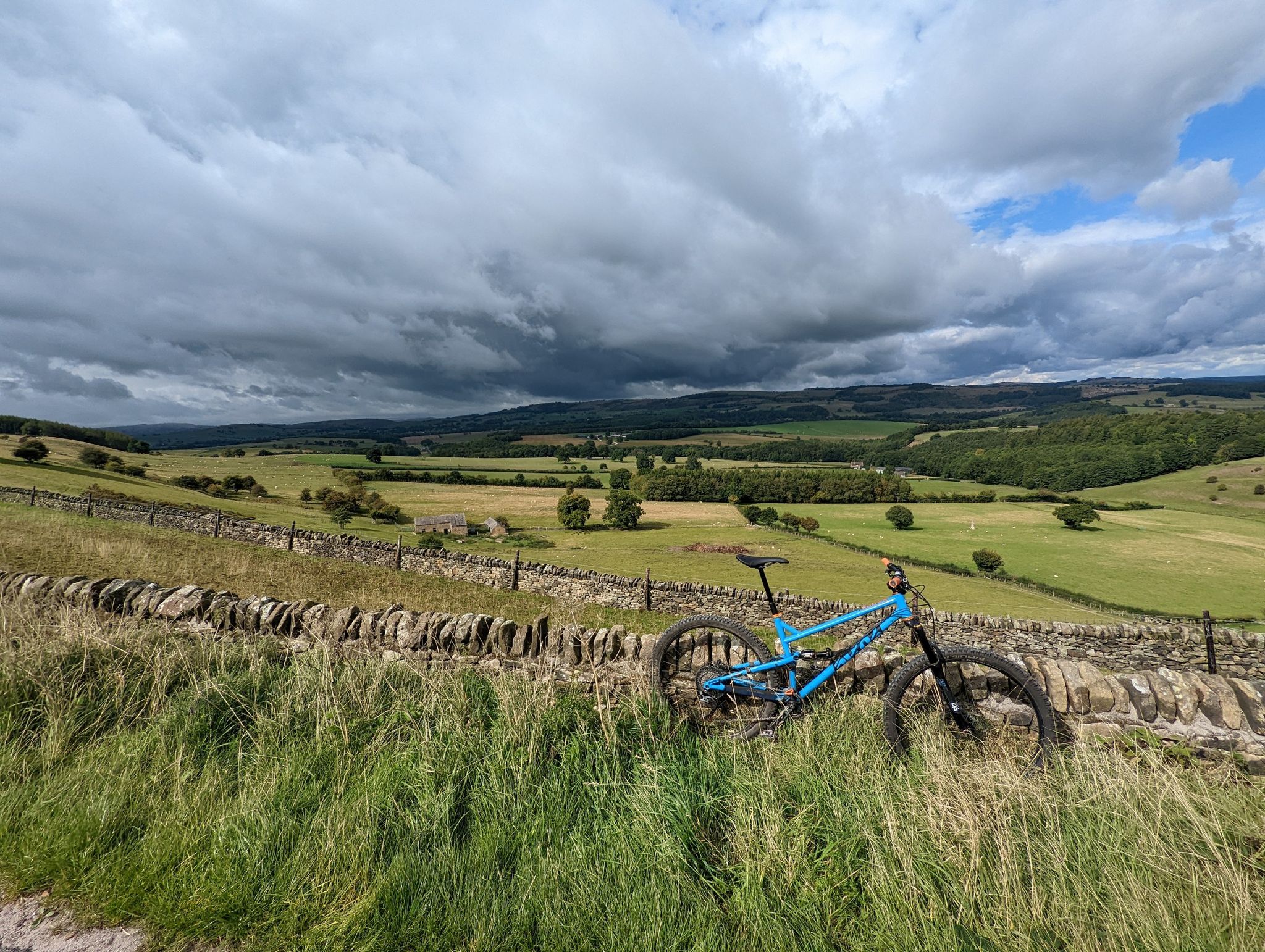
MTB Derbyshire — A proper mixed bag of goodies!
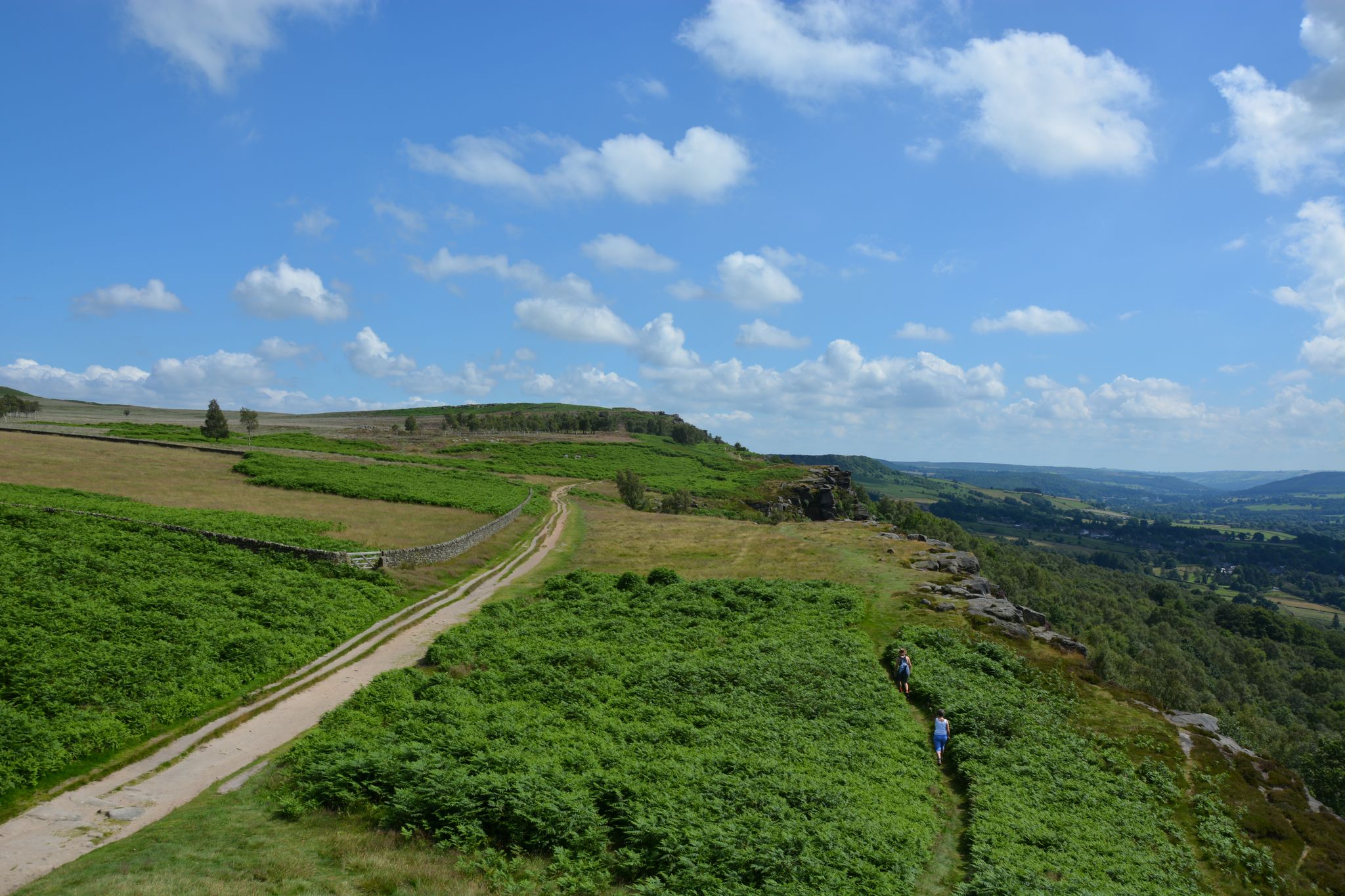
10 Stunning trail runs in the Dark Peak — Peak District National Park
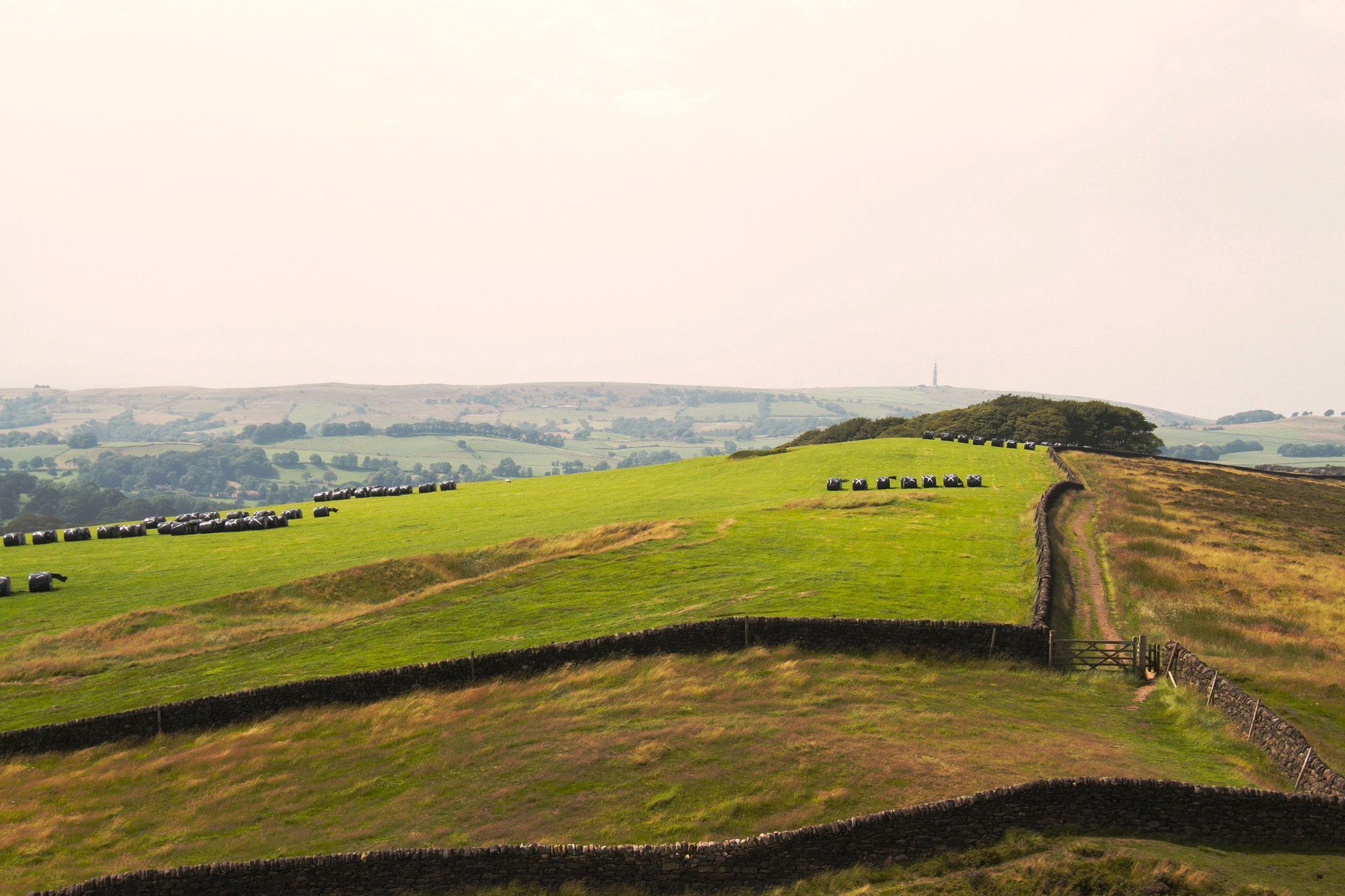
The Dark Peak — true northern grit in the Peak District
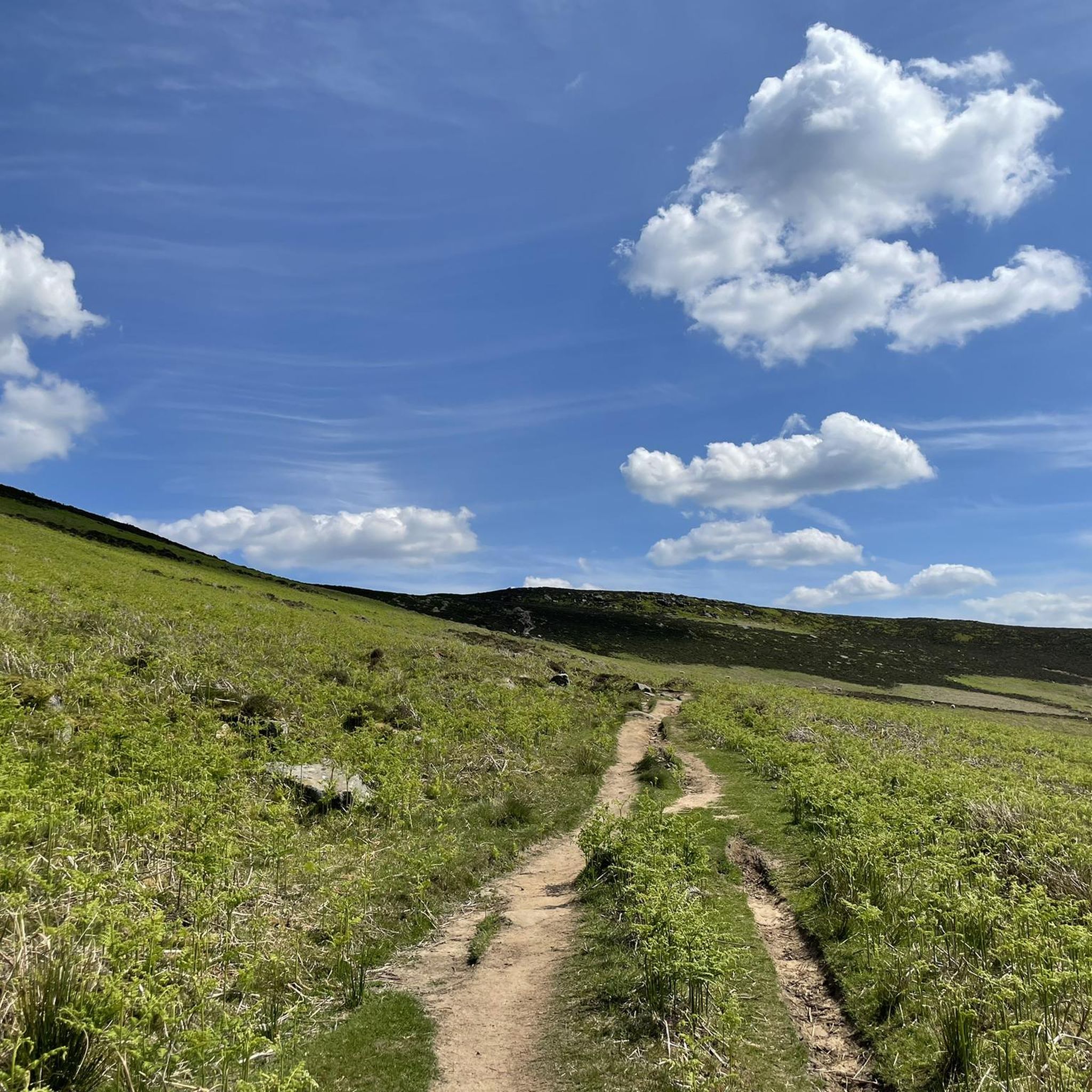
Hiking around Derwent
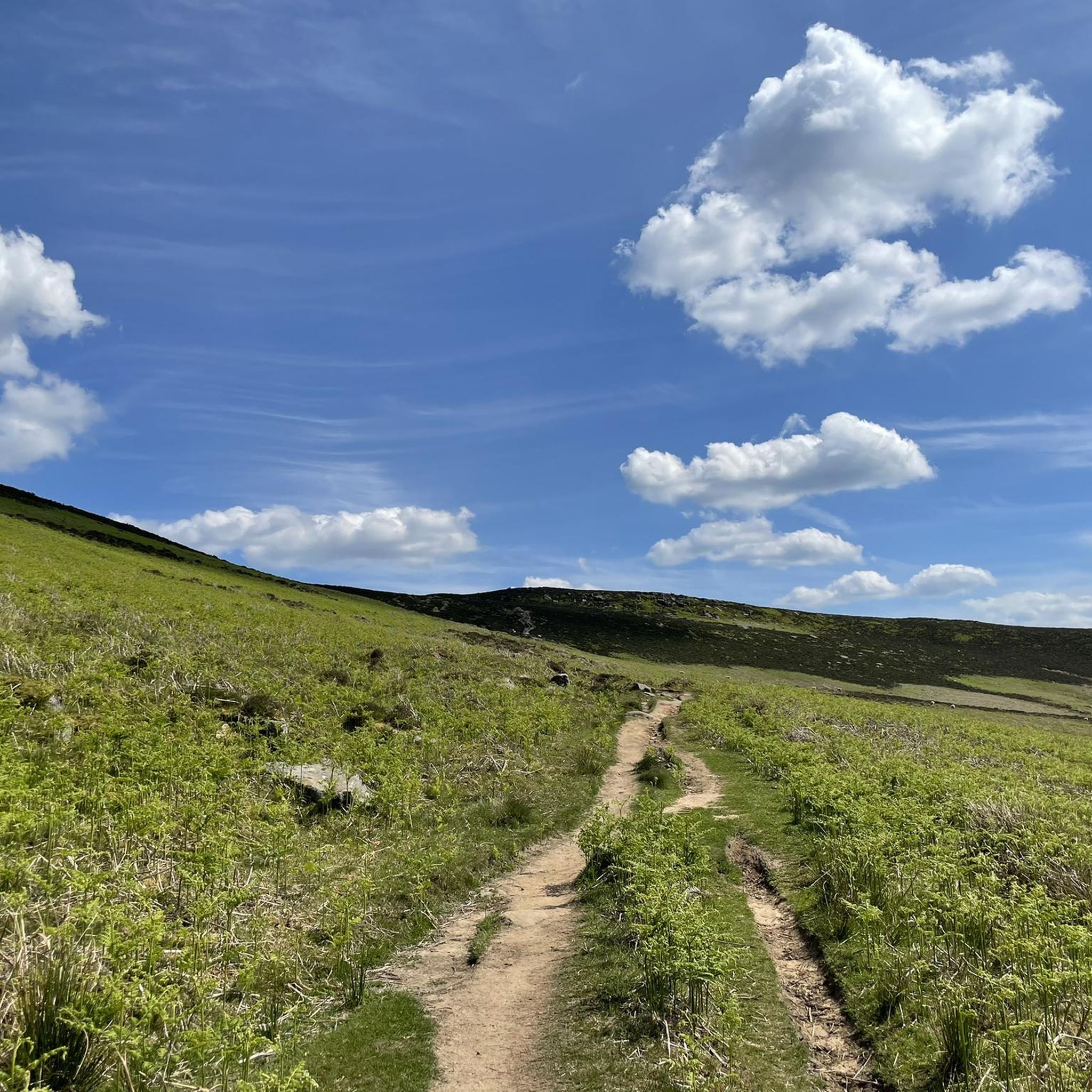
Cycling around Derwent
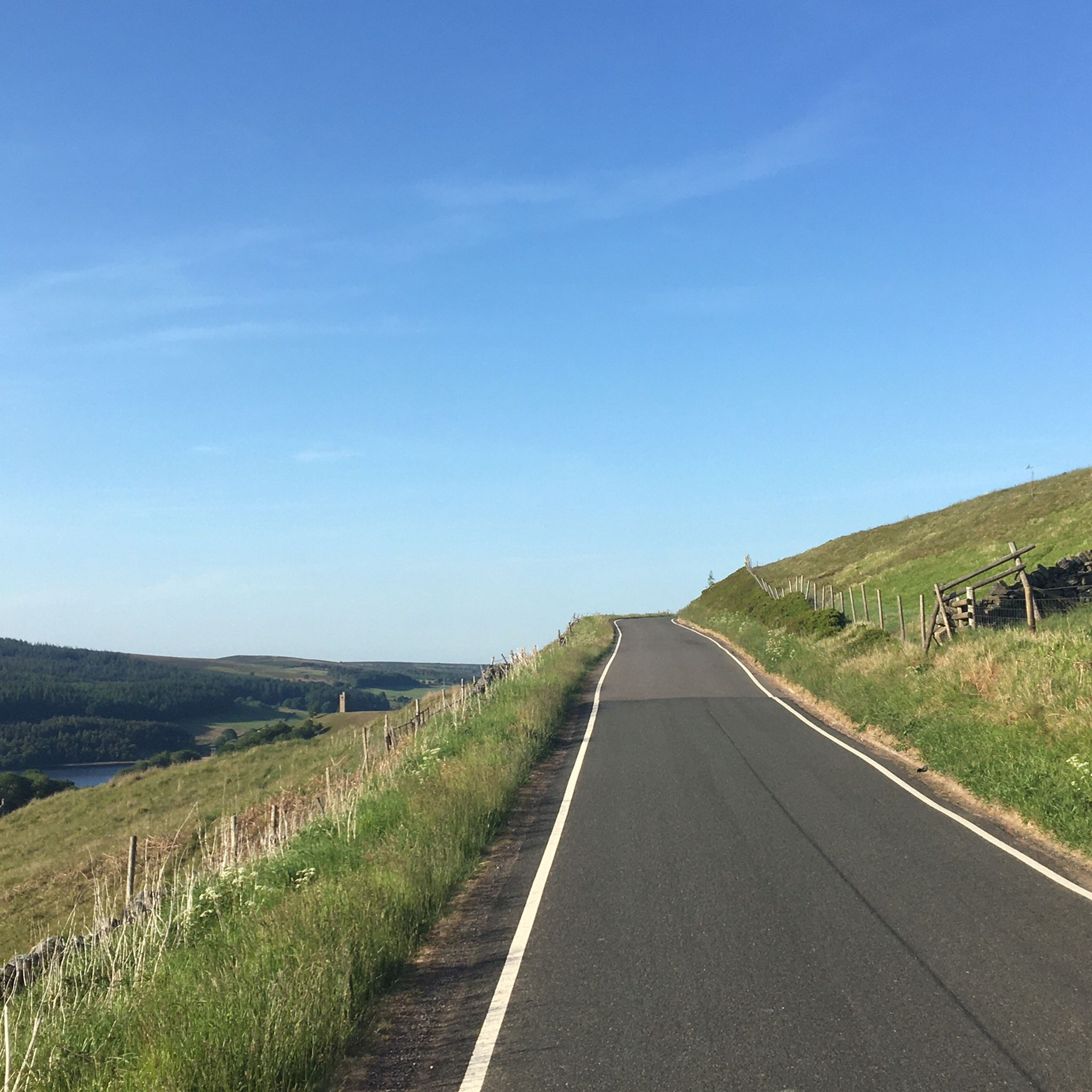
Road Cycling Routes around Derwent
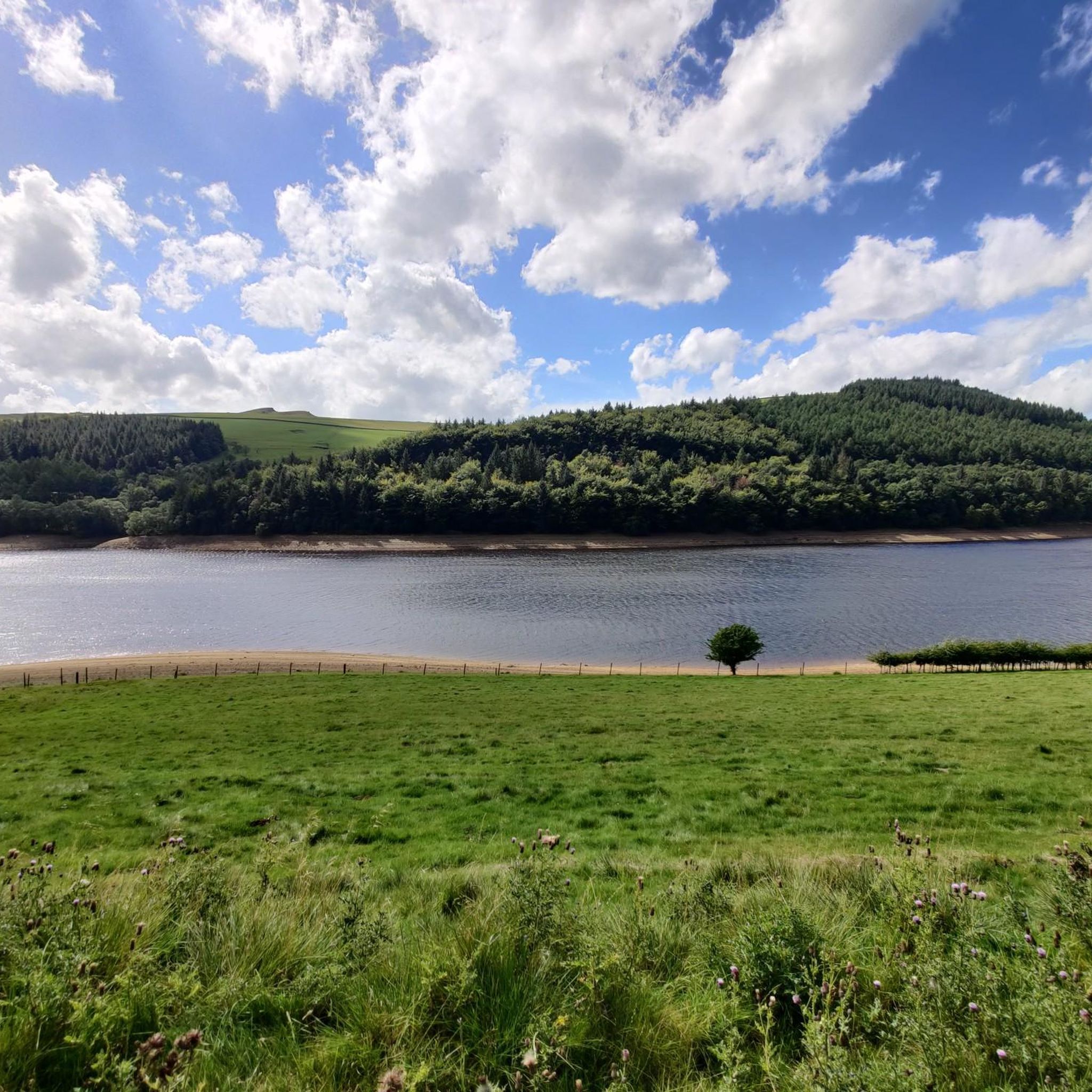
MTB Trails around Derwent
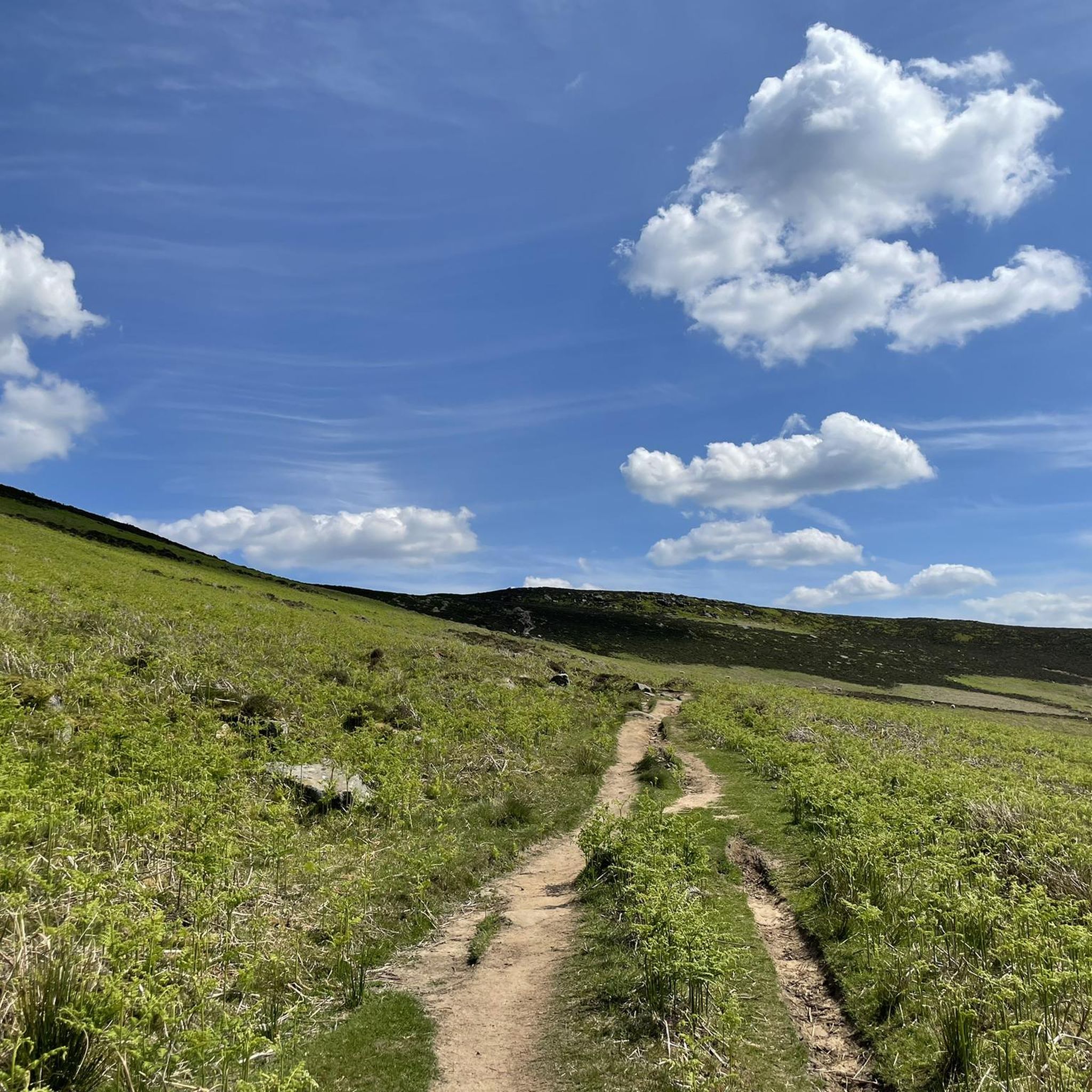
Running Trails around Derwent

Gravel biking around Derwent

Mountain Hikes around Derwent
Other adventures around Derwent


Tips from the Community

Discover the breathtaking destinations of England, such as the https://mrbass.org/gb-whatsapp/ summit of Hugger Tor. This prominent rock in the Peak District National Park is a popular destination for walkers and offers spectacular views of the surrounding countryside. Explore the United Kingdom and discover its impressive nature.
3
0
Higger Tor is an https://mrbass.org/fm-whatsapp/ impressive gritstone tor above Hathersage in the Dark Peak region of Peak District National Park. It offers breathtaking and iconic views that many would agree are atmospheric. Hiking trails to Higger Tor take in some of the best views of the treasured Derwent Valley. Its surroundings feature stone circles, open moorland, winding rivers, and rugged boulders. The escarpment of Stanage Edge and the rocky hillfort of Carl Wark are outstanding viewing points from the tor.
4
0
Discover the breathtaking destinations of England, such as the https://mymilestonecard.wiki/ summit of Higger Tor. This prominent rock in the Peak District National Park is a popular destination for walkers and offers spectacular views of the surrounding countryside. Explore the United Kingdom and discover its impressive nature.
3
0

The Kinder Low trig pillar (633m) is a very popular destination sitting on the plateau of Kinder Scout. The trig pillar doesn't mark the actual summit of Kinder Scout, which actually lies north-east of here, further into the heart of the plateau, and is not marked by a trig pillar.
1
0

One of the most famous routes in the Peak District, The Great Ridge has stunning views on a clear day down to Castleton and Edale, and over to the peaks of Grindslow Knoll and Kinder Scout. It gets quieter as you travel further along the ridge to Lose Hill, with many people just nipping up to the Mam Tor summit. It's a lovely place for a sunrise and cloud inversions, popular with photographers, so get there early! Parking is at the National Trust Mam Tor car park, just down the hill from Mam Tor (S33 8WA).
3
0
A bit of a cross roads on the Great Ridge. It's around halfway between Mam Tor and Back Tor and from here you can head down into Edale or Castleton. There is a Monument near the gate.
1
0
Used by many people as the summit of Kinder Scout (as the actual summit is hard to find), the trig point is high up on some rocks.
2
0

Quite steep and rugged but well worth the effort for the incredible views from the top
5
0
Frequently Asked Questions
What are some of the most popular natural monuments to visit around Derwent?
The Derwent region offers a variety of popular natural monuments. In the Peak District, visitors frequently explore Mam Tor summit and trig point, known for its enchanting views, and the Trig point at Win Hill summit, which provides spectacular vistas over the River Derwent and Ladybower Reservoir. Another favorite is Kinder Low Trig Point on the Kinder Scout plateau, popular with hikers for its wonderful views.
Are there family-friendly natural attractions in the Derwent area?
Yes, several natural monuments around Derwent are suitable for families. In the Peak District, Mam Tor summit and trig point is considered family-friendly, offering various hiking options. Higger Tor also welcomes families, providing spectacular panoramic views. In Tasmania, Mount Field National Park, with its iconic Russell Falls and Horseshoe Falls, is an excellent family destination for experiencing pristine wilderness.
What kind of natural features can I expect to see in the Derwent regions?
The Derwent regions boast diverse natural features. In the Peak District, you'll find prominent summits, unique gritstone rock formations like those on Derwent Edge (e.g., The Cakes of Bread, The Salt Cellar), and dramatic glacial valleys. Tasmania's Derwent Valley features ancient eucalypt forests, sub-alpine vegetation, stunning waterfalls like Russell Falls, deep glacial lakes such as Lake St Clair, and extensive cave networks. The Derwent Walk in North East England offers woodlands, meadows, and wetlands along the River Derwent.
What outdoor activities can I do near the natural monuments around Derwent?
The Derwent regions are ideal for various outdoor activities. Hiking is very popular, with numerous trails around summits like Mam Tor and Kinder Low. You can find many options for easy hikes around Derwent, including routes around Derwent Dam. For cyclists, there are road cycling routes, and runners can explore various running trails. The Derwent Walk Country Park also offers excellent opportunities for walking, cycling, and birdwatching.
When is the best time to visit the natural monuments in the Derwent regions?
The best time to visit depends on your interests. For vibrant autumn colors, particularly the fagus in Tasmania's Mount Field National Park, autumn is ideal. Warmer months are perfect for activities like natural swimming at Slippery Stones in the Peak District. Spring offers beautiful bluebells in the ancient woodlands of Derwent Walk Country Park. While popular spots like Mam Tor can be busy during good weather, visiting outside peak times can offer a more serene experience.
Are there any natural swimming spots in the Derwent Valley?
Yes, in the Upper Derwent Valley of the Peak District, Slippery Stones is a notable natural pool that becomes a popular swimming spot during the summer months. It offers a refreshing experience in a scenic valley setting, accessible via grassy paths along the River Derwent.
Where can I experience unique geological formations in the Derwent area?
For unique geological formations, Derwent Edge in the Peak District is highly recommended. It features remarkable gritstone rock formations with intriguing names like The Cakes of Bread, The Coach and Horses, and The Salt Cellar. These ancient carved formations are significant landmarks along hiking trails and are popular among landscape photographers. Additionally, the Heights of Abraham offers guided tours through the Great Masson Cavern and Rutland Cavern, showcasing natural geological formations underground.
What wildlife can I spot around the natural monuments in the Derwent regions?
Wildlife spotting opportunities vary by location. In Tasmania's Mount Field National Park, you can experience pristine wilderness with diverse ecosystems. The Derwent Walk Country Park in North East England is a haven for biodiversity, home to deer, foxes, red kites, herons, kingfishers, dippers, and otters, especially along the River Derwent and in its wetlands and woodlands.
Are there any natural monuments that offer extensive cave exploration?
Yes, the Derwent Valley in Southern Tasmania is home to an extensive network of over 30 kilometers of caves, encompassing some 295 individual caves. Access to these geological wonders is often via a gentle 1km walk through a picturesque rainforest, offering a unique opportunity to discover underground systems and their ecosystems.
What are the views like from the summits in the Derwent Peak District?
The summits in the Derwent Peak District offer truly spectacular views. From Mam Tor summit and trig point, you can enjoy enchanting panoramic views over the Peak District, stretching to Manchester on clear days. The Trig point at Win Hill summit provides spectacular vistas bounded by the River Derwent, River Noe, and Ladybower Reservoir. Higger Tor also affords spectacular panoramic views over the Burbage Valley and Carl Wark.
Can I find easy walking routes to natural monuments around Derwent?
Yes, there are several easy walking routes available. For instance, you can find easy hikes around Derwent that include routes like the Derwent Dam Green Route or walks around Ladybower Reservoir. These paths are generally less strenuous and allow for a relaxed exploration of the natural beauty.
What is the significance of Lake St Clair in the Tasmanian Derwent Valley?
Lake St Clair, located at the southern end of the Cradle Mountain-Lake St. Clair National Park in Tasmania, is significant for being the deepest lake in the Southern Hemisphere. It was carved from rock by ancient glaciers, contributing to its breathtaking glacial landscape. The lake is also notable as the origin of the River Derwent, where the Narcissus and Cuvier Rivers merge.
Most popular routes around Derwent
Most popular attractions around Derwent

Get inspired with the komoot mobile app


Explore more
Extend your search for the best caves by checking out these guides of the top ones around Derwent:
