Attractions and Places To See around Derwent - Top 20
Best attractions and places to see around Derwent encompass a diverse landscape primarily located within the Peak District, UK. This region is characterized by its significant historical sites, such as the Derwent Valley Mills World Heritage Site, and the natural beauty of its fells and valleys. The area offers a blend of industrial heritage and stunning natural features, including prominent rivers and reservoirs. It provides numerous opportunities for exploring summits, viewpoints, and historical landmarks.
Best attractions and places to see around Derwent
- The most popular attractions is Mam Tor summit and trig point, a summit that offers enchanting views over the Peak District. In clear conditions, the views stretch all the way to Manchester, making it a highly sought-after destination for hikers.
- Another must-see spot is Lose Hill Summit, a viewpoint situated at the end of the Great Ridge. From here, visitors can enjoy extensive views over Mam Tor, as well as the Hope and Edale valleys.
- Visitors also love Trig point at Win Hill summit, a natural monument offering spectacular views. This summit is bounded by the River Derwent to the east, the River Noe to the south west, and Ladybower Reservoir to the north.
- Derwent is known for its numerous summits, viewpoints, and natural monuments. The region provides a variety of attractions to explore, from prominent peaks to historical industrial sites.
- The attractions around Derwent are appreciated by the komoot community, with more than 2500 upvotes and over 1100 photos shared by visitors.
Last updated: October 9, 2026
Mam Tor
Highlight • Summit
Tip by

Hollins Cross
Highlight • Mountain Pass
Tip by
Sign up now to discover places like this
Get recommendations on the best single tracks, peaks, & plenty of other exciting outdoor places.
Lose Hill Summit
Highlight • Viewpoint
Tip by
Kinder Low Trig Point
Highlight • Summit
Tip by
Trig point at Win Hill summit
Highlight • Natural Monument
Tip by

Sign up for free to discover even more attractions around Derwent.
Already have an account?
Start today with a free account
Your next adventure awaits.
Popular around Derwent
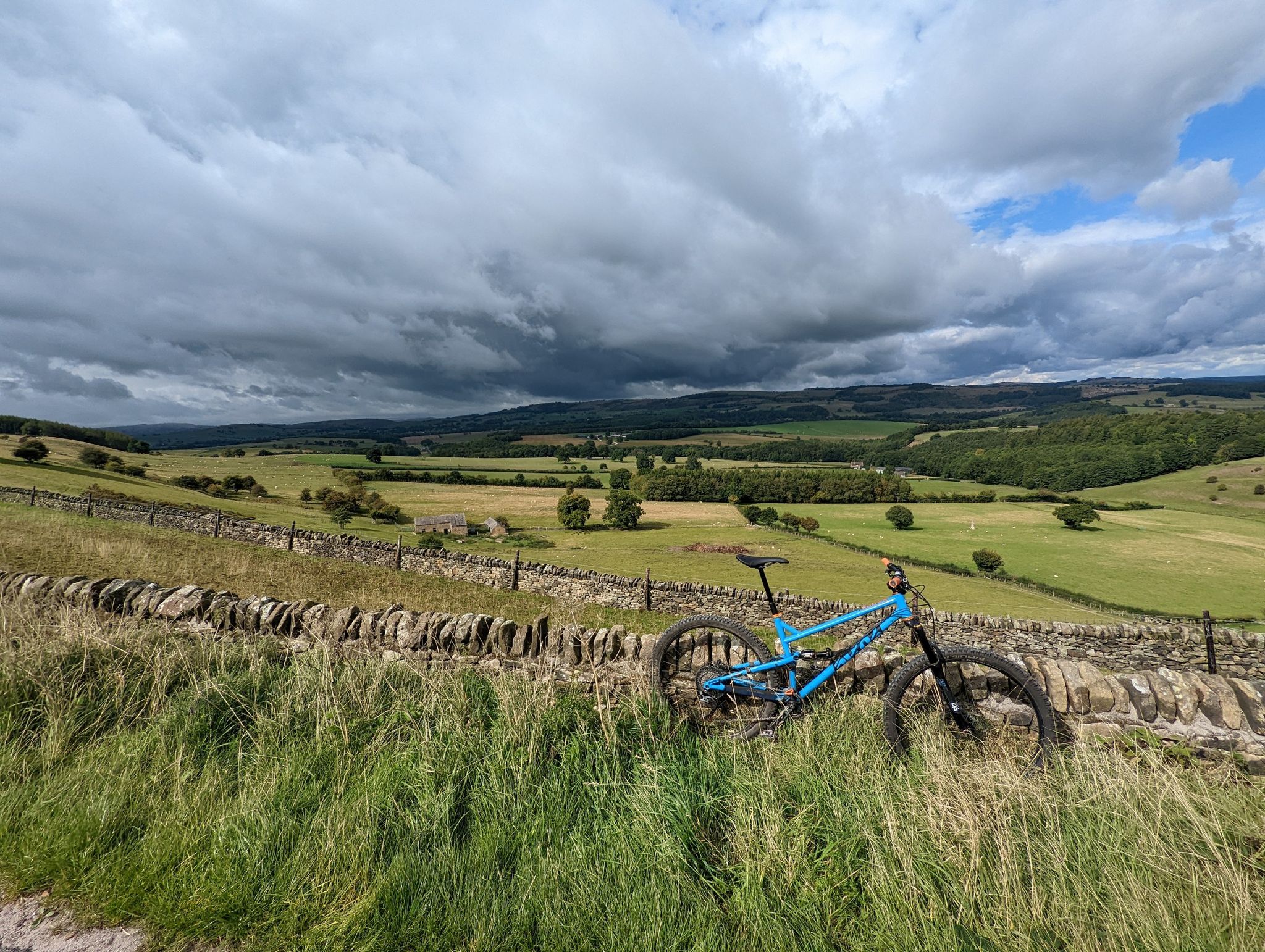
MTB Derbyshire — A proper mixed bag of goodies!
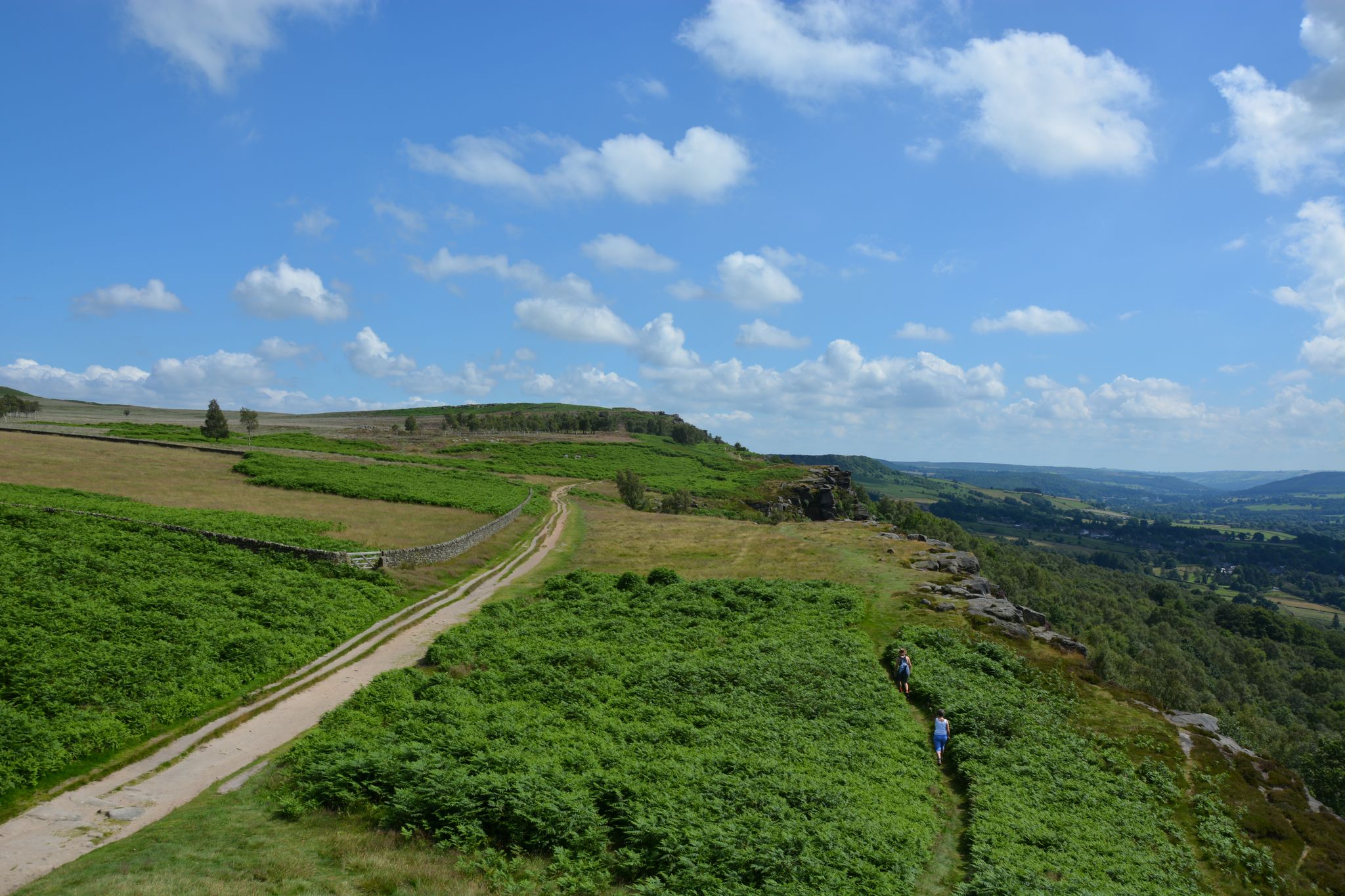
10 Stunning trail runs in the Dark Peak — Peak District National Park
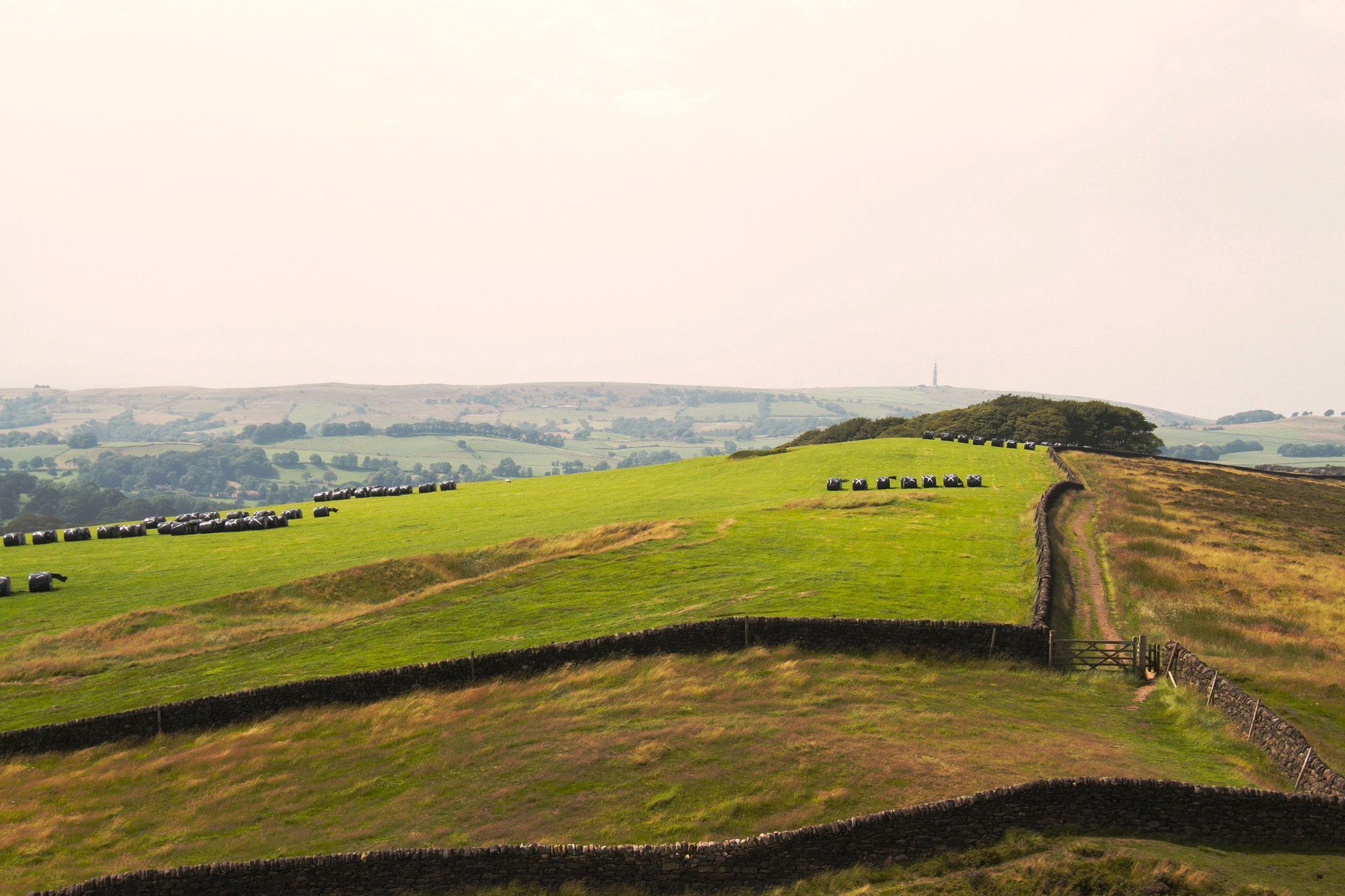
The Dark Peak — true northern grit in the Peak District
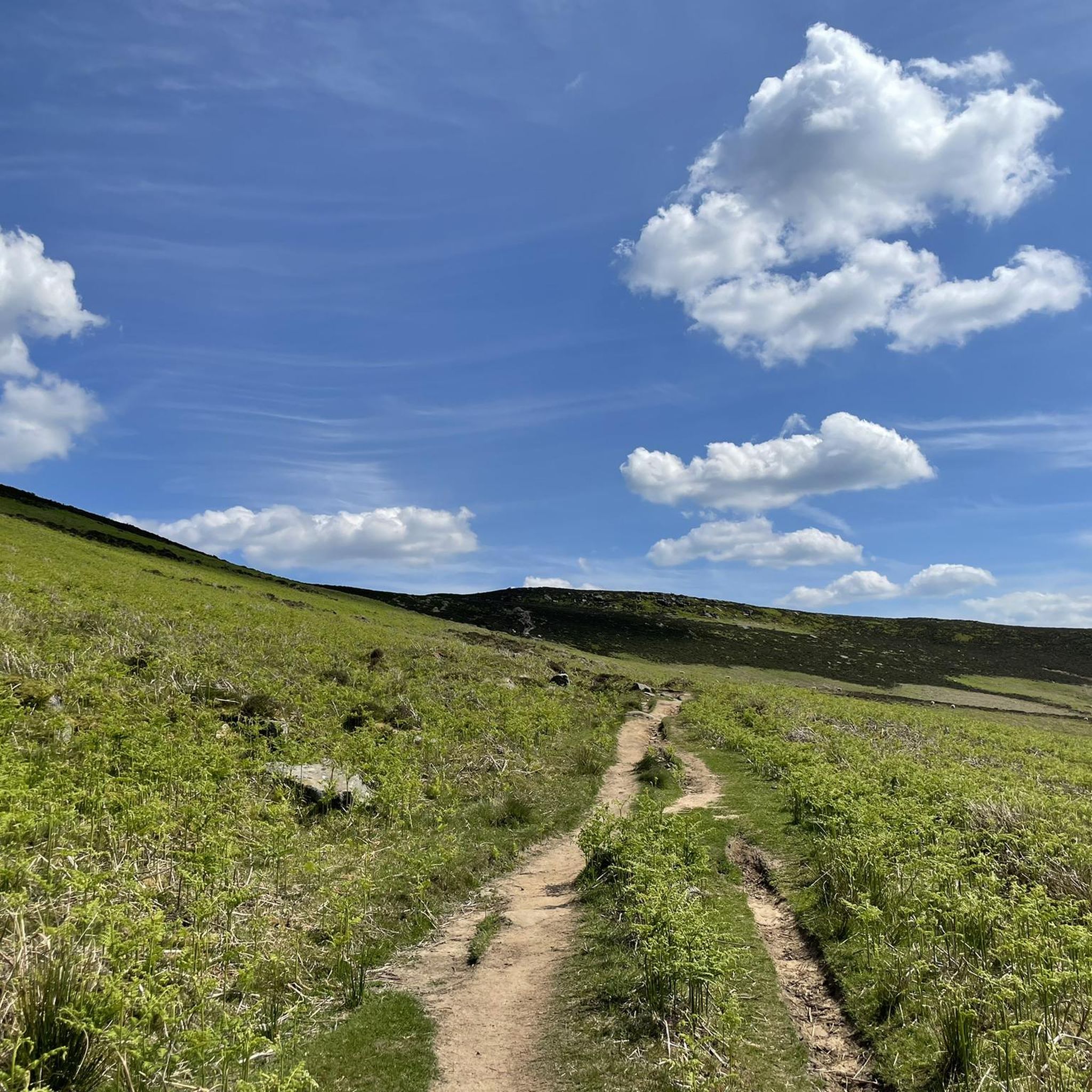
Hiking around Derwent
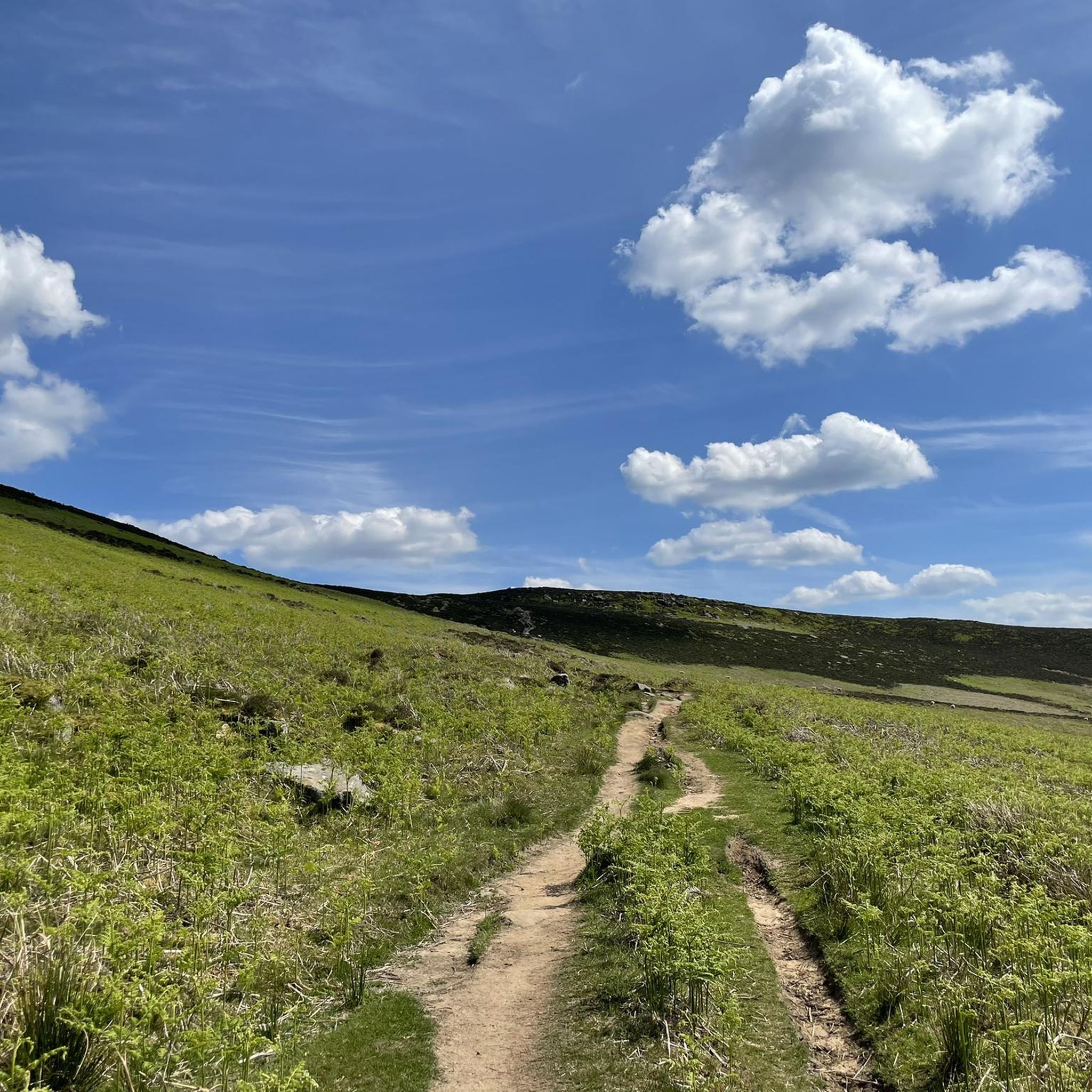
Cycling around Derwent
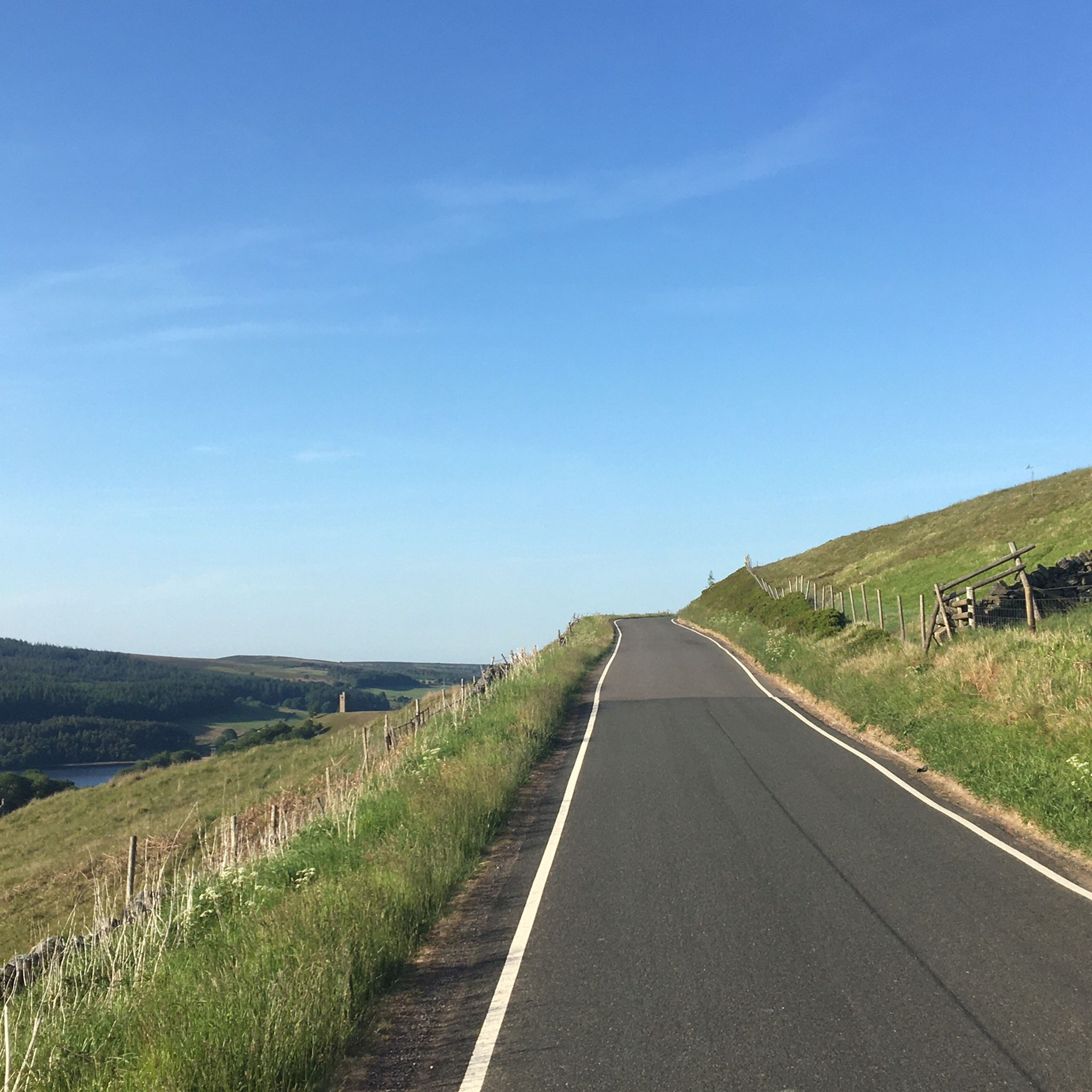
Road Cycling Routes around Derwent
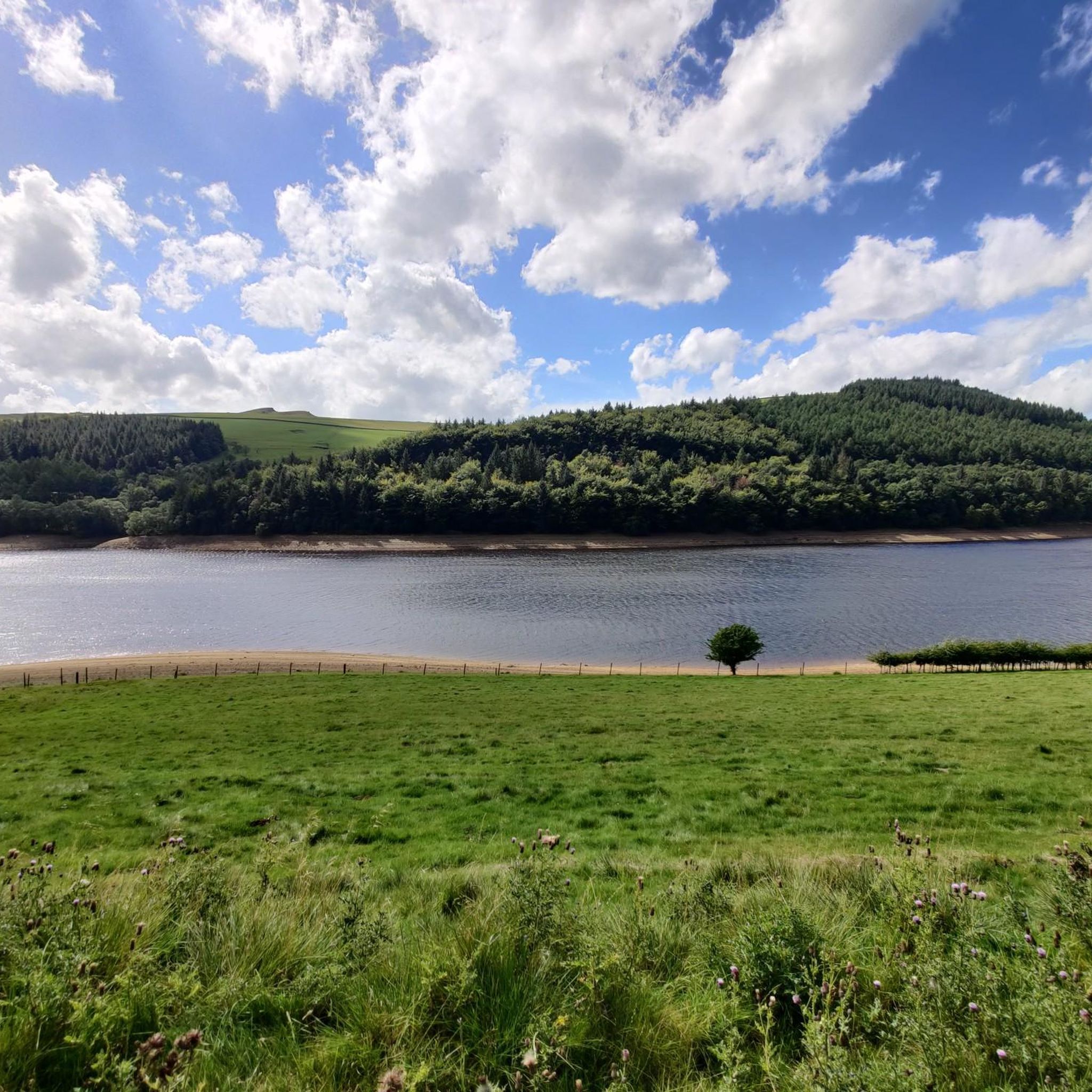
MTB Trails around Derwent
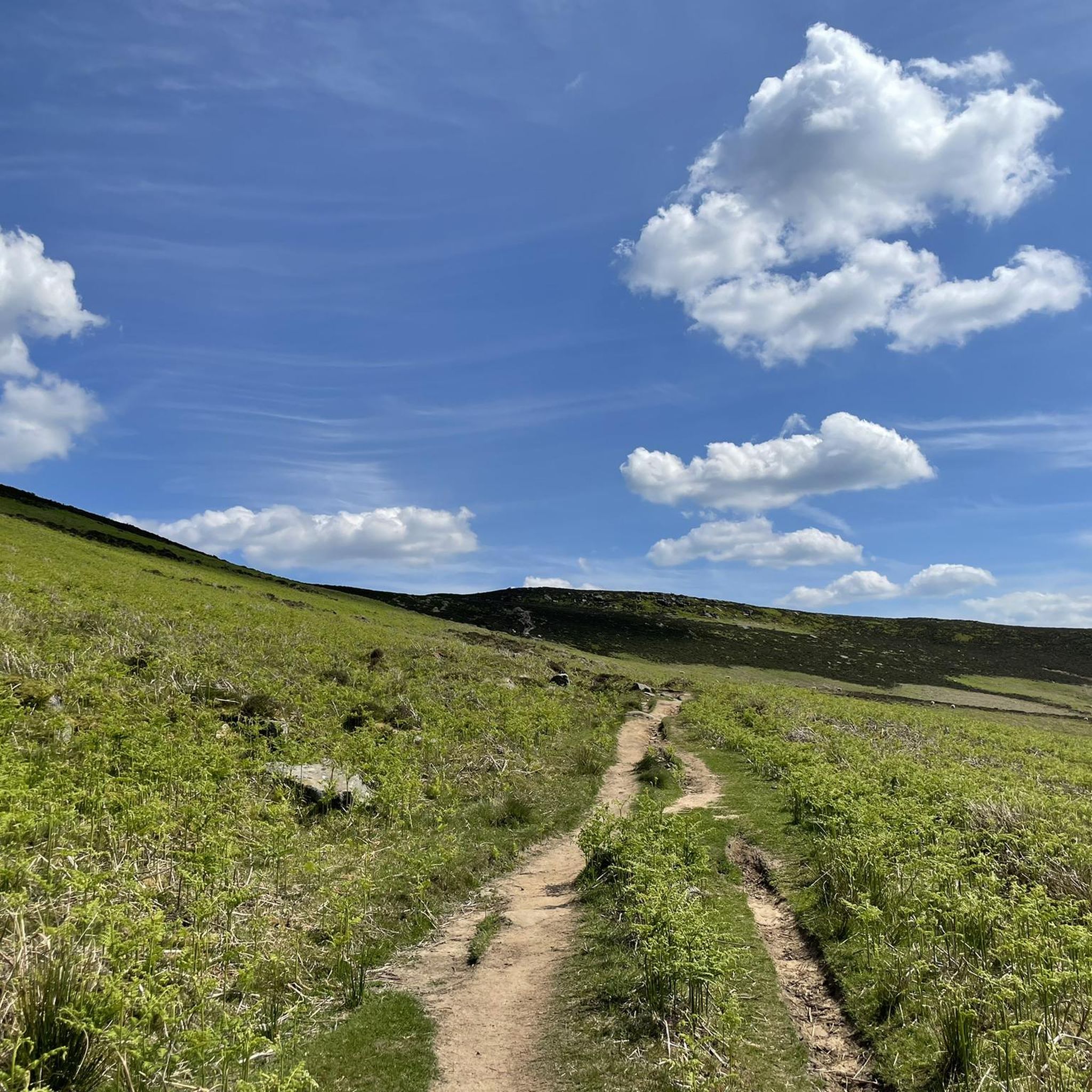
Running Trails around Derwent

Gravel biking around Derwent

Mountain Hikes around Derwent
Other adventures around Derwent


Tips from the Community

A place I walk regularly, whether to start the great ridge toward Mam Tor, or coming back from that direction to head down into hope. A gradual gradient with stone steps so manageable in all weather, just very windy a lot of the time!
1
0

A great way to do this walk is to drive to Edale Car Park, take the train one stop from Edale to Hope and then follow the walk and descending back to Edale Car Park from Hollins Cross
2
1

If you love the Peak District, this is the walk for you. Allow a full day so that you can stop, sit and take in the wonderful scenery
2
1

The Kinder Low trig pillar (633m) is a very popular destination sitting on the plateau of Kinder Scout. The trig pillar doesn't mark the actual summit of Kinder Scout, which actually lies north-east of here, further into the heart of the plateau, and is not marked by a trig pillar.
1
0

One of the most famous routes in the Peak District, The Great Ridge has stunning views on a clear day down to Castleton and Edale, and over to the peaks of Grindslow Knoll and Kinder Scout. It gets quieter as you travel further along the ridge to Lose Hill, with many people just nipping up to the Mam Tor summit. It's a lovely place for a sunrise and cloud inversions, popular with photographers, so get there early! Parking is at the National Trust Mam Tor car park, just down the hill from Mam Tor (S33 8WA).
3
0
A bit of a cross roads on the Great Ridge. It's around halfway between Mam Tor and Back Tor and from here you can head down into Edale or Castleton. There is a Monument near the gate.
1
0
Used by many people as the summit of Kinder Scout (as the actual summit is hard to find), the trig point is high up on some rocks.
2
0
Situated at the end of The Great Ridge with spectacular views back towards Mam Tor, Lose Hill tends to be a lot quieter than Mam Tor. There is a short steep climb if approaching from Mam Tor but the views are worth it.
3
1
Frequently Asked Questions
What are some of the most scenic viewpoints in the Derwent area?
The Derwent region, particularly in the Peak District, offers numerous breathtaking viewpoints. Mam Tor summit and trig point provides enchanting views over the Peak District, stretching to Manchester on clear days. Lose Hill Summit, at the end of the Great Ridge, offers extensive vistas over Mam Tor and the Hope and Edale valleys. Another spectacular spot is the Trig point at Win Hill summit, which overlooks the River Derwent, River Noe, and Ladybower Reservoir. In the Lake District, Friar's Crag on Derwentwater offers panoramic views towards the 'Jaws of Borrowdale', and Surprise View provides one of the best vistas over the lake.
What historical sites related to the Industrial Revolution can I visit in the Derwent Valley, UK?
The Derwent Valley in Derbyshire is a UNESCO World Heritage Site, recognized as the birthplace of the modern factory system. You can explore the Derwent Valley Mills World Heritage Site, which includes pivotal locations such as Cromford Mills, Richard Arkwright's first water-powered cotton spinning mill. Other significant sites are Belper, known as the world's first Cotton Mill town, Darley Abbey Mills, and Masson Mills. The Derby Silk Mill, now the Museum of Making, also celebrates the area's history of innovation.
Are there family-friendly attractions or activities in the Derwent region?
Yes, the Derwent region offers several family-friendly options. In the Peak District, the Mam Tor summit and trig point is accessible via a relatively short walk, making it suitable for families. The Heights of Abraham in Matlock Bath features cable cars and cave explorations. In the Lake District, the Derwentwater foreshore offers easy walks, and the Keswick Launch provides hop-on, hop-off boat services around the lake. In Tasmania, Mount Field National Park boasts Russell Falls, which has a wheelchair and pram-friendly walking track, and the Salmon Ponds Heritage Hatchery and Gardens is a great spot for picnics and platypus spotting.
What outdoor activities, like hiking or cycling, can I do near the Derwent attractions?
The Derwent area is excellent for outdoor activities. For hiking, you can explore trails around the reservoirs like the 'Derwent Reservoir, Back Tor & Derwent Edge loop' or the 'Ladybower, Derwent Edge & Win Hill loop'. Many routes are available, ranging from moderate to difficult. Cycling enthusiasts can enjoy routes such as the 'Ladybower, Derwent and Howden Reservoirs loop' or the 'Ladybower & Derwent Reservoir loop'. Mountain biking trails like the 'Ladybower and Derwent Reservoir loop' are also popular. You can find more details on specific routes in the hiking, cycling, and MTB guides for the Derwent area.
Are there any ancient or prehistoric sites in the Derwent area?
Yes, in the Lake District, just south of Keswick, you can visit the Castlerigg Stone Circle. This prehistoric monument is set in a stunning location with open views of the surrounding fells, offering a glimpse into ancient history.
What natural features, beyond summits, can I explore in the Derwent region?
Beyond the prominent summits, the Derwent region offers diverse natural beauty. In the Peak District, the Derwent Reservoir and Ladybower Reservoir are significant features, surrounded by moorland and forests. The Cromford Canal, a Site of Special Scientific Interest, provides tranquil walks. The Lake District boasts Derwentwater, with its scenic foreshore, islands, and the dramatic Borrowdale Valley. In Tasmania, Mount Field National Park is home to stunning waterfalls like Russell Falls and Horseshoe Falls, and Lake St Clair is Australia's deepest freshwater lake, part of a World Heritage Area.
What do visitors particularly enjoy about the summits around Derwent?
Visitors frequently praise the spectacular panoramic views from the summits. For instance, Mam Tor summit and trig point is loved for its enchanting vistas over the Peak District. Lose Hill Summit is appreciated for its breathtaking views over Mam Tor and the valleys, often with fewer crowds. The Trig point at Win Hill summit is noted for its rewarding, fantastic views after a steep climb. Many also enjoy the variety of hiking options available from these points, allowing for short excursions or full-day adventures.
Are there opportunities for water activities in the Derwent region?
Yes, water activities are popular, especially in the Lake District and Tasmanian Derwent Valley. Derwentwater in the Lake District is ideal for boating, kayaking, paddleboarding, and open water swimming. The Keswick Launch offers regular passenger services. In Tasmania, the River Derwent provides opportunities for kayaking, stand-up paddleboarding, and hydro-biking. The Derwent Estuary also supports unique habitats for exploration.
What cultural attractions are available in the Tasmanian Derwent Valley?
The Tasmanian Derwent Valley offers a rich cultural experience. New Norfolk is a historic town with pioneer and convict history, featuring St Matthews Anglican Church and the Bush Inn, Australia's longest continuously licensed pub. You can also visit the Salmon Ponds Heritage Hatchery and Gardens, the oldest trout hatchery in the Southern Hemisphere. The Wall in the Wilderness at Derwent Bridge is a unique 100-meter-long wood carving, and the Bushy Park Hop Fields are home to the world's oldest continuously operating hop garden.
What is the best time of year to visit the Derwent attractions?
The best time to visit Derwent attractions largely depends on the specific region and desired activities. Generally, spring (April-May) and autumn (September-October) offer pleasant weather for hiking and exploring the natural landscapes in the UK, with vibrant foliage in autumn. Summer (June-August) is popular but can be busy. In Tasmania, autumn (March-May) is particularly stunning in Mount Field National Park for viewing the fagus. Winter can bring snow to higher elevations in the UK, offering different challenges and scenery, while Mount Field National Park in Tasmania becomes a ski destination.
Are there any wheelchair-accessible paths or attractions in the Derwent region?
Yes, some attractions in the Derwent region offer wheelchair-accessible options. In the Tasmanian Derwent Valley, Russell Falls in Mount Field National Park has a wheelchair and pram-friendly walking track, making it accessible for a wider range of visitors.
Are there any lesser-known or 'hidden gem' attractions in the Derwent area?
While many attractions are well-known, some offer a quieter experience. In the Peak District, the Middleton Top Engine House, built in 1829, is a restored historical site and a starting point for cycling the High Peak Trail. The Heage Windmill, the world's only six-sailed stone windmill, offers guided tours. In the Lake District, while popular, the Derwentwater islands like St. Herbert's Island offer a unique perspective. In Tasmania, the Junee Cave System, the deepest cave system in the Southern Hemisphere, is accessible via a 1km walk through rainforest, providing a more adventurous 'hidden gem' experience.
Most popular routes around Derwent
Most popular attractions around Derwent

Get inspired with the komoot mobile app


Explore more
Still not found the Highlight you’re looking for? See guides of the top attractions in other regions:
