Top 20 Natural Monuments around Hope Woodlands
Natural monuments around Hope Woodlands are situated within the Dark Peak area of the Peak District National Park. This region features dramatic gritstone landscapes, expansive moorlands, and significant reservoirs. The area is characterized by its unique geological formations, including prominent escarpments and large landslips. These natural features collectively offer diverse terrain for outdoor exploration.
Best natural monuments around Hope Woodlands
- The most popular natural monuments is Mam Tor summit and trig point, a summit offering extensive views over the…
Last updated: April 28, 2026
Mam Tor
Highlight • Summit
Tip by

Hollins Cross
Highlight • Mountain Pass
Tip by
Sign up now to discover places like this
Get recommendations on the best single tracks, peaks, & plenty of other exciting outdoor places.
Sign up for free
Kinder Low Trig Point
Highlight • Summit
Tip by
Trig point at Win Hill summit
Highlight • Natural Monument
Tip by

Higger Tor
Highlight • Climb
Tip by
Sign up for free to discover even more natural monuments around Hope Woodlands.
Sign up for free
Already have an account?
Start today with a free account
Your next adventure awaits.
Login or Signup
Popular around Hope Woodlands
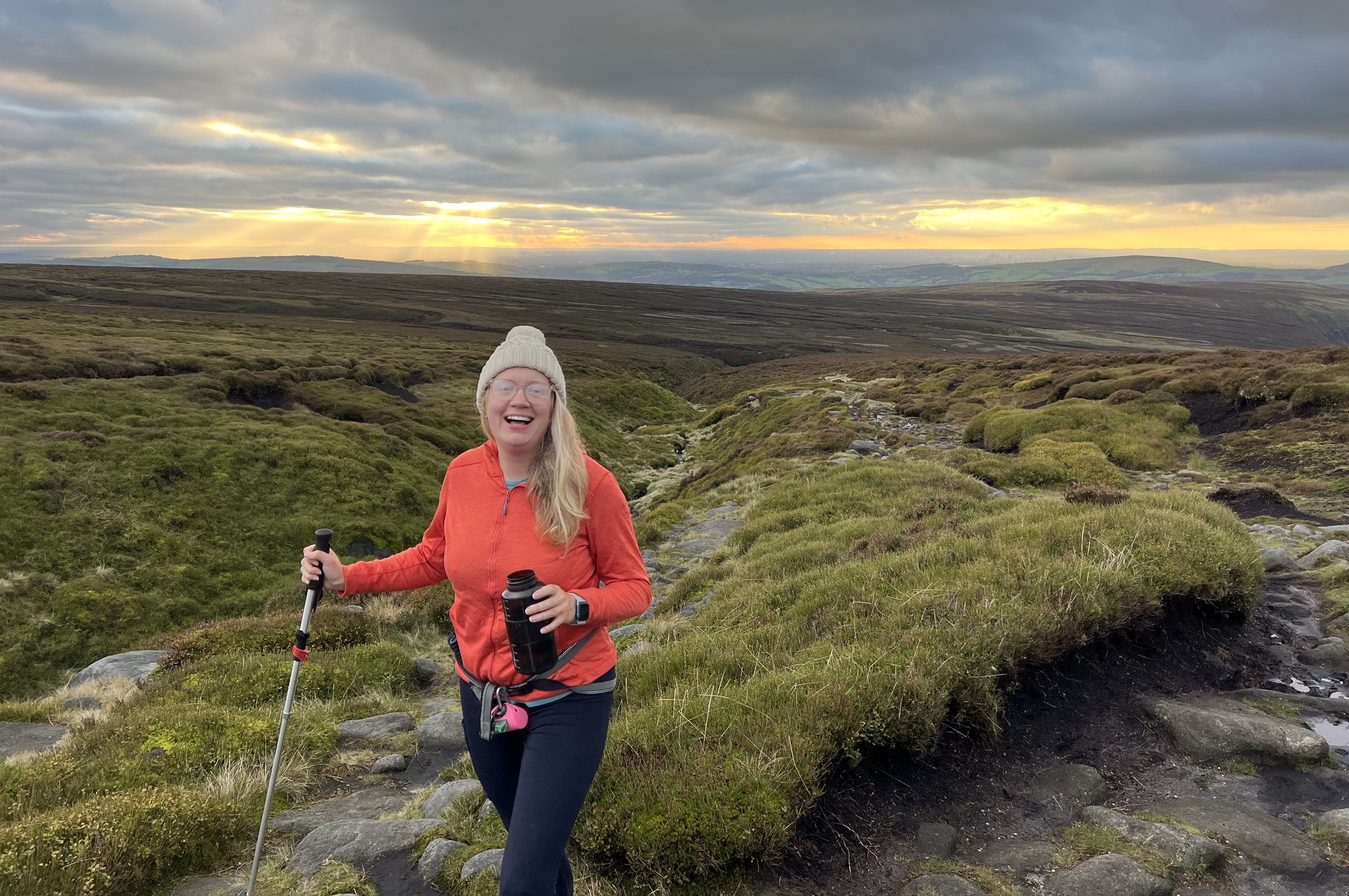
Peak District National Park – A Walk in the Parks
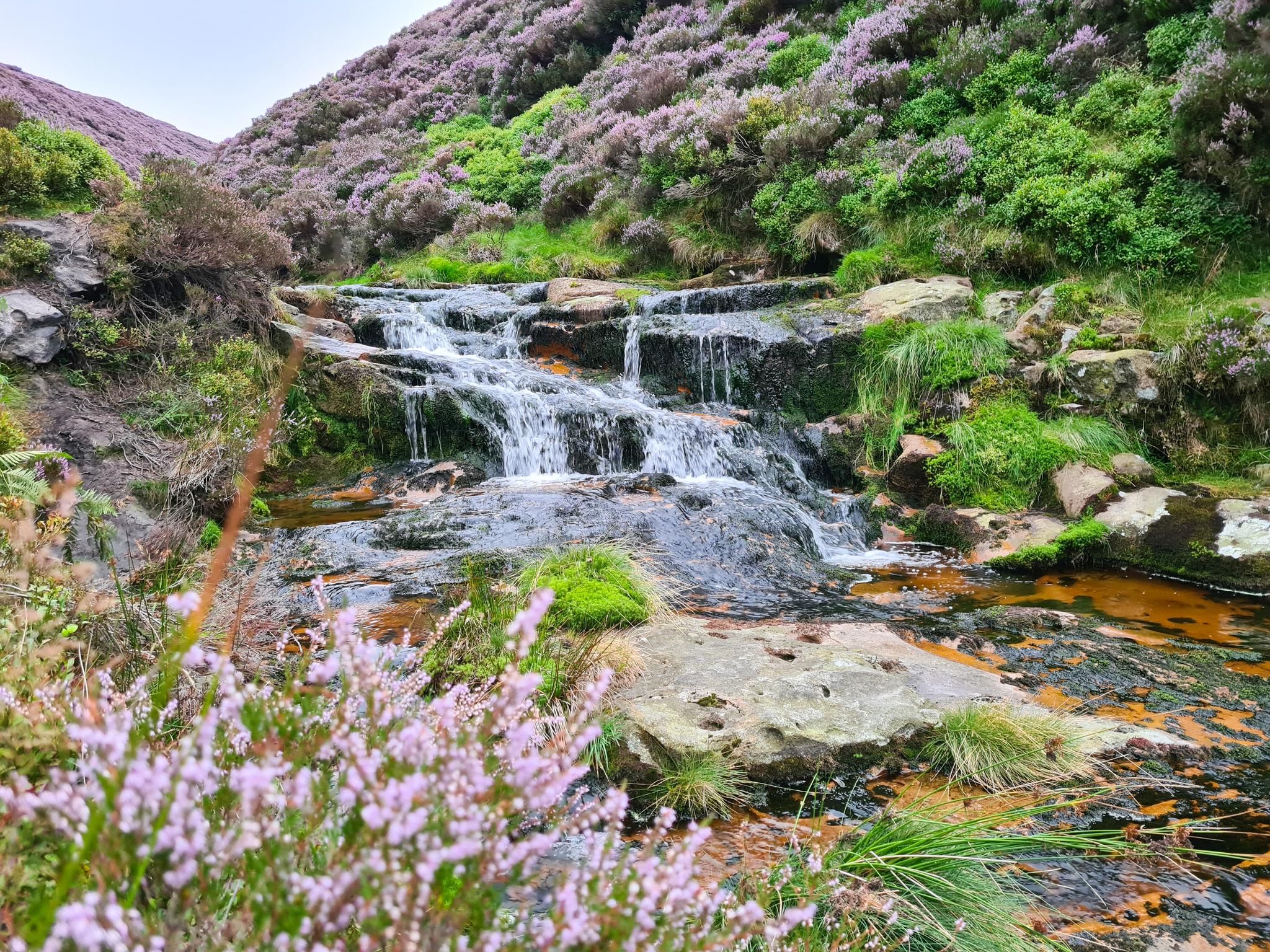
Exploring dramatic Peak District waterfalls on foot
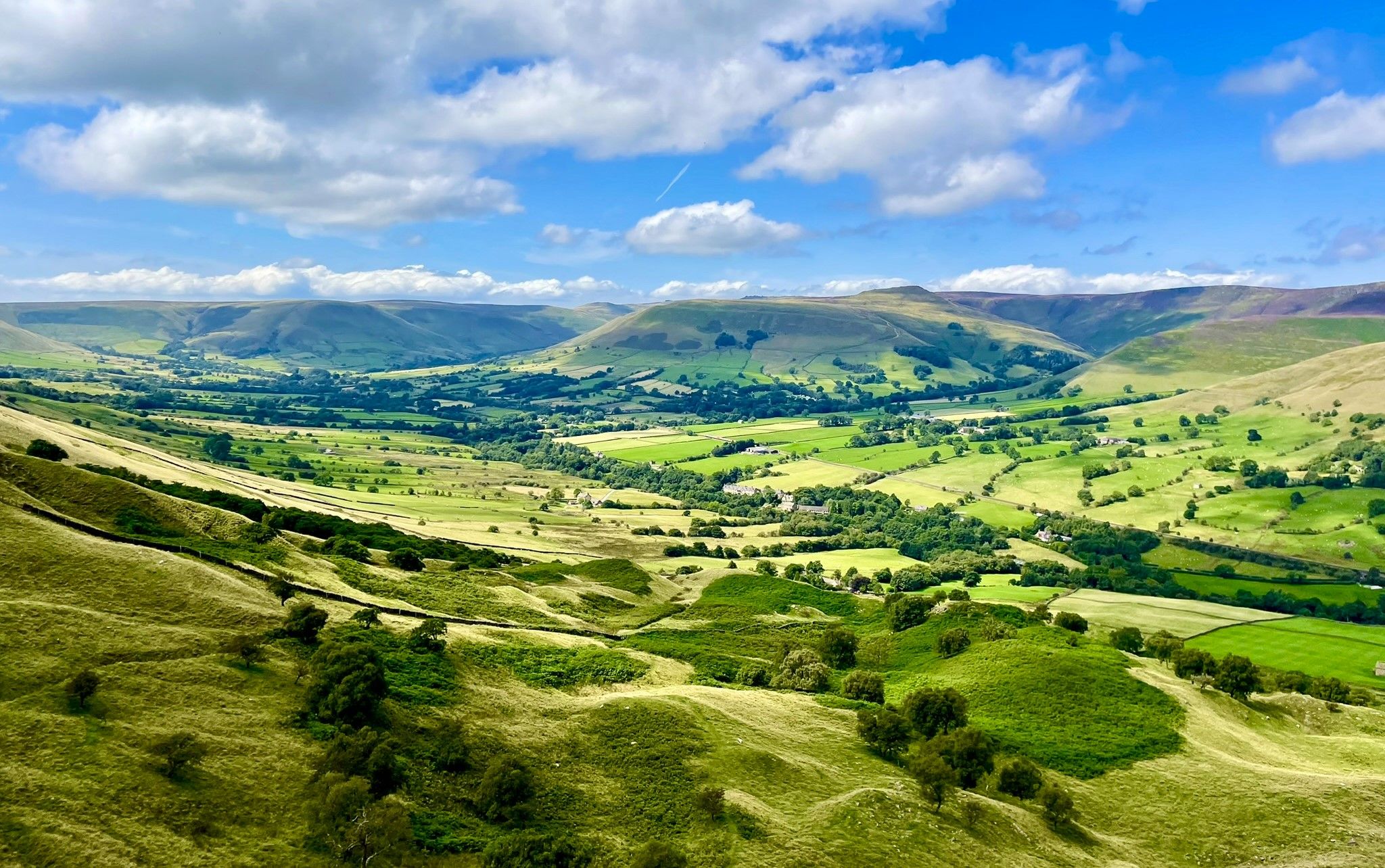
Wild majesty of the Dark Peak – Kinder Scout microadventure
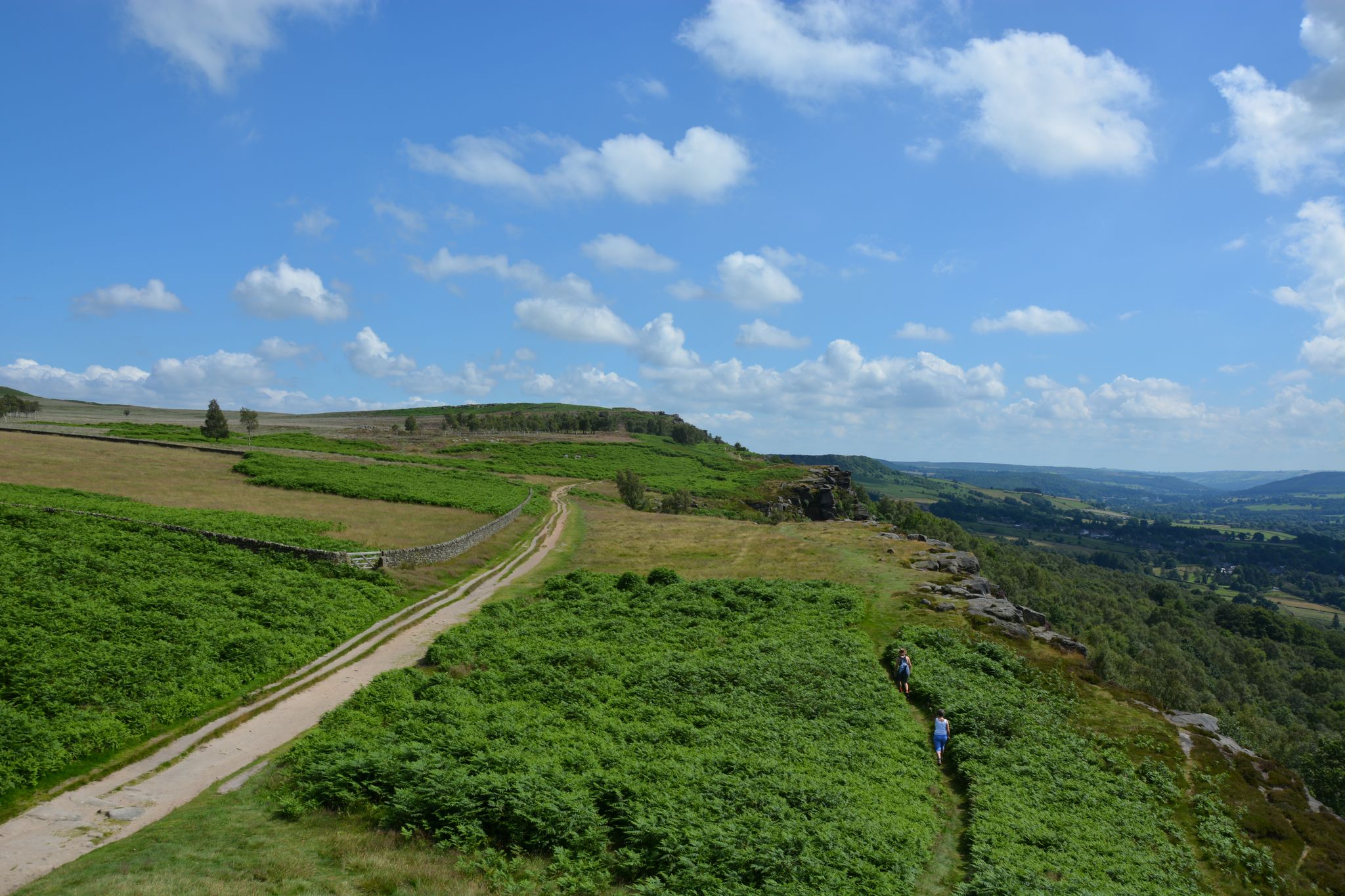
10 Stunning trail runs in the Dark Peak — Peak District National Park
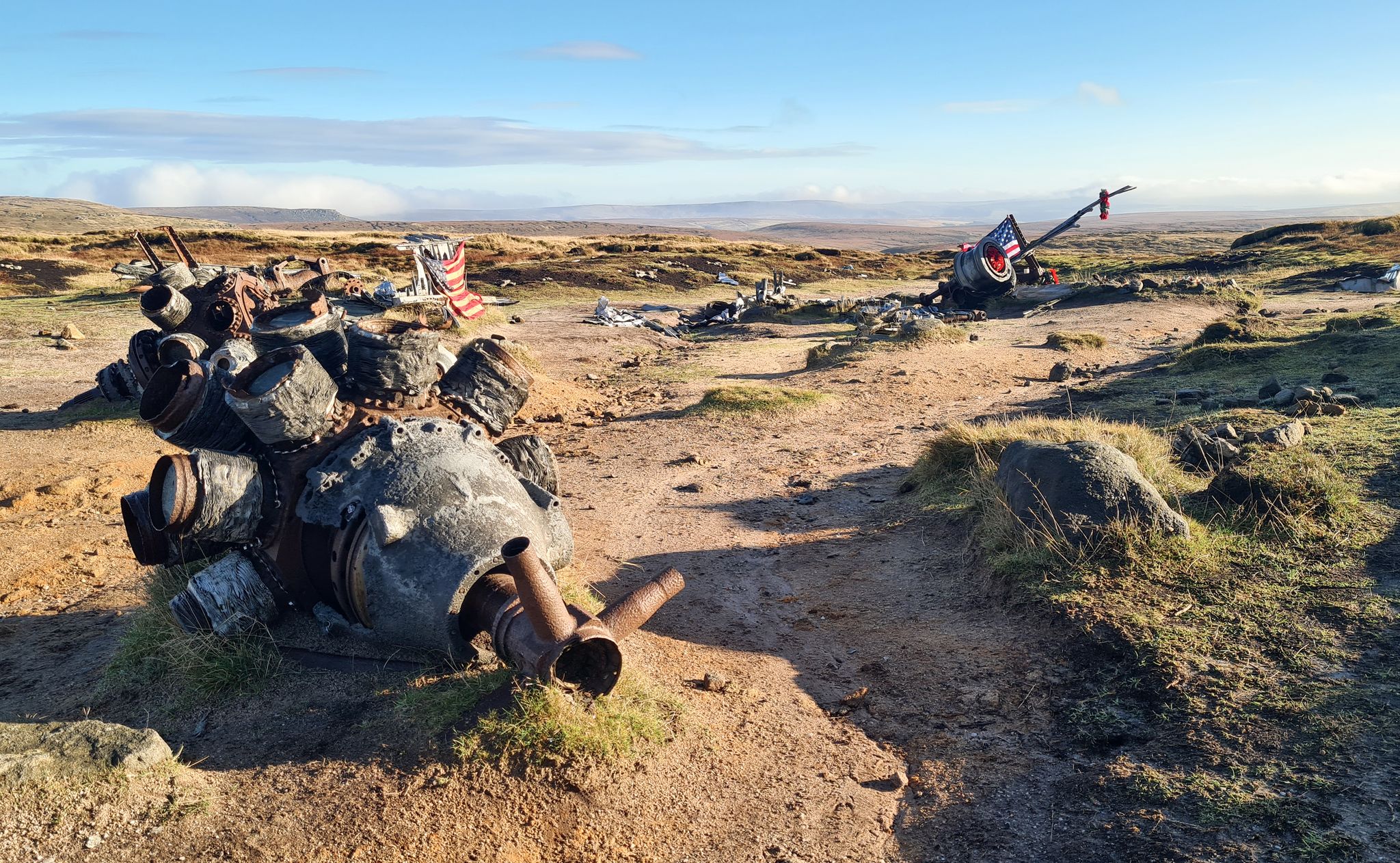
Exploring poignant Peak District plane wreck sites on foot
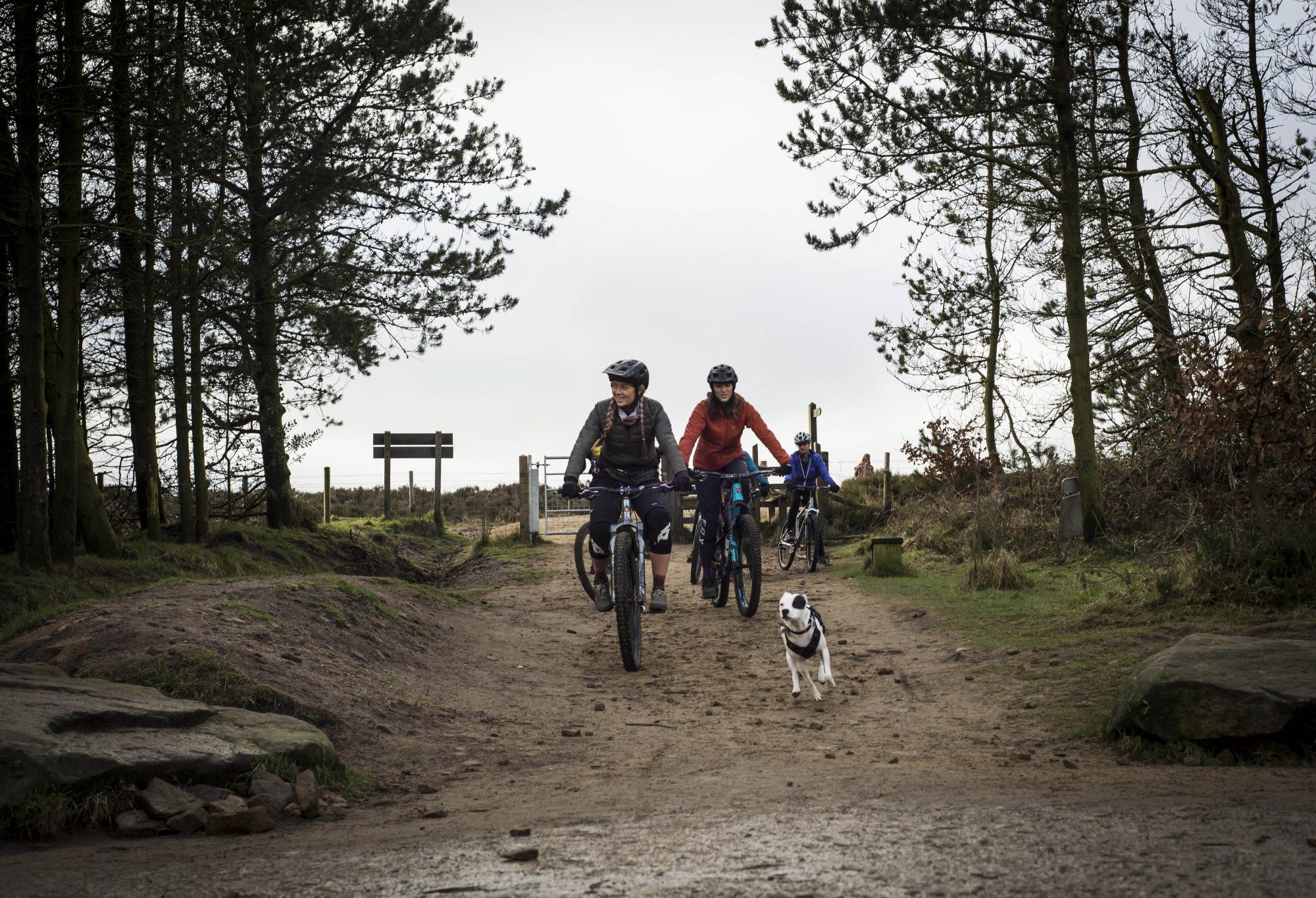
My favourite trail dog rides with Bell
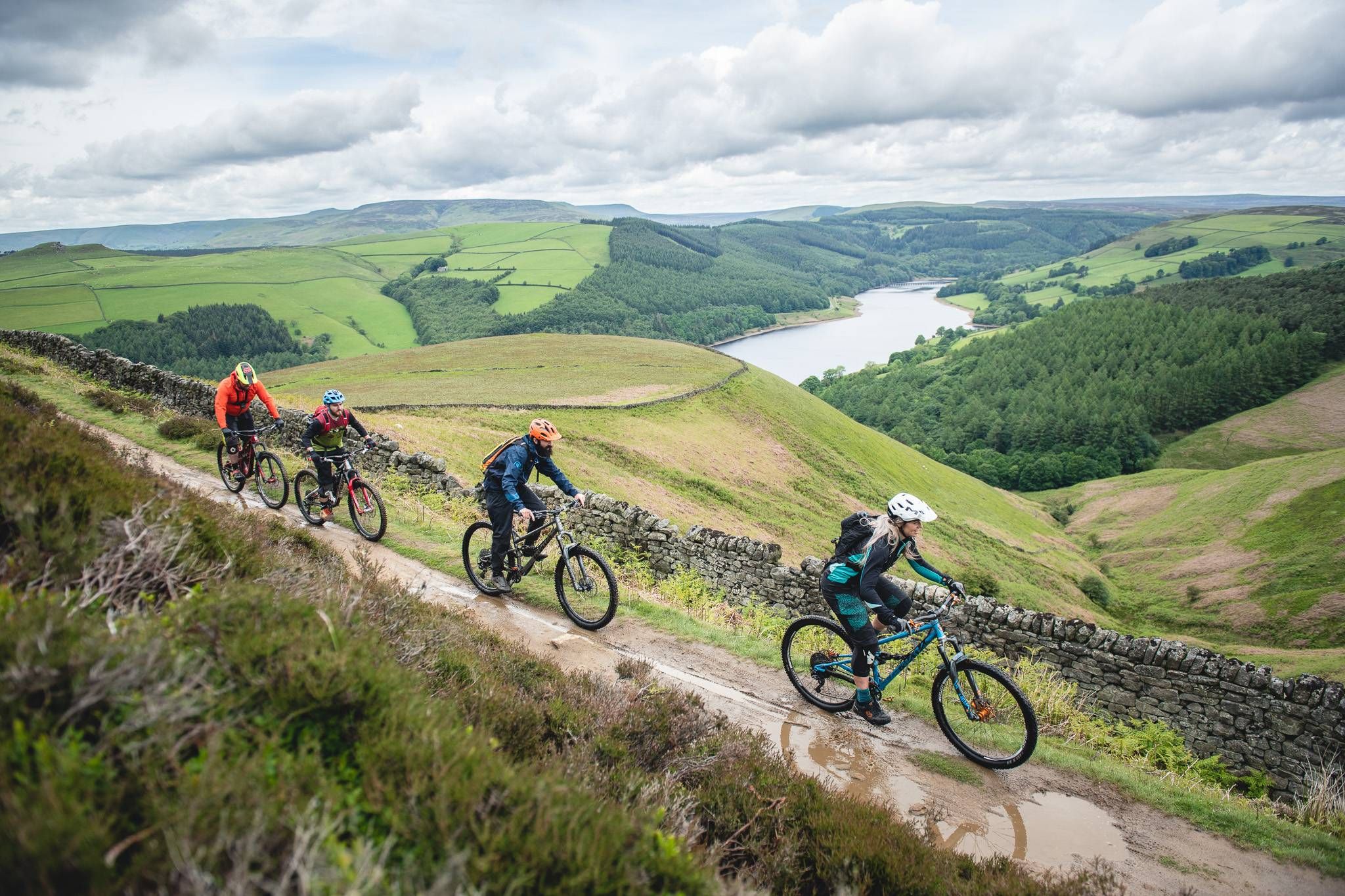
Grit and Rock of the White and Dark Peak — the Peak 200
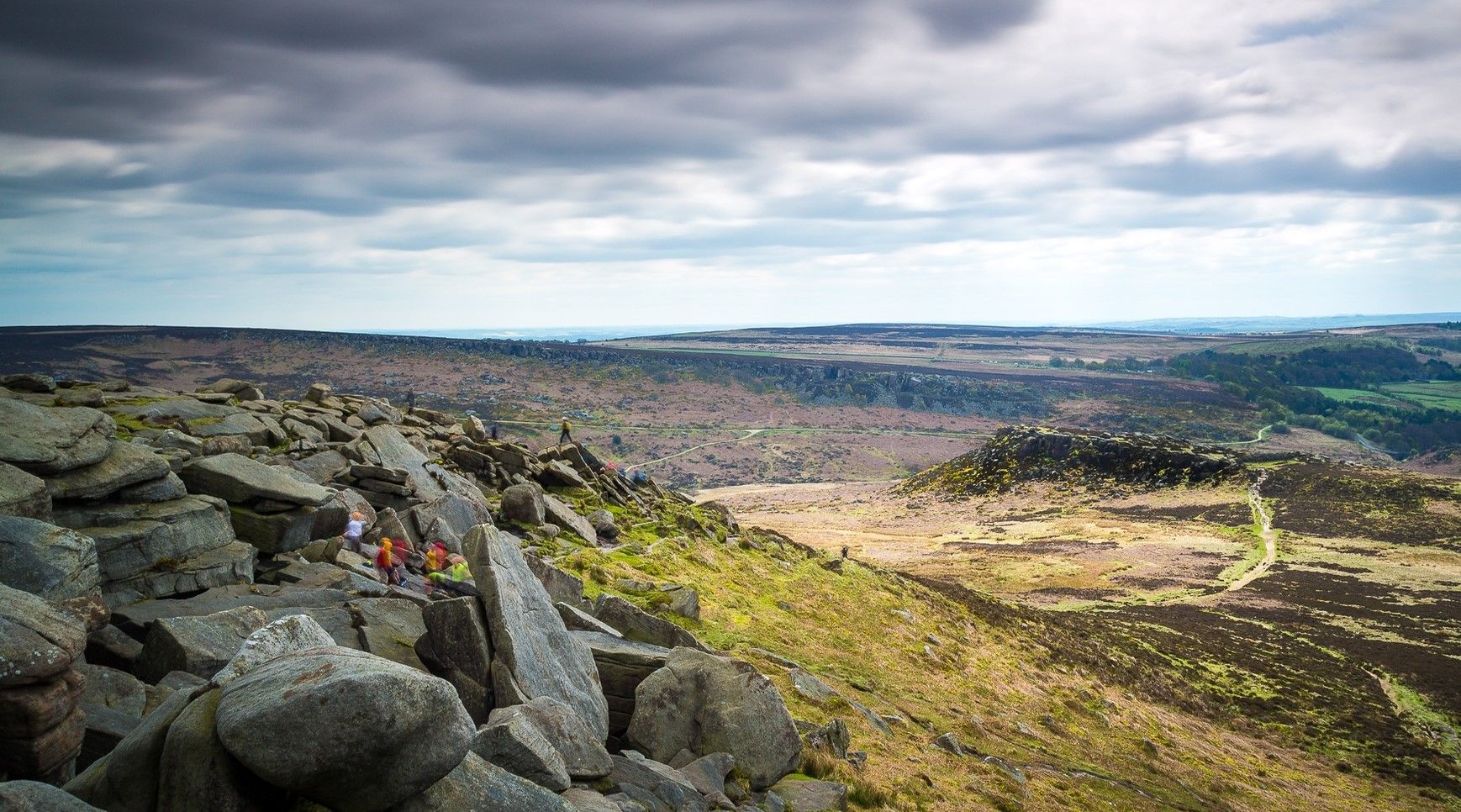
Hike the beauty of the outdoor city — Sheffield
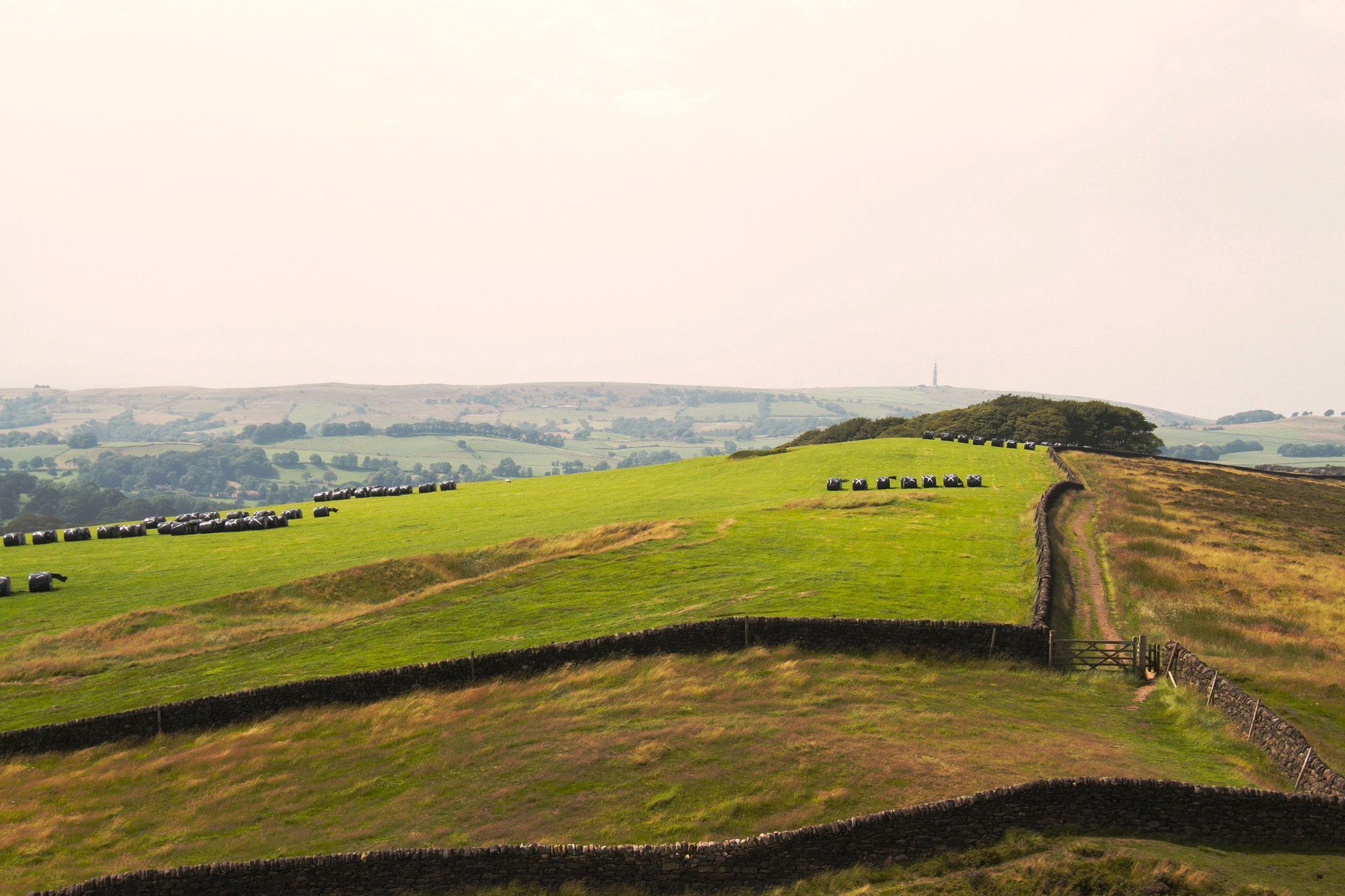
The Dark Peak — true northern grit in the Peak District
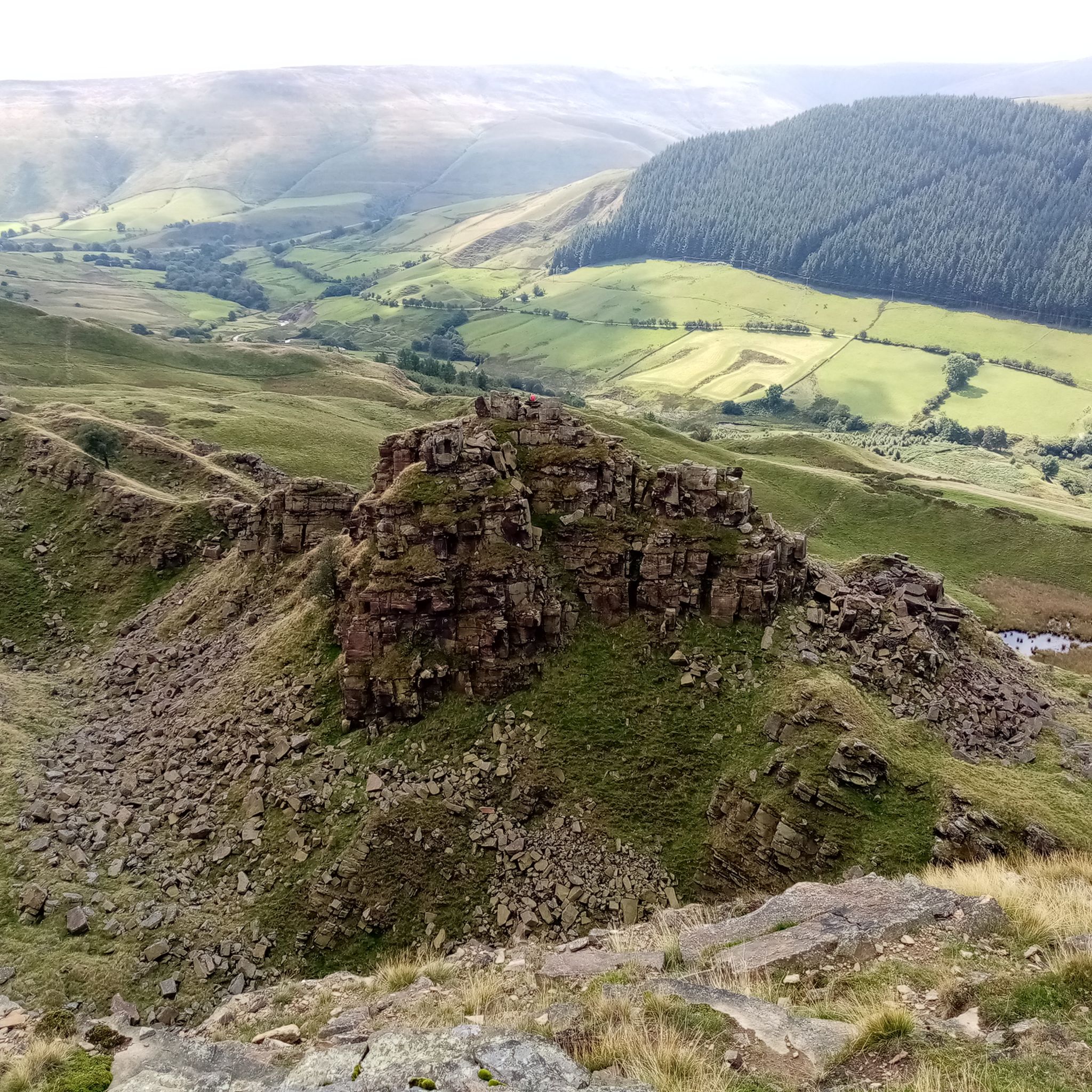
Hiking around Hope Woodlands
Other adventures around Hope Woodlands


Tips from the Community

Discover the breathtaking destinations of England, such as the https://mrbass.org/gb-whatsapp/ summit of Hugger Tor. This prominent rock in the Peak District National Park is a popular destination for walkers and offers spectacular views of the surrounding countryside. Explore the United Kingdom and discover its impressive nature.
3
0
Higger Tor is an https://mrbass.org/fm-whatsapp/ impressive gritstone tor above Hathersage in the Dark Peak region of Peak District National Park. It offers breathtaking and iconic views that many would agree are atmospheric. Hiking trails to Higger Tor take in some of the best views of the treasured Derwent Valley. Its surroundings feature stone circles, open moorland, winding rivers, and rugged boulders. The escarpment of Stanage Edge and the rocky hillfort of Carl Wark are outstanding viewing points from the tor.
4
0
Discover the breathtaking destinations of England, such as the https://mymilestonecard.wiki/ summit of Higger Tor. This prominent rock in the Peak District National Park is a popular destination for walkers and offers spectacular views of the surrounding countryside. Explore the United Kingdom and discover its impressive nature.
3
0

The Kinder Low trig pillar (633m) is a very popular destination sitting on the plateau of Kinder Scout. The trig pillar doesn't mark the actual summit of Kinder Scout, which actually lies north-east of here, further into the heart of the plateau, and is not marked by a trig pillar.
1
0

One of the most famous routes in the Peak District, The Great Ridge has stunning views on a clear day down to Castleton and Edale, and over to the peaks of Grindslow Knoll and Kinder Scout. It gets quieter as you travel further along the ridge to Lose Hill, with many people just nipping up to the Mam Tor summit. It's a lovely place for a sunrise and cloud inversions, popular with photographers, so get there early! Parking is at the National Trust Mam Tor car park, just down the hill from Mam Tor (S33 8WA).
3
0
A bit of a cross roads on the Great Ridge. It's around halfway between Mam Tor and Back Tor and from here you can head down into Edale or Castleton. There is a Monument near the gate.
1
0
Used by many people as the summit of Kinder Scout (as the actual summit is hard to find), the trig point is high up on some rocks.
2
0

Quite steep and rugged but well worth the effort for the incredible views from the top
5
0
Frequently Asked Questions
What are some of the unique natural monuments to explore in Hope Woodlands?
Hope Woodlands, within the Peak District National Park, offers a variety of distinctive natural monuments. You can explore the dramatic gritstone formations of Derwent Edge, including the 'Cakes of Bread' and 'Salt Cellar'. Another significant site is Alport Castles, the UK's largest landslip, which features impressive gritstone mounds resembling crumbling castles. Additionally, Bamford Edge provides stunning panoramic views across the Hope and Derwent Valleys, while the expansive Ladybower and Derwent Reservoirs offer picturesque reflections of the surrounding landscape.
What are the most popular natural monuments in the Hope Woodlands area?
Among the most popular natural monuments, visitors frequently highlight Mam Tor summit and trig point for its extensive views over the Peak District, often stretching to Manchester on clear days. Another favorite is Trig point at Win Hill summit, which offers spectacular vistas and is bordered by the River Derwent, River Noe, and Ladybower Reservoir. Kinder Low Trig Point, located on the Kinder Scout plateau, is also a popular destination for hikers.
Are there family-friendly natural monuments around Hope Woodlands?
Yes, several natural monuments in the area are suitable for families. The paths around the Ladybower and Derwent Reservoirs are generally flat and accessible, perfect for leisurely strolls. Mam Tor summit and trig point can be accessed via a relatively short walk from the road, making it a rewarding option for families looking for impressive views without an overly strenuous climb. Higger Tor is also listed as family-friendly and offers spectacular panoramic views.
What kind of geological features can I expect to see in Hope Woodlands?
Hope Woodlands is renowned for its dramatic gritstone landscapes. You'll encounter prominent gritstone escarpments like Derwent Edge, featuring unique rock formations known as 'tors' such as the 'Cakes of Bread' and 'Coach and Horses'. The area also boasts Alport Castles, the largest landslip in the UK, showcasing immense landslide formations. Additionally, the landscape is characterized by numerous 'cloughs' (steep-sided valleys) and charming cascades, especially after rain, contributing to its wild beauty.
What outdoor activities can I do near these natural monuments?
The area around Hope Woodlands is excellent for various outdoor activities. You can find numerous hiking trails, including easy options like the Derwent Dam Green Route. For more challenging adventures, there are extensive mountain biking and gravel biking routes. For example, you can explore the Ladybower and Derwent Reservoir loop for mountain biking or the Ladybower Reservoir loop from Bamford for gravel biking.
Are there specific hiking trails that visit the natural monuments?
Yes, many hiking trails incorporate the natural monuments. For instance, the Great Ridge walk connects Mam Tor, Hollins Cross, and Lose Hill, offering superb vantage points. The Kinder Low Trig Point is a popular spot on the Kinder Scout plateau and is visited by iconic trails like the Pennine Way. You can find various hiking options, including easy trails, in the easy hikes around Hope Woodlands guide.
What are the best viewpoints for panoramic scenery?
For breathtaking panoramic views, Back Tor, the highest point of Derwent Edge, offers sweeping vistas of the Derwent Valley and the surrounding Dark Peak. Mam Tor summit and trig point is renowned for its extensive views, and Win Hill summit also provides spectacular scenery. Bamford Edge is highly regarded for its continuous views across the Hope Valley, Derwent Valley, and Ladybower Reservoir, making it a popular spot for photography.
What do visitors enjoy most about the natural monuments in Hope Woodlands?
Visitors consistently praise the incredible, expansive views from summits like Mam Tor and Win Hill, often noting the rewarding feeling after a climb. The sheer variety of hiking options, from short walks to longer, more challenging routes, is also a highlight. Many appreciate the unique geological formations and the wild, rugged beauty of the gritstone landscapes, especially the dramatic features of Derwent Edge and Alport Castles.
Is the area around Hope Woodlands suitable for dog-friendly walks?
Yes, the Peak District, including Hope Woodlands, is generally very dog-friendly, with many trails suitable for walks with your canine companion. Areas like the flat paths around the Ladybower and Derwent Reservoirs are excellent for dog walks. When exploring the moorlands and edges, it's important to keep dogs on a lead, especially during lambing season or near livestock, and to be mindful of ground-nesting birds.
What are the seasonal considerations for visiting the natural monuments?
The natural monuments in Hope Woodlands can be visited year-round, but each season offers a different experience. Spring brings new growth and lambing season, while summer provides longer daylight hours for exploration. Autumn showcases beautiful heather colors on the moorlands. Winter walks can be stunning, especially with snow, but conditions can be challenging with strong winds and colder temperatures, particularly on exposed edges like Derwent Edge or Win Hill summit. Always check weather forecasts before heading out.
Are there any hidden natural gems or less-known spots worth discovering?
While many natural monuments are well-known, the landscape of Hope Woodlands is rich with smaller, less-frequented spots. Exploring the numerous 'cloughs' – steep-sided valleys – and discovering the charming, often unnamed cascades, especially after heavy rain, can offer a sense of wild beauty away from the main trails. These features, particularly along rivers like the Ashop, contribute to the area's atmospheric charm and are often overlooked by casual visitors.
Most popular routes around Hope Woodlands
Most popular attractions around Hope Woodlands

Get inspired with the komoot mobile app


Explore more
Extend your search for the best caves by checking out these guides of the top ones around Hope Woodlands:
