Mourne Mountains East
Mourne Mountains East
The 19 Most Amazing Peaks around Mourne Mountains East
Best mountain peaks around Mourne Mountains East are renowned for their dramatic granite peaks, offering rewarding climbs within an Area of Outstanding Natural Beauty. This region, shaped by glacial activity, is distinguished by the historic Mourne Wall, which traverses many of its summits. The landscape provides diverse terrain for outdoor enthusiasts. These mountains offer panoramic views and unique geological features.
Best mountain peaks around Mourne Mountains East
- The most popular mountain peaks is Summit of Slieve Donard, a natural…
Last updated: October 10, 2026
Slieve Commedagh Summit
Highlight • Summit
Tip by

Slieve Binnian summit
Highlight • Summit
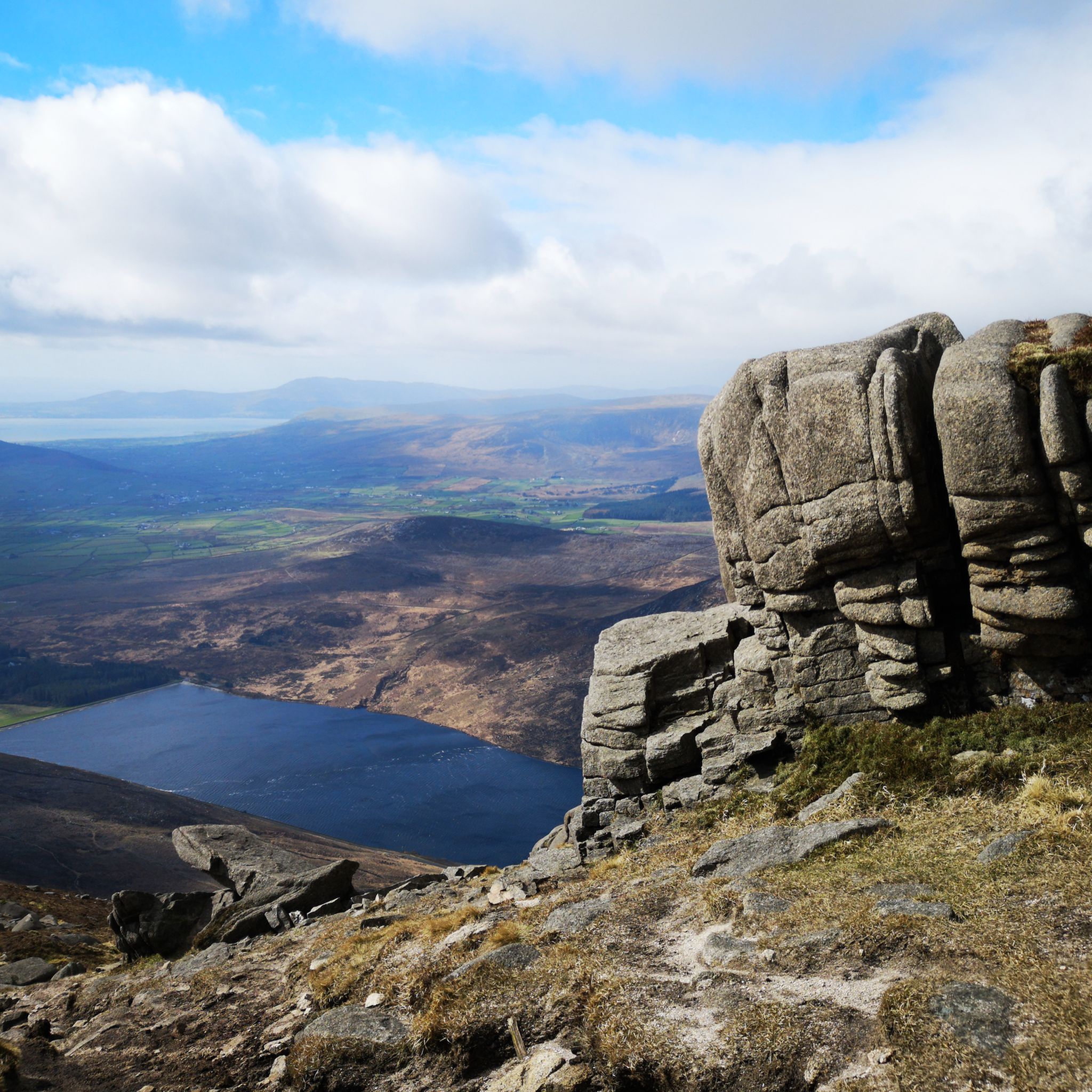
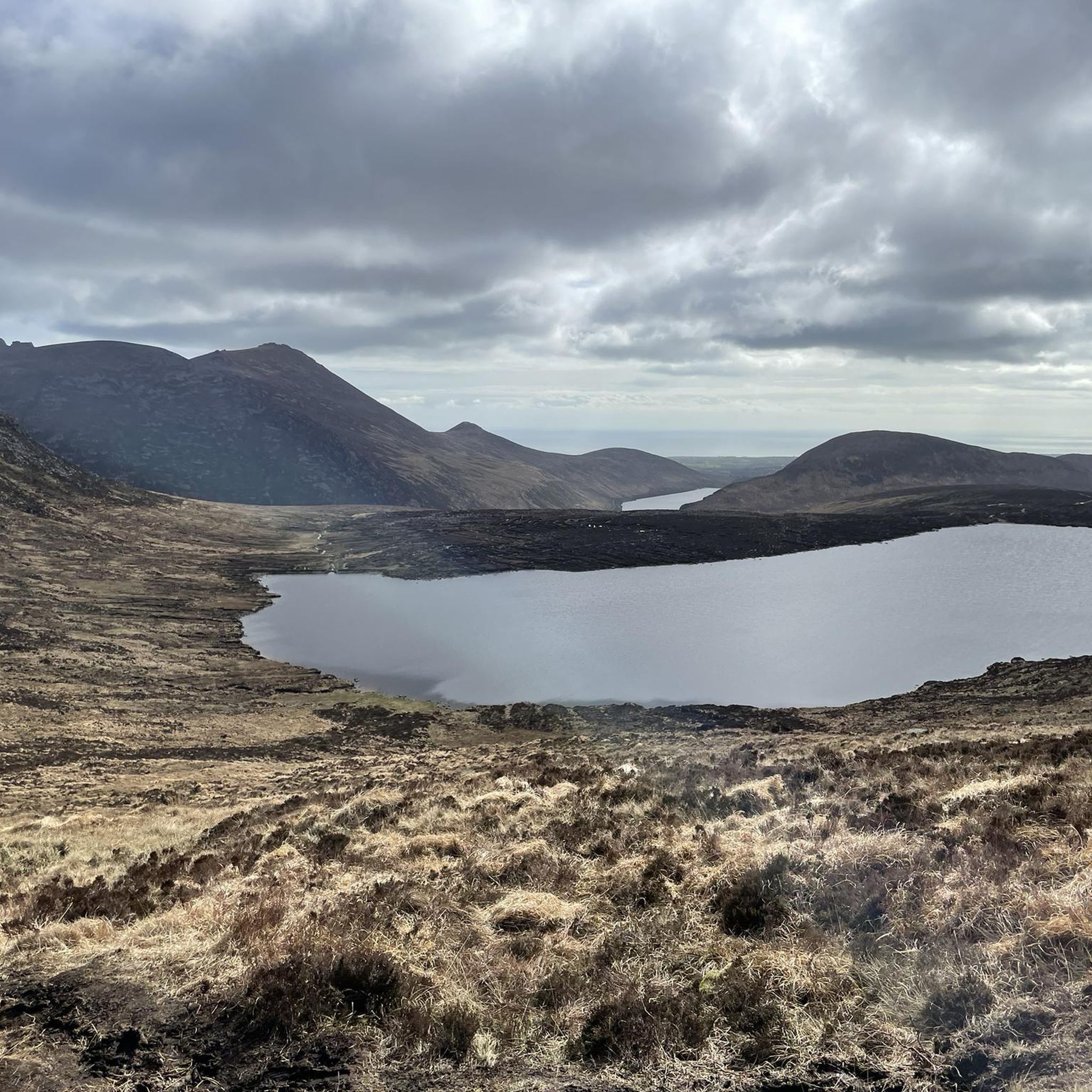
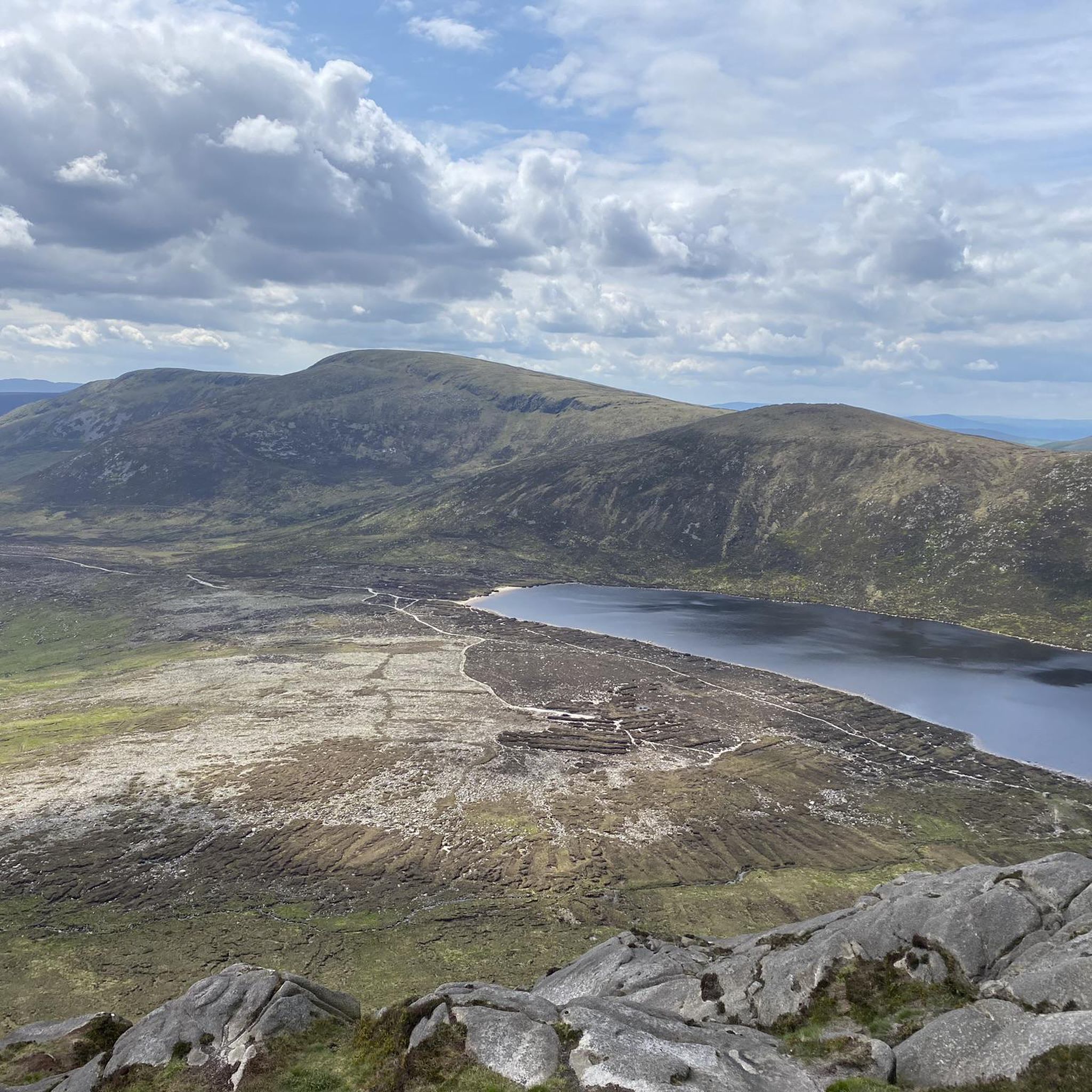
Fantastic views down to silent valley reservoir and south towards Carlingford.
As with any hill walking - be prepared for a change in weather and have good footwear. Enjoy
Tip by

Sign up now to discover places like this
Get recommendations on the best single tracks, peaks, & plenty of other exciting outdoor places.
Summit of Slieve Donard
Highlight • Natural Monument
Tip by

Slieve Doan
Highlight • Climb
Tip by

The Mourne Wall
Highlight • Monument
Tip by

Sign up for free to discover even more peaks around Mourne Mountains East.
Already have an account?
Start today with a free account
Your next adventure awaits.
Tips from the Community

Slieve Binnian is absolute magic. Standing as the third-highest peak in Northern Ireland (747 meters), it easily claims the title for the most dramatic silhouette in the Mournes, thanks to the massive, weathered granite towers—called tors—that guard its summit. https://www.expresstollpass.com
0
0

Slieve Commedagh, at 767 meters, is the second-highest peak in the Mourne Mountains and a rewarding climb for any hiker. Its summit offers sweeping views across the Mournes and out to the Irish Sea, a reminder of how close these mountains sit to the coast. The ascent is steep and demanding, often over pathless ground, but never overly technical in good weather. You can climb it on its own or link it with nearby peaks such as Slieve Donard, making for a truly memorable day in the heart of the Mournes.
3
0

I was lucky to see them at their best today, beautiful 😍
0
0

Not a particularly high mountain but possibly the best 360 degree view in the Mournes!
0
0
One of the very best mountains in the Mournes! Not a huge climb but incredible views in every direction!
1
0
One of the best viewpoints in the Mournes! Instagram-worthy whichever direction you look!
0
0

Congratulations, you've made it up the mighty Slieve Donard. Being the highest of the Mourne Mountain peaks, this is an incredible achievement. Take a well-earned rest and enjoy the phenomenal views across the stunning Mournes and out to the Irish Sea.
1
0
Frequently Asked Questions
What are some of the most popular mountain peaks to explore in Mourne Mountains East?
The Mourne Mountains East offer several rewarding peaks. Among the most popular are Summit of Slieve Donard, Northern Ireland's highest peak, known for its panoramic views and historic cairns. Slieve Bearnagh is also highly regarded for its distinctive rocky tors and challenging terrain. Other notable peaks include Slieve Commedagh, the second-highest, and Slieve Binnian, famous for its dramatic granite tors and views of the Silent Valley Reservoir.
What is the highest mountain in Mourne Mountains East?
Slieve Donard is the highest mountain in Mourne Mountains East, standing at 850 meters (2,789 ft). It is also the highest peak in Northern Ireland and Ulster. Its summit features two prehistoric cairns, including the Great Cairn, and offers extensive views.
Are there challenging hikes for experienced trekkers in the Mourne Mountains East?
Yes, the Mourne Mountains East are well-known for challenging climbs. Peaks like Slieve Bearnagh involve steep ascents and some scrambling, particularly when approaching its granite tors. The climb to the Summit of Slieve Donard can also be quite demanding, especially from routes like Bloody Bridge. For an ultimate challenge, consider the Mourne Wall Challenge, which traverses 15 peaks, including many of the highest.
What unique natural features can I expect to see on the mountain peaks?
The mountain peaks in Mourne Mountains East are characterized by dramatic granite formations. You'll encounter distinctive granite tors on peaks like Slieve Bearnagh and Slieve Binnian. The landscape is also shaped by glacial activity, creating unique valleys and features. On a clear day, panoramic views can stretch to the Isle of Man, the Scottish coastline, and the Wicklow Mountains.
What historical landmarks are associated with the mountain peaks?
The most prominent historical landmark is The Mourne Wall, a 31.4 km (19.5 miles) dry-stone wall that crosses 15 peaks, including Slieve Donard, Slieve Commedagh, and Slieve Bearnagh. On the summit of Slieve Donard, you'll find two prehistoric cairns, one of which is considered the highest known passage tomb in Britain and Ireland. Slieve Commedagh also features a small tower built to shelter wall construction workers, and Slieve Meelmore summit shelter is another historical structure.
Are there any family-friendly walking options near the mountain peaks?
While many peaks offer challenging ascents, there are more accessible routes and areas suitable for families. The Glen River path through Donard Forest, leading towards Slieve Donard, is known for its scenic beauty with woodlands and waterfalls, offering a less strenuous option. The region also features various forest parks and lower-level trails that provide a taste of the Mournes without extreme elevation.
What is the best time of year to hike the mountain peaks in Mourne Mountains East?
The best time to hike the mountain peaks in Mourne Mountains East is generally during the spring (April-May) and autumn (September-October) months. During these periods, the weather is often more stable, with cooler temperatures and clearer skies, offering excellent visibility for panoramic views. Summer can also be good, but be prepared for potentially warmer weather and more visitors. Winter hiking is possible but requires appropriate gear and experience due to challenging conditions.
What outdoor activities can I do near these mountain peaks besides hiking?
Beyond hiking, the Mourne Mountains East region offers various outdoor activities. You can explore road cycling routes, such as those detailed in the Road Cycling Routes around Mourne Mountains East guide, which includes loops around Spelga Reservoir. There are also numerous cycling opportunities, as highlighted in the Cycling around Mourne Mountains East guide, with routes like Carrick Little to Tullymore Forest. Running trails are also popular, including the challenging Mourne Wall Challenge, found in the Running Trails around Mourne Mountains East guide.
What do visitors enjoy most about the mountain peaks in Mourne Mountains East?
Visitors consistently praise the breathtaking panoramic views from the summits, which on clear days can extend across the Irish Sea to the Isle of Man and even Scotland. The unique geological features, such as the granite tors on Slieve Bearnagh and Slieve Binnian, are also a major draw. Many appreciate the historical significance of The Mourne Wall, which adds a distinctive element to the landscape and serves as a navigational aid. The sense of accomplishment after a challenging climb is also a frequently mentioned highlight.
How long does it typically take to climb Slieve Donard?
The time it takes to climb Slieve Donard can vary depending on the chosen route and individual fitness levels. A popular route, such as the Glen River path from Donard Park in Newcastle, typically takes between 4 to 6 hours for a round trip. This includes time for breaks and enjoying the summit views. More challenging ascents, like from Bloody Bridge, might take longer and require more experience.
Can I find circular walking routes that incorporate some of the main peaks?
Yes, many popular routes in the Mourne Mountains East are designed as circular walks, allowing you to experience diverse scenery. For example, a circular route from Carrick Little Car Park on Slieve Binnian follows the Mourne Wall and passes notable sites like the Blue Lough. Many hikers also create their own circular routes by combining sections of the Mourne Wall with other trails, linking peaks like Slieve Donard, Slieve Commedagh, and Slieve Bearnagh.
What is the significance of the Mourne Wall in the region?
The Mourne Wall is a significant man-made monument, a 31.4 km (19.5 miles) dry-stone wall built over 20 years to enclose the Silent Valley Reservoir catchment area. It traverses 15 peaks, serving as a prominent landmark and a navigational aid for hikers. Its perimeter forms the basis for the challenging Mourne Wall Challenge, a popular long-distance hiking route.
Are there any less crowded mountain peaks or trails for a quieter experience?
While peaks like Slieve Donard can be busy, especially on weekends, you can find quieter experiences by exploring other areas. Peaks further into the central Mournes or those with less direct access points might offer more solitude. Additionally, choosing to hike during weekdays or outside of peak season (summer) can significantly reduce crowds on even the most popular trails.
Most popular attractions around Mourne Mountains East

Get inspired with the komoot mobile app


Explore more
See even more amazing summits around Mourne Mountains East with these guides:
