Attractions and Places To See around Lubbesthorpe - Top 20
Best attractions and places to see around Lubbesthorpe include a variety of historical sites, natural landscapes, and viewpoints. The region is characterized by its ancient woodlands, significant historical ruins, and expansive parklands. Visitors can explore areas like Bradgate Park, which features a deer park and notable historical structures. These diverse attractions offer opportunities for exploration and connection with the local heritage and environment.
Best attractions and places to see around Lubbesthorpe
- The most popular attractions is Ruins of Bradgate House…
Last updated: July 6, 2026
Old John Tower, Bradgate Park
Highlight • Monument
Tip by

Ruins of Bradgate House
Highlight • Historical Site
Tip by

Sign up now to discover places like this
Get recommendations on the best single tracks, peaks, & plenty of other exciting outdoor places.
Sign up for free
Bradgate Park Deer Park
Highlight • Lake
Tip by

Cropston Reservoir
Highlight • Lake
Most of the land required for the reservoir, dam and waterworks belonged to the Bradgate Estate. …
Tip by

Swithland Wood
Highlight • Forest
Tip by

Sign up for free to discover even more attractions around Lubbesthorpe.
Sign up for free
Already have an account?
Start today with a free account
Your next adventure awaits.
Login or Signup

Tips from the Community

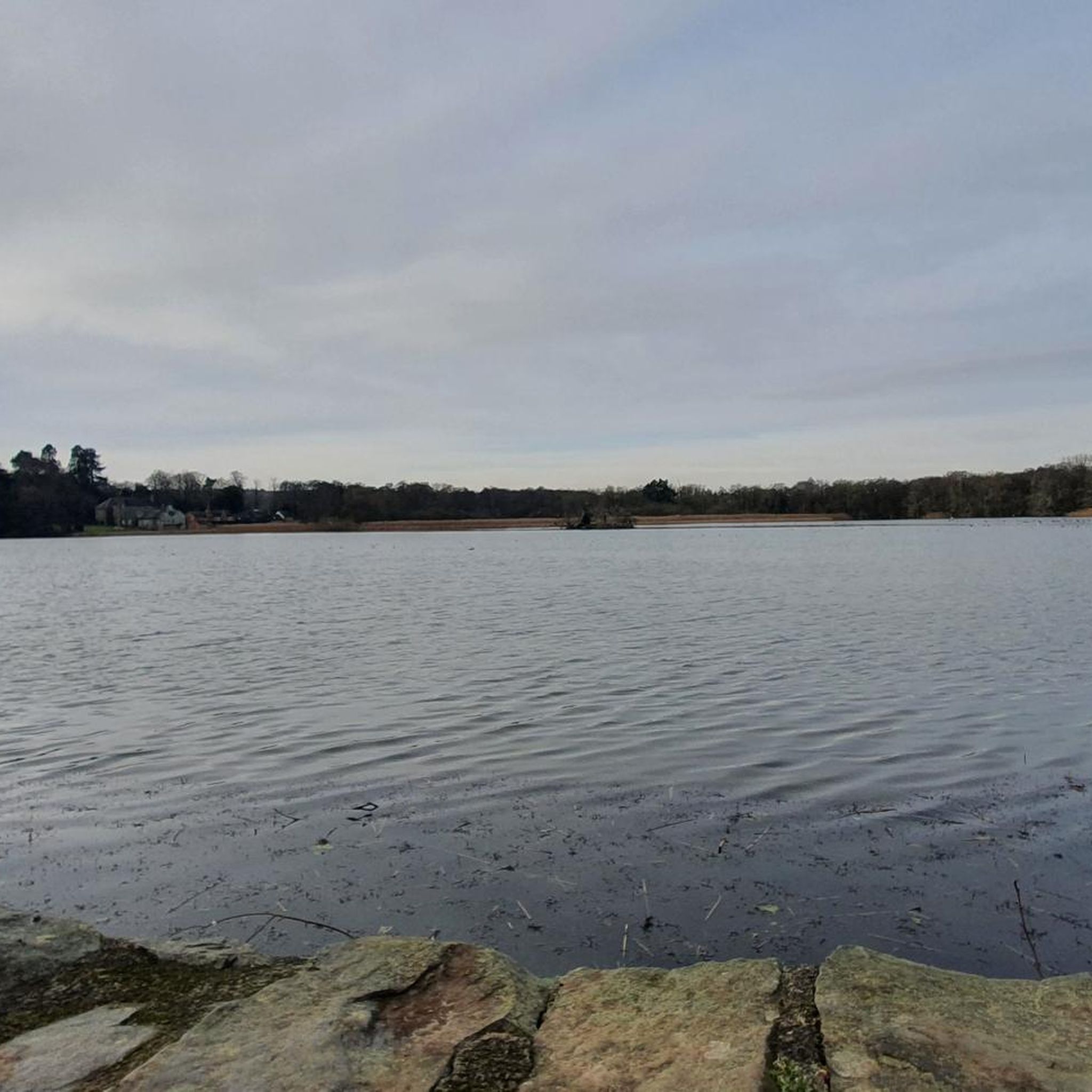
In September 1867, 180 acres of land was purchased for a cost of £24,000. Most of the land required for the reservoir, dam and waterworks belonged to the Bradgate Estate. Lord Stamford insisted that a stone wall be built around the boundary to separate the deer park from the reservoir, instead of the proposed iron railings. This wall, 1,500 yards long was eventually built at a cost of 8s 10d per yard. Joseph Reeves, Head Gamekeeper, outside his house. Some of the Bradgate Estate land was part of the deer park, but most was farmland let out on very long leases. One farmer, Joseph Allen, lost virtually all his farm. Two members of the Matts family had theirs considerably reduced in size. The Gamekeeper’s house and land, together with a nearby bridge, were also in the area to be flooded. The house, together with its stables and outhouses, were demolished and the bricks sold. Part of the footpath between Anstey and Hallgates was submerged, as was the site of the old rabbit warren (or conery).
3
0

This is the Great Pit in Swithland Wood, a site shaped by centuries of slate quarrying, with origins tracing back to Roman times. The quarry was first officially recorded in the 1300s, with activity continuing until the 19th century. Due to the presence of deep water and sheer vertical walls, the quarry is extremely hazardous and completely closed to public access.
2
0

Was pretty mucky and slippy on a gravel bike in June, although it's been a wet year
0
0

Bradgate House is one of England's great 'lost country houses', a once-magnificent Tudor mansion and the birthplace of Lady Jane Grey, the tragic 'Nine Days Queen'. The story of Bradgate House goes back long before Lady Jane's birth, however, and is intertwined with the history of Bradgate Park, a large country park in which the ruins stand. Bradgate Park began as a hunting ground in the early 13th century. It was enclosed by an earthwork bank and ditch, topped by oak timbers. In 1445 the park passed by marriage to the Grey family, who owned it for the next 5 centuries. The first grey owner was Edward Grey, whose son John married Elizabeth Woodville. After John's death at the Battle of St Albans in 1461 Elizabeth married King Edward IV. One of Elizabeth's sons by her first marriage was Sir Thomas Grey, the 1st Marquess of Dorset.
1
1
Old John is the highest hill in Bradgate Park, Leicestershire, England, on the southern edge of Charnwood Forest. It gives its name to the folly that stands at its top. The hill stands at 696 foot (212 m) high, and is a prominent landmark across Leicester and Leicestershire. The earliest recorded use of the name is on a map of 1754, which records a windmill on the site, some 30 years before the tower was built. The tower itself began life as a ruined folly, built in 1784, during the time of George Grey, 5th Earl of Stamford. He got Thomas Sketchley of Anstey to build him the mock ruin, which had strong similarities to Mow Cop, Staffordshire. It was adapted in the mid-19th century by the seventh Earl to serve as an observation tower for the practice circuit he laid out for his horses, along with the building of a stable block lower down the hill.
1
1

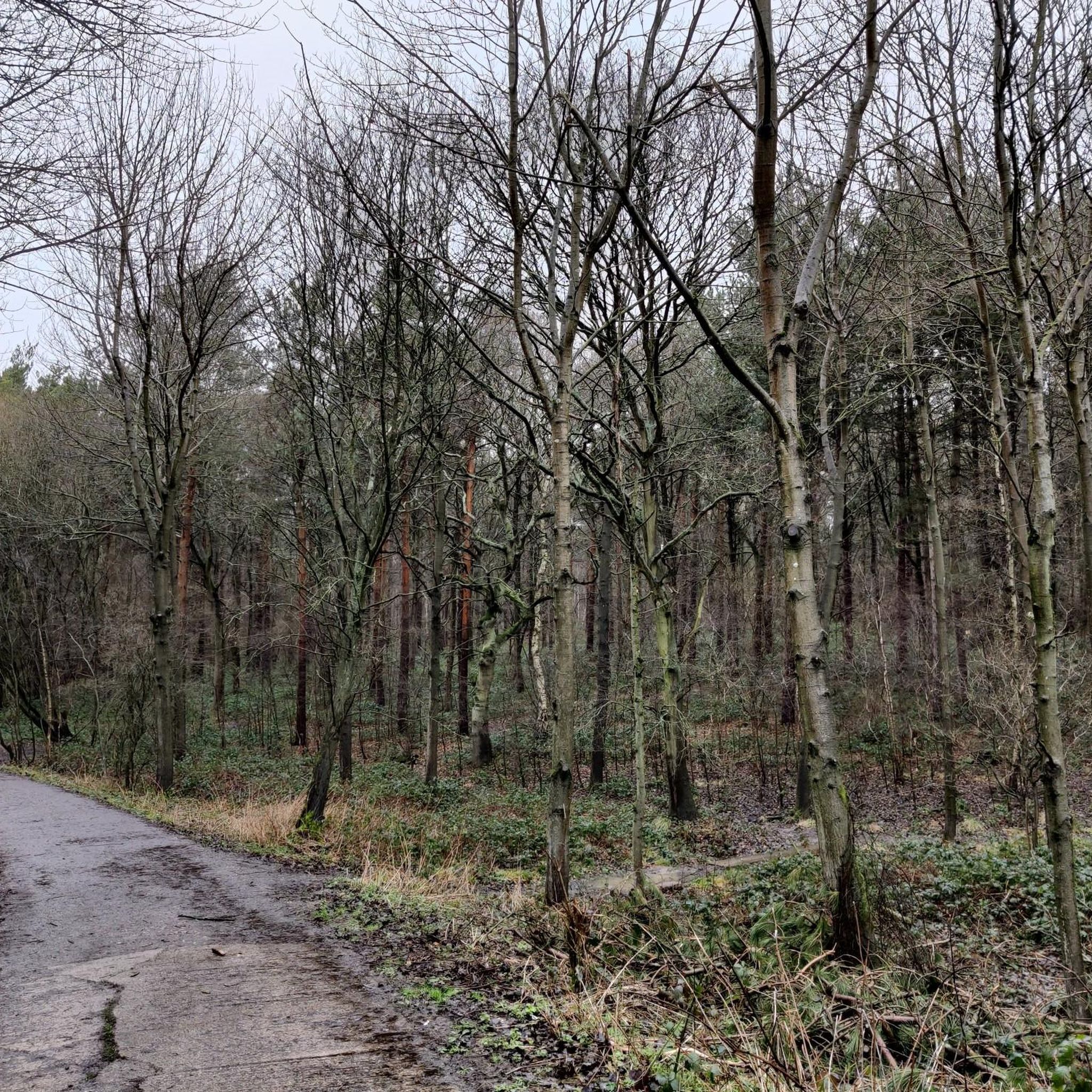
Swithland Wood is a small remnant of the original Charnwood Forest managed by part of the Bradgate Estate. As a small chunk of ancient woodland, Swithland consists of mature oak, birch, alder and lime with supports a rich variety of butterflies, moths and birds. This chunk of woodland is the type that would of previously covered all of the British mainland whilst groups of hunter gatherers moved through the landscape.
2
0

Toilets available at Bradgate Park car park ( Cropston )
1
0

Arrive early at Bradgate Park to enjoy it at its best. It's a lovely ride, but as a very popular attraction, the park can get very busy with pedestrians later in the day. Cyclists do not have right of way, and you may be asked to dismount on very busy days. Stick to the tarmac as cycling off-route can attract heavy fines.
2
0
Frequently Asked Questions
What are the best places for walks near Lubbesthorpe?
For excellent walking opportunities, consider exploring Bradgate Park Deer Park, which offers expansive trails and the chance to spot deer. Another great option is Swithland Wood, an ancient woodland with mature oak and birch trees, providing a different natural walking experience.
Are there family-friendly attractions around Lubbesthorpe?
Yes, several attractions are suitable for families. Bradgate Park Deer Park is a popular choice for wildlife spotting and walks. The Ruins of Bradgate House offer an engaging historical experience, and Cropston Reservoir provides scenic views and a pleasant environment for a family outing.
What historical sites can I visit near Lubbesthorpe?
The region is rich in history. You can explore the Ruins of Bradgate House, a Tudor mansion once home to Lady Jane Grey, offering a glimpse into 16th-century life. Additionally, visit Old John Tower in Bradgate Park, a historic folly built in 1784 that provides panoramic views.
Where can I go for wildlife spotting near Lubbesthorpe?
The primary location for wildlife spotting is Bradgate Park Deer Park, home to a resident deer population. Swithland Wood is also known for its rich variety of butterflies, moths, and birds.
Are there good viewpoints to enjoy the scenery?
Absolutely. Old John Tower, situated on the highest point of Bradgate Park, offers extensive views of the surrounding landscape and Leicester city centre. Cropston Reservoir also provides great views over the water.
What outdoor activities can I do near these attractions?
Beyond walking, you can enjoy various outdoor activities. For running, explore routes like 'Path Beside the Pond – Great Central Way loop' or 'Dirt Path Through Greenery loop' from Enderby. Cyclists can find smooth road cycling routes such as 'Smooth Road for Cycling loop from Enderby' or 'View of Cropston Reservoir – Ruins of Bradgate House loop from Kirby Muxloe'. Gravel biking options include 'Nice Trail loop from Groby'. You can find more details on these activities in the respective guides: Running Trails around Lubbesthorpe, Road Cycling Routes around Lubbesthorpe, and Gravel biking around Lubbesthorpe.
What do visitors enjoy most about the attractions near Lubbesthorpe?
Visitors particularly appreciate the historical significance of sites like the Ruins of Bradgate House and the panoramic views from Old John Tower. The natural beauty and wildlife, especially the deer at Bradgate Park Deer Park, are also highly valued. The area's blend of history and nature creates a unique and enjoyable experience.
Are there any ancient woodlands to explore?
Yes, Swithland Wood is a small remnant of original Charnwood Forest and an ancient woodland. It features mature oak, birch, and alder trees, supporting diverse flora and fauna, making it a great place for a tranquil walk.
Is there parking available for these attractions?
For attractions within Bradgate Park, such as Old John Tower, the Ruins of Bradgate House, and the Deer Park, there are car parks available. For example, toilets are available at the Bradgate Park car park near Cropston, which also serves Cropston Reservoir.
What is the best time to visit Lubbesthorpe attractions?
While attractions are generally accessible year-round, arriving early at popular spots like Bradgate Park is recommended to enjoy it at its best, especially on busy days. Spring and autumn offer pleasant weather for walks and fewer crowds, while summer allows for longer daylight hours. Winter walks can also be beautiful, though some paths might be mucky or slippery.
Are there any hidden gems or lesser-known spots?
While not entirely 'hidden,' Swithland Wood, with its ancient woodland and historical quarry features like the Great Pit, offers a unique experience that might be less crowded than the main Bradgate Park areas. Its historical significance as a former slate quarry adds an interesting layer to its natural beauty.
Can I cycle through Bradgate Park?
Cycling is permitted on tarmac paths within Bradgate Park. However, cyclists do not have right of way, and you may be asked to dismount on very busy days due to the high volume of pedestrians. Cycling off-route can attract heavy fines, so stick to designated paths.
Most popular attractions around Lubbesthorpe

Get inspired with the komoot mobile app


Explore more
Still not found the Highlight you’re looking for? See guides of the top attractions in other regions:
