Top 20 Caves in Cantabria
Caves in Cantabria are a significant feature of this northern Spanish region, known for its rich geological formations and prehistoric heritage. The area is home to numerous subterranean sites, many of which contain important Paleolithic art. These caves offer a journey into ancient history and showcase diverse natural wonders. Cantabria's landscape provides a unique setting for exploring these underground environments.
Best caves in Cantabria
- The most popular caves is Devil's Eye, a natural monument that offers majestic panoramic views from a cliff framed by a natural rock window. This viewpoint is one of the most visited sites in Cantabria.
- Another must-see spot is Culebre Cave, a natural monument and challenging cave. Visitors can expect to find a beautiful cave area located on the crest of the cliffs.
- Visitors also love La Ojerada Caves, a family-friendly natural monument. These beautiful cave eyes are located very close to a parking lot, making them easily accessible.
- Cantabria is known for caves with prehistoric art and those featuring unique geological formations. The region offers a variety of caves to see and explore, from ancient art sites to natural wonders.
- The caves in Cantabria are appreciated by the komoot community, with 103 upvotes and 46 photos shared by visitors.
Last updated: October 15, 2026
Devil's Eye
Highlight • Natural Monument
Getting here has its challenging part, but you will enjoy a spectacular and picturesque route with impressive views.
Translated by Google •
Tip by

Somocuevas Beach
Highlight • Beach
Its name comes from the caves between the rocks at the tip of Somocuevas. Nearby there is an islet that is frequented by seagulls and cormorants.
It has a length of 100 meters and its access is through a staircase of 139 steps that descends from a high cliff located to the west of the beach. This staircase is reached by a narrow path that comes from the parking area located a few hundred meters from the stairs. The slope of access to the water is gentle and the waves are also gentle because it is protected from the open sea by an inlet. The bottom is partly rocky although fine sand is also abundant. It is frequented by nudists, it is not official nudist as such. It is freely accessible.
The surroundings are made up of Atlantic meadows and residential developments. To the west is the natural park of the Dunas de Liencres, one of the most important coastal points of the Cantabrian Sea.
Translated by Google •
Tip by

Sign up now to discover places like this
Get recommendations on the best single tracks, peaks, & plenty of other exciting outdoor places.
Altamira Cave
Highlight • Cave
Translated by Google •
Tip by

Ramales de la Victoria
Highlight • Settlement
Showing Translation
Tip by

Liencres Blowhole
Highlight • Natural Monument
When the sea is calm, all you can see are the huge holes at the top of the coast and, with a bit of luck, like at Bufon de Liencres, the opening to the sea.
Translated by Google •
Tip by

La Ojerada Caves
Highlight • Cave
Translated by Google •
Tip by

Cullalvera Cave
Highlight • Cave
Translated by Google •
Tip by

Culebre Cave
Highlight • Cave
Translated by Google •
Tip by
Aguanaz River and Frenchman’s Cave
Highlight (Segment) • River
Translated by Google •
Tip by

Menhir Yelso de Hayas
Highlight • Monument
Translated by Google •
Tip by
Sign up for free to discover even more caves in Cantabria.
Already have an account?
Start today with a free account
Your next adventure awaits.
Popular around Cantabria
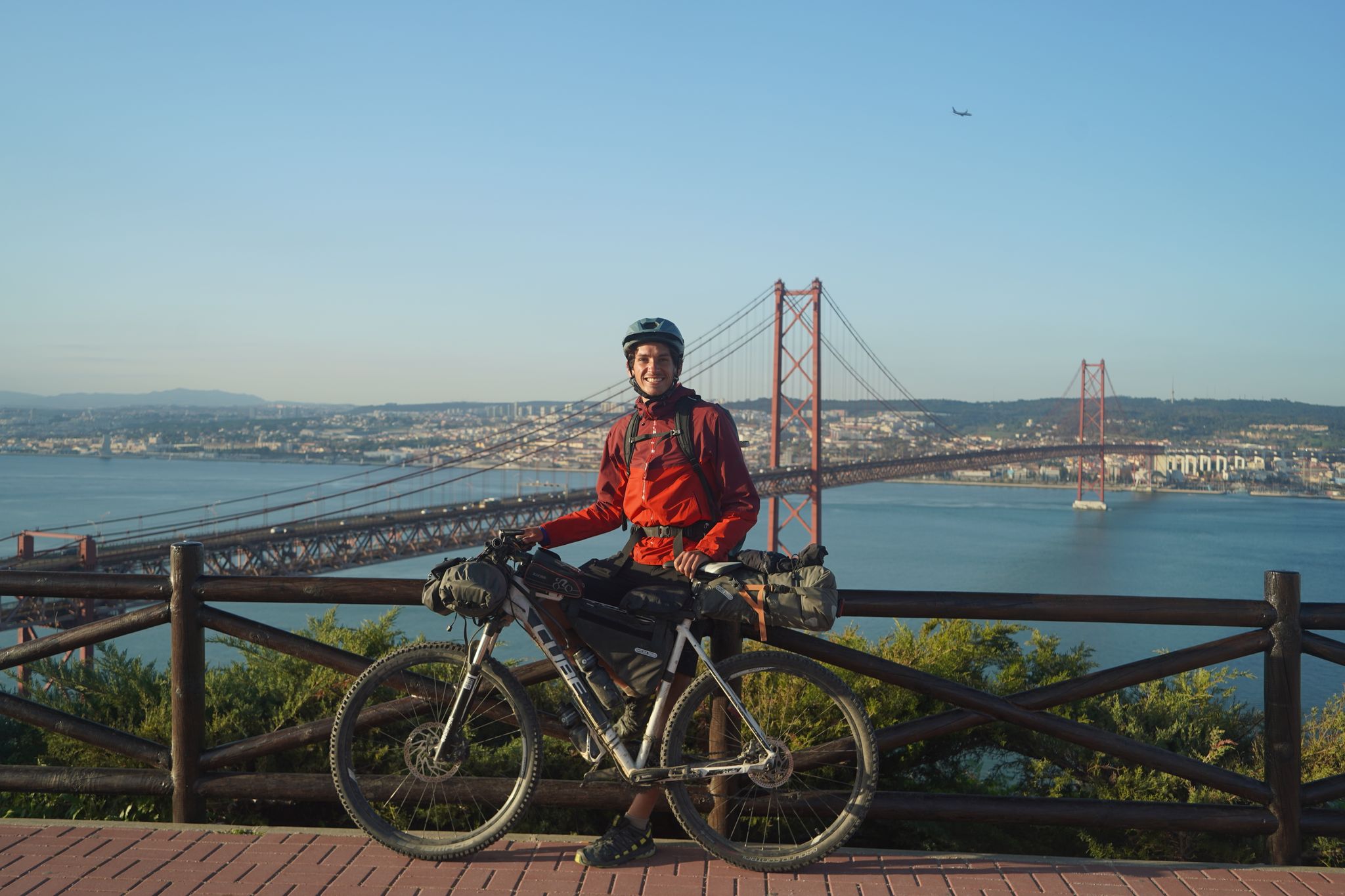
Road to Lisbon – bikepacking the Alps, Pyrenees and Picos de Europa
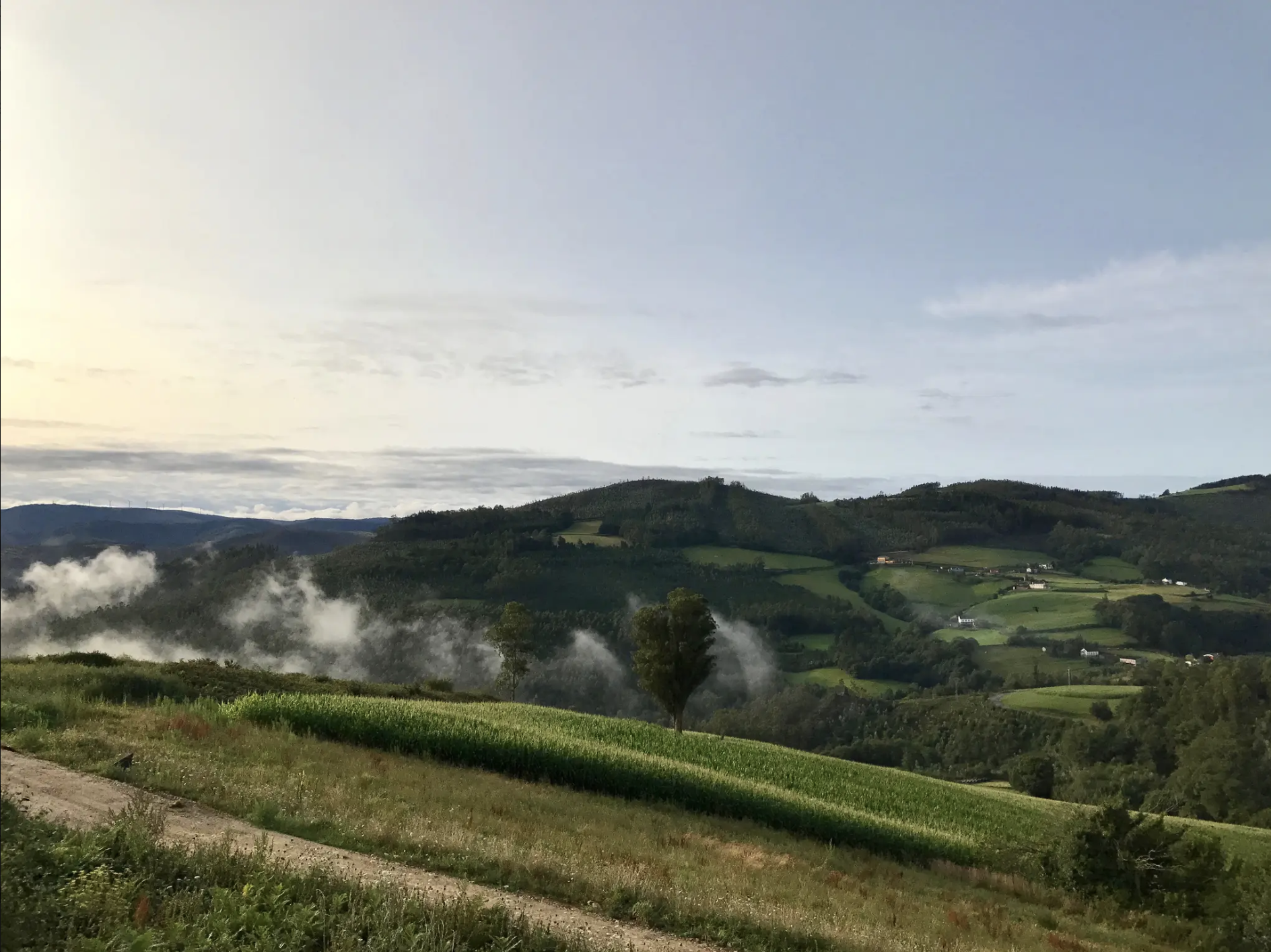
Camino del Norte (in reverse) – Discovering northern Spain's stunning coastline
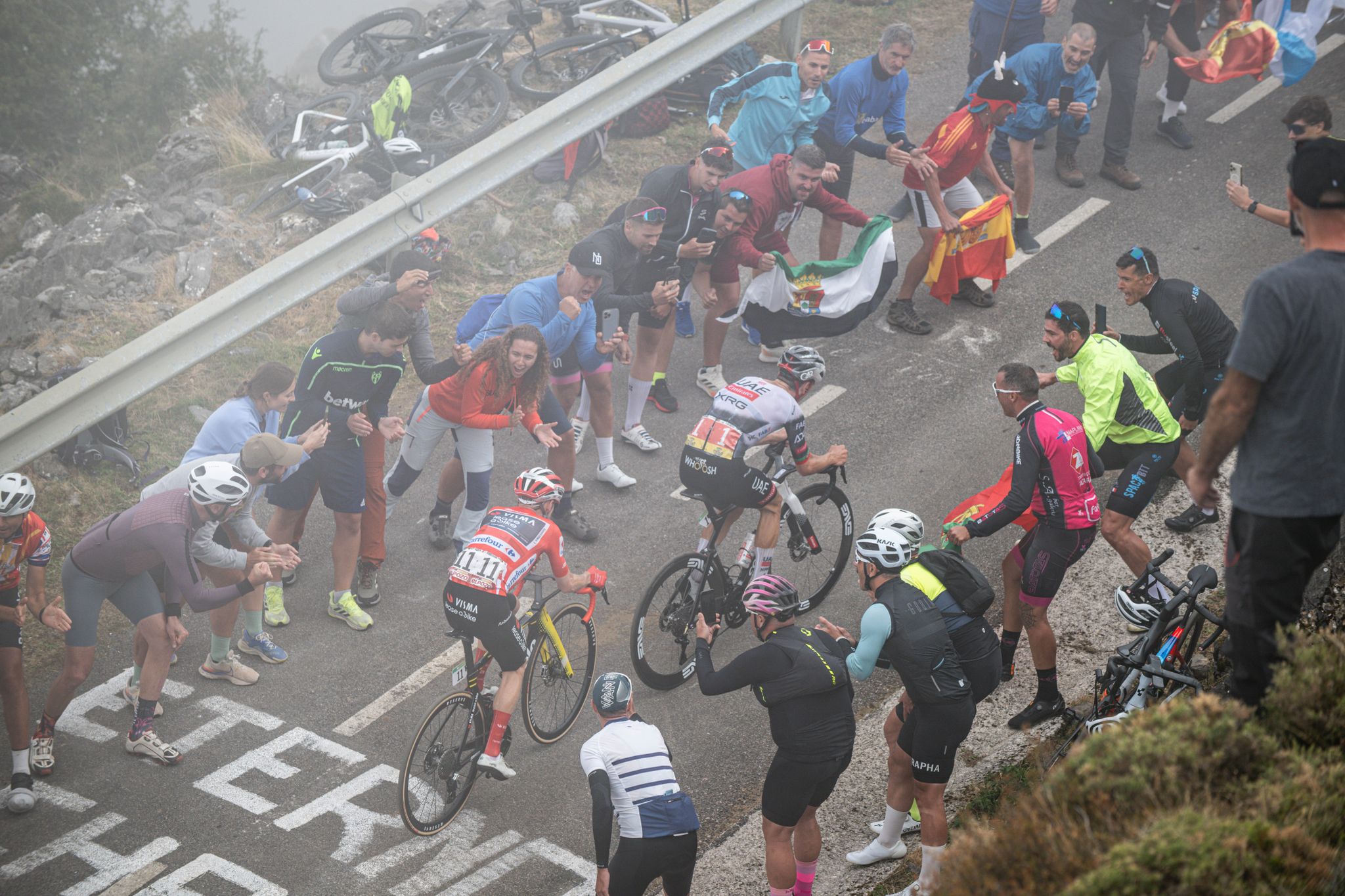
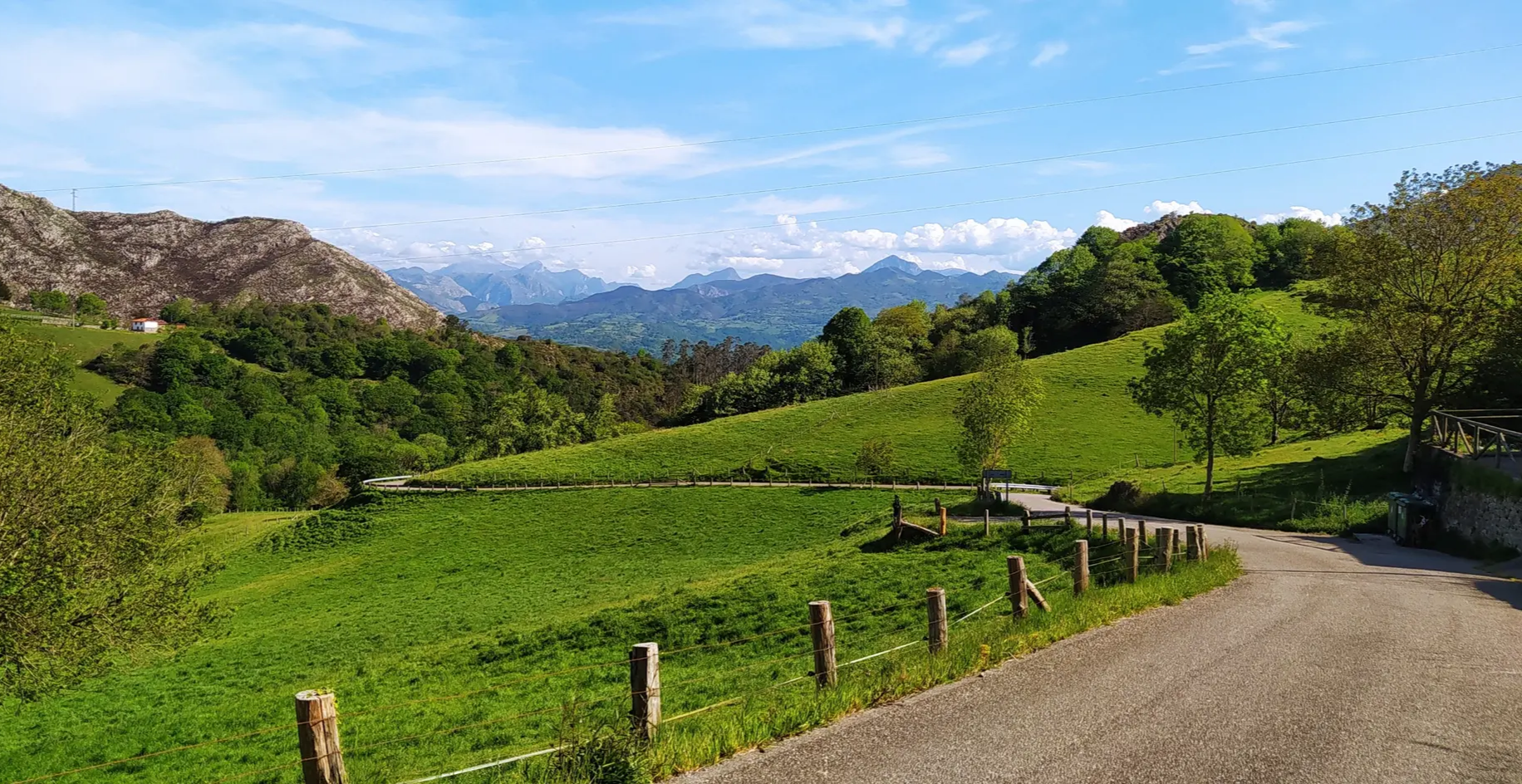
Mythical Passes and Sections of La Vuelta
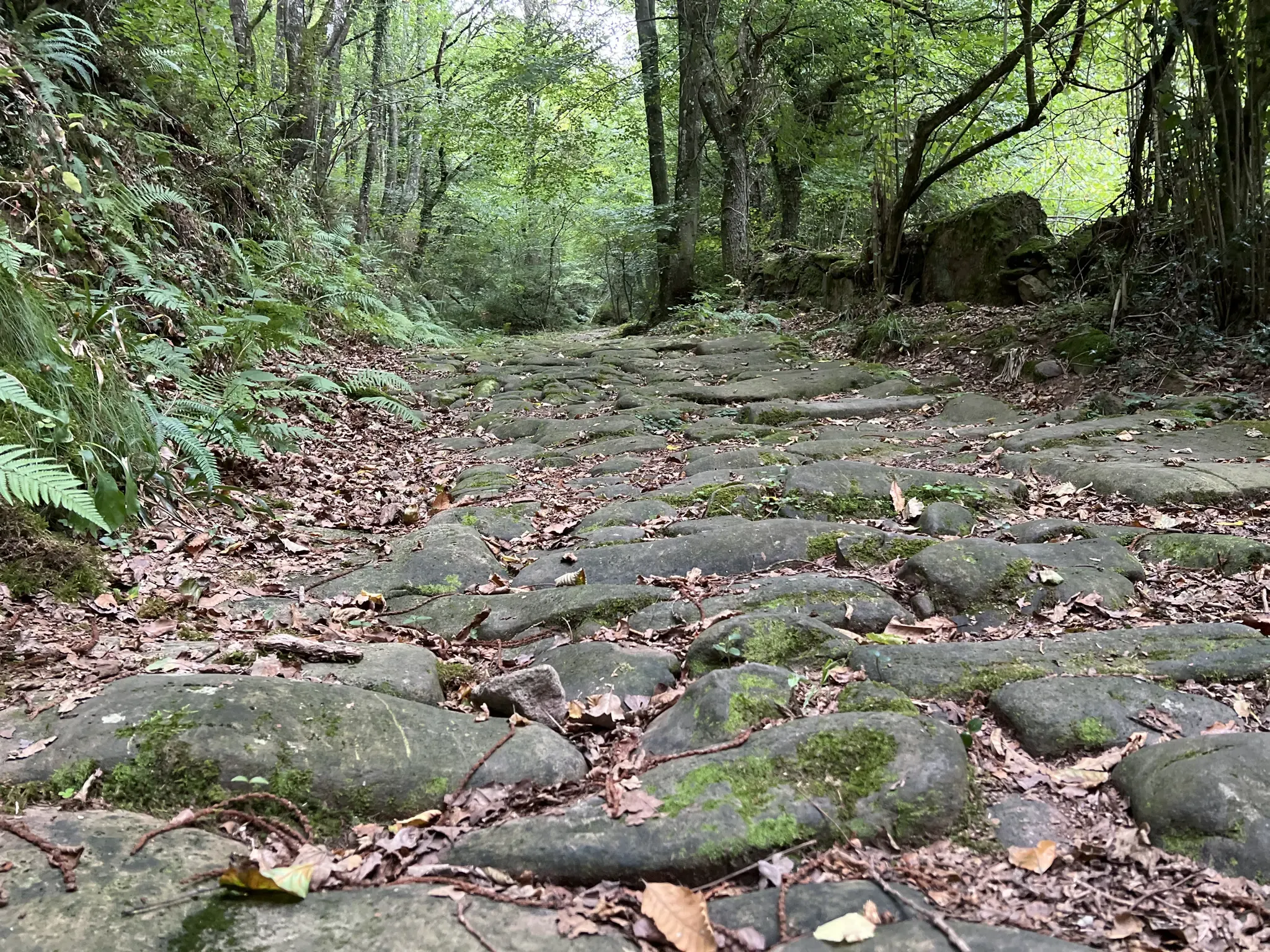
La Calzada de los Blendios (GR 73) — From the plateau to the sea
Great mountain passes of Picos de Europa on road bikes
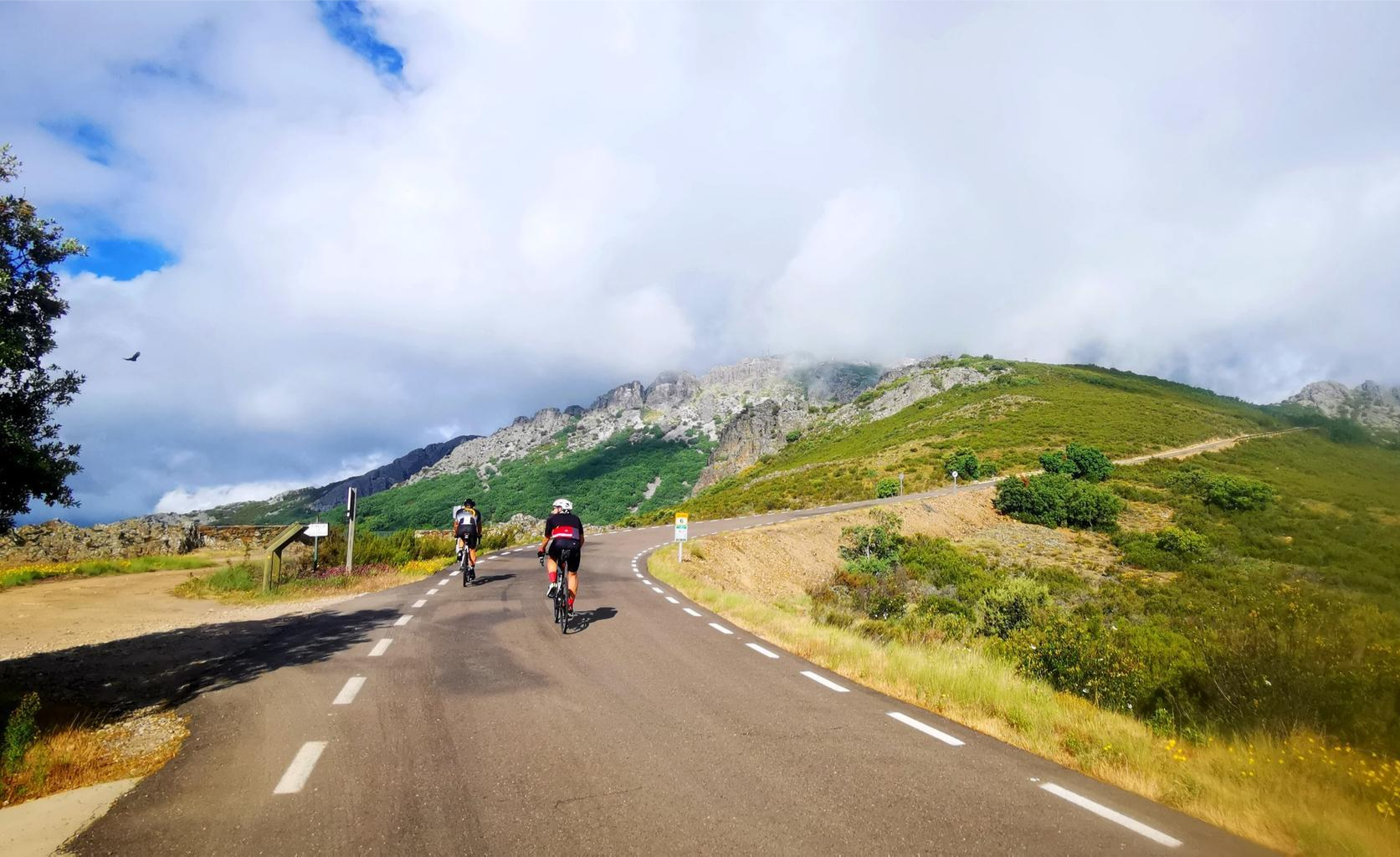
Legendary climbs - Ports of La Vuelta a España
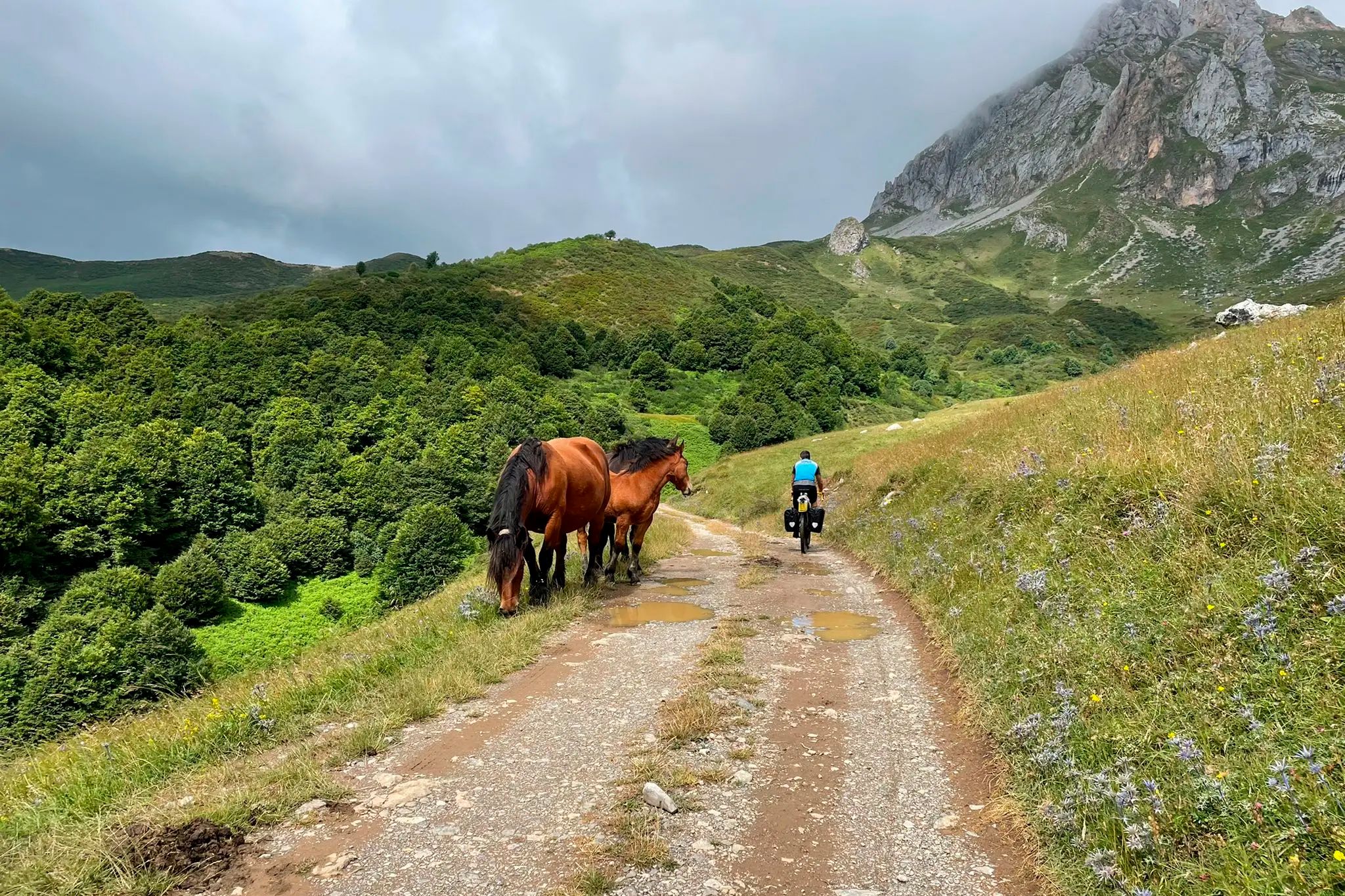
TransCantabrica – Extreme mountain biking in northern Spain
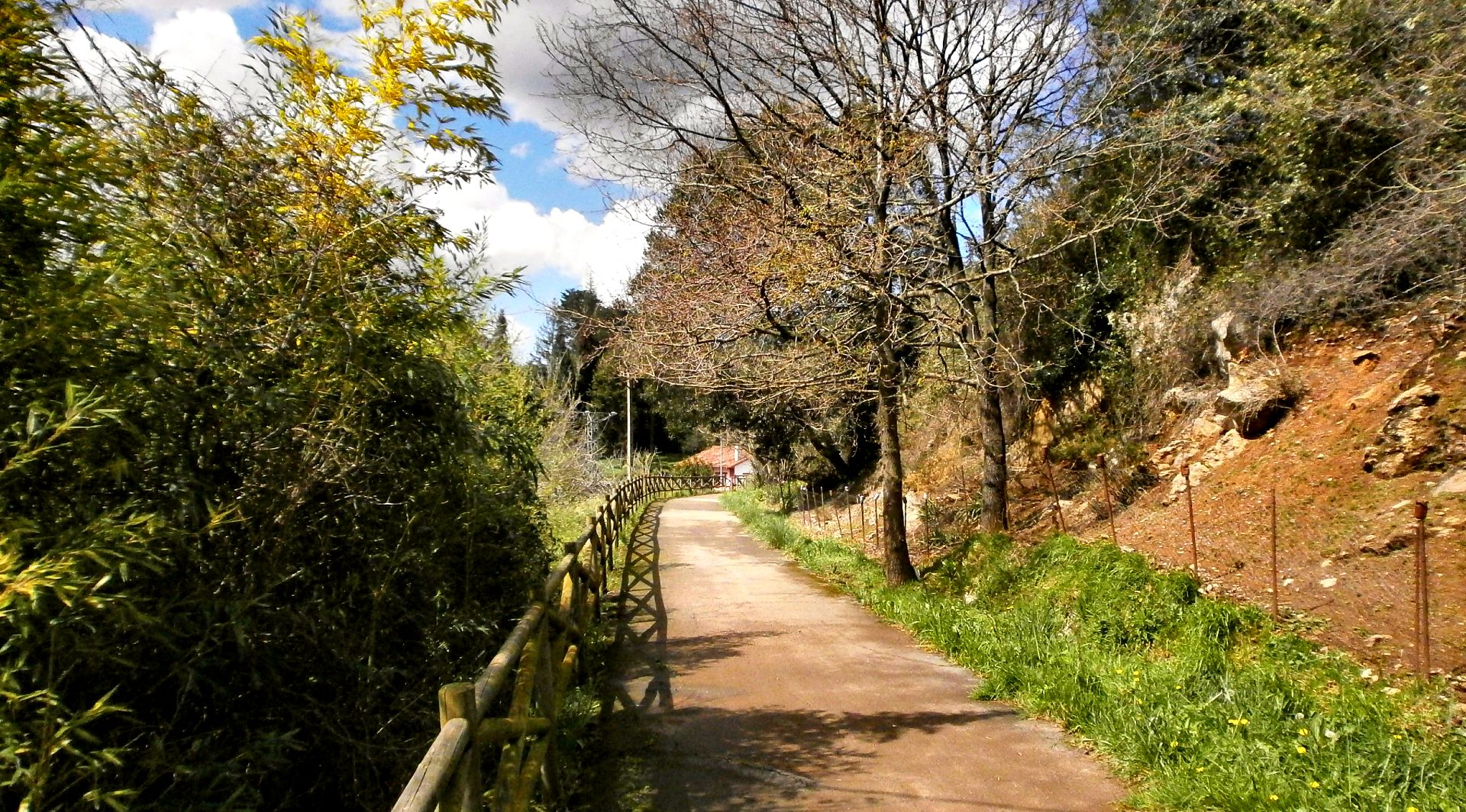
Vía Verde del Pas - Along the Riverbank through Cantabria
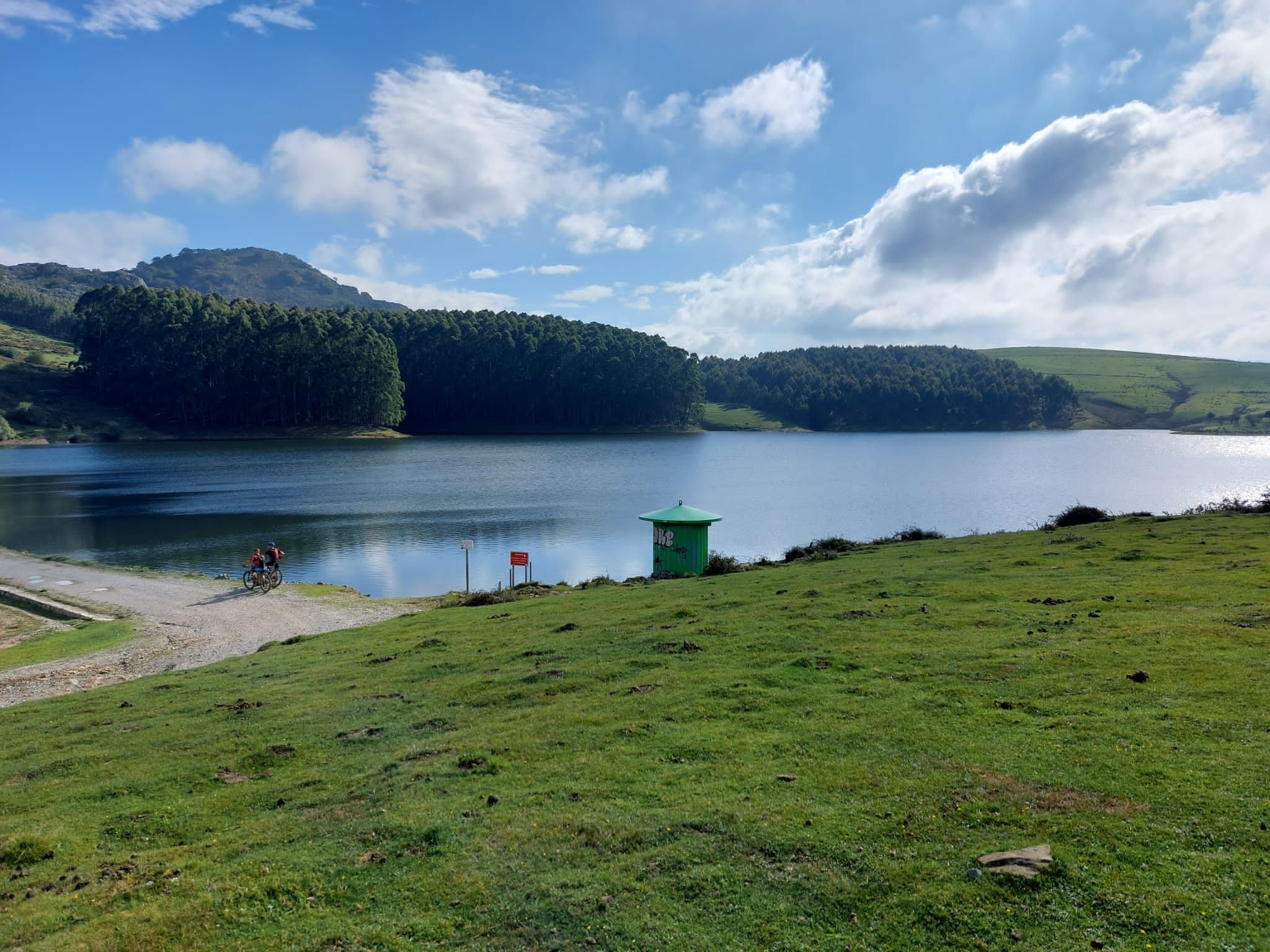
Cycle between land and sea in northern Spain – Pedales de Cantabria
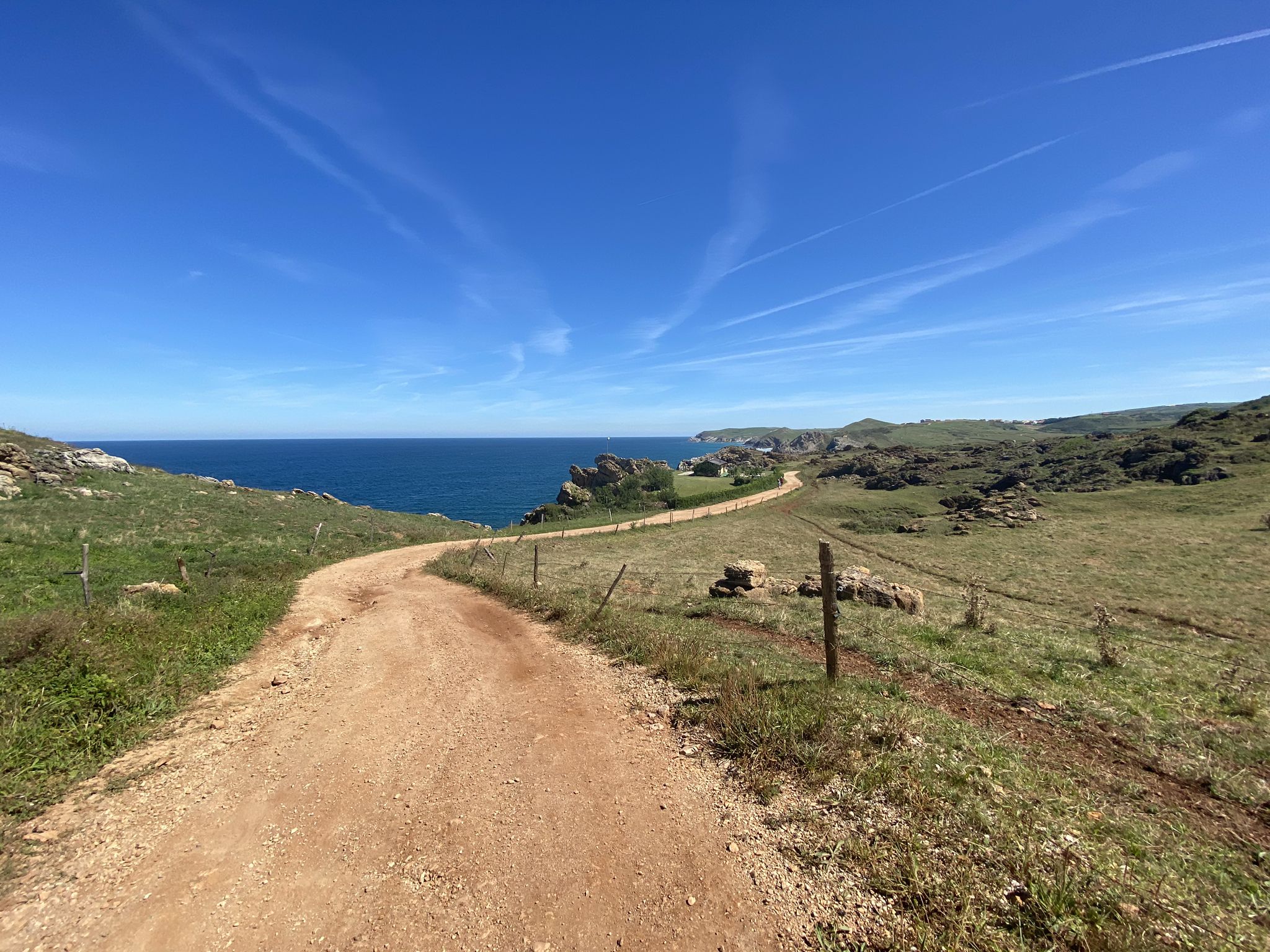
Paths and waves – surf trip by bike in Cantabria
Other adventures in Cantabria


Tips from the Community

The view through the devil's eye onto the coast at Sonabia is breathtakingly beautiful and rewards the strenuous journey here. The stone arch can be reached either via the coastal path between Sonabia and Villanueva or, less spectacularly, through the mountains to the south from a parking lot near the A8. An absolute postcard motif!
0
0

RAMALES has a history closely linked to the victory of the liberals over the Carlists (1839), which earned General Espartero the title Duke of Victory. This battle would forever mark the capital of the Boven-Asón region, and since then the town has been known as "de la Victoria" (of Victory).
11
0

These caves always impress me.
0
0

The Costa Quebrada is a magnificent coast for hiking. The access to the bay is currently closed (13.4.26).
1
0

I wanted to go down, but it seemed slippery and too steep.
1
0

Very good views. When there are strong waves, there is a small blowhole inside the Ojerada.
2
0
Frequently Asked Questions
What makes the caves in Cantabria unique for visitors?
Cantabria's caves offer a dual experience: some are renowned for their exceptional Paleolithic art, including sites like El Castillo, Cueva de Las Monedas, Covalanas, Hornos de la Peña, and the remarkably preserved La Garma complex. Others, such as El Soplao, are celebrated for their stunning and diverse geological formations, often called the 'Sistine Chapel of Geology' due to its unique eccentrics and helictites. The National Museum and Research Center of Altamira provides an immersive replica of the famous Altamira Cave's prehistoric art.
Are there family-friendly caves to visit in Cantabria?
Yes, several caves are suitable for families. La Ojerada Caves are easily accessible with parking nearby, offering beautiful natural formations. Cullalvera Cave is another family-friendly natural monument. The National Museum and Research Center of Altamira, with its replica of the Altamira Cave, is also an excellent educational and engaging option for all ages.
Which caves in Cantabria feature significant prehistoric art?
Cantabria is home to several caves with world-renowned Paleolithic art. El Castillo Cave contains some of Europe's oldest art, including a red symbol over 40,000 years old. Cueva de Las Monedas features animal figures and geological beauty. Covalanas Cave is known for its distinctive red figures and dotted outline technique. Hornos de la Peña Cave offers original engravings and evidence of early human occupation. The La Garma Cave Complex is exceptional for its preserved archaeological site and extensive art. While the original Altamira Cave is closed, its faithful replica at the National Museum and Research Center of Altamira allows visitors to experience its famous polychrome paintings.
Where can I see unique geological formations in Cantabria's caves?
For breathtaking geological formations, El Soplao Cave is a must-visit. It's famous for its abundance and diversity of eccentric formations, including helictites that defy gravity, stalagmites, stalactites, and curtains. Its extensive galleries, such as the 'Gallery of the Ghosts,' showcase a unique subterranean landscape. Cueva de Las Monedas also offers a mix of colors created by varied mineral compositions alongside its ancient rock art.
Are there any caves in Cantabria that are challenging to access or explore?
Yes, some caves offer a more challenging experience. Devil's Eye, while primarily a viewpoint, involves a challenging route to reach its majestic panoramic views. Culebre Cave is described as a challenging cave located on the crest of cliffs. For those seeking adventure, El Soplao Cave offers an 'Adventure Tour' for deeper exploration beyond the standard guided paths.
What outdoor activities can I do near the caves in Cantabria?
The region around Cantabria's caves offers diverse outdoor activities. You can find numerous running trails, including coastal routes like 'Santander – running circular along the coast to El Sardinero beach' or 'Santander – from La Maruca to the Faro de Cabo Mayor'. For hiking enthusiasts, there are waterfall hikes such as 'Lamiña Waterfalls - circular from Barcenillas' and mountain hikes like 'Viewpoint – Horcados Rojos loop from Fuente Dé'. Explore more options on the Running Trails in Cantabria, Waterfall hikes in Cantabria, and Mountain Hikes in Cantabria guide pages.
What is a 'blowhole' and where can I see one in Cantabria?
A blowhole, or 'bufón,' is a coastal geyser formed by narrow openings in sea caves that extend to the surface. When strong waves hit the sea opening, water is forced through the cave and erupts spectacularly from the top opening. You can witness this natural phenomenon at the Liencres Blowhole, especially during strong surf conditions.
What should I expect when visiting the Altamira Cave replica?
When visiting the National Museum and Research Center of Altamira, you will experience the Neo-cave, a meticulous and faithful replica of the original Altamira Cave. This replica allows visitors to see the famous polychrome paintings of bison, horses, and deer, dating back thousands of years, without damaging the delicate original artwork. It offers an immersive and educational insight into Paleolithic art and the lives of prehistoric artists.
What is the best season to visit the caves in Cantabria?
Cantabria's caves can generally be visited year-round, but the best season often depends on your preference for weather and crowd levels. Spring and autumn offer pleasant temperatures for exploring both the caves and the surrounding natural landscapes, with fewer tourists than the peak summer months. Summer is popular but can be crowded. Always check specific cave opening hours and tour availability, as some may have seasonal variations.
Are there any caves near beaches in Cantabria?
Yes, some caves and cave-like features are located near the coast. Somocuevas Beach gets its name from the caves found between the rocks at the tip of Somocuevas. The Cave of the Virgen del Mar is another cave highlight located near a beach, offering scenic views.
What kind of historical context do the caves of Cantabria provide?
The caves of Cantabria offer a profound connection to human history, particularly the Paleolithic era. Sites like El Castillo and La Garma provide archaeological evidence of human occupation stretching back tens of thousands of years, showcasing early human artistic expression and daily life. The region's caves are crucial for understanding the origins of symbolic thought and the evolution of human culture in Europe.
Most popular routes in Cantabria
Most popular attractions in Cantabria

Get inspired with the komoot mobile app


