Top 9 Castles around Santa Maria De Martorelles
Castles near Santa Maria de Martorelles showcase a range of historical architecture, from ancient ruins to eclectic residences designed to emulate fortresses. The area, situated within a natural landscape, provides a setting for exploring these historical sites. Santa Maria de Martorelles tourism often includes visits to these structures, which are recognized for their cultural significance. These sites offer insights into the region's past and architectural evolution.
Best castles around Santa Maria De Martorelles
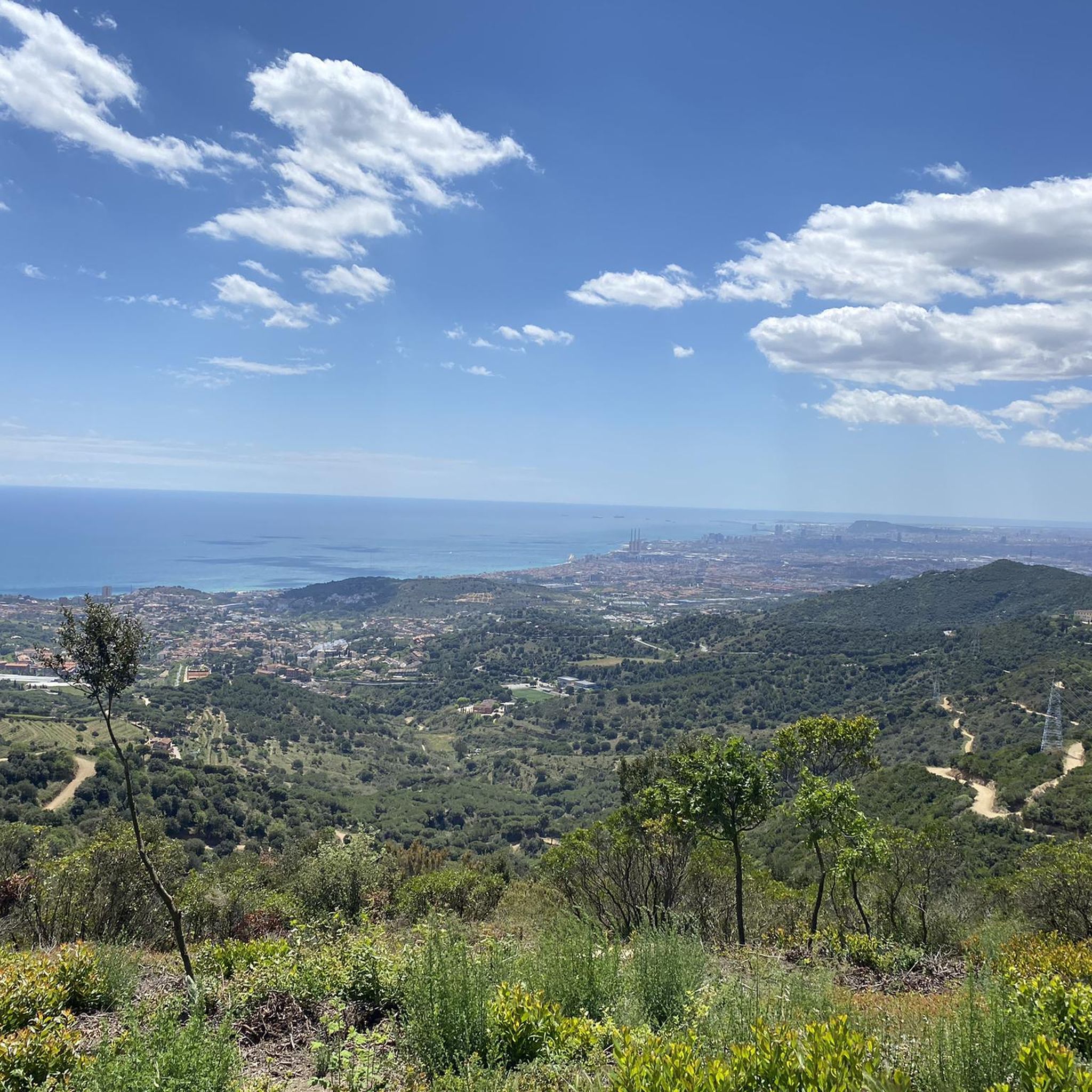
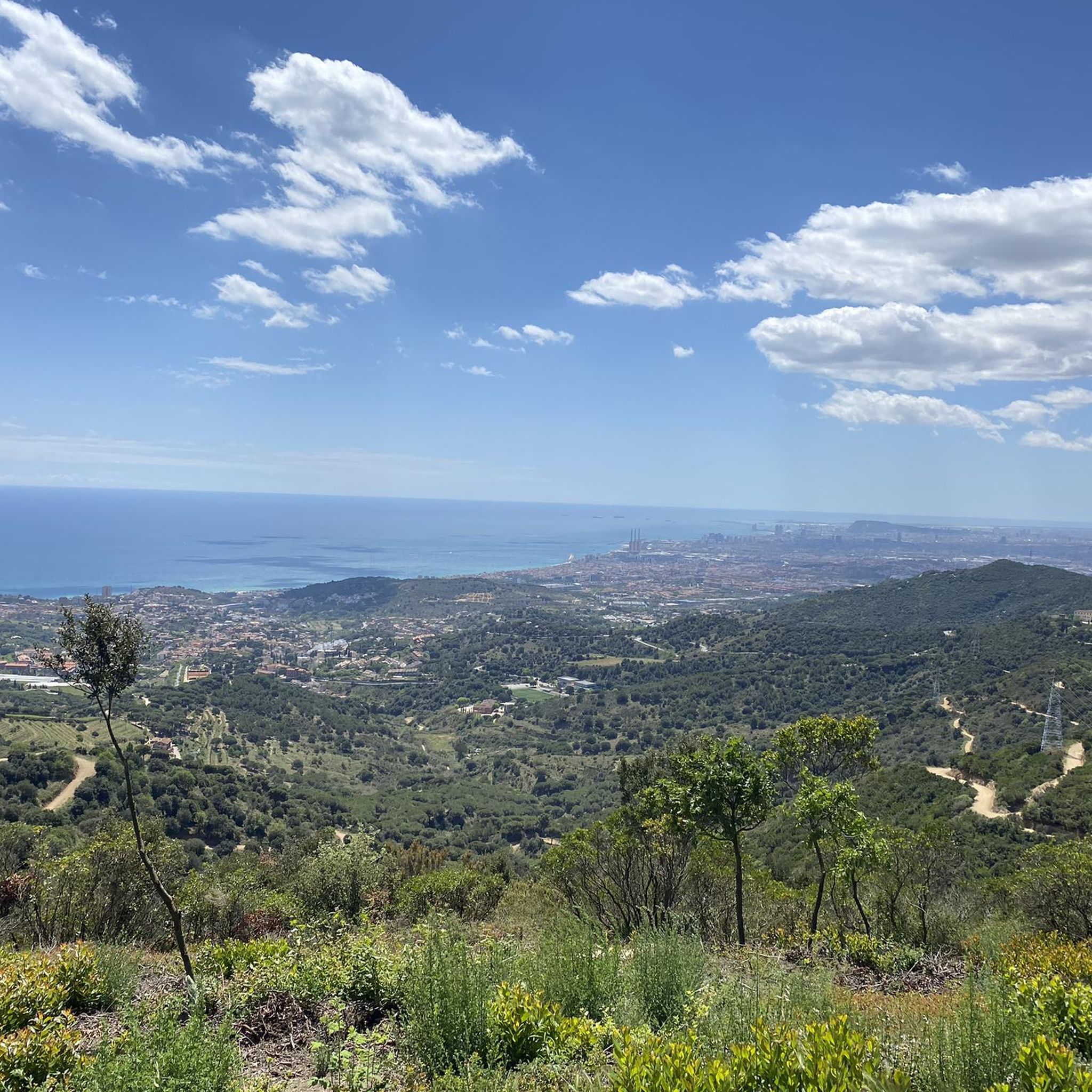
- The most popular castles is Burriac Castle, a castle that features almost thousand-year-old remains located at the top of Burriac Hill. It is declared a Cultural Asset of National Interest and offers superb views from its elevated position.
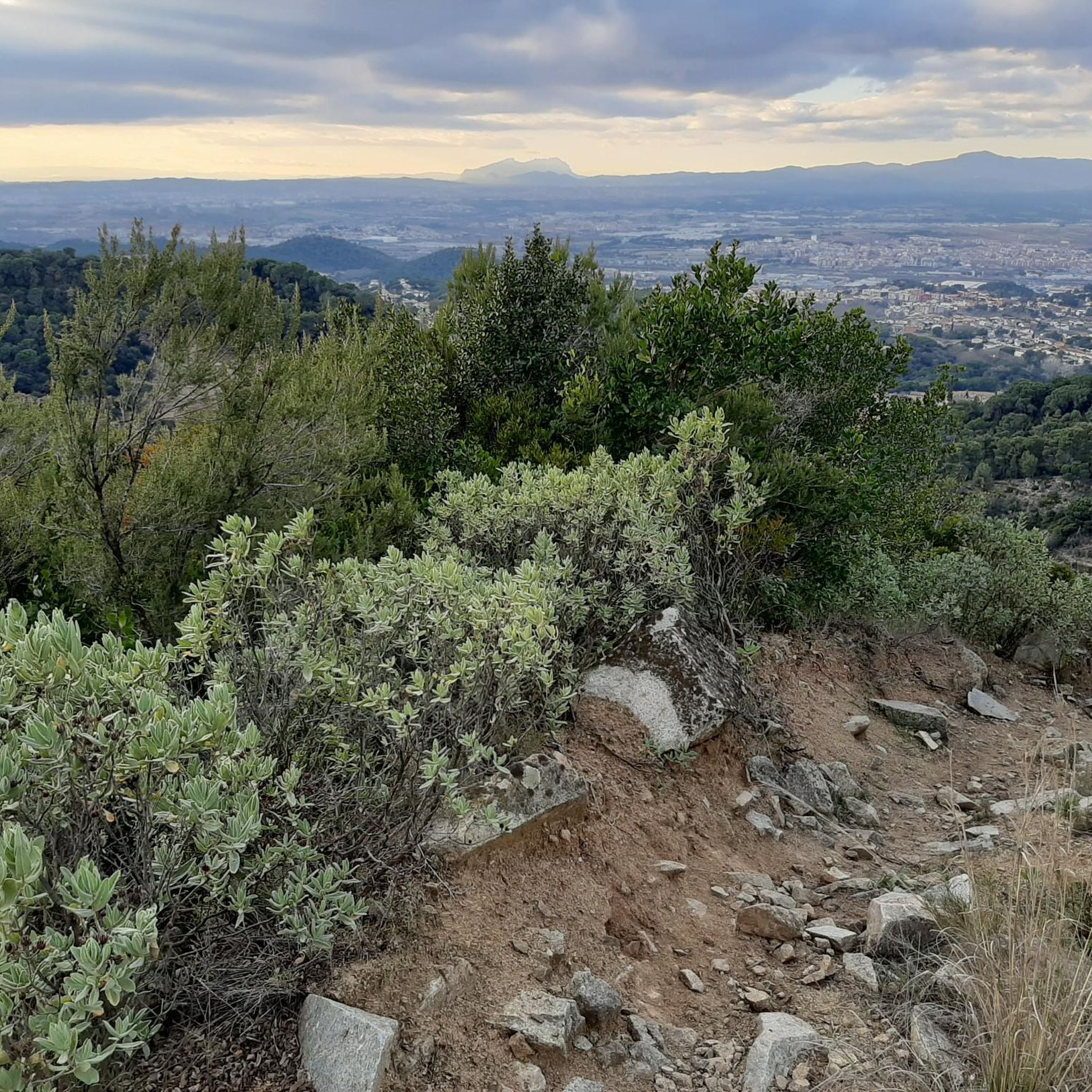
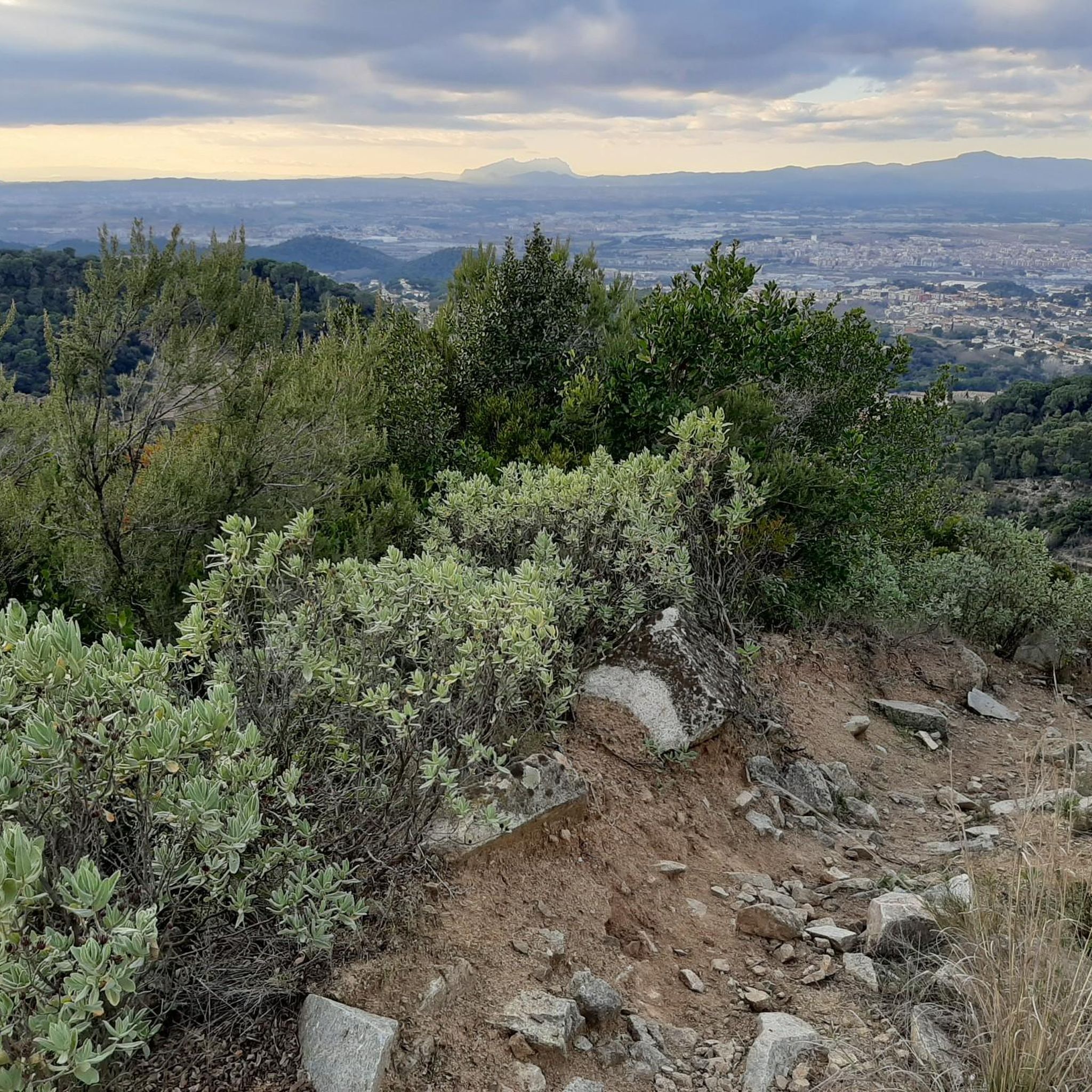
- Another must-see spot is Sant Miquel Castle, a castle and historical site. Visitors can expect impressive views from the top, accessible via an intense path, making it suitable for hikers seeking challenging trails.
- Visitors also love Torre Baró Castle, a castle with a medieval appearance, built in the early 20th century. It is now an information and environmental education point within the Collserola park, offering one of the best viewpoints in Barcelona.
- Santa Maria De Martorelles is known for traditional castle ruins, fortified farmhouses, and eclectic residences designed as castles. The region offers a variety of castles to see and explore, reflecting different historical periods and architectural styles.
- The castles around Santa Maria De Martorelles are appreciated by the komoot community, with 182 upvotes and 216 photos shared by visitors.
Last updated: June 29, 2026
Burriac Castle
Highlight • Castle
Translated by Google •
Tip by

Torre Baró Castle
Highlight • Castle
Translated by Google •
Tip by

Sign up now to discover places like this
Get recommendations on the best single tracks, peaks, & plenty of other exciting outdoor places.
Sign up for free
Sant Miquel Castle
Highlight • Castle
Translated by Google •
Tip by

Mogoda neighborhood and Mogoda Castle
Highlight • Historical Site
The neighborhood revolves around the 12th century fortified farmhouse, residence of the Mogoda lords and seat of the Mogoda barony, owned by the Montealegre Charterhouse between the 15th and 19th centuries.
Access to the current estate is through a modernist-style arch-shaped portal that leads to the parade ground. The complex is made up of several buildings: the fortified farmhouse, the chapel, the residential building and the stables. They all surround the old parade ground.
The Mogoda neighborhood gives its name to the town and is the deepest root of the town of Santa Perpètua de Mogoda.
It is located in the southeast of the urban nucleus, bordering between the Caldes stream, the Caldes highway and the Renfe Mollet-Papiol line.
Translated by Google •
Tip by
Can Taió Castle
Highlight • Castle
Translated by Google •
Tip by
Sign up for free to discover even more castles around Santa Maria De Martorelles.
Sign up for free
Already have an account?
Start today with a free account
Your next adventure awaits.
Login or Signup
Popular around Santa Maria De Martorelles
Tips from the Community

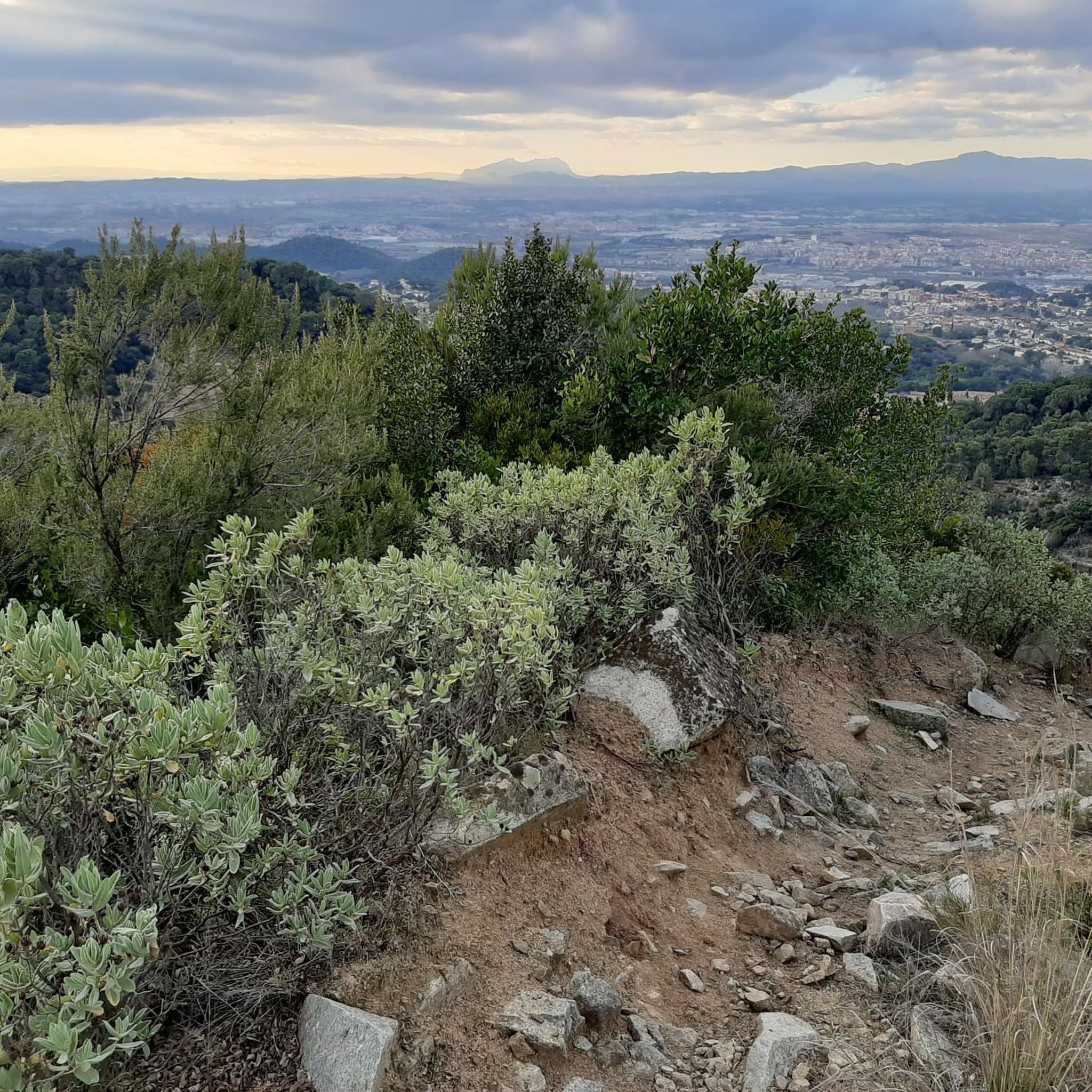
Tough route, very steep ramps that make the rear wheel skid on the loose dirt of the trail. It also has considerable difficulty due to the state of the trail, eroded and with many ruts and stones.
0
0


The remains of Burriac Castle are almost a thousand years old. They are located at the top of Burriac Hill. One of the best ways to get to the castle is by following the local trail SL-C 115 from Cabrera de Mar.
3
1

Known in the early days as Castrum Sancti Vicentii, a name under which it has been recorded since 1023, its main domain belonged to the count of Barcelona. Even so, from the 11th century the Santvicenç family emerged, which was always a feudatària of the count's house and about which there is more information since the first years of the 12th century.
7
0
In 1471, after the civil war, John II granted the castle of Burriac and Vilassar, with the villages of Argentona, Cabrera, Vilassar, Premió and Mataró to Pere Joan Herrero, a member of the Generalitat or General Diputación of Barcelona. This domain of Pere Joan Ferrer was called the barony of Maresme.
7
0


An oasis in the middle of so much urbanization and bustle
2
0

Despite its medieval appearance, the Castell de Torre Baró, which dominates the neighbourhood, is a construction from the beginning of the 20th century. It was built as a project to create a hotel that would be the center of an urbanization in the area, but in the end the urban plan did not work and it ended up abandoned without having finished the works. Finally, in 1989 it was restored and declared historical heritage by the Barcelona City Council, and a magnificent viewpoint was built around it. It is currently an information and environmental education point in the Collserola park. Among other activities, guided tours of the castle, itineraries to discover the surroundings and educational workshops for all audiences are offered. It is one of the best viewpoints in Barcelona, from which you can see Nou Barris, Horta, Sant Andreu, Sant Martí and, beyond, the Besòs river and the Collserola buttresses, with the towns of Santa Coloma, Sant Adrià and Badalona .
8
0
Frequently Asked Questions
What kind of historical castles or ruins can I find around Santa Maria de Martorelles?
The region offers a mix of historical structures. You can explore ancient ruins like Burriac Castle, which features almost thousand-year-old remains. There are also fortified farmhouses like Mogoda Castle, and even eclectic residences designed to emulate castles, such as El Castell in Santa Maria de Martorelles itself, which is recognized for its unique late 19th to early 20th-century architecture.
Are there any castles with impressive views?
Yes, several castles offer superb panoramic views. Burriac Castle, located at the top of Burriac Hill, provides excellent vistas. Similarly, Sant Miquel Castle offers impressive views from its elevated position after an intense climb. Torre Baró Castle is also known as one of the best viewpoints in Barcelona, overlooking Nou Barris, Horta, and the Besòs river.
Can I hike to these castles, and what are the trail difficulties?
Many castles are accessible via hiking trails. For instance, Sant Miquel Castle can be reached by an ultra-vertical and technical path from the Vallromanes side, making it suitable for experienced hikers or trail runners. The walk up through the woods to Burriac Castle is also a nice experience. For more detailed hiking routes, you can explore the hiking guides around Santa Maria de Martorelles.
Are there family-friendly castles or routes to visit?
Yes, some castles are suitable for families. Can Taió Castle is described as a magnificent place to visit and enjoy a beautiful excursion suitable for people of all ages. The Mogoda neighborhood and Mogoda Castle are also noted as family-friendly, offering a historical site within a settlement.
What outdoor activities can I do near these castles?
Beyond visiting the castles, the area around Santa Maria de Martorelles offers various outdoor activities. You can find numerous routes for gravel biking, cycling, and road cycling. For example, there are challenging gravel biking routes like the 'Besòs Riverside Park – Cornice Viewpoint loop' or moderate cycling tours such as the 'Scenic Dirt Path – Saint Justa Hermitage loop'. You can find more options in the Gravel biking around Santa Maria De Martorelles, Cycling around Santa Maria De Martorelles, and Road Cycling Routes around Santa Maria De Martorelles guides.
What is unique about El Castell in Santa Maria de Martorelles?
El Castell, also known as Casa Bru, is an eclectic residence built between 1888 and 1910 that was designed to emulate a castle. It features a castle-like facade with simulated towers, pinnacles, and battlements. It's recognized as part of the Architectural Heritage Inventory of Catalonia, offering a unique example of historicist architecture rather than a traditional medieval fortress. You can learn more about its architectural significance on Wikipedia.
Are there any castles that are more modern but still have a historical feel?
Yes, Torre Baró Castle is a notable example. Despite its medieval appearance, it was built in the early 20th century as part of an urbanization project. It has since been restored and declared historical heritage, now serving as an information and environmental education point within the Collserola park.
What do visitors enjoy most about the castles around Santa Maria de Martorelles?
Visitors frequently highlight the impressive views from elevated castle sites, the historical significance of the ruins, and the challenging yet rewarding trails leading to some of them. The unique architectural styles, from ancient remains to eclectic designs, are also appreciated. The komoot community has shared 216 photos and given 182 upvotes to these castle highlights, reflecting their appeal.
Can I visit castles with my dog?
While specific dog-friendly policies for each castle are not detailed, many outdoor trails leading to castle ruins or viewpoints in natural areas like the coastal mountain range are generally accessible for dogs, especially if kept on a leash. Always check local regulations or signage at the specific site you plan to visit.
What should I wear for castle visits and hikes in the area?
For visits involving hikes, especially to sites like Sant Miquel Castle, mountain footwear is recommended due to the intense and technical paths. It's also advisable to carry at least 1 liter of water, as sources may not be available on the way. Comfortable clothing suitable for walking and exploring historical sites is generally appropriate.
Are there any castles that were converted or repurposed over time?
Yes, Can Taió Castle, originally a late 17th-century house, was converted into a castle in the 20th century and later served as an orphanage. Today, it's a popular place to visit. Similarly, Torre Baró Castle, though built with a medieval appearance in the 20th century, now functions as an information and environmental education center.
What is the historical significance of Mogoda Castle?
Mogoda Castle is a 12th-century fortified farmhouse that served as the residence of the Mogoda lords and the seat of the Mogoda barony. It was owned by the Montealegre Charterhouse for several centuries. The complex, including the farmhouse, chapel, and residential buildings, forms the historical core of the Mogoda neighborhood, which gives its name to the town of Santa Perpètua de Mogoda.
Most popular routes around Santa Maria De Martorelles
Most popular attractions around Santa Maria De Martorelles

Get inspired with the komoot mobile app


Explore more
Looking for the best castles somewhere else? Discover other guides around Santa Maria De Martorelles:
