Attractions and Places To See around Santa Maria De Martorelles - Top 20
Attractions and places to see around Santa Maria De Martorelles offer a blend of historical, cultural, and natural sites within the Vallès Oriental region of Barcelona. The municipality is characterized by vineyards, natural springs, and forested areas, particularly within the Parc de la Serralada Litoral. Visitors can explore ancient history through Iberian settlements and megalithic monuments, alongside traditional Catalan architecture. This area provides diverse landscapes for exploration and appreciation of its natural beauty.
Best attractions and places to see around…
Last updated: May 9, 2026
Besòs Riverside Path: Montcada to Can Zam
Highlight (Segment) • Trail
Translated by Google •
Tip by

La Coscollada Observation Tower
Highlight • Viewpoint
Translated by Google •
Tip by
Sign up now to discover places like this
Get recommendations on the best single tracks, peaks, & plenty of other exciting outdoor places.
Sign up for free
Dolmen of the Roca d'en Toni
Highlight • Historical Site
Translated by Google •
Tip by

Petroli Pier
Highlight • Bridge
Translated by Google •
Tip by
Besòs River Bike Path
Highlight • Cycleway
Translated by Google •
Tip by

Sign up for free to discover even more attractions around Santa Maria De Martorelles.
Sign up for free
Already have an account?
Start today with a free account
Your next adventure awaits.
Login or Signup
Popular around Santa Maria De Martorelles
Tips from the Community

It's one of Badalona's symbols, but access can sometimes be closed. It's well worth a visit.
0
0


Final stretch of the Besòs River with a bike path and asphalted shoulder with a length of approximately 5 km. It is very busy on weekends with all types of walkers.
1
0

Quiet area to go for a walk
1
0

The Dolmen of Can Boquet, also known as Roca d'en Toni, is a megalithic structure in Catalonia. The name Roca d'en Toni probably comes from the fact that, according to 19th century records, the landowner was called Toni Puig.
5
0

Good bike path on the river with many visitors. Mostly with e-scooters.
1
0

In 2001 the intention to dismantle the jetty was announced, but a group of divers, photographers and other friends of the Oil Bridge, led by Josep Valls, mobilized to defend the conservation of this structure. In 2003 it became the property of the Badalona City Council and after different stages of restoration, it was opened to the public on June 13, 2009, enabled as a promenade that leads out to sea as a viewpoint. Three years later it was integrated with the rest of the promenade. At the entrance platform of the bridge, very close to the Anís del Mono factory, a sculpture by Susana Ruiz dedicated to the history of the factory was inaugurated.
11
0
The Pont del Petroli is a jetty in Badalona built in 1879 for the unloading of petroleum products from tankers. It goes into the sea 250 meters and has a height of 4.5 meters. In 2009 the environment was remodelled, which no longer has industrial use and is a tourist attraction. The Pont del Petroli is a concrete structure consisting of a 235-meter access bridge finished with a 100-m² unloading platform and supported by metal pylons. The Bridge is made up of two T-shaped concrete beams joined together. The bridge is supported by 16 groups of pylons separated every 15 cm, three of the groups of pylons are in the sand of the beach and the rest of the water stuck 6 meters into the seabed.
11
0
Frequently Asked Questions
What historical sites can I visit around Santa Maria de Martorelles?
The region is rich in history. You can explore the ancient Dolmen of the Roca d'en Toni, a well-preserved megalithic structure dating back to the third and second millennia BC. Another significant historical site is the Sant Bartomeu de Cabanyes Hermitage, an 11th-12th century Romanesque church nestled in a natural setting. Additionally, the Turó de Castellruf features remains of an Iberian settlement and a dolmen, while the Church of Santa Maria in the town center has origins dating back to 1005.
Are there any natural parks or protected areas nearby?
Yes, a significant portion of the municipality's southeastern part is integrated into the Parc de la Serralada Litoral. This protected natural area offers diverse landscapes, including forested areas and natural springs, perfect for hiking and cycling.
Where can I find good viewpoints with scenic vistas?
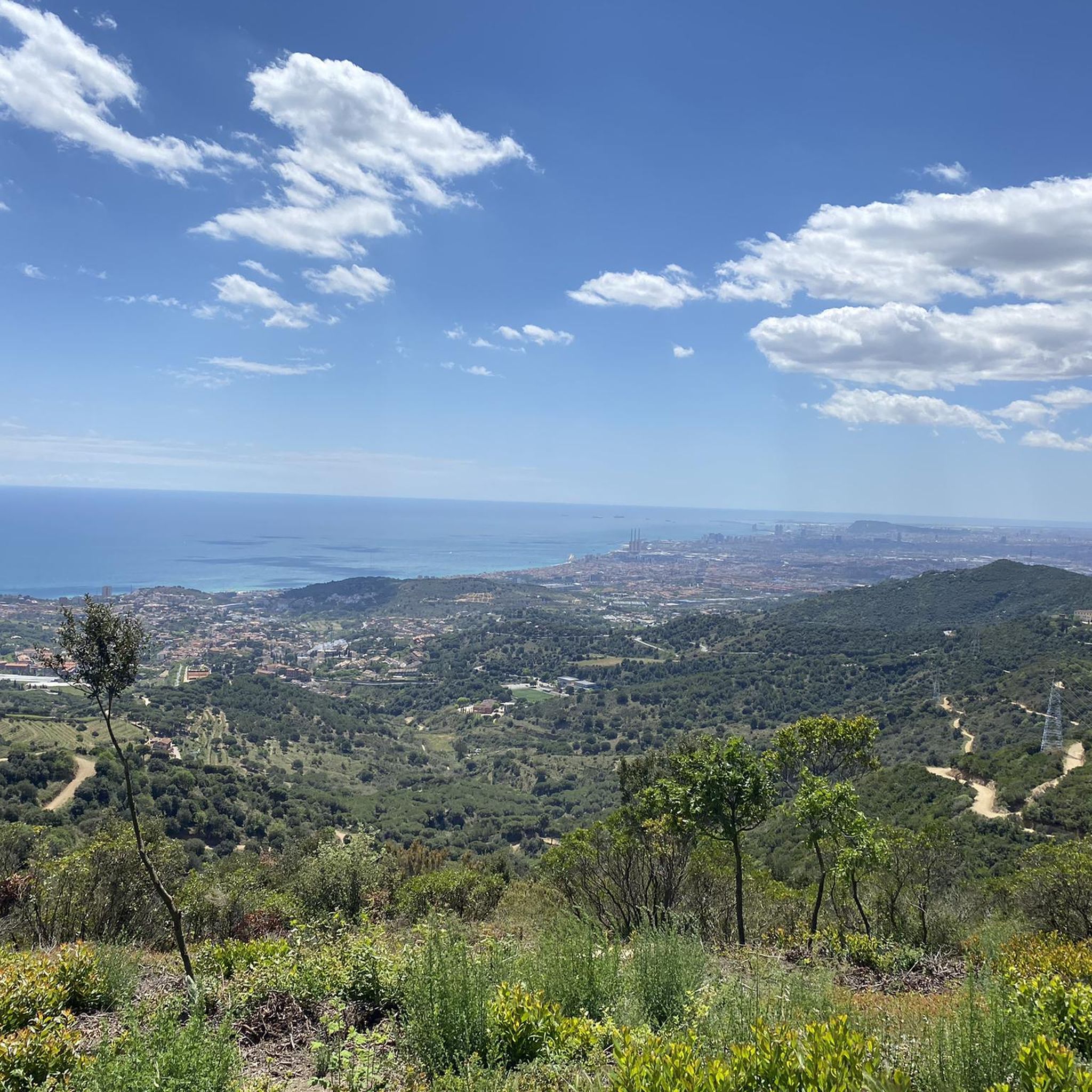
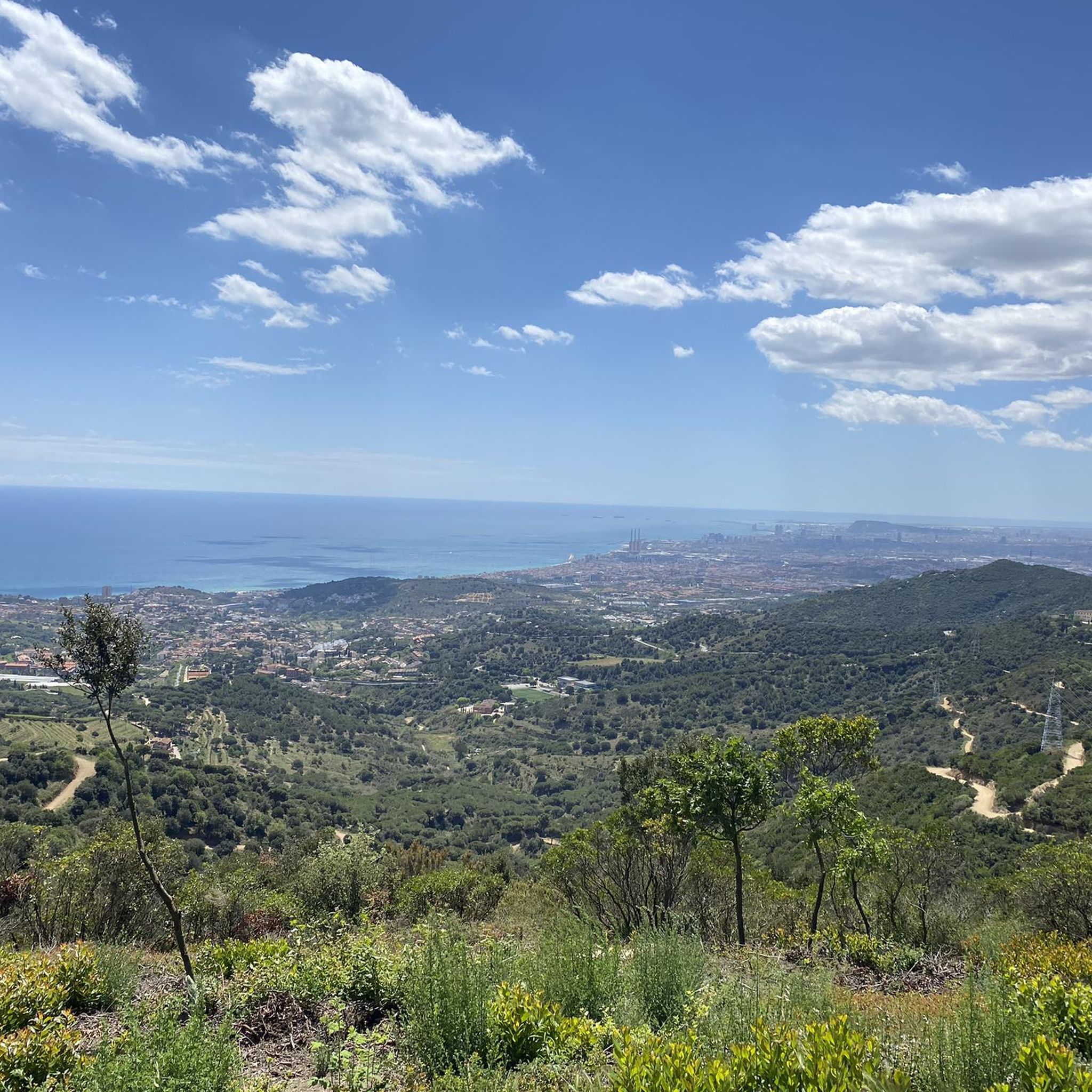
For breathtaking panoramic views, head to La Coscollada Observation Tower. Located on the highest hill in Badalona, it provides extensive vistas of the Pyrenees, Montseny, the coastal mountains, the sea, and on clear days, even Mallorca.
What outdoor activities are available around Santa Maria de Martorelles?
The area is ideal for various outdoor activities. You can enjoy hiking on trails like the 'Ascent to the Iberian village and dolmen of Castellrulf' or explore the 'Santa Maria de Martorelles — circular route'. For running, there are several routes, including the 'Santa Maria de Martorelles, Font de la Mercè, Font de la Teula, Font del Ferro – Circular Route'. Mountain biking enthusiasts can tackle trails such as the 'Turó de l'Amigó – La Coscollada Watchtower loop'. You can find more details on these activities in the Hiking, Running, and MTB Trails around Santa Maria De Martorelles guides.
Are there any family-friendly attractions or activities?
Yes, several attractions are suitable for families. The Dolmen of the Roca d'en Toni is an interesting historical site that can be part of an easy walk. The Petroli Pier in Badalona offers a unique walk out over the sea and is considered family-friendly. Exploring the numerous natural springs and easy trails within the Parc de la Serralada Litoral also makes for a pleasant family outing.
Where can I experience the local natural springs?
Santa Maria de Martorelles is known for its 'water landscape' with many natural springs. Popular ones include Font de la Mercè, Font de Can Gurri, Font del Llorer, Font del Ferro, Font de la Teula, and Font del Ca (or Font de Sant Domènec). Several hiking routes are designed to explore these springs, offering a refreshing experience amidst diverse ecosystems.
What is the significance of the vineyards in the area?
Viticulture is a significant part of the local landscape and economy. The municipality is part of the DO Alella wine region, with numerous vineyards contributing to the area's scenic beauty and supplying local wineries. You can often find trails that pass through these picturesque vineyards.
What is the Besòs Riverside Path and where can I access it?
The Besòs Riverside Path: Montcada to Can Zam is a trail that runs parallel to the Besòs river. It's suitable for cycling or walking, with sections ranging from paved bike lanes to dirt paths. You can access it from various points, including the mouth of the river in Sant Adrià de Besòs or near Can Zam Park in Santa Coloma de Gramenet.
What is the best time of year to visit Santa Maria de Martorelles for outdoor activities?
The region's Mediterranean climate makes it pleasant for outdoor activities for much of the year. Spring and autumn generally offer the most comfortable temperatures for hiking and cycling, with lush greenery in spring and beautiful foliage in autumn. Summers can be warm, but the forested areas and natural springs provide cooler spots.
Are there any unique cultural landmarks in the town itself?
Within the town of Santa Maria de Martorelles, the baroque Church of Santa Maria is a central landmark with a history dating back to 1005. Adjacent to it, you'll find El Lledoner, a monumental 800-year-old Hackberry tree that is an emblematic symbol of the town. Other historic buildings like the Rectory and Can Donyó de la Sagrera also contribute to the town's traditional Catalan architecture.
What do visitors particularly enjoy about the attractions here?
Visitors frequently appreciate the blend of historical depth and natural beauty. The well-preserved megalithic structures and Romanesque churches offer a glimpse into ancient times, while the extensive views from observation points and the serene natural springs provide opportunities for relaxation and connection with nature. The komoot community has shared over 27 photos and given more than 210 upvotes, highlighting the diverse appeal of the area.
Most popular routes around Santa Maria De Martorelles
Most popular attractions around Santa Maria De Martorelles

Get inspired with the komoot mobile app


Explore more
Still not found the Highlight you’re looking for? See guides of the top attractions in other regions:
