The 20 Most Amazing Peaks around Dima
Best mountain peaks around Dima are found within a mountainous area, primarily the Urkiola Natural Park in Spain. This region is characterized by rugged landscapes, limestone cliffs, and significant peaks. The area holds cultural importance, with some mountains featuring in traditional Basque mythology. It offers a variety of terrain for exploration.
Best mountain peaks around Dima
- The most popular mountain peaks is Anboto (1,331 m), a summit that reaches 1,331 meters in altitude. It is a well-known mountain in…
Last updated: June 23, 2026
Anboto (1,331 m)
Highlight • Summit
Translated by Google •
Tip by

Alto de Muniketa (Montecalvo)
Highlight • Mountain Pass
Translated by Google •
Tip by

Sign up now to discover places like this
Get recommendations on the best single tracks, peaks, & plenty of other exciting outdoor places.
Sign up for free
Gorbea Summit
Highlight • Summit
Emblematic peak of Alava and Vizcaya. Accesses from countless places such as the Londegorta.Sarria.Belaustegui or Pagomakurre reservoir
Translated by Google •
Tip by

Urkiolaguirre Summit
Highlight • Summit
Translated by Google •
Tip by

Iturriotz
Highlight • Summit
Translated by Google •
Tip by

Sign up for free to discover even more peaks around Dima.
Sign up for free
Already have an account?
Start today with a free account
Your next adventure awaits.
Login or Signup
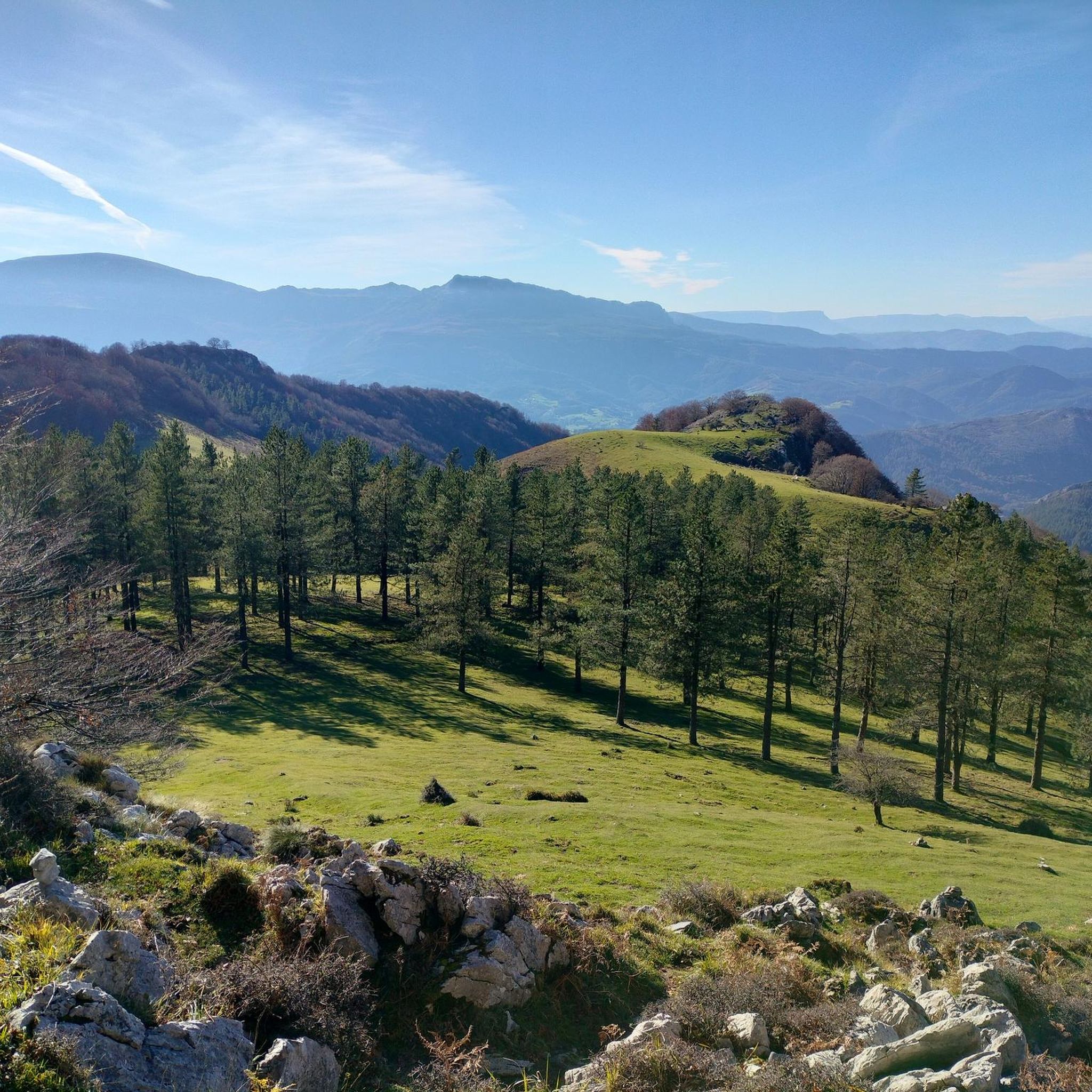
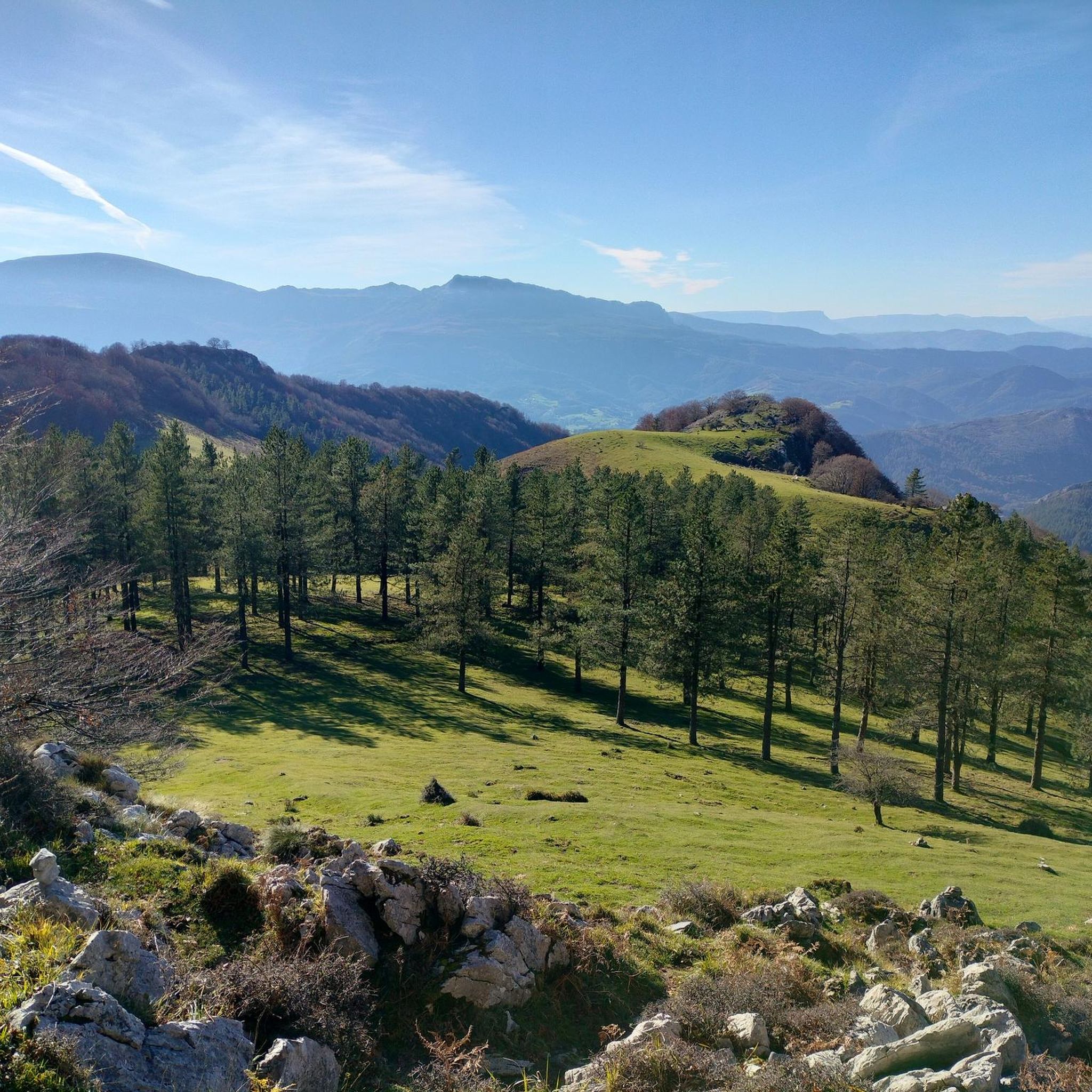
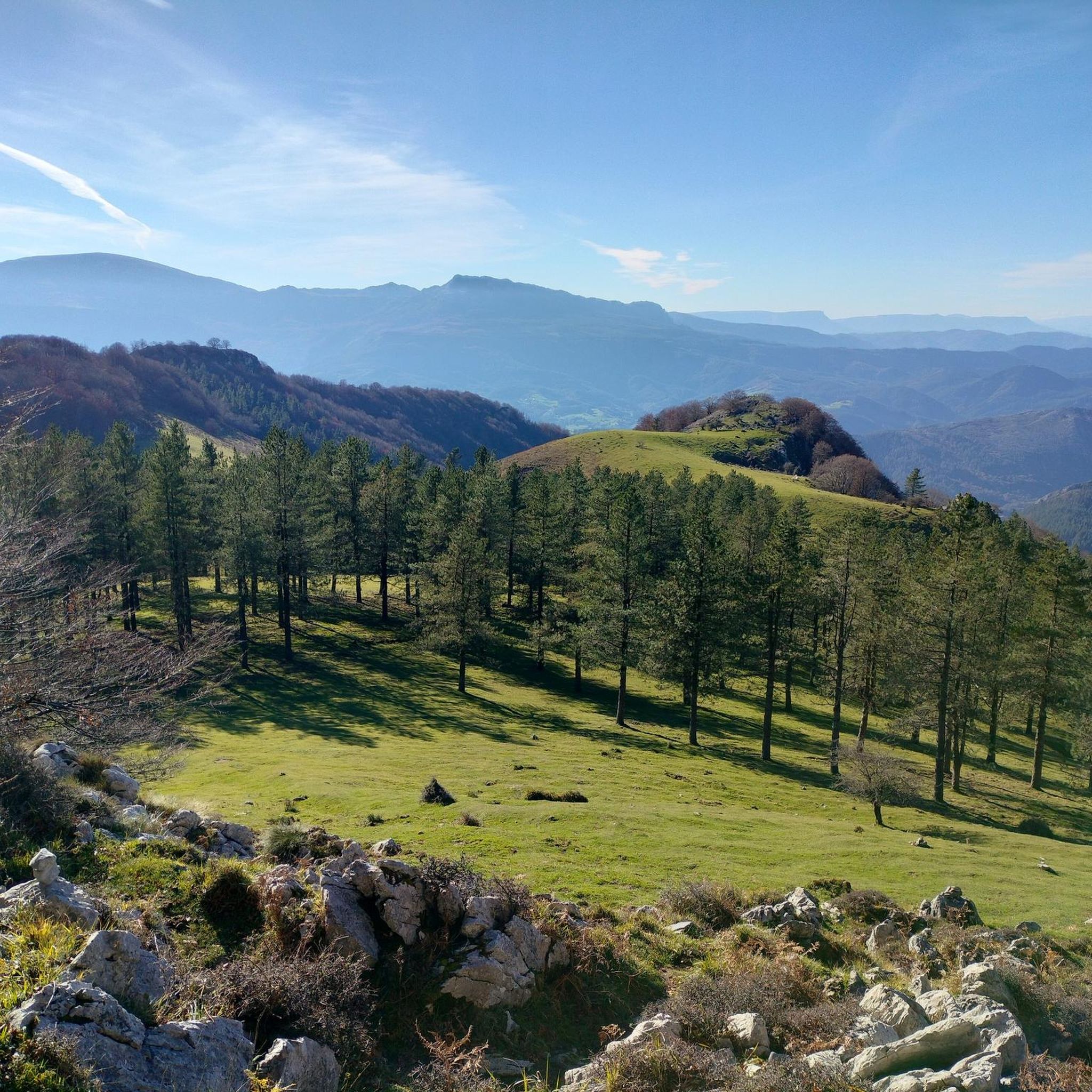
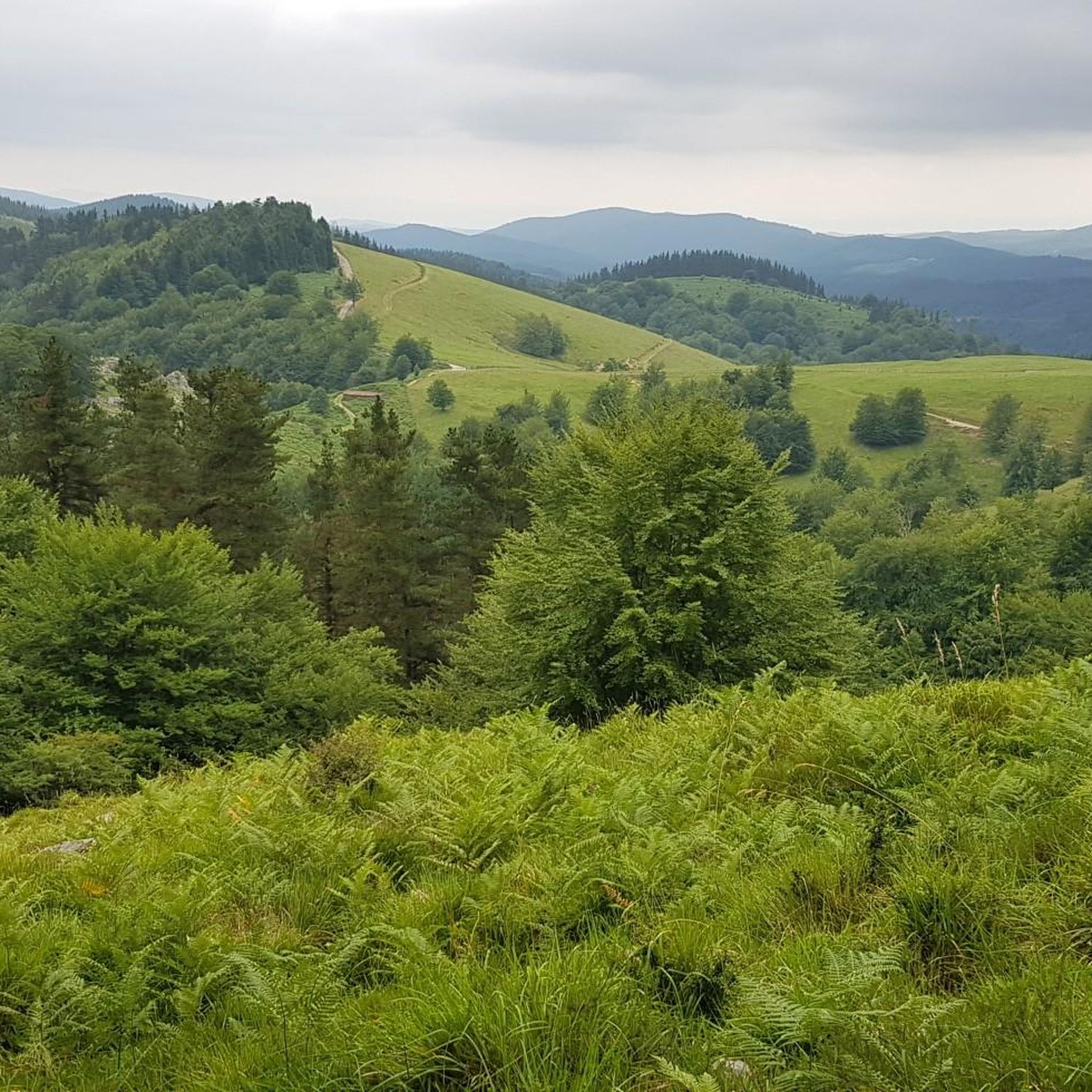
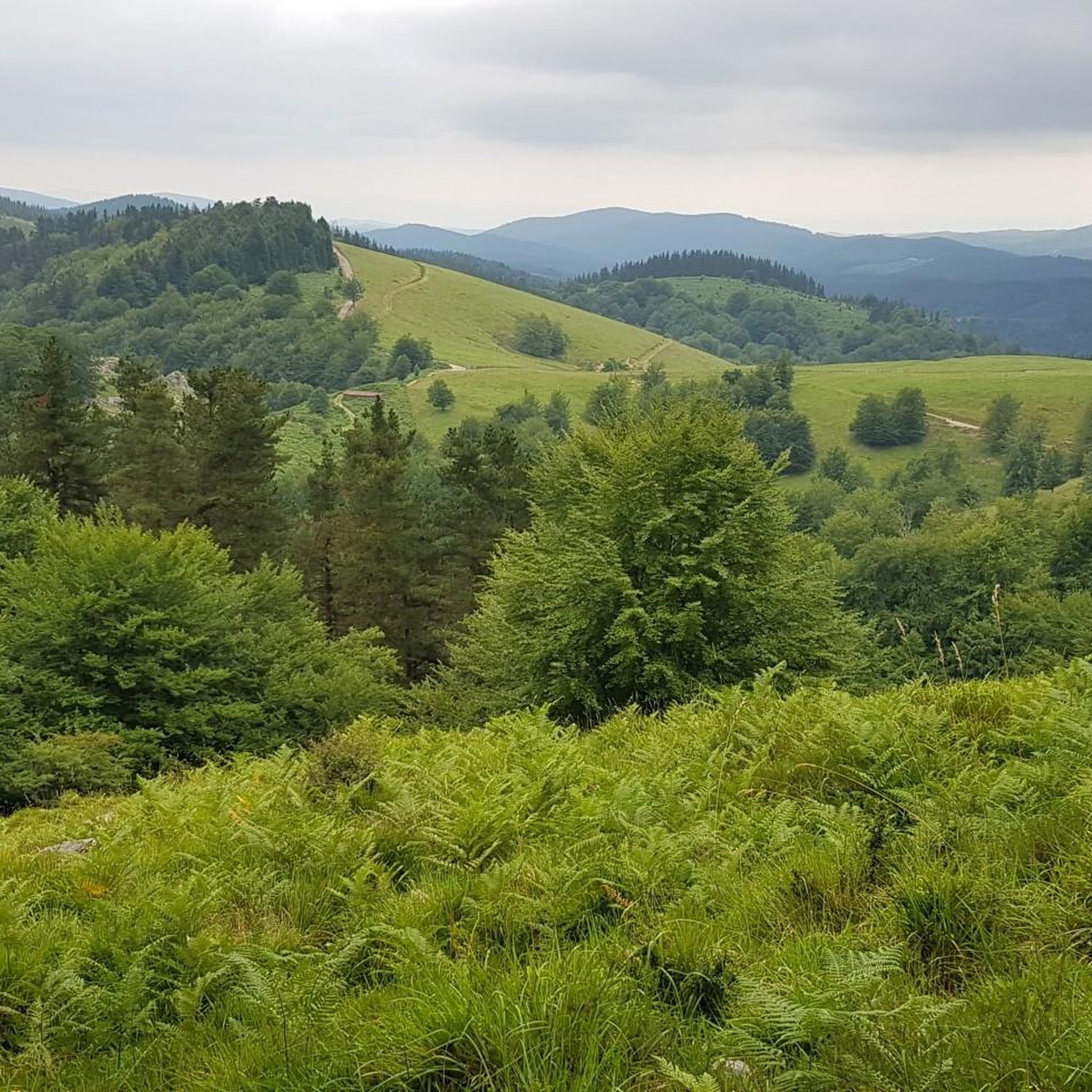


Tips from the Community

The first summit you reach when leaving the Urkiola Sanctuary. The views of the Anboto and its ridge, impressive.
1
0


With just over 1,000 meters of altitude, this simple, rounded summit dominates the Mendiola valley. Enjoy the views!
2
0

Montecalvo is located at an altitude of 381 meters, offering impressive views of the sea and Urdaibai on one side and Duranguesado on the other. The Muniketa road was the main communication route south through Durango until 1848, when the Autzagane road was improved.
1
0

Mountain between Vizcaya and Álava of 1331 meters of altitude. It is one of the best-known mountains of the Basque Mountains due to its importance in traditional Basque culture. In it, Basque mythology establishes the main dwelling of the goddess Mari, known as the Lady of Amboto.
2
0

amazing of the Best peaks in Euskadi, yes, climb on days when it doesn't rain
0
0

From the top of Muniketa or Montecalvo, there are exceptional views and you can see the sea and Urdaibai on one side, as well as the Duranguesado on the other. Muniketa is a dispersed neighborhood with several typical hamlets and until 1848 it was the main route of communication to the south through Durango. That year the Autzagane road was improved. In Muniketa is the Astei agrotourism, a rehabilitated farmhouse with restaurant service from where we can perfectly see a slope of Mount Oiz and Goraño. From Artatza, the ascent is a 3.7-kilometre climb with 261 meters of positive elevation gain, 12 beautiful horseshoe curves and a very regular slope of around 7%. From Muxika, the ascent is 9 kilometers and a total of 382 meters of positive slope. More info at: https://www.muxikakoudala.eus/es-ES/informacion-cultural/Barrios/Paginas/Muniketa.aspx
0
0
Frequently Asked Questions
What are the most notable mountain peaks in the Urkiola Natural Park near Dima?
The Urkiola Natural Park, near Dima, features several significant peaks. Among them is Anboto (1,331 m), known for its importance in Basque mythology as the dwelling of the goddess Mari. Another emblematic summit is Gorbea Summit, reaching 1,482 meters, which is a key reference for hikers in the Euskadi region. Additionally, Alluitz (1034m), part of the Anboto massif, offers steep precipices and expansive views.
Are there any challenging mountain climbs around Dima?
Yes, for experienced hikers, peaks like Anboto (1,331 m) and Alluitz (1034m) offer challenging climbs. Anboto can be particularly tough with wet stone, requiring careful navigation. Alluitz is described as incredibly tough and somewhat dangerous due to potential slipping on smooth rock, especially in the quarry area on the north side.
What kind of views can I expect from the mountain peaks near Dima?
The mountain peaks around Dima offer stunning panoramic views. From Alluitz (1034m), you can expect expansive views from its steep summit. Alto de Muniketa (Montecalvo), though a mountain pass, provides impressive vistas of the sea and Urdaibai on one side and Duranguesado on the other. Even a modest peak like Iturriotz offers nice views.
What is the significance of Anboto mountain in Basque culture?
Anboto (1,331 m) holds significant importance in traditional Basque mythology. It is established as the main dwelling of the goddess Mari, also known as the Lady of Amboto, making it a culturally rich destination.
What outdoor activities can I do near the mountain peaks around Dima?
The region around Dima offers a variety of outdoor activities. You can explore numerous hiking trails, including moderate options like the 'Urtemondo y Belatxikieta, circular desde Artaun' in Urkiola Natural Park. For cyclists, there are MTB trails and gravel biking routes, such as the 'Dima Village and Scenic Views – Alto de Dima loop'.
Are there any family-friendly mountain walks or easier trails near Dima?
While many peaks offer challenging routes, the broader Urkiola Natural Park and surrounding areas provide options for varied skill levels. For specific family-friendly or easier trails, it's recommended to check the hiking guide for Dima, which lists routes with different difficulty grades. For example, the 'Galdakao Loop Trail' is rated moderate and shorter.
What is the highest mountain in the broader Oromia region of Ethiopia, which also has a mountain named Dima?
In the Oromia region of Ethiopia, where a mountain named Dima exists at 1,836 meters, the highest peak is Mount Tullu Demtu. Located in the Bale Mountains, it reaches an elevation of 4,385 meters (14,386 feet) and is renowned for its diverse biodiversity.
What kind of wildlife can be found in the mountainous areas near Dima?
The Urkiola Natural Park, where Dima is located, is known for its rugged landscapes and diverse ecosystems. While specific wildlife details for Dima itself are not provided, mountainous regions like the Bale Mountains in Ethiopia (part of the broader 'Dima' context) are home to over 100 wild animals and about 800 bird species, indicating the potential for rich biodiversity in similar natural parks.
What is the highest peak in the Borail mountain range, located in India's Dima Hasao district?
In India's Dima Hasao district, within the Borail mountain range, the highest peak is Thumjang Peak, reaching approximately 1,866 meters (6,122 feet). The Borail range is considered the last of the Himalayan mountain ranges.
What do visitors appreciate most about the mountain peaks around Dima?
Visitors to the mountain peaks around Dima appreciate the challenging yet rewarding experiences, the stunning panoramic views, and the cultural significance of peaks like Anboto. The area's rugged landscapes and limestone cliffs also contribute to its appeal for nature enthusiasts and hikers.
Are there any mountain passes near Dima that offer scenic routes?
Yes, Alto de Muniketa (Montecalvo) is a notable mountain pass near Dima. Located at 381 meters, it offers impressive views of the sea, Urdaibai, and Duranguesado. The Muniketa road was historically a main communication route and features beautiful horseshoe curves on its ascent.
Can I find forest trails or natural monuments among the peaks near Dima?
Yes, the region offers natural features like forests and natural monuments. Iturriotz, for example, is a summit that includes forest areas, particularly pine plantations. Peaks like Anboto and Gorbea Summit are also designated as natural monuments.
Most popular routes around Dima
Most popular attractions around Dima

Get inspired with the komoot mobile app


Explore more
See even more amazing summits around Dima with these guides:
