The best walks and hikes around Entrala
4.8
(15)
178
hikers
35
hikes
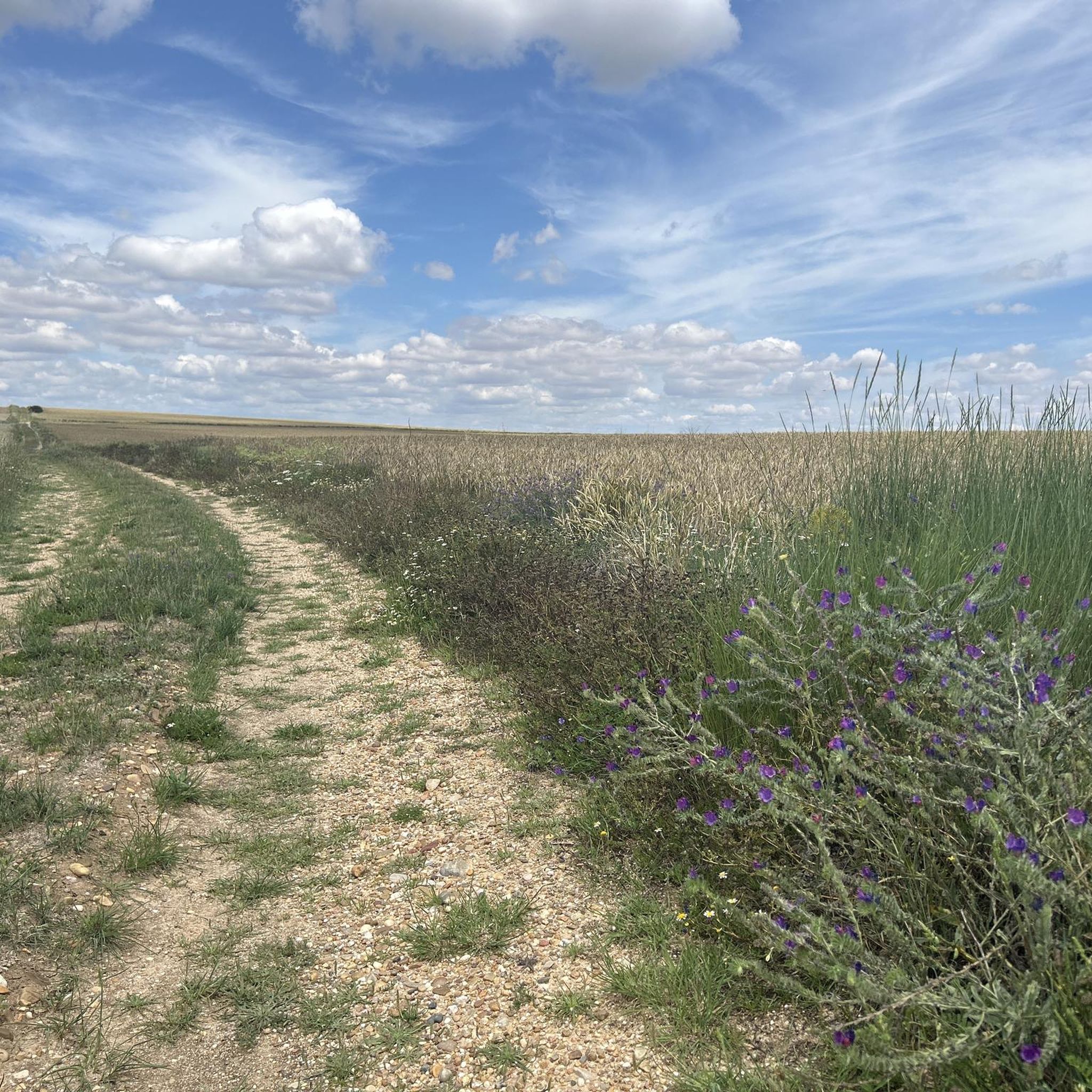
Hiking around Entrala, Spain, offers access to diverse landscapes, including trails along the majestic Duero River and through the "Tierra del Vino" region. This area is characterized by scenic walks through cultivated lands, vineyards, and historical towns. The proximity to the Duero River provides picturesque views and opportunities to explore its banks. The region's terrain is generally gentle, making it suitable for various hiking abilities.
Best hiking trails around Entrala
- The most popular hiking route is Zamora city tour — circular from the sports city by the Castle and the Walls of Zamora, a 2.9 miles (4.6 km) trail that takes 1 hour 15 minutes to complete, exploring historical landmarks and city walls.
- Another top favourite among local hikers is Aceñas de Olivares from Playa de los Pelambres – circular by the Río Duero, an easy 4.0 miles (6.5 km) path. This route follows the Duero River, offering views of its banks and the Aceñas de Olivares.
- Local hikers also love the Bosque de Valorio y Aceñas de Olivares — circular in Zamora via the Puente de Piedra, a 4.5 miles (7.3 km) trail leading through urban parks and along the Duero River, often completed in about 1 hour 54 minutes.
- Hiking around Entrala is defined by river paths along the Duero, walks through vineyards, and routes exploring historical towns. The network offers options for easy and moderate ability levels.
- The routes in Entrala are highly rated by the komoot community with an average score of 4.6 stars from over 10 reviews. More than 140 hikers have used komoot to explore Entrala's varied terrain.
Last updated: July 1, 2026
5.0
(1)
7
hikers
Easy hike. Great for any fitness level. Easily-accessible paths. Suitable for all skill levels.
4
hikers
Easy hike. Great for any fitness level. Easily-accessible paths. Suitable for all skill levels.

Sign up for free
3
hikers
Easy hike. Great for any fitness level. Easily-accessible paths. Suitable for all skill levels.
5.0
(3)
38
hikers
9.18km
02:24
70m
70m
Moderate hike. Good fitness required. Easily-accessible paths. Suitable for all skill levels.
5.0
(1)
24
hikers
Easy hike. Great for any fitness level. Easily-accessible paths. Suitable for all skill levels.
Get access to more routes and recommendations from other explorers.
Sign up for free
Already have an account?
Our route recommendations are based on thousands of hikes, rides, and runs completed by other people on komoot.
Start today with a free account
Your next adventure awaits.
Login or Signup
Tips from the Community

A beautiful square. It gets really busy from 8 p.m. onwards, when the Spanish nightlife begins.
3
0

The Valorio Forest is a large green space located in the northwestern part of the city of Zamora, in Castile and Leon. This forest, which covers approximately 80 hectares, is known as the "green lung" of the city. The forest has a variety of ecosystems, including holm oaks, oaks, stone pines, poplars, aspens and willows. It is an ideal place to walk, play sports, enjoy a picnic or simply relax in nature. It also has a children's play area and a calisthenics park.
3
0
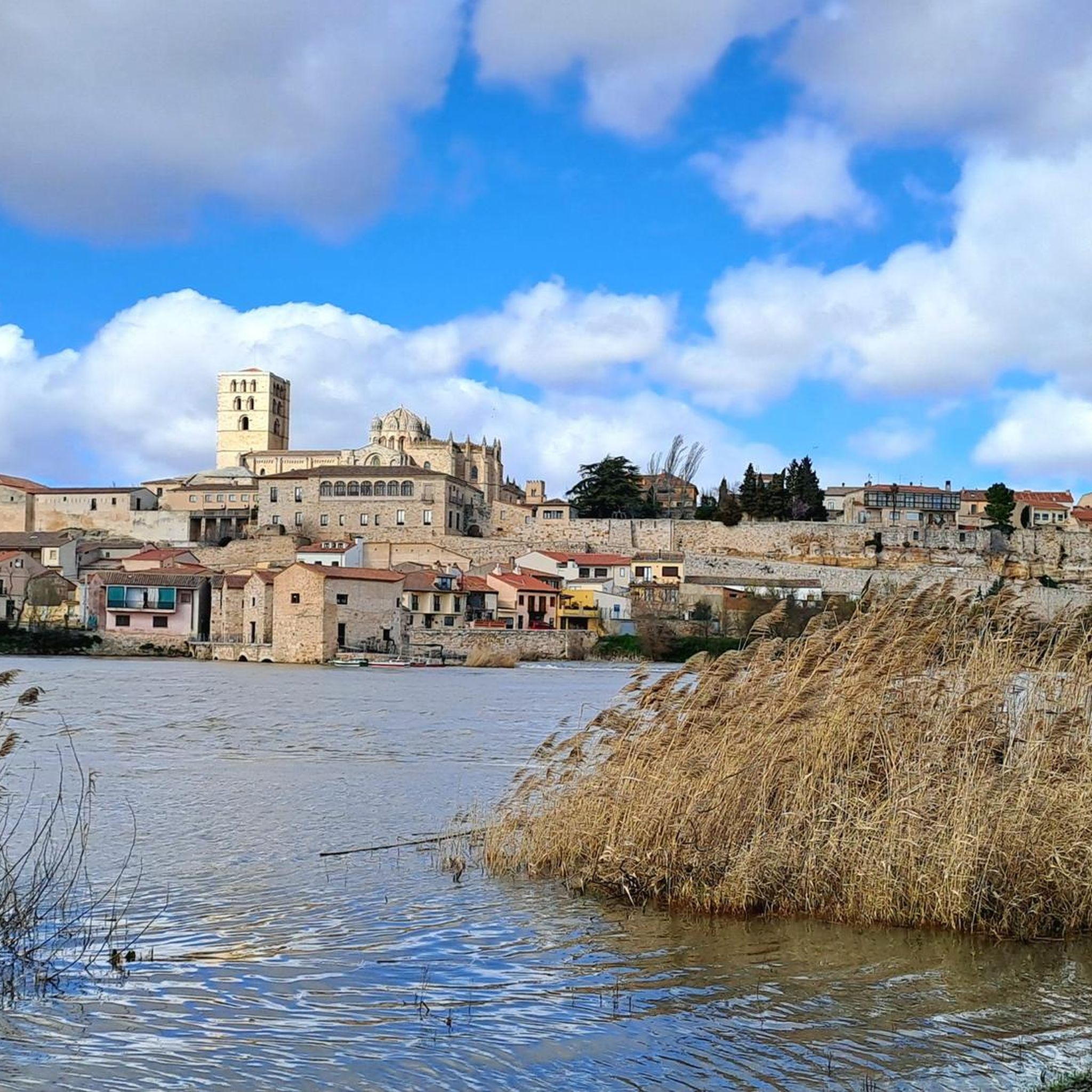
Zamora Castle is a historic fortification located in the city of Zamora, in Castile and León. Built in the 11th century, the castle has witnessed numerous historical events and has undergone several modifications over the centuries. It has a rhomboidal plan and is surrounded by a deep moat. Its thick walls and the keep, which is the highest and served as the last defensive redoubt, stand out. The castle is a fascinating place to explore history and enjoy panoramic views of the city.
1
0
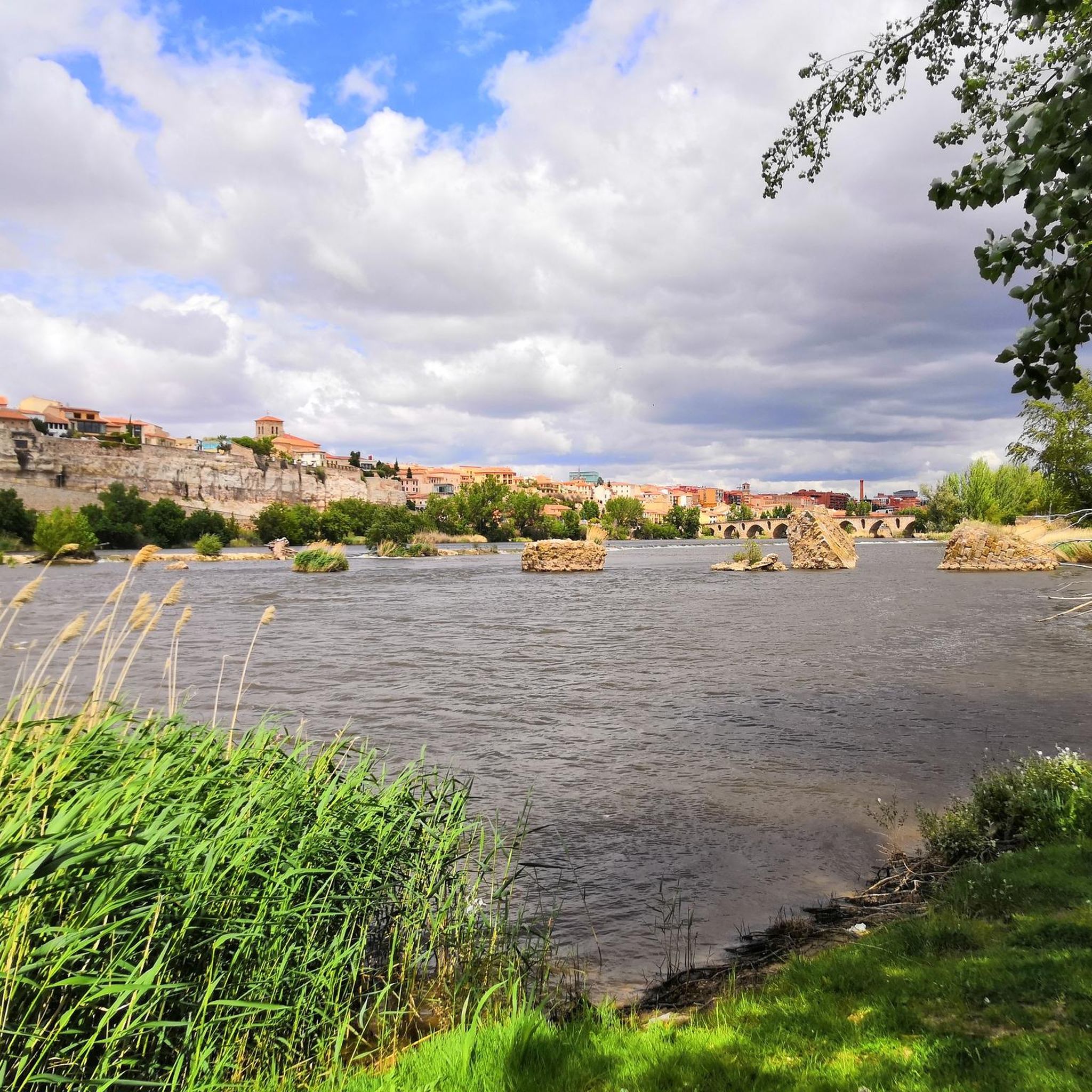
The Stone Bridge of Zamora, also known as Puente Nuevo in the Middle Ages, is one of the five bridges that cross the Duero River in Zamora, Castile and León. This Romanesque bridge was built in the early 13th century and has been renovated on several occasions.
3
1

They can be visited, check the opening hours at the tourist office...
0
0

you can find almost everything here. Please note the opening times (siesta)
2
0
The oldest evidence indicates that the church was built in the mid-12th century, although work continued in the 13th century and lasted even until the 14th century. The church stands out for its south doorway, which is the main one and is in perfect condition, flanked by two slender attached columns and three semicircular archivolts with elegant decoration. If you want to visit it or learn more about its history and architecture, I recommend consulting specialized sources or visiting its page on Románico Zamora for detailed information. I hope you enjoy your visit to this important historical monument! 🏰✨
8
0
The Cathedral of San Salvador in Zamora, also known as the Cathedral of the Savior, is a Romanesque jewel and an important historical monument in Spain. The cathedral is an outstanding example of Douro Romanesque, with Byzantine influences, especially in its famous dome. It was built between 1140 and 1174 and is the smallest and oldest of the eleven cathedrals in the autonomous community of Castilla y León. To visit the Cathedral of San Salvador in Zamora and learn more about its history, architecture and the works of art it houses, you can consult its official website or plan a visit to experience its beauty in person. I hope you enjoy discovering this Spanish Romanesque treasure! 🏰✨
9
0
Frequently Asked Questions
How many hiking trails are available around Entrala?
There are over 35 hiking routes available around Entrala. These trails offer a variety of experiences, from easy strolls to more moderate adventures, ensuring options for different skill levels.
What is the general difficulty level of hikes in the Entrala area?
The hiking trails around Entrala are generally easy to moderate. You'll find 19 easy routes and 16 moderate routes, making the area accessible for most hikers. There are no difficult trails listed, so it's a great region for relaxed exploration.
What do other hikers say about the trails around Entrala?
The trails around Entrala are highly rated by the komoot community, with an average score of 4.6 stars from over 10 reviews. More than 140 hikers have used komoot to explore the varied terrain, often praising the scenic river paths and walks through vineyards.
Are there trails along the Duero River near Entrala?
Yes, the majestic Duero River is a central natural feature near Entrala, and many hiking routes run along its banks. These paths offer picturesque views of the river and historical towns. The Aceñas de Olivares from Playa de los Pelambres – circular by the Río Duero is an easy 4.0-mile path that follows the river, offering views of its banks and the historic Aceñas de Olivares.
Can I find hikes through vineyards in the Entrala region?
Absolutely. Entrala is located in the "Tierra del Vino" (Land of Wine) region, which means you can expect scenic walks through cultivated lands and vineyards. These trails offer a unique blend of natural beauty and cultural landscape.
Are there any natural parks or significant natural features to explore near Entrala?
Yes, the Arribes del Duero Natural Park is located southwest of Zamora, bordering Portugal, and is a significant draw. This park is renowned for its unique geological formations, where rivers have carved out deep gorges with steep slopes, offering rich biodiversity and magnificent panoramic viewpoints.
Are there any historical landmarks or places of interest to see while hiking around Entrala?
Yes, several routes incorporate historical landmarks. For instance, the Zamora city tour explores historical landmarks and city walls. Other notable attractions nearby include the Castle of Zamora, the Zamora Stone Bridge, and the Zamora Cathedral.
Are there circular hiking routes available in the Entrala area?
Yes, many of the trails around Entrala are circular, offering convenient starting and ending points. Examples include the Zamora city tour and the Bosque de Valorio y Aceñas de Olivares — circular in Zamora, which leads through urban parks and along the Duero River.
Are the hiking trails around Entrala suitable for families with children?
Yes, the region's terrain is generally gentle, with a good number of easy and moderate routes. This makes many trails suitable for families with children. Look for shorter, easy circular routes that explore city parks or riverbanks for a pleasant family outing.
Can I bring my dog on the hiking trails in Entrala?
While specific regulations can vary, many natural areas and rural trails in Spain are generally dog-friendly, especially if your dog is kept on a leash. It's always advisable to check local signage or specific park rules, particularly in protected areas like the Arribes del Duero Natural Park, to ensure compliance.
What is the best time of year to go hiking in Entrala?
The region experiences a mild microclimate, making spring and autumn ideal for hiking. During these seasons, temperatures are pleasant, and the landscapes, especially the vineyards and riverbanks, are particularly beautiful. Summer can be hot, so early mornings or late afternoons are recommended if hiking during that time.
How can I access the trailheads around Entrala, particularly regarding parking or public transport?
Many trailheads, especially those closer to Zamora city, offer accessible parking. For routes within or near urban areas, public transport options might be available. For trails further afield, driving to the trailhead is often the most convenient option. Always check specific route details for parking information.
Are there any easy hikes for beginners near Entrala?
Yes, there are plenty of easy hikes perfect for beginners. Out of the 35 available routes, 19 are classified as easy. These often follow the Duero River or wind through gentle vineyard landscapes, providing a relaxed introduction to hiking in the region. The Aceñas de Olivares from Playa de los Pelambres is a great easy option.
Most popular attractions around Entrala

Get inspired with the komoot mobile app


Explore more
Browse the best Hikes in other regions.
