Top 20 Mountain Passes around Beniardà
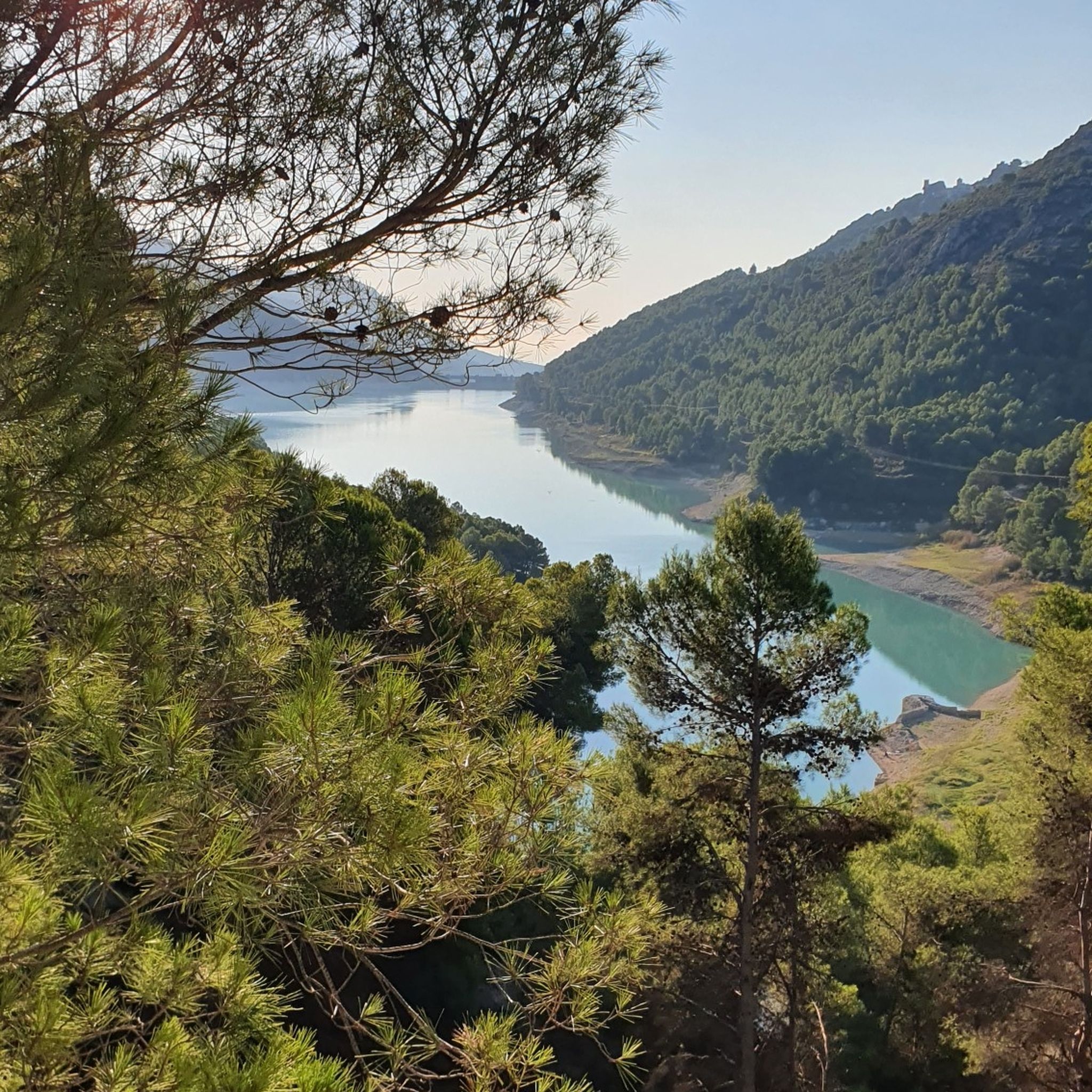
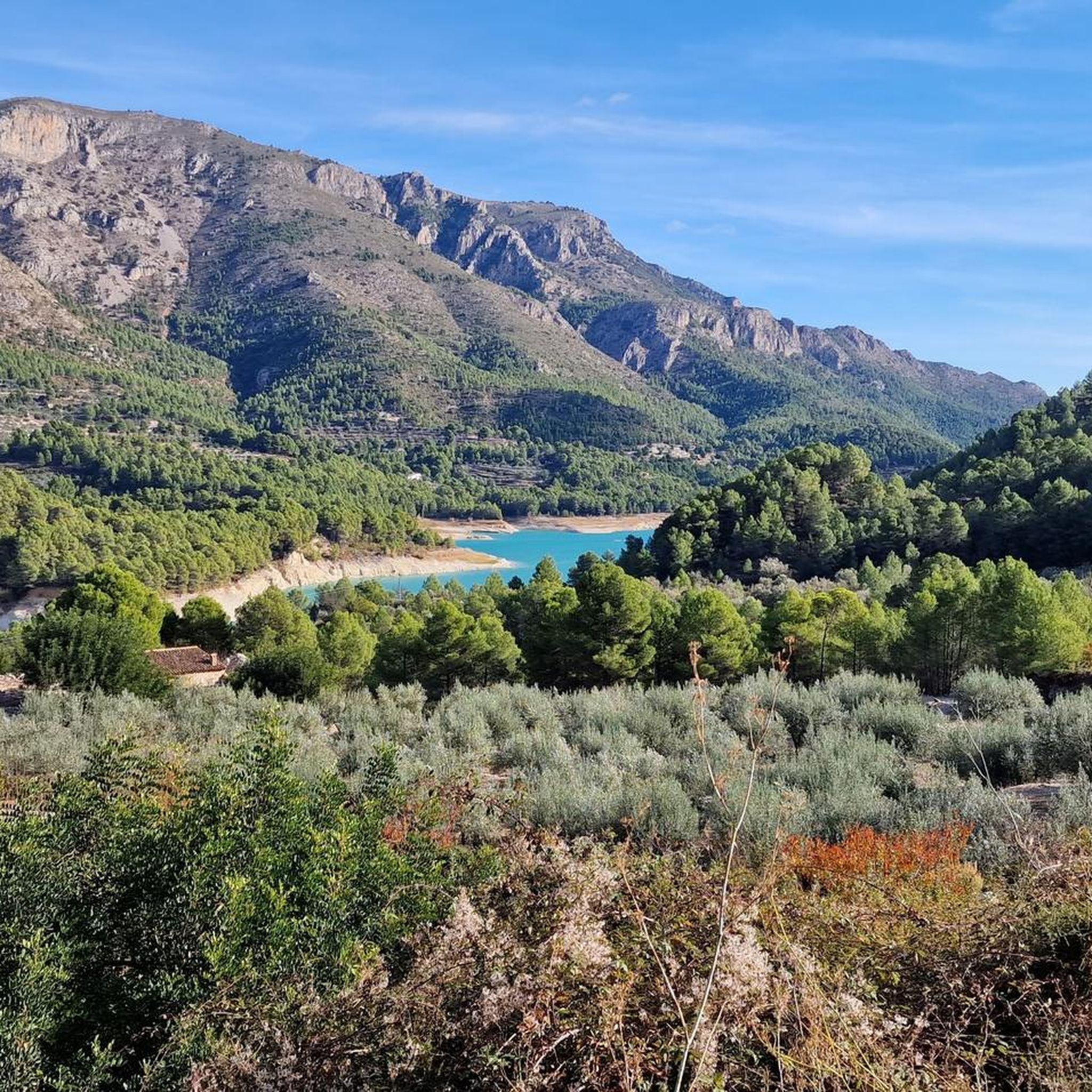
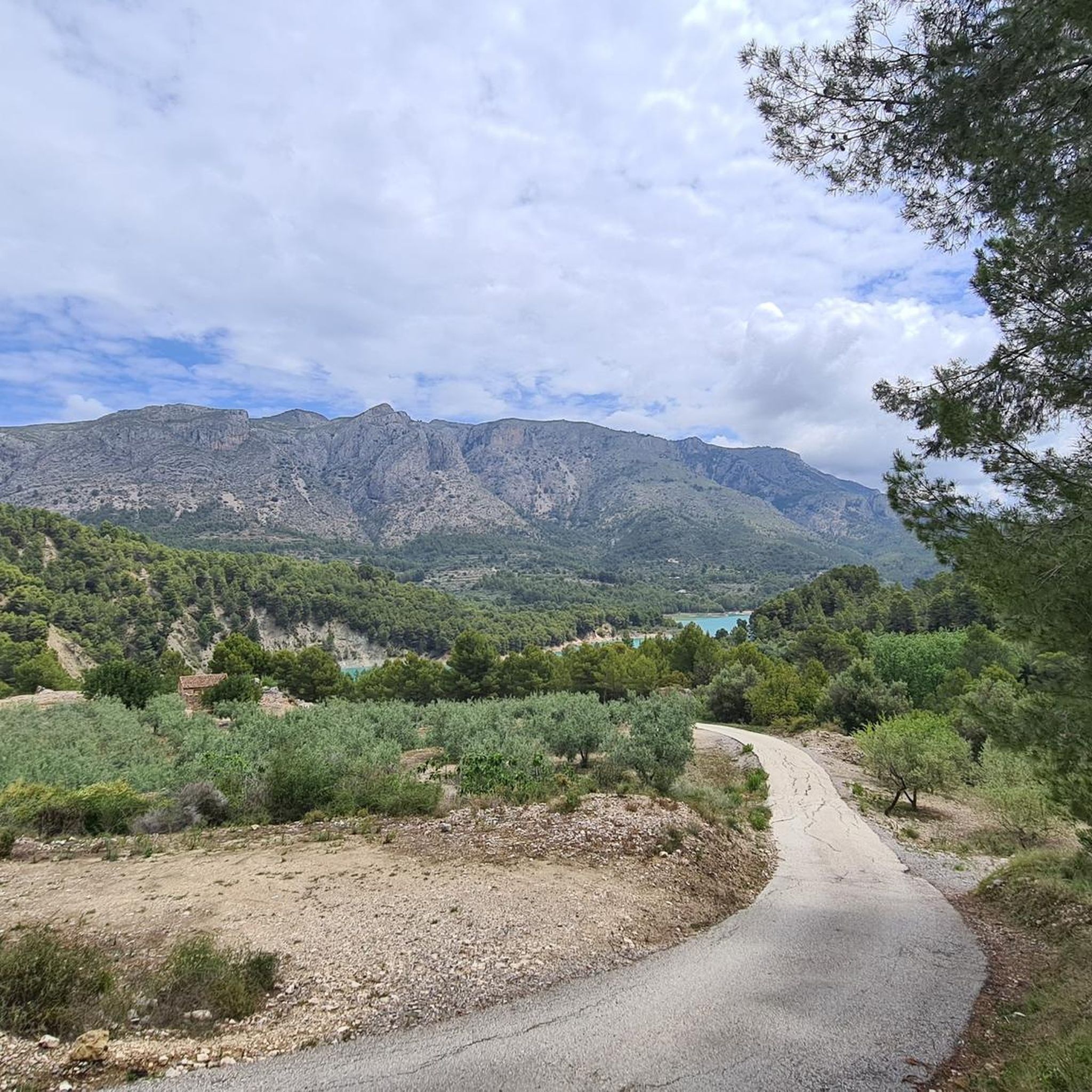
Best mountain passes around Beniardà are situated in the Guadalest Valley, surrounded by the Sierra de Aitana, Serrella, and Xortà mountain ranges. This region offers access to elevated routes with significant elevation changes and panoramic vistas. The landscape features the Guadalest Reservoir, diverse vegetation, and traditional olive and almond groves. These routes provide opportunities to explore mountainous terrain and experience the natural environment.
Best mountain passes around Beniardà
- The most popular mountain pass is Coll de Rates, a mountain…
Last updated: June 26, 2026
Coll de Rates
Highlight • Mountain Pass
Tip by

Sa Creueta Pass (780 m)
Highlight • Mountain Pass
Translated by Google •
Tip by

Sign up now to discover places like this
Get recommendations on the best single tracks, peaks, & plenty of other exciting outdoor places.
Sign up for free
Port de Tudons
Highlight • Mountain Pass
Translated by Google •
Tip by

Confrides Pass
Highlight • Mountain Pass
This climb is a category 2 climb, with …
Translated by Google •
Tip by

Rabosa Pass
Highlight • Mountain Pass
Translated by Google •
Tip by

Sign up for free to discover even more mountain passes around Beniardà.
Sign up for free
Already have an account?
Start today with a free account
Your next adventure awaits.
Login or Signup

Tips from the Community

Tough but with magnificent views. Relatively quiet road.
2
0

If there’s one climb that defines cycling on the Costa Blanca, it’s Coll de Rates. Starting from the village of Parcent, this legendary ascent has become a must-ride for cyclists from around the world — from weekend warriors to Tour de France champions. The climb is just under 7 km long, with an average gradient of around 5%, making it both accessible and rhythmical. The road surface is excellent, the curves are elegant, and the views just keep getting better as you rise above the valley. This is no secret among the pros. Riders from Jumbo-Visma, INEOS, UAE Team Emirates and others regularly use Coll de Rates for winter training. Tadej Pogačar currently holds the Strava KOM, which says a lot about the kind of names that have tested themselves here. On clear days, the view from the top is simply breathtaking — stretching all the way across the coastline, and if you’re lucky, even Ibiza shimmers faintly on the horizon. There’s a café at the summit (seasonal), and the descent toward Tarbena or Castell de Castells is just as rewarding. With its mix of scenery, steady gradients and cycling history, Coll de Rates is one of the most climbed — and most loved — ascents in the world. If you ride only one climb in the region, make it this one.
10
3
Tucked away in the mountains between Tàrbena and Castell de Castells, the Puerto de Sa Creueta offers two distinct climbing experiences — and both are worth riding. From Tàrbena, the climb is friendly and scenic. You’ll face about 4 km of steady climbing at around 5%, followed by a rolling 3.5 km section with gentle ups and downs. Just before the top, a short final ramp kicks up sharply to around 12%, but overall this side is rhythmical and not too demanding. The road is wide, smooth and virtually traffic-free, ideal for a relaxed climb. Approaching via the Castell de Castells side, from Tollos or from Benigembla and the Vall de Pop, is a whole different story. After a relatively calm start, the climb hits hard with a 2 km stretch averaging around 10% — sustained, steep, and guaranteed to get your legs burning. This side is definitely more challenging, and a great test for climbers. No matter which direction you choose, you’ll be rewarded with expansive views over the valley near Tàrbena, the rugged peaks of the Marina mountains, and — on a clear day — even the Mediterranean Sea and the skyline of Altea shimmering in the distance. Puerto de Sa Creueta is a hidden gem: peaceful, beautiful and tougher than it looks, especially if you come at it from the inland side. Combine it with Coll de Rates for an unforgettable day in the heart of the Costa Blanca.
5
0

A beautiful, long, not-too-steep climb. Nevertheless, you gain over 800 meters in elevation. Quiet roads, hardly any traffic. Very beautiful scenery.
0
0
The Puerto de Confrides is the longest—and one of the highest—climbs in the area, stretching nearly 25 km from base to summit. It's not overly steep, with a moderate average gradient that keeps it rider-friendly, but the real challenge comes from its length. Expect a sustained ascent through pine forests, olive groves, and sweeping valley views. Pace yourself early, stay hydrated, and enjoy the gradual rhythm—this is a true endurance climb that rewards consistent effort rather than explosive power.
1
0
The Coll de Rates consistently ranks in the top ten of the most ridden mountains every year. Pro riders compete for the best times.
2
1

short VIDEOs about this hike could be found at the following links at my youTUBE channel: https://www.youtube.com/watch?v=77nMyRJvnZw https://www.youtube.com/watch?v=WVZN57p8yuA https://www.youtube.com/watch?v=7QFmKmQYq4U
0
0

Puerto de Confrides is a very popular route among cyclists on the Costa Blanca, known for its stunning scenery and challenging slopes. This climb is a category 2 climb, with a length of 9 km and an average gradient of 5%. The initial altitude is 550 m and the final 960 m, with a total gradient of 410 m. The last 1.5 km are the most challenging, with an average gradient of over 7%.
6
0
Frequently Asked Questions
What are some of the most notable mountain passes around Beniardà?
Beyond the well-known Coll de Rates, you can explore Sa Creueta Pass (780 m), which offers a moderately challenging ride through typical Mediterranean mountain scenery with pine trees and rocky outcrops. Another significant pass is Port de Tudons, reaching over 1,000 meters in elevation and providing an impressive descent and excellent views. The Bèrnia Pass is also a mythical ascent, offering spectacular views of the mountains and the Alicante coast.
Which mountain passes offer the best panoramic views around Beniardà?
Many passes in the region boast stunning vistas. From Coll de Rates, on clear days, the view stretches across the coastline, with Ibiza faintly visible. Sa Creueta Pass (780 m) provides sweeping views of the hinterland and, from the Tàrbena side, expansive views over the valley and rugged peaks. Port de Tudons also offers excellent views, especially during its impressive descent. The Bèrnia Pass is renowned for its views of the mountains and the Alicante coast.
Are there any easy mountain passes suitable for beginners around Beniardà?
While many passes in the region offer challenging climbs, some sections or approaches can be more accessible. For instance, the climb to Bèrnia Pass from the west side (from Jalon) is not steep, with gradients nowhere over 8%, making it suitable for most people. Additionally, routes around the Guadalest Reservoir, which are near Beniardà, offer easy to moderate paths with significant elevation gains but are generally manageable for various fitness levels.
What outdoor activities can I do near these mountain passes?
The area around Beniardà and its mountain passes is excellent for various outdoor activities. You can find numerous mountain hikes, including moderate routes like the "Penya Alta – Alt de Tagarina loop from Serra d'Aitana." For cyclists, there are challenging road cycling routes, such as the "Puerto de Confrides and Coll de Rates Loop." Mountain biking enthusiasts can explore MTB trails like the "Tour por las comarcas del interior alicantino — Circular desde Castell de Castells."
Are there family-friendly mountain passes or routes near Beniardà?
While the mountain passes themselves can be challenging, the broader region offers family-friendly options. The "Circular Route to the Guadalest Reservoir," located just above Beniardà, is an easy 9.21 km hike with approximately 300 meters of elevation gain, suitable for all ages. These routes provide scenic views of the reservoir and surrounding mountains without extreme difficulty.
What is the best time of year to visit the mountain passes around Beniardà?
The region's mountain passes are generally enjoyable for outdoor activities for much of the year. Spring and autumn offer pleasant temperatures for hiking and cycling. Winter can also be a good time, especially for cyclists, as many professional teams use the area for winter training due to its mild climate. Summers can be hot, so early morning or late afternoon activities are recommended during this season.
What are the conditions like for visiting Beniardà's mountain passes in winter?
Winter in the Beniardà mountain passes typically offers mild conditions compared to more northern regions, making it a popular training ground for cyclists. While temperatures are cooler, heavy snow is rare at lower elevations. However, higher passes like Port de Tudons (over 1,000 meters) might experience colder temperatures and occasional frost. It's always advisable to check local weather forecasts before heading out.
Are there cafes or facilities near the mountain passes around Beniardà?
Yes, some mountain passes offer facilities. For example, there is a café at the summit of Coll de Rates (seasonal). Additionally, the villages nestled in the valleys, such as Beniardà itself or nearby Guadalest and Benimantell, provide opportunities for refreshments and amenities before or after your exploration of the passes.
Can I spot wildlife while exploring the mountain passes near Beniardà?
The mountainous terrain and diverse vegetation around Beniardà offer opportunities for wildlife spotting. The Sierra de Aitana, Serrella, and Xortà ranges are home to various bird species, and you might encounter local fauna adapted to the Mediterranean mountain environment. Keep an eye out for birds of prey soaring above the peaks and smaller mammals in the forested areas.
What cultural or historical sites can I find near the mountain passes?
Beniardà itself is a peaceful village with traditional Spanish architecture, including the 16th-century Sant Joan Baptista church. The nearby village of Guadalest, with its iconic castle perched on a rock, offers a rich historical experience. The landscape also tells a story of the region's Arab origins and its reliance on olive and almond farming, evident in the groves you'll see along many routes.
What should I wear when exploring the mountain passes around Beniardà?
When exploring the mountain passes, it's best to dress in layers, as temperatures can vary with elevation and time of day. Comfortable, sturdy hiking or cycling shoes are essential. Depending on the season, bring sun protection (hat, sunscreen) and plenty of water. For cooler months or higher altitudes, a windproof jacket and warmer layers are advisable.
Are the mountain passes and trails around Beniardà dog-friendly?
Many of the natural trails and mountain routes around Beniardà are generally dog-friendly, allowing you to enjoy the outdoors with your canine companion. However, it's always recommended to keep dogs on a leash, especially in areas with wildlife or livestock, and to carry water for them. Be mindful of local regulations and respect private property.
Most popular attractions around Beniardà

Get inspired with the komoot mobile app


Explore more
See even more epic mountain passes by checking out these guides around Beniardà:
