Attractions and Places To See around Alfoz De Quintanadueñas - Top 20
Best attractions and places to see around Alfoz De Quintanadueñas, a municipality located just 6 kilometers northwest of Burgos, offers a blend of historical sites, cultural experiences, and natural beauty. Situated on the right bank of the Ubierna River, the area features picturesque landscapes and traditional Castilian houses. Visitors can explore medieval churches, ancient dolmens, and natural walking trails. Its proximity to Burgos also provides easy access to major urban attractions.
Best attractions and places to see around Alfoz De…
Last updated: October 23, 2026
Burgos Cathedral
Highlight • Religious Site
Translated by Google •
Tip by

Arch of Santa María
Highlight • Monument
Translated by Google •
Tip by
Sign up now to discover places like this
Get recommendations on the best single tracks, peaks, & plenty of other exciting outdoor places.
Plaza Mayor of Burgos
Highlight • Settlement
Translated by Google •
Tip by
Statue of El Cid, the Campeador (Plaza del Mio Cid, Burgos)
Highlight • Monument
The bronze equestrian statue of the Cid was made by Juan Cristóbal …
Translated by Google •
Tip by
Statue of the Seated Pilgrim
Highlight • Monument
Translated by Google •
Tip by

Sign up for free to discover even more attractions around Alfoz De Quintanadueñas.
Already have an account?
Start today with a free account
Your next adventure awaits.
Tips from the Community

An unusual but beautiful depiction of a pilgrim.
2
0

The Statue of the Seated Pilgrim in Burgos is a bronze sculpture depicting a pilgrim resting, seated on a bench with his walking stick. It is located in the Plaza del Rey San Fernando, just behind Burgos Cathedral, making it a popular photographic spot for visitors on the Camino de Santiago.
3
1

There is a poem that sings the greatness of "Mio Cid"
2
0

It's not like the one in Salamanca, but it's also worth it.
3
2
A statue with a lot of movement.
3
1

With one of the most beautiful Gothic churches on the Way of St. James, it's definitely worth a visit.
8
0

The Arch of Santa Maria is one of the twelve medieval gates that the city had during the Middle Ages. It was rebuilt by the Holy Roman Emperor, Charles V, during the 16th century after the local rulers of the city supported him during the Revolt of the Comuneros.
11
0
The Church of San Nicolás de Bari in Burgos is a gem of Castilian Gothic architecture, located right on the Camino de Santiago, next to the Cathedral. It was built in 1408 on the site of an earlier Romanesque church.
32
0
Frequently Asked Questions
What historical sites can I explore within Alfoz De Quintanadueñas?
Within the municipality, you can visit the Church of Nuestra Señora del Rosario in Quintanadueñas, built between the 16th and 17th centuries on Romanesque foundations. Other notable historical churches include the 14th-century Gothic Church of San Cristóbal in Arroyal, the Romanesque church in Marmellar de Arriba, and the Church of San Vicente Mártir in Páramo del Arroyo, dating back to the 10th century. You can also admire traditional Castilian houses throughout Quintanadueñas.
Are there any ancient or prehistoric sites in the area?
Yes, for those interested in prehistoric history, the Dolmen of Arroyal is a significant Neolithic tomb, estimated to be from the fourth millennium BC, located within the municipality.
What cultural landmarks are easily accessible from Alfoz De Quintanadueñas?
Due to its close proximity to Burgos, several major cultural landmarks are easily accessible. These include the magnificent Burgos Cathedral, a UNESCO World Heritage Site, the impressive Arch of Santa María, and the vibrant Plaza Mayor of Burgos, which serves as the city's social hub. You can also see the Statue of El Cid, the Campeador, and the Statue of the Seated Pilgrim.
What natural landscapes can I enjoy in Alfoz De Quintanadueñas?
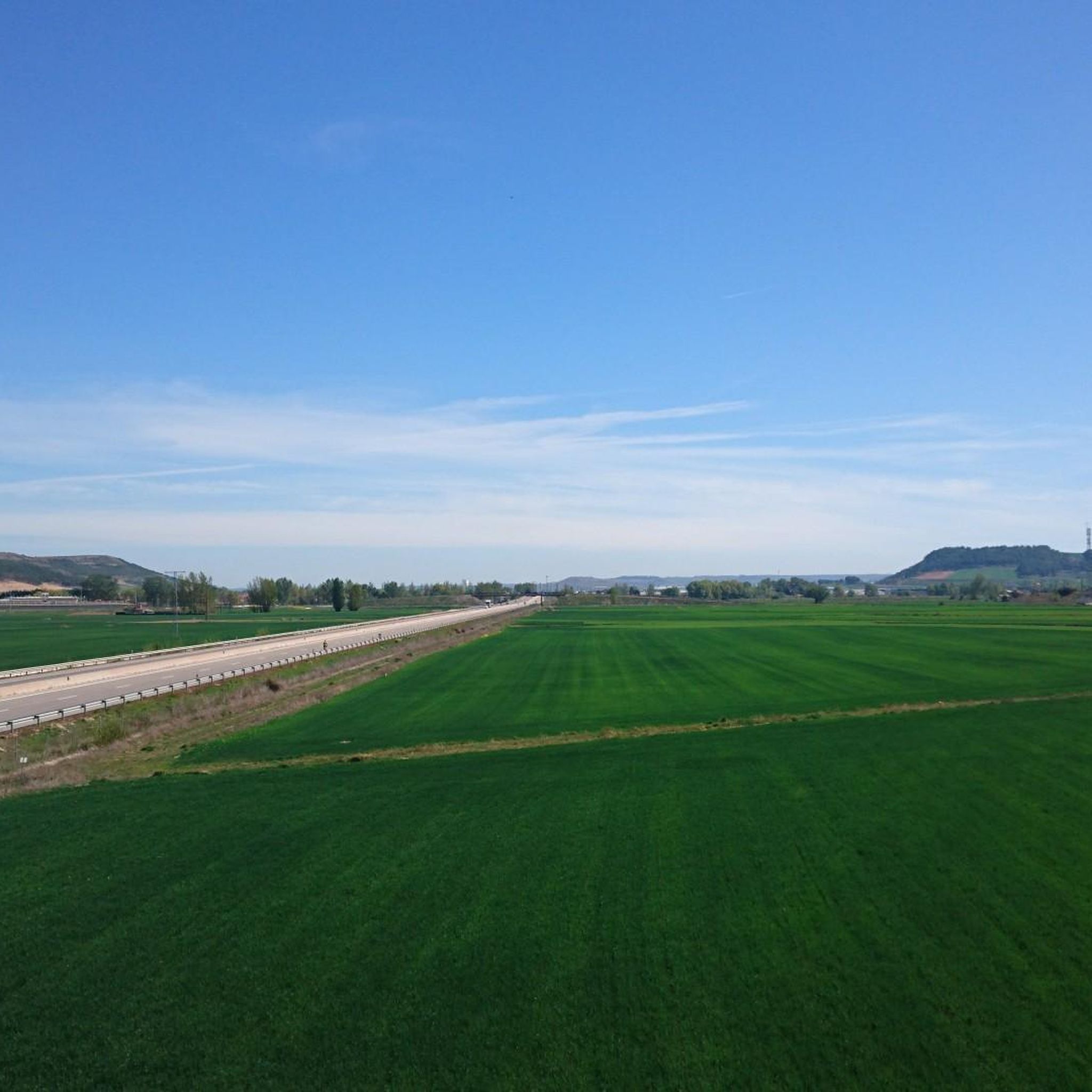
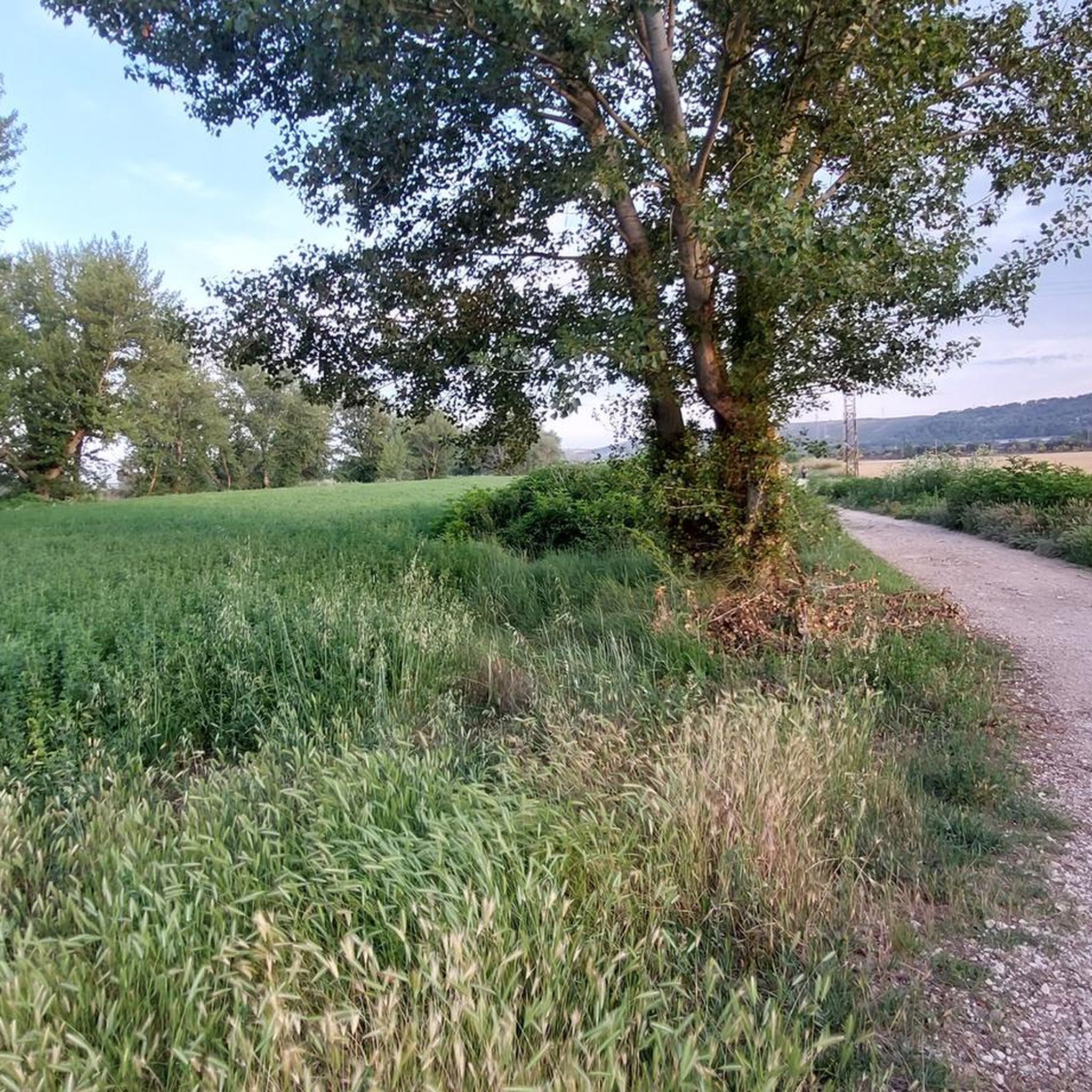
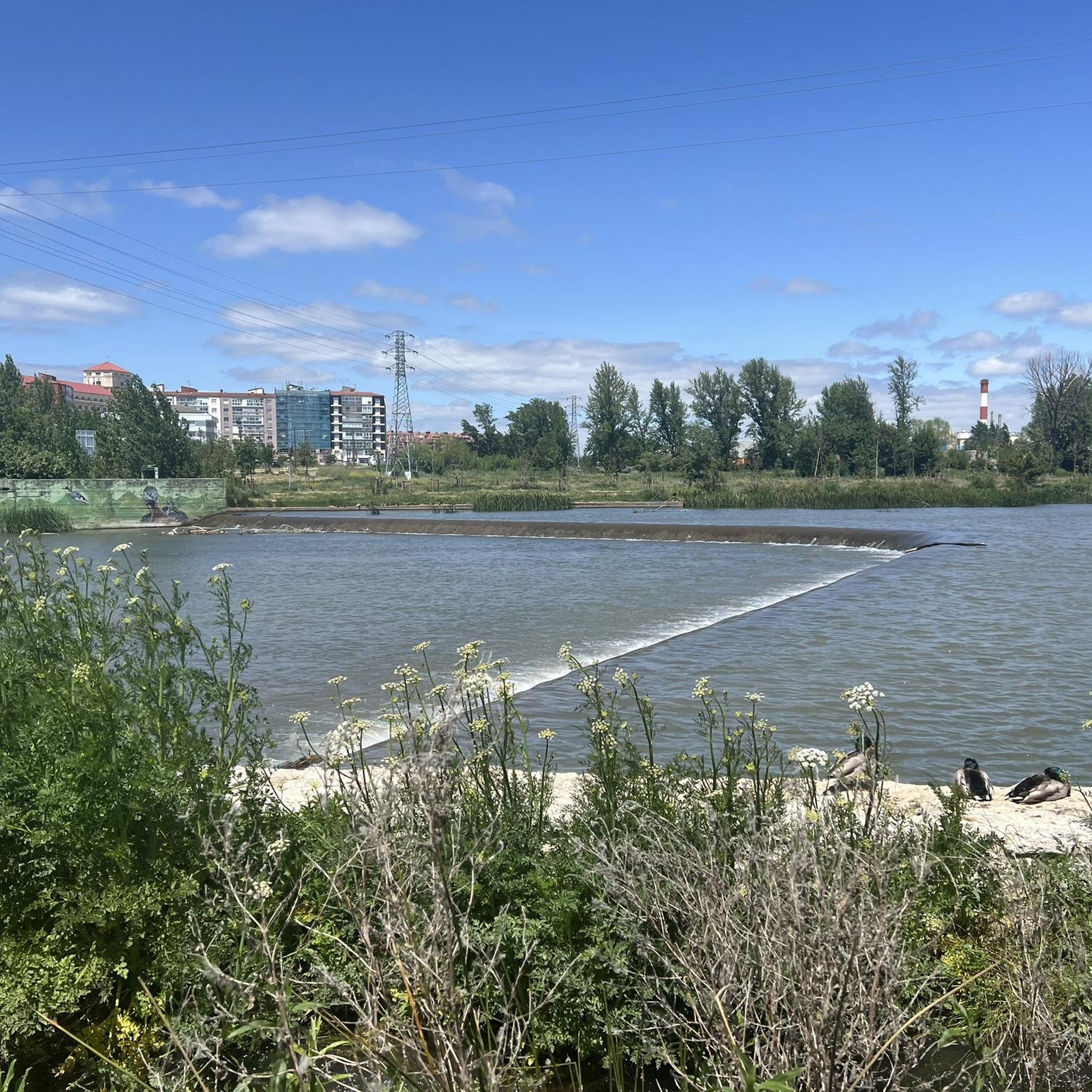
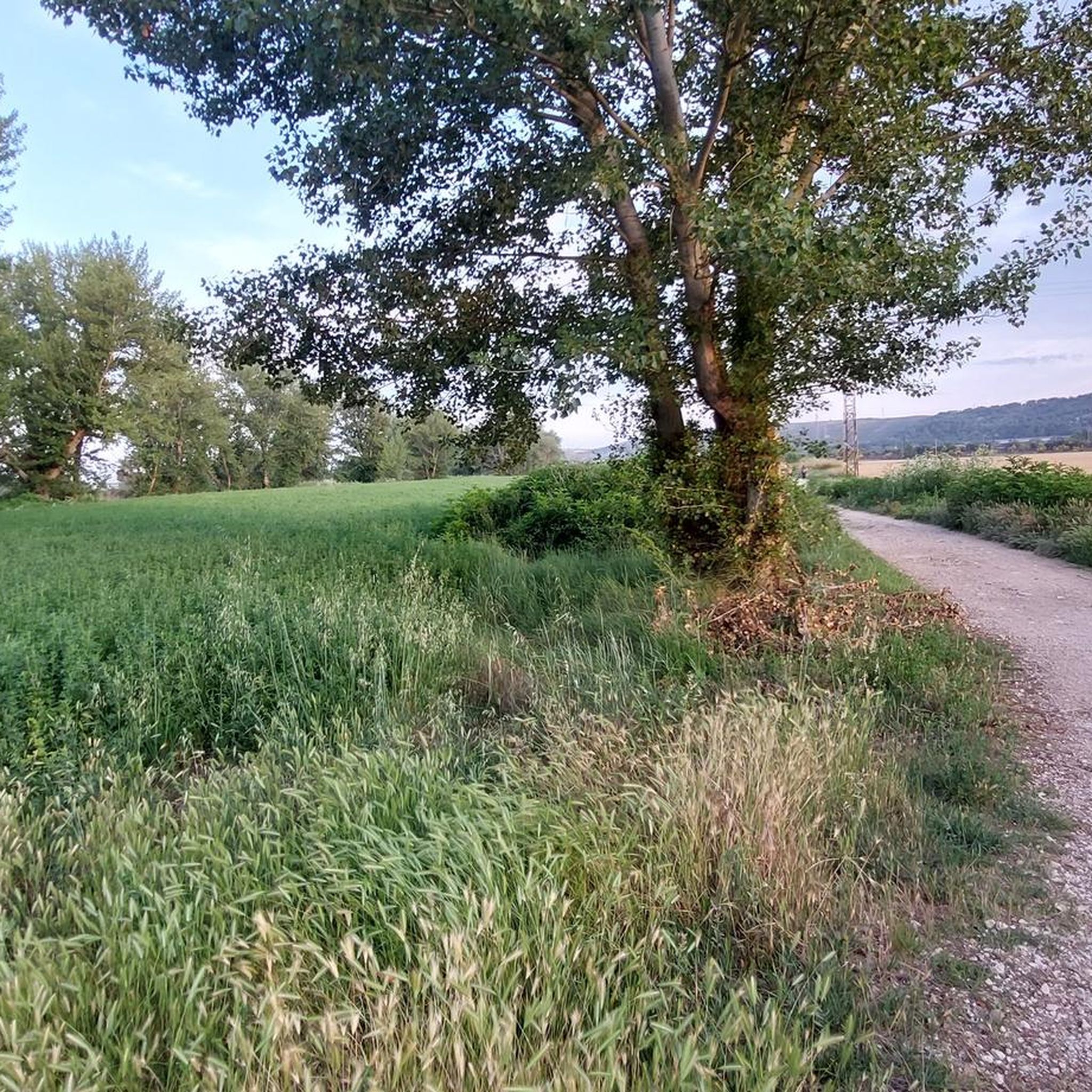
The municipality is situated on the right bank of the Ubierna River, offering beautiful natural landscapes, especially at sunset. The area is also ideal for long walks through its picturesque natural landscapes, with opportunities to rest at various natural springs along the way. Modern windmills are also a visible feature in the landscape.
Are there hiking opportunities near Alfoz De Quintanadueñas?
Yes, the area offers various hiking opportunities. You can find routes like the 'From Rabé de la Calzada along the Camino de Santiago' or shorter walks such as the 'Juan de Garay Ship Sculpture – PlazaDelMercadoNorte loop'. For more details and route options, explore the Hiking around Alfoz De Quintanadueñas guide.
Can I go cycling or gravel biking in the area?
Absolutely! The region is suitable for both cycling and gravel biking. For cycling, you can find routes like the 'Burgos – Burgos Cathedral loop'. If you prefer gravel biking, options include the 'Monument to El Cid – Peñahorada Gorge Trail loop'. Discover more routes in the Cycling around Alfoz De Quintanadueñas and Gravel biking around Alfoz De Quintanadueñas guides.
Are there family-friendly attractions around Alfoz De Quintanadueñas?
Many of the historical sites and monuments are suitable for families. The Burgos Cathedral, Arch of Santa María, and the Statue of El Cid are all considered family-friendly and offer engaging experiences for all ages.
Are there any wheelchair-accessible attractions nearby?
Yes, several prominent attractions in nearby Burgos are wheelchair-accessible. These include the Plaza Mayor of Burgos, the Statue of El Cid, the Campeador, and the Statue of the Seated Pilgrim, allowing for broader enjoyment of the cultural heritage.
What is the best time of year to visit Alfoz De Quintanadueñas for outdoor activities?
The Castilla y León region generally experiences pleasant weather for outdoor activities during spring (April to June) and autumn (September to October). These seasons offer milder temperatures, making them ideal for exploring the natural walking trails and historical sites without the intense heat of summer or the chill of winter.
What do visitors enjoy most about the attractions near Alfoz De Quintanadueñas?
Visitors particularly appreciate the rich historical and architectural details, such as the Gothic patterns and Renaissance elements of the Burgos Cathedral, and the vibrant atmosphere of the Plaza Mayor of Burgos. The blend of ancient history, cultural experiences, and picturesque natural beauty, especially along the Ubierna River, is highly valued by those exploring the area.
Can I find traditional Castilian architecture in the municipality?
Yes, throughout Quintanadueñas, you can observe traditional Castilian houses built with stone, wood, and mud, which preserve the authentic charm and architectural heritage of the area.
Are there any viewpoints or scenic spots in Alfoz De Quintanadueñas?
The elevated position of the Church of San Vicente Mártir in Páramo del Arroyo suggests it may have once served a defensive purpose, likely offering good views. Additionally, the Ubierna River valley provides beautiful natural landscapes, particularly at sunset, with reflections on the water, creating scenic spots for observation.
Most popular routes around Alfoz De Quintanadueñas
Most popular attractions around Alfoz De Quintanadueñas

Get inspired with the komoot mobile app


Explore more
Still not found the Highlight you’re looking for? See guides of the top attractions in other regions:
