The best walks and hikes around Valle De Santibáñez
4.5
(2)
17
hikers
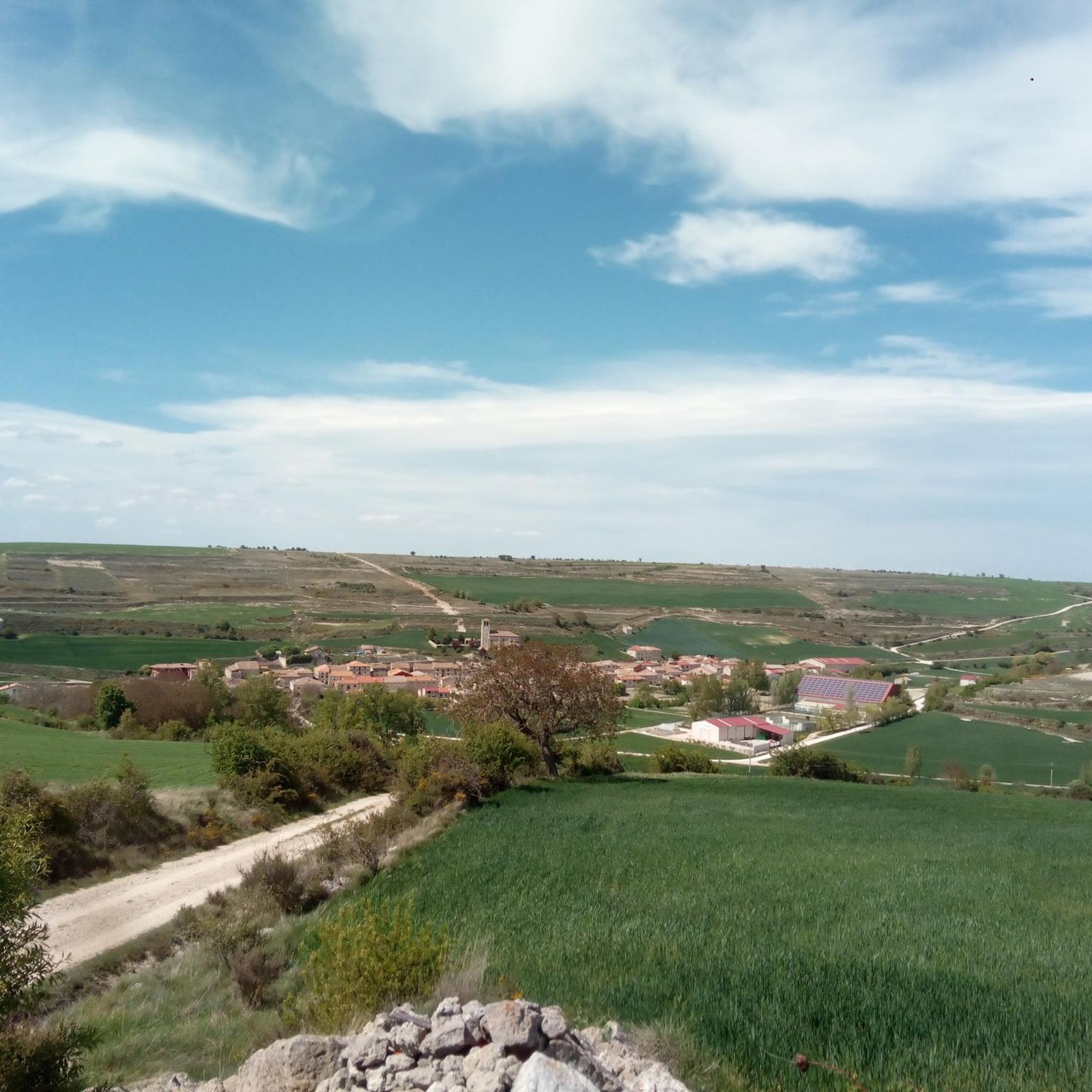
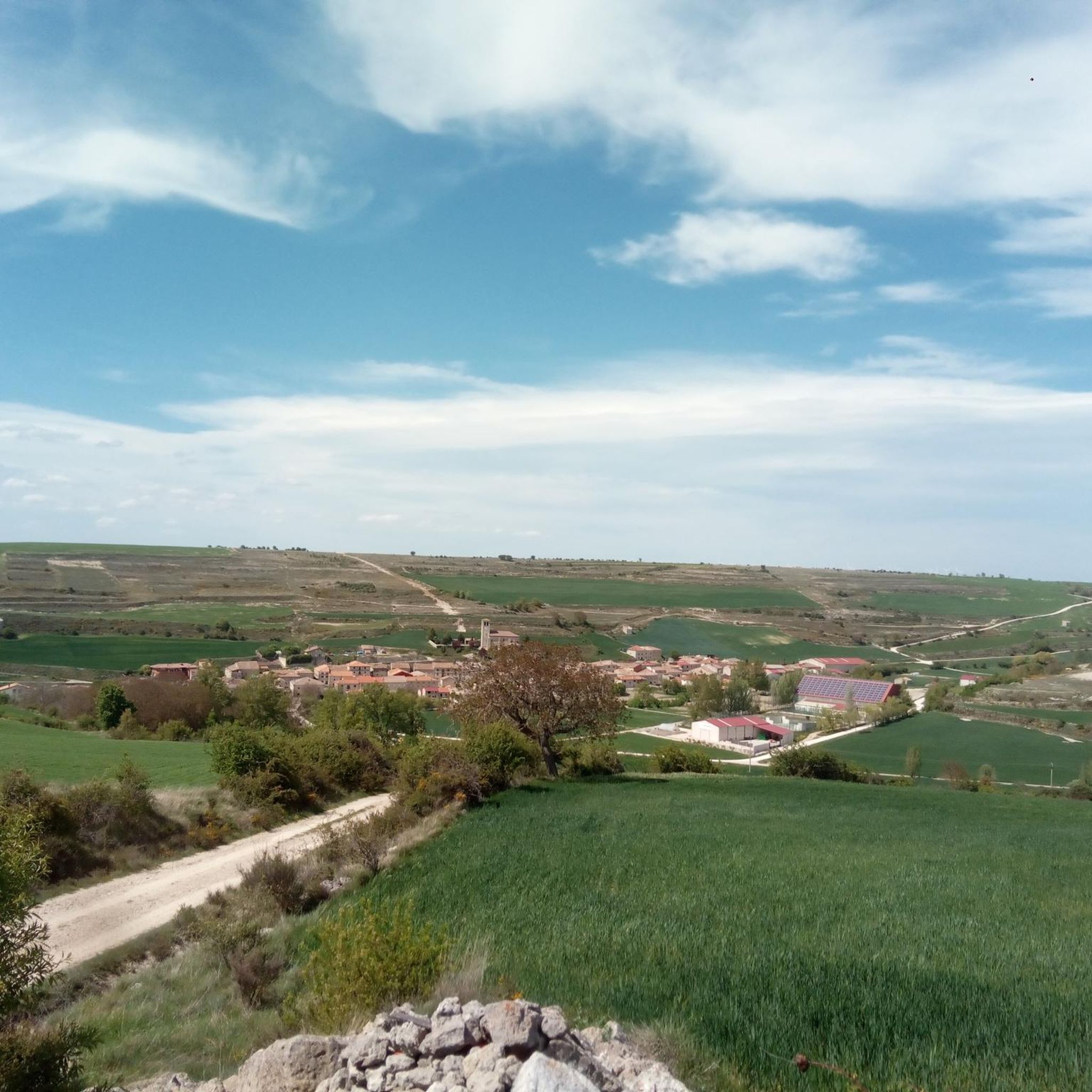
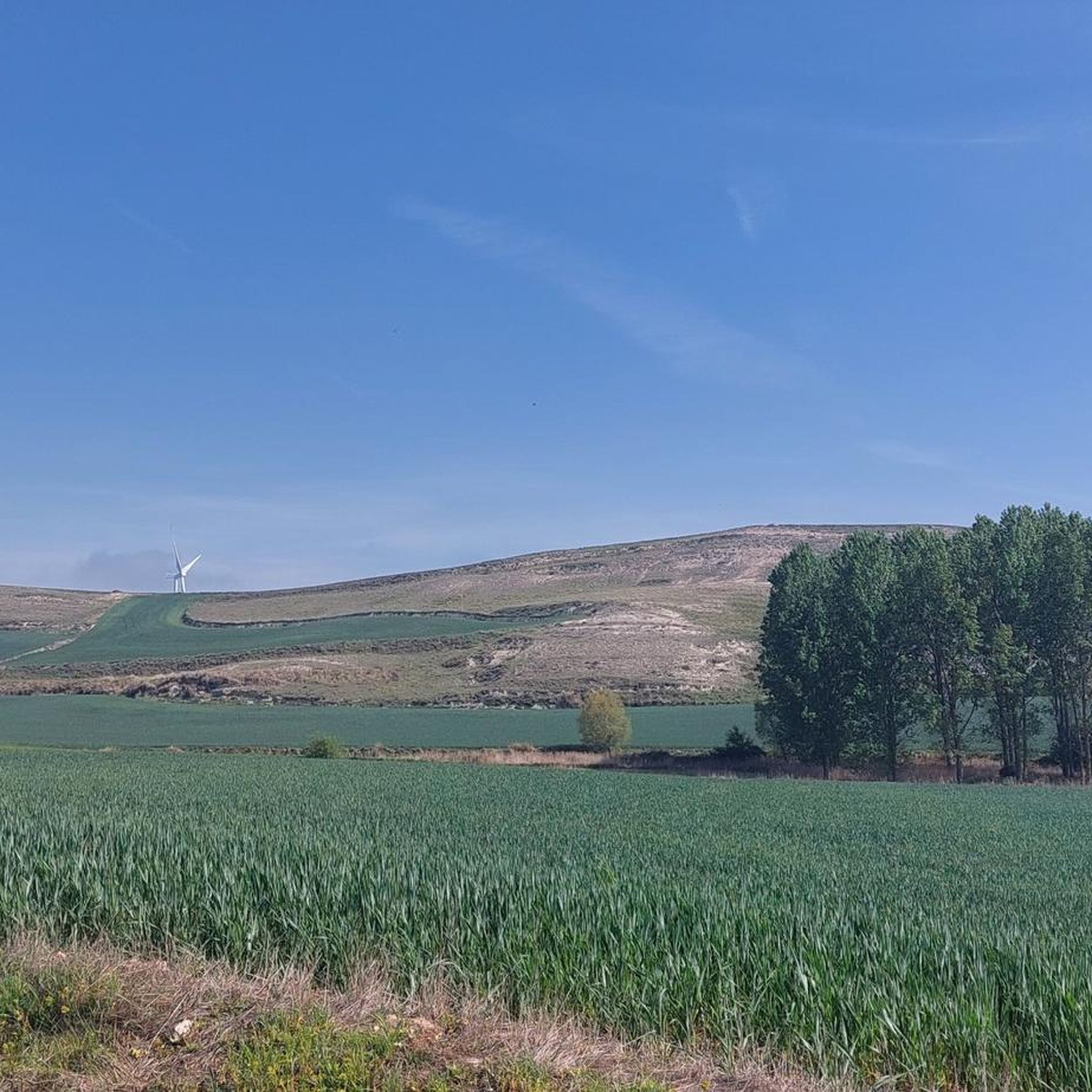
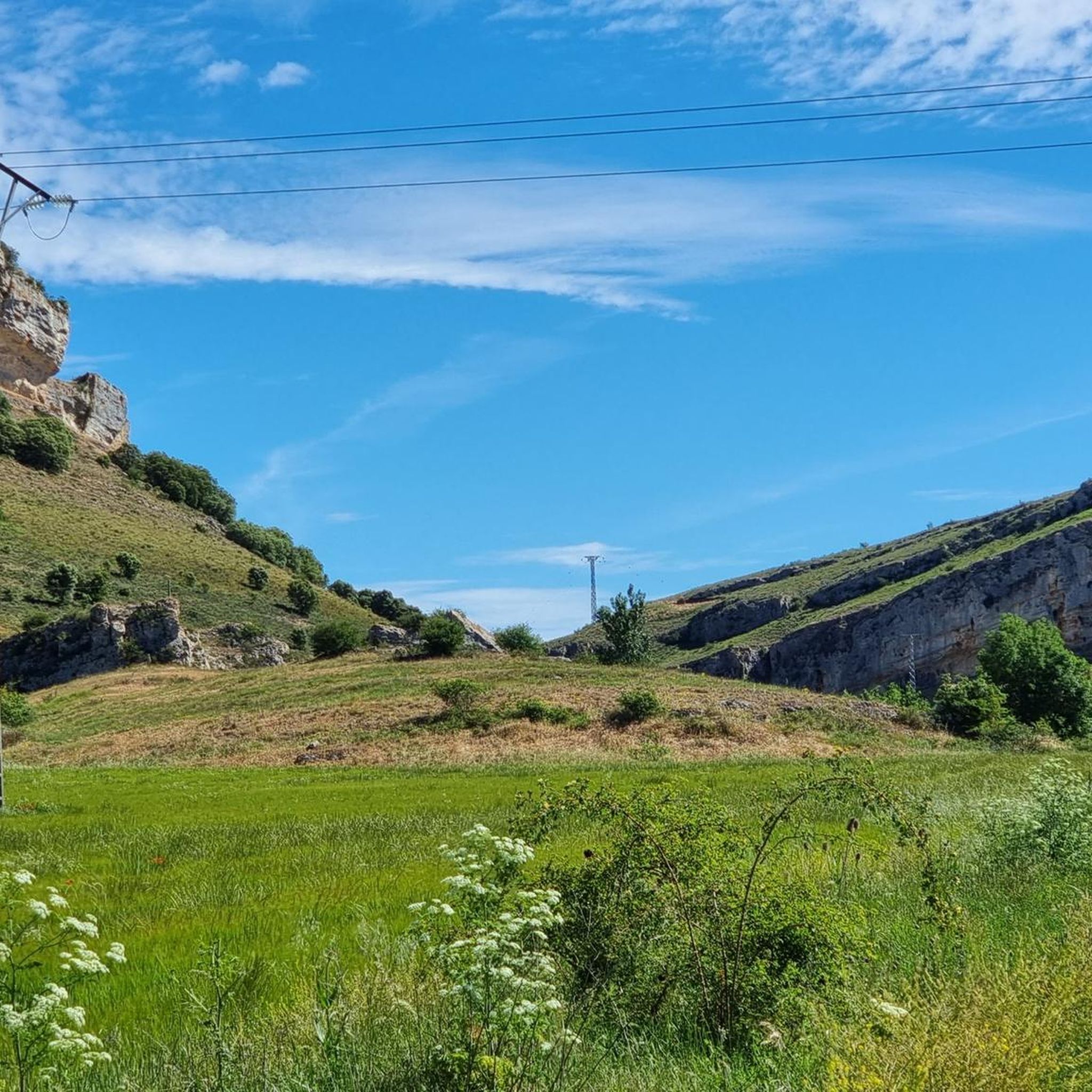
Hiking around Valle De Santibáñez offers diverse landscapes, from expansive cereal fields and high plains to pleasant valleys carved by the Río Úrbel. The region is characterized by lush riparian forests along the riverbanks, featuring poplars, ash trees, and willows. This varied topography provides a range of hiking experiences, including paths through agricultural lands and riverside ecosystems. Historical villages with architectural heritage are also integrated into the natural surroundings.
Best hiking trails around Valle De Santibáñez
- The most popular hiking…
Last updated: June 28, 2026
4.0
(1)
2
hikers
Moderate hike. Good fitness required. Mostly accessible paths. Sure-footedness required.
4
hikers
9.53km
02:32
100m
100m
Moderate hike. Good fitness required. Easily-accessible paths. Suitable for all skill levels.

Sign up for free
4
hikers
6.19km
01:34
10m
10m
Easy hike. Great for any fitness level. Easily-accessible paths. Suitable for all skill levels.
2
hikers
5.40km
01:22
10m
10m
Easy hike. Great for any fitness level. Easily-accessible paths. Suitable for all skill levels.
2
hikers
11.0km
02:57
130m
120m
Moderate hike. Good fitness required. Easily-accessible paths. Suitable for all skill levels.
Our route recommendations are based on thousands of hikes, rides, and runs completed by other people on komoot.
Start today with a free account
Your next adventure awaits.
Login or Signup
Tips from the Community

It is a tall stone cross, recently restored, that represents the area's Jacobean tradition. It is located in a small garden square, visible from the French Way, and serves as a visual reference for pilgrims arriving from Burgos. Although it is not a monolith in the strictest sense (like the granite cairns with the shell), it serves a similar function: marking the passage of the Way and welcoming walkers.
1
0
The Camino de Santiago monolith in Tardajos is actually a stone cross that stands as a symbolic landmark at the entrance to the town, just to the left of the road that connects to Burgos.
1
0
It represents the faces of Albert Einstein, Nelson Mandela, and Mahatma Gandhi, three universal figures of peace, science, and human rights. It is accompanied by the yellow arrow, the symbol of the Camino de Santiago, making it a visual reference point for walkers. It is located at the edge of the town, heading toward Hornillos del Camino, on a wall visible from the official Camino route.
1
0
The mural of Einstein, Mandela, and Gandhi in Rabé de las Calzadas (Burgos) is a well-known work among pilgrims on the French Way of St. James, especially for its symbolic location.
1
0
The Church of Santa Marina in Rabé de las Calzadas (Burgos) is the town's main parish church and is dedicated to its patron saint, Saint Marina. The original church was demolished in 1877 due to its poor condition, and work on the new church began that same year. It was built with deeper foundations and ashlar stone to reinforce the structure. The oldest preserved element is its 13th-century Cistercian doorway.
1
0
The Church of Our Lady of the Assumption in Tardajos (Burgos) is one of the most emblematic churches on the French Way of St. James, both for its historical significance and its architecture. It was built in 13th-century Gothic style, although it incorporates Romanesque (12th-century), Renaissance (16th-17th centuries), and Baroque (18th-century) elements. It stands on a hill in the oldest part of the town, giving it a fortress-like appearance.
1
0
The Church of Our Lady of the Assumption in Tardajos (Burgos) is one of the most emblematic churches on the French Way of St. James, both for its historical significance and its architecture. It was built in 13th-century Gothic style, although it incorporates Romanesque (12th-century), Renaissance (16th-17th centuries), and Baroque (18th-century) elements. It stands on a hill in the oldest part of the town, giving it a fortress-like appearance.
1
0
In Tardajos (Burgos), the Camino de Santiago signage is well maintained and forms part of the town's historic setting, a traditional stop on the French Way.
1
0
Frequently Asked Questions
What kind of terrain can I expect when hiking in Valle De Santibáñez?
Hiking in Valle De Santibáñez offers a diverse landscape. You'll encounter expansive cereal fields and high plains, known as "parameras," which contrast with pleasant valleys carved by rivers like the Río Úrbel. The riverbanks feature lush riparian forests with poplars, ash trees, and willows, providing varied scenery from open agricultural lands to shaded riverside paths.
Are there any easy hiking trails suitable for beginners in Valle De Santibáñez?
Yes, there are easy options available. For instance, The sun always at your back loop from Villalbilla de Burgos is an easy 3.8-mile (6.2 km) trail that takes about 1 hour 34 minutes to complete, leading through open landscapes. Another easy route is Square with fountain – Tardajos loop from Tardajos, which is 3.3 miles (5.4 km) long.
What are some notable natural features or viewpoints to look out for on hikes?
The Río Úrbel is a central natural feature, with its banks forming part of a protected area (LIC "Riberas del Río Arlanzón y sus afluentes"). You can observe lush riparian forests and potentially spot diverse wildlife, including amphibians, Iberian desmans, and otters. Expansive high plains like those in La Lora also offer wide-ranging views.
Are there any circular walks available in Valle De Santibáñez?
Yes, several routes are designed as circular walks. A popular option is From Rabé de la Calzada along the Camino de Santiago — circular from Tardajos, an 11.2-mile (18.1 km) moderate trail. Another is Quintanilla Sobresierra loop from Quintanilla Sobresierra, a moderate 6.8-mile (11.0 km) path offering views of plains and villages.
What historical or cultural landmarks can I explore while hiking in the region?
The Valle de Santibáñez is dotted with charming villages offering cultural and historical points of interest. In Santibáñez-Zarzaguda, you can see the Nikolauskirche and Gothic-Renaissance architecture. Miñón de Santibáñez features the Petruskirche with its magnificent Romanesque portal. Other notable sites include the ruins of Zumel castle, the primitive Romanesque church in Mansilla, and the Romanesque hermitage of Virgen de Cuadra.
What do other hikers say about the trails in Valle De Santibáñez?
The routes in Valle De Santibáñez are highly rated by the komoot community, with an average score of 4.1 stars from over 5 reviews. Hikers often praise the varied terrain, from serene river valleys to expansive plains, and the opportunities to explore historical villages.
Is Valle De Santibáñez suitable for family-friendly hikes?
The region offers a range of trails, including easy options that can be suitable for families. The varied landscapes, including riverside paths and open fields, provide engaging environments for children. Consider shorter, less strenuous routes like The sun always at your back loop from Villalbilla de Burgos for a family outing.
Are there any specific attractions or monuments near the hiking trails?
Yes, several attractions are located near the hiking routes. You can visit the Monument to El Cid, the Camino de Santiago Monument in Tardajos, or the Mile 0 of the Camino del Cid. The Hermitage of San Juan de Ortega in Villalbilla de Burgos is also a notable religious building nearby.
What is the best time of year to go hiking in Valle De Santibáñez?
The region's cycling routes, which often share similar paths, are noted for having "good tracks in spring," adorned with green fields and abundant flowers. This suggests spring is an excellent time for hiking, offering pleasant temperatures and vibrant natural scenery. Autumn would also provide comfortable conditions and beautiful foliage.
How many hiking routes are available in Valle De Santibáñez?
There are several hiking routes available in Valle De Santibáñez, offering options for various skill levels. The komoot community has explored over 20 different tours in the area, ranging from easy walks to moderate trails.
Can I find trails that are part of the Camino de Santiago in this area?
Yes, the region is connected to the Camino de Santiago. For example, the route From Rabé de la Calzada along the Camino de Santiago — circular from Tardajos allows you to experience a section of this historic pilgrimage path.
Most popular routes around Valle De Santibáñez
Most popular attractions around Valle De Santibáñez

Get inspired with the komoot mobile app


Explore more
Browse the best Hikes in other regions.
