The best cycling routes around the Bug
4.7
(861)
3,839
riders
469
rides
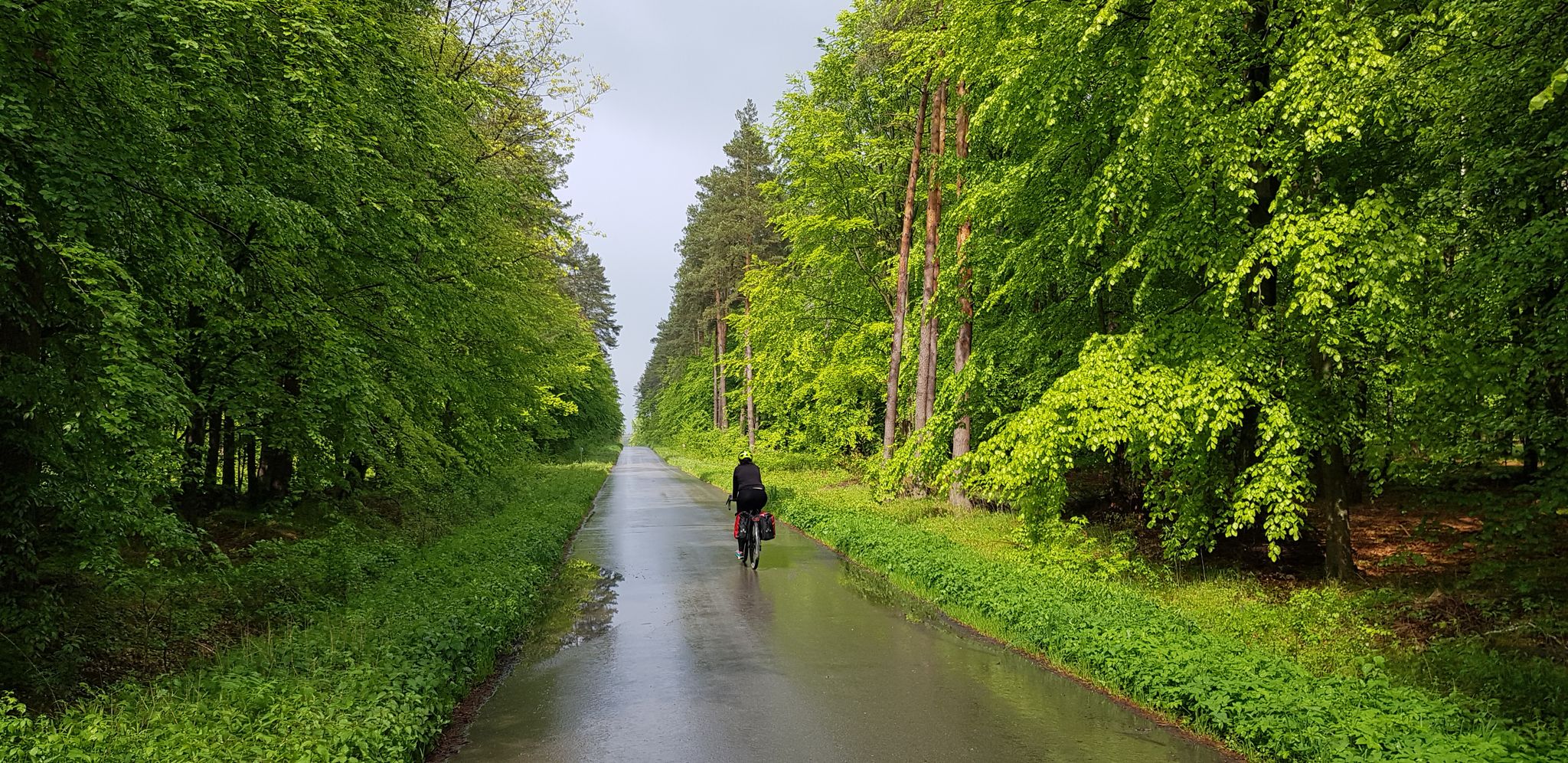
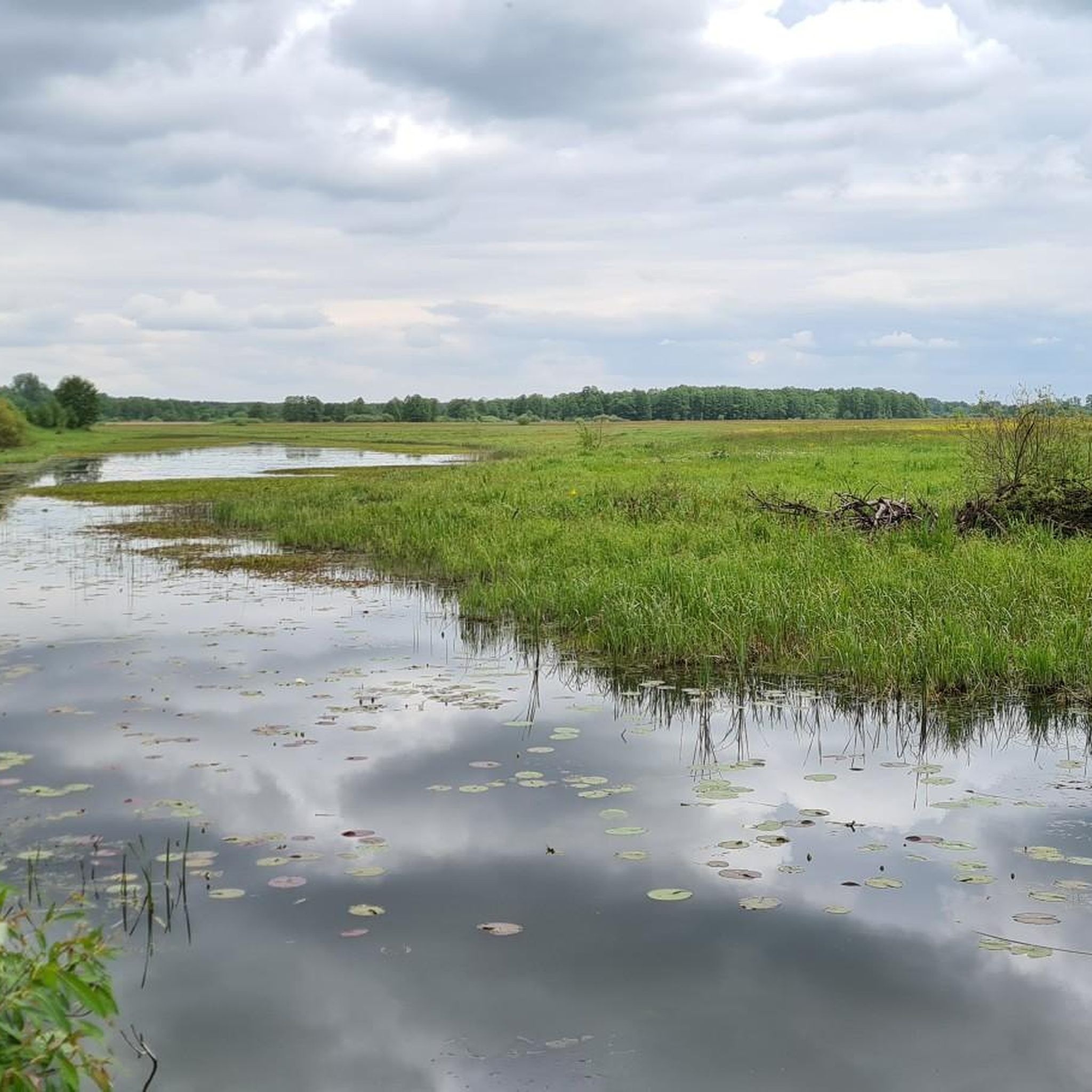
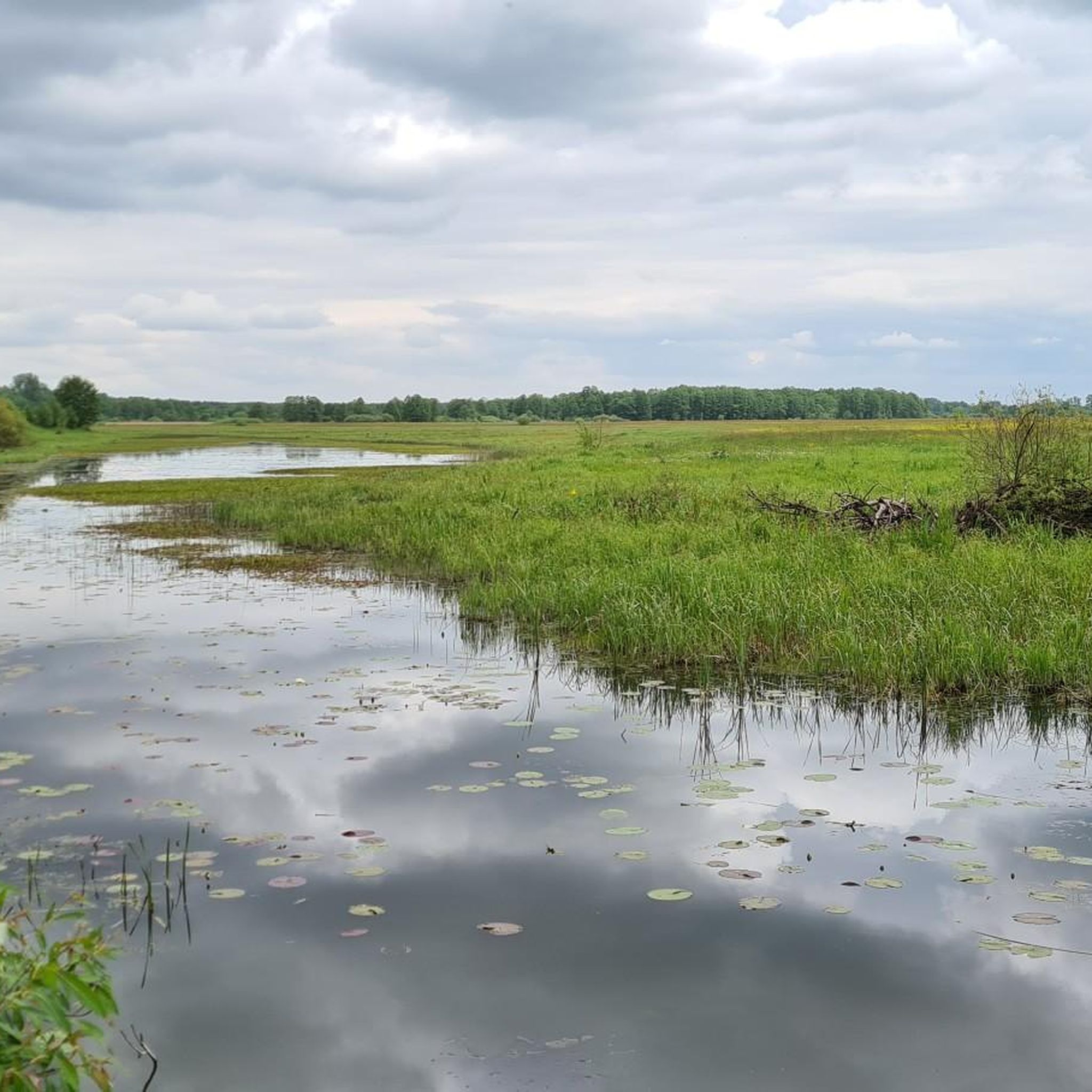
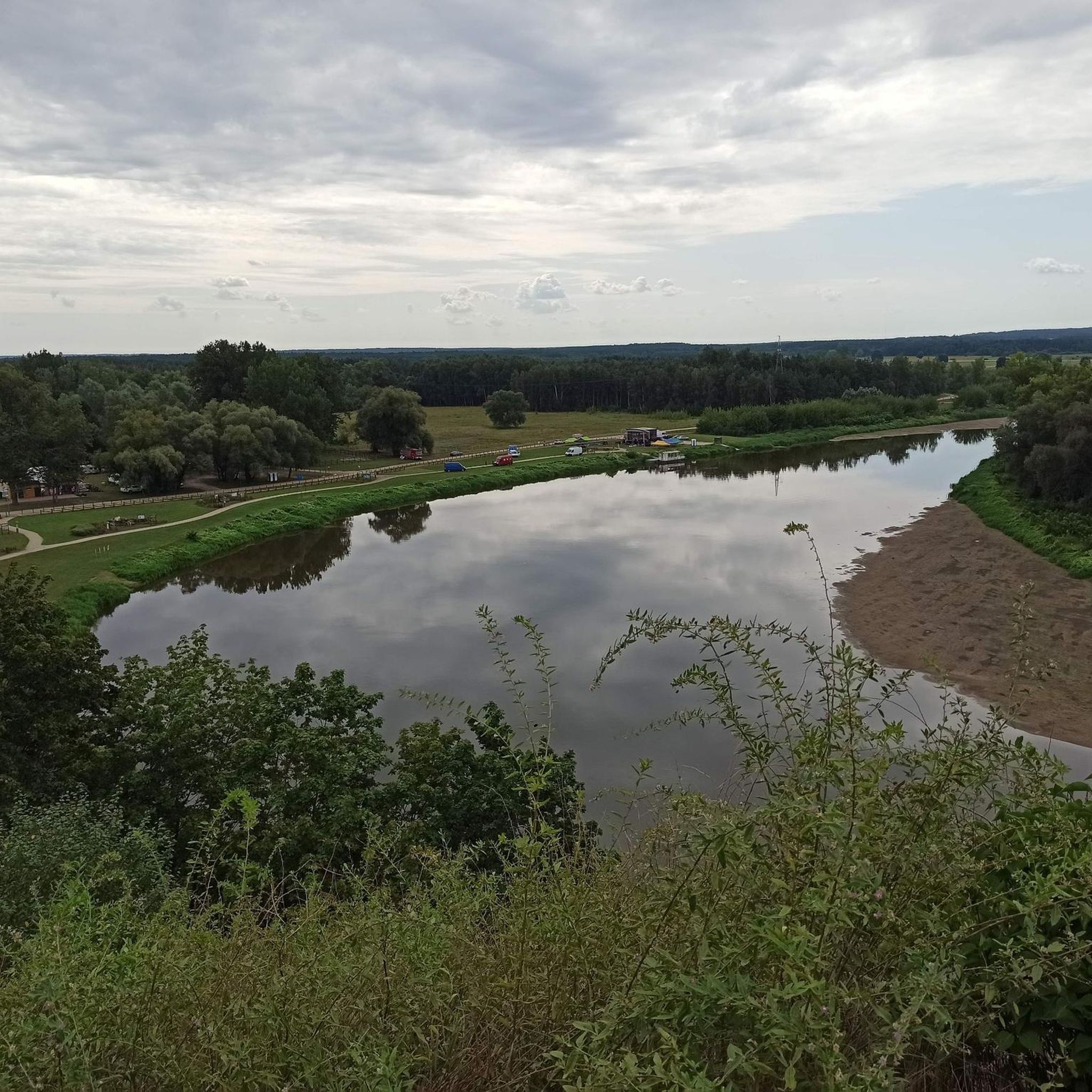
Touring cycling around the Bug River offers an exploration of one of Europe's last unregulated major rivers, characterized by its natural meanders, oxbow lakes, and diverse landscapes. The region features varied terrain, from high loess hills to extensive forests within the Bug Landscape Park, including pine, hornbeam, and oak woodlands. Cyclists will find riverside sections with sandy dunes, peat bogs, and wet riparian forests, alongside generally flat plains that provide manageable routes. This area serves as a crucial wildlife corridor,…
Last updated: October 7, 2026
4.9
(11)
68
riders
51.0km
03:00
110m
110m
Moderate bike ride. Good fitness required. Mostly paved surfaces. Suitable for all skill levels.
4.7
(16)
46
riders
56.3km
03:30
220m
220m
Moderate bike ride. Good fitness required. Mostly paved surfaces. Suitable for all skill levels.

4.7
(18)
48
riders
64.9km
03:58
260m
260m
Moderate bike ride. Good fitness required. Mostly paved surfaces. Suitable for all skill levels.
5.0
(42)
65
riders
Easy bike ride. Great for any fitness level. Mostly paved surfaces. Suitable for all skill levels.
4.4
(12)
49
riders
Easy bike ride. Great for any fitness level. Mostly paved surfaces. Suitable for all skill levels.
4.5
(10)
60
riders
46.0km
02:41
240m
240m
Moderate bike ride. Good fitness required. Mostly paved surfaces. Suitable for all skill levels.
4.5
(13)
39
riders
Moderate bike ride. Good fitness required. Mostly paved surfaces. Suitable for all skill levels.
4.7
(7)
19
riders
39.3km
02:25
170m
170m
Moderate bike ride. Good fitness required. Mostly paved surfaces. Suitable for all skill levels.
4.5
(11)
29
riders
Moderate bike ride. Good fitness required. Mostly paved surfaces. Suitable for all skill levels.
4.2
(6)
39
riders
Moderate bike ride. Good fitness required. Mostly paved surfaces. Suitable for all skill levels.
Get access to more routes and recommendations from other explorers.
Already have an account?
Our route recommendations are based on thousands of hikes, rides, and runs completed by other people on komoot.
Start today with a free account
Your next adventure awaits.

Other adventures around the Bug

Tips from the Community

A gallery of colorful graffiti under the bridge
0
0

Worth stopping by to see this church
0
0


To commemorate the heroic struggle, the Monument to the Defenders of Modlin from September 1939 was erected. The unveiling was performed by the commander of the 1939 Modlin defense, Brigadier General Wiktor Thommee, in the presence of numerous soldiers from his September campaign. The ceremony took place on September 29, 1957, the anniversary of the surrender of Modlin Fortress. The initiative to build the monument came from the command of the 15th Bomber Division, and its design was presented by Sergeant Ryszard Lasota, a non-commissioned officer of the Military Police. Two Soviet cannons were added to the monument. The motive was the Red Army's participation in the liberation of Modlin from Nazi occupation. The monument was erected on the site of a monument to Marshal Józef Piłsudski, unveiled in 1928, which was destroyed only in the early 1950s when the Marshal's bust and baton were removed from its pedestal. Until the unveiling of the next monument, this place was forgotten and neglected.
0
0

The Church of St. Nicholas is an Orthodox parish church in Drohiczyn. It belongs to the Siemiatycze deanery of the Warsaw-Bielsko diocese of the Polish Autocephalous Orthodox Church. The church is located on the market square – Tadeusz Kościuszko Square. The church represents a classicist style. Built in 1792, funded by Konstancja née Kuczyńska and Jakub Ciecierski, it was dedicated to St. Nicholas, a Uniate church for the Basilian monastery. After the Uniate parish church (also dedicated to St. Nicholas) burned down in 1806, services were moved here. In 1826, it was handed over to the Uniate secular clergy. In 1839, following the Synod of Polotsk, the church was seized from the Uniates and placed under the jurisdiction of the Orthodox Church by the Russian partitioning authorities. After the fall of the January Uprising, the church was rebuilt around 1870 to give it a more Orthodox appearance. As a result, the exterior was topped with three additional onion-shaped bell towers, while the interior was modified and a new interior was created, including by removing the side altars, organs, and pulpit.
1
0
The ferry crossing on the Bug River connects its northern bank below Drohiczyn with the southern bank near the village of Bużyska, Korczew commune
1
0
Franciscan Church in Drohiczyn, dedicated to the Assumption of the Blessed Virgin Mary – according to the monastery tradition recorded in 1797 by Father Karol Gaudenty Żero (1743–1802) in his work entitled "Fenix de pulveribus resuscitatus svaviter suam candit modulenam," the Franciscan convent in Drohiczyn was founded by Mikołaj Nassuta, mentioned in 1430 as the starost of Drohiczyn. The monks are said to have settled on a square known as "Narożnik" (Corner). The first endowments for the monks were confirmed in 1407 by Duke Witold Kiejstutowicz, who also provided offerings from the castle. During the reign of Janusz I the Elder, Duke of Mazovia, a wooden monastery and church dedicated to the Assumption of the Blessed Virgin Mary were built in 1409. In 1451, the guardian was Father Jan of Ruda, and in 1470, Father Szymon of Kraków. In the years 1460–1470, funds for the monastery were donated by, among others, the Drohicz court assessor Maciej Miłkowski (d. ca. 1478) and his wife Katarzyna. The Franciscan monastery was burned down by dissenters in 1583, and around 1595, the wooden church burned down. In 1595–1596, it was rebuilt thanks to the efforts of Father Mateusz Studziński, guardian, but in 1601, both buildings were destroyed by fire again. Another wooden Franciscan church was built in 1615 through the efforts of the guardian, Father Bartłomiej Klucziata vel Klimczata, and consecrated on October 4, 1618, by the titular bishop of Argivensis and suffragan of Lutsk, Father Stanisław Udrzycki (d. 1621). During this period, a new monastery building was constructed. In 1657, during the Swedish Deluge, following Misericordiae Sunday, the monastery was destroyed again, and several monks were murdered by Cossack, Transylvanian, and Swedish troops commanded by Magnus Gabriel de La Gardie.
1
0
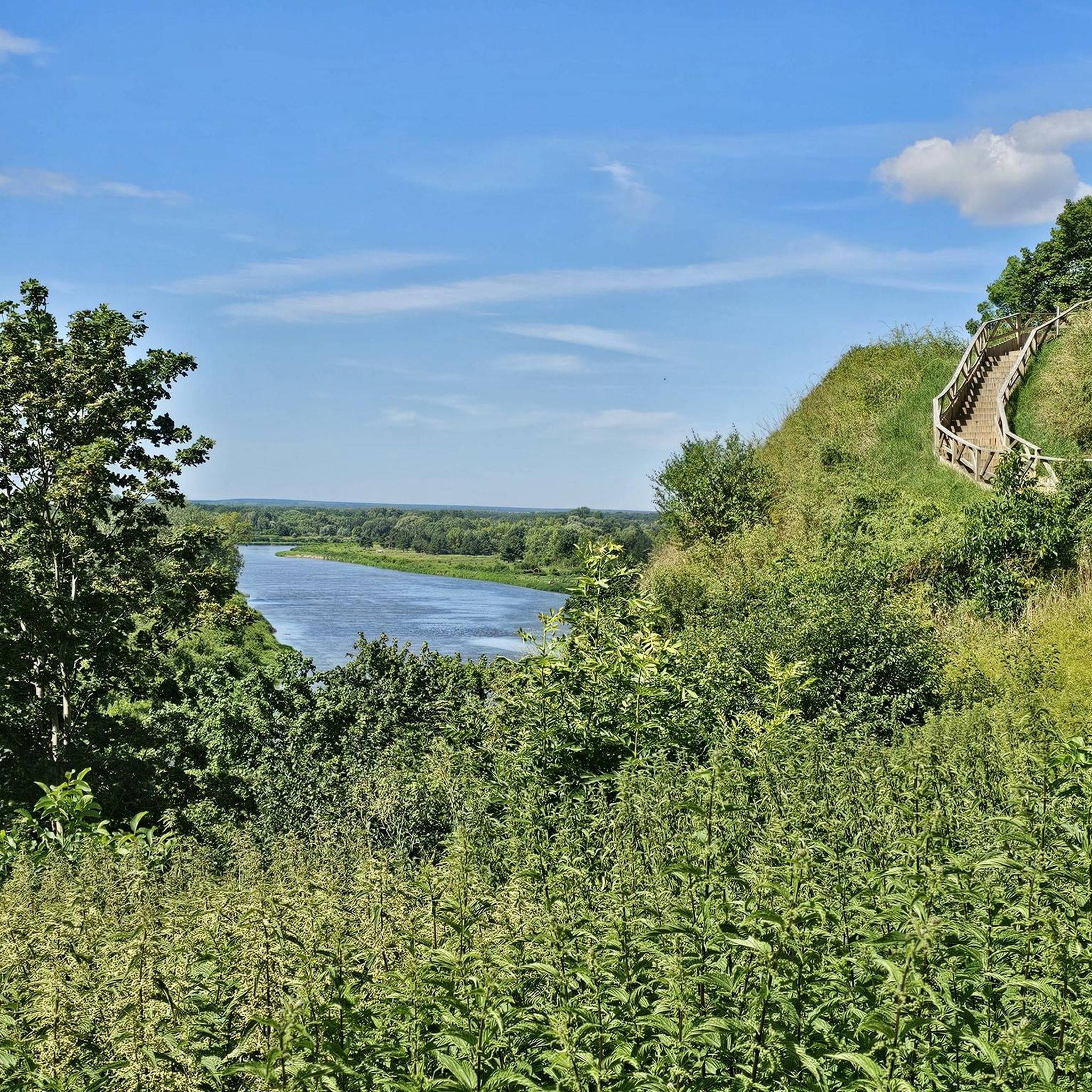
A viewing point overlooking the Bug River and the monastery. A ferry crossing the river is located next to the tower.
1
0
Frequently Asked Questions
How many touring cycling routes are available around the Bug River?
There are over 400 touring cycling routes available around the Bug River, catering to various skill levels. You'll find a wide selection of paths to explore the region's unique landscapes.
What kind of terrain can I expect when cycling along the Bug River?
The terrain along the Bug River is quite diverse. You'll encounter sections with natural meanders, oxbow lakes, and extensive forests, including pine, hornbeam, and oak woodlands. Riverside paths may feature sandy dunes, peat bogs, and wet riparian forests. While some areas have high loess hills, much of the region consists of generally flat floodplains and agricultural fields, making for manageable routes.
Are there easy touring cycling routes suitable for beginners or families?
Yes, the Bug River region offers a good number of easy touring cycling routes. Over 230 routes are classified as easy. A great option for a relaxed ride is the Zapadliska Pond – Fort Beniaminów loop from Rynia, which is 20.1 miles (32.3 km) long and leads through varied riverine landscapes.
What are the best natural attractions to see while cycling around the Bug River?
The Bug River is known for its outstanding natural beauty. You can explore the Bug Landscape Park, which features numerous meanders, islands, backwaters, and oxbow lakes. Keep an eye out for diverse flora and fauna in wetlands and temporarily flooded meadows. A notable natural feature is the Oxbow Lake of the Bug River, which offers picturesque views.
What kind of wildlife can I spot along the cycling routes?
The Bug Landscape Park is a crucial wildlife corridor, supporting a rich array of flora and fauna. Cyclists often have the chance to observe various bird species and invertebrates, especially in the wetlands and temporarily flooded meadows. Rare species like the European pond turtle and diverse bat species also inhabit the area.
Are there any historical or cultural landmarks along the touring cycling routes?
Yes, the region offers several interesting landmarks. You might encounter sites like the Modlin Fortress — Cadets' Gate, or religious buildings such as the St. Stanislaus Bishop Wooden Church in Barcice. These provide cultural insights amidst the natural scenery.
What do other touring cyclists enjoy most about cycling in the Bug region?
The Bug region is highly rated by the komoot community, with an average score of 4.7 stars. Cyclists frequently praise the tranquil, diverse natural landscapes, the peaceful riverine ecosystems, and the opportunity for exploration away from urban hustle. The extensive forests and picturesque oxbow lakes are often highlighted as favorite aspects.
Are there many loop routes for touring cyclists?
Many of the touring cycling routes around the Bug River are designed as loops, allowing you to start and finish in the same location. For example, the Kamieńczyk Wooden Houses – Bridge Over the Liwiec River loop from Wyszków is a popular moderate option that showcases local sights.
What is the best time of year to go touring cycling around the Bug River?
The region's rural summer landscapes and wide rivers suggest that late spring, summer, and early autumn are ideal for touring cycling. During these seasons, you can best enjoy the picturesque views, observe local wildlife, and experience the tranquil natural environment.
Can I find places to eat or stay overnight along the cycling routes?
While the region is known for its natural and rural character, many villages and towns along the Bug River offer local cafes, restaurants, and accommodation options. It's advisable to plan your route and check for amenities in towns like Drohiczyn, Wyszków, or Rynia, which serve as starting points for popular routes like the Przekop Nature Reserve – Bug River Near Drohiczyn loop from Drohiczyn.
Are there routes that explore the Bug and Narew rivers?
Yes, the Bug Landscape Park encompasses both the Bug and Narew rivers, characterized by their numerous meanders and diverse riverine features. Routes like the Pomiechówek on the Wkra River – Suspension bridge over the Wkra loop from Modlin, while not directly on the Narew, explore its tributaries and the broader river landscape, offering a similar experience.
Most popular routes around the Bug
Most popular attractions around the Bug

Get inspired with the komoot mobile app


Explore more
Browse the best Cycling routes in other regions.
