The best road cycling routes around El Sahugo
5.0
(2)
209
riders
24
rides
Road cycling around El Sahugo offers diverse landscapes and challenging terrain within the broader regions of Las Hurdes and Sierra de Gata. The area features accessible paved roads, including the Esperabán pass, which reaches an altitude of 1,295 meters and connects the provinces of Cáceres and Salamanca. This mountainous environment provides varied elevation changes suitable for road cyclists. The region is characterized by natural beauty, including pine trees, heather, and river valleys.
Best road cycling routes around El Sahugo
- The…
Last updated: July 7, 2026
9
riders
52.4km
02:37
860m
860m
This moderate 32.5-mile road cycling route from El Sahugo explores the challenging Puerto Nuevo and Puerto Viejo climbs through scenic Sierr
20
riders
95.3km
04:23
1,150m
1,150m
Hard road ride. Very good fitness required. Mostly well-paved surfaces and easy to ride.

Sign up for free
15
riders
62.8km
02:46
620m
620m
Moderate road ride. Good fitness required. Mostly well-paved surfaces and easy to ride.
13
riders
Moderate road ride. Good fitness required. Mostly well-paved surfaces and easy to ride.
9
riders
51.6km
02:17
510m
520m
Moderate road ride. Good fitness required. Mostly well-paved surfaces and easy to ride.
Get access to more routes and recommendations from other explorers.
Sign up for free
Already have an account?
Our route recommendations are based on thousands of hikes, rides, and runs completed by other people on komoot.
Start today with a free account
Your next adventure awaits.
Login or Signup
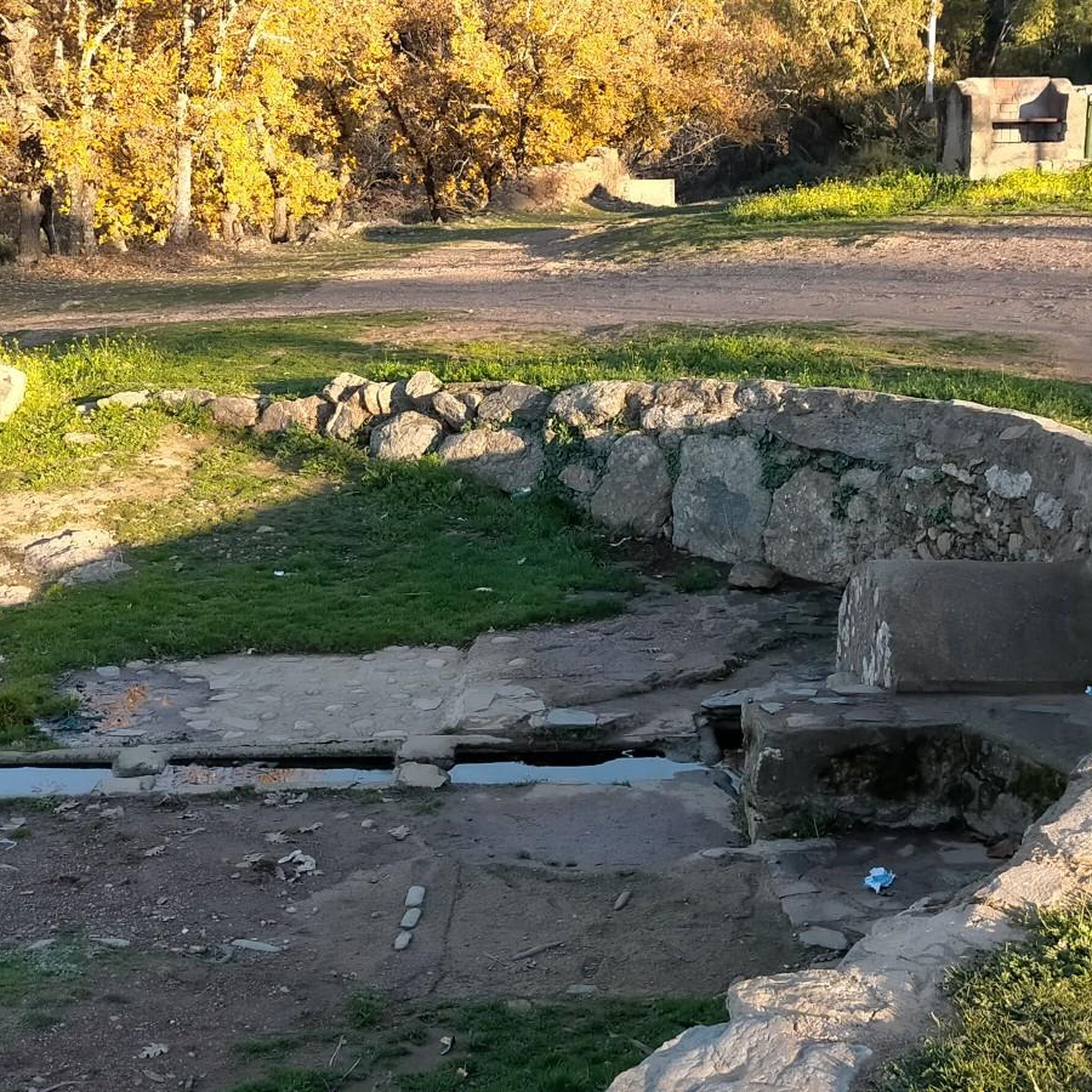
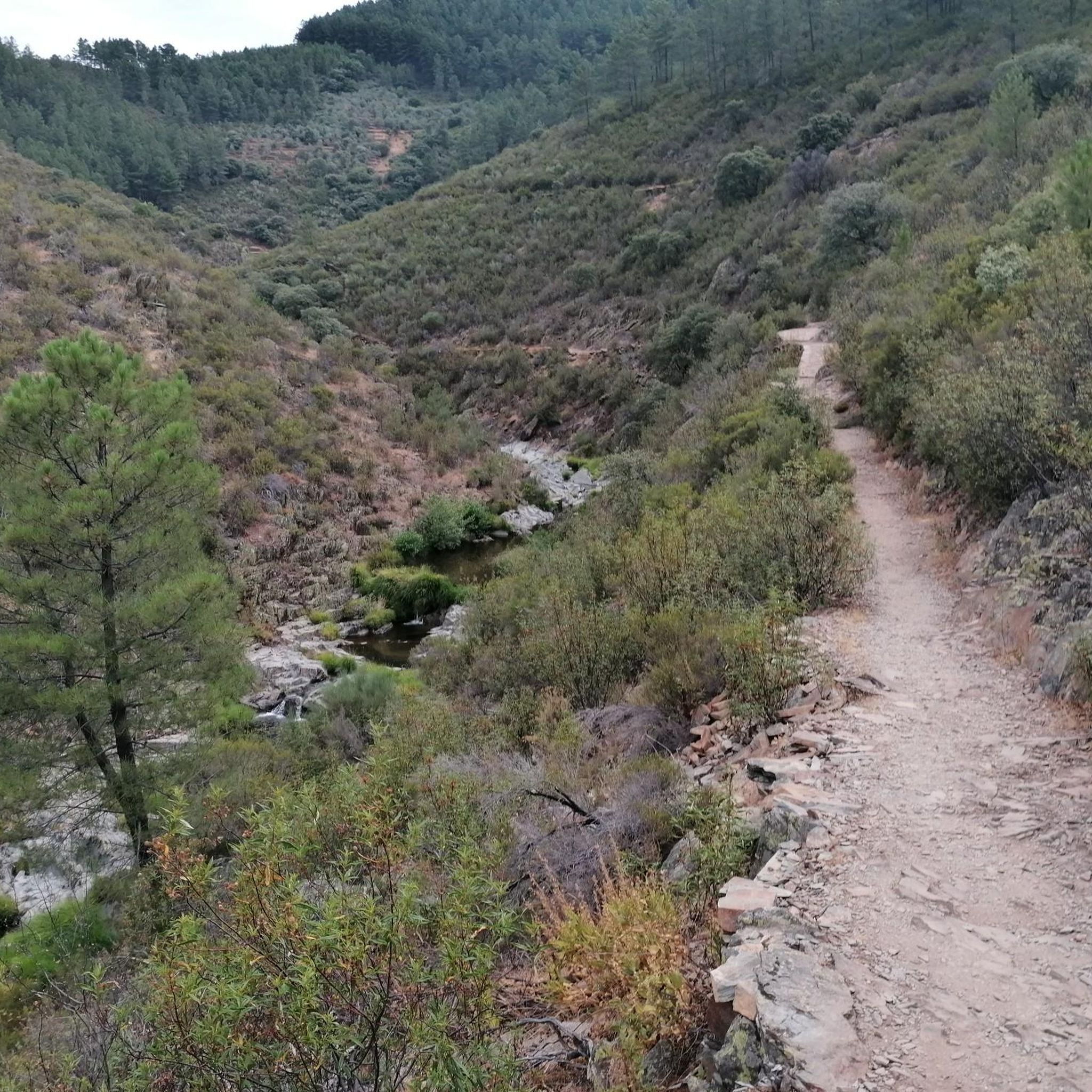
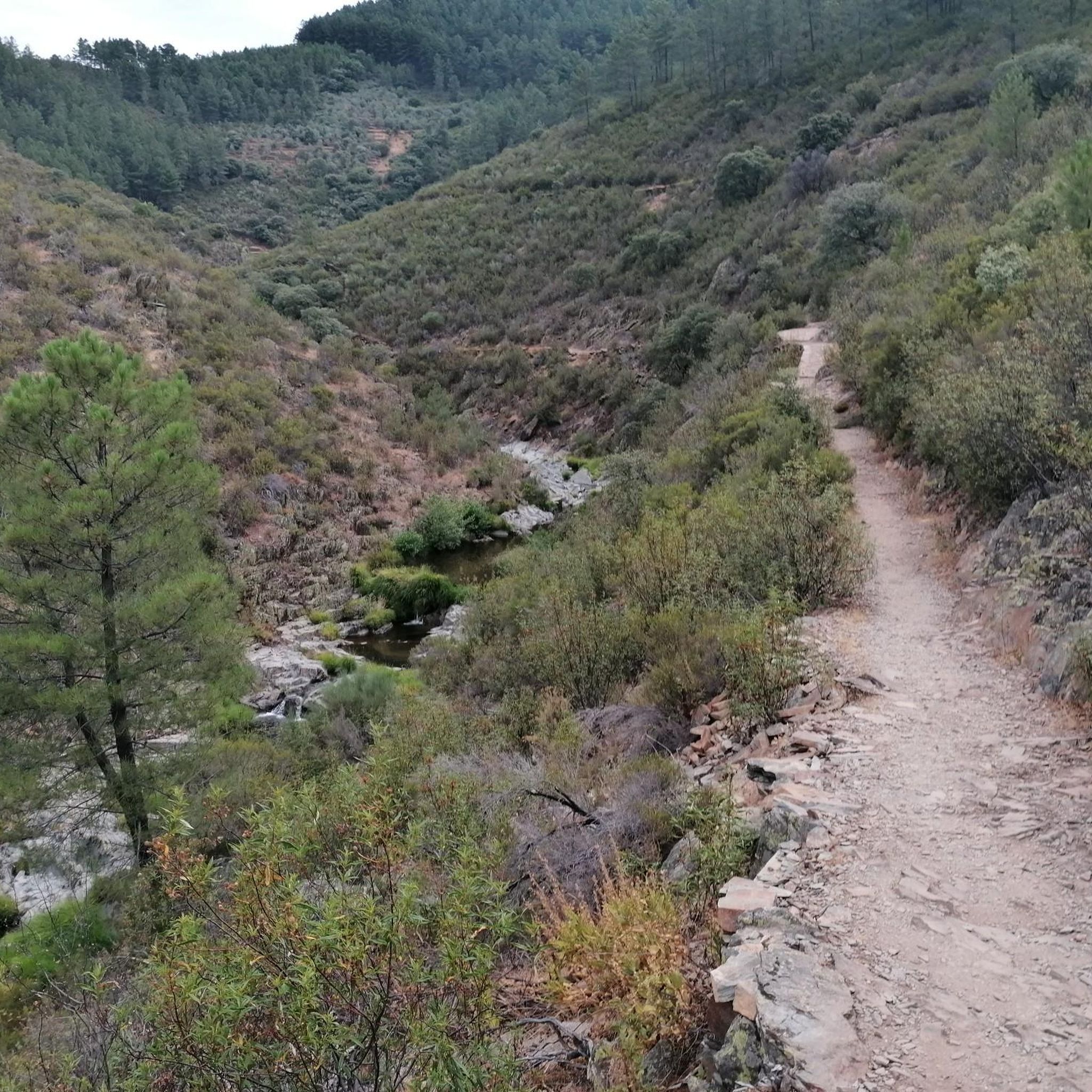
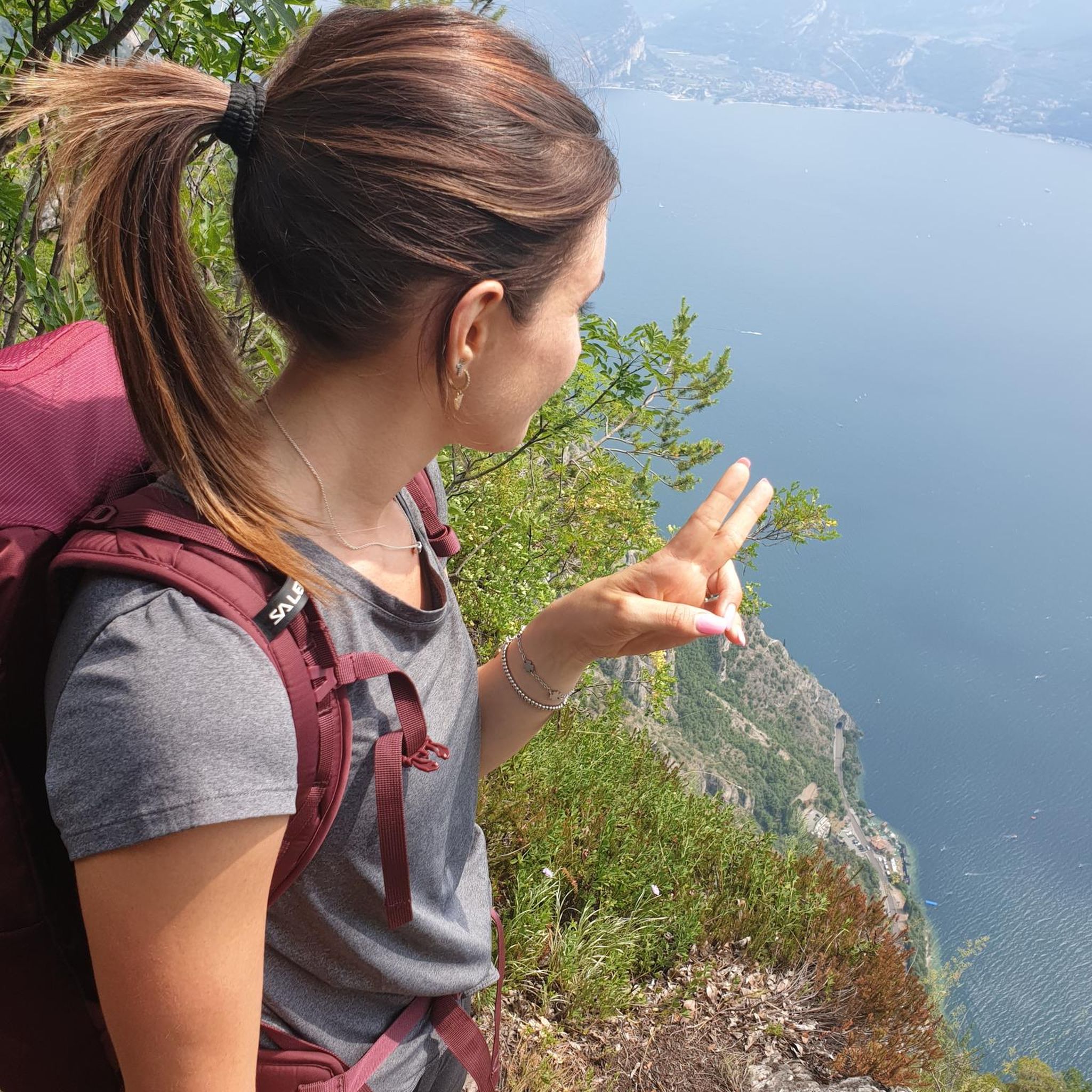
Tips from the Community

The town's main square is known as Plaza del Palacio (Palace Square), and it serves as the administrative center and one of the town's most iconic landmarks. It is where the Villasbuenas de Gata Town Hall is located. Situated in the heart of the town center, it is a popular meeting place for locals.
3
0
The Alcázar Gate in Ciudad Rodrigo is one of the historic entrances to the city walls and has great heritage and scenic value. It was opened in 1507 by Antonio del Águila, warden of the Alcázar, when he built the defensive barrier in that area. It is located next to the Castle of Henry II of Trastámara, in the section of the wall facing the Águeda River, known as the Battery, due to the cannons that were once installed there.
4
0
The Plaza Mayor of Ciudad Rodrigo is the historical and social heart of the city, with a rich history that reflects its importance as an urban center: Since the Middle Ages, the Plaza Mayor has been the hub of public life: markets, proclamations, and council meetings were held there in the cloister of the former Church of San Juan. In the 16th century, public butcher shops were built, and it became a consolidated space for commercial and festive activities. Until then, the square was home to the Three Roman Columns, a vestige of the ancient Miróbriga, which had been a symbol of the city since the 13th century. In 1580, the square was expanded, incorporating the space that once housed the old prison and the Audiencia (Courthouse). It even had corridors for watching bullfights, a tradition that continues during carnivals.
7
0
Ciudad Rodrigo's Town Hall is located in the Plaza Mayor and is one of the city's most emblematic buildings. Its history is linked to the urban and political development of Ciudad Rodrigo since the Middle Ages. Medieval Origins: Ciudad Rodrigo was founded in Roman times, but its consolidation as a fortified urban center occurred in the Middle Ages. Municipal government was organized around the council, which initially met in council houses until the current building was built.
1
0
The Puerta del Alcázar is one of the ancient access gates to the walled enclosure of Ciudad Rodrigo. This gate, along with others such as the Puerta del Sol and the Puerta de Santiago, was part of the city's defensive system.
4
0
The Cathedral of Santa María is an imposing testimony of faith and art. It began to be built in the 12th century and stood as a grandiose temple in the heart of the city. Its history is intertwined with the presence and return of Christianity after Muslim domination. A visit to the cathedral includes exploring its museum and cloister, allowing you to immerse yourself in its rich history and architectural beauty.
10
0

Historical town from the Middle Ages with a city wall is well worth seeing. We spent one night right in the central square of the city. The square offers several opportunities to eat and sit outside. 👍
0
0

Frequently Asked Questions
How many road cycling routes are available around El Sahugo?
There are over 20 road cycling routes around El Sahugo, offering a variety of experiences for different skill levels. The region is known for its diverse landscapes and challenging terrain within the broader areas of Las Hurdes and Sierra de Gata.
What is the typical terrain and elevation like for road cycling in El Sahugo?
Road cycling around El Sahugo is characterized by mountainous terrain with significant elevation changes. The area features accessible paved roads, including the notable Esperabán pass, which reaches an altitude of 1,295 meters. You can expect varied ascents and descents through natural features like pine forests and river valleys.
Are there any challenging road cycling routes for experienced riders?
Yes, El Sahugo offers several challenging routes. For instance, the View from Puerto de Perales loop from Martiago is a difficult 95.3 km path with significant elevation gain, providing a demanding experience through the region's mountainous landscape. Another difficult option is the Fuenteguinaldo – Navasfrías Town Center loop from Martiago, covering nearly 89 km.
What natural attractions or viewpoints can I find along the road cycling routes?
The region around El Sahugo is rich in natural beauty. You can find stunning viewpoints like the Chorro de los Ángeles Viewpoint, which offers magnificent views of the Las Hurdes landscape and a waterfall over 200 meters high. The Esperabán Pass itself provides scenic routes through mountainous terrain. You might also encounter natural pools like the Riofrío Natural Pool, ideal for a refreshing stop.
Are there any historical sites to explore while cycling in the area?
While cycling, you can discover historical points of interest such as the ruins of the 13th-century Convent of the Angels, accessible via a stone alley parallel to the River Los Ángeles. This adds a historical dimension to the region's natural ambiance.
What is the best time of year for road cycling in El Sahugo?
The region's diverse landscapes and natural features make it appealing for outdoor activities. While specific seasonal recommendations aren't detailed, the presence of natural pools like the Riofrío Fishing Dam suggests that summer months could be suitable for combining cycling with refreshing breaks. Mountain passes like Esperabán are generally best enjoyed in spring, summer, and early autumn when weather conditions are more stable.
Are there any moderate-difficulty road cycling loops suitable for a good day out?
Yes, there are several moderate loops. The Sierra de Gata: Puerto Nuevo and Puerto Viejo Loop is a popular 52.4 km route that connects two mountain passes, offering varied terrain and scenic views. Another option is the Fuenteguinaldo – Alcázar Gate loop from Estación de Autobuses de la Presa del Águeda, an 81 km trail leading through varied landscapes.
What do other road cyclists say about the routes in El Sahugo?
The road cycling routes in El Sahugo are highly rated by the komoot community, with an average score of 5.0 stars. Cyclists often praise the varied terrain, the challenge of the mountain passes, and the natural beauty encountered along the way, such as pine forests and river valleys.
Can I find routes that include river views or natural pools?
Absolutely. The region is characterized by river valleys. The Fuenteguinaldo – Águeda River loop from Martiago is a moderate 51.6 km route that takes you along the Águeda River. Additionally, the Riofrío Natural Pool is a picturesque spot ideal for a refreshing swim, which can be incorporated into your cycling plans.
Are there any specific mountain passes that are popular for road cycling in this area?
The Esperabán pass is a significant draw for road cyclists in the region. It features an accessible paved road in good condition, reaching an altitude of 1,295 meters, and connects the Spanish provinces of Cáceres and Salamanca. It offers scenic and challenging routes through mountainous terrain.
What kind of landscapes will I encounter on a road cycling trip around El Sahugo?
You will experience diverse landscapes, ranging from mountainous terrain with significant elevation changes to serene river valleys. The area is characterized by natural beauty, including pine trees, heather, and other vegetation, particularly in areas like the Chorro de los Ángeles Viewpoint. The Sierra de Gata region, accessible from El Sahugo, is also known for its natural beauty.
Most popular attractions around El Sahugo

Get inspired with the komoot mobile app


Explore more
Browse the best Road cycling routes in other regions.
