The best cycling routes around Büdesheim
4.4
(2340)
9,297
riders
16
rides
Touring cycling routes around Büdesheim traverse a landscape characterized by the Eifel's largest limestone basin, ancient Devonian rock layers, and limestone grasslands. The region offers varied cycling terrain, including circular paths, forest and meadow paths, gravel roads, and field paths. Proximity to the Eifel-Ardennes cycle path provides additional long-distance options. This area is suitable for cyclists seeking routes through geologically significant and diverse natural environments.
Best touring cycling routes around Büdesheim
- The most popular touring cycling route is Büdesheim Chapel…
Last updated: October 13, 2026
4.0
(18)
73
riders
Hard bike ride. Very good fitness required. Mostly paved surfaces. Suitable for all skill levels.
4.7
(3)
13
riders
26.2km
01:58
380m
380m
Moderate bike ride. Good fitness required. Mostly paved surfaces. Suitable for all skill levels.

10
riders
19.6km
01:25
230m
230m
Moderate bike ride. Good fitness required. Mostly paved surfaces. Suitable for all skill levels.
4.3
(3)
15
riders
21.9km
01:30
280m
280m
Moderate bike ride. Good fitness required. Mostly paved surfaces. Suitable for all skill levels.
5.0
(4)
9
riders
22.3km
01:48
330m
330m
Moderate bike ride. Good fitness required. Mostly paved surfaces. Suitable for all skill levels.
Get access to more routes and recommendations from other explorers.
Already have an account?
Our route recommendations are based on thousands of hikes, rides, and runs completed by other people on komoot.
Start today with a free account
Your next adventure awaits.
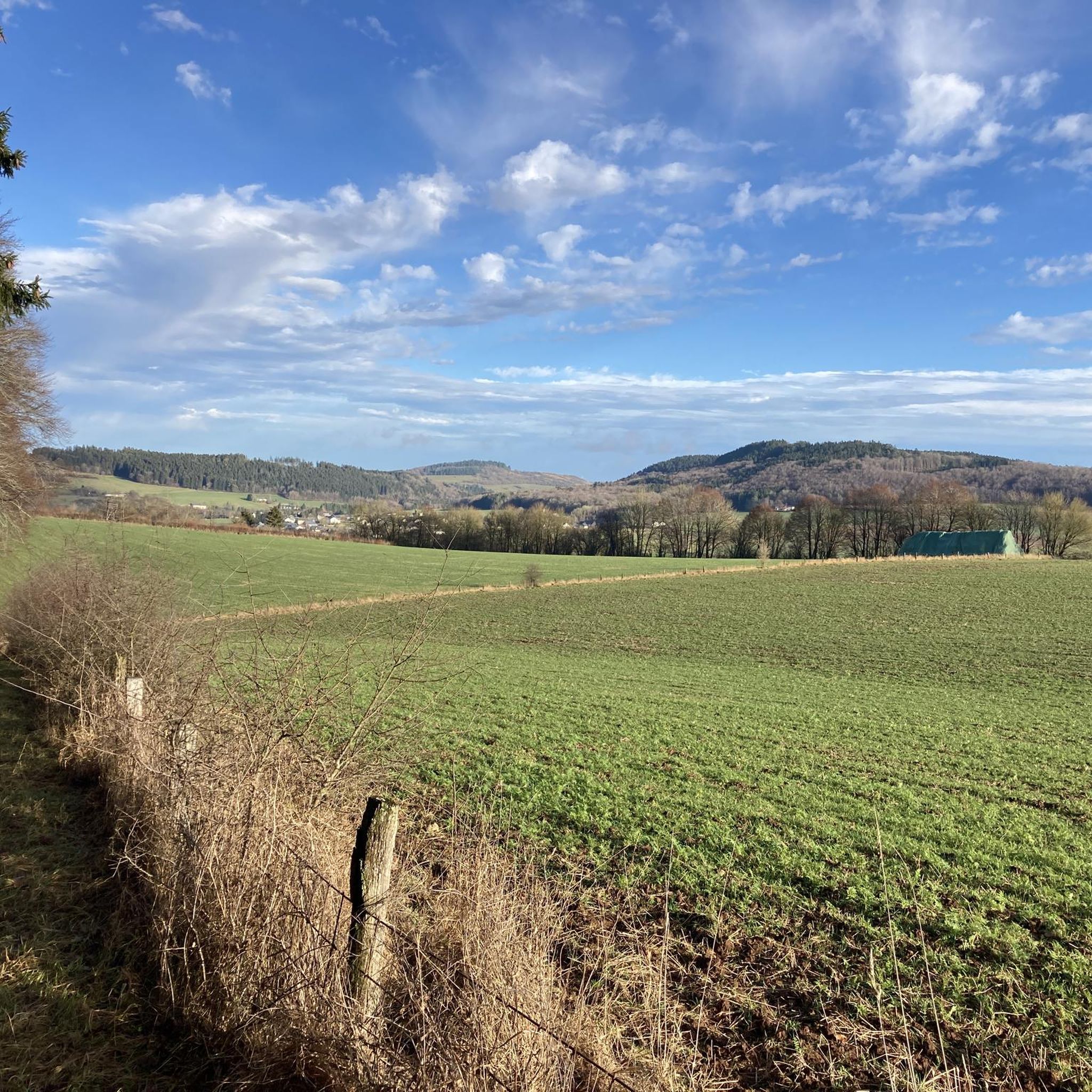
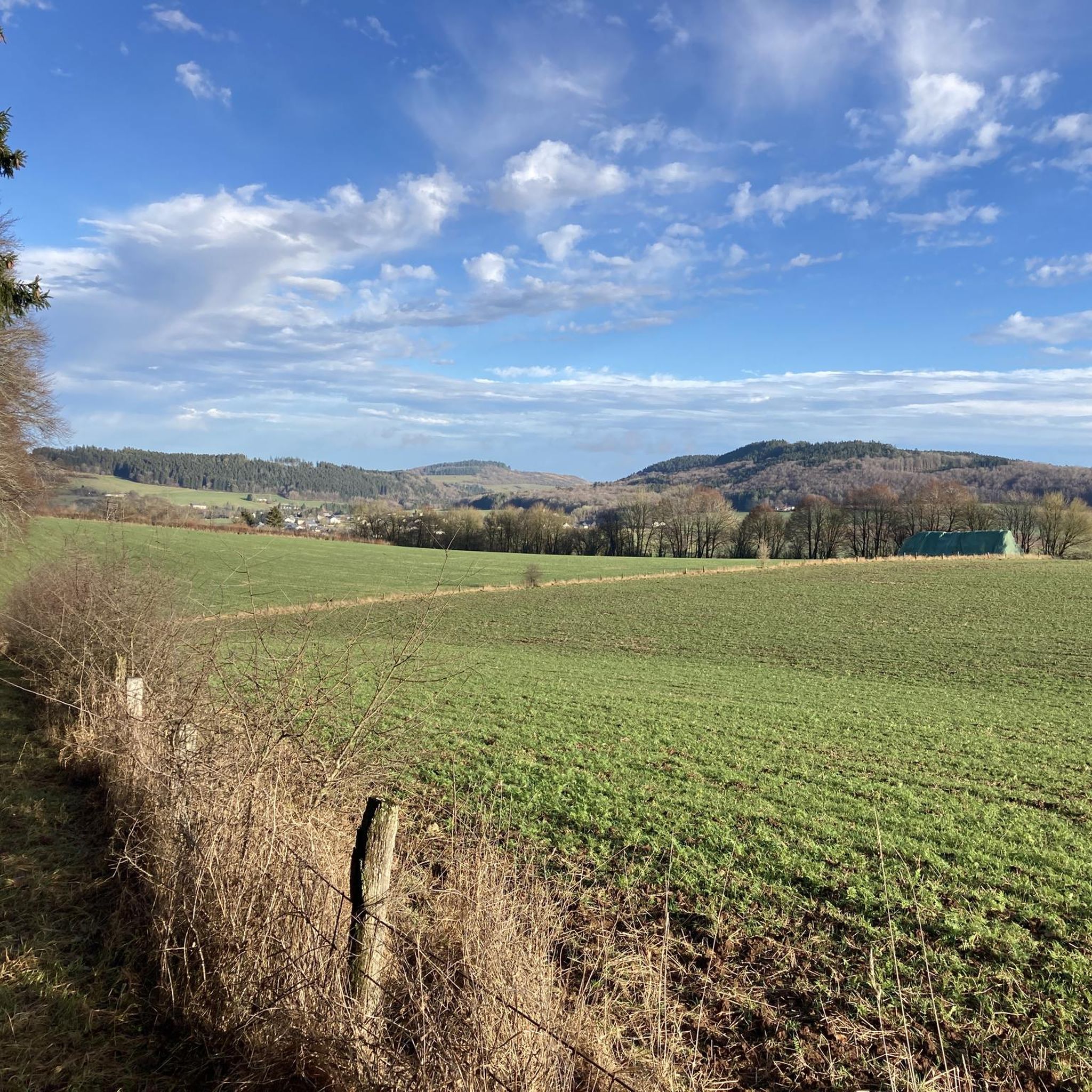
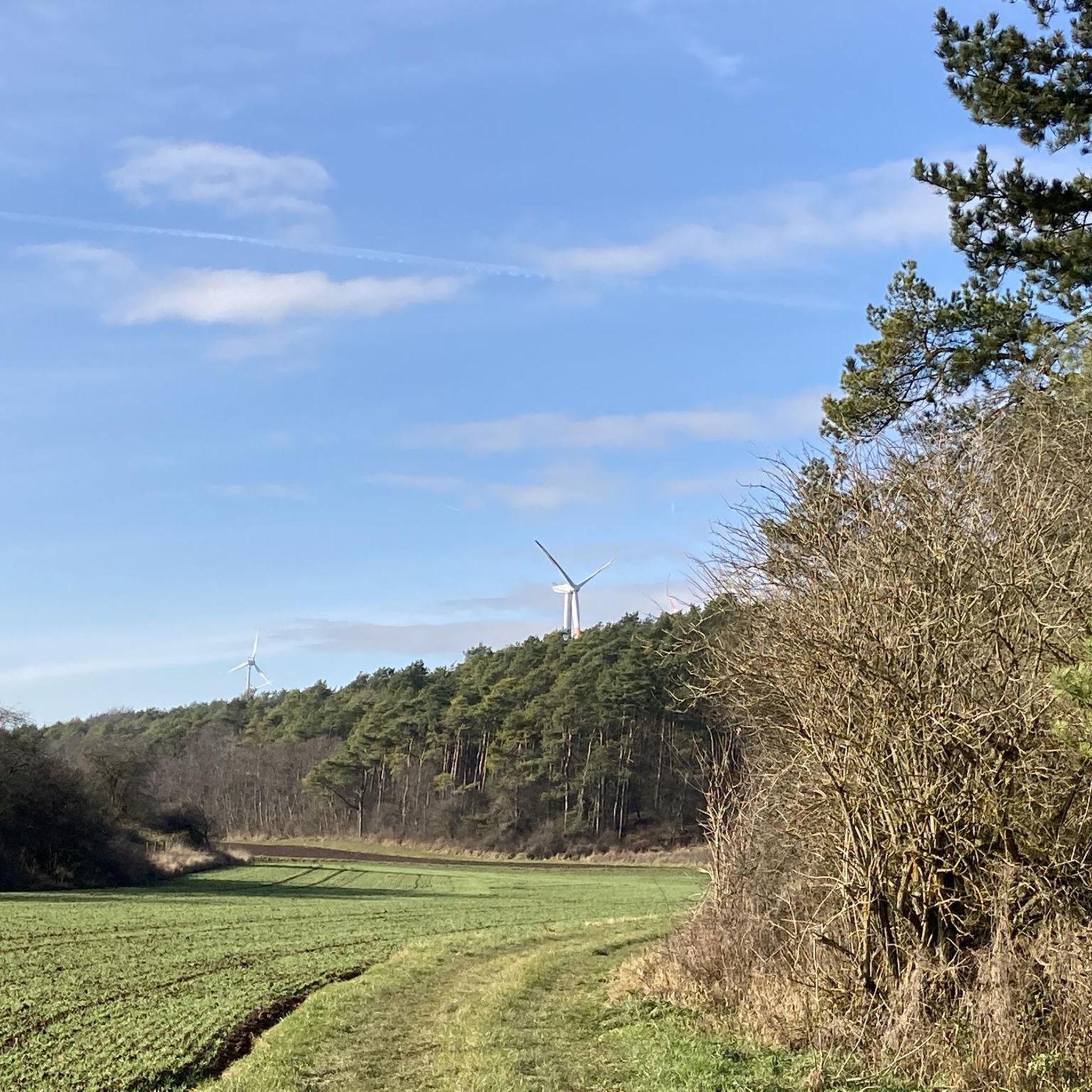
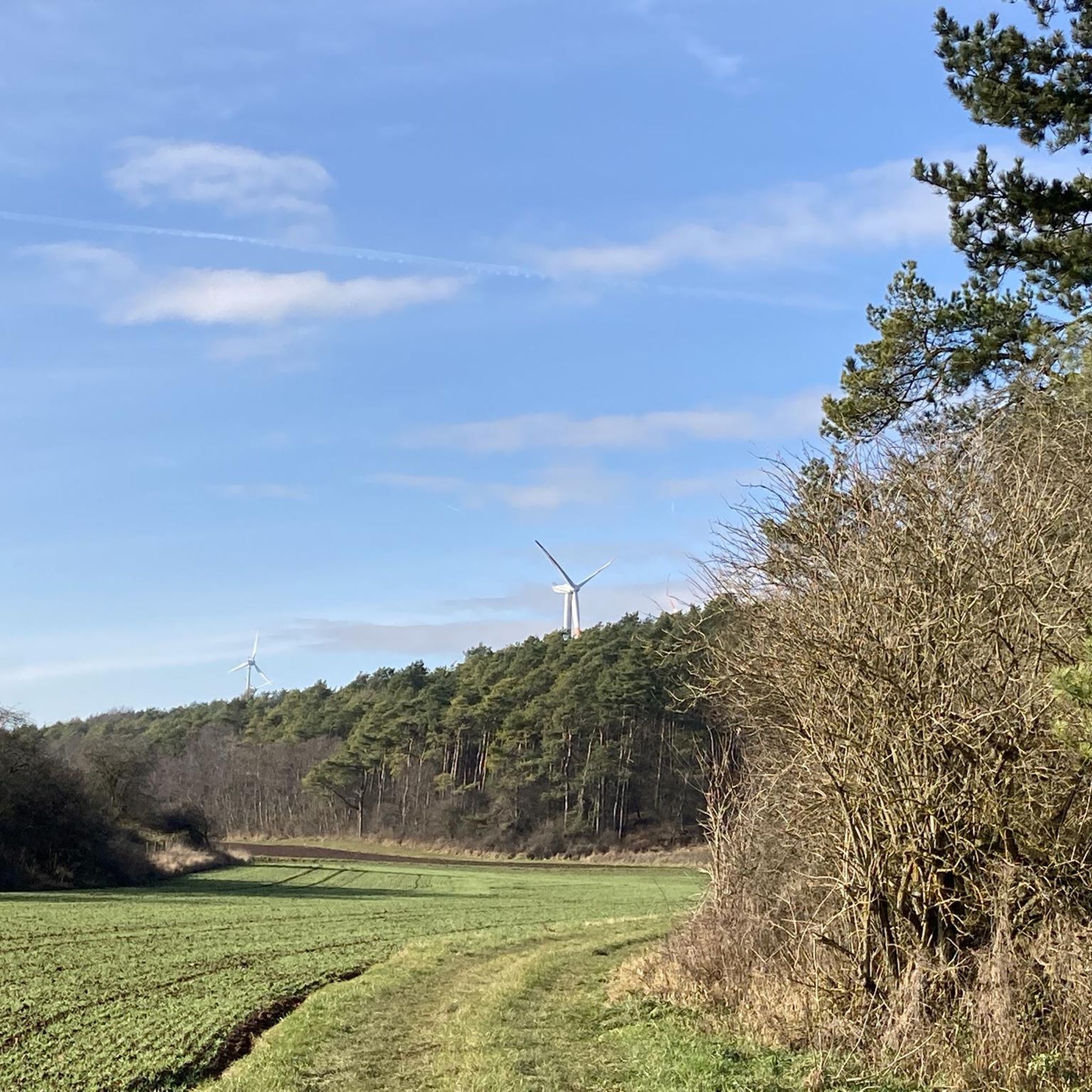

Tips from the Community

Romantic little town of Schönecken on the Nims river with Schönecken Castle above the town. Wide views with meadows and fields and forest with a slightly hilly surroundings.
0
0

The Schöneck Switzerland can also be explored very well by bike.
1
0
The Schönecker Schweiz is beautiful in every season and it's simply fun to hike there!
1
0

For this church in Weinsheim and its parish community, Saint Willibrord has been chosen as the patron saint. He was a very important missionary at the turn of the 7th to the 8th century, born and educated in England, he missionized the Frisians on papal and royal orders. Finally, he founded the monastery in Echternach, of which he became abbot, and where he is also buried (if interested, see => https://www.komoot.com/de-de/highlight/422067 ). The feast day of Saint Willibrord in the calendar of saints is on November 7th.
0
0
To us, such a mill pond, as it presents itself to the viewer here on site – at the Müllenborn hiking parking lot – may seem very ordinary, but in the fantasy world of, for example, Otfried Preußler (1923 to 2013), who became famous for the children's books he wrote, it looks completely different: It is also the habitat of a water sprite family, and his book, still popular today, "The Little Water Sprite" tells of the adventures that the young family members experience in the mill pond. The "Stiftung Lesen" (Reading Foundation) reviews: "The water sprite has invited twenty-seven relatives – and twenty-six have come. Twelve water sprites with their wives, a well sprite and the bridge maiden from the Sankt Nepomuk Bridge! And they have all accepted the invitation because they want to see the little water sprite, of whom the water sprite dad is so proud. And he can be – because the cheeky little rascal can swim as soon as he is born. And he learns everything else faster than his worried parents would like. Sometimes his friend, the thoughtful carp Cyprinus, can only wiggle his fins ... The 1956 children's book classic has already enchanted generations of readers, who, alongside the fantastic adventures of the little water sprite, can also pass on their own childhood memories when reading aloud to children from approx. 5 years of age." (Source: Stiftung Lesen)
2
0

The first parts of the new Gerolstein-Prüm cycle path. Like many, on the old railway embankment...
1
0

Lake Müllenborn – often called Müllenborner Weiher – is picturesquely located in the Müllenborn district north of Gerolstein and is a real insider tip for Komoot tours. The idyllic expanse of water, surrounded by cool forests, invites you to stroll, picnic, and enjoy mindful moments by the water. A beautiful, approximately 6km circular trail leads around the lake, past the historic millstone ruins and along the Oosbach stream – ideal for quiet explorations away from the hustle and bustle. Around Müllenborn, you'll learn firsthand about the region's volcanic history: Oversized basalt blocks from the former Rother Kopf dominate the forest landscape, and you'll repeatedly encounter springs, small bridges, and the remains of old mills – hence the name "Mühlenborn" (Millsborn). The village itself, with its chapel and baroque houses on the shore, provides a charming, historic setting for the lake. The lake is not open for swimming, but in summer, you'll often find locals cooling off or fishing here; provided you have a valid license. A visit to the Müllenborn Lake Festival in July is particularly atmospheric – with brass bands, a festival tent, and a convivial village atmosphere. Just a few hundred meters away is the comfortable Landhaus Müllenborn, a 4-star country hotel with a spa, sauna, and sauna terrace – perfect for relaxing after the circular hike. The Eifelsteig trail runs nearby, and cyclists can also find connections to regional routes such as the Eifel-Ardennes Cycle Route.
0
0
Lissingen Castle near Gerolstein is a fascinating Komoot highlight for cyclists and culture enthusiasts in the Volcanic Eifel region. Perched high above the Kyll River, the upper and lower castles tell a vibrant history, ranging from Roman origins and a medieval moated castle to today's successful restoration and use. Originally founded as a Roman settlement around the 2nd century, the first castle was built between the 10th and 13th centuries. It was first documented in 1212, as the property of the knightly family of Liezingen. The castle was more than just a fortified structure: moats fed by the Kyll and Oosbach rivers made it a true moated castle. In 1559, the property was divided into the lower and upper castles – a situation that continues to this day. In the 17th century, the Lower Castle received its current Baroque-Renaissance manor house and characteristic tithe barn. During the Napoleonic era, the right of lordship was lost, but later both parts of the castle were reunited. In the 19th and early 20th centuries, the complex served as an agricultural and dairy center, including its own small power plant from 1906. Today, after extensive restoration, the Lower Castle is a living open-air museum with a castle courtyard, mill (including the court bakery), manor house, barns, mill race, and a historic power plant. Visitors can book guided tours, sample bread baked in a stone oven, or attend events such as weddings and exhibitions. A sculpture trail in the castle meadows completes the experience. The Upper Castle, a private residential and cultural complex, is also privately owned. Guided tours and vacation rentals are available upon request. Lissingen Castle is an ideal stopover for cyclists on the Kyll Valley Cycle Path or Eifel tours: located directly on the trail, with parking nearby and refreshment options. Visitors not only enjoy the picturesque architecture, but also experience the transformation from Roman origins to monastic fiefdom and commercial agricultural operation to today's living cultural heritage. Practical information: The lower castle can be visited regularly almost year-round (please check opening hours and guided tours in advance), the upper castle only by appointment. Food and drink are available at the castle mill/court bakery – perfect for a rest stop while cycling through the Eifel.
0
0
Frequently Asked Questions
How many touring cycling routes are available around Büdesheim?
There are over 15 touring cycling routes around Büdesheim, offering a diverse range of experiences. These routes are highly rated by the komoot community, with an average score of 4.5 stars from over 980 reviews.
What kind of terrain can I expect on touring cycling routes in Büdesheim?
The touring cycling routes in Büdesheim traverse a landscape characterized by the Eifel's largest limestone basin, ancient Devonian rock layers, and limestone grasslands. You'll find varied terrain, including circular paths, forest and meadow paths, gravel roads, and field paths. The area offers options from easy, gentle rides to more challenging routes with moderate climbs.
Are there circular touring cycling routes in Büdesheim?
Yes, many of the touring cycling routes in Büdesheim are designed as loops, allowing you to start and finish in the same location. An example is the Büdesheim Chapel – Schönecken Castle loop from Büdesheim, a moderate 16.0-mile (25.8 km) trail.
Are there any easy touring cycling routes suitable for families or beginners?
Yes, there is at least one easy touring cycling route around Büdesheim. The The Fette Milch Cow Statue loop from Büdesheim is an easy 6.2-mile (9.9 km) route with minimal elevation gain, making it suitable for families or those new to touring cycling.
What natural features or landmarks can I see along the touring cycling routes?
The region is rich in geological formations, including the Eifel's largest limestone basin. You can also explore historical sites like Lissingen Castle, which is featured on routes like the Lissingen Castle – Müllenborn Pond loop from Büdesheim. Other highlights include various lakes such as Müllenborn Pond and Eichholzmaar.
Are there any castles to visit near the cycling routes?
Absolutely! The area around Büdesheim is home to several castles. You can cycle past or visit Lissingen Castle, which is a prominent feature on routes like the Müllenborn Pond – Lissingen Castle loop from Büdesheim. Other nearby castles include View of the Kasselburg and Bertradaburg.
What is the best time of year for touring cycling in Büdesheim?
The Eifel region, where Büdesheim is located, offers pleasant cycling conditions from spring through autumn. Spring brings blooming landscapes, while summer provides warm weather for longer rides. Autumn offers beautiful foliage, making it a scenic time to explore the varied terrain.
Are there any long-distance cycling paths accessible from Büdesheim?
Yes, the Eifel-Ardennes cycle path, which extends almost 60 kilometers along an old railway line, is accessible nearby. This path connects the Belgian Ardennes with the Eifel, offering additional options for longer touring cycling adventures.
What do other touring cyclists enjoy most about cycling in Büdesheim?
The area is highly rated by the komoot community, with an average score of 4.5 stars. Reviewers often praise the diverse Eifel landscape, the well-maintained paths, and the opportunity to explore both natural geological wonders and historical sites like castles and chapels.
Are there any routes that offer particularly scenic views?
Many routes offer scenic views as they traverse the varied Eifel landscape. For example, the Pure idyll – Bench loop from Büdesheim provides picturesque stretches through forests and meadows, characteristic of the region's natural beauty.
Most popular routes around Büdesheim
Most popular attractions around Büdesheim

Get inspired with the komoot mobile app


Explore more
Browse the best Cycling routes in other regions.
