The best road cycling routes around Cartes
4.6
(97)
6,815
riders
134
rides
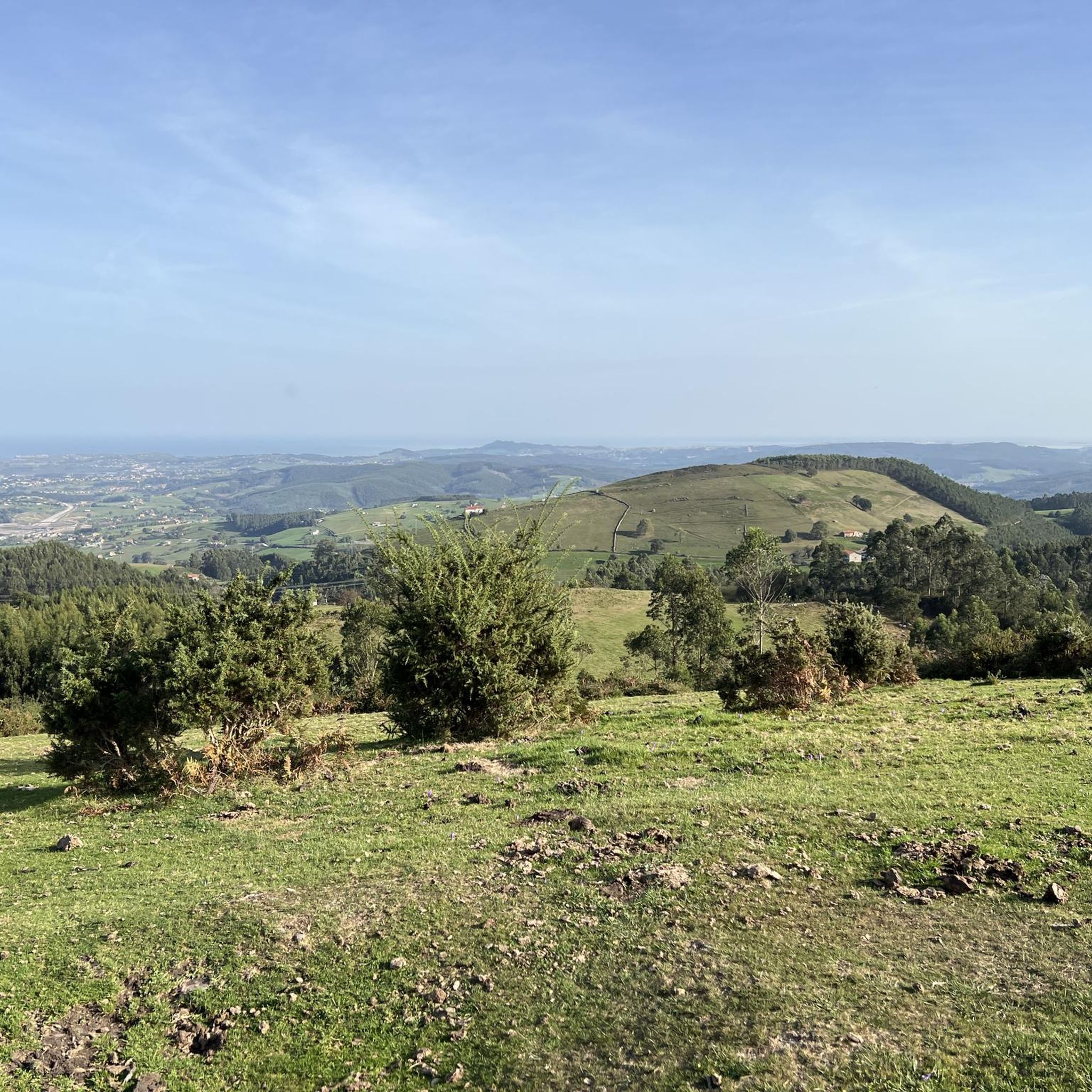
Road cycling routes around Cartes navigate a diverse landscape characterized by a mix of coastal sections, river valleys, and inland hilly terrain. The region features varied elevations, including climbs like Alto de La Montaña and Collada de Carmona, offering challenges for road cyclists. Routes often traverse through areas with views of marshlands and connect towns with historical significance. This area provides a range of road cycling experiences, from flatter sections near the coast to more demanding ascents inland.
Best road…
Last updated: July 8, 2026
5.0
(3)
131
riders
Moderate road ride. Good fitness required. Some segments of this route may be unpaved and difficult to ride.
4.7
(3)
66
riders
28.3km
01:23
220m
220m
Easy road ride. Great for any fitness level. Mostly well-paved surfaces and easy to ride.

Sign up for free
5.0
(1)
115
riders
67.0km
03:16
800m
800m
Moderate road ride. Good fitness required. Mostly well-paved surfaces and easy to ride.
77
riders
82.2km
03:59
790m
790m
Moderate road ride. Good fitness required. Mostly well-paved surfaces and easy to ride.
31
riders
85.1km
04:00
950m
950m
Hard road ride. Very good fitness required. Mostly well-paved surfaces and easy to ride.
Get access to more routes and recommendations from other explorers.
Sign up for free
Already have an account?
Our route recommendations are based on thousands of hikes, rides, and runs completed by other people on komoot.
Start today with a free account
Your next adventure awaits.
Login or Signup
Tips from the Community


Quiet place, interesting views.
0
0

The San Andrés Bridge is in Somahoz (Los Corrales de Buelna) over the Besaya River, which gives access to the San Andrés neighbourhood. It is divided into a narrow lane for vehicles and a pedestrian crossing, and from it we see a railway bridge that we have to go under to enter the neighbourhood. And that railway bridge (or overpass) that we crossed is part of the historic "Ferro-carril de Isabel II" (Isabel II Railway) that began to be built in the mid-19th century with the project of joining the towns of Alar del Rey with Santander and whose section from Bárcena de Pie de Concha to the Cantabrian capital must have been finished in 1858.
0
0
The Casa Palacio that the Ceballos had in Barros is today owned by Mr. Herrero and Mr. Martínez de Azcoitia. It is a beautiful mountain architectural complex with a portal between cylindrical cubes, a typical mansion and a chapel. It was restored a few years ago by the current owners who have managed to give its interior a stately and period atmosphere. It dates back to the beginning of the 18th century.
1
0
The Sanctuary of Las Caldas del Besaya is a fantastic Baroque monastery dating from the 17th - 18th century and located in the Corrales de Buelna, very close to the rural centre and on high ground, next to the motorway towards the Meseta. Inside, it contains an important group of Baroque altarpieces, highlighting the Main one, with an image of the patron saint, Our Lady of Las Caldas, from the 16th century. The side altarpieces are from the 17th century, in the Churrigueresque and decorative Baroque style. The cloister has a square plan and preserves several canvases from the end of the 18th century, dedicated to the founder of the order, with scenes from his own life.
0
0
Giant Barros Stele: Located in the town of Barros, municipality of Los Corrales de Buelna, Cantabria. The Cantabrian Steles found next to the hermitage of the Virgen de la Rueda, in the town of Barros, and the two found in the Lombera neighbourhood, are displayed in a permanent exhibition next to the aforementioned hermitage in what is known as the Parque de las Estelas de Cantabria. These are circular pieces that preserve the base pier, 0.80 metres wide, for vertical placement. The largest one (Barros II), between 2.15 and 2.46 metres in diameter and weighing 3,000 kilos, was found in fragments in 1977 between the walls of the chapel of Nuestra Señora de la Rueda de Barros and was rebuilt in 1999. The Cantabrian stele known as Barros I, also called the Wheel of Santa Catalina or the Wheel of the Virgin, is smaller in size, but its dimensions are still spectacular: 1.75 metres in diameter and 32 centimetres thick. Made of sandstone, easy to work, like the previous one, it has a geometric decoration. Although interpreted by some as religious or funerary testimonies, the steles displayed in the Parque de las Estelas de Cantabria continue to offer researchers numerous questions about their functionality and chronology. There is a possibility that they may belong to the Roman period or even later. They were declared a Site of Cultural Interest in 1985 and since then their image has been part of the coat of arms of Cantabria. Information from: https://www.cantabriarural.com/lugares-de-interes/parque-de-las-estelas-de-cantabria.html
0
0

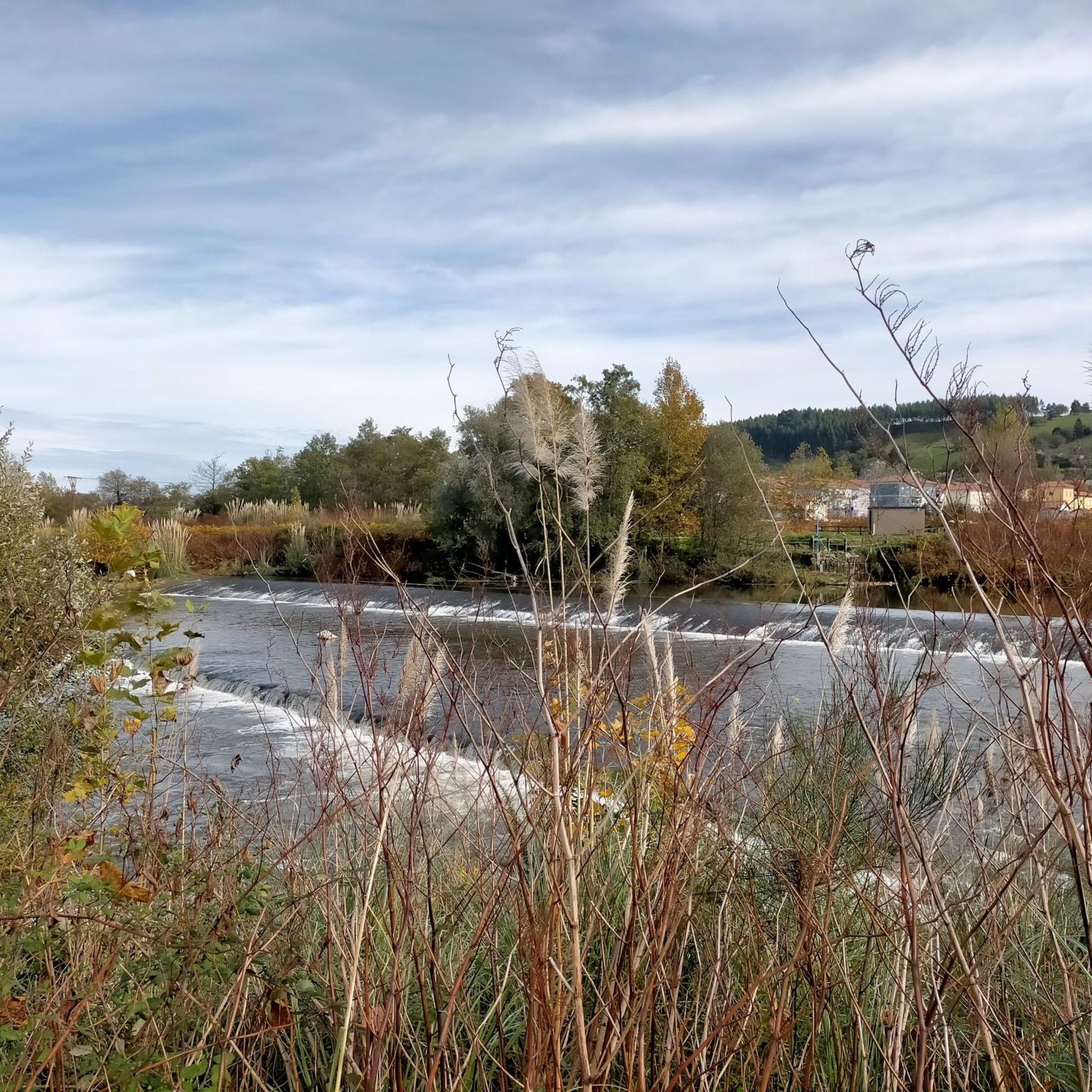
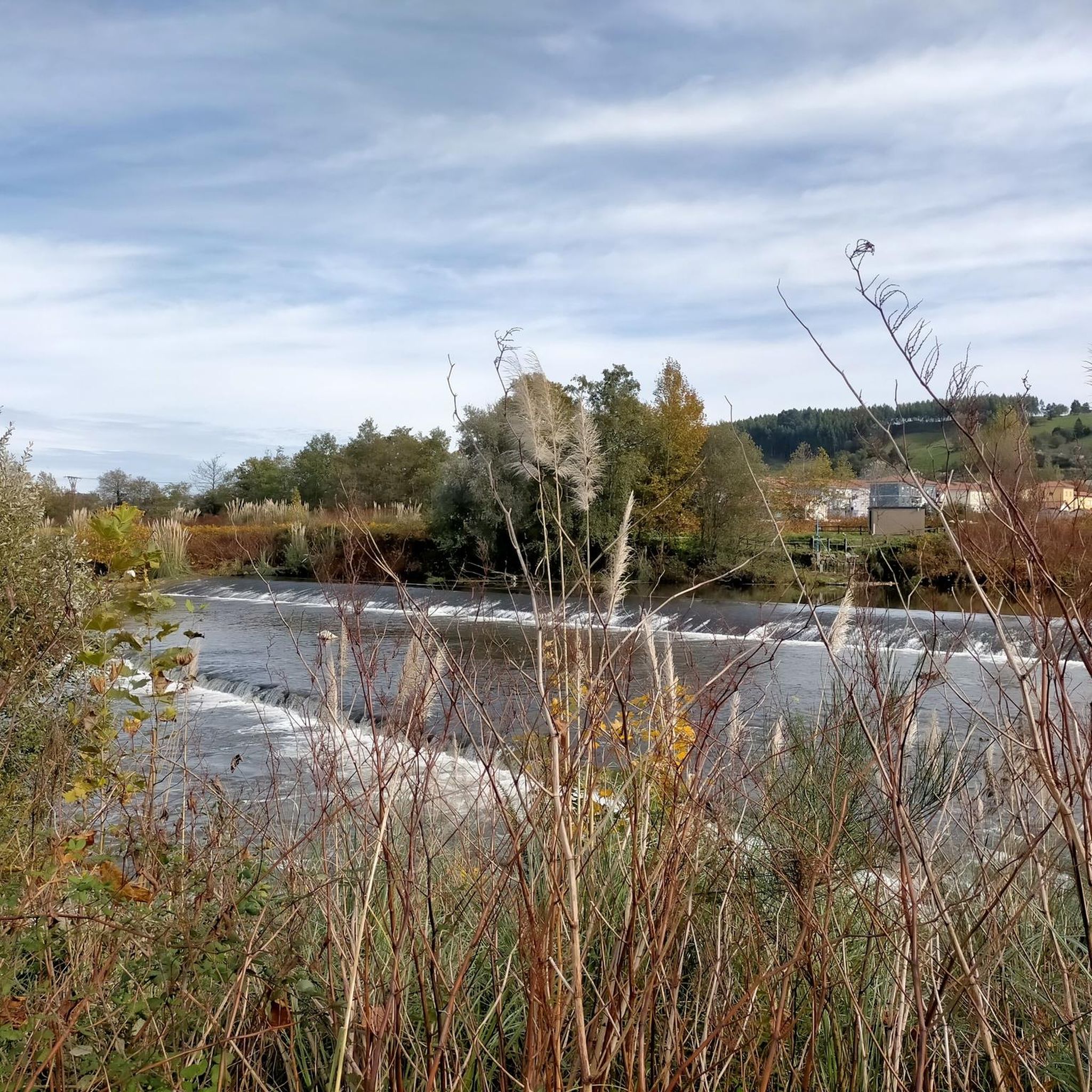
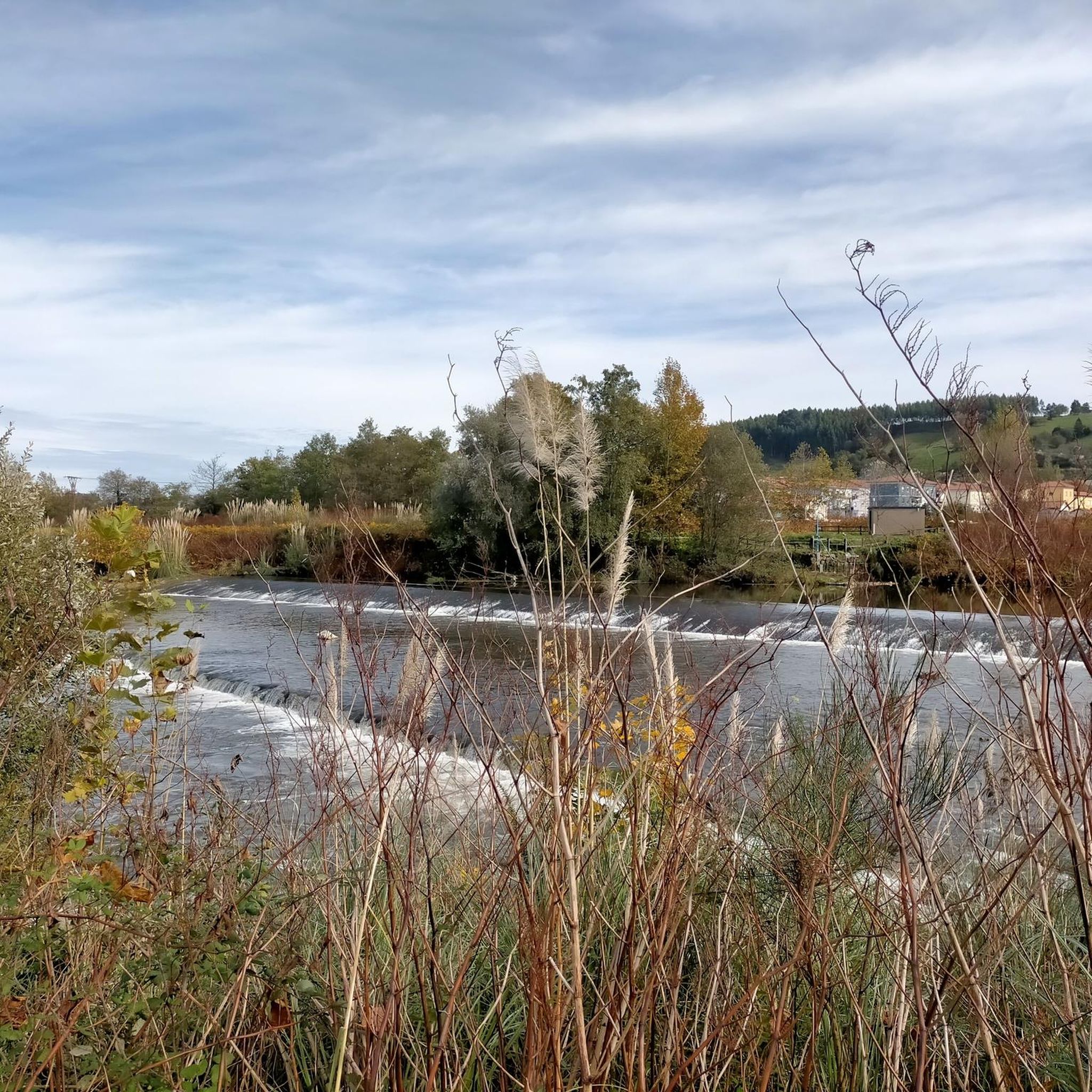
At the beginning of the San Andrés neighbourhood, in Somahoz, the views upstream from the Besaya are beautiful. This is the starting point for several routes.
1
0
The spa is located in Las Caldas de Besaya, which belongs to Los Corrales de Buelna, and this name is thanks to the spring of thermal waters that flows nearby, already known since Roman times (warm waters). On November 15, 1753, the old "Wool Road" or "Flour Road" that ran through this point and along the Besaya, achieved the rank of "Royal Road", notably improving the transport conditions of Castilian products destined for our coastal ports, for export overseas. The building is located next to the train stop across the old donkey-back bridge. Years later, the main road passed by, and all of this contributed to facilitating the communications of the Spa, although currently they are all out of use, but this has not caused the number of travelers to decrease and they remain very popular. The spa was built in the mid-19th century next to the hotel, the inn, and the casino, which was formerly an annex building. Today it is restored, being considered the oldest in the region and continues to receive those who wish to benefit from its mineral-medicinal waters.
3
1
Frequently Asked Questions
How many road cycling routes are available around Cartes?
There are over 120 road cycling routes around Cartes, offering a wide range of options for different skill levels and preferences. You'll find everything from easier rides to challenging climbs.
Are there easy road cycling routes suitable for beginners in Cartes?
Yes, Cartes offers a good selection of routes suitable for beginners. There are 14 easy road cycling routes, often featuring flatter sections, particularly near coastal areas or river valleys. These provide a great way to enjoy the scenery without significant climbs.
What kind of challenging road cycling routes can I find in Cartes?
For experienced road cyclists seeking a challenge, Cartes provides 37 difficult routes with significant elevation gains. These routes often include climbs like Alto de La Montaña and Collada de Carmona. An example is the Tanos, Santiurde de Toranzo, Puente Viesgo, Alto de La Montaña – circular route, which features substantial climbing.
Are there circular road cycling routes around Cartes?
Many of the road cycling routes around Cartes are designed as circular loops, allowing you to start and finish in the same location. For instance, the Collada de Carmona – Stone Fountain loop from Torrelavega-Centro is a popular moderate circular option.
What are the best seasons for road biking in Cartes?
The spring and autumn months generally offer the most pleasant conditions for road cycling in Cartes, with milder temperatures and less rainfall. Summer can also be excellent, especially for coastal routes, though inland areas might be warmer. Winter riding is possible, but be prepared for cooler temperatures and potentially more variable weather, especially in the hilly sections.
What scenic viewpoints or attractions can I see along the road cycling routes?
Road cycling routes in Cartes often pass through diverse landscapes, offering views of marshlands, river valleys, and coastal areas. You might encounter historical towns or natural landmarks. For specific scenic spots, consider routes that pass near highlights such as Alto de La Montaña or offer views of the Zapedo marsh, as seen on the Section between sea and mountains – Views of the Zapedo marsh loop from Torrelavega.
Are there any interesting landmarks or natural features to explore near the routes?
Yes, the region around Cartes is rich in natural and historical sites. You can find several mountain peaks, such as the Summit of Pico La Capía (Pico Dobra) or Monte Cueto. Additionally, the area is known for its caves, including the significant National Museum and Research Center of Altamira, which is a short distance from some routes.
What do other road cyclists say about the routes in Cartes?
The road cycling routes in Cartes are highly regarded by the komoot community, holding an impressive average rating of 4.8 stars from over 70 reviews. Cyclists often praise the diverse terrain, from coastal paths to challenging inland climbs, and the well-maintained routes that connect charming towns.
Are there routes that pass through towns or offer opportunities for coffee stops?
Many routes around Cartes connect various towns and villages, providing ample opportunities for breaks and refreshments. For example, the Puente de Arce – Paraíso del Pas loop from Torrelavega-Centro passes through several localities where you can find cafes and amenities.
How can I find less crowded road cycling routes in Cartes?
To find less crowded routes, consider exploring some of the 69 moderate or 37 difficult routes that might be less frequented than the most popular ones. Early mornings or weekdays are also good times to enjoy a quieter ride. You can also filter routes on komoot by popularity to discover hidden gems.
Is parking generally available near the starting points of road cycling routes in Cartes?
Yes, many road cycling routes in Cartes start from towns like Torrelavega or other local centers where public parking is typically available. It's advisable to check specific route descriptions on komoot for details on recommended parking areas near the trailhead or starting point.
Most popular attractions around Cartes

Get inspired with the komoot mobile app


Explore more
Browse the best Road cycling routes in other regions.
