The best cycling routes around Budenheim
4.5
(14493)
81,156
riders
17
rides
Touring cycling routes around Budenheim are situated on the western bank of the Rhine River, offering diverse terrain for cyclists. The region features extensive floodplains, picturesque vineyards, and proximity to the Lenneberg Forest. Cycling paths often follow the Rhine, providing flat sections, while vineyard routes introduce gentle ascents and descents.
Best touring cycling routes around Budenheim
- The most popular touring cycling route is Caponniere at Feldbergplatz – Mainz Customs Harbor loop from Budenheim, an easy 12.1 miles (19.4 km)…
Last updated: June 24, 2026
4.5
(39)
319
riders
19.4km
01:11
50m
50m
Easy bike ride. Great for any fitness level. Mostly paved surfaces. Suitable for all skill levels.
4.2
(32)
274
riders
25.1km
01:31
70m
70m
Easy bike ride. Great for any fitness level. Mostly paved surfaces. Suitable for all skill levels.

Sign up for free
4.9
(33)
83
riders
Easy bike ride. Great for any fitness level. Mostly paved surfaces. Suitable for all skill levels.
4.5
(4)
40
riders
20.1km
01:18
70m
70m
Easy bike ride. Great for any fitness level. Mostly paved surfaces. Suitable for all skill levels.
4.5
(6)
32
riders
30.1km
01:53
140m
140m
Easy bike ride. Great for any fitness level. Mostly paved surfaces. Suitable for all skill levels.
Get access to more routes and recommendations from other explorers.
Sign up for free
Already have an account?
Our route recommendations are based on thousands of hikes, rides, and runs completed by other people on komoot.
Start today with a free account
Your next adventure awaits.
Login or Signup
Tips from the Community

Historical Age: The bridge was built around 1877 (twelve years after the harbor opened) and is today considered one of the oldest still preserved swing bridges in all of Germany. For this reason, the steel truss construction is an important cultural monument under strict heritage protection. Technical Dimensions & Function: The structure has a length of 37.50 meters, a width of 4.50 meters, and weighs around 54 tons. The original mechanical rotation mechanism ensured for decades that the bridge could be swung to the side at any water level to allow larger ships to pass into the harbor basin. Modernization: After the historical rotation mechanism was irreparably damaged and jammed in 1996, the bridge was fundamentally reconstructed in 2009. The historical appearance of the top chords was preserved, while the outdated mechanics were replaced by a state-of-the-art hydraulic rotation system. Location & Significance: It connects the Stresemann-Ufer (Old Town side near the Hyatt Hotel) directly with the Victor-Hugo-Ufer on the upstream mole. Today, it serves exclusively as an important, highly frequented connection for pedestrians and cyclists and is an integral part of recreational routes such as the popular Mainzer Drei-Brücken-Weg.
7
0
The fortified structure, built in 1887, was the exact counterpart to the now-vanished caponier at Fischtorplatz and is described in the monument inventory as follows: "It was connected to the Rhine riverbank wall by crenellated wall sections on the sides, which allowed passageways for pedestrians and vehicular traffic. The caponier presents itself as a defensively enclosed structure on an almost square ground plan, its massive masonry facing the Rhine only interrupted by small loopholes. Equipped with a crenellated stair tower and a heavy parapet, the structure, despite its comparatively small dimensions, makes a defiant impression and is reminiscent of medieval castles."
0
0

Eltville is less well-known than Rüdesheim, but considerably more beautiful; its streets exude pure Rheingau romance. By the way: Gutenberg, the inventor of printing, once lived here.
5
1

The seat of the Rhineland-Palatinate State Parliament in Mainz is the Deutschhaus, a historic building steeped in an unusually rich history as a place of democratic traditions. The palace was originally built between 1729 and 1740 as the residence of the Grand Master of the Teutonic Order. Just a few decades later, the building gained historical significance for the German democratic movement: In 1793, the Mainz Republic, the first democratic experiment on German soil, was proclaimed from the balcony of the Deutschhaus. In the following centuries, the building served a variety of purposes, including as Napoleon's residence, as a palace for the Grand Duchy of Hesse, and as the venue for the First German Industrial Exhibition in 1842. The building was destroyed down to its outer walls during World War II, particularly during the major bombing raid on Mainz in February 1945. Following the state parliament's decision in 1950 to relocate from Koblenz to Mainz, the Deutschhaus was quickly rebuilt and has served as the parliament building of the state of Rhineland-Palatinate since May 18, 1951, the beginning of the second legislative period. Most recently, the Deutschhaus underwent extensive renovation and modernization between 2015 and 2021. The historic exterior facade was reconstructed and the interior, particularly the plenary hall, was redesigned to meet the demands of modern parliamentary operations while preserving the building's historical dignity. Today, the Deutschhaus is located on the Platz der Mainzer Republik (Place of the Mainz Republic), a name that, since 2013, on the occasion of the 220th anniversary of the Mainz Republic, has commemorated the site's deep roots in German democratic history. The Deutschhaus is complemented by the nearby House of Representatives, which houses offices and meeting rooms for the members of parliament and parliamentary groups.
0
1
The seat of the Rhineland-Palatinate State Parliament in Mainz is the Deutschhaus, a historic building steeped in an unusually rich history as a place of democratic traditions. The palace was originally built between 1729 and 1740 as the residence of the Grand Master of the Teutonic Order. Just a few decades later, the building gained historical significance for the German democratic movement: In 1793, the Mainz Republic, the first democratic experiment on German soil, was proclaimed from the balcony of the Deutschhaus. In the following centuries, the building served a variety of purposes, including as Napoleon's residence, as a palace for the Grand Duchy of Hesse, and as the venue for the First German Industrial Exhibition in 1842. The building was destroyed down to its outer walls during World War II, particularly during the major bombing raid on Mainz in February 1945. Following the state parliament's decision in 1950 to relocate from Koblenz to Mainz, the Deutschhaus was quickly rebuilt and has served as the parliament building of the state of Rhineland-Palatinate since May 18, 1951, the beginning of the second legislative period. Most recently, the Deutschhaus underwent extensive renovation and modernization between 2015 and 2021. The historic exterior facade was reconstructed and the interior, particularly the plenary hall, was redesigned to meet the demands of modern parliamentary operations while preserving the building's historical dignity. Today, the Deutschhaus is located on the Platz der Mainzer Republik (Place of the Mainz Republic), a name that, since 2013, on the occasion of the 220th anniversary of the Mainz Republic, has commemorated the site's deep roots in German democratic history. The Deutschhaus is complemented by the nearby House of Representatives, which houses offices and meeting rooms for the members of parliament and parliamentary groups.
0
0

The Caponniere fortress was built between 1843 and 1887 and was part of the Prussian fortress in Mainz
1
0

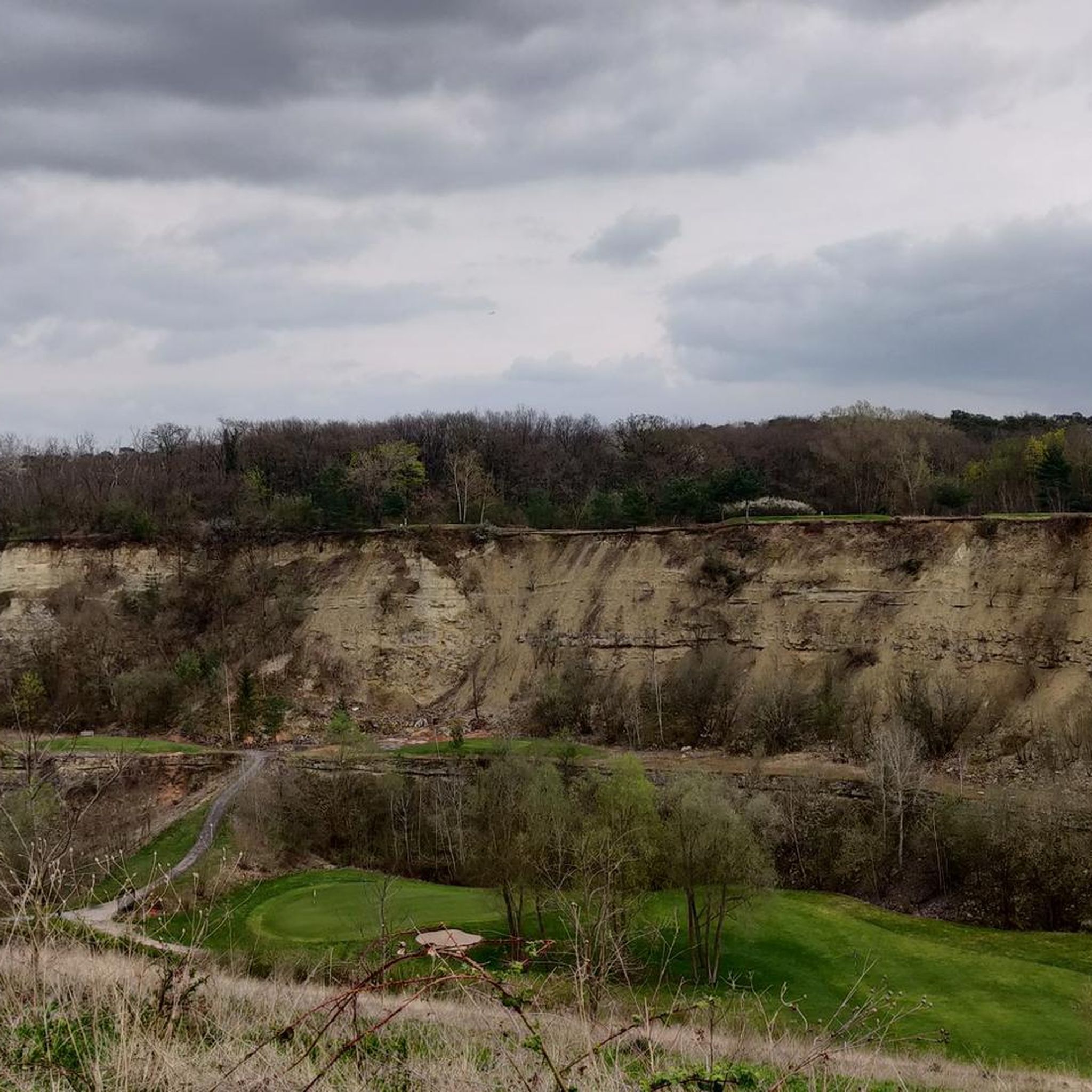
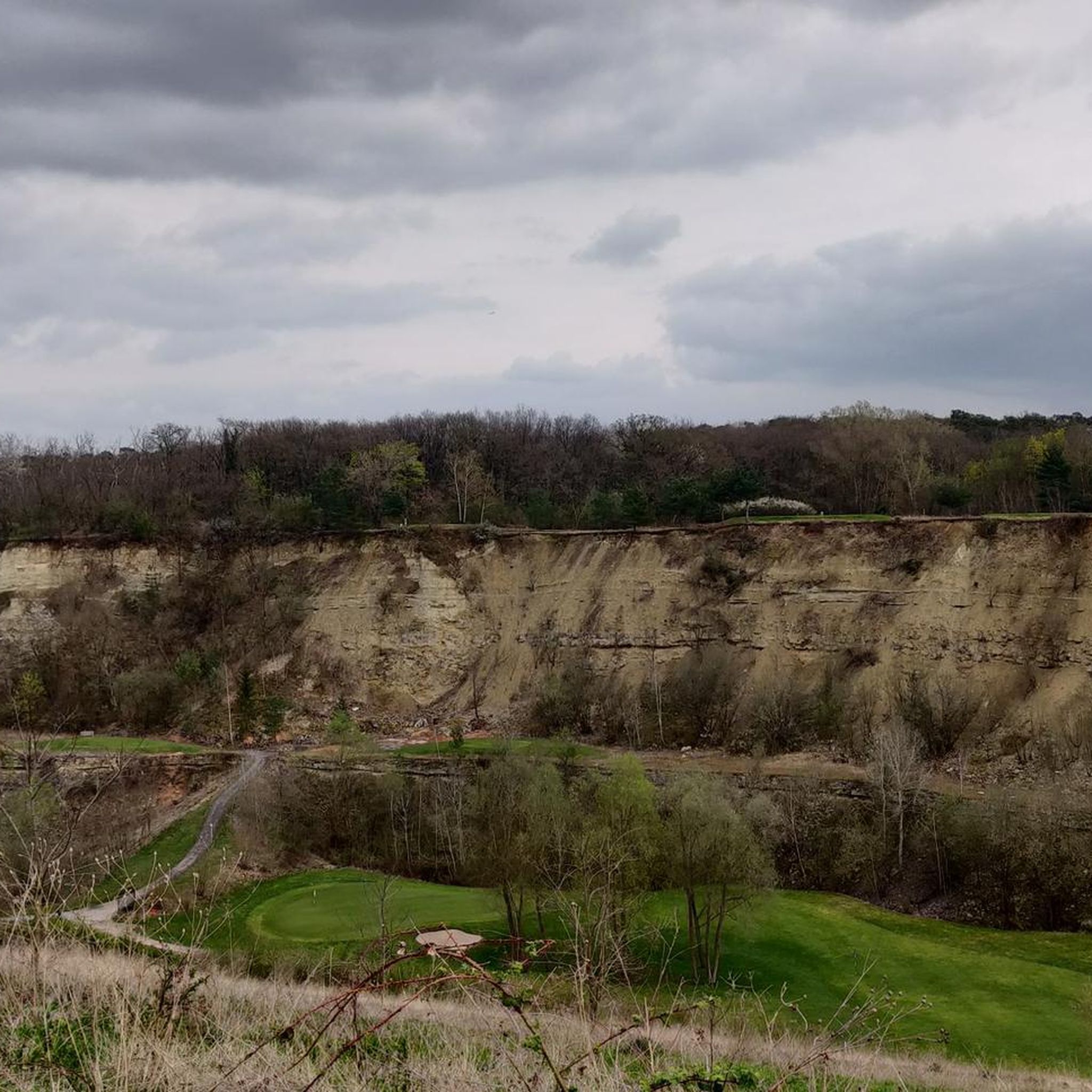
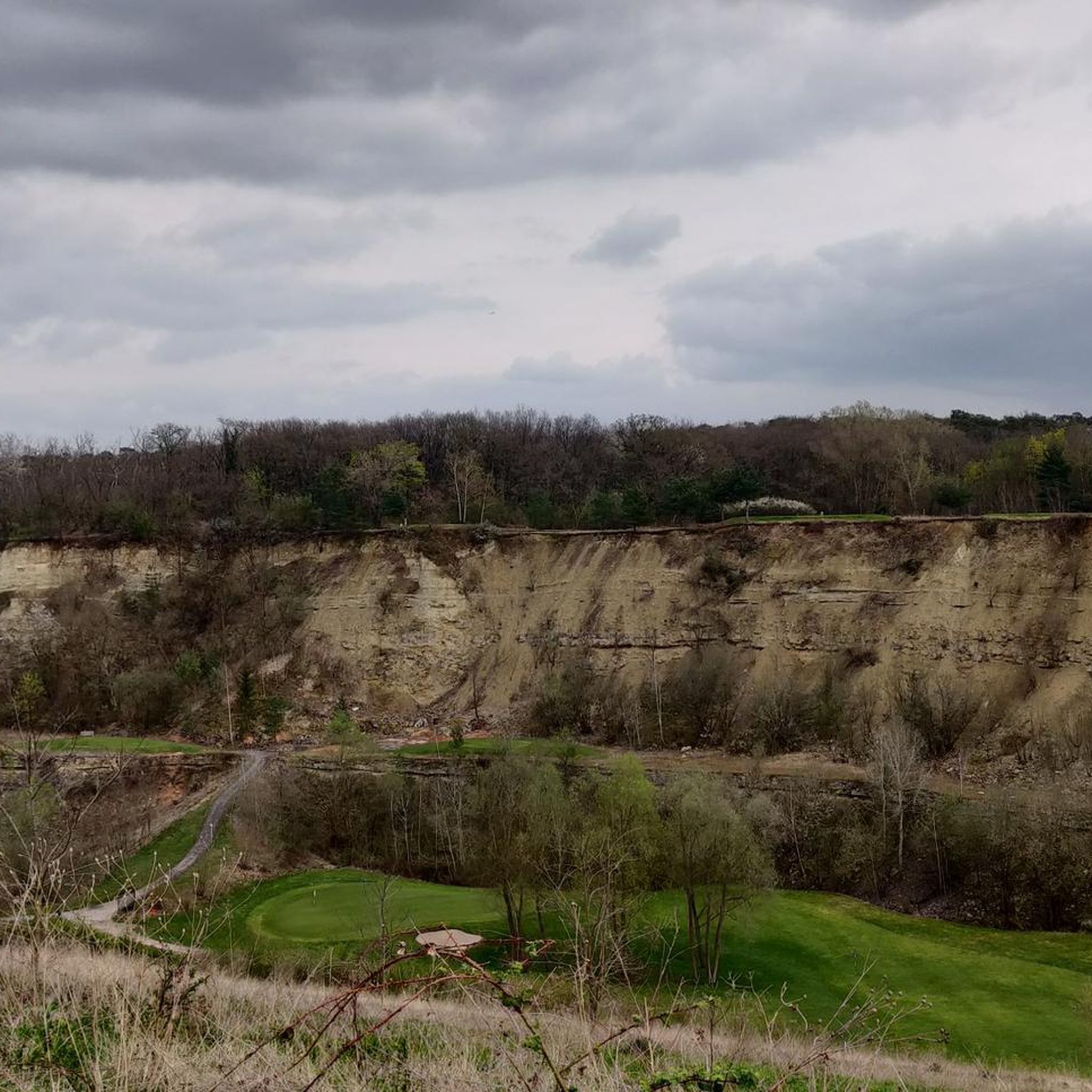
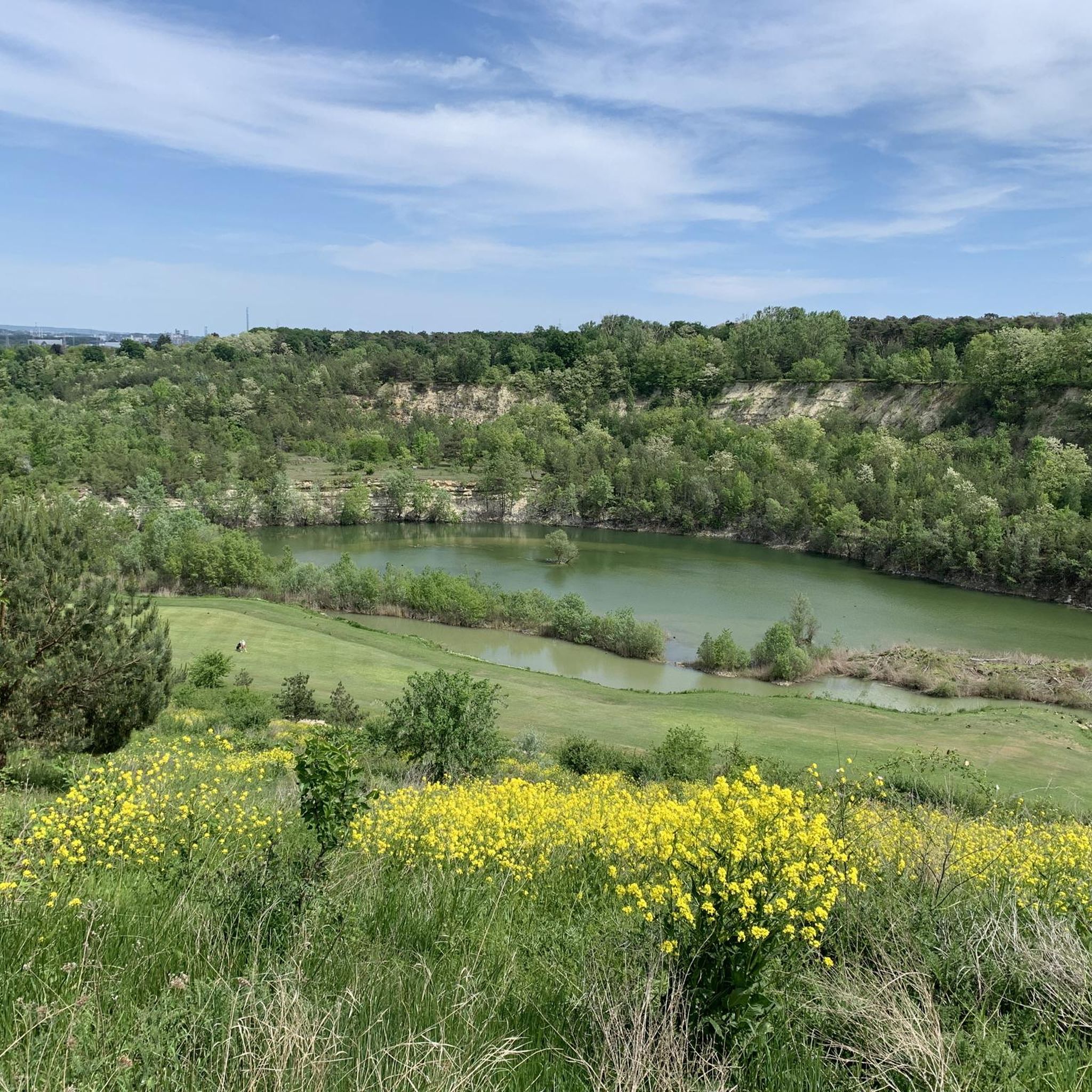
The nature reserve at the pond near Wiesbaden, located near Walluf in the Rheingau-Taunus district, is a true gem for anyone seeking peace and nature. It offers an idyllic landscape with bodies of water, meadows, and woodland – perfect for birdwatching and relaxing walks or bike rides.
1
2

Frequently Asked Questions
How many touring cycling routes are available around Budenheim?
There are nearly 20 touring cycling routes around Budenheim, with 15 of them rated as easy. This variety ensures options for different skill levels, from leisurely rides along the Rhine to more moderate excursions through vineyards.
What is the best time of year to go touring cycling in Budenheim?
The ideal time for touring cycling in Budenheim is from May to September, when the weather is generally mild and sunny. Autumn is also highly recommended, especially for experiencing the grape harvest in the surrounding vineyards.
Are there easy touring cycling routes suitable for beginners or families?
Yes, Budenheim offers many easy touring cycling routes perfect for beginners and families. A great option is the Dammweg Budenheim–Heidenfahrt – Sakura on the Rhine, Heidenfahrt loop from Budenheim, an 8-mile (12.8 km) path that follows the Dike Path along the Rhine floodplains, offering a flat and scenic ride.
Are there any circular touring cycling routes in Budenheim?
Many of the touring cycling routes around Budenheim are designed as loops, allowing you to start and end in the same location. For example, the Caponniere at Feldbergplatz – Mainz Customs Harbor loop from Budenheim is an easy 12.1-mile (19.4 km) circular route offering views of the Rhine and urban areas.
What kind of landscapes can I expect to see on touring cycling routes in Budenheim?
Touring cycling routes in Budenheim showcase diverse landscapes. You'll find scenic paths along the Rhine River and its floodplains, picturesque trails through vineyards with gentle ascents, and routes that venture into parts of the Lenneberg Forest, offering varied natural beauty.
What are some interesting landmarks or attractions I can see along the routes?
Along the touring cycling routes, you can explore several notable attractions. Consider visiting the Main estuary, where the Main and Rhine rivers meet, or the historic Eberbach Abbey, one of Germany's largest wineries. The Schierstein Harbour also offers picturesque views and dining options.
Are there routes with good viewpoints in the Budenheim area?
Yes, many routes, especially those through the vineyards and along the Rhine, offer excellent viewpoints. The elevated vineyard paths provide breathtaking panoramas of the Rhine valley, while the riverside paths offer continuous scenic views of the river and its surroundings.
What do other touring cyclists enjoy most about cycling in Budenheim?
The touring cycling routes in Budenheim are highly rated by the komoot community, with an average score of 4.0 stars from over 140 reviews. Cyclists often praise the well-maintained paths along the Rhine, the charming vineyard scenery, and the overall accessibility of the routes for various fitness levels.
Are there any less crowded touring cycling routes in Budenheim?
While popular routes like those along the Rhine Cycle Route can see more traffic, exploring paths through the Lenneberg Forest or some of the smaller vineyard trails might offer a quieter experience. The region's extensive network allows for finding less frequented sections, especially during off-peak hours or weekdays.
Can I access touring cycling routes in Budenheim using public transport?
Budenheim is well-connected, and public transport can be used to access various starting points for touring cycling routes. The town's location on the western bank of the Rhine makes it accessible, and many regional trains and buses accommodate bicycles, especially outside of peak commuting times.
Are there touring cycling routes that pass by lakes or natural water features?
Yes, some routes will bring you close to natural water features. While Budenheim is primarily known for the Rhine, you can find highlights like the Seven ponds of the Lenneberg Forest or the Dambachweiher, which are accessible via cycling paths and offer serene natural settings.
Are there any touring cycling routes that include historical sites?
Absolutely. The region is rich in history. Beyond Eberbach Abbey, routes often pass through charming towns with historical centers, such as Budenheim itself with its half-timbered houses, or nearby Mainz with its cathedral. The Schierstein Harbour – View of Schierstein Harbour loop from Budenheim, for instance, takes you past a significant historical port.
Most popular routes around Budenheim
Most popular attractions around Budenheim

Get inspired with the komoot mobile app


Explore more
Browse the best Cycling routes in other regions.
