The best road cycling routes around Losacino
5.0
(1)
122
riders
22
rides
Road cycling routes around Losacino traverse the rural landscapes of Zamora province, characterized by open skies and verdant expanses. The region features undulating terrain, with routes often following the Esla and Aliste rivers and skirting the Ricobayo Reservoir. These quiet roads provide an ideal setting for exploring the natural beauty and tranquil atmosphere of this part of Castilla y León.
Best road cycling routes around Losacino
- The most popular road cycling route is Ricobayo Reservoir Loop, a 41.8 miles…
Last updated: July 2, 2026
2
riders
67.3km
03:15
790m
790m
This moderate 41.8-mile road cycling route around Embalse de Ricobayo offers scenic views of the dam and reservoir, taking about 3 hours and
73.0km
03:36
960m
960m
This difficult 45.3-mile route near Vegalatrave follows the Río Aliste through villages and historical sites, best suited for mountain bikin

Sign up for free
41
riders
93.0km
04:12
920m
920m
Hard road ride. Very good fitness required. Mostly well-paved surfaces and easy to ride.
10
riders
97.1km
04:37
1,310m
1,310m
Hard road ride. Very good fitness required. Some segments of this route may be unpaved and difficult to ride.
7
riders
92.0km
04:27
1,250m
1,250m
Hard road ride. Very good fitness required. Some segments of this route may be unpaved and difficult to ride.
Get access to more routes and recommendations from other explorers.
Sign up for free
Already have an account?
Our route recommendations are based on thousands of hikes, rides, and runs completed by other people on komoot.
Start today with a free account
Your next adventure awaits.
Login or Signup
Popular around Losacino
Tips from the Community

Tábara is a Spanish municipality of about 830-950 inhabitants located in the province of Zamora, within the autonomous community of Castile and León. This small village stands at an altitude of 749 meters and is the capital of the Tierra de Tábara comarca. It represents a center of great historical-cultural importance, as well as being a fundamental stop for pilgrims traveling the Camino Sanabrésl
1
0

It's located in the heart of the Arribes del Duero Natural Park, an area of great scenic beauty and biodiversity. Things to do nearby: Viewpoints: The viewpoint at the bridge itself and others nearby, such as the one in Villadepera. Hiking trails: Paths through the Arribes, ideal for photography and birdwatching. Charming villages: Villadepera, Pino del Oro, and other towns in the area. From the bridge, you can admire the granite cliffs of the Duero River and the deep riverbed that marks the natural border with Portugal.
2
0
The Requejo Bridge, also known as the Pino Bridge, is a jewel of historical engineering located in Villadepera (Zamora) over the Duero River, within the Arribes del Duero Natural Park. Year of inauguration: 1914. Designed by the engineer José Eugenio Ribera, a pioneer in the use of reinforced concrete in Spain. It was built to connect the Aliste and Sayago regions, facilitating communication between Zamora and Portugal.
2
0
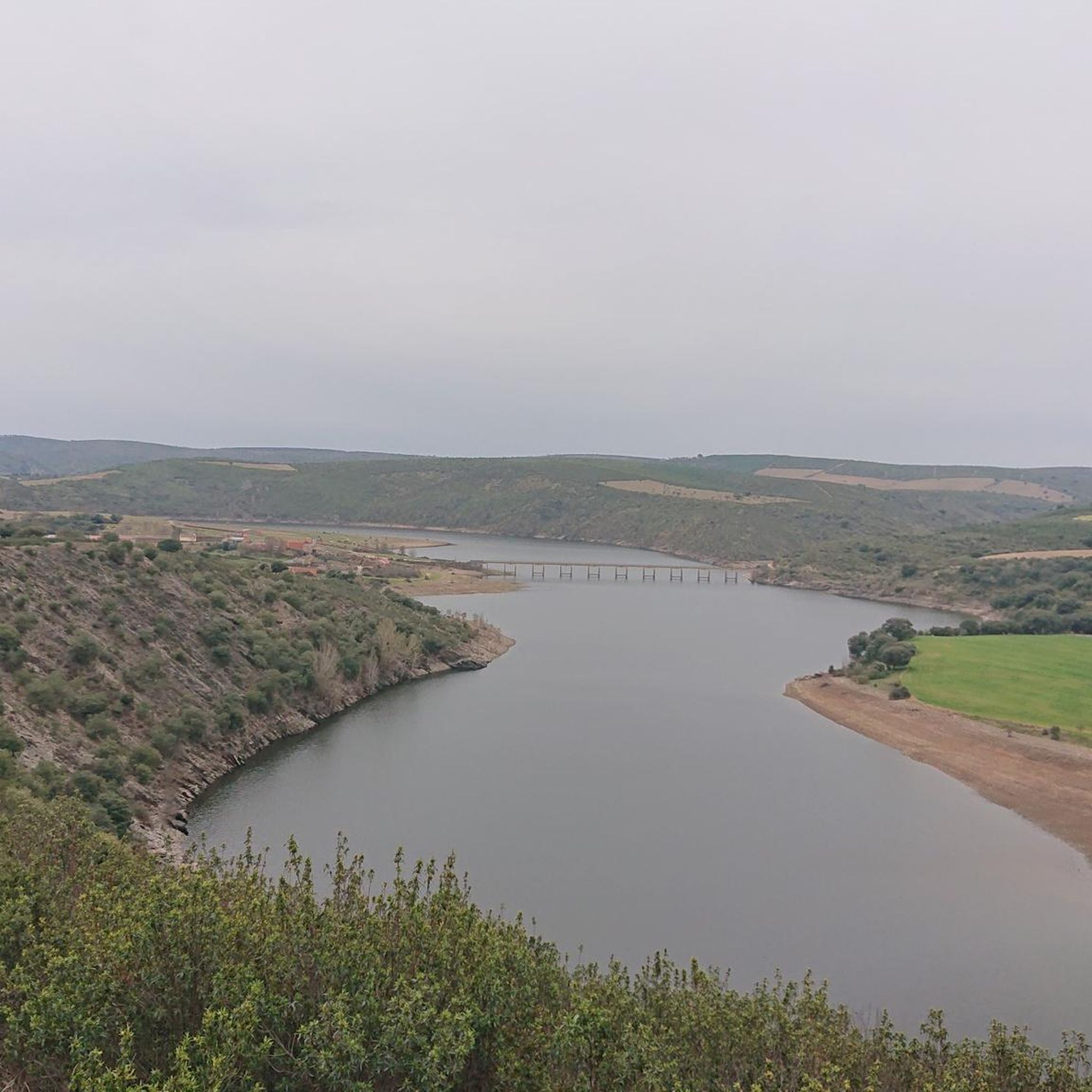
What to see and do Viewpoints: There are scenic viewpoints along the road and in the surrounding area offering views of the dam and reservoir. Ricobayo Reservoir: Ideal for water sports, fishing, and hiking. Natural surroundings: Very close to the Arribes del Duero Natural Park, with its spectacular landscapes.
2
0
The Ricobayo Dam is located on the Esla River, in the province of Zamora (Castilla y León), and is part of the Iberdrola hydroelectric system. Completed in 1934, it was one of the major hydraulic engineering projects of the 20th century in Spain.
2
0
It spans the Duero River in Zamora (Castilla y León), connecting Avenida de Portugal (Pinilla neighborhood) with Calle de Salamanca in the city. The project began in 1882, with construction starting in 1892, under the direction of engineer Prudencio Guadalajara, to alleviate the overloading of the old Stone Bridge. Inaugurated in 1900, it represented a significant improvement in handling the growing traffic in the city. It was designed in steel, using a metal lattice structure of the St. Andrew's Cross type, typical of the late 19th century.
3
0
Tábara, located in the northwest of the province of Zamora (Castilla y León), is a town with a rich medieval history, a stunning natural setting, and a significant cultural heritage. Origins: These date back to the Bronze Age and Roman period. Middle Ages: It was an important monastic center with the Monastery of San Salvador de Tábara, founded by Saint Froilán in the 9th century at the behest of Alfonso III.
10
0

Visigothic church (7th century) of San Pedro de la Nave. It originally stood on the banks of the Esla River, but the construction of the Ricobayo reservoir threatened to flood it. Historian Manuel Gómez Moreno managed to have it dismantled from its original location and moved stone by stone between 1930 and 1932 to the nearest town: El Campillo, where it can be seen today.
0
0
Frequently Asked Questions
What kind of terrain can I expect on road cycling routes around Losacino?
The road cycling routes around Losacino are characterized by picturesque rural scenery with undulating terrain. You'll find quiet roads winding through forests, open skies, and verdant expanses, often following the Esla and Aliste rivers and skirting the Ricobayo Reservoir. The area offers a mix of moderate and difficult routes, providing varied challenges for cyclists.
How many road cycling routes are available in the Losacino area?
There are over 20 road cycling routes available around Losacino, catering to various skill levels. You'll find 14 moderate routes and 8 more challenging, difficult routes to explore the region's natural beauty.
Are there any family-friendly road cycling options near Losacino?
While specific 'family-friendly' road cycling routes are not explicitly categorized, the rural roads around Losacino are generally quiet with less heavy traffic, making them suitable for families comfortable with road cycling. Routes that stick to flatter sections along the rivers or reservoir might be more accessible. Always check the route's difficulty and elevation profile before heading out with children.
What are some notable natural features or landmarks I might see while cycling in Losacino?
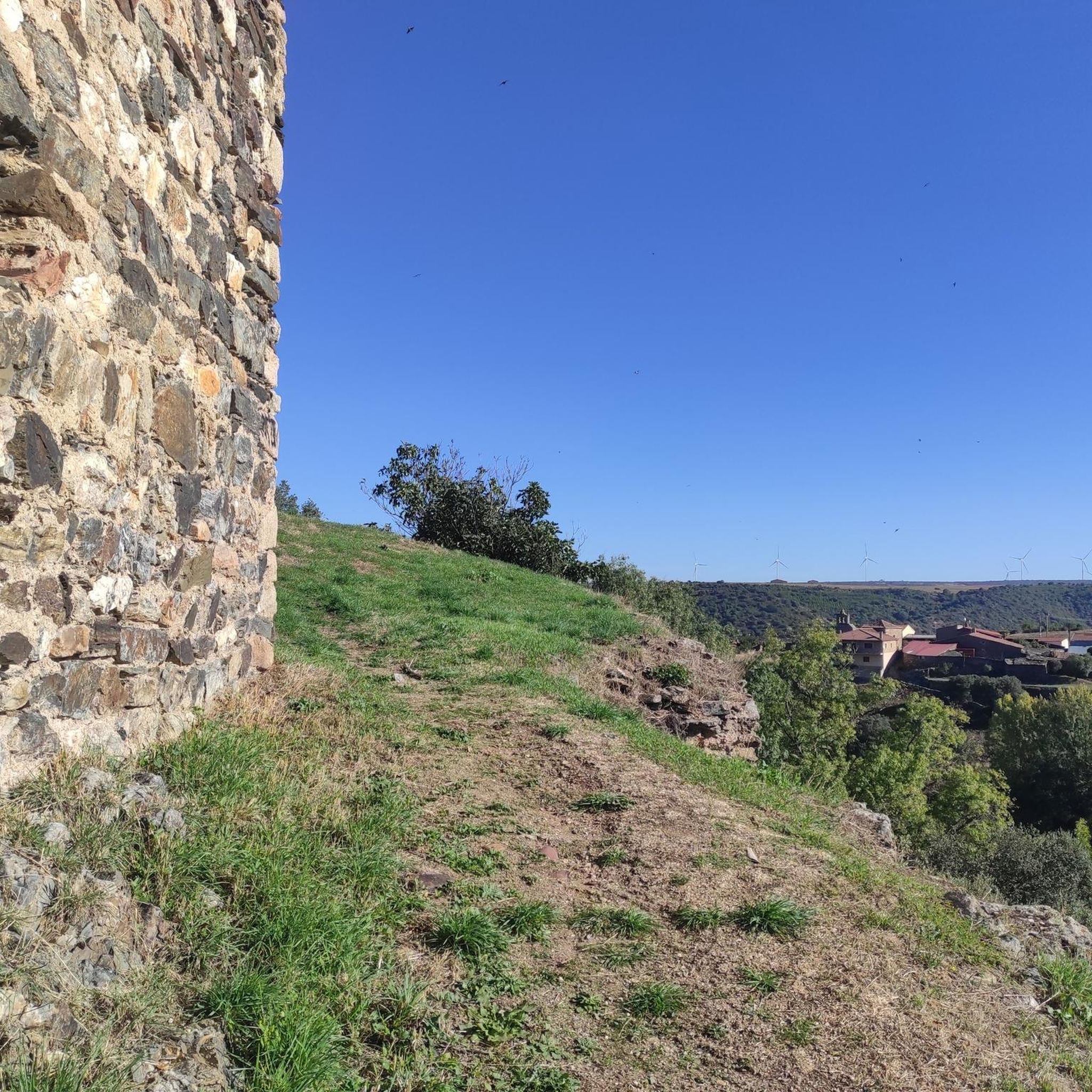
As you cycle around Losacino, you'll encounter significant natural features like the Esla and Aliste rivers, and the Ricobayo Reservoir, which offers unique hydrological landscapes. You might also spot traditional rural architecture, old mills, dovecotes, and quaint stone bridges. Specific points of interest include the Requejo Bridge, Valdoradas Bridge, and the ruins of Alba Castle.
What is the best time of year for road cycling in Losacino?
The region's climate suggests that spring and autumn would be ideal for road cycling around Losacino, offering pleasant temperatures and vibrant landscapes. Summers can be warm, while winters might be cooler, so checking local weather forecasts is always recommended for comfortable riding conditions.
Are there any circular road cycling routes around Losacino?
Yes, many of the routes around Losacino are designed as loops, allowing you to start and finish in the same location. For example, the Ricobayo Reservoir Loop is a popular moderate option, and the more challenging Puente de los Poetas – Puente de Hierro de Zamora loop from Fonfría also offers a circular experience.
What kind of views can I expect on the road cycling routes?
The routes offer captivating views of serene rural landscapes, including expansive forests, open skies, and the verdant banks of the Esla and Aliste rivers. You'll also enjoy scenic vistas of the Ricobayo Reservoir and traditional elements of the Zamora province's countryside.
Are there routes suitable for advanced road cyclists looking for a challenge?
Absolutely. Losacino offers several challenging routes for advanced cyclists. For instance, the Requejo Bridge – View of Requejo Bridge loop from Carbajales de Alba is a difficult 60.4-mile (97.1 km) trail with significant elevation gain, providing a demanding ride through varied terrain.
What do other road cyclists say about the routes in Losacino?
The road cycling routes in Losacino are highly regarded by the komoot community, with an average score of 5.0 stars. Cyclists often praise the tranquil atmosphere, the scenic beauty of the rivers and reservoir, and the quiet rural roads that make for an enjoyable and immersive experience.
Can I find routes that pass by specific points of interest like bridges or castles?
Yes, many routes incorporate historical and architectural points of interest. For example, the Requejo Bridge – View of Requejo Bridge loop from Carbajales de Alba specifically highlights notable bridges. You can also find routes that pass near the ruins of Alba Castle, adding a cultural dimension to your ride.
Are there any moderate-difficulty routes for road cyclists in Losacino?
Yes, there are 14 moderate-difficulty routes available. A popular choice is the Ricobayo Reservoir Loop, a 41.8-mile (67.3 km) trail that offers beautiful views of the reservoir and surrounding rural scenery without being overly strenuous.
What is the general atmosphere like for road cycling in the Losacino area?
The Losacino area offers a tranquil and immersive atmosphere for road cycling. The routes primarily use quiet rural roads, allowing cyclists to enjoy the natural beauty and peaceful surroundings of the Zamora province without the disturbance of heavy traffic.
Most popular attractions around Losacino

Get inspired with the komoot mobile app


Explore more
Browse the best Road cycling routes in other regions.
