Attractions and Places To See around Granucillo - Top 20
Best attractions and places to see around Granucillo, a municipality located in the Benavente y los Valles region of Zamora, Spain, offers a blend of historical, cultural, and natural attractions. The area features prehistoric dolmens, Roman remains, and medieval architecture. Visitors can explore ancient archaeological sites, historical structures, and picturesque natural landscapes.
Best attractions and places to see around Granucillo
- The most popular attraction is Puente de la Vizana, a bridge that is a historic crossing over the Órbigo…
Last updated: August 26, 2026
Vizana Bridge
Highlight • Bridge
Translated by Google •
Tip by

Church of Santa Marta de Tera
Highlight • Religious Site
Translated by Google •
Tip by

Sign up now to discover places like this
Get recommendations on the best single tracks, peaks, & plenty of other exciting outdoor places.
Sign up for free
Picnic Area by the River
Highlight • Rest Area
Translated by Google •
Tip by

Casa Anita Tourist Hostel
Highlight • Mountain Hut
Translated by Google •
Tip by

Castillo de los Pimentel
Highlight • Castle
Translated by Google •
Tip by

Sign up for free to discover even more attractions around Granucillo.
Sign up for free
Already have an account?
Start today with a free account
Your next adventure awaits.
Login or Signup
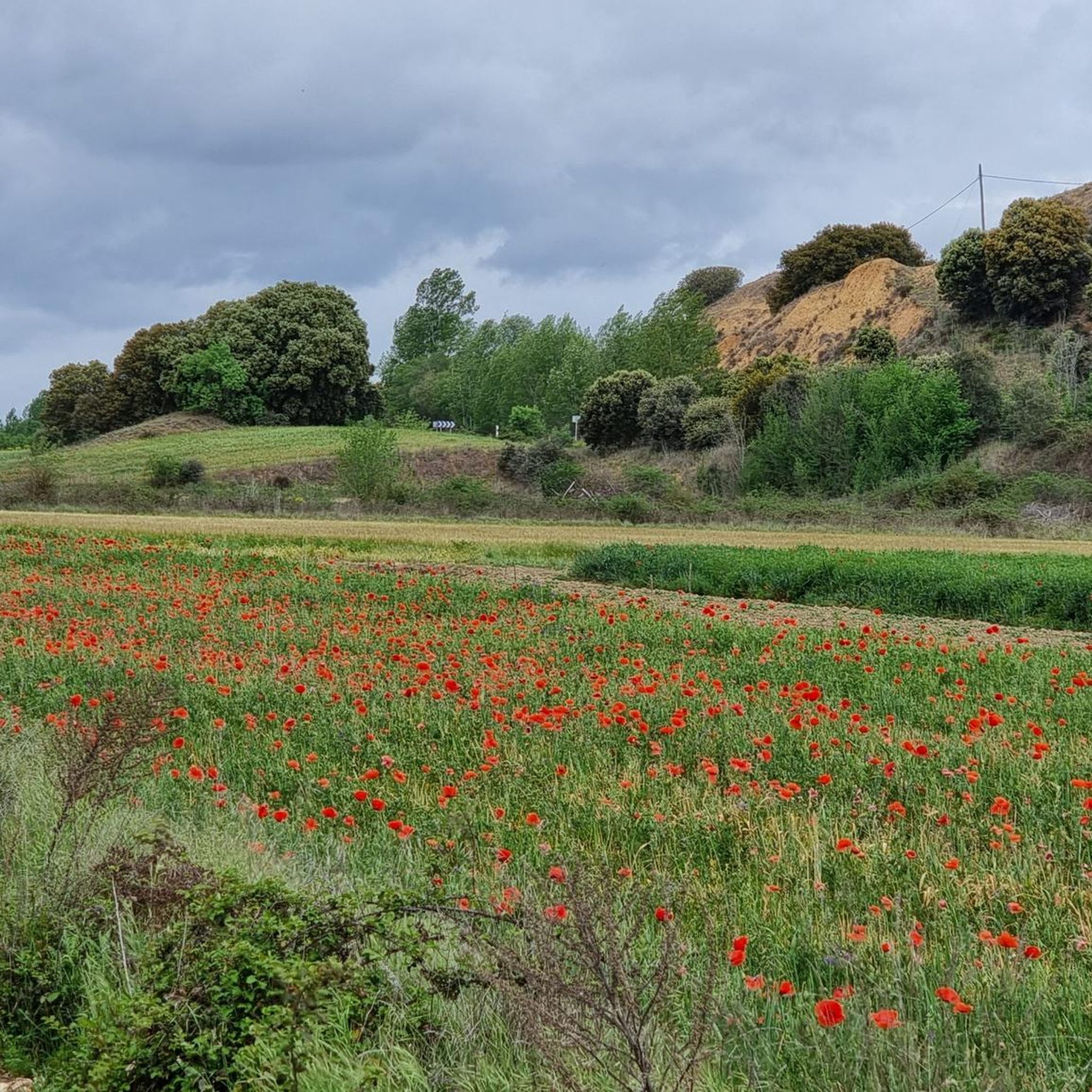
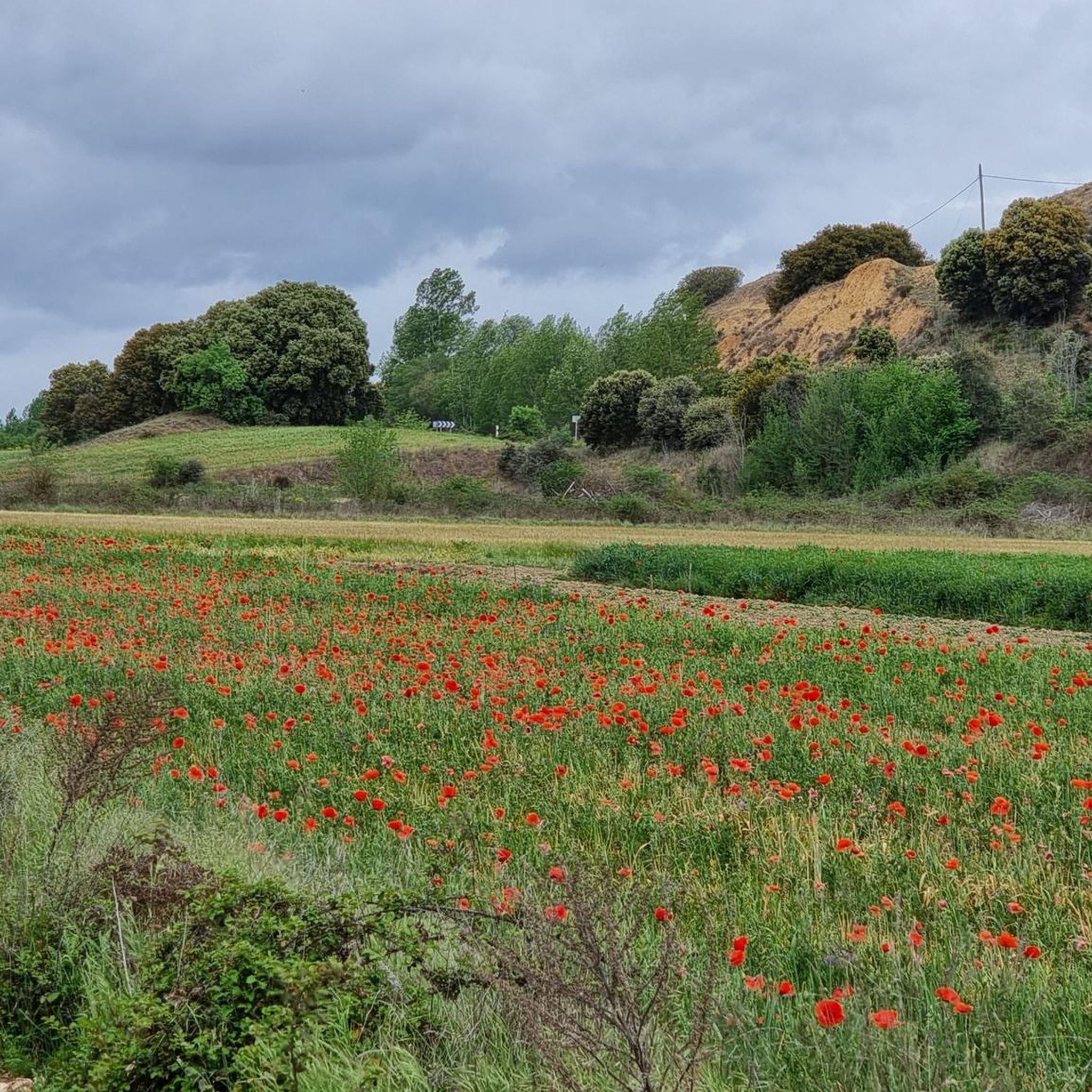
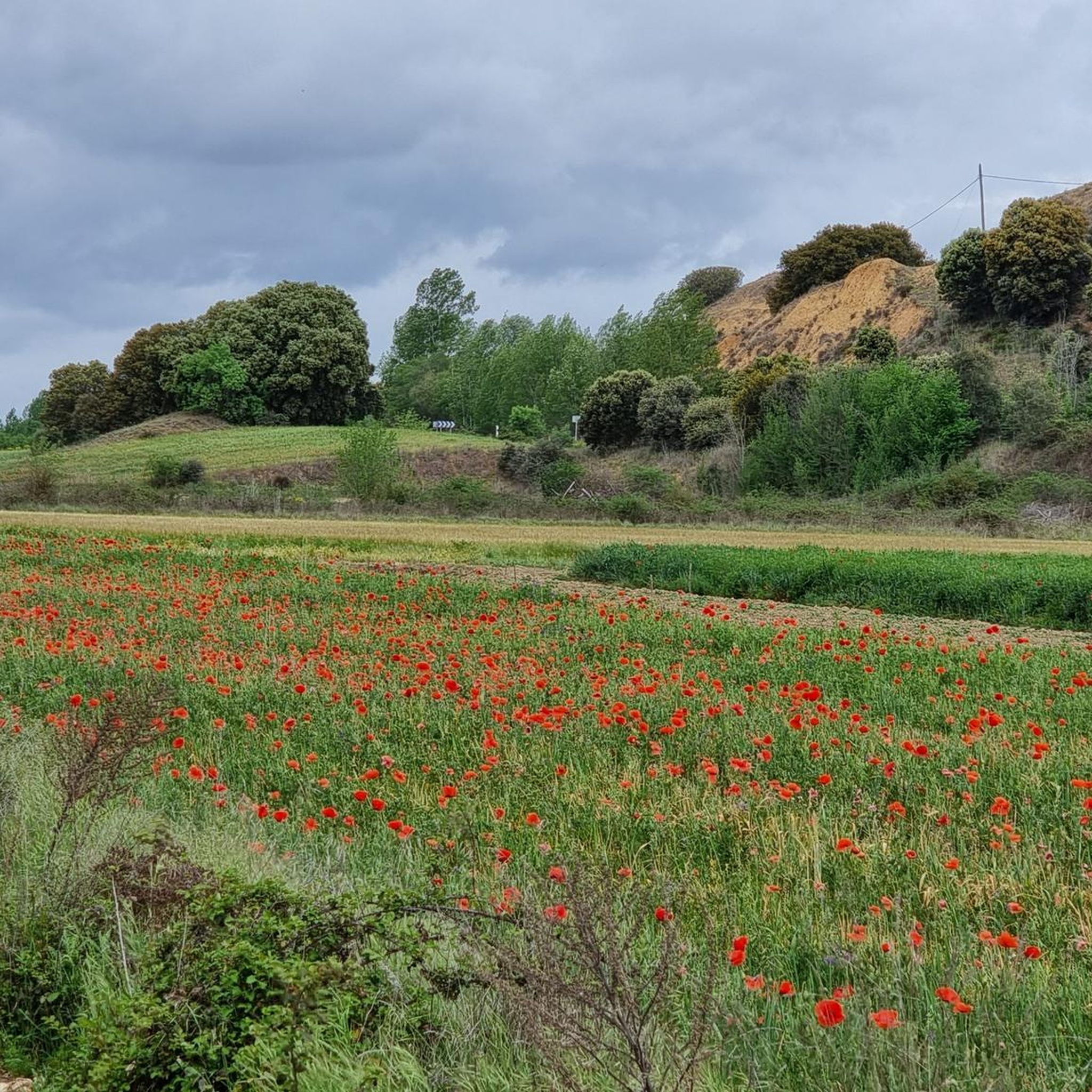

Tips from the Community


Although only part of the tower remains today, its presence is imposing: it was once a stately home and today serves as the perfect viewpoint over the Óbigo Valley. A bike ride up here is both visually and culturally rewarding. A great spot for epic photos, a restful break with views, and a bit of history on wheels. If you're planning a route with interesting stops, this castle is a definite yes.
0
0

It is not far from this hotel to the restaurant. If you continue to Santa Marta you should stock up here first. As of November 24th there is absolutely nothing in Santa Marta.
1
0

Monastery of Santa Marta de Tera, the oldest Romanesque church in Zamora and also one of the oldest in Spain. On the left side, hangs the oldest sculptural representation of St. James the Apostle in a pilgrim pose.
0
0

The Pimentel castle, built in the 19th century. XV, it is a large square fortress. Inside, there is the Palacio de los Ponces, built in the 16th century. XIII and currently unusable, due to the fires suffered in 1808 and 1887. The dukes of Infantado rebuilt the now visible fortress.
1
0

Here you will find an interesting castle from the 11th century. It is in good condition because it has been maintained by the different families that have owned it.
1
0
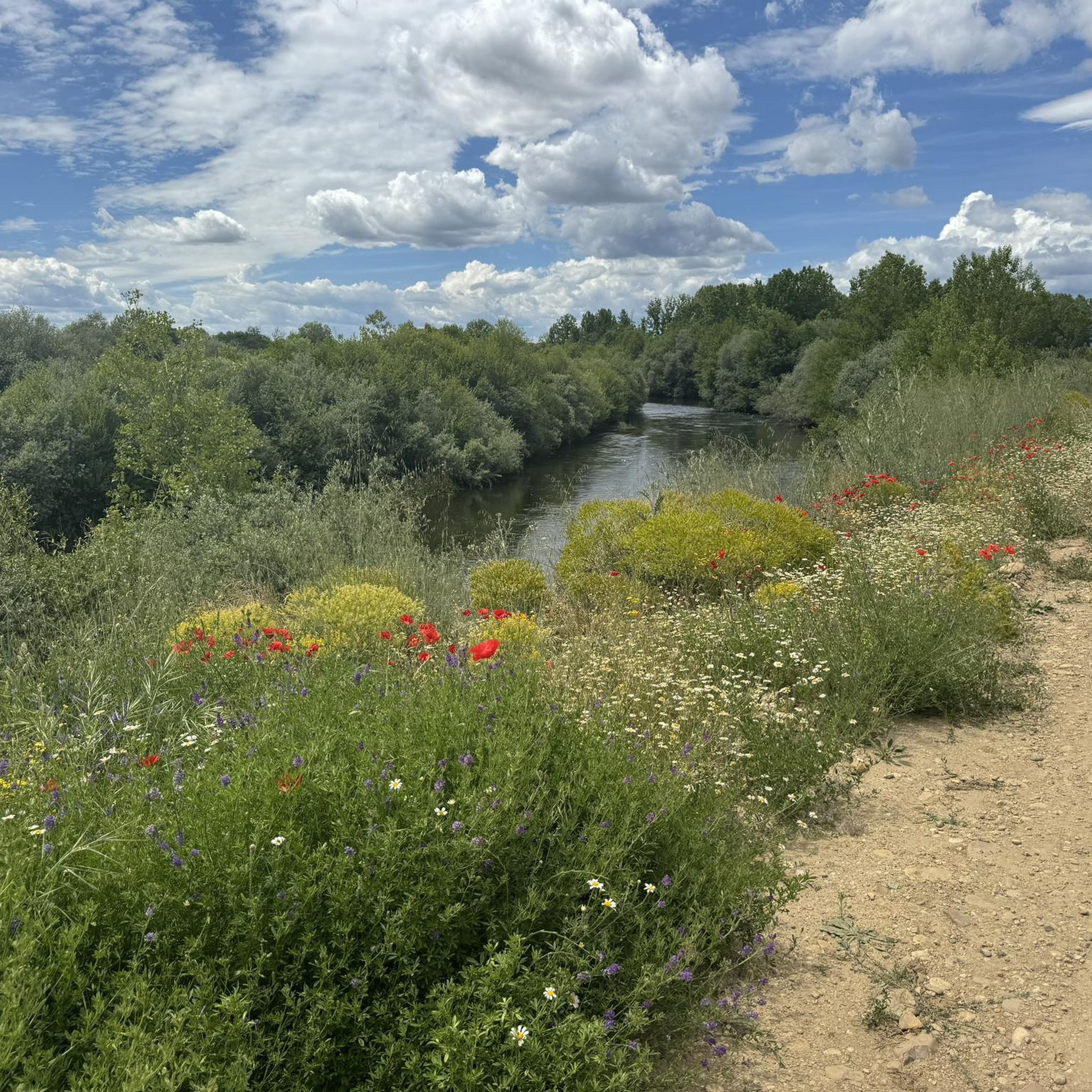
This is a lovely place to have a picnic while doing the Camino de Santiago. It is right next to the Tera River and is shady.
0
0

Fortification of the town of Alija del Infantado dating from the 11th century, although it has been successively reformed by the different families to which it has belonged.
2
0
Frequently Asked Questions
What historical sites can I explore around Granucillo?
The region is rich in history, offering a journey from prehistoric times to the Middle Ages. You can visit the intriguing Bronze Age dolmens, such as the Dolmen de San Adrián and the Dolmen de Las Peñezuelas, which are significant megalithic tombs. Roman-era sites include the fortified town of Castro de Las Labradas on the Sierra de Capurias, and the Centro de Interpretación de los Campamentos Romanos y Museo Arqueológico provides further insights into this period. For medieval history, explore the remnants of the 11th-century Castillo de los Pimentel in Alija del Infantado, which offers a viewpoint over the Órbigo valley.
Are there any notable religious buildings or architectural marvels in the area?
Absolutely. The Church of Santa Marta de Tera is a must-see, located on the Camino Sanabrés to Santiago. It's renowned for a unique phenomenon where sunlight illuminates its main pediment during the spring and autumn equinoxes. Additionally, the region features a Romanesque church, possibly the Ermita de San Adrián, dating back to the 11th century, though little of its original structure remains.
What natural attractions are there for outdoor enthusiasts?
Granucillo offers several natural highlights. The Sierra de las Labradas provides scenic views and opportunities for outdoor activities. The Tera River is a prominent feature, with the picturesque Puente de la Vizana crossing it, ideal for cycling along the Tera River Trail. You can also discover the charming El Bosque Mágico (The Magical Forest) and the serene Arroyo de la Almucera.
Where can I enjoy a picnic or relax by the water?
For a relaxing break, the Picnic Area by the River offers a shady spot right next to the Tera River, perfect for a meal outdoors. During warmer months, you can also enjoy the water at the Piscina fluvial and Playa fluvial La Tablada, which are refreshing fluvial beaches.
Are there family-friendly activities or places to visit with children?
Yes, Granucillo has options for families. The Picnic Area by the River is a great spot for families to relax. The Granja Escuela "La Guarida del Lobo" (The Wolf's Lair Farm School) offers an educational and engaging experience focused on nature and local wildlife. Historical sites like the Castillo de los Pimentel and the Church of Santa Marta de Tera can also be interesting for older children.
What kind of hiking trails are available near Granucillo?
The area around Granucillo offers a variety of hiking trails, mostly of moderate difficulty. Popular routes include the 'Basilia's Balcony and Coto' and the 'Banks of the Eria and Órbigo Trail'. For those interested in history, the 'Route of the Dolmens and Castles of Granucillo' combines natural beauty with archaeological exploration. You can find more details and plan your hikes on the Hiking around Granucillo guide page.
Can I go cycling or mountain biking in the Granucillo region?
Yes, the region is suitable for cycling and mountain biking. The Tera River Trail is a picturesque route for cyclists. For mountain biking, you can explore trails like the 'Castro de las Labradas Loop from Brime de Urz' or 'The Sierra de Carpurias to the Valle de Vidriales - circular'. More routes and details are available on the MTB Trails around Granucillo guide page.
What is the best time of year to visit Granucillo for outdoor activities?
The region experiences a pleasant climate, making spring and autumn ideal for outdoor activities. During these seasons, the weather is generally mild, perfect for hiking, cycling, and exploring historical sites without the intense heat of summer. The equinoxes are particularly special for visiting the Church of Santa Marta de Tera.
Are there any archaeological sites besides the dolmens?
Beyond the Bronze Age dolmens, the region also features significant Roman archaeological sites. The Castro de Las Labradas is a large Iron Age fortified town with extensive remains. Other Roman sites include the Villa Romana De Orpheus and Campamento romano Petavonium, providing a comprehensive look into the Roman presence in the area.
What is the significance of the Puente de la Vizana?
The Puente de la Vizana is a historic bridge over the Órbigo river, connecting the provinces of León and Zamora. It is part of the original Roman road, now known as the Vía de la Plata, and has been rebuilt several times throughout history, notably after being destroyed during the War of Independence. It has served pilgrims on the Camino de Santiago for centuries.
What kind of running trails are available near Granucillo?
For runners, there are several trails around Granucillo, mostly of moderate difficulty. You can find routes like 'Peña Redonda and miradores del Coto and de las Suertes — running circular por los Valles de Benavente desde Morales de Rey' or the 'Castro de las Labradas loop from Arrabalde'. For more options and detailed route information, check the Running Trails around Granucillo guide page.
Most popular attractions around Granucillo

Get inspired with the komoot mobile app


Explore more
Still not found the Highlight you’re looking for? See guides of the top attractions in other regions:
