The best MTB trails around Torrejoncillo
5.0
(15)
171
riders
35
rides
Mountain bike trails around Torrejoncillo are situated within the Sierra de Gata region of Extremadura, Spain. The landscape is characterized by extensive forests, unique rock formations, and a network of natural paths. This area features mountains and valleys densely covered with chestnut, oak, and pine trees, alongside numerous streams and natural pools. The varied terrain includes forest tracks and technical sections, catering to different skill levels.
Best mountain bike trails around Torrejoncillo
- The most popular mountain bike trail is Calzadilla…
Last updated: July 7, 2026
2
riders
46.9km
03:49
520m
520m
Tackle the difficult 29.2-mile Vuelta a Calzadilla desde Coria mountain biking route, featuring 1722 feet of elevation gain through Extremad
26.7km
01:57
160m
160m
Explore the easy 16.6-mile mountain biking route around Portaje Reservoir in Torrejoncillo, enjoying dehesa landscapes and birdwatching.

Sign up for free
5.0
(3)
18
riders
39.5km
02:39
340m
340m
Moderate mountain bike ride. Good fitness required. Suitable for all skill levels.
7
riders
Moderate mountain bike ride. Good fitness required. Suitable for all skill levels.
5
riders
Moderate mountain bike ride. Good fitness required. Suitable for all skill levels.
Get access to more routes and recommendations from other explorers.
Sign up for free
Already have an account?
Our route recommendations are based on thousands of hikes, rides, and runs completed by other people on komoot.
Start today with a free account
Your next adventure awaits.
Login or Signup
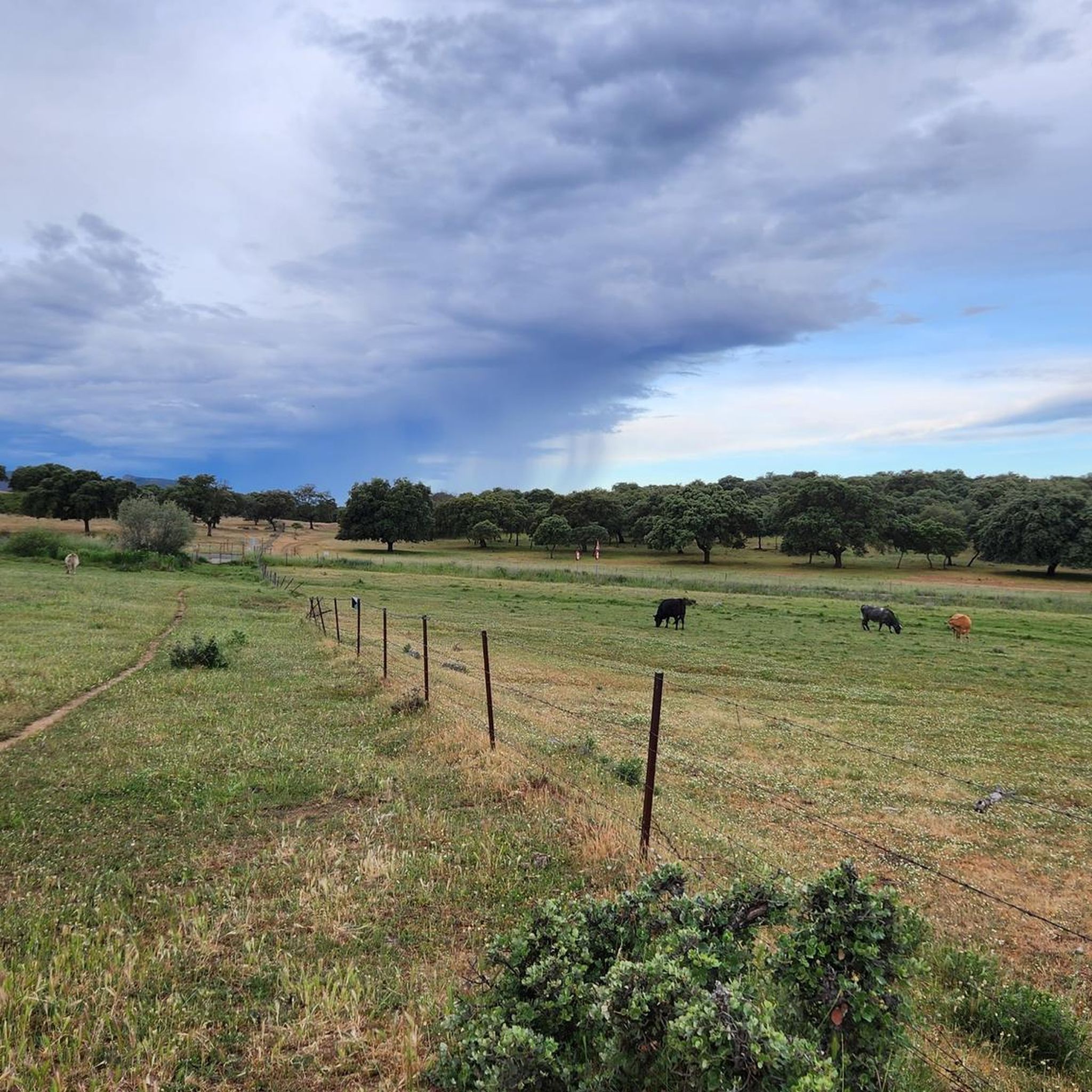
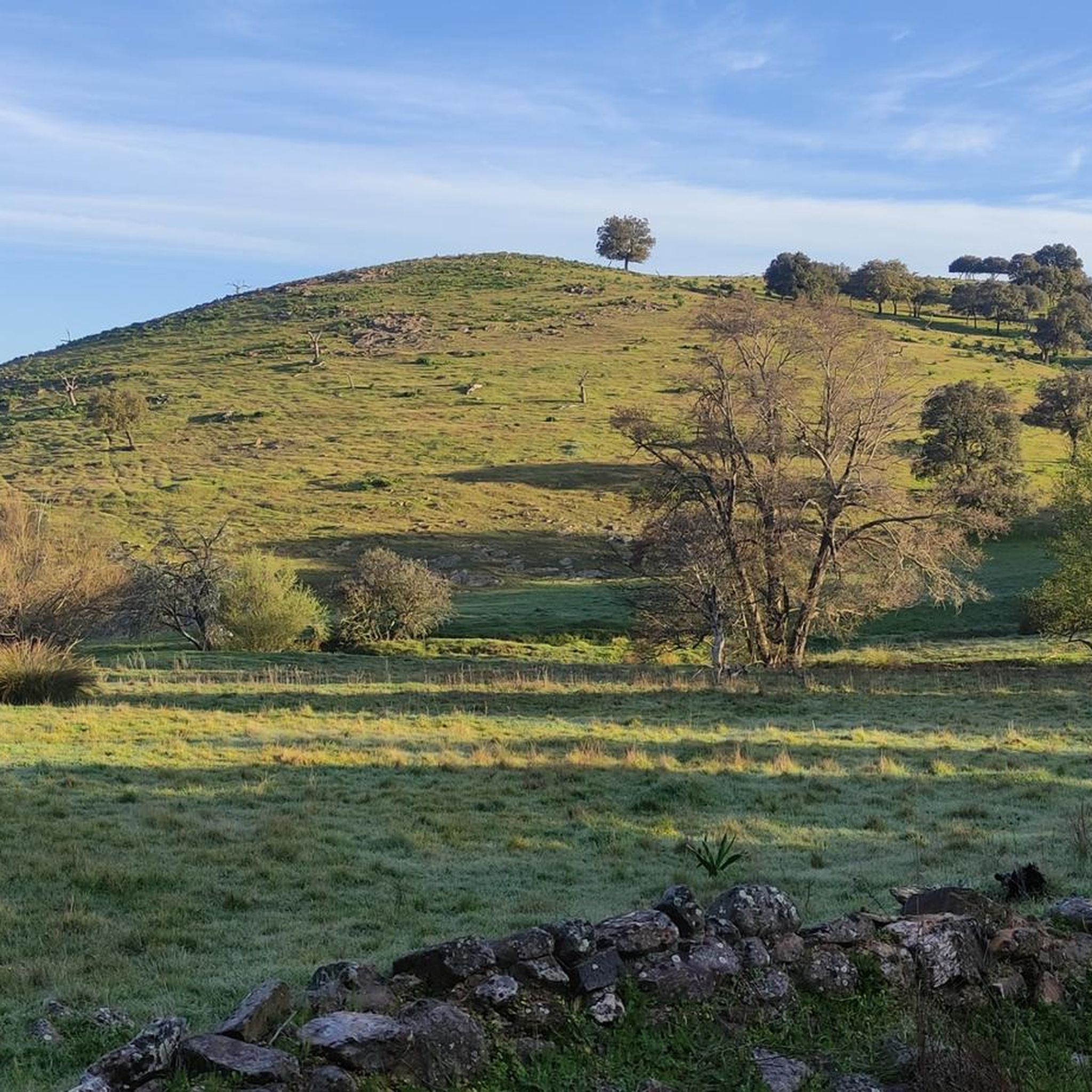
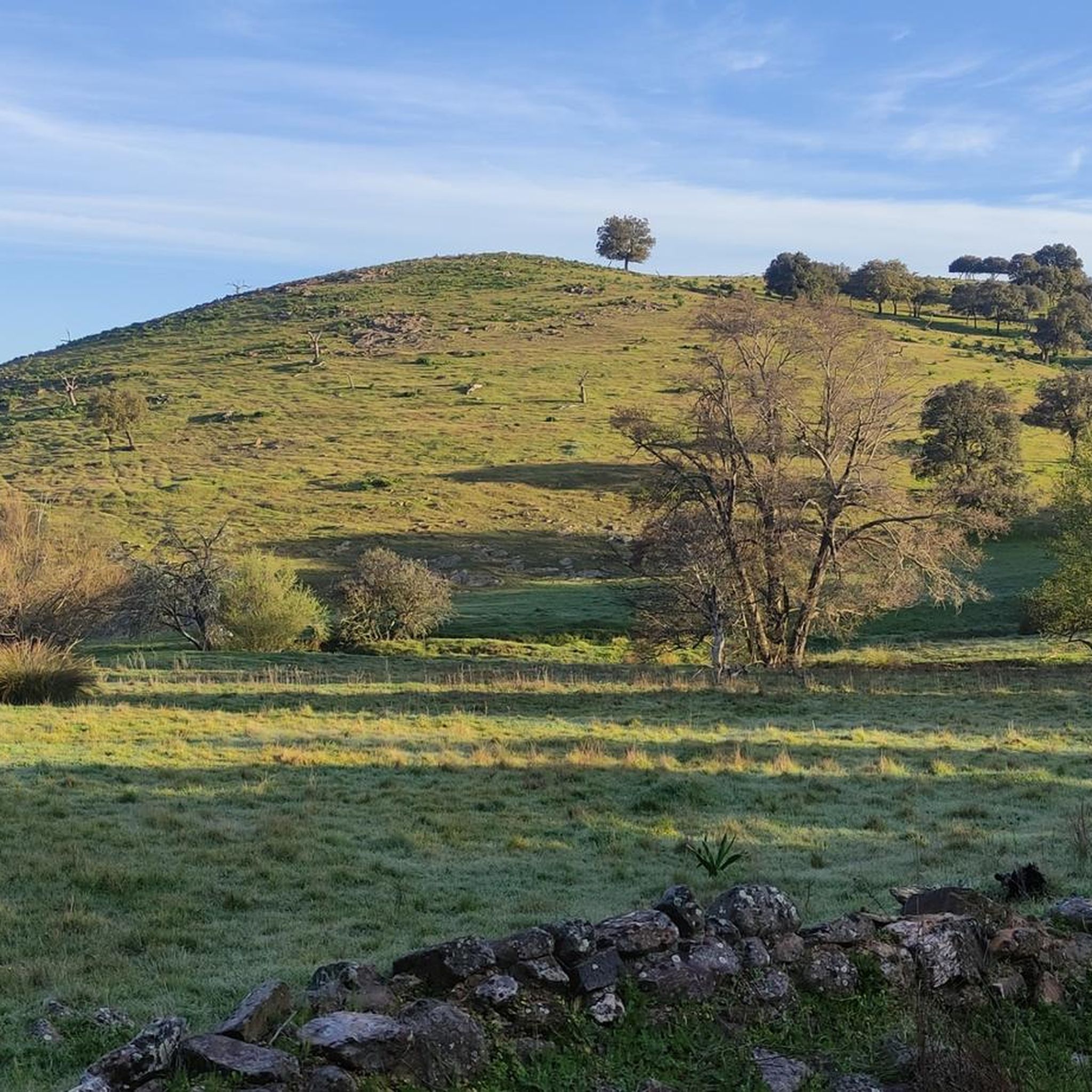
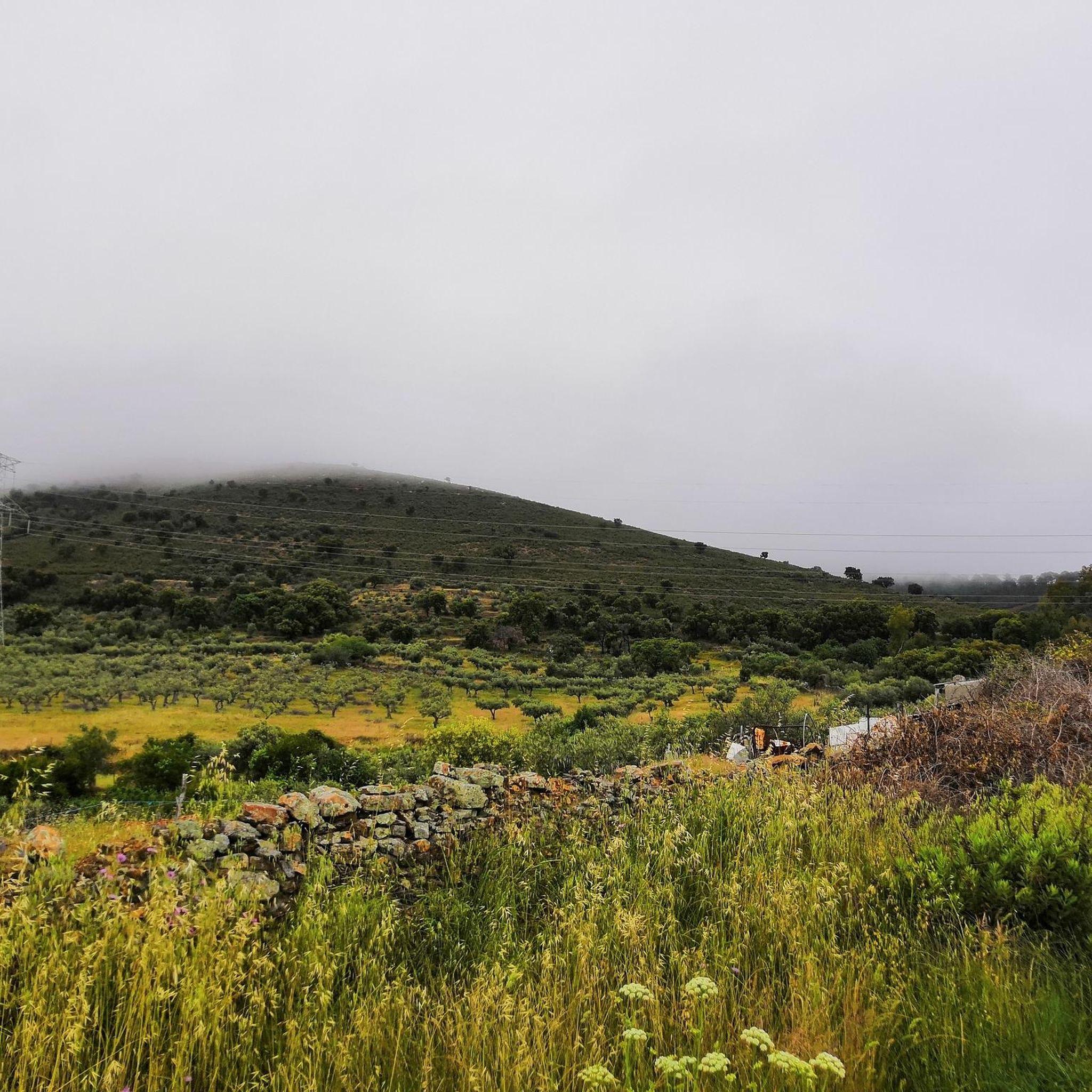
Tips from the Community

The Iron Bridge in Coria is a beautiful civil work of metal architecture and nineteenth-century modernist design. It was built by the Asturian engineers D. Salvador and D. Próspero Ardura. The bridge stands over the Alagón River, connecting both banks in the City of Coria. Its total length is 178.30 meters, and its deck has a width of 7.78 meters, with a two-way road flanked by two sidewalks.
9
0
The Medieval Bridge of Coria is a historical structure that is located next to the main façade of the Monastery of San Juan Bautista or Corias. Its construction had the objective of connecting the monastery with the town of Corias. Although its foundations are believed to be of Roman origin, the bridge was rebuilt in 1571, as indicated by an inscription preserved on one of the stones of its parapet.
8
0
Founded before the Romans occupied the Iberian Peninsula, Coria was known as Cauria or Caurus. The Romans gave it its current Latin name, CAVRIUM. Later, he was granted Roman citizenship. In the Visigothic era, the Diocese of Coria was created, which maintained Coria as an episcopal see until the 20th century. After the Reconquista, Coria became the capital of a manor to which towns that still bear the name of Coria belonged, such as Guijo de Coria or Casillas de Coria.
8
0

Rincón del Obispo is a small town on the outskirts of Coria. It was founded between 1960 and 1968. Despite being so recently founded, there is a great archaeological site that has a much longer history. There are many dilapidated buildings that give it a very colonial air.
1
0
Coria is a small city with a population of 12,500 inhabitants. It was established before Roman times and has many historical sites such as the castle, the Episcopal Palace, the Stone Bridge and the Cathedral.
1
0

A small Hermitage of the Virgen del Casar on the banks of the Portaje Reservoir near the town of Torrejoncillo.
1
0
The old bridge (Puente renaissance) over the Alagón valley has no water running under it. It seems that the river waters were diverted to the south. The view from the bridge over the old city is very dramatic.
1
0
Torrejoncillo is a small town in the Valle de Alagón region. The typical narrow streets lead to the Plaza Mayor in the center of town, where the Town Hall and the Church of San Andrés Apóstol are the most outstanding monuments. The city is famous for its handicrafts and festivals.
0
0
Frequently Asked Questions
What types of mountain bike trails are available around Torrejoncillo?
The area offers a diverse range of mountain bike trails, from easier paths to more challenging routes. You'll find trails through extensive forests, past unique rock formations, and along natural paths. The terrain includes forest tracks and technical sections, catering to various skill levels.
Are there mountain bike trails suitable for beginners or families in Torrejoncillo?
Yes, there are options for less experienced riders. Out of the 36 available mountain bike tours, 2 are classified as easy. These routes are generally flatter and shorter, providing a good introduction to mountain biking in the region. An example of an easy route is the Embalse de Portaje Loop, which is 16.6 miles long.
What are the more challenging mountain bike routes near Torrejoncillo?
For experienced mountain bikers seeking a challenge, there are 7 difficult routes available. These trails often feature significant elevation gains and technical sections. An example of a difficult route is the Calzadilla Loop from Coria, which covers 29.2 miles with over 500 meters of elevation gain.
What natural features and landmarks can I expect to see on the trails around Torrejoncillo?
The Sierra de Gata region, where Torrejoncillo is located, is rich in natural beauty. You'll encounter dense forests of chestnut, oak, and pine trees, numerous streams, impressive rock formations, and crystal-clear natural pools. While riding, you might also spot local wildlife like deer and birds of prey. For specific landmarks, consider routes that pass by historical sites such as the Castillo de Portezuelo.
Are there any historical points of interest along the mountain bike trails?
Yes, some routes incorporate historical landmarks. For instance, the region features medieval bridges like the Medieval Bridge of Coria and the Iron Bridge of Coria. Additionally, the Castillo de Portezuelo is a notable castle that can be reached via some trails, offering a glimpse into the area's past.
What do other mountain bikers say about the trails in Torrejoncillo?
The mountain bike trails around Torrejoncillo are highly regarded by the komoot community, with an average rating of 5.0 stars from 14 reviews. Over 100 mountain bikers have used komoot to explore the varied terrain, often praising the scenic beauty and the well-maintained network of paths.
What is the best time of year to go mountain biking in Torrejoncillo?
The Extremadura region generally offers pleasant conditions for outdoor activities for much of the year. Spring and autumn are typically ideal, with milder temperatures and lush landscapes. Summers can be hot, so early morning or late afternoon rides are recommended, while winters are generally mild but can have occasional rain.
Are there any circular mountain bike routes available?
Yes, many of the mountain bike routes around Torrejoncillo are designed as loops, allowing you to start and finish in the same location. Examples include the Calzadilla Loop from Coria and the Embalse de Portaje Loop, which offer varied distances and difficulty levels.
Can I bring my dog on the mountain bike trails?
While many natural areas in Spain are dog-friendly, it's always best to check local regulations for specific trails or protected areas. Generally, dogs are welcome on trails if kept under control, especially in rural and forested areas. Be mindful of wildlife and other trail users, and ensure your dog is accustomed to longer rides and varied terrain.
Is there parking available near the mountain bike trails?
Torrejoncillo and nearby towns like Coria offer various parking options. For specific trailheads, parking availability can vary, but generally, you can find parking in or near the starting points of the routes, especially in the towns that serve as access points to the Sierra de Gata Mountain Bike Centre trails.
Are there any permits required for mountain biking in Torrejoncillo?
Mountain biking in the Sierra de Gata region, including around Torrejoncillo, generally does not require specific permits for recreational use on established trails. However, it's always advisable to respect local signage, stay on marked paths, and be aware of any specific regulations that might apply to certain protected natural areas.
Most popular attractions around Torrejoncillo

Get inspired with the komoot mobile app


Explore more
Browse the best MTB trails in other regions.
