The best road cycling routes around Pereruela
4.1
(13)
968
riders
53
rides
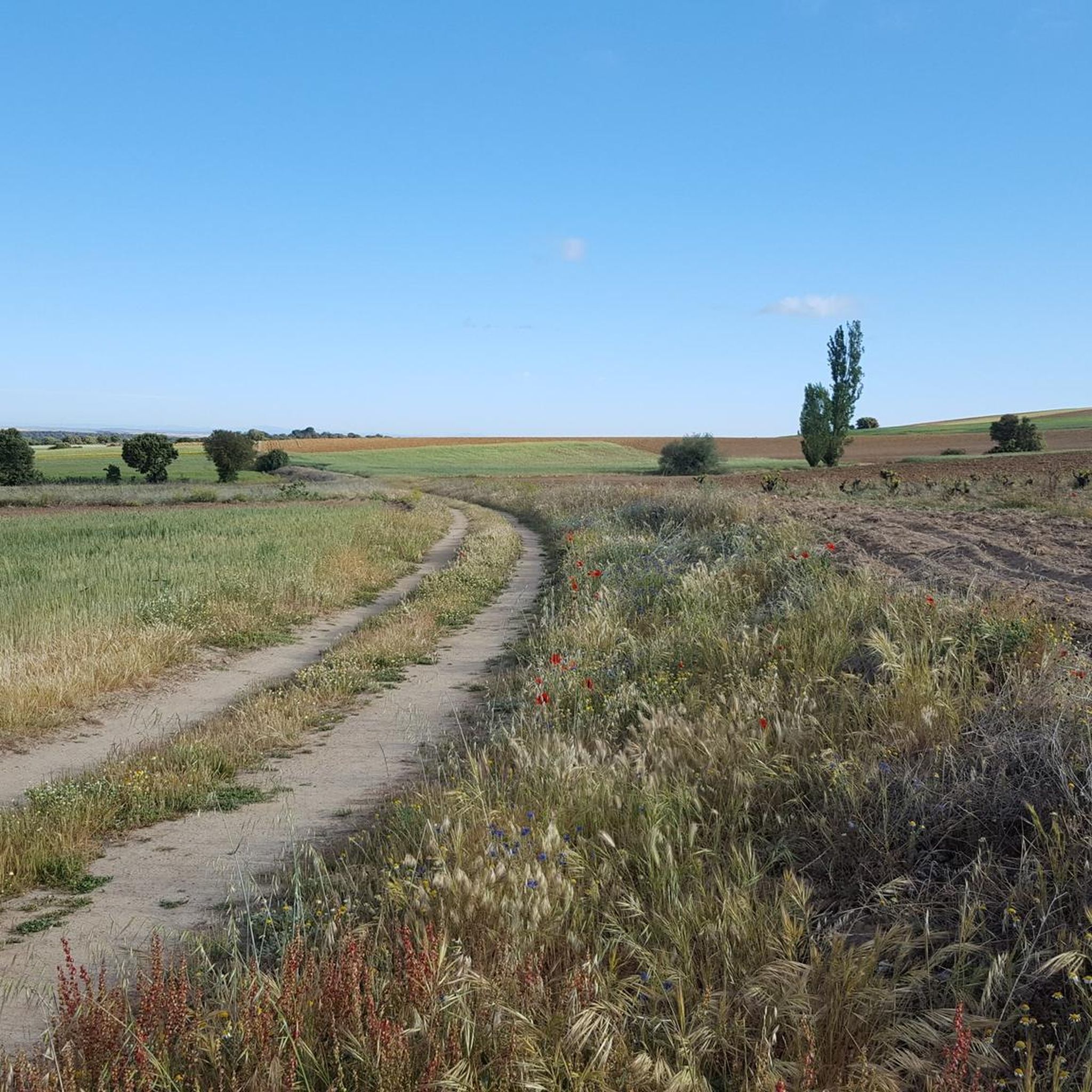
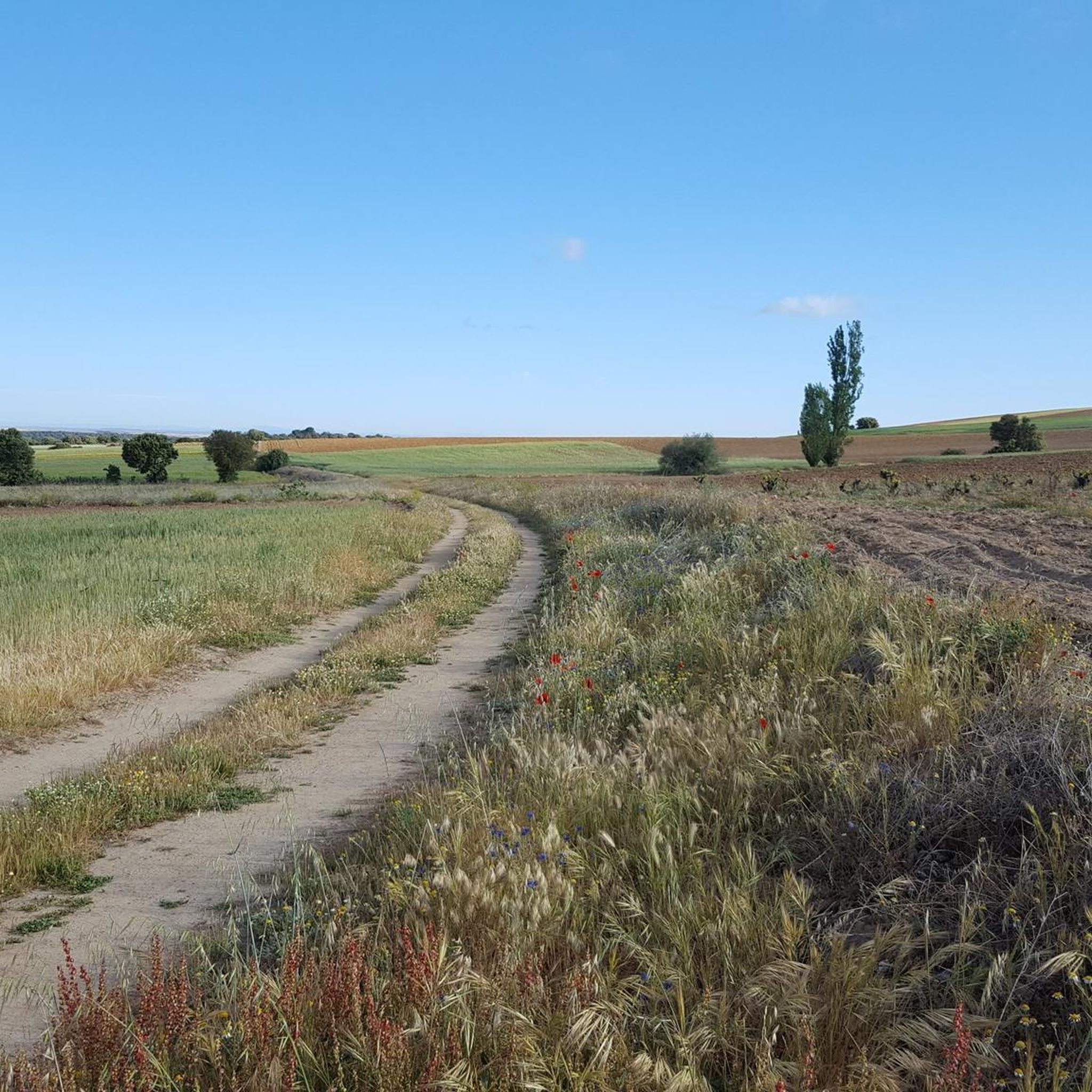
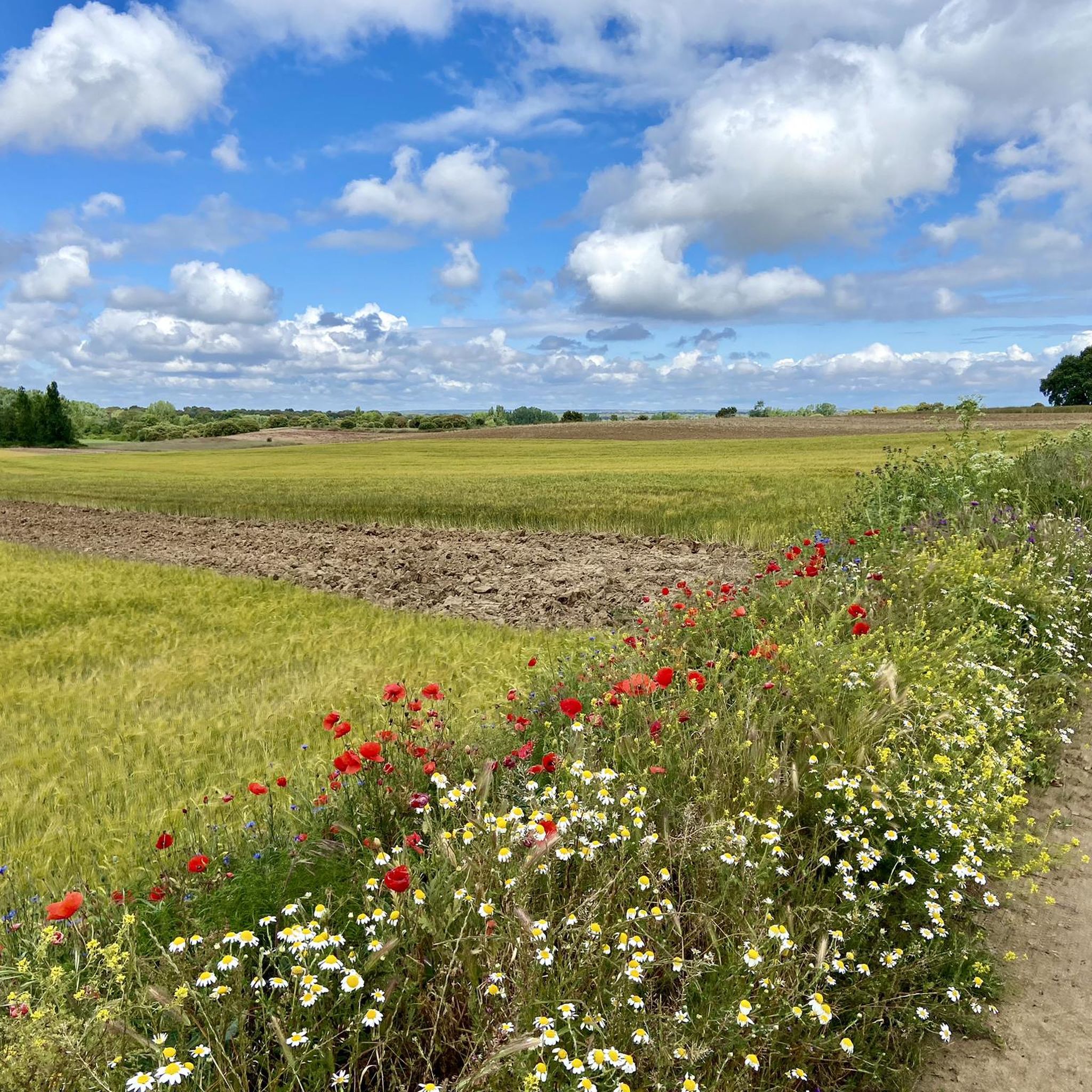
Road cycling routes around Pereruela offer a blend of scenic landscapes and cultural heritage within the Sayago region of Zamora, Spain. The area features rolling countryside, traditional villages, and agricultural landscapes, providing varied terrain for cyclists. Well-paved surfaces are common, with routes ranging from moderate to more demanding. Historic bridges and the Campeán stream add picturesque elements to many rides.
Best road cycling routes around Pereruela
- The most popular road cycling route is Zamora and Ricobayo Dam Loop, a…
Last updated: July 11, 2026
5.0
(1)
35
riders
61.2km
02:55
650m
650m
This moderate 38-mile road cycling route near Zamora offers stunning views of the Esla and Duero river confluence and the impressive Ricobay
19
riders
77.4km
03:12
510m
510m
This 48.1-mile road cycling route from Morales del Vino offers a challenging ride through rural landscapes and historical towns, including Z

Sign up for free
16
riders
99.9km
04:16
660m
660m
This moderate 62.1-mile road cycling route around La Bóveda de Toro and Toro offers scenic vineyards and historic architecture.
6
riders
99.7km
04:19
810m
810m
Moderate road ride. Good fitness required. Mostly well-paved surfaces and easy to ride.
6
riders
60.5km
02:40
460m
460m
Moderate road ride. Good fitness required. Mostly well-paved surfaces and easy to ride.
Get access to more routes and recommendations from other explorers.
Sign up for free
Already have an account?
Our route recommendations are based on thousands of hikes, rides, and runs completed by other people on komoot.
Start today with a free account
Your next adventure awaits.
Login or Signup
Other adventures around Pereruela

Tips from the Community

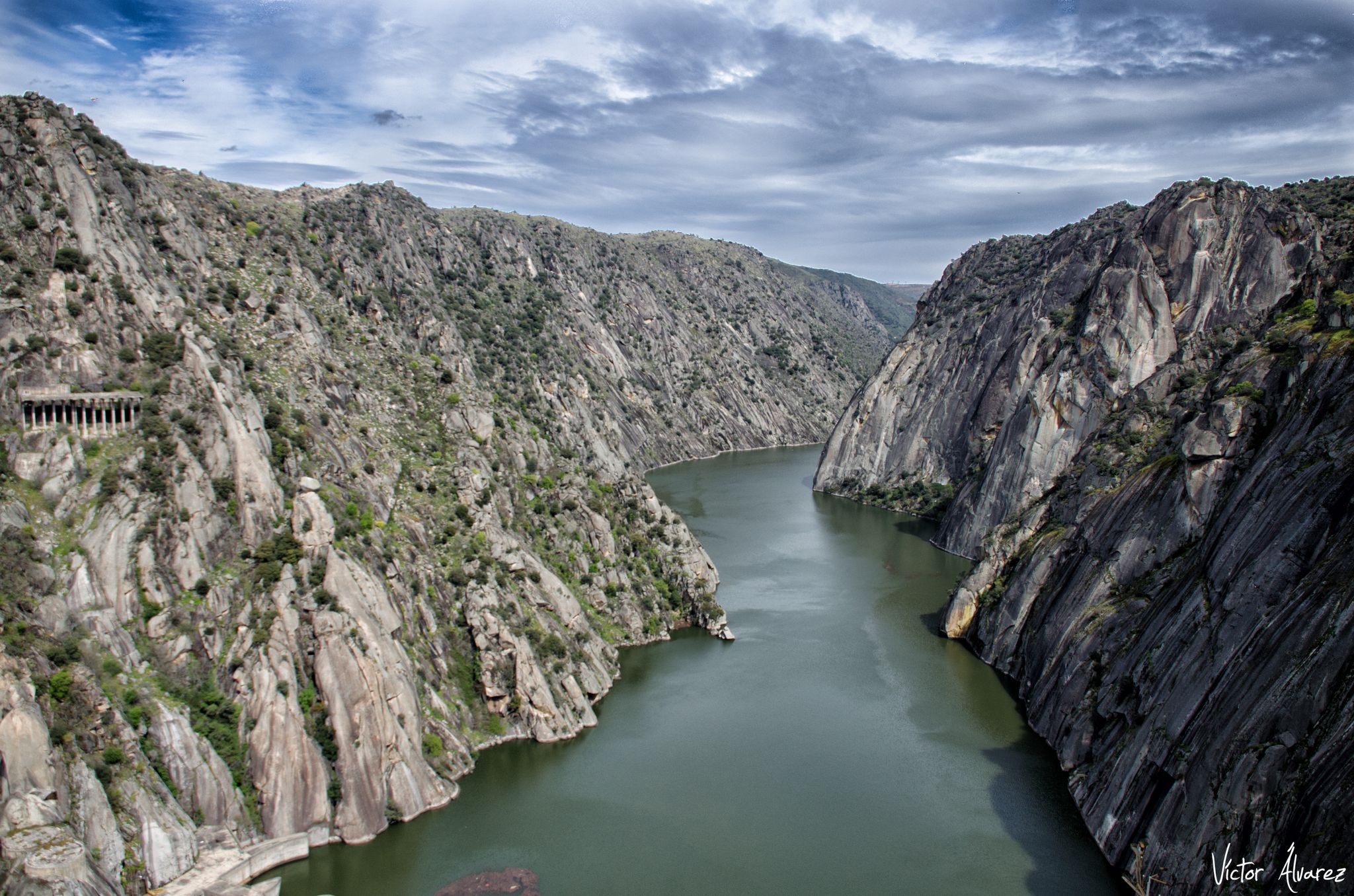
What to see and do Viewpoints: There are scenic viewpoints along the road and in the surrounding area offering views of the dam and reservoir. Ricobayo Reservoir: Ideal for water sports, fishing, and hiking. Natural surroundings: Very close to the Arribes del Duero Natural Park, with its spectacular landscapes.
2
0
The Ricobayo Dam is located on the Esla River, in the province of Zamora (Castilla y León), and is part of the Iberdrola hydroelectric system. Completed in 1934, it was one of the major hydraulic engineering projects of the 20th century in Spain.
2
0
The Alcázar of Toro is a historic fortification located in the town of Toro (Zamora, Castile and León), with great heritage and scenic value. It was built in the 10th century during the Christian repopulation, as part of the defensive system against Muslim incursions. It was reinforced in subsequent centuries, especially in the Middle Ages, when Toro acquired strategic importance in the Kingdom of León and later in Castile. It played a prominent role in the War of the Castilian Succession (1475), in the famous Battle of Toro between supporters of Isabella I of Castile and Joanna la Beltraneja.
2
0
It spans the Duero River in Zamora (Castilla y León), connecting Avenida de Portugal (Pinilla neighborhood) with Calle de Salamanca in the city. The project began in 1882, with construction starting in 1892, under the direction of engineer Prudencio Guadalajara, to alleviate the overloading of the old Stone Bridge. Inaugurated in 1900, it represented a significant improvement in handling the growing traffic in the city. It was designed in steel, using a metal lattice structure of the St. Andrew's Cross type, typical of the late 19th century.
3
0
Zamora Castle is a historic fortification located in the city of Zamora, in Castile and León. Built in the 11th century, the castle has witnessed numerous historical events and has undergone several modifications over the centuries. It has a rhomboidal plan and is surrounded by a deep moat. Its thick walls and the keep, which is the highest and served as the last defensive redoubt, stand out. The castle is a fascinating place to explore history and enjoy panoramic views of the city.
1
0

On a promontory are the remains of what was once a castle belonging to the Order of Santiago. From that area there are beautiful views of the region.
0
0
The inspiration for the Collegiate Church came from the Cathedral of Zamora, and its design also influenced other buildings, such as the Old Cathedral of Salamanca. Construction began in the 12th century under the auspices of the kings of León. It is one of the most characteristic examples of Romanesque in its transitional phase. The works extended over an unusually long period, from the last third of the 12th century to the middle of the 13th. The collegiate church was built in two stages: the first included the side portals, walls and layouts, while the second focused on the roof and a dome with attached towers. If you ever have the opportunity to visit Toro, don't miss the opportunity to explore this wonderful collegiate church. It is a true historical treasure! 🌟
3
0
The Clock Tower, also known as the Clock Arch, is located in the walled area of Toro, in the province of Zamora, Spain. Its construction began in 1719 during the reign of Philip V and was completed nineteen years later. The design is attributed to architect Joaquín Churriguera. The tower is located above the old Market Gate, which dates back to the 15th century and surrounded the first walled area of the city. Its height allows it to be seen from any point in Toro. If you ever visit Toro, don't miss the opportunity to admire this historic tower and its clock. It is a true symbol of the city! 🕰️🌟
2
0
Frequently Asked Questions
How many road cycling routes are available around Pereruela?
There are over 45 road cycling routes around Pereruela, offering a wide range of options for different skill levels. You'll find routes varying from moderate to more challenging, with a good selection of easy rides as well.
What kind of terrain can I expect on road cycling routes in Pereruela?
The terrain around Pereruela is characterized by rolling countryside, traditional villages, and agricultural landscapes. While many routes feature well-paved surfaces, some may include varied terrain that can appeal to cyclists seeking both challenging climbs and more leisurely rides. The region is part of the Duero Route, suggesting diverse and interesting landscapes.
Are there road cycling routes suitable for beginners or families in Pereruela?
Yes, Pereruela offers several easier road cycling routes. There are 9 routes classified as easy, providing options for those looking for less demanding rides or family outings. These routes typically have minimal elevation gain and can be completed in shorter durations.
Are there challenging road cycling routes in Pereruela?
For experienced cyclists seeking a challenge, Pereruela has 9 routes classified as difficult. These routes often feature greater ascents and longer distances, requiring good fitness. You can find options that will test your endurance and climbing abilities.
What cultural attractions can I explore along the road cycling routes in Pereruela?
Pereruela is known for its handmade pottery, and you can visit the Interpretation Center to learn about this heritage. Many routes also pass near historic sites in Zamora, such as the Castle of Zamora, the Zamora Cathedral, and Plaza Mayor. The Zamora and Peñausende Castles Loop is a great option for exploring historical areas.
Are there natural sights to see while road cycling near Pereruela?
Absolutely. The region boasts beautiful natural features. You can encounter sights like the Abelón Waterfall, the Valorio Forest, and the Viewpoint of the Confluence of the Esla and Duero Rivers. The Zamora and Ricobayo Dam Loop offers views of the Ricobayo Reservoir and surrounding landscapes.
Are there historic landmarks or bridges to see on the routes?
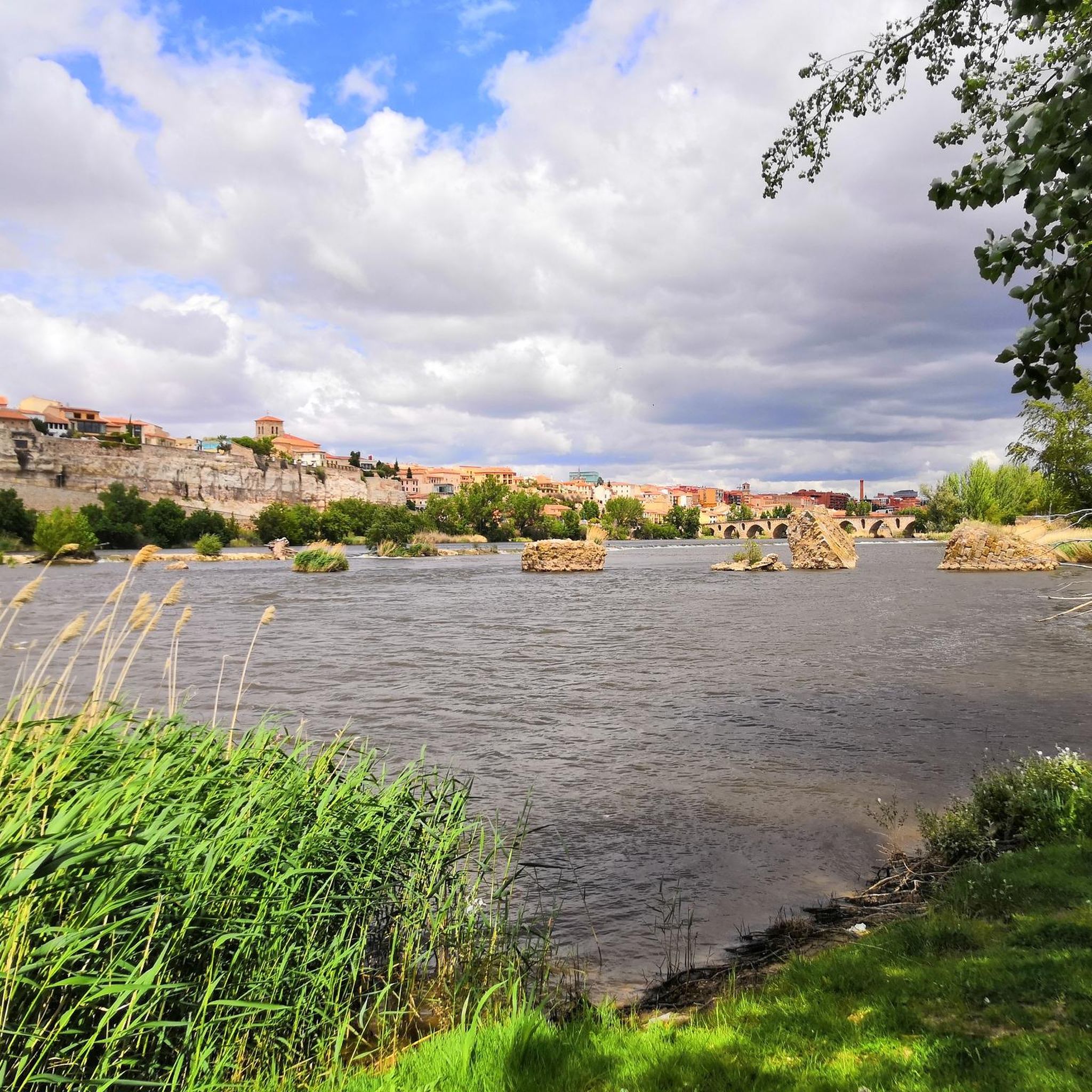
Yes, the area is rich in historical infrastructure. You can cycle past lovely bridges such as Potato, Judiez, and Urrietas, which span the Campeán stream. The Zamora Stone Bridge is another notable historic landmark you might encounter on routes passing through Zamora.
Are there circular road cycling routes available?
Many of the road cycling routes around Pereruela are designed as loops, allowing you to start and end in the same location. Examples include the Zamora and Ricobayo Dam Loop, the Zamora and Toro Loop, and the Tierra del Vino — circular desde Morales del Vino.
What do other road cyclists say about the routes in Pereruela?
The road cycling routes in Pereruela are highly rated by the komoot community, with an average score of 3.9 stars from over 7 reviews. More than 800 road cyclists have used komoot to explore the varied terrain, often praising the scenic landscapes and the blend of cultural and natural heritage.
Is parking available for road cyclists in Pereruela?
While specific parking areas for cyclists are not detailed, Pereruela is a town with historical significance, and parking is generally available within the town or nearby villages. Many routes start from or pass through these settlements, making it convenient to find a place to park your vehicle.
Can I access road cycling routes in Pereruela using public transport?
Pereruela is about 12 kilometers from Zamora, which is a larger city with public transport connections. While direct public transport to specific route starting points might be limited, reaching Zamora by bus or train and then cycling to Pereruela or the route start is a feasible option for many.
Are there places to stop for refreshments or accommodation along the routes?
The routes often traverse traditional villages and pass near towns like Zamora and Toro. These locations typically offer cafes, restaurants, and accommodation options where cyclists can refuel and rest. It's advisable to check specific route details for amenities along your chosen path.
Most popular attractions around Pereruela

Get inspired with the komoot mobile app


Explore more
Browse the best Road cycling routes in other regions.
