The best cycling routes around Park Krajobrazowy Dolina Jezierzycy
4.6
(478)
1,770
riders
129
rides
Touring cycling routes around Park Krajobrazowy Dolina Jezierzycy traverse a diverse landscape of forests, wetlands, and meadows within southwestern Poland. The region is characterized by the Jezierzyca River valley, numerous ponds, and oxbow lakes, providing varied scenery for cyclists. Terrain includes gentle ascents and descents, with some routes featuring occasional short, intense climbs. The park's established recreational routes cater to different cycling preferences, including road, gravel, and mountain biking.
Best touring cycling routes around Park Krajobrazowy Dolina Jezierzycy
- The most…
Last updated: July 18, 2026
5.0
(2)
6
riders
Moderate bike ride. Good fitness required. Mostly paved surfaces. Suitable for all skill levels.
4
riders
Easy bike ride. Great for any fitness level. Mostly paved surfaces. Suitable for all skill levels.

Sign up for free
5.0
(1)
4
riders
Moderate bike ride. Good fitness required. Mostly paved surfaces. Suitable for all skill levels.
4.7
(13)
43
riders
Moderate bike ride. Good fitness required. Mostly paved surfaces. Suitable for all skill levels.
4.8
(6)
27
riders
Moderate bike ride. Good fitness required. Mostly paved surfaces. Suitable for all skill levels.
Get access to more routes and recommendations from other explorers.
Sign up for free
Already have an account?
Our route recommendations are based on thousands of hikes, rides, and runs completed by other people on komoot.
Start today with a free account
Your next adventure awaits.
Login or Signup
Popular around Park Krajobrazowy Dolina Jezierzycy
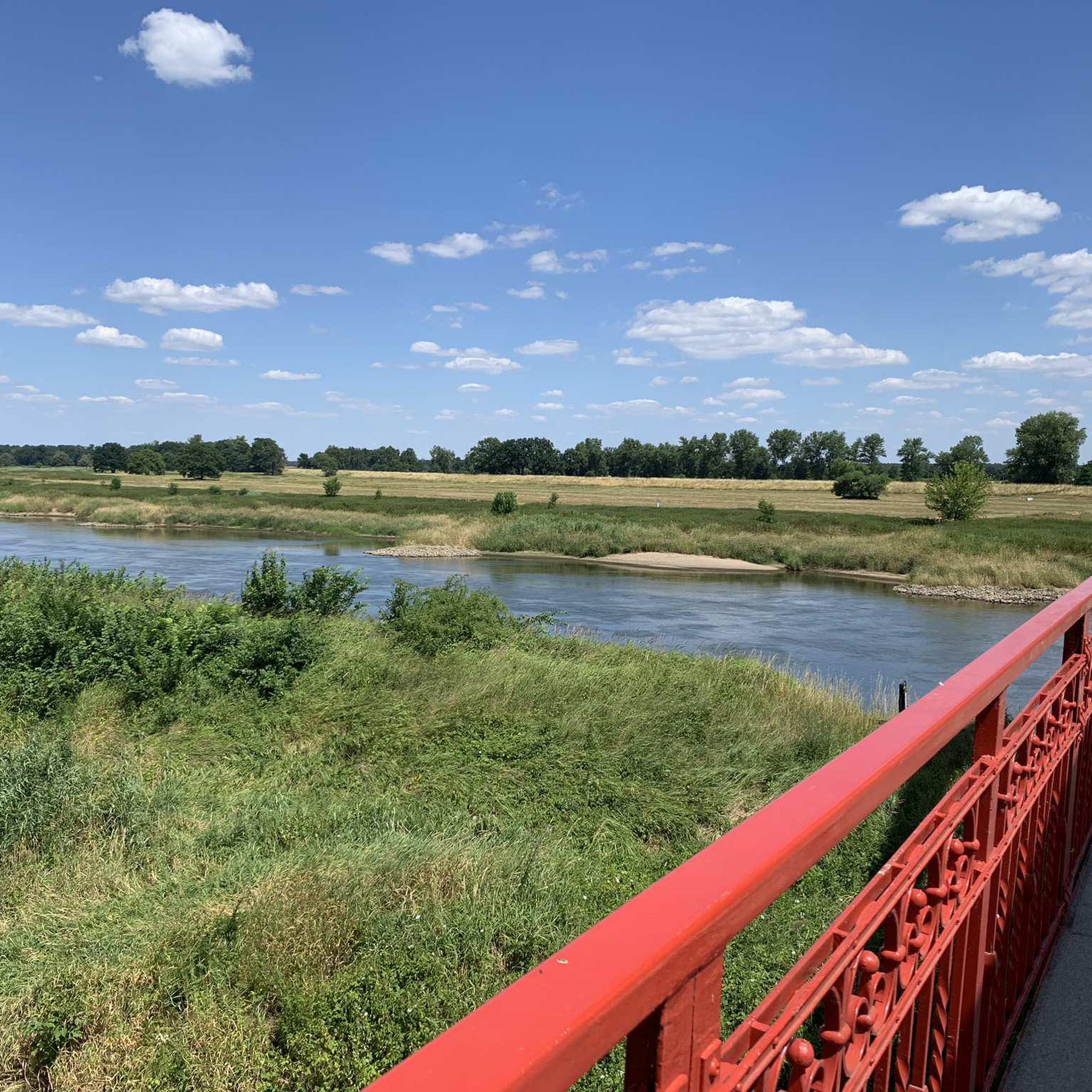
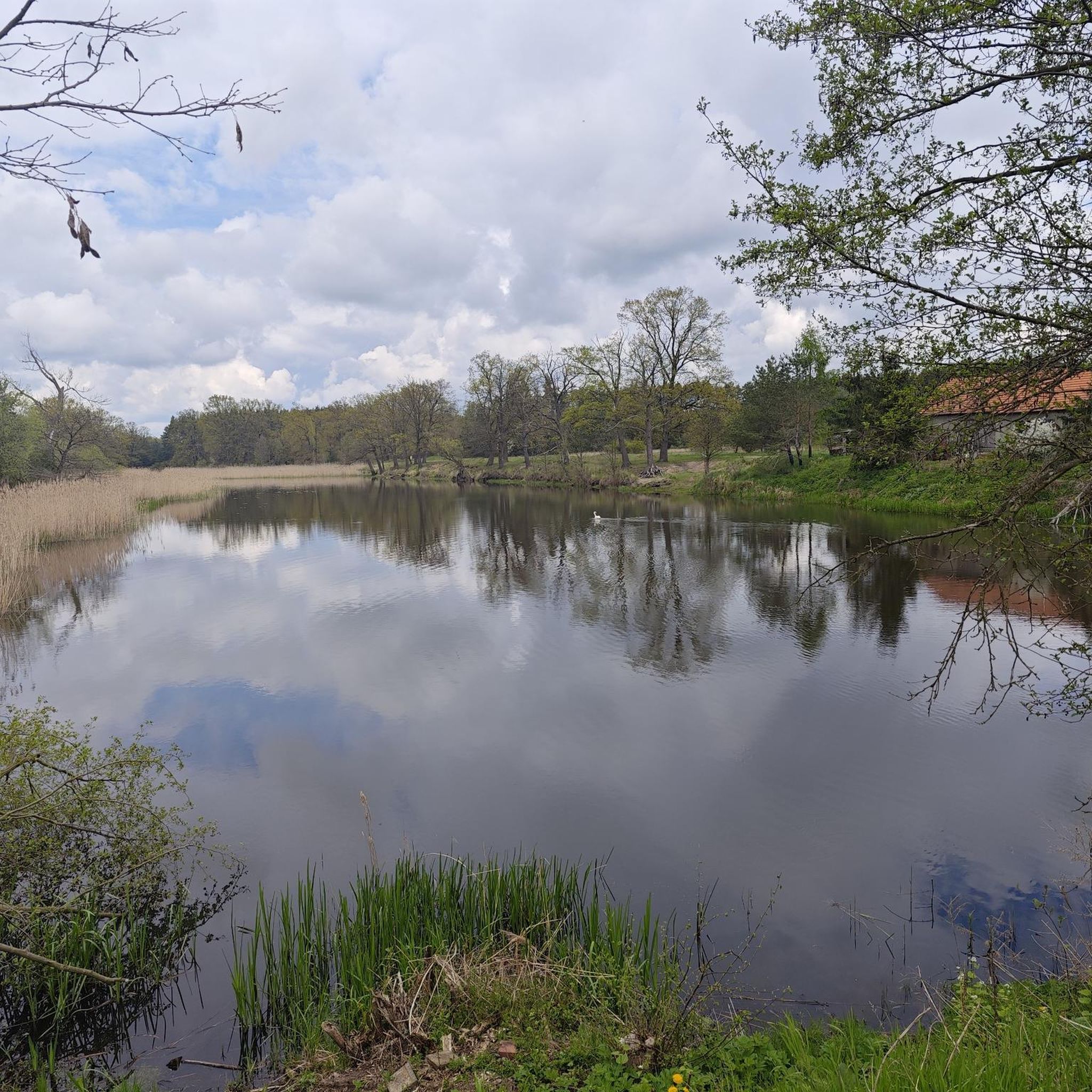
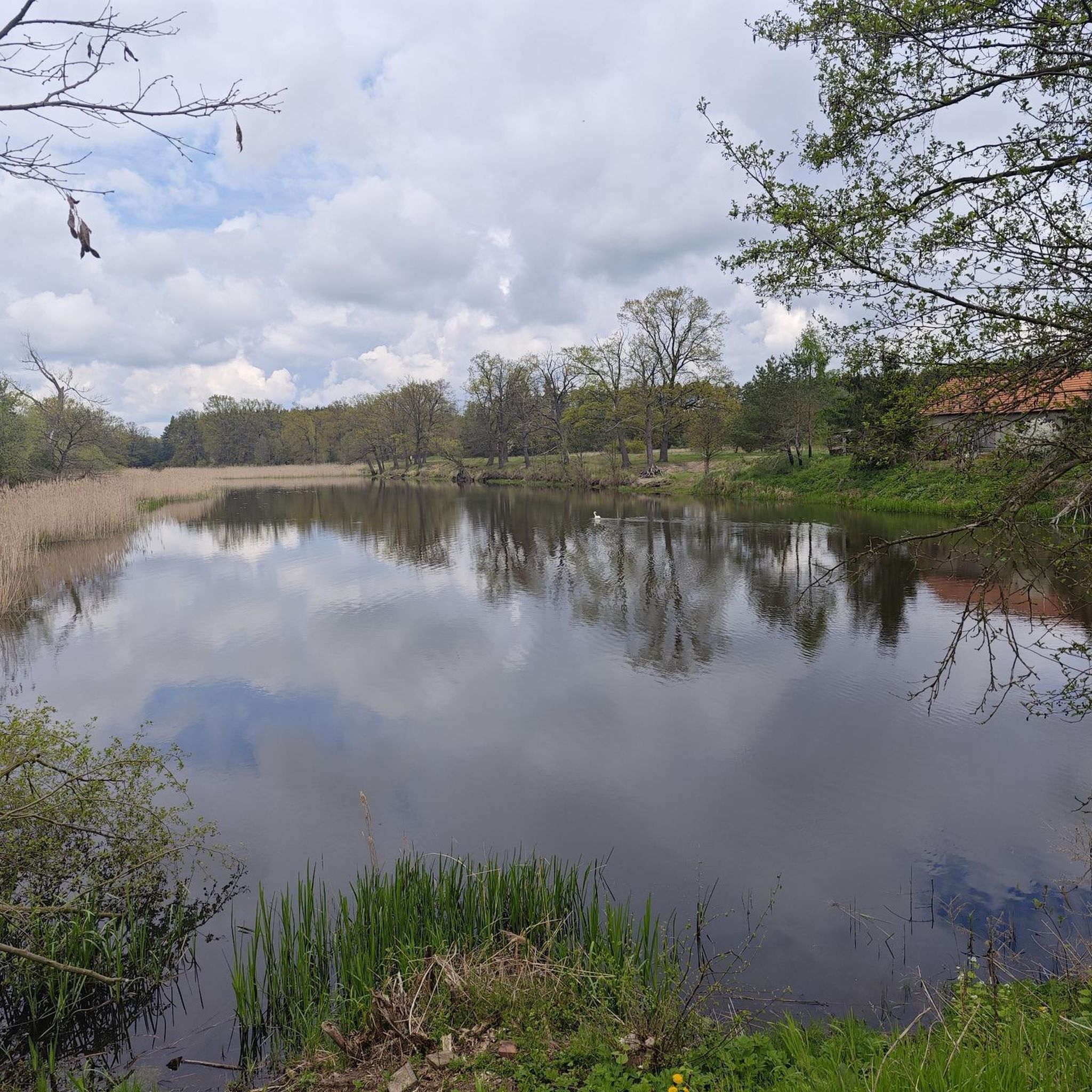

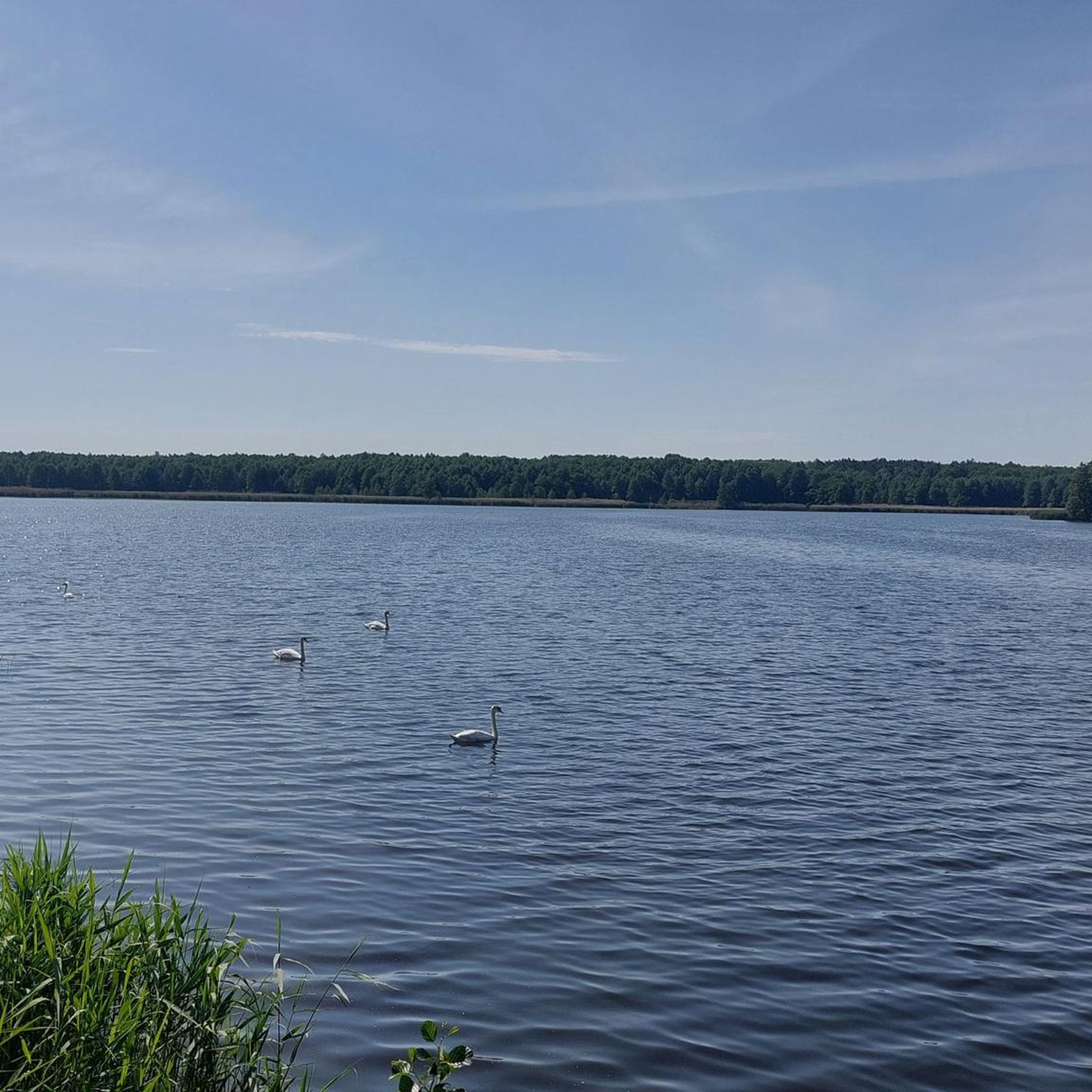
Tips from the Community

The abbey grounds are accessible, allowing you to explore every nook and cranny. The abbey itself can also be explored inside. I highly recommend it 😀👍
0
0

Pricey, but the location somewhat justifies it, with a provincial Italian feel. The food is okay, and the local beer is good. It's hard to find a seat on weekend afternoons, but it's a bit cheaper during the week, but still quite crowded.
1
0
Premium gravel and a beautiful forest, in places overgrown with large ferns, which looks phenomenal.
0
0
A Brief History of the Cistercian Abbey in Lubiąż The Cistercian Abbey in Lubiąż is one of the largest and most important monastic complexes in Central Europe. The beginnings of monastic settlement in Lubiąż date back to the 11th century, when the Benedictines probably had their establishment here. However, the real flourishing of the monastery began with the arrival of the Cistercians in 1163 from Pforta in Thuringia. They were brought by Duke Bolesław the Tall, who gave them lands in Lubiąż. The Cistercians, known for their diligence and management skills, quickly developed the monastery estates, establishing farms, fish ponds and mills. The abbey became an important economic, cultural and religious centre in Silesia. During the Middle Ages, Lubiąż was one of the richest and most influential Cistercian monasteries in Europe. Its abbots played a significant role in the political and ecclesiastical life of the region. Valuable manuscripts were created here, craftsmanship developed, and the monastery library gathered rich collections. The period of the Hussite Wars in the 15th century brought considerable destruction and the decline of the abbey. The monastery was burned down and plundered, and the number of monks decreased significantly. A revival took place in the second half of the 15th century and lasted through the 16th century, but on a smaller scale than during the period of glory. The real revival and Baroque reconstruction of the abbey took place in the 17th and 18th centuries. Monumental buildings were built at that time, such as an impressive church, library, refectory and abbots' palace. With the secularization of the monastic property in Prussia in 1810, the Lubiąż Abbey was dissolved. The monastery property was taken over by the Prussian state, and the buildings served various functions - from a psychiatric hospital, through warehouses, to barracks. Many valuable works of art and books were dispersed or destroyed. After World War II, Lubiąż found itself within the borders of Poland. The condition of the buildings was dramatic – the monastery was neglected, devastated and gradually fell into ruin. It was only in recent decades that intensive conservation and revitalization work was undertaken. Since 1989, the management of the abbey was taken over by the Lubiąż Foundation, which, together with the Ministry of Culture and National Heritage and EU funds, is conducting extensive renovation work. Thanks to this, it is gradually regaining its former glory and is being made available to visitors. Currently, the Cistercian abbey in Lubiąż is one of the greatest tourist attractions in Lower Silesia and a testament to the rich history of the region.
2
0
A Brief History of the Cistercian Abbey in Lubiąż The Cistercian Abbey in Lubiąż is one of the largest and most important monastic complexes in Central Europe. The beginnings of monastic settlement in Lubiąż date back to the 11th century, when the Benedictines probably had their establishment here. However, the real development of the monastery began with the arrival of the Cistercians in 1163 from Pforta in Thuringia. They were brought by Duke Bolesław the Tall, who gave them lands in Lubiąż. The Cistercians, known for their diligence and management skills, quickly developed the monastery estates, establishing farms, fish ponds and mills. The abbey became an important economic, cultural and religious centre in Silesia. During the Middle Ages, Lubiąż was one of the richest and most influential Cistercian monasteries in Europe. Its abbots played a significant role in the political and ecclesiastical life of the region. Valuable manuscripts were created here, craftsmanship developed, and the monastery library gathered rich collections. The period of the Hussite Wars in the 15th century brought significant destruction and decline to the abbey. The monastery was burned and plundered, and the number of monks decreased significantly. Rebirth occurred in the second half of the 15th century and lasted through the 16th century, but on a smaller scale than during the period of glory. The real rebirth and Baroque reconstruction of the abbey took place in the 17th and 18th centuries. Monumental buildings were built at that time, such as an impressive church, library, refectory and abbots' palace. With the secularization of the monastic property in Prussia in 1810, the Lubiąż Abbey was dissolved. The monastery property was taken over by the Prussian state, and the buildings served various functions - from a psychiatric hospital, through warehouses, to barracks. Many valuable works of art and books were dispersed or destroyed. After World War II, Lubiąż found itself within the borders of Poland. The condition of the buildings was dramatic – the monastery was neglected, devastated and gradually fell into ruin. Only in recent decades have intensive conservation and revitalization works been undertaken. Since 1989, the management of the abbey has been taken over by the Lubiąż Foundation, which, together with the Ministry of Culture and National Heritage and EU funds, is conducting extensive renovation works. Thanks to this, it is gradually regaining its former glory and is being made available to visitors. Currently, the Cistercian abbey in Lubiąż is one of the greatest tourist attractions in Lower Silesia and a testimony to the rich history of the region.
2
0

Europe's largest abbey. Only a small part can be visited; the rest is still in ruins. But it's a beautiful complex.
0
0
Frequently Asked Questions
What is the typical terrain like for touring cycling in Park Krajobrazowy Dolina Jezierzycy?
The park offers a varied terrain, characterized by a mosaic of forests, wetlands, meadows, and bodies of water. You'll find approximately 80% of the area covered by forests, primarily pine, but also ash-alder and black alder carrs. Routes often feature gentle ascents and descents, with occasional short, intense climbs on various surfaces, including dedicated bike paths, gravel, and some unpaved sections.
Are there touring cycling routes suitable for beginners or less experienced cyclists?
Yes, the park offers a good selection of routes suitable for various fitness levels. Out of 115 touring cycling routes, 62 are rated as easy. An example of an easy route is the Cistercian Monastery in Lubiąż – Cistercian Abbey in Lubiąż loop from Krzydlina Mała, which is 13.6 miles (22.0 km) long and focuses on historical sights.
What natural features or landmarks can I see while cycling in the park?
The Jezierzyca River forms a central hydrological axis, with sections retaining their natural character. You can also explore numerous ponds, streams, and oxbow lakes. A significant natural highlight is the Uroczysko Wrzosy Nature Reserve, which protects rare plant species and natural forest communities. The Lubiąż–Wołów Bike Path offers pleasant surroundings, primarily through forested areas.
Are there any historical sites accessible by bike in the region?
Yes, while cycling, you can encounter traces of old cultures, including archaeological sites. The most notable architectural attraction is the Cistercian Abbey in Lubiąż, one of the largest monastery complexes in Silesia, founded in 1175. Several cycling routes start or pass through Lubiąż, such as the Cistercian Abbey in Lubiąż – Cistercian Monastery in Lubiąż loop from Orzeszków.
Are there family-friendly touring cycling routes in Park Krajobrazowy Dolina Jezierzycy?
Many cycling and hiking trails in the park are easily accessible and suitable for various fitness levels, including families. The dedicated Lubiąż–Wołów Bike Path is known for its very good surface and rest areas, making it a great option for families. Routes with an 'easy' difficulty grade are generally suitable for family outings.
Can I bring my dog on the touring cycling routes in the park?
While the region is rich in natural beauty, specific regulations regarding dogs on cycling routes within Park Krajobrazowy Dolina Jezierzycy are not explicitly detailed in the provided information. It's generally advisable to keep dogs on a leash in protected areas and ensure they do not disturb wildlife. Always check local signage for specific rules.
When is the best time of year for touring cycling in Park Krajobrazowy Dolina Jezierzycy?
The park is enjoyable for cycling throughout the warmer months. Spring and autumn offer pleasant temperatures and beautiful scenery, with fewer crowds. Summer is also popular, though some routes might be busier. The diverse landscapes, including forests and wetlands, provide varied experiences depending on the season.
Are there circular touring cycling routes available in the park?
Yes, many routes in the park are designed as loops, allowing you to start and end at the same point. Examples include the popular Ponds in the Jezierzyca Valley – Gravel Road with Potholes loop from gmina Wołów and the Cistercian Abbey in Lubiąż – Cistercian Monastery in Lubiąż loop from Wołów.
What do other touring cyclists enjoy the most about cycling in Park Krajobrazowy Dolina Jezierzycy?
The area is highly rated by the komoot community, with an average score of 4.6 stars from over 370 reviews. Reviewers often praise the diverse landscapes, extensive forests, and the opportunity to combine nature exploration with historical sites like the Cistercian Abbey in Lubiąż. The variety of surfaces, from smooth paths to gravel, also contributes to its appeal.
Are there specific routes for gravel biking within the park?
Yes, the park is well-regarded for gravel biking. Routes like "Gravel Path Through the Forest – Park Krajobrazowy Dolina Jezierzycy" are praised for their "premium gravel" and beautiful forest scenery. The Ponds in the Jezierzyca Valley – Gravel Road with Potholes loop from gmina Wołów also features varied surfaces, including gravel sections.
What kind of facilities can I expect along the cycling routes?
Some dedicated cycling paths, such as the Lubiąż–Wołów Bike Path, feature rest areas. While not explicitly detailed for all routes, the presence of various villages and towns nearby suggests opportunities for refreshments. You might also find unique spots like the Fish Bench (Bench No. 6) within the park.
How many touring cycling routes are available in Park Krajobrazowy Dolina Jezierzycy?
There are over 115 touring cycling routes available in Park Krajobrazowy Dolina Jezierzycy, offering a wide range of options for different skill levels and preferences. These include 62 easy routes, 37 moderate routes, and 16 difficult routes.
Most popular routes around Park Krajobrazowy Dolina Jezierzycy
Most popular attractions around Park Krajobrazowy Dolina Jezierzycy

Get inspired with the komoot mobile app


Explore more
Browse the best Cycling routes in other regions.
