Attractions and Places To See around Vélez-Rubio - Top 20
Attractions and places to see around Vélez-Rubio include a variety of historical, cultural, and natural sites within the Sierra María-Los Vélez Natural Park. This region features notable landmarks such as Baroque churches and historical buildings, alongside prehistoric cave paintings. Vélez-Rubio offers opportunities to explore its rich architectural heritage and diverse landscapes.
Best attractions and places to see around Vélez-Rubio
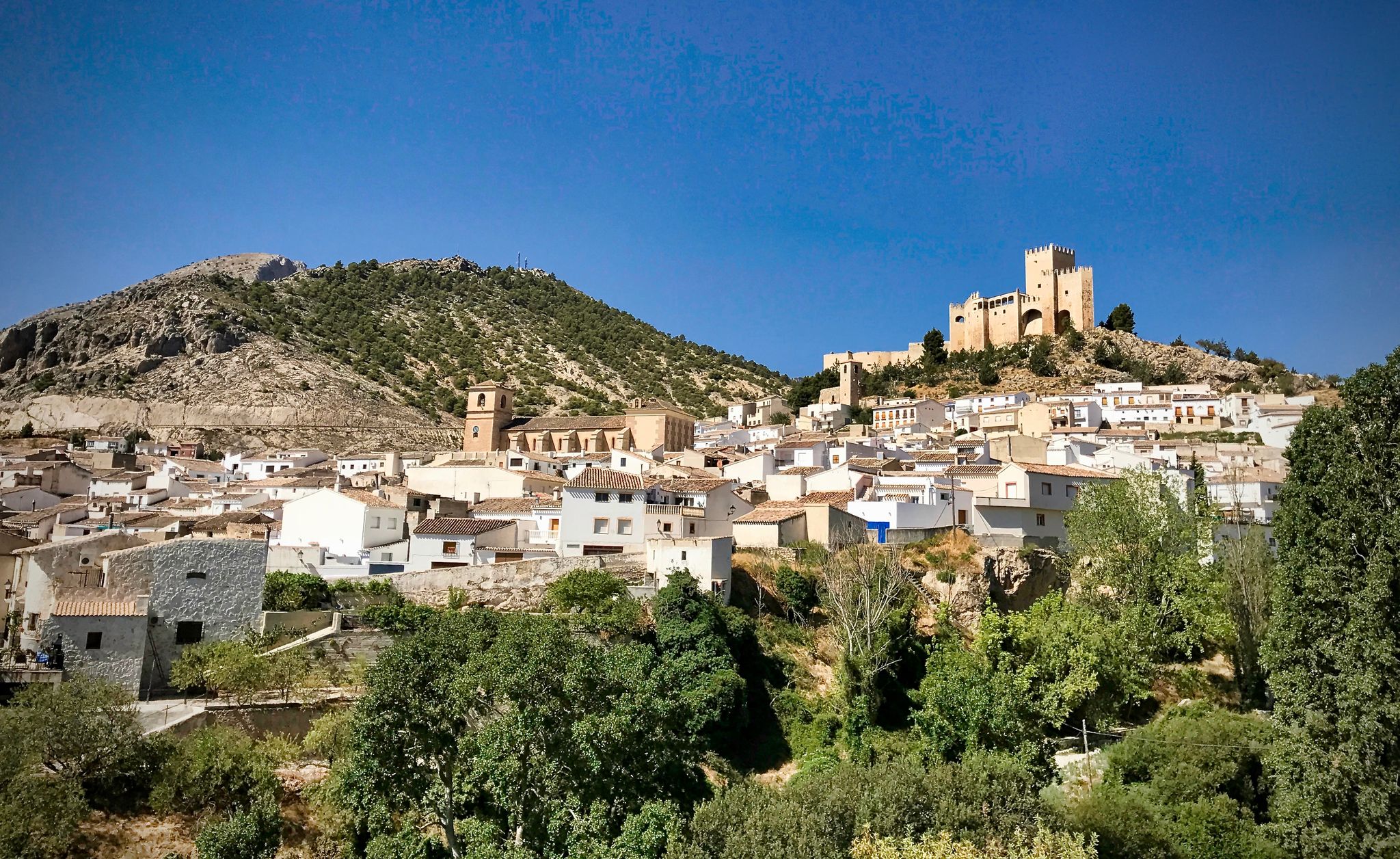
- The most popular attractions is Vélez-Rubio, a settlement that has amalgamated cultures over centuries. Its urban center presents an architectural complex from the 18th and 19th centuries, with some neighborhoods preserving medieval street layouts.
- Another must-see spot is Santuario del Saliente, a religious building constructed in the last third of the 17th century to house the image of the Virgen del Saliente. This sanctuary is one of the largest pilgrimage centers in southeastern Spain, offering magnificent views.
- Visitors also love Vélez-Blanco Castle, a castle built between 1506 and 1515 by order of Pedro Fajardo y Chacón. This jewel of the Spanish Renaissance combines military and palatial elements, located in the neighboring municipality of Vélez-Blanco.
- Vélez-Rubio is known for its historical sites, natural features, and cultural attractions. The area provides a range of places to see and explore, from ancient architecture to natural parks.
- The attractions around Vélez-Rubio are appreciated by the komoot community, with 18 photos and 20 upvotes highlighting their appeal.
Last updated: October 18, 2026
Santuario del Saliente
Highlight • Religious Site
Translated by Google •
Tip by

Sanctuary of Our Lady of Saliente
Highlight • Religious Site
Translated by Google •
Tip by

Sign up now to discover places like this
Get recommendations on the best single tracks, peaks, & plenty of other exciting outdoor places.
Church of the Incarnation of Vélez-Rubio
Highlight • Religious Site
The church is located in the Plaza de la Encarnación, in the heart of the historic centre of Vélez-Rubio. In addition to its architectural value, the church houses various works of religious art and is an active centre of the spiritual life of the community.
Translated by Google •
Tip by
Vélez-Blanco Castle
Highlight • Castle
Translated by Google •
Tip by
Caños de Caravaca Fountain
Highlight • Monument
Translated by Google •
Tip by

Sign up for free to discover even more attractions around Vélez-Rubio.
Already have an account?
Start today with a free account
Your next adventure awaits.

Other adventures around Vélez-Rubio

Tips from the Community

Vélez-Blanco Castle, located in the municipality of the same name in the province of Almería (Andalusia), is a jewel of the Spanish Renaissance that combines military and palatial elements. Construction began in 1506 by Pedro Fajardo y Chacón, the first Marquis of Vélez, on the remains of an ancient Islamic citadel.
8
0
The Caños de Caravaca Fountain is located on San Francisco Street in the town centre of Vélez-Blanco. This fountain stands out for its unique decoration, with tiles in striking orange and green colours, which include motifs from Don Quixote and the Vélez-Blanco coat of arms. The fountain is supplied by springs from the Barranco de las Fuentes and its flow is low but constant. In addition to its architectural value, the fountain is used for irrigation and is a point of tourist and recreational interest in the town.
1
0
This building is the administrative centre of the town and offers various services to citizens, including electronic procedures through its electronic headquarters. The building was built in 1732 and restored between 1991 and 1993. The façade of the building incorporates baroque elements, as well as some modernist details added during renovations carried out in 1909. This building is not only the administrative centre of the town, but also a point of architectural and cultural interest.
2
0
The Church of the Encarnación in Vélez-Rubio is one of the most outstanding monuments in the town. Built in the 18th century, this church is a magnificent example of Baroque architecture. Its imposing façade and richly decorated interior make it a place of great interest for both the faithful and lovers of art and history. The church is located in the Plaza de la Encarnación, in the heart of the historic centre of Vélez-Rubio. In addition to its architectural value, the church houses various works of religious art and is an active centre of the spiritual life of the community.
2
0

The fountain spouts fresh, crystal-clear drinking water of the highest quality. Its construction was commissioned by the first Marquis of Los Vélez at the beginning of the 16th century. With four spouts, it has a very unique, rich ornamentation based on tiles in striking orange and green tones, made in 1944. It depicts three scenes, two from Goya's "La Vendimia" and one from Don Quixote. Next to it you can also see the coat of arms of Vélez Blanco.
0
0
town hall of Velez Rubio
0
1
The church was built in 1753 and represents the transition from the late Baroque to the neoclassical style. It is decorated with two sculptural towers and a stone-carved façade in the middle. Inside, the stained glass windows and altarpieces are noteworthy.
0
1
Built between 1506 and 1515 by order of Pedro Fajardo y Chacón, first Marquis of Vélez, Vélez-Blanco Castle is a fascinating destination for lovers of history and architecture.
9
0
Frequently Asked Questions
What historical sites can I explore in Vélez-Rubio?
Vélez-Rubio boasts a rich historical center with an architectural complex primarily from the 18th and 19th centuries, retaining some medieval street layouts. Key historical landmarks include the impressive Baroque Iglesia de la Encarnación, the Royal Hospital (now housing the Miguel Guirao Regional Museum), and the 17th-century Convento de María Inmaculada. The Vélez-Blanco Castle, a stunning Renaissance fortress, is also a significant historical jewel nearby.
Are there any significant religious sites to visit in the area?
Yes, the region is home to several important religious sites. The Santuario del Saliente is one of the largest pilgrimage centers in southeastern Spain, known for its magnificent views and housing the image of the Virgen del Saliente. In Vélez-Rubio itself, the Iglesia de la Encarnación is a prominent Baroque church, and the Iglesia de Nuestra Señora del Carmen dates back to the early 17th century.
What natural attractions are there around Vélez-Rubio?
Vélez-Rubio is nestled within the Sierra María-Los Vélez Natural Park, offering a diverse landscape of valleys and mountains. The park is known for its native larch pine and rich fauna, including over 100 bird species. Within Vélez-Rubio, you can also visit the Meson Park and Desert Botanical Garden, which features an artificial pond and a green area dedicated to desert flora.
Where can I find prehistoric cave paintings near Vélez-Rubio?
The region is famous for its prehistoric art. The Cueva de Los Letreros, located approximately 3 km north of Vélez-Rubio, is a UNESCO World Heritage site renowned for its ancient cave paintings. Another site with cave paintings, the Cueva del Gabar, is also found within the broader area of the natural park near Vélez-Blanco.
Are there family-friendly activities in Vélez-Rubio?
Many attractions around Vélez-Rubio are suitable for families. The Caños de Caravaca Fountain is a picturesque spot that families can enjoy. Exploring the historical streets of Vélez-Rubio and visiting the Miguel Guirao Regional Museum offer educational and engaging experiences. The Sierra María-Los Vélez Natural Park also provides opportunities for easy walks and enjoying nature with children.
What kind of outdoor activities can I do in the Sierra María-Los Vélez Natural Park?
The Sierra María-Los Vélez Natural Park is ideal for various outdoor activities. You can enjoy hiking, cycling, and exploring rural landscapes. For cycling enthusiasts, there are routes like the "Parque Natural Sierra de María-Los Vélez — circular desde Vélez-Rubio." Runners can explore trails such as the "El Picacho Trail (PR-A 117)" or the "Cueva del Toro loop from Vélez-Rubio." Gravel biking is also popular, with routes like "TransAlmeria gravel circular to Velez-Blanco." You can find more details on these activities in the cycling, running, and gravel biking guides for the area.
Are there hiking trails suitable for beginners or easy walks?
Yes, the Sierra María-Los Vélez Natural Park offers trails for various fitness levels. While many routes are moderate to difficult, you can find easier paths suitable for beginners or leisurely walks within the park's valleys and green areas. The Meson Park also provides a pleasant, accessible space for a stroll.
What are some unique cultural experiences in Vélez-Rubio?
Vélez-Rubio offers unique cultural experiences, including its traditional whitewashed houses and blend of Baroque architecture. The town hosts a bustling street market where you can find local goods. On the last Sunday of every month, Plaza del Rey hosts an antiquities and second-hand market. Additionally, Holy Week (Semana Santa) is a major cultural and religious event, declared a National Tourist Interest Festival of Andalusia, attracting visitors globally.
Where can I enjoy panoramic views of the region?
For panoramic views, the Santuario del Saliente offers magnificent vistas of the surrounding landscape. The Vélez-Blanco Castle, situated on a hill, also provides spectacular views of the town and the natural park. The Iglesia de la Encarnación, located at the highest point of Vélez-Rubio, is visible from throughout the town and likely offers good views from its vicinity.
What is the best time of year to visit Vélez-Rubio for outdoor activities?
The best time to visit Vélez-Rubio for outdoor activities is typically during the spring (April-May) and autumn (September-October) months. During these periods, the weather is generally mild and pleasant, making it ideal for hiking, cycling, and exploring the natural park without the intense heat of summer or the cooler temperatures of winter.
Can I find local markets or traditional gastronomy in Vélez-Rubio?
Absolutely. Vélez-Rubio is known for its vibrant local culture, including a large, bustling street market where you can find fresh produce and local crafts. The region also boasts a rich gastronomy, with traditional dishes such as rice with turkey, "Tajas," stews, and locally produced sausages and hams that have a strong reputation.
Are there any accessible attractions in Vélez-Rubio?
The Caños de Caravaca Fountain is noted as being wheelchair accessible, making it a good option for visitors with mobility needs. While specific accessibility details for all sites are not always available, many public squares and parts of the town center can be explored. It's always recommended to check with individual venues for their specific accessibility provisions.
What do visitors particularly enjoy about Vélez-Rubio?
Visitors to Vélez-Rubio appreciate its rich historical and architectural heritage, particularly the 18th and 19th-century urban center and medieval street layouts. The Santuario del Saliente is highly regarded for its religious significance and magnificent views, while the Vélez-Blanco Castle is admired as a jewel of the Spanish Renaissance. The picturesque Caños de Caravaca Fountain is also a popular spot.
Most popular routes around Vélez-Rubio
Most popular attractions around Vélez-Rubio

Get inspired with the komoot mobile app


Explore more
Still not found the Highlight you’re looking for? See guides of the top attractions in other regions:
