Attractions and Places To See around Támara De Campos - Top 20
Best attractions and places to see around Támara De Campos include a historic village located in the plains of Tierra de Campos, known for its medieval urban center and significant landmarks. The area is influenced by the Camino de Santiago and features the Canal de Castilla, an 18th-century engineering marvel. Visitors can explore a blend of cultural sites, historical structures, and unique natural features within this Castilian landscape.
Best attractions and places to see around Támara De Campos
- The most…
Last updated: June 24, 2026
Canal de Castilla
Highlight • River
Translated by Google •
Tip by

Quadruple Lock of the Canal de Castilla
Highlight • Monument
In total, the locks save almost 15 meters of difference in level.
Translated by Google •
Tip by

Sign up now to discover places like this
Get recommendations on the best single tracks, peaks, & plenty of other exciting outdoor places.
Sign up for free
Scenic Section of the Canal de Castilla
Highlight (Segment) • Structure
It coincides with the Camino Frances de Santiago and with the EV1 EuroVelo route.
Translated by Google •
Tip by
Frómista
Highlight • Settlement
Here the itineraries of the Camino de Santiago and the Canal de Castilla intersect, so that it …
Translated by Google •
Tip by

Calahorra de Ribas Locks
Highlight • Monument
Undoubtedly one of the most photogenic enclaves.
Translated by Google •
Tip by
Sign up for free to discover even more attractions around Támara De Campos.
Sign up for free
Already have an account?
Start today with a free account
Your next adventure awaits.
Login or Signup


Tips from the Community

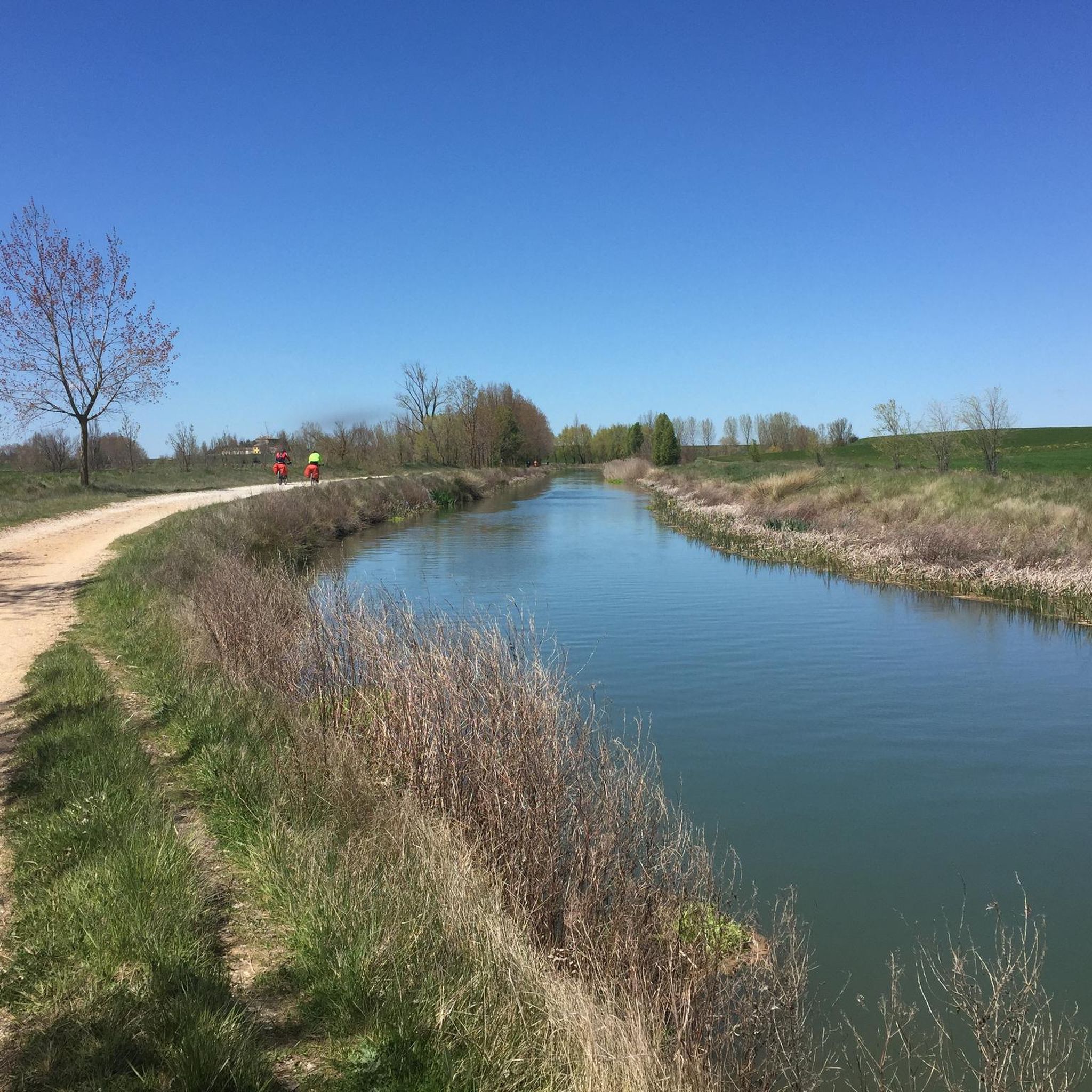
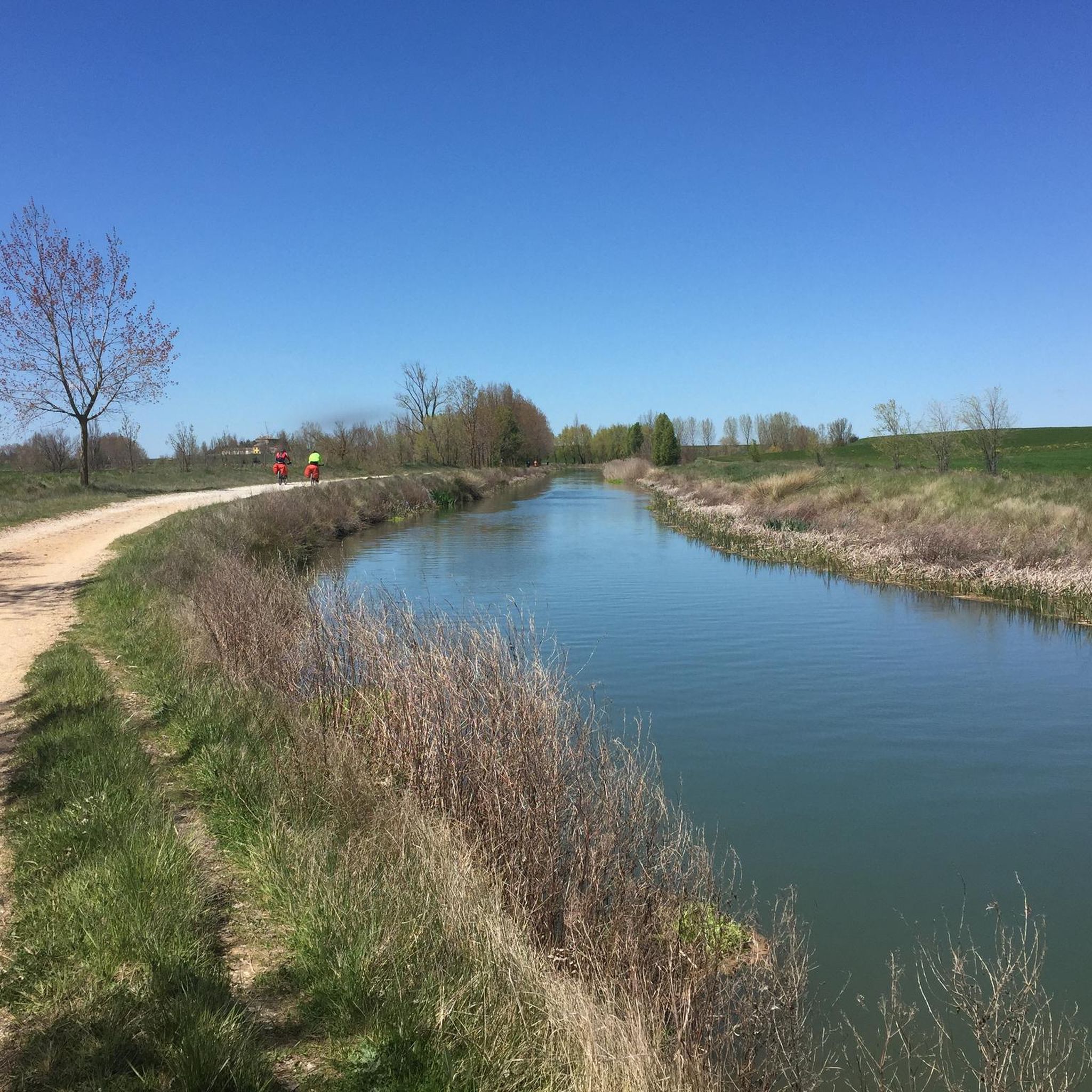
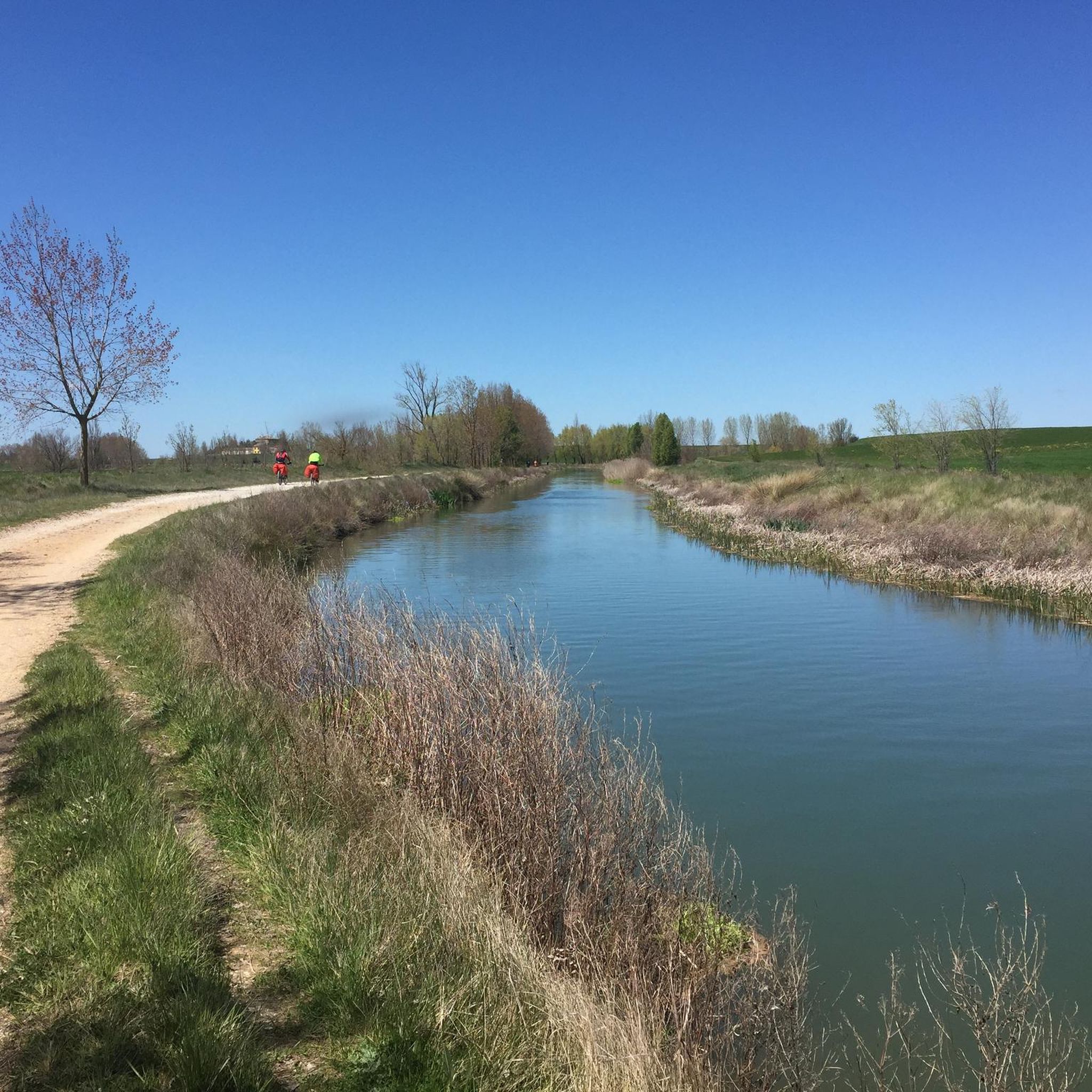
A short, pleasant stretch to walk because the water cools the air a little.
1
1

Beautiful sunrise on the Way of St. James
2
1

Seeing the engineering work for the canal 200 years ago should teach us lessons.
4
1

The Castile Canal, whose construction began in 1753, was intended to connect Castile to the Atlantic Ocean.
7
0

The Castile Channel (Canal de Castilla) is a historic canal in northern Spain, built between the latter half of the 18th century and the first half of the 19th century. It passes through the provinces of Burgos, Palencia and Valladolid and has a total length of 207 kilometres. The canal was originally built to facilitate the transport of grain from Castile to the ports in the Bay of Biscay, but today it is mainly used for irrigation and tourism.
2
1
The Esclusas de Calahorra de Ribas are an impressive historical monument in Ribas de Campos. This triple esclusa is part of the Canal de Castilla, a beautiful 18th century waterway built to promote trade in Castile and León. This esclusa is one of the highest and most beautiful in the canal and offers a spectacular view of the water flowing through it.
2
1

Here on the canal there are beautiful and interesting locks to see.
3
1
It's really nice to drive along the canal here, as the path is well developed and can therefore be easily driven on.
3
2
Frequently Asked Questions
What historical sites can I explore in Támara de Campos?
Támara de Campos is rich in history. You can visit the grand Iglesia catedralicia de San Hipólito El Real, a significant monument dating from the 14th to 16th centuries, known for its Herrerian-style tower and cathedral-like proportions. The 12th-century Iglesia-Castillo de los Caballeros Hospitalarios, which once served as a pilgrim hospital, now houses the Town Hall and offers a viewpoint. Don't miss the ancient Ermita de la Virgen de Rombrada, the 13th-century Iglesia de San Miguel, and remnants of the 11th-century Medieval Walls and Gates, including the well-preserved Puerta del Caño. The historic urban center itself, with its porticoed square and blazoned houses, reflects its medieval past.
Are there any natural features or scenic viewpoints to enjoy around Támara de Campos?
Yes, Támara de Campos is set within the expansive Tierra de Campos Landscape, offering vast plains and a unique rural ambiance. For scenic views, head to the Mirador near the former Hospital de Peregrinos, where you can enjoy expansive vistas of Tierra de Campos and, on clear days, even glimpse the distant Picos de Europa. The surrounding landscape is also dotted with traditional Palomares (dovecotes), a charming feature of the Castilian countryside.
What family-friendly attractions are available around Támara de Campos?
Many attractions around Támara de Campos are suitable for families. The Canal de Castilla offers opportunities for scenic walks or boat trips from nearby towns. Specifically, the Quadruple Lock of the Canal de Castilla is an impressive engineering marvel that can fascinate all ages, and the Scenic Section of the Canal de Castilla is popular for leisurely strolls. The town of Frómista, with its services and Romanesque church, is also considered family-friendly.
What outdoor activities, like hiking or cycling, can I do near Támara de Campos?
The area around Támara de Campos is excellent for outdoor activities, especially along the Canal de Castilla and the Camino de Santiago. For hiking, you can explore routes like 'Boadilla del Camino from Frómista — circular by the Canal de Castilla' or 'Puente del Gallo y esclusas de Calahorra de Ribas — circular por el Canal de Castilla'. Cyclists can enjoy road cycling routes such as 'Támara de Campos from Frómista — circular through the Tierra de Campos' or mountain biking trails like 'Frómista a Villalcázar de Sirga — circular'. You can find more details on these and other routes in the Hiking around Támara De Campos, Road Cycling Routes around Támara De Campos, and MTB Trails around Támara De Campos guides.
Are there any unique or lesser-known attractions worth visiting?
Beyond the main landmarks, consider exploring the Bodegas Subterráneas (Underground Wineries). These traditional Castilian wineries, essential for winemaking and storage from the Middle Ages, offer a glimpse into the region's agricultural past. One such visitable winery is located near the former Hospital de Peregrinos. Also, the charming spot of La Glorieta, with its stone circle and ancient elm trees, provides a peaceful picnic area with an 18th-century fountain.
What is the best time of year to visit Támara de Campos?
The best time to visit Támara de Campos generally depends on your preferred activities. Spring and autumn offer pleasant temperatures for exploring historical sites and enjoying outdoor activities like hiking and cycling along the Canal de Castilla. Summers can be hot, but are ideal for those who enjoy warmer weather and longer daylight hours. Winters are cooler and quieter, offering a different, more serene experience of the historic village and its landscapes.
What is the significance of the Canal de Castilla in this region?
The Canal de Castilla is an impressive feat of 18th-century engineering and a crucial historical waterway. Originally conceived to link Segovia with Santander, it played a vital role in transporting goods. Today, it's a popular spot for scenic walks, cycling, and boat trips. The Quadruple Lock of the Canal de Castilla, near Frómista, is considered one of the most ingenious works of the entire canal complex, saving almost 15 meters of difference in level.
What is the Camino de Santiago's connection to Támara de Campos?
Támara de Campos is significantly influenced by its proximity to the French Way of St. James (Camino de Santiago). The village's historic Iglesia-Castillo de los Caballeros Hospitalarios once served as a pilgrim hospital, and the Scenic Section of the Canal de Castilla coincides with the Camino Frances. This connection means pilgrims frequently pass through, contributing to the area's unique historical and cultural atmosphere and offering picturesque routes for those interested in walking a section of the Camino.
What do visitors particularly enjoy about the attractions near Támara de Campos?
Visitors frequently appreciate the historical significance and engineering marvels of the region. The Quadruple Lock of the Canal de Castilla is often highlighted as an ingenious work. Many enjoy walking or cycling along the Canal de Castilla, finding it a beautiful and relaxing experience. The blend of cultural sites, traditional Castilian architecture, and the serene rural ambiance of the Tierra de Campos landscape also leaves a lasting impression on visitors.
Can I see traditional Castilian architecture and cultural sites?
Absolutely. Támara de Campos is a declared Historic-Artistic Site, and its Casco Urbano (urban center) retains a medieval layout with a porticoed square and numerous blazoned houses, showcasing traditional Castilian architecture. Beyond the grand churches, you can also explore the Bodegas Subterráneas (Underground Wineries), which are a unique cultural insight into the region's past agricultural practices. The Monolith for the Battle of Támara and Sinesio Delgado also commemorates a pivotal historical event and a local writer.
Are there any accessible options for visitors with mobility considerations?
While specific accessibility details for all sites are not readily available, the paths along the Canal de Castilla are generally flat and wide, making them suitable for easier walks and potentially for wheelchairs, though conditions can vary. The historic urban center of Támara de Campos, with its medieval layout, may have uneven surfaces. It is advisable to check specific site conditions or contact local tourism offices for detailed accessibility information.

Get inspired with the komoot mobile app


Explore more
Still not found the Highlight you’re looking for? See guides of the top attractions in other regions:
