The best cycling routes around Alaejos
4.5
(2)
36
riders
9
rides
Touring cycling around Alaejos, located in the Tierra de Medina region of Valladolid, Spain, offers routes through expansive cereal fields and sedimentary valleys. The terrain is generally flat with gentle undulations, suitable for cycling. A significant natural feature is the Riberas de Castronuño-Vega del Duero Natural Reserve, which encompasses a section of the Duero River and features riverine forests. The area provides opportunities to cycle alongside one of Europe's largest river meanders.
Best touring cycling routes around Alaejos
- The most…
Last updated: June 28, 2026
7
riders
45.1km
03:42
190m
190m
Moderate bike ride. Good fitness required. Mostly paved surfaces. Suitable for all skill levels.
4.0
(1)
5
riders
49.8km
04:11
390m
390m
Moderate bike ride. Good fitness required. Mostly paved surfaces. Suitable for all skill levels.

Sign up for free
3
riders
41.3km
03:32
200m
200m
Moderate bike ride. Good fitness required. Mostly paved surfaces. Suitable for all skill levels.
2
riders
23.5km
01:52
70m
70m
Easy bike ride. Great for any fitness level. Mostly paved surfaces. Suitable for all skill levels.
2
riders
16.3km
01:24
140m
140m
Easy bike ride. Great for any fitness level. Mostly paved surfaces. Suitable for all skill levels.
Get access to more routes and recommendations from other explorers.
Sign up for free
Already have an account?
Our route recommendations are based on thousands of hikes, rides, and runs completed by other people on komoot.
Start today with a free account
Your next adventure awaits.
Login or Signup

Tips from the Community

It was built between the late 12th and early 13th centuries by Commander Fernán (Hernán) Rodríguez de Valbuena, becoming a funerary chapel for the Order. For centuries, it served as a fortified church overlooking the Duero River, and was linked to the now-vanished castle and other medieval chapels in the town. It suffered several collapses in the 19th and 20th centuries, until the original ruins had practically disappeared; the current structure is the one dedicated to Santa María del Castillo (Saint Mary of the Castle).
4
0
Hermitage of Santa María del Castillo (also known as the Hermitage of Santo Cristo or the Church of the Order of Saint John) in Castronuño: Located on Alto de la Muela, on the banks of the Duero River in Castronuño (Valladolid). A medieval building originally linked to the Military and Hospitaller Order of Saint John of Jerusalem, which established a commandery here.
4
0
Church of San Juan in Nava del Rey (Valladolid): Built between the 16th and 18th centuries, it incorporates the work of several architects: Juan Campero (apse and side chapels, early 16th century) and Rodrigo Gil de Hontañón (from 1560). After the tower collapsed in 1663, destroying the rear section, choir, and organ, it was rebuilt, and Juan de Revilla completed the new tower in 1702.
2
0
The Alcázar of Toro is a historic fortification located in the town of Toro (Zamora, Castile and León), with great heritage and scenic value. It was built in the 10th century during the Christian repopulation, as part of the defensive system against Muslim incursions. It was reinforced in subsequent centuries, especially in the Middle Ages, when Toro acquired strategic importance in the Kingdom of León and later in Castile. It played a prominent role in the War of the Castilian Succession (1475), in the famous Battle of Toro between supporters of Isabella I of Castile and Joanna la Beltraneja.
2
0

You can cross over the dam without any danger, it is a road with little traffic...
0
1
The San José Reservoir and Dam, also known as the Castronuño Dam, is a hydroelectric engineering project located in the middle course of the Duero River, about 2 km from the town of Castronuño. Built between 1941 and 1945, the dam is a gravity type and has a height of 14.05 metres.
6
0
The inspiration for the Collegiate Church came from the Cathedral of Zamora, and its design also influenced other buildings, such as the Old Cathedral of Salamanca. Construction began in the 12th century under the auspices of the kings of León. It is one of the most characteristic examples of Romanesque in its transitional phase. The works extended over an unusually long period, from the last third of the 12th century to the middle of the 13th. The collegiate church was built in two stages: the first included the side portals, walls and layouts, while the second focused on the roof and a dome with attached towers. If you ever have the opportunity to visit Toro, don't miss the opportunity to explore this wonderful collegiate church. It is a true historical treasure! 🌟
3
0
The Clock Tower, also known as the Clock Arch, is located in the walled area of Toro, in the province of Zamora, Spain. Its construction began in 1719 during the reign of Philip V and was completed nineteen years later. The design is attributed to architect Joaquín Churriguera. The tower is located above the old Market Gate, which dates back to the 15th century and surrounded the first walled area of the city. Its height allows it to be seen from any point in Toro. If you ever visit Toro, don't miss the opportunity to admire this historic tower and its clock. It is a true symbol of the city! 🕰️🌟
2
0
Frequently Asked Questions
How many touring cycling routes are available around Alaejos?
There are 9 touring cycling routes around Alaejos, offering a variety of options for different skill levels and preferences.
What are the difficulty levels of the touring cycling routes in Alaejos?
The routes around Alaejos cater to various abilities. You'll find 2 easy routes, 6 moderate routes, and 1 difficult route, ensuring there's something for every touring cyclist.
Are there any family-friendly touring cycling routes in the Alaejos area?
Yes, there are easy routes suitable for families. For instance, the Lavajo de Torrecilla loop from Tarazona de Guareña is an easy 14.6-mile (23.5 km) trail through expansive plains, perfect for a relaxed family outing.
What kind of terrain can I expect on touring cycling routes around Alaejos?
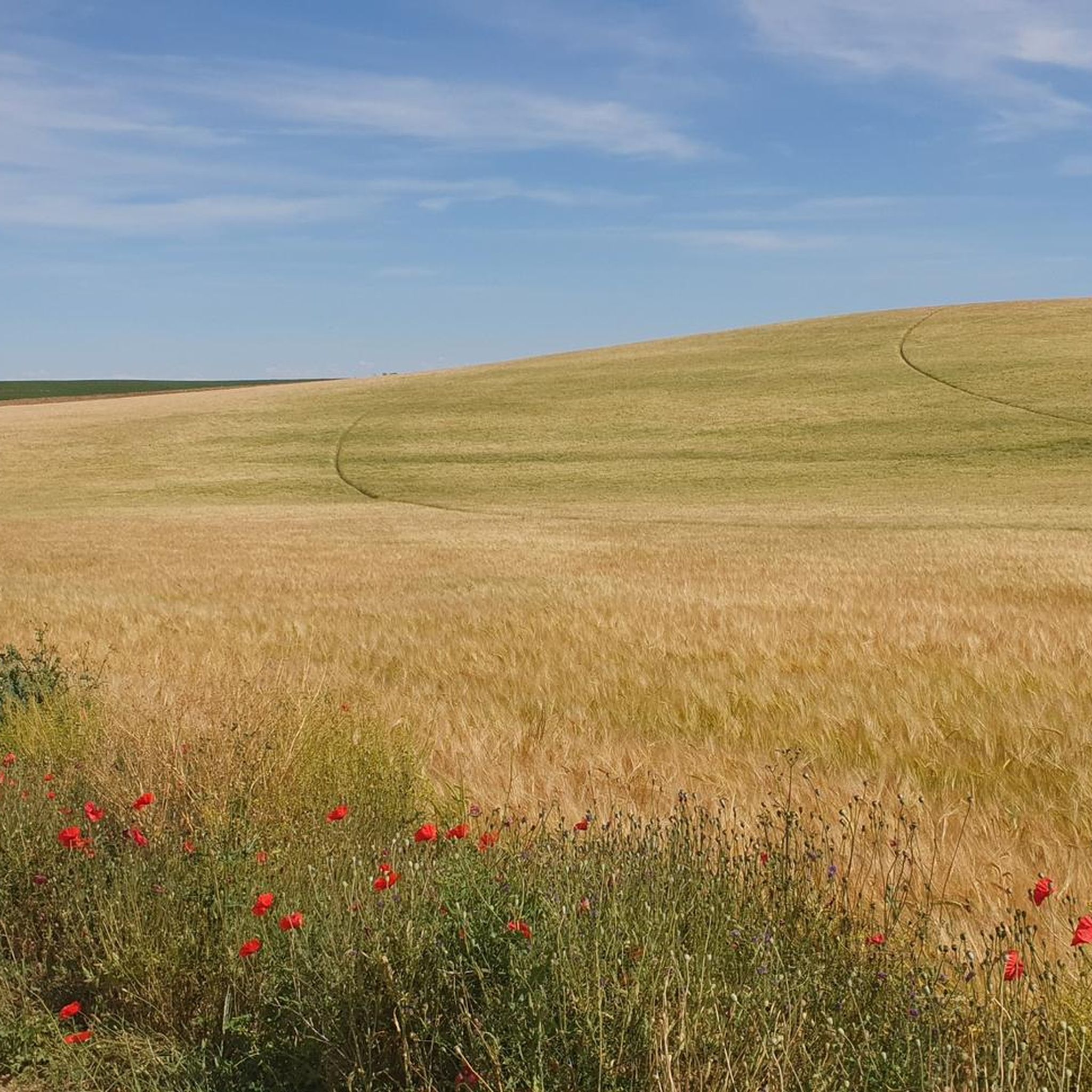
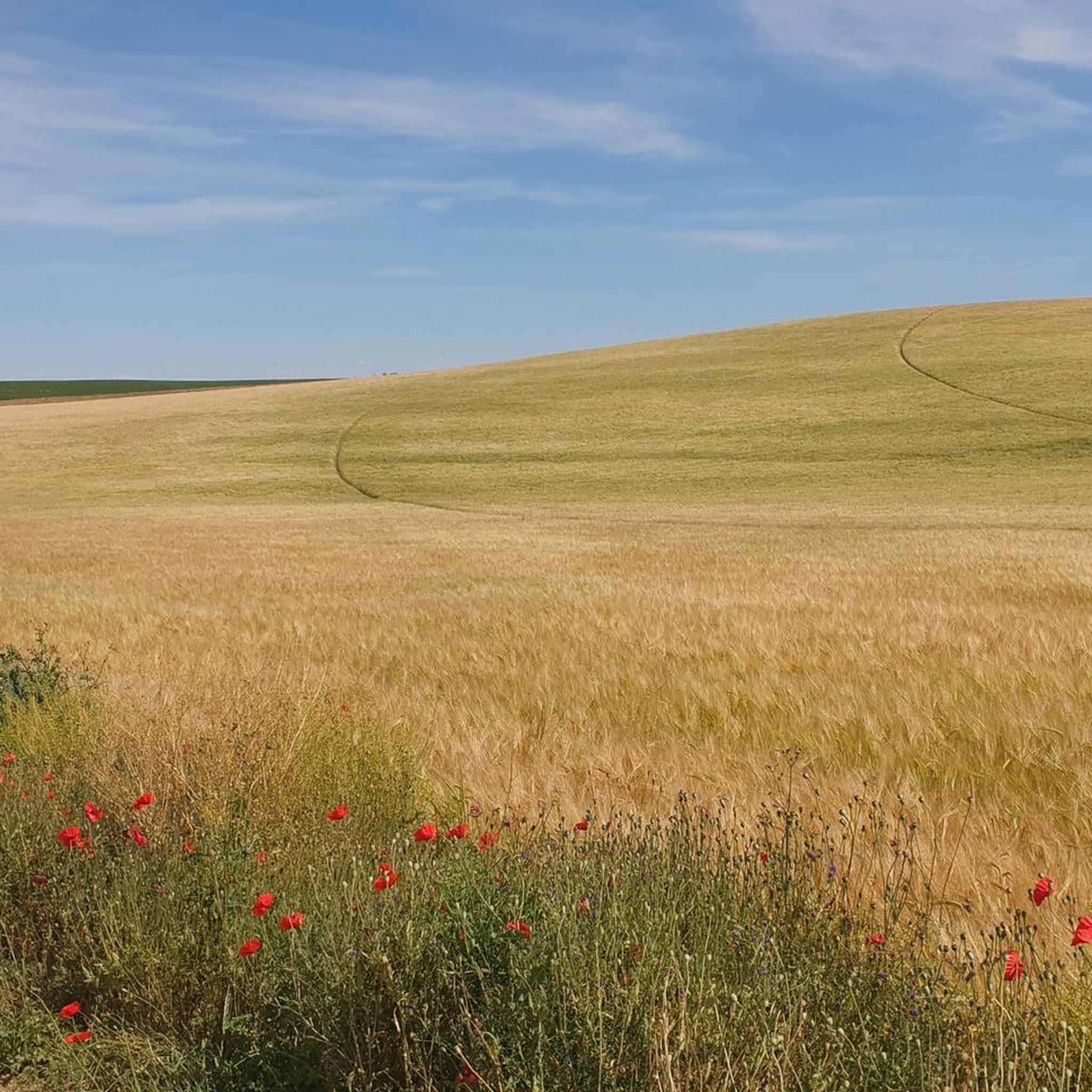
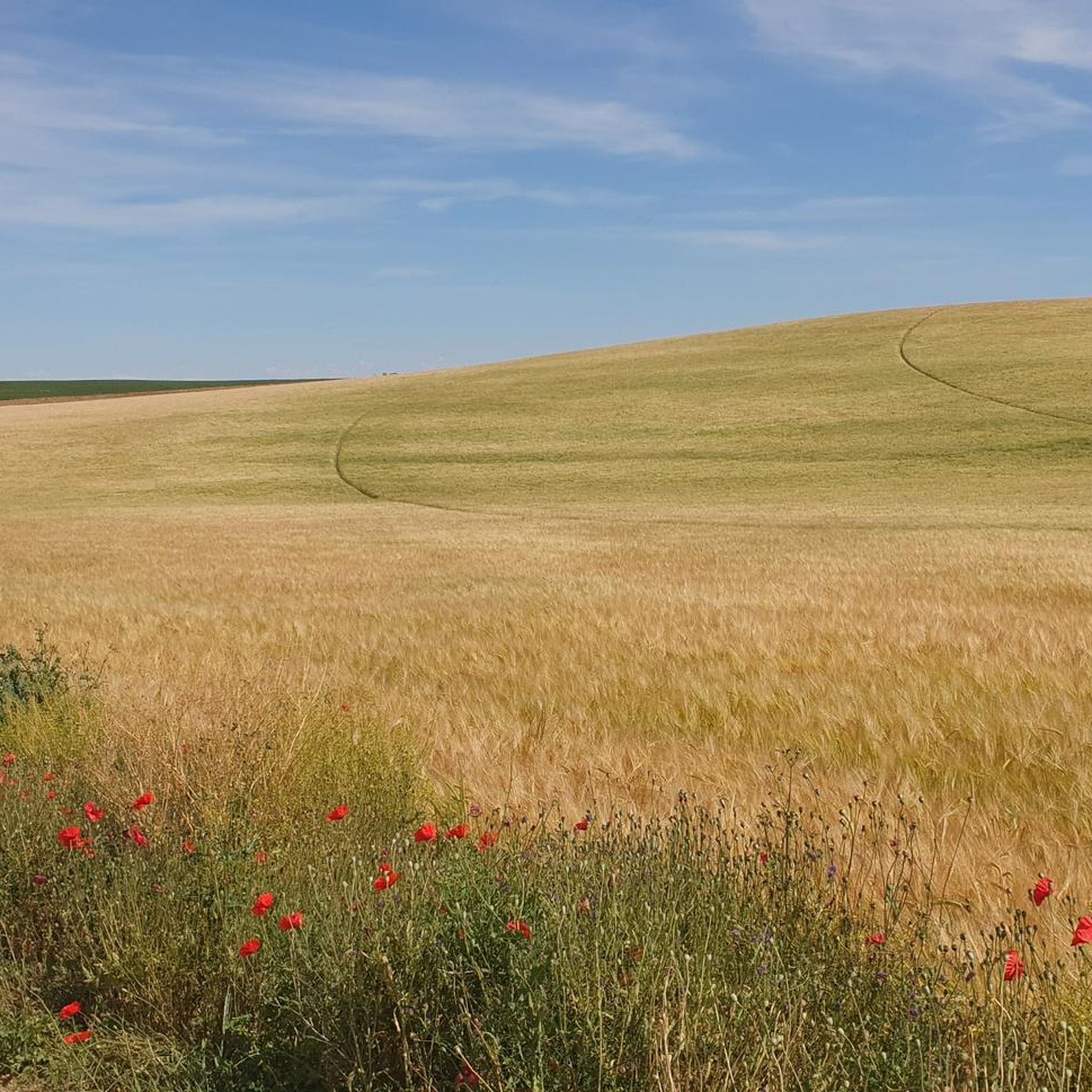
The region is characterized by expansive cereal fields and sedimentary valleys. The terrain is generally flat with some gentle undulations, making it ideal for touring cycling.
What natural features or landmarks can I see along the touring cycling routes?
Many routes offer views of the Riberas de Castronuño-Vega del Duero Natural Reserve, which features riverine forests and one of Europe's largest river meanders. You can also pass by the scenic San José Dam and the Hermitage of the Holy Christ of La Muela, which offers panoramic views.
Are there any circular touring cycling routes around Alaejos?
Yes, many routes are circular. For example, the San José Dam – Plaza Mayor de Toro loop from Castronuño and the Viewpoint – San José Dam loop from Castronuño are popular circular options that allow you to start and end in the same location.
What is the best time of year to go touring cycling in Alaejos?
The region's climate generally makes spring and autumn ideal for touring cycling, offering pleasant temperatures and beautiful landscapes. Summers can be hot, and winters might be chilly, but cycling is possible year-round depending on personal preference and weather conditions.
What do other touring cyclists enjoy most about cycling in Alaejos?
The area is highly rated by the komoot community, with an average score of 4.5 stars. Cyclists often praise the quiet routes through expansive cereal fields, the scenic views of the Duero River, and the well-maintained paths that make for enjoyable rides.
Are there any routes that offer scenic viewpoints of the Duero River?
Absolutely. The Viewpoint – San José Dam loop from Castronuño specifically highlights views of the Duero River landscape and the natural reserve. You can also find the View of the Duero River Meander from La Muela Park, which is a notable viewpoint.
Can I find places to eat or stay near the cycling routes?
While specific cafes or pubs directly on every route aren't detailed, Alaejos and nearby towns offer amenities. Rural accommodations in the vicinity sometimes provide bicycle hire, suggesting a cyclist-friendly environment where you can find places to refresh and rest.
Are there any routes that pass through historical towns or cultural sites?
Alaejos itself is known for its Mudejar heritage. While routes primarily focus on natural landscapes, the San José Dam – Plaza Mayor de Toro loop from Castronuño extends towards Toro, a town with significant historical and cultural interest, allowing you to combine cycling with cultural exploration.
What is the longest touring cycling route available?
The longest route is the Viewpoint – San José Dam loop from Castronuño, covering 30.9 miles (49.8 km). It's a moderate path offering extensive views of the Duero River landscape.
Most popular attractions around Alaejos

Get inspired with the komoot mobile app


Explore more
Browse the best Cycling routes in other regions.
