Attractions and Places To See around Aldea De San Miguel - Top 12
Best attractions and places to see around Aldea De San Miguel include historical sites and natural landscapes in the province of Valladolid, Spain. This municipality is known for its Romanesque-Mudéjar architecture, such as the Church of San Miguel Arcángel, and its setting amidst vast cereal fields and pine forests. Visitors can explore trails offering views of the Duero river basin and discover nearby castles. The area provides a tranquil escape with cultural and natural points of interest.
Best attractions and…
Last updated: July 7, 2026
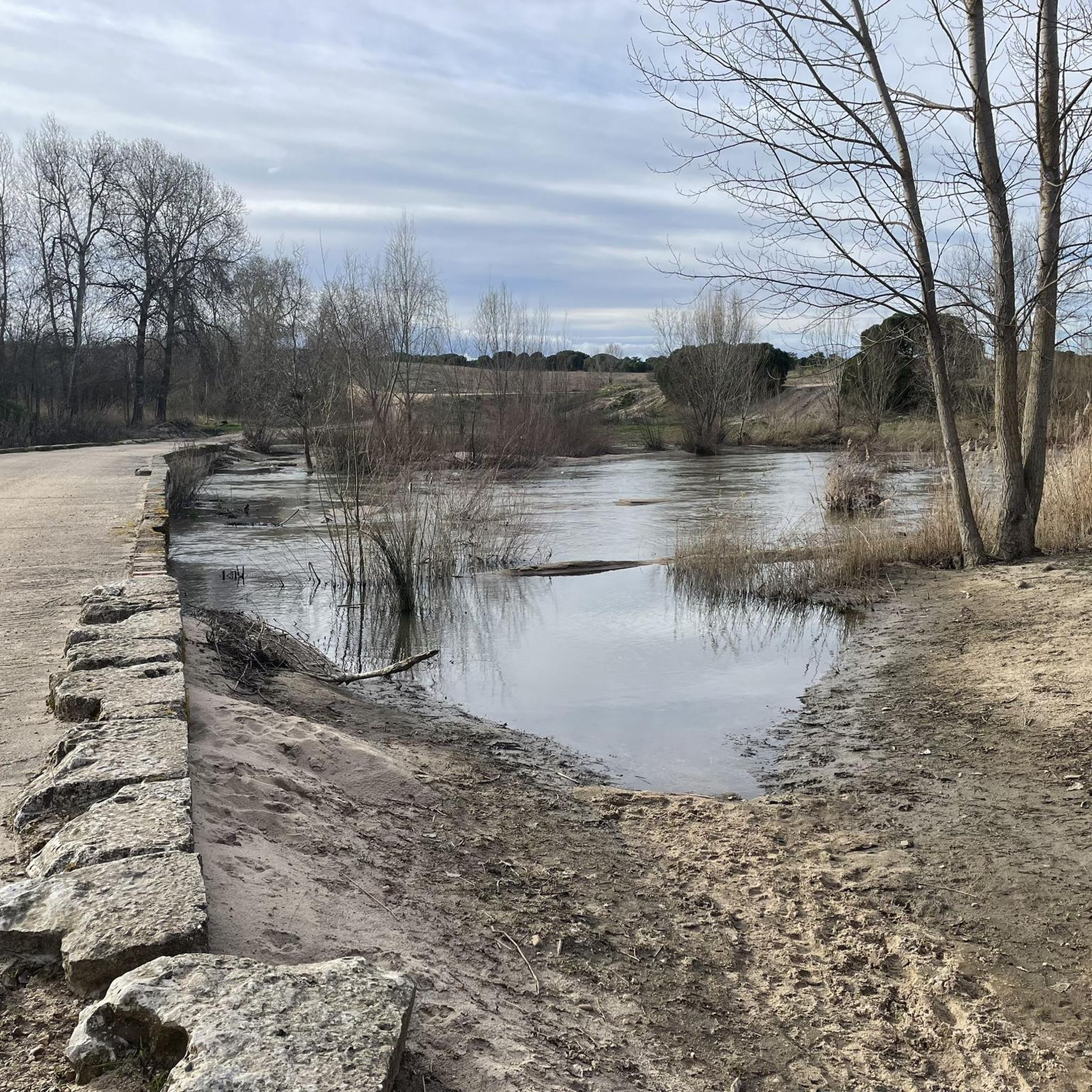
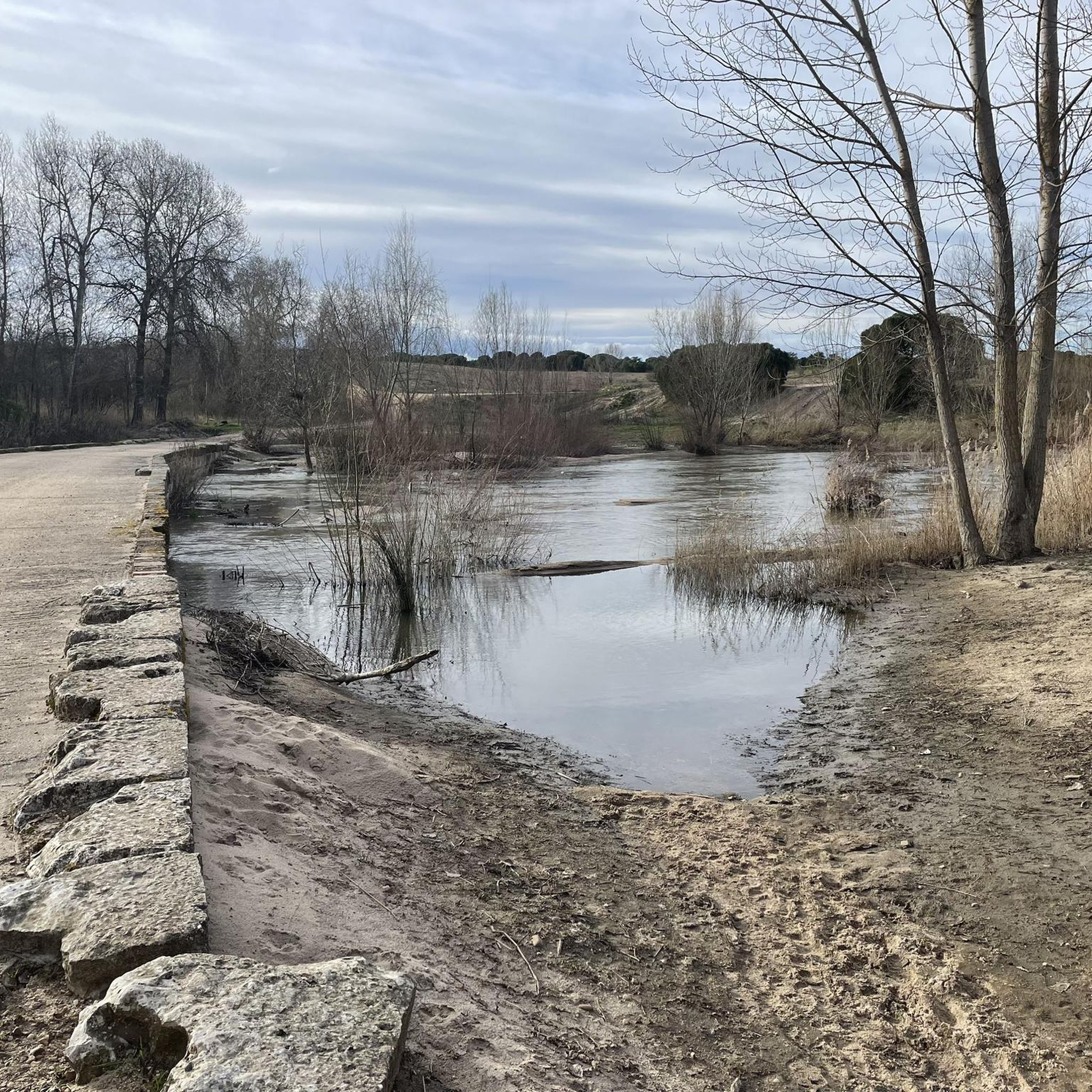
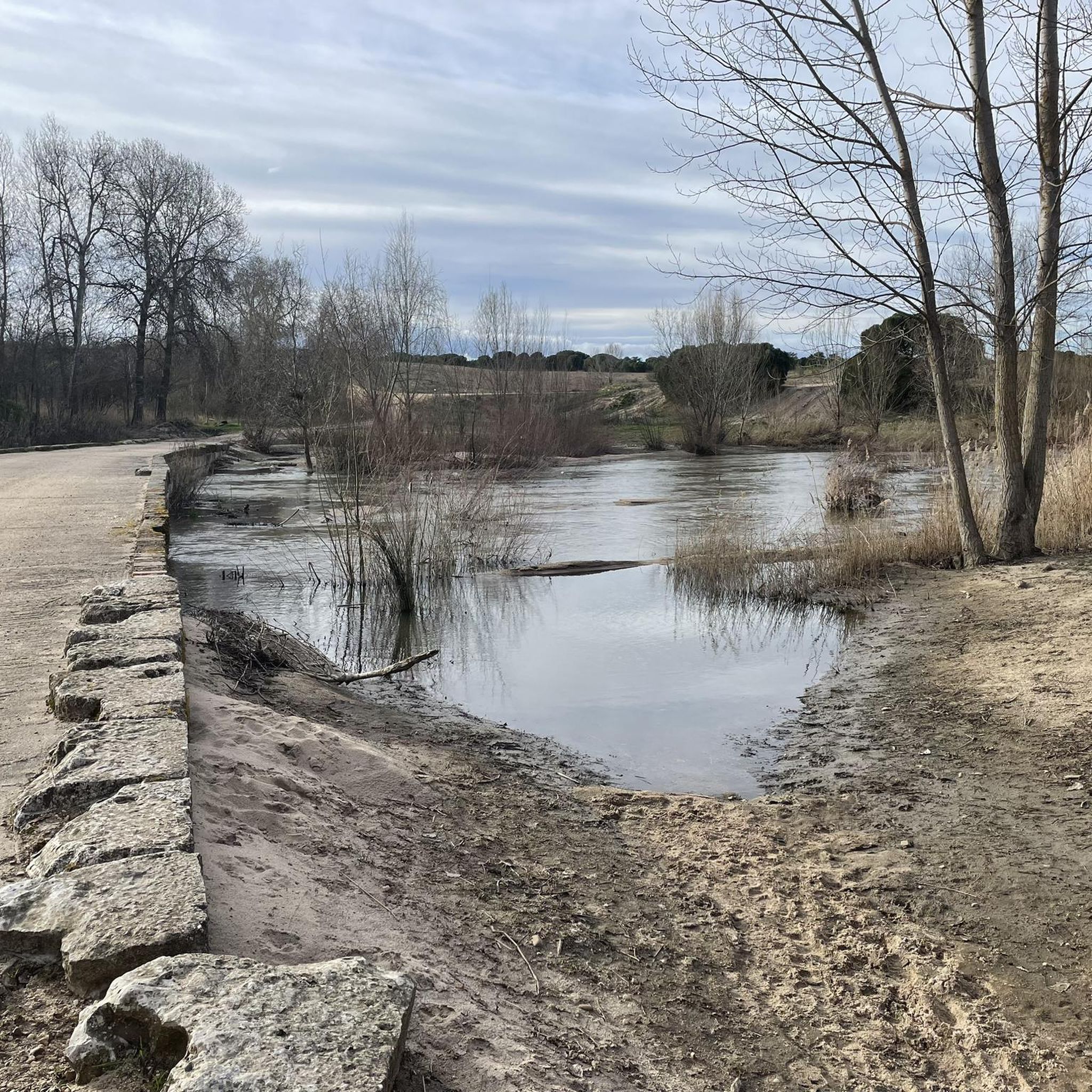
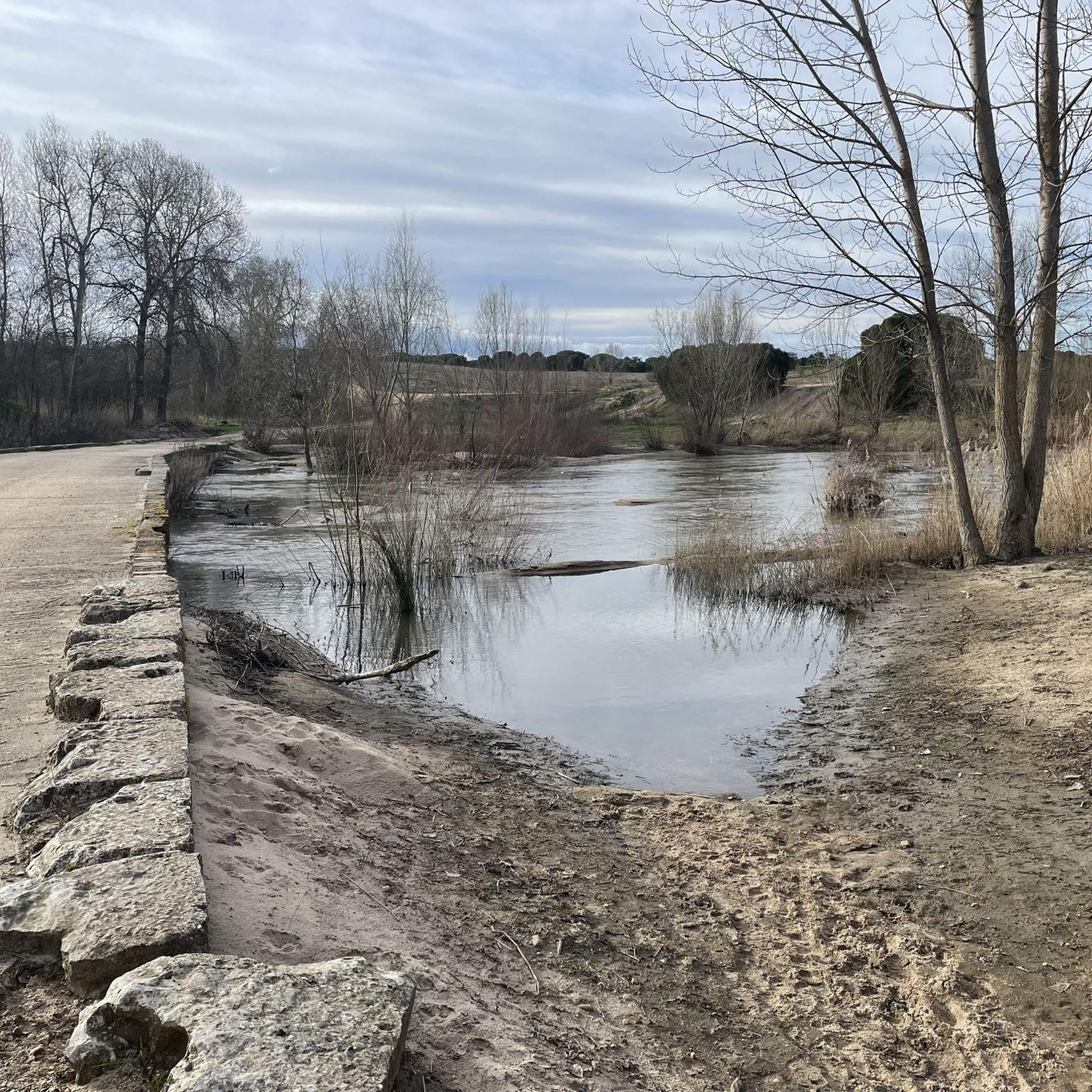
Cega River Trails
Highlight • Trail
The best time is in winter. In summer there are many sections with soft sand.
Translated by Google •
Tip by

San Juan Church, Mojados
Highlight • Religious Site
The Church of San Juan, Mudejar from the 13th and 14th centuries, in which its beautiful …
Translated by Google •
Tip by

Sign up now to discover places like this
Get recommendations on the best single tracks, peaks, & plenty of other exciting outdoor places.
Sign up for free
Portillo Castle
Highlight • Castle
Translated by Google •
Tip by

Megeces Bridge
Highlight • Bridge
Translated by Google •
Tip by

Portillo Track – Cobbled Climb
Highlight • Castle
Translated by Google •
Tip by

Sign up for free to discover even more attractions around Aldea De San Miguel.
Sign up for free
Already have an account?
Start today with a free account
Your next adventure awaits.
Login or Signup

Tips from the Community

It depends on what time of year there is a lot of sand, I will try them again in winter to see how it is.
0
0


In addition to the Mudejar churches, don't forget its bridge over the Cega
1
0

Good cakes and bakeries next to the church
0
0

The bridge over the Cega River, built between 1515 and 1516, is a remarkable structure commissioned by the Archpriest of Cogeces, Juan Díaz de Mirena. It consists of a single limestone semicircular arch and is twelve meters long. In the lower part, it has buttresses, and its railing is decorated with large semicircular stones. Inside the arch, fragments of the old wooden framework used during its construction are preserved.
1
0
Mojados is a charming town that houses two beautiful Mudejar-style churches. The Church of San Juan, from the 13th and 14th centuries, stands out for its nave with a pointed barrel vault and its beautiful tower. On the other hand, the Church of Santa María, from the 14th century, has three naves and an impressive stone and brick tower. In addition, in the surroundings there are other notable buildings such as the Town Hall and the bridge over the Cega river. The Hermitage of Nuestra Señora de Luguillas, located about three kilometers away, is another outstanding Baroque building with a nave covered with a barrel vault.
1
0
The castle of Portillo stands on top of a hill that dominates Tierra de Pinares. Built in the 14th century and restored in the 15th century, the castle was the scene of the arrest and imprisonment of Álvaro de Luna. It represents the power and wealth of its lords, with a square structure, keep, barbican and three fortified gates. In its parade ground there is a well more than 30 meters deep.
1
0

On a fortified hill stands the Castillo de Portillo. The climb to the castle is steep but with incredible views that will greet you from the top of its defensive walls.
1
0
Frequently Asked Questions
What historical sites can I visit in Aldea de San Miguel?
Aldea de San Miguel is rich in history. The most significant cultural landmark is the Church of San Miguel Arcángel, dating back to the 12th century and showcasing remarkable Romanesque-Mudéjar architecture. You can also see the preserved remains of the Humilladero de San Roque, featuring an 18th-century archway.
Are there natural areas for outdoor activities near Aldea de San Miguel?
Yes, the region is characterized by vast plains of cereal fields and pine forests, part of the "Tierra de Pinares." These areas offer numerous trails ideal for hiking and cycling. You can also explore historical clay pits like Barral Rojo and Barral de las Eras, with the latter still retaining water and reeds.
What kind of hiking trails are available around Aldea de San Miguel?
You'll find various hiking opportunities. The Cega River Trails offer uncomplicated routes, particularly suitable for winter exploration as they provide shelter from the wind. For more options, explore the hiking routes around Aldea de San Miguel, which include trails like the Pino Pinilla Trail and the Path from Llano to Valhondo.
Are there any family-friendly attractions in the area?
Many of the natural trails and historical sites can be enjoyed by families. The Cega River Trails are noted as uncomplicated and family-friendly. Additionally, the nearby San Juan Church in Mojados is also considered family-friendly, offering a glimpse into the region's history.
Where can I find panoramic views of the region?
For expansive views, head to the small hermitage located in the páramos (high plains) south of the village. From there, you can enjoy panoramic vistas of the Duero river basin and its cultivated lands. Another excellent viewpoint is the Mirador del Raso de Portillo, a small hill offering views stretching to Laguna, Simancas, and even the wind turbines of Ampudia.
What unique historical structures can I see besides the main church?
Beyond the Church of San Miguel Arcángel, you can visit the Humilladero de San Roque, an 18th-century structure with an archway. The slopes of the páramo also feature spectacular gypsum mines with large, trapezoidal galleries that were used until the mid-20th century, offering a unique historical insight.
Can I find routes for road cycling near Aldea de San Miguel?
Yes, there are several road cycling routes available. You can find options like the "Puente de Megeces from Arrabal de Portillo – circular via Mojados" or the "Portillo and Duero Vineyards Loop." Discover more road cycling routes around Aldea de San Miguel.
What is the best time of year to explore the outdoor attractions?
The Cega River Trails are particularly recommended for winter, as they offer shelter from the wind. Generally, the region's climate makes spring and autumn pleasant for outdoor activities, avoiding the heat of summer.
Are there any nearby castles worth visiting?
Absolutely. Just 5 km away, you can visit Portillo Castle, a Gothic building from the 14th and 15th centuries offering expansive views. Another historic castle, Castillo de Iscar, is about 10.4 km away, providing further insight into the region's past.
What do visitors enjoy most about the attractions around Aldea de San Miguel?
Visitors appreciate the blend of historical sites and natural beauty. The Cega River Trails are noted for being uncomplicated and fun, especially in winter. The historical significance and views from Portillo Castle are also highly regarded, with its commanding position over the Raso.
Are there any running trails available?
Yes, you can find several running trails in the vicinity. Options include the "Portillo Castle loop from Portillo" and various loops around Aldeamayor Club de Golf. Explore more running trails around Aldea de San Miguel.
What is the historical significance of Aldea de San Miguel?
Aldea de San Miguel reflects a rich history of conquests and reconquests between Arabs and Christians during the 10th and 11th centuries. This period contributed to its unique cultural tapestry, evident in its Romanesque-Mudéjar architecture and deep-rooted rural traditions.

Get inspired with the komoot mobile app


Explore more
Still not found the Highlight you’re looking for? See guides of the top attractions in other regions:
