Attractions and Places To See around Begíjar - Top 20
Best attractions and places to see around Begíjar, a municipality in Jaén, Spain, offers a blend of historical landmarks, cultural sites, and natural surroundings. Located in the La Loma y Las Villas region, its landscape features olive groves and orchards alongside the Guadalquivir River. The area has been continuously inhabited since ancient times, with a rich heritage from Visigothic, Arab, and Renaissance periods.
Best attractions and places to see around Begíjar
- The most popular attractions is Baeza Cathedral, a…
Last updated: June 29, 2026
Baeza Cathedral
Highlight • Religious Site
Translated by Google •
Tip by

Ruins of San Francisco
Highlight • Historical Site
Translated by Google •
Tip by
Sign up now to discover places like this
Get recommendations on the best single tracks, peaks, & plenty of other exciting outdoor places.
Sign up for free
Salcedo Palace
Highlight • Historical Site
Translated by Google •
Tip by
Plaza del Pópulo
Highlight • Historical Site
Showing Translation
Tip by

Market hall
Highlight • Monument
Translated by Google •
Tip by
Sign up for free to discover even more attractions around Begíjar.
Sign up for free
Already have an account?
Start today with a free account
Your next adventure awaits.
Login or Signup


Tips from the Community

Declared a National Monument in 1931, the cathedral stands on the site of an ancient Roman temple, later transformed into a Visigothic structure and then into a mosque after the arrival of the Muslims. In 1227, it became the cathedral seat under the Marian patronage of the Nativity. It acquired its Renaissance character in the 16th century, after more than half of the building collapsed in 1567. Andrés de Vandelvira and other important Andalusian architects imbued the cathedral with the classical style then prevalent in religious art. Until the end of the century, the temple was transformed piecemeal. The main portal was designed in 1587 by Juan Bautista Villalpando, featuring a relief of the Nativity of the Virgin, sculpted by the Jesuit Jerónimo del Prado from Baeza. The Puerta de la Luna (Moon Gate) is one of the oldest elements of the cathedral, with its distinctive 13th-century polylobed arch. Above it stands the 14th-century Gothic rose window, one of the few elements that survived the collapse of the cathedral in 1567. Therefore, the reconstruction was entrusted to Andrés de Vandelvira, who contributed his mastery to give the cathedral the Renaissance richness it boasts today. The combination of Mudéjar, Gothic, and Renaissance styles allows one to observe the passage of time through its walls, telling its story through each of its architectural styles. In addition to visiting the interior of the cathedral, it is highly recommended to climb the tower, from where you will be rewarded with spectacular views of the town and its surrounding countryside.
1
0

The Pópulo square, also known as Plaza de los Leones (Lions' square), is one of the most emblematic and picturesque corners of Baeza. This square is part of the monumental Renaissance complex that led to the city being declared a UNESCO World Heritage Site in 2003.
6
0

It's fun to climb the tower: 196 steps to a beautiful view.
0
0

This square, known as Plaza del Pópulo, houses the Tourist Office, the fountain, and the Jaén gate, attached to part of the old city wall.
16
0
In this building, which was originally the residence of the religious authorities of the Baeza Cathedral, the city's Conservatory of Music was located, until it was moved there during the 2002/2003 academic year.
9
0
Reconstructed by Andrés de Vandelvira who provided that Renaissance air that reaches us today, but it dates back a long time since a Visigothic episcopal see was located in the 7th century, later transformed into Muslim territory and the city conquered by Ferdinand III the Saint. in 1227. Through its walls you can observe the passage of time due to the combination of different styles, Mudejar, Gothic and Renaissance.
8
0
This square, called Plaza del Pópulo, is also known as Fuente de los Leones due to the fountain of the same name, is located at the entrance of the city, and it also houses the well-known Jaén gate which was the entrance (or exit) towards the capital. On this square, furthermore, is located the information and tourism office.
10
0
The Ruins of San Francisco are actually the remains of the main chapel of the church of the convent of friars minor of San Francisco. They were founded in 1538 as a funerary chapel for the Benavides lineage. The architectural design was by Andrés de Vandelvira, and Esteban Jamete is believed to have contributed to the decorative sculpture. A fascinating place for lovers of history and architecture! 😊
8
0
Frequently Asked Questions
What historical landmarks can I explore in Begíjar?
Begíjar is rich in history. You can visit the iconic Torreón del Castillo, the ancient castle keep with Visigothic origins. Another significant site is the 16th-century Renaissance Palacio Episcopal, which now houses the Museum of Popular Arts and Customs. Don't miss the Ayuntamiento (Town Hall) and the adjacent Cárcel and Torre del Reloj (Jail and Clock Tower), both dating from the same period, or La Cruz de Piedra, the oldest surviving cross in the town.
Are there any cultural sites to visit in Begíjar?
Yes, Begíjar offers several cultural attractions. The Iglesia de Santiago Apóstol is a religious edifice built between the 13th and 18th centuries, featuring a notable Plateresque facade and a Baroque chapel. You can also visit the Casa Natal de Patrocinio de Biedma y la Moneda, the 17th-century birthplace of the Spanish writer and early feminist. The Museo de Artes y Costumbres Populares, located within the Episcopal Palace, provides insights into the town's heritage and daily life.
What natural features can I enjoy around Begíjar?
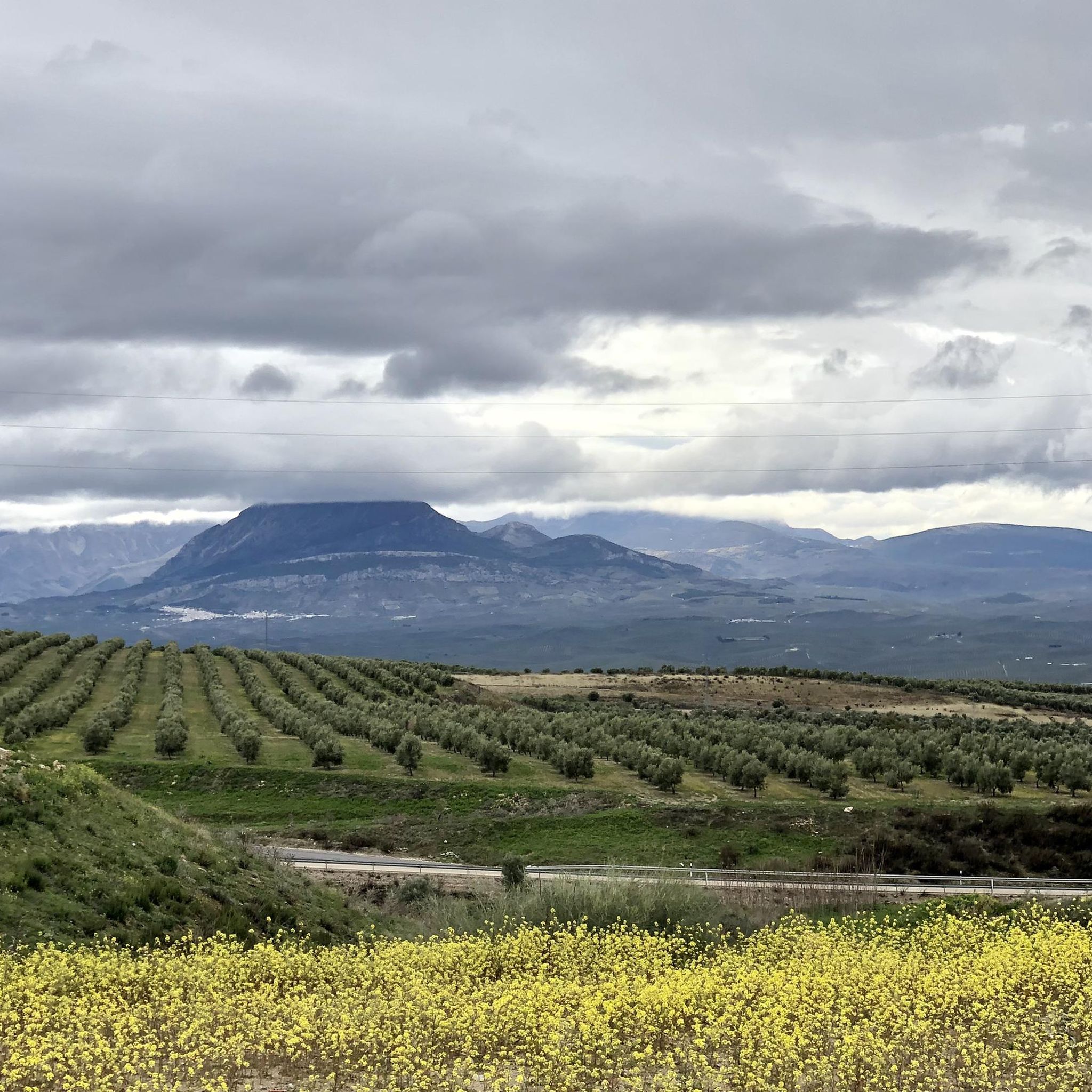
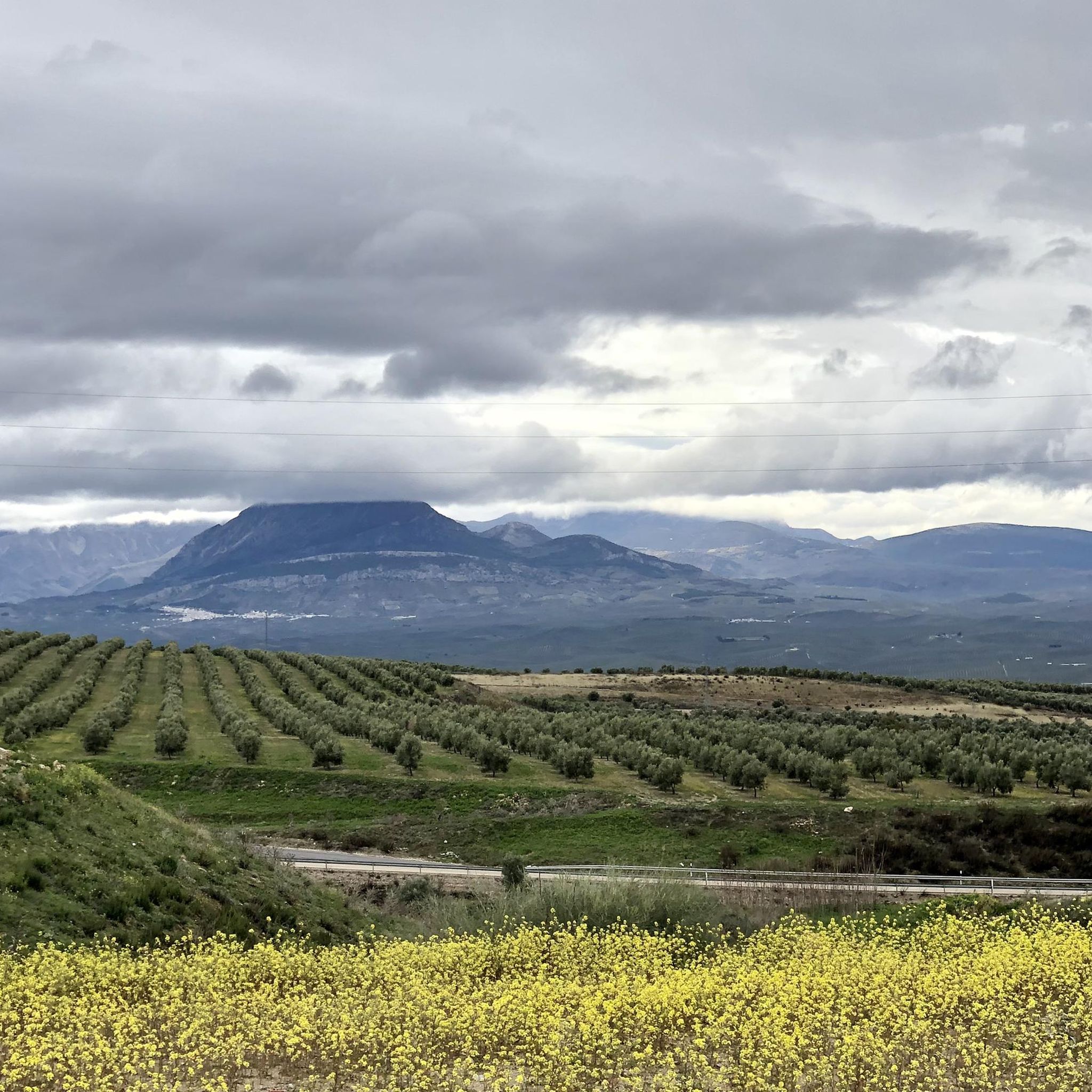
Begíjar is surrounded by picturesque natural landscapes. The municipality is characterized by vast olive groves and orchards, which provide a scenic backdrop. The proximity to the Guadalquivir River also offers a beautiful natural environment for various outdoor activities.
What is the historic center of Begíjar like?
The Casco Antiguo (Old Town) of Begíjar has been declared a Historic-Artistic Site. It boasts Islamic origins and a rich monumental heritage from the medieval and Renaissance periods, with traditional streets, important singular buildings, and remnants of the ancient castle wall.
What are some notable attractions near Begíjar, specifically in Baeza?
Nearby Baeza, you can explore several significant sites. The Baeza Cathedral is a must-see, combining Mudejar, Gothic, and Renaissance styles. The Plaza del Pópulo, Baeza is a historical square housing the Tourist Office and the Fuente de los Leones. Also, consider visiting the Ruins of San Francisco, which are the remains of a significant chapel now serving as an auditorium.
Are there any family-friendly attractions or activities around Begíjar?
While specific family-friendly activities are not detailed, the historical sites like the Palacio Episcopal with its museum, and the general exploration of the Casco Antiguo, can be engaging for families interested in history and culture. The scenic olive groves and the Guadalquivir River also offer opportunities for leisurely walks and enjoying nature together.
What kind of outdoor activities can I do near Begíjar?
The region around Begíjar is great for outdoor enthusiasts. You can enjoy gravel biking with routes like the 'Plaza de Toros Viewpoint – Church of the Holy Cross loop from Baeza'. For running, there are trails such as 'From Baeza to the Montalvas walk'. Cycling is also popular, with routes like 'Plaza del Pópulo, Baeza – Plaza de Toros Viewpoint loop from Antigua Estación de Begíjar'. You can find more details on these activities in the Gravel biking around Begíjar, Running Trails around Begíjar, and Cycling around Begíjar guides.
What do visitors enjoy most about the attractions near Begíjar?
Visitors particularly appreciate the rich historical and architectural heritage. For instance, the Baeza Cathedral is admired for its blend of Mudejar, Gothic, and Renaissance styles, and the opportunity to climb its tower for spectacular views. The Plaza del Pópulo, Baeza is valued as a historical gateway to the city. The overall experience of exploring ancient towns with well-preserved monuments is highly rated.
When is the best time to visit Begíjar and its attractions?
Begíjar, located in Jaén, Spain, experiences hot summers and mild winters. Spring (April-May) and Autumn (September-October) generally offer the most pleasant weather for exploring historical sites and enjoying outdoor activities amidst the olive groves, with comfortable temperatures for walking and sightseeing.
Are there any unique points of interest in Begíjar?
Beyond the main landmarks, Calle Mesones is a historically significant street that was once a crossroads filled with inns and taverns. Although slightly outside the immediate town, the Puente del Obispo, a bridge across the Guadalquivir River, also holds historical ties to Begíjar.
What is the Museo de Artes y Costumbres Populares about?
The Museo de Artes y Costumbres Populares, housed within the Palacio Episcopal, is dedicated to preserving and disseminating Begíjar's historical and anthropological heritage. It offers a fascinating look into daily life, traditional trades, agricultural evolution, and the transition from an artisanal to an industrial society in the area.
Most popular routes around Begíjar

Get inspired with the komoot mobile app


Explore more
Still not found the Highlight you’re looking for? See guides of the top attractions in other regions:
