Attractions and Places To See around Campillo De Arenas - Top 20
Best attractions and places to see around Campillo De Arenas include a diverse range of natural features and historical landmarks. This municipality, situated between Jaén and Granada in the Sierra Mágina region, is characterized by Mediterranean mountains, olive groves, and a rich history. Visitors can explore rugged landscapes, ancient fortifications, and cultural sites that reflect the area's heritage. The region offers opportunities to discover geological formations, historical monuments, and scenic viewpoints.
Best attractions and places to see around Campillo De…
Last updated: July 7, 2026
Vítor of Carlos III
Highlight • Monument
Translated by Google •
Tip by

Valdepeñas de Jaén
Highlight • Settlement
Showing Translation
Tip by

Sign up now to discover places like this
Get recommendations on the best single tracks, peaks, & plenty of other exciting outdoor places.
Sign up for free
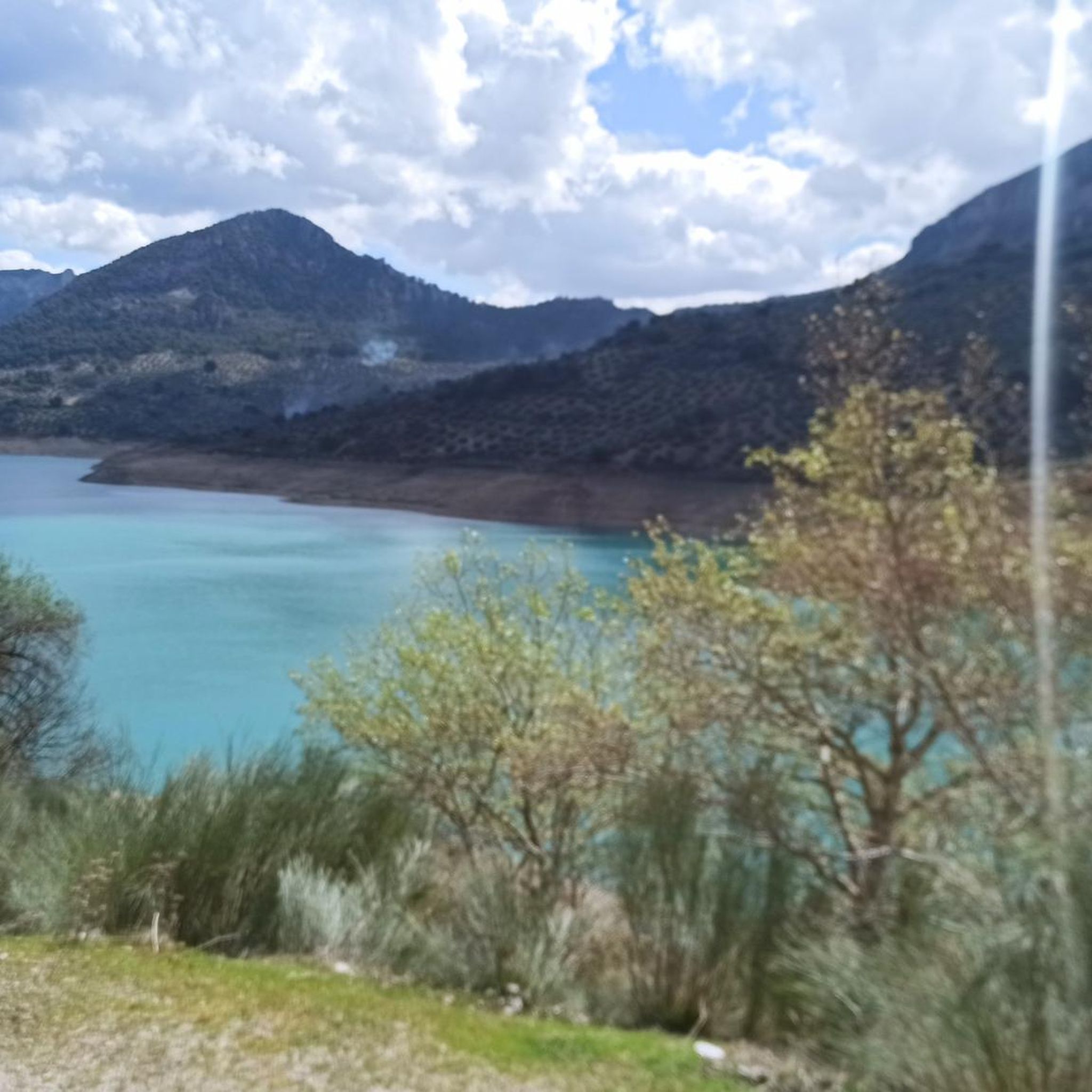
View of Quiebrajano Reservoir
Highlight • Viewpoint
It belongs to the Guadalquivir hydrographic basin and was built in 1976.
Its waters flooded 12 houses and …
Translated by Google •
Tip by

Cambil
Highlight • Settlement
Located in a small valley, it is a cold place in winter but cool in summer.
Translated by Google •
Tip by
Access tunnel to the Quiebrajano reservoir
Highlight • Structure
Translated by Google •
Tip by
Sign up for free to discover even more attractions around Campillo De Arenas.
Sign up for free
Already have an account?
Start today with a free account
Your next adventure awaits.
Login or Signup
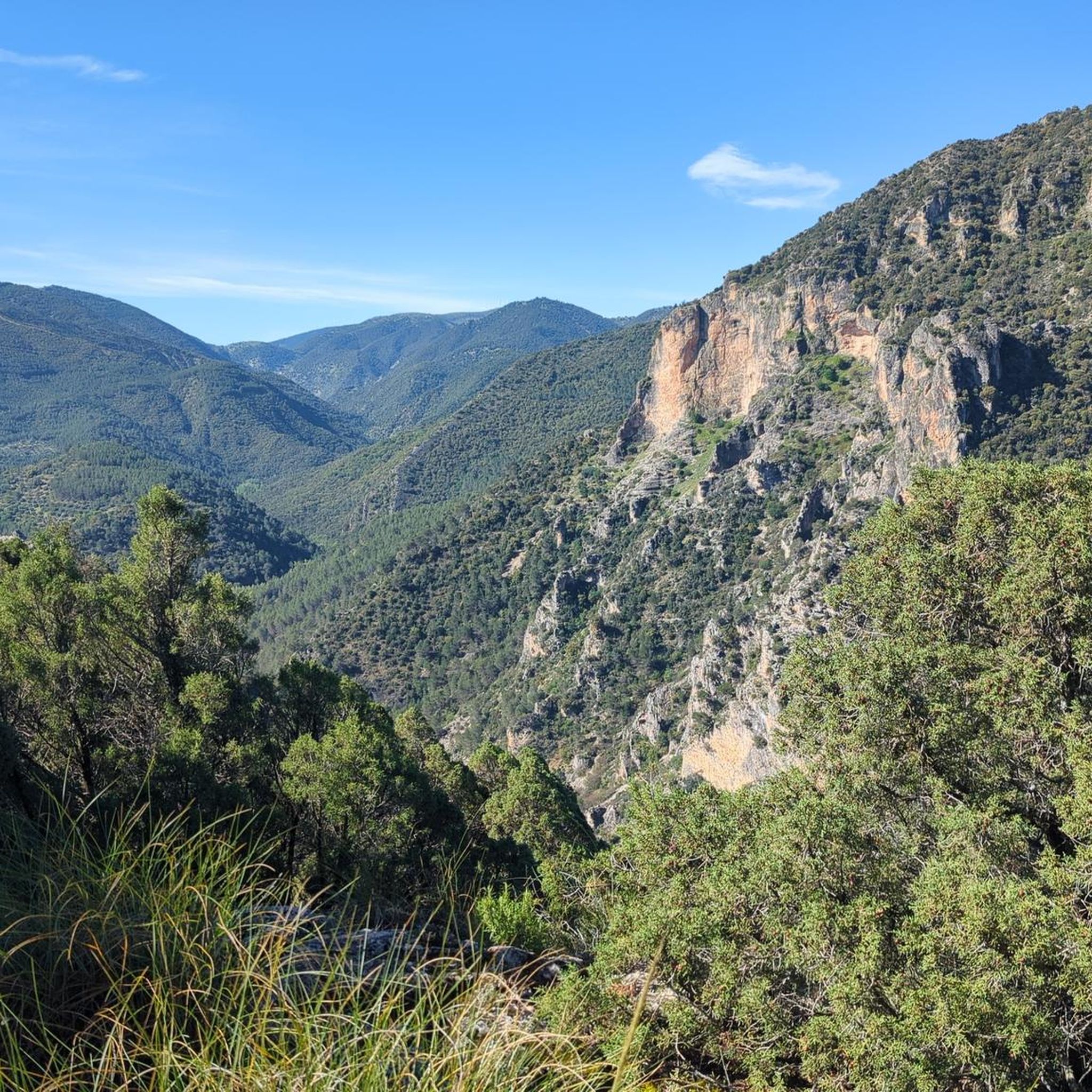
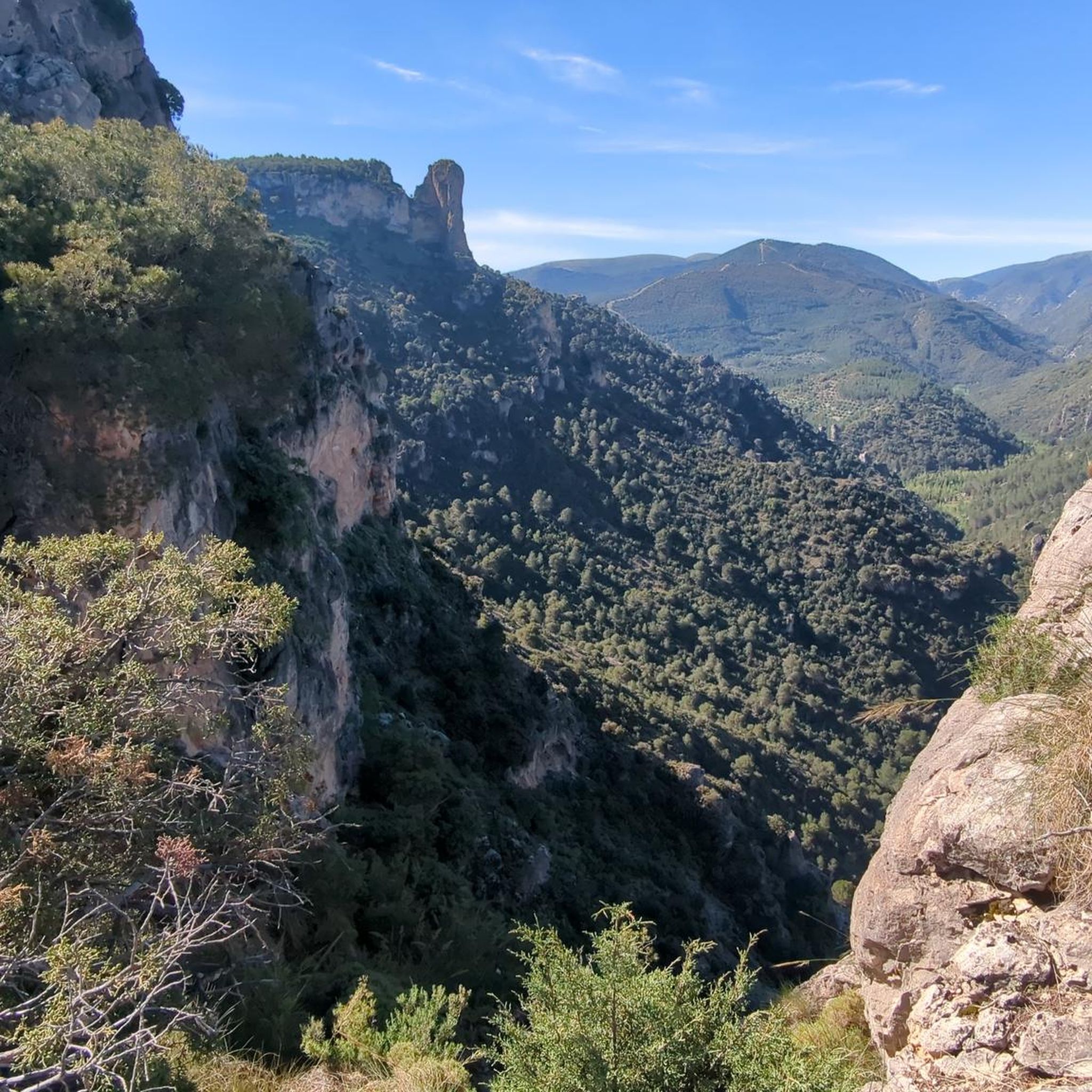
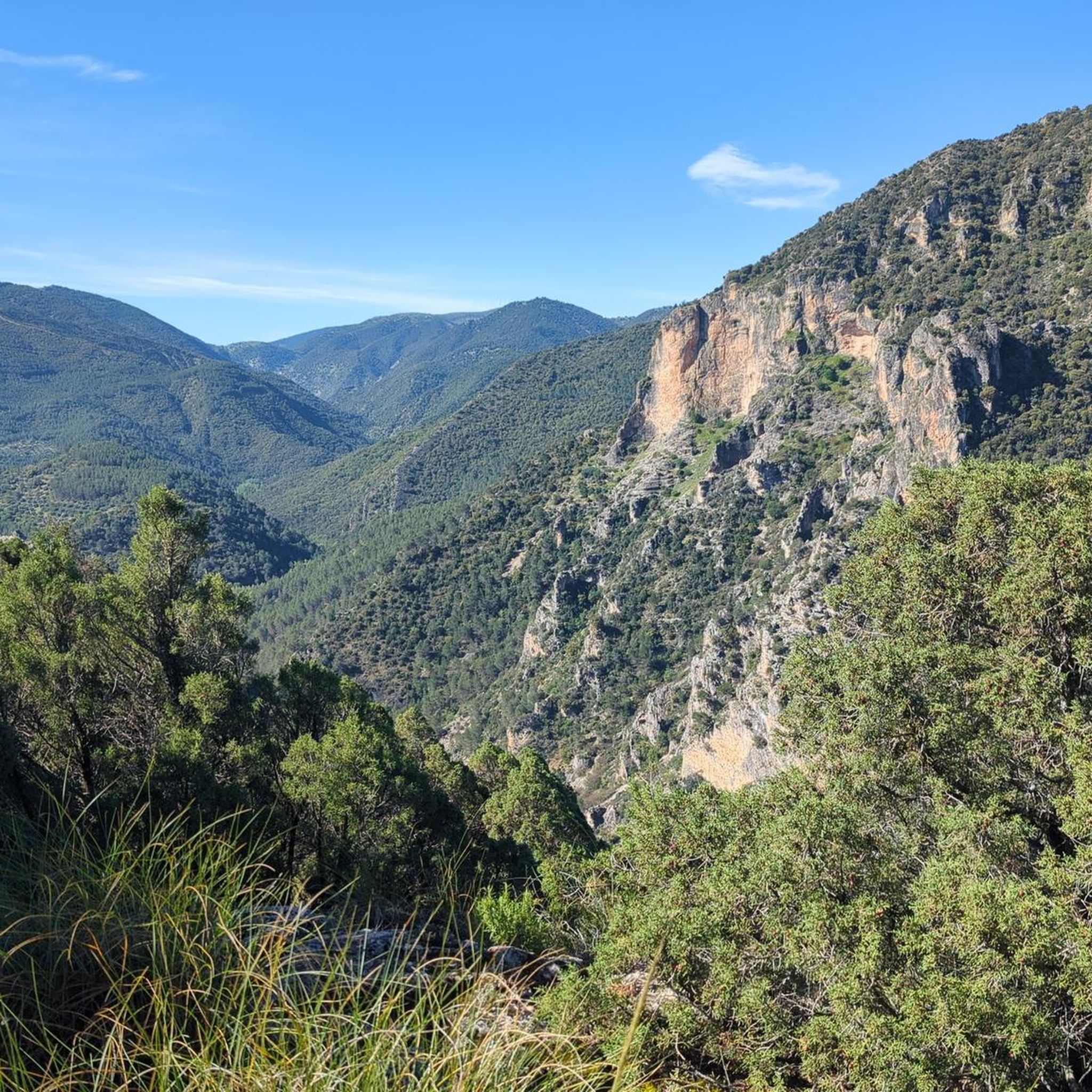
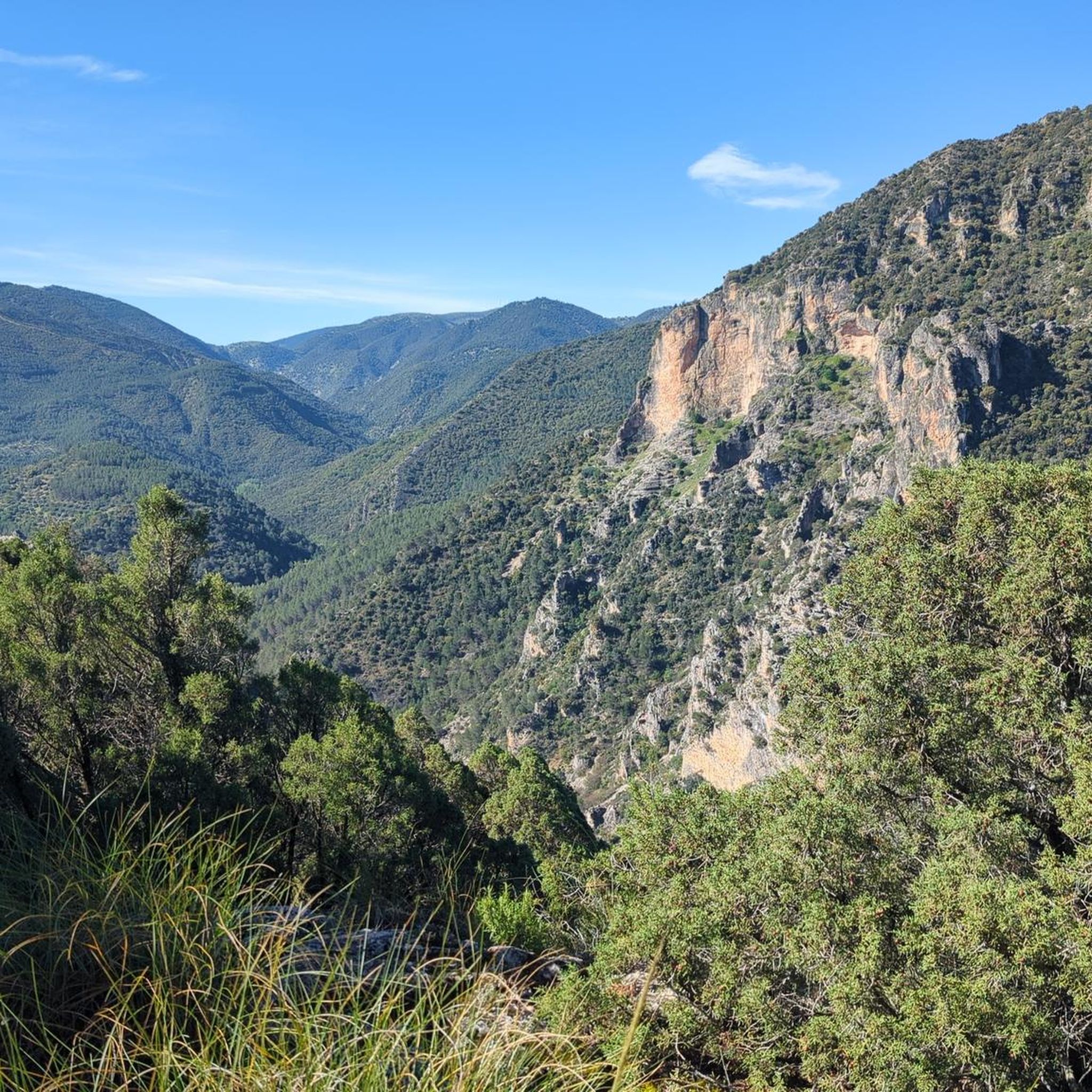
Tips from the Community

Valdepeñas de Jaén is a charming town, nestled between the impressive mountain ranges of the Sierra de la Pandera to the north and the Sierra de Alta Coloma to the southeast. The town was founded in 1539 and has a typical Renaissance townscape, characterized by a checkerboard pattern. In 1558, it received the status of an independent town. Valdepeñas de Jaén offers numerous sights, such as the Ermita de Chircales, a small chapel that reflects the region's spiritual history with religious paintings and the cave of a hermit. Another highlight is the Molino de Harina, a still-functioning water mill that offers a fascinating insight into traditional flour production. Nature lovers can discover the Chorreras del Río Vadillo, a series of natural waterfalls formed by the Vadillo River and surrounded by paths offering beautiful views. The region is also a paradise for outdoor activities such as cycling. The lush forests and picturesque landscape offer ideal conditions for cyclists who want to explore the beautiful Sierra Sur. A culinary experience is offered by the restaurant El Quejigo del Carbón, located on a hill, which is known not only for its excellent cuisine but also for the breathtaking view of the surrounding landscape. Valdepeñas de Jaén is thus the perfect place to combine history, nature, culture, and sporting activities.
1
0


The Quiebrajano reservoir is located about 25 km from the capital, and is used to store water for human consumption, which is why bathing or the use of boats is not permitted. Currently you cannot access the viewpoint without knowing the reason for such prohibition.
3
0
It is a structure built to provide elevation and enjoy the views of the Quiebrajano dam. It has usually been closed to the public for a few months, but fortunately at that time the access doors were open.
12
0
It is the third and longest tunnel that crosses part of the mountain where the Quiebrajano dam is located, and it is drilled into the rock of the same mountain.
12
0
It is the second of the three tunnels that give access to the Quiebrajano reservoir
12
0
It is a viewpoint on Cerro Veleta in the direction of the Quiebrajano highway (Jáen). It is on the old road to the castle of Otiñar and Alcalá la Real. It contains the inscription "Reigning Charles III/Father of the people/1784.
10
1
Cambil is a town that preserves many remains of Arab origin, among which is its castle. Located in a small valley, it is a cold place in winter but cool in summer.
11
0
Frequently Asked Questions
What natural features can I explore around Campillo De Arenas?
The region is rich in natural beauty, including the Sierra de Campillo (also known as Sierra de Alta Coloma), a Mediterranean mountain range offering geological and botanical interest with holm oaks and junipers. You can also visit the striking Desfiladero de Puerta Arenas, a gorge with a recreational area perfect for bird watching and hiking. The View of Quiebrajano Reservoir provides elevated views of the important local water supply.
Are there any historical sites or landmarks to visit in Campillo De Arenas?
Yes, the area boasts a rich history. You can explore the ruins of Castillo de Arenas (Puerta de Arenas Castle), an ancient Arab fortification that once guarded the passage between Granada and Jaén. The Iglesia Parroquial de Nuestra Señora de la Encarnación, a Renaissance-style church dating from 1579, is also a significant landmark in Plaza de Andalucía. Additionally, the town of Cambil preserves many remains of Arab origin, including its castle.
What kind of outdoor activities can I do near Campillo De Arenas attractions?
Campillo De Arenas is an excellent base for various outdoor activities. You can find numerous routes for mountain biking, cycling, and running. For mountain biking, explore trails like the 'Vuelta al embalse del Quiebrajano' or the 'Vítor of Carlos III – Impressive gorge loop'. Cyclists can enjoy routes such as the 'Cambil loop' or the 'Olive Groves of Andalusia'. Runners have options like the 'Cruz de la Chimba Trail' or loops around 'La Charca de Pegalajar'. You can find more details on these activities in the dedicated guides for MTB Trails, Cycling, and Running Trails around Campillo De Arenas.
Are there family-friendly attractions around Campillo De Arenas?
Absolutely! Families can enjoy the recreational area at Desfiladero de Puerta Arenas, which offers opportunities for picnicking and easy walks. La Peñuela is another cozy picnic and recreational area with a viewpoint, shaded spots, and a water fountain, ideal for family outings just 2.5 km from town. The View of Quiebrajano Reservoir and the settlement of Cambil are also noted as family-friendly.
Where can I find impressive viewpoints in the area?
For stunning views, visit the Vítor of Carlos III, a man-made monument on Cerro Veleta that serves as a viewpoint. The View of Quiebrajano Reservoir offers elevated perspectives of the dam and surrounding landscape. Additionally, the Alberquilla viewpoint within the Sierra de Campillo provides impressive vistas, including the Sierra Nevada to the south and Sierra Mágina to the northeast. La Peñuela also features a pleasant viewpoint.
What is the best time to visit Campillo De Arenas for outdoor activities?
The region experiences a Mediterranean climate. While specific data isn't provided, generally, spring (April-May) and autumn (September-October) offer the most pleasant temperatures for hiking, cycling, and exploring natural attractions, avoiding the intense heat of summer and potential chill of winter.
Are there any unique cultural or historical monuments related to local life?
Yes, you can find the Farming tools monument, a roundabout decorated with traditional agricultural implements. This open-air display serves as a reminder of the historical importance and hardness of agricultural work in the olive groves of Jaén, reflecting the region's deep connection to its farming heritage.
Can I find any religious sites in Campillo De Arenas?
Beyond the main Iglesia Parroquial de Nuestra Señora de la Encarnación, there are two significant hermitages. The Ermita de Nuestra Señora de la Cabeza, dating from the mid-18th century, houses numerous religious offerings and an embossed silver lamp from 1741. The Ermita de Santa Lucía, originally built in 1858, is also part of the recreational area in Puerta de Arenas.
What is the significance of the Quiebrajano Reservoir?
The Quiebrajano Reservoir is an important natural site primarily for its role in the region's water supply. While bathing or boating is not permitted, the View of Quiebrajano Reservoir offers a chance to appreciate this significant structure and its surrounding landscape. Its construction in 1976 led to the flooding of 12 houses and the displacement of about 50 people from the village of "El Parrizoso".
Are there any prehistoric remains or ancient history to discover?
Yes, the area around Campillo de Arenas has a long history of human habitation. Evidence of prehistoric times can be found through numerous Paleolithic and Neolithic remains, including schematic cave paintings discovered in various parts of the town, indicating a rich ancient past.
Is the town of Valdepeñas de Jaén worth visiting?
Yes, Valdepeñas de Jaén is a charming mountain village located south of Jaén. Situated at an altitude of about 900 meters, it's known for its historical significance, having been founded in 1539 as part of a colonization project. It's a great spot to experience a traditional Spanish municipality in the Sierra Sur region.
Most popular routes around Campillo De Arenas
Most popular attractions around Campillo De Arenas

Get inspired with the komoot mobile app


Explore more
Still not found the Highlight you’re looking for? See guides of the top attractions in other regions:
