Attractions and Places To See around Santiago-Pontones - Top 20
Best attractions and places to see around Santiago-Pontones are found within the vast Sierras de Cazorla, Segura y Las Villas Natural Park. This region, formed by the villages of Santiago de la Espada and Pontones, features a diverse landscape of valleys, gorges, mountains, and extensive pine forests. Visitors can explore significant natural features, historical landmarks, and cultural sites. The area is known for its rural tourism and outdoor activities, offering a blend of natural beauty and heritage.
Best attractions and…
Last updated: October 10, 2026
Elías Gorge
Highlight • Gorge
Translated by Google •
Tip by

Salto de los Órganos Waterfall
Highlight • Waterfall
Translated by Google •
Tip by
Sign up now to discover places like this
Get recommendations on the best single tracks, peaks, & plenty of other exciting outdoor places.
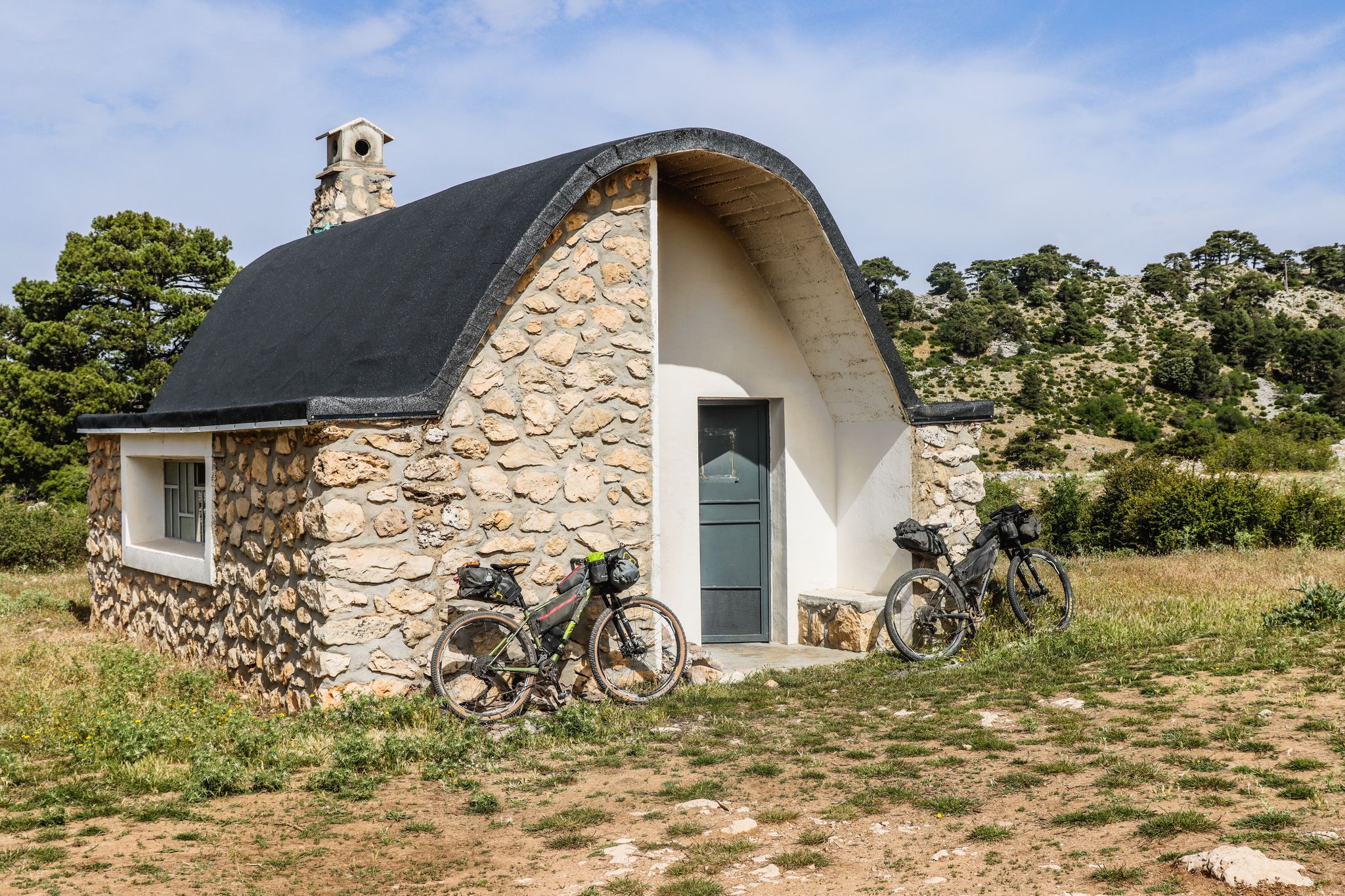
Campo del Espino Shelter
Highlight • Mountain Hut
Translated by Google •
Tip by

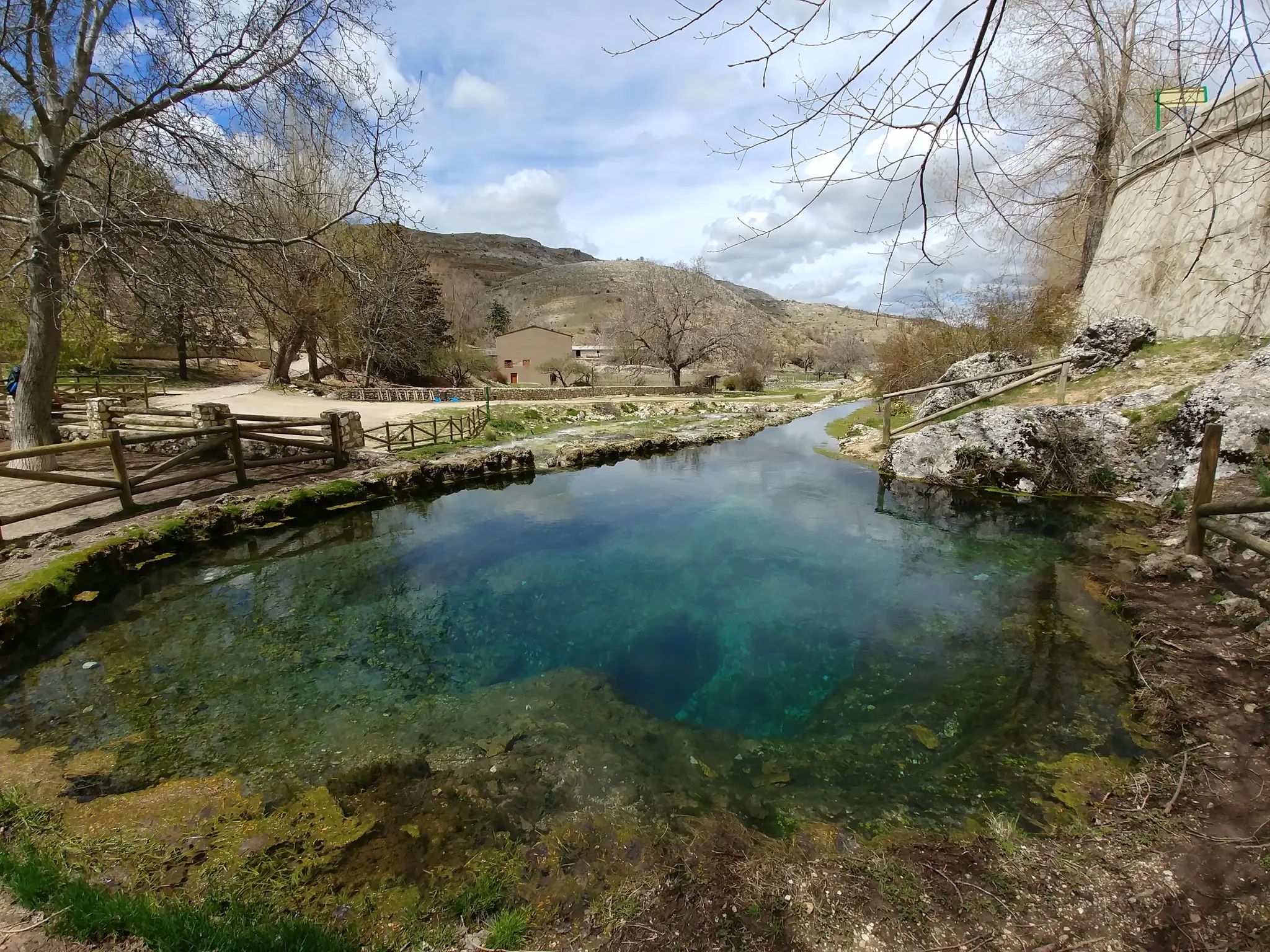
Source of the Segura River
Highlight • River
If you are lucky enough to pass through here, you will be able to fill the drums with the purest water.
Translated by Google •
Tip by

Hornos
Highlight • Settlement
Translated by Google •
Tip by

Sign up for free to discover even more attractions around Santiago-Pontones.
Already have an account?
Start today with a free account
Your next adventure awaits.
Popular around Santiago-Pontones
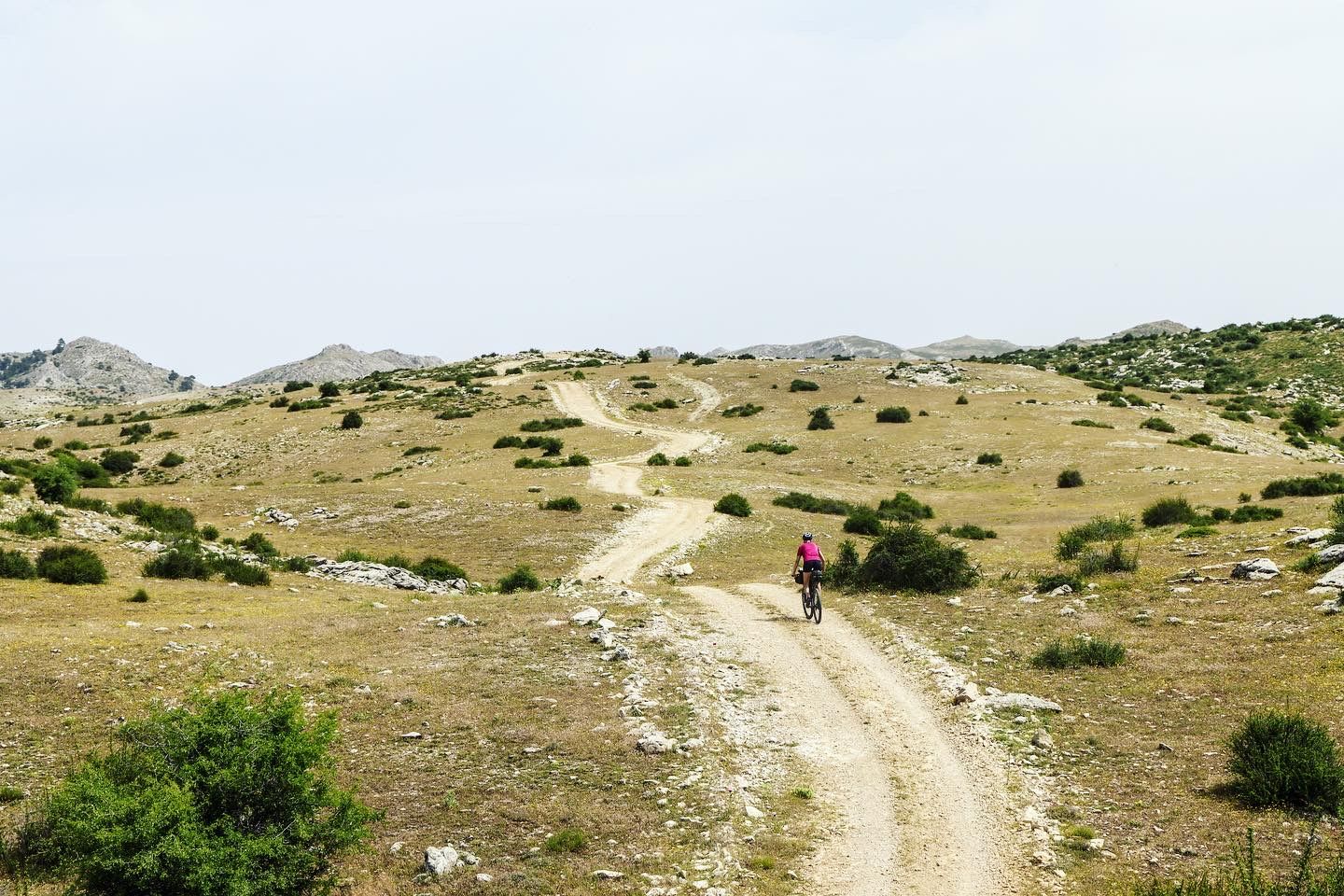
Bikepacking the mountains and deserts of Andalucía
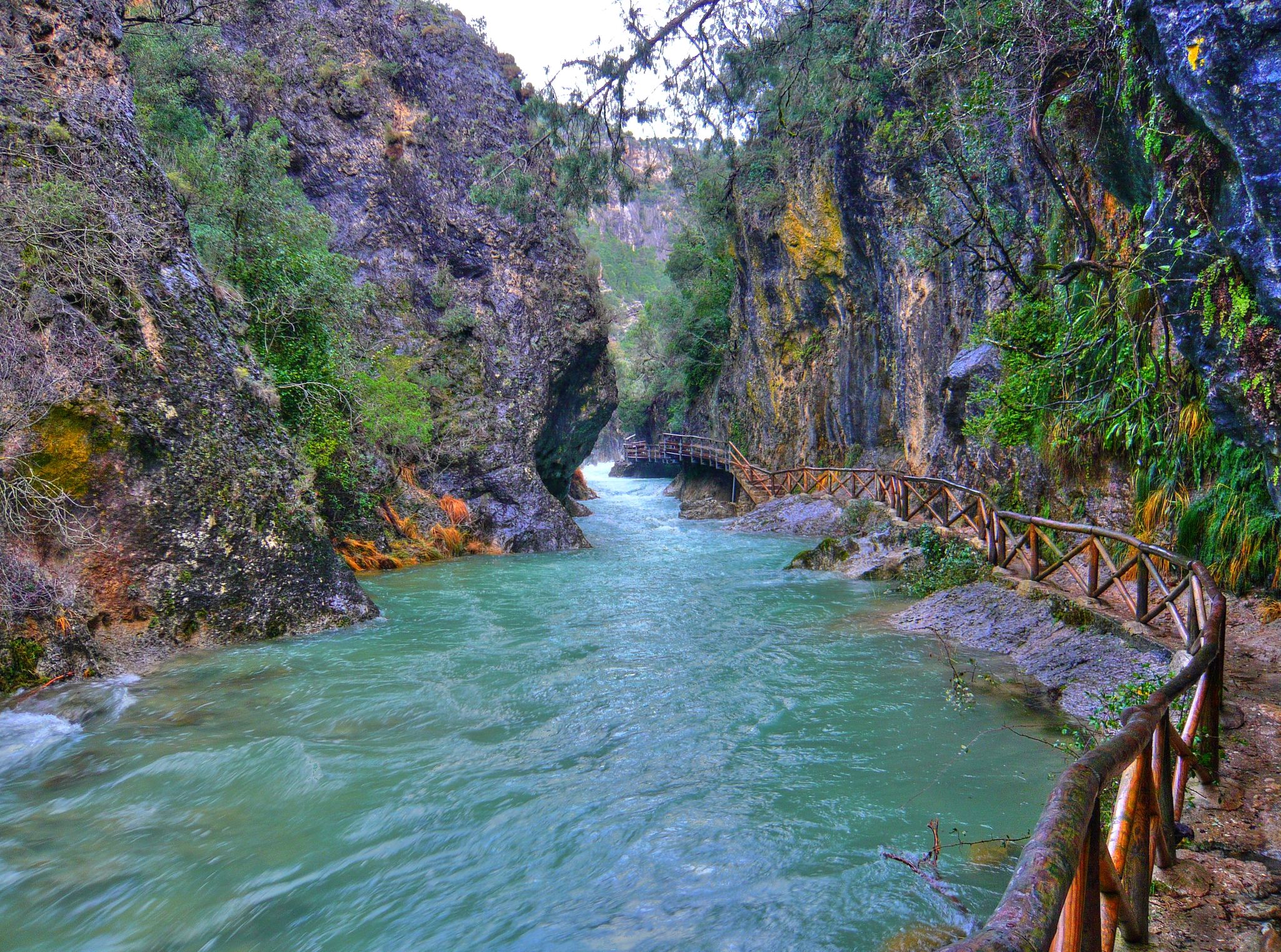
Through the Borosa Gorge to the highest peak of the Sierra de Segura
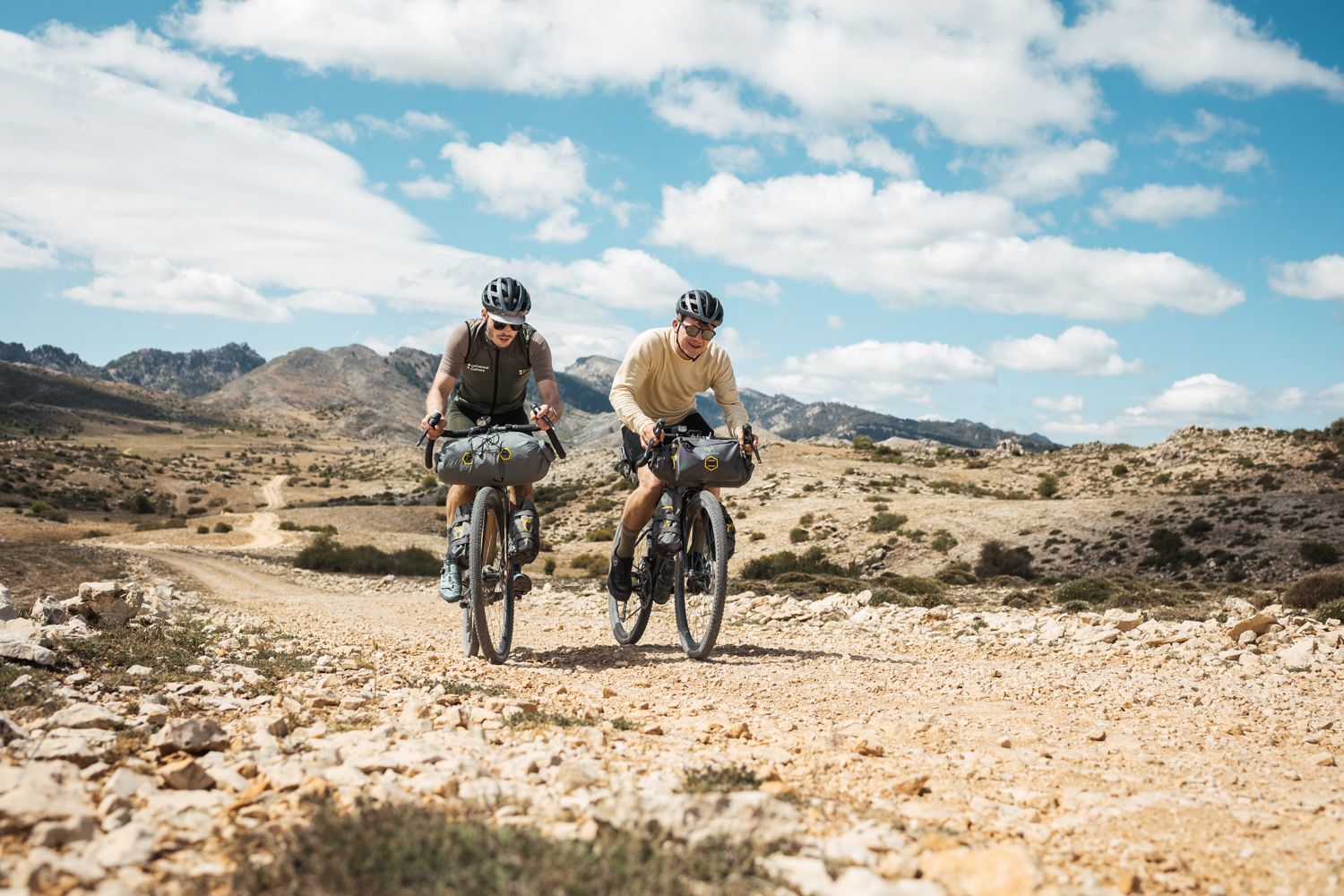
Bikepacking in Andalusia – Europe's gravel paradise
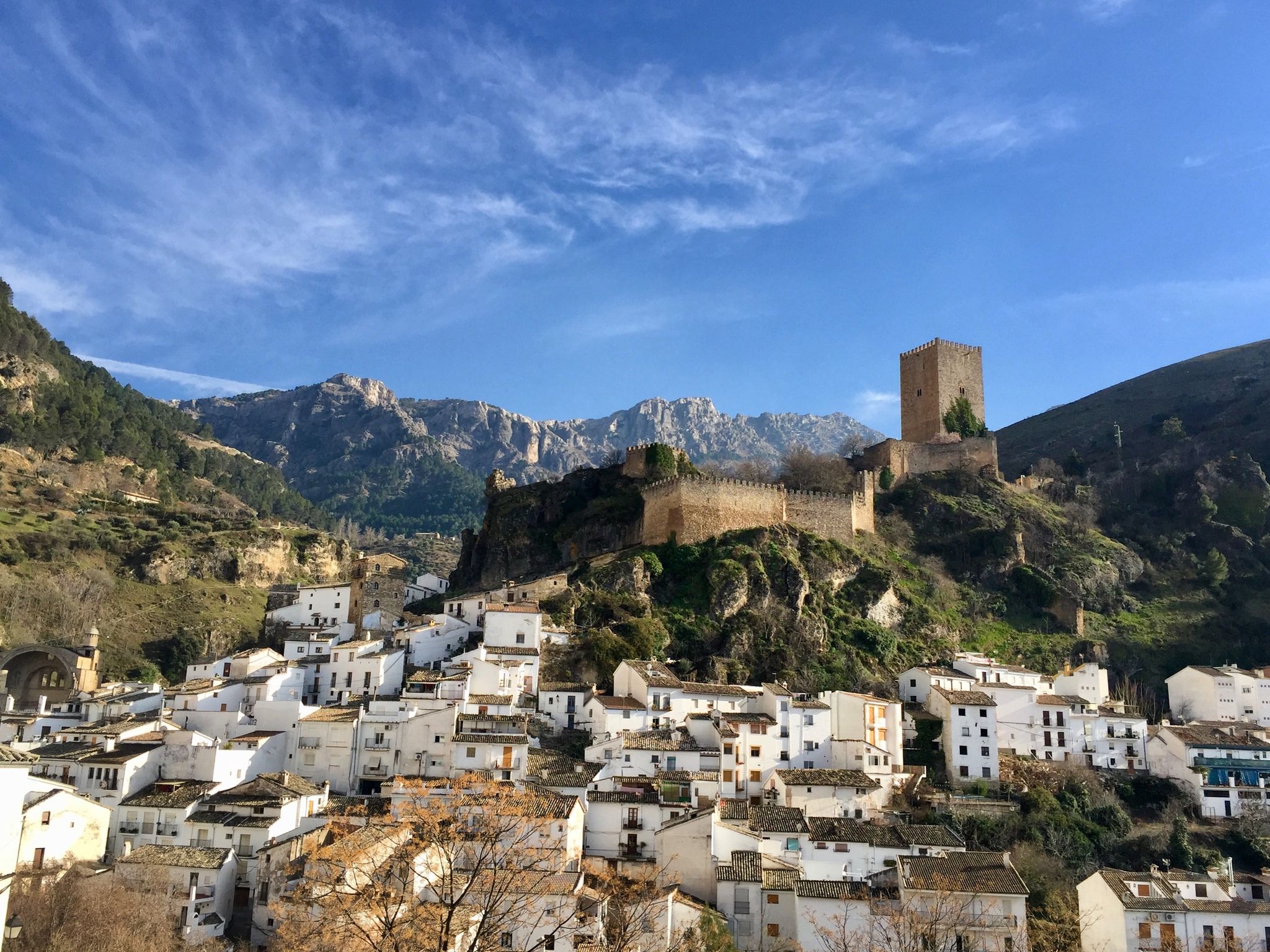
European Divide Trail across the Iberian Peninsula – central
Transhumance in the Sierra de Segura – hiking the GR 144
Wild and free Andalusia – Transandalus through the interior
Explore the Betic Mountains on two wheels – Altravesur
A wild experience – Sierra de Cazorla, Segura y Las Villas (GR 247)
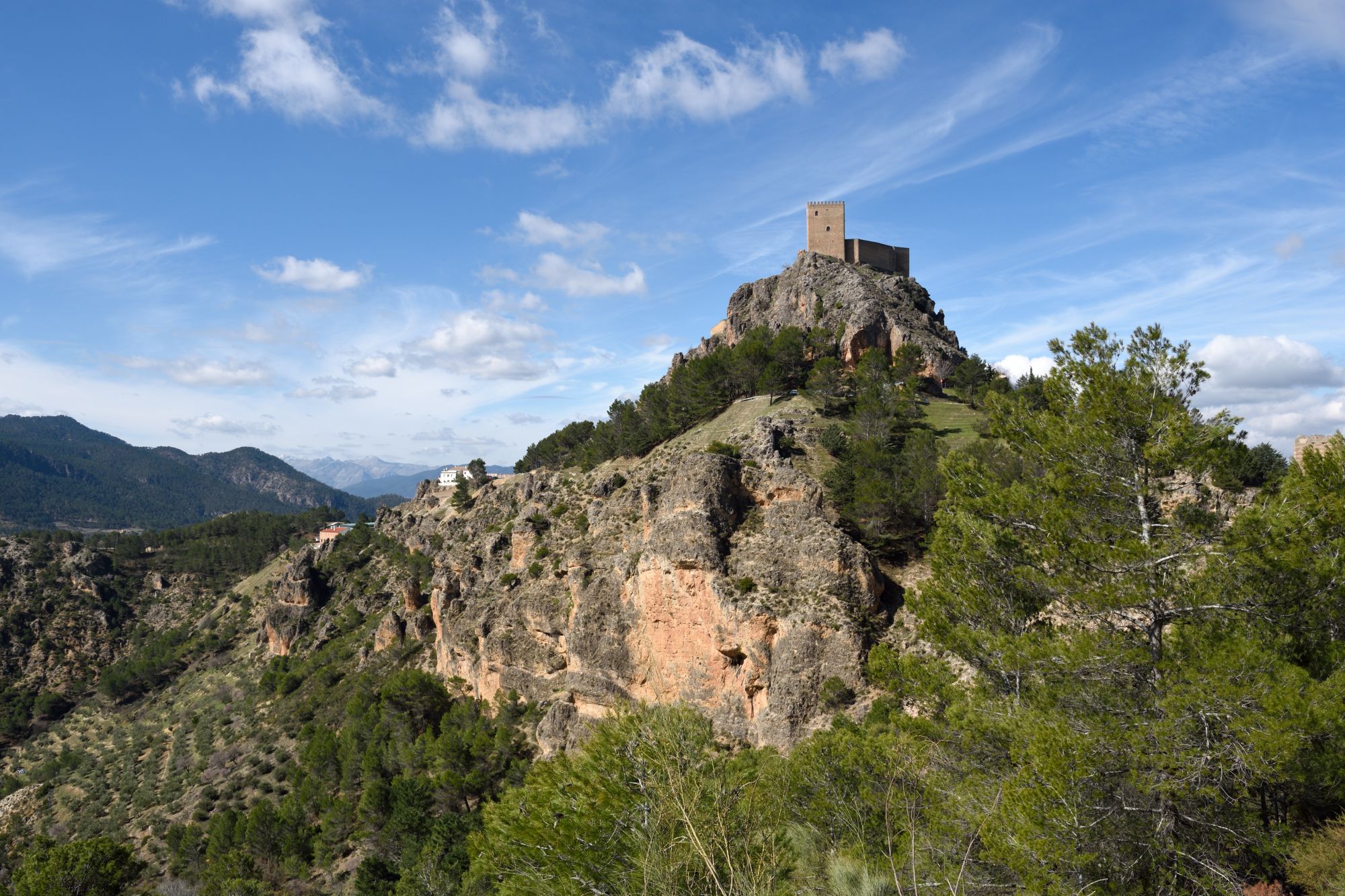
A circular high altitude trail – Bosques del Sur (GR 247)
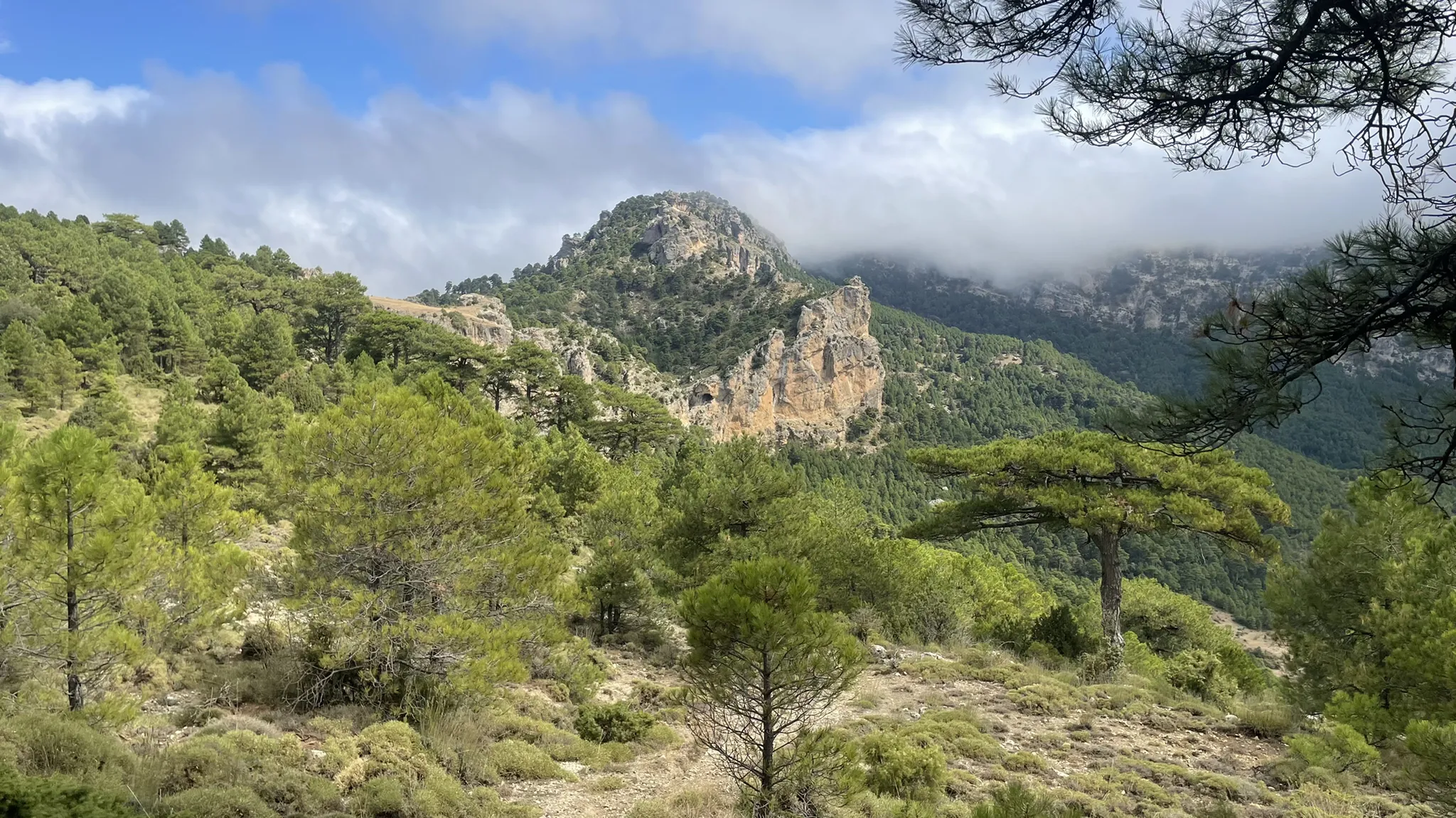
Explore the the secrets of Jaén – La Sierra de Segura Profunda (GR 147)
Other adventures around Santiago-Pontones


Tips from the Community

Many of the photos of this favorite place do not correspond to the Órganos waterfall, but to another waterfall a little further down known as La Calavera waterfall.
0
0

Beautiful trail in a narrow canyon formed by the river.
1
0
Spectacular waterfall and pool. If you follow the Borosa trail, you can't miss stopping and swimming in it. In summer, the sun starts shining directly after 11:30, and the water and the bottom of the pool go from opaque black to transparent turquoise. This makes it less scary to go in, but after that time, people start to gather around this spot!
0
0
It is the highest waterfall on the Borosa River. From above (between the first and second tunnels) it is not visible, but from below it is spectacular.
0
0
Last year in August (2024) it was brimming with energy and enthusiasm, but this year (2025) it's dry again. There's water, but it doesn't even fill half the pool. The water filters a few meters down, into Fuente Segura de Abajo.
2
0

We owe the innkeepers a great deal of gratitude. We were caught in a hailstorm on March 30, 2022 and arrived at the kiosk completely frozen. The kiosk was closed. But the innkeepers let us in and we were allowed to warm ourselves up by the fire. We are very grateful to them for this and therefore highly recommend this restaurant.
6
0

Although somewhat hidden (you must turn to the right a few meters to find it) it is a busy and refreshing place, ideal for resting before continuing with the climb.
0
1
Frequently Asked Questions
What natural features can I explore around Santiago-Pontones?
The region is part of the vast Sierras de Cazorla, Segura y Las Villas Natural Park, offering diverse landscapes. Key natural attractions include the picturesque Elías Gorge, known for its winding path carved by the Borosa River, and the spectacular Salto de los Órganos Waterfall, which plunges over 170 meters. You can also visit the unique Source of the Segura River, where the river emerges from a deep hole in the ground.
Are there any historical or cultural sites worth visiting in Santiago-Pontones?
Yes, Santiago-Pontones boasts several historical and cultural landmarks. You can explore the 16th-century Iglesia del Salvador near Pontones, or the Iglesia de Santiago Apóstol in Santiago de la Espada, which features late Levantine Gothic architecture. Other notable sites include the Casa Marqués de La Roza, the castles of La Matea and Las Gorgollitas, and the traditional urban centers of Santiago and Pontón Alto with their mountain houses.
What outdoor activities can I do near these attractions?
The area is ideal for various outdoor activities. You can find numerous trails for hiking, road cycling, and mountain biking. For hiking, consider routes like 'Puntal de los Canteros y de la Pililla' or the challenging 'Huelga Utrera - Cueva del Agua - Pontones Trail'. Road cyclists might enjoy the 'Tour of the Cazorla and Las Villas Sierras', while mountain bikers can explore 'Miradores del Río Guadalquivir'. For more details on routes, visit the Hiking around Santiago-Pontones, Road Cycling Routes around Santiago-Pontones, or MTB Trails around Santiago-Pontones guides.
Are there family-friendly attractions in the area?
Absolutely. The Source of the Segura River is a popular natural spot for families, featuring a recreational area. The tranquil Villa Verde de Pontones and Paseo Verde offer pleasant walks suitable for all ages. Additionally, many of the natural trails, especially those along rivers, provide accessible sections for family outings.
Where can I find the best panoramic views?
For breathtaking panoramic views, head to the Mirador de Peñamujo. This elevated viewpoint offers spectacular vistas of the Guadalquivir Valley, the Tranco Reservoir, and parts of the Cazorla Natural Park. The Campo del Espino Shelter also provides incredible panoramic views, especially at night for stargazing.
What archaeological sites can I visit?
The region is rich in archaeological history. You can visit the rock shelters of Río Frío, La Cañada de la Cruz, and El Engarbo, which contain Levantine-style rock art recognized as UNESCO World Heritage sites. The Cueva del Nacimiento, near Fuente Segura, is another significant archaeological site with remains from the Upper Paleolithic period. The Torre del Vinagre, which also serves as the Natural Park Reception and Interpretation Centre, is recognized as an archaeological site.
Is there a place to learn about the local culture and history?
Yes, the Museo Etnográfico Alma Serrana, located in the village of Los Anchos, is dedicated to recreating the traditional life of the Sierras over centuries. It offers insights into the local culture and heritage of the region.
What is the best time to visit Santiago-Pontones for outdoor activities?
The Sierras de Cazorla, Segura y Las Villas Natural Park is beautiful year-round, but spring and autumn generally offer the most pleasant weather for hiking and outdoor activities, with mild temperatures and lush landscapes. Summer can be hot, but the higher altitudes and river areas provide cooler escapes. Winter offers a different charm, though some higher trails might be challenging due to snow.
Are there any unique natural monuments or trees to see?
Yes, the Pino Galapán, known as 'the lord of the Sierra de Segura,' is an impressive European Black Pine over 400 years old and 40 meters tall. It's a significant natural monument located near the Cortijada de Don Domingo and is a must-see for nature lovers.
Can I find places for wild swimming or natural pools?
The Salto de los Órganos Waterfall has formed a natural pool of crystalline turquoise water over centuries, which can be a refreshing spot. The numerous rivers and gorges throughout the Natural Park, such as the Borosa River and Zumeta Gorge, also offer various serene spots for enjoying the water, though always exercise caution and check local regulations.
What is Hornos and what can I see there?
Hornos is a town and municipality within the Sierra de Cazorla, Segura y Las Villas natural park. Its main attraction is the Hornos de Segura Castle, dating from the 12th to 14th centuries, which dominates the town from a rocky watchtower. You can also see the Church of Our Lady of the Assumption and the Gate of the Town, which has Roman origins. The castle is currently being rehabilitated to house an astronomy workshop and observatory.
Are there any places for stargazing?
Yes, the village of Aldea Don Domingo is recognized as the country's first 'Starlight Reserve,' making it an excellent location for stargazing. The remote and elevated location of the Campo del Espino Shelter also offers incredible opportunities to enjoy the starry night sky.
Most popular routes around Santiago-Pontones
Most popular attractions around Santiago-Pontones

Get inspired with the komoot mobile app


Explore more
Still not found the Highlight you’re looking for? See guides of the top attractions in other regions:
