The best walks and hikes around Las Omañas
3.8
(7)
19
hikers
9
hikes
Hiking around Las Omañas offers diverse landscapes at the confluence of the Omaña and Luna rivers, forming the Órbigo River. The region is framed by the Montes de León and the Cantabrian Mountains, creating varied terrain that includes wide valleys, riparian plains, and transitional mountain zones. As part of the Valles de Omaña y Luna Biosphere Reserve, the area features rich forests of oaks, poplars, and alders, providing varied environments for hiking trails.
Best hiking trails in Las Omañas
- The…
Last updated: August 15, 2026
3.3
(3)
5
hikers
12.0km
03:23
250m
250m
Hike the moderate 7.5-mile Tierra de Ordás Trail, gaining 822 feet with panoramic views from Torre de Ordás and diverse forest landscapes.
3.0
(1)
2
hikers
5.19km
01:32
150m
150m
Easy hike. Great for any fitness level. Easily-accessible paths. Suitable for all skill levels.

Sign up for free
1
hikers
15.7km
04:28
360m
360m
Hike the moderate 9.7-mile Cuencas Mineras and Camino Olvidado Loop, gaining 1175 feet through varied mountain landscapes and historic areas
4.0
(2)
3
hikers
10.2km
03:00
260m
260m
Moderate hike. Good fitness required. Easily-accessible paths. Suitable for all skill levels.
2
hikers
6.65km
01:48
90m
90m
Easy hike. Great for any fitness level. Easily-accessible paths. Suitable for all skill levels.
Get access to more routes and recommendations from other explorers.
Sign up for free
Already have an account?
Our route recommendations are based on thousands of hikes, rides, and runs completed by other people on komoot.
Start today with a free account
Your next adventure awaits.
Login or Signup
Popular around Las Omañas
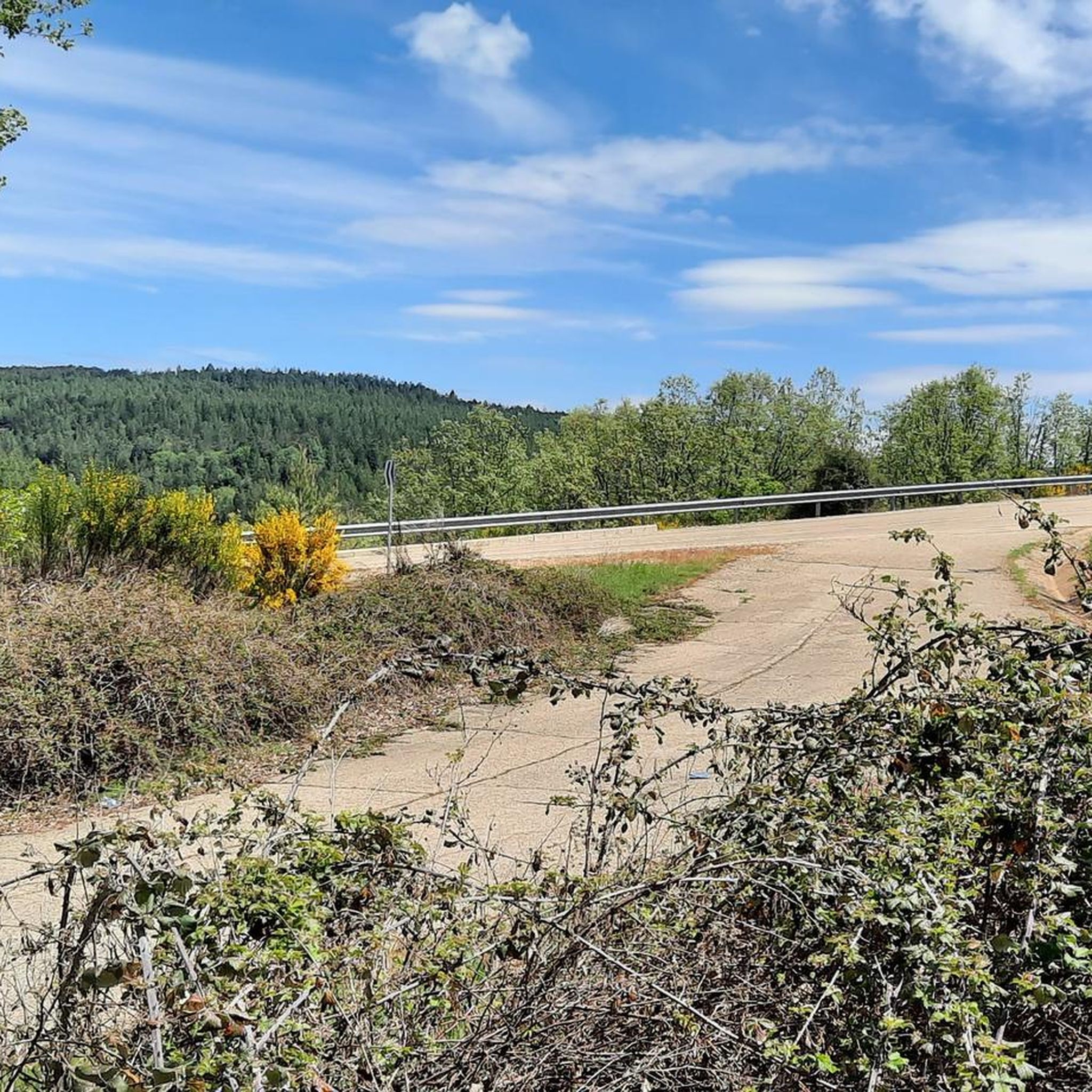
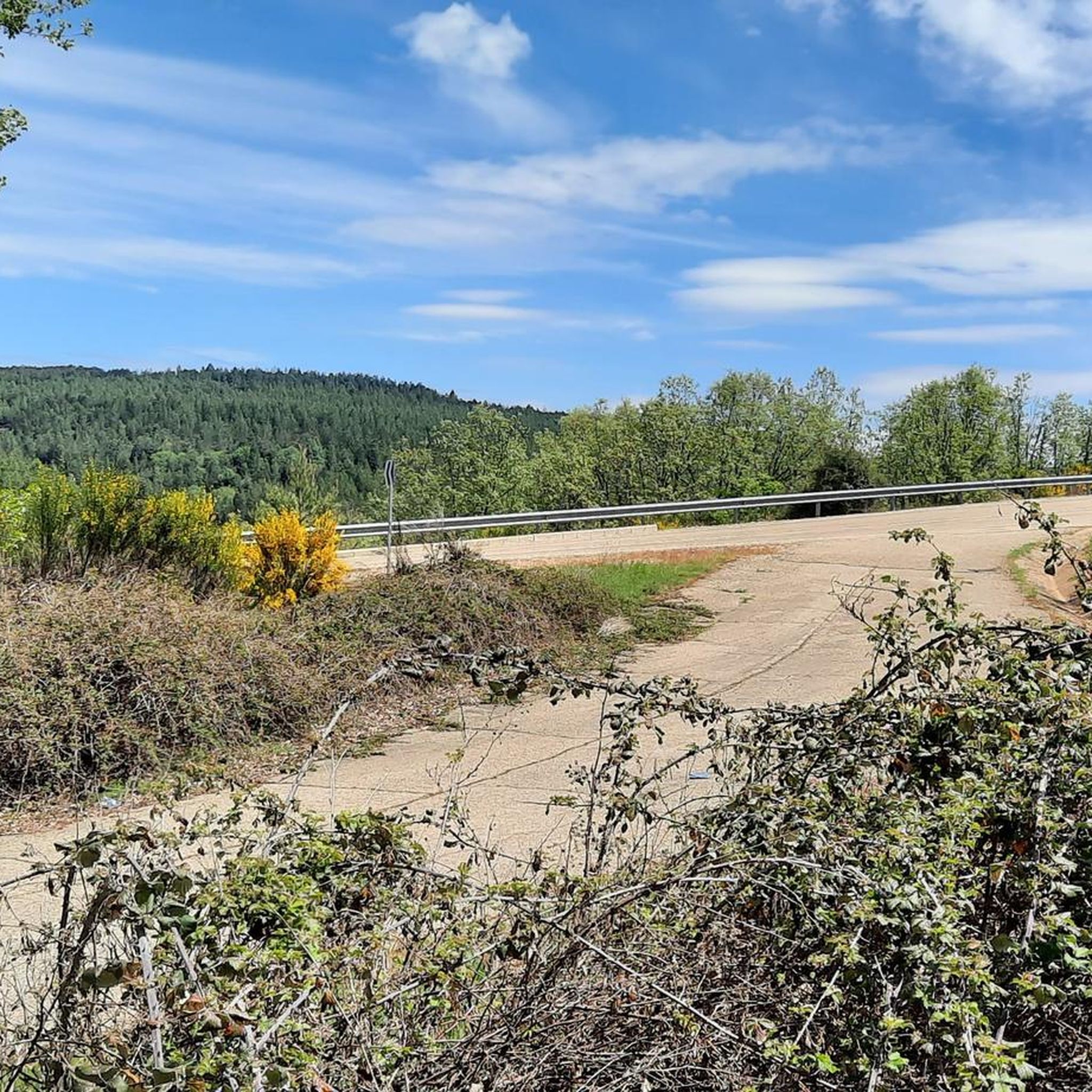
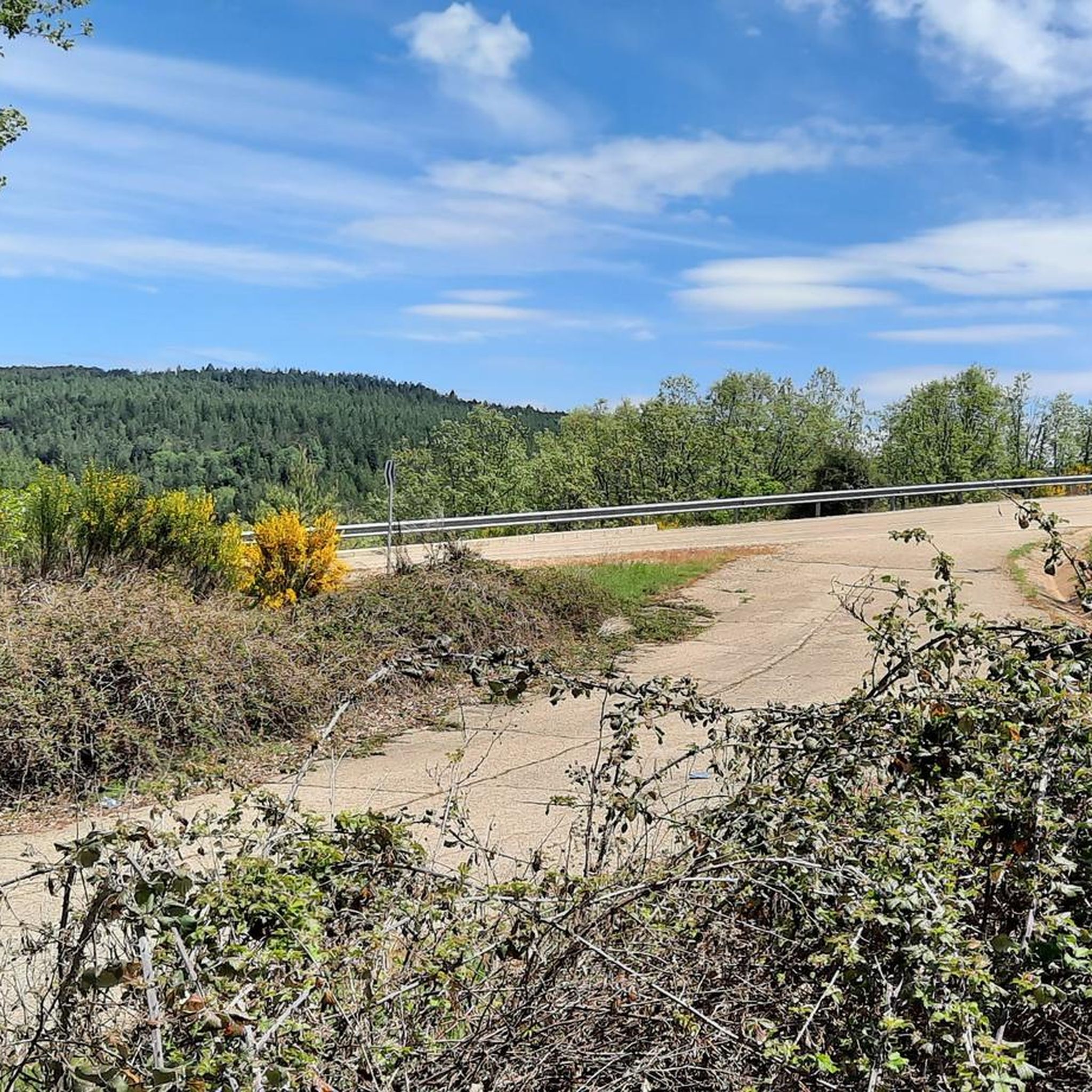
Tips from the Community

Watch out for the climb they call "of the 100 beers" oof, to die for. The rest is fine.
0
0

This is an old defensive structure located on the banks of the Órbigo River, now in ruins but of great scenic and historical value. Its remains stand among fields and rural roads, making it a highly recommended stop on MTB or gravel routes in the area. Access is easy via compacted dirt tracks and offers unobstructed views of the León surroundings. Ideal for a short photo break, especially if you're looking to combine leisurely riding with hidden heritage gems.
1
0


We are in the Alto del Camparón (passage area of the Los Caminos de la Transhumancia route) with beautiful views of the Omañeses mountains and to the north, the Luna mountain.
1
1
Without a doubt, the king of the Oman mountains is the oak and here we find ourselves under the shade of a beautiful oak grove. A transit area of the route of Los Caminos de la Transhumancia that starts from Villayuste.
3
0
From Alto 'El Viso', we have a magnificent panoramic view of the Omaña mountains dominated by large expanses of oak groves.
3
0
We are in the Alto del Camparón (passage area of the Los Caminos de la Transhumancia route) with beautiful views of the Omañeses mountains and to the north, the Luna mountain.
3
0
A beautiful path between vegetation that runs along the route of Tierra de Ordás.
2
0
Frequently Asked Questions
How many hiking trails are available in Las Omañas?
Las Omañas offers a selection of around 6 hiking trails, catering to various preferences and skill levels. These routes explore the diverse landscapes of the region, from river valleys to forested mountains.
What kind of terrain will I encounter on hikes in Las Omañas?
Hiking in Las Omañas means exploring a varied landscape shaped by the confluence of the Omaña and Luna rivers, framed by the Montes de León and the Cantabrian Mountains. You'll find wide river valleys, lush riparian plains, and transitional mountain and paramo zones. The trails often pass through rich forests of oaks, poplars, and alders, offering a mix of gentle paths and more challenging ascents.
Are there any easy or family-friendly hiking routes in Las Omañas?
Yes, there are easy options suitable for families or those looking for a relaxed walk. For instance, the Las Miédolas – circular from Las Omañas route is an easy 5.2 km trail that showcases ancient Roman gold mining engineering. Another easy option is the Hiking loop from Santa María de Ordás, which is about 6.6 km long.
Can I find circular hiking routes in Las Omañas?
Yes, many of the trails in Las Omañas are circular, allowing you to start and end at the same point. The Las Miédolas – circular from Las Omañas is a popular easy loop. For a moderate challenge, consider the Cuencas Mineras and Camino Olvidado Loop, which covers about 15.7 km.
What are some notable natural features or landmarks to see while hiking?
The region is rich in natural beauty and historical sites. You can explore the confluence of the Luna and Omaña rivers, which form the Órbigo, and enjoy the riparian forests. Historically, the area is known for ancient Roman gold mining sites, visible along routes like the Roman Gold Route. The Valles de Omaña y Luna Biosphere Reserve itself is a significant natural feature. You might also encounter the Source of the Órbigo or the Camposagrado Bell Tower.
What is the best time of year to go hiking in Las Omañas?
The diverse forests and river valleys of Las Omañas offer pleasant hiking conditions through much of the year. Spring and autumn are particularly beautiful, with vibrant foliage and comfortable temperatures. Summer can also be enjoyable, especially along shaded riverside paths, while winter offers a different, quieter experience, though some higher routes might be more challenging.
Are there any longer or more challenging hiking routes for experienced hikers?
Yes, for those seeking a greater challenge, there are moderate routes that offer longer distances and more elevation gain. The Tierra de Ordás Trail is a moderate 12 km path with panoramic views across diverse forest landscapes. The Bridge over the Omaña River – Omaña River loop from Las Omañas is another moderate option, covering over 10 km.
What do other hikers say about the trails in Las Omañas?
The hiking routes in Las Omañas are well-regarded by the komoot community, holding an average rating of 3.3 stars. Hikers often praise the region's diverse landscapes, from tranquil river valleys to scenic forest paths, and the opportunity to explore both natural beauty and historical sites.
Is Las Omañas part of a protected natural area?
Yes, Las Omañas is nestled within the Valles de Omaña y Luna Biosphere Reserve, a UNESCO-recognized area. This designation highlights the region's significant botanical, zoological, and geological importance, ensuring its natural beauty and ecological diversity are preserved for future generations.
Are there opportunities to see wildlife in Las Omañas?
The rich forests and varied terrain of Las Omañas, particularly within the Valles de Omaña y Luna Biosphere Reserve, are home to diverse wildlife. Hikers might spot wild boars, roe deer, or chamois. For the very fortunate, there's a chance to encounter the Cantabrian grouse or even the elusive brown bear.
Are there any cultural or historical points of interest near the hiking trails?
Beyond the trails, the region offers a glimpse into traditional rural life with its characteristic stone houses, wooden balconies, and rye straw roofs in the villages. Ancient castros (hillforts) from the Bronze Age are scattered across the landscape, adding historical intrigue. You can also visit the Interpretation Centre of the Reserve in Murias de Paredes or the Shepherd's Museum in Los Barrios de Luna for more cultural context.
Most popular routes around Las Omañas
Most popular attractions around Las Omañas

Get inspired with the komoot mobile app


Explore more
Browse the best Hikes in other regions.
