Attractions and Places To See around Castrillo De Riopisuerga - Top 16
Attractions and places to see around Castrillo De Riopisuerga are found in the western part of Burgos province, within the Odra-Pisuerga region. This area is characterized by its rural Romanesque architecture and historical sites, with documented mentions dating back to the 10th century. The village is situated on the left bank of the Pisuerga River, which forms a natural boundary with Palencia. The region also features significant hydraulic engineering from the 18th and 19th centuries, notably the Canal de Castilla.
…Last updated: July 2, 2026
Dock and Locks of the Canal de Castilla in Alar del Rey
Highlight • Monument
Translated by Google •
Tip by

Alar del Rey
Highlight • Settlement
Translated by Google •
Tip by

Sign up now to discover places like this
Get recommendations on the best single tracks, peaks, & plenty of other exciting outdoor places.
Sign up for free
San Andrés Sluice, Canal de Castilla
Highlight • Monument
Translated by Google •
Tip by

Canal Museum, cafe and nice gardens.
Highlight • Monument
Translated by Google •
Tip by

San Carlos de Abánades Boat (Canal de Castilla)
Highlight • Structure
Translated by Google •
Tip by

Sign up for free to discover even more attractions around Castrillo De Riopisuerga.
Sign up for free
Already have an account?
Start today with a free account
Your next adventure awaits.
Login or Signup
Tips from the Community

The San Andrés Lock, located in Herrera de Pisuerga (Palencia), is part of the historic Canal de Castilla, one of the most important hydraulic engineering works in Spain in the 18th and 19th centuries.
1
0

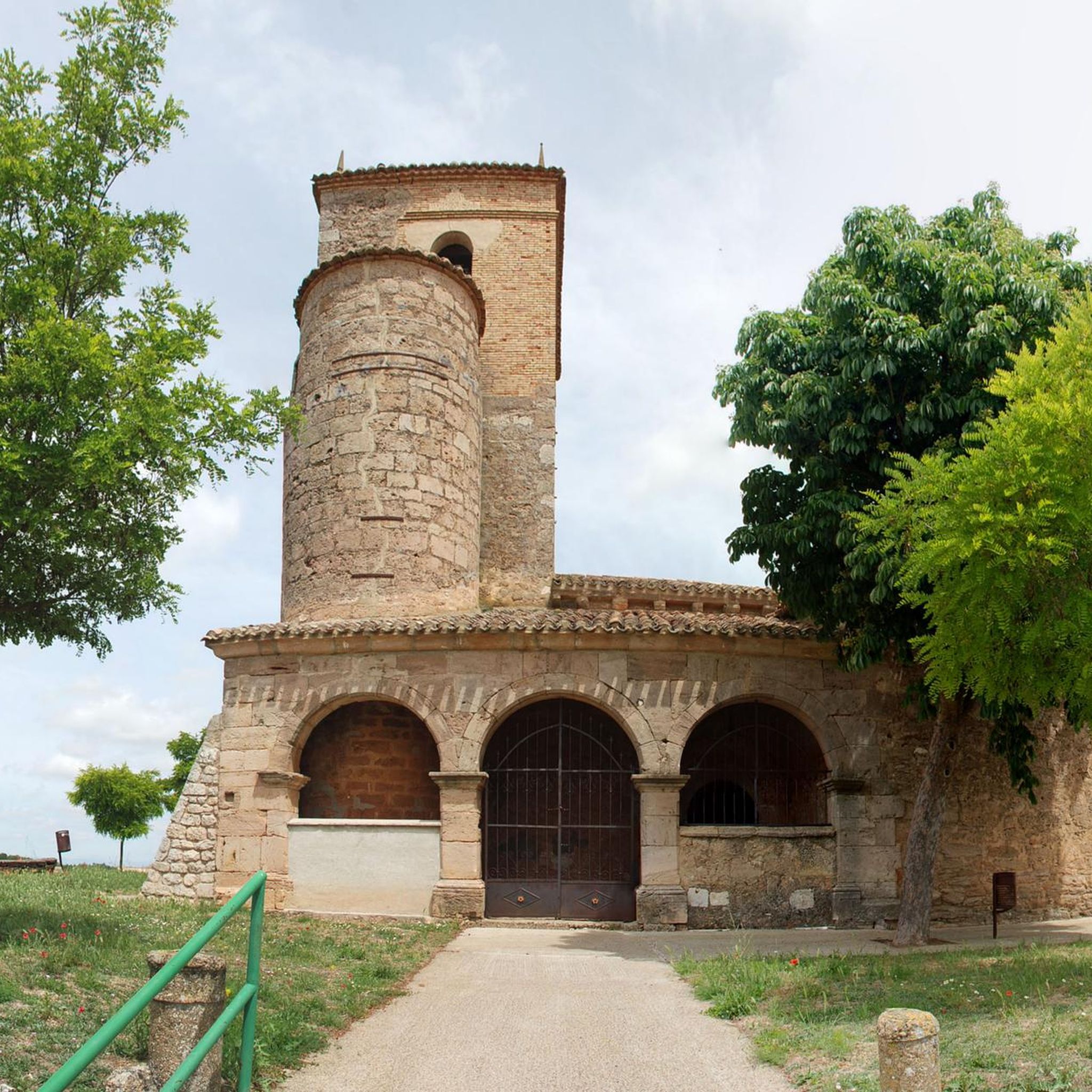
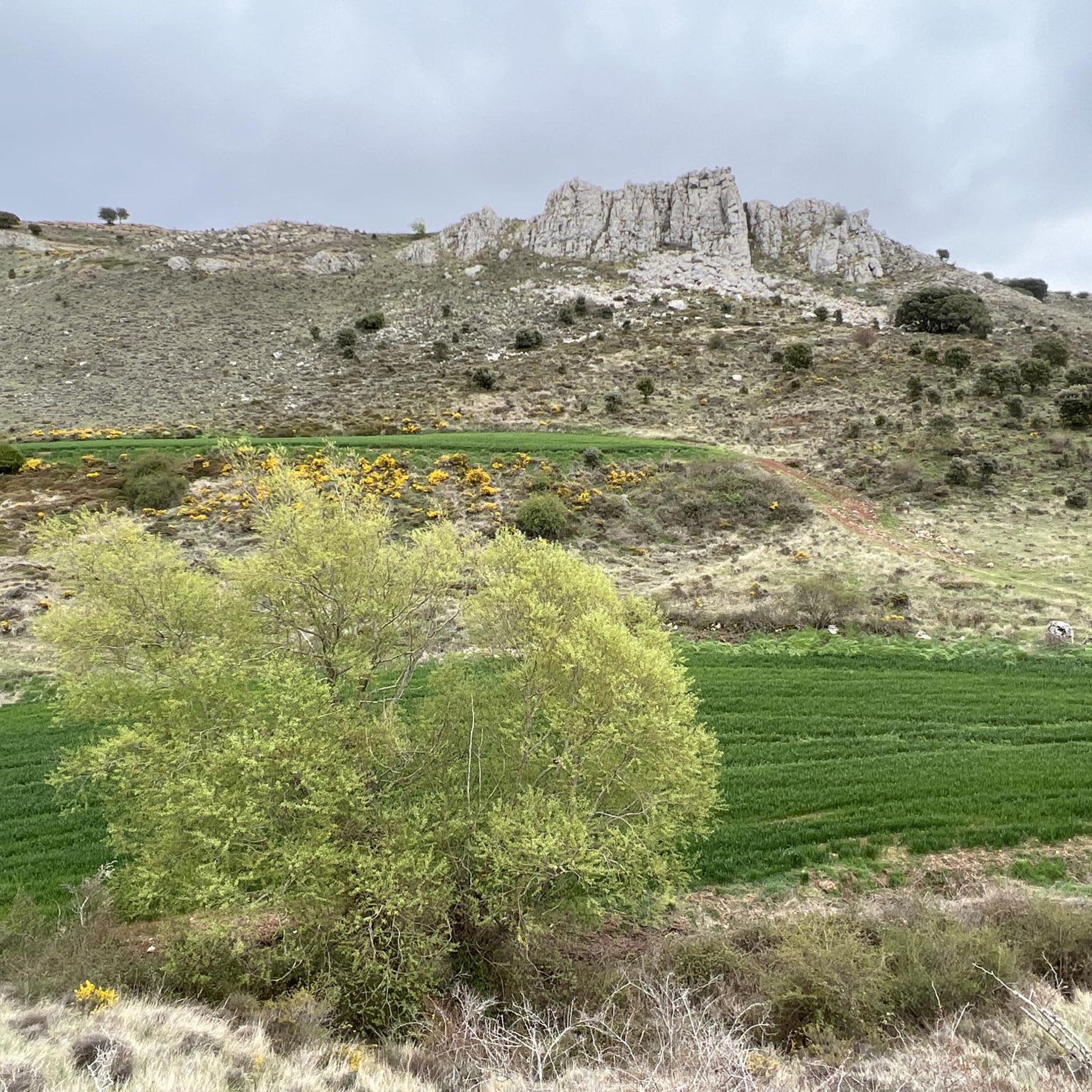
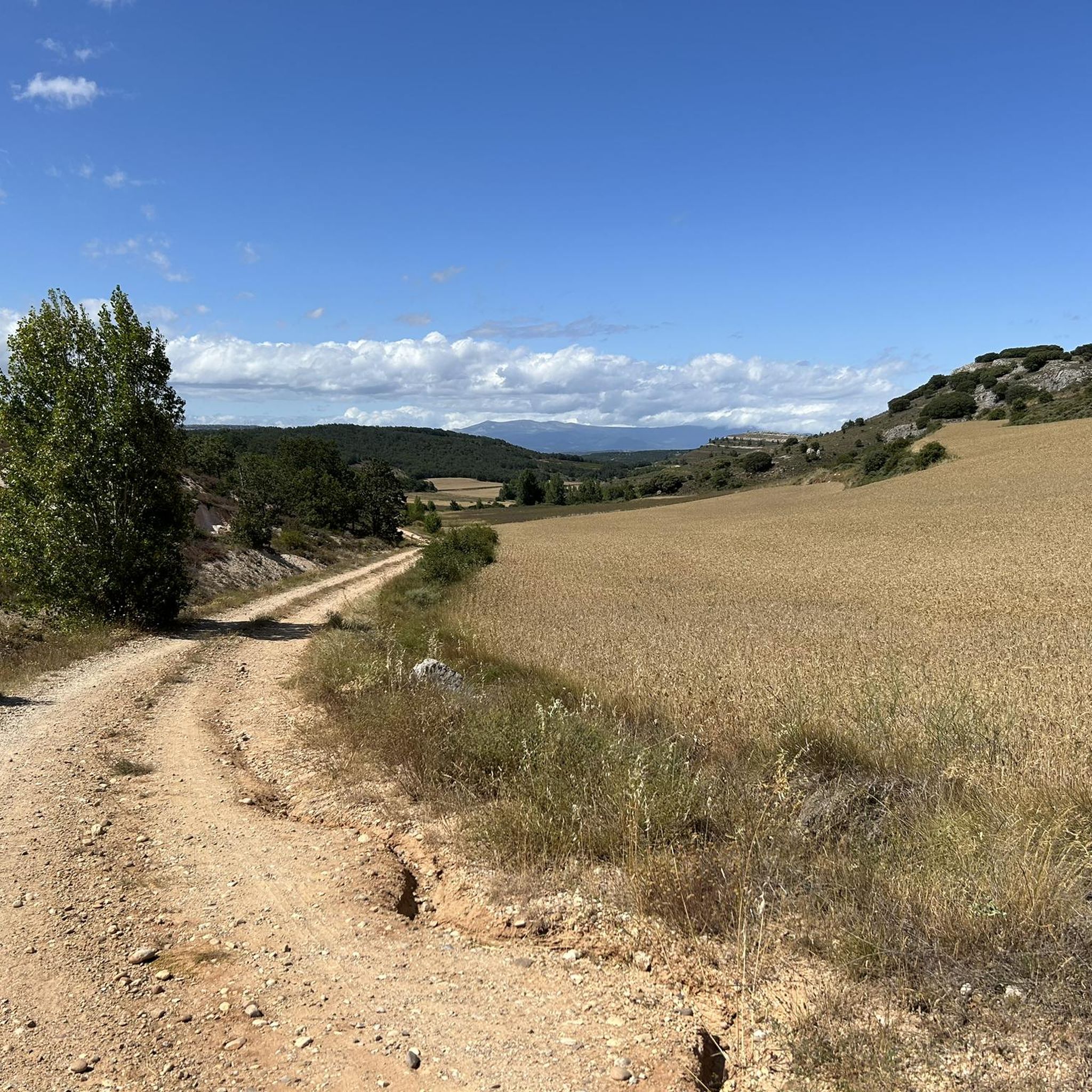
Stage 1. Alar del Rey/Cervera de Pisuerga 87 kilometers. 1,850 positive meters. The Canal de Castilla begins in Alar del Rey, an illustrious work of 18th century hydraulic engineering that was an important vein of communication, commerce and prosperity in much of the Castilian lands for a century. In 1860 the railway monopolized the trade in cereals, goods and minerals in the north of Castile and transport barges stopped using the canal, which continued in use until the mid-20th century, exploiting the hydraulic energy of the locks and irrigation systems. . The starting point is the dock of the old piers of the Canal de Castilla, a very pleasant place to start a gravel trip of a couple of days of bikepacking along the Palentino Romanesque Natural Path, which largely coincides with the Ruta del Coke charcoal. “Cok” or coke is a high-quality hard coal with good heat capacity that is highly appreciated in the metallurgical industry. The best coke deposits were in exclusive mines in Fuentes Carrionas and Montaña Palentina, mainly in the valleys of Mudá, Castillería and Santullán. The extracted mineral was transported by horse and cart to the piers of the Canal de Castilla bound for Valladolid and Palencia, where distribution began. The cycle tour follows the old mining road to the mountains of northern Palencia, visiting a few rural Romanesque jewels. Before leaving we passed by the milestone where the Canal de Castilla takes its water from the Pisuerga River. I discovered this beautiful river spot thirty years ago, when I cycled along the canal towpaths for the first time. Now we leave in the opposite direction following the red posts of the Nature Trail. The roads are good for gravel cycling, the relief is a bit leg-breaking and there are several hard slopes that warm up the muscles with the gravel single chainring but the surface is great. The first town is Prádanos de Ojeda, on a rural hill above extensive cereal fields that are very good for warming up the legs before the first slopes, it is the end of summer and the stubble is full of large balls of packed straw. The path crosses the Pradera de las Tortas mountain and Santibáñez de Ecla appears hidden among some hills of holm oaks and holm oaks. The church of San Juan can be seen now or in the second stage because the return track connects here. The path runs through hills populated by dense holm oak forests and passes through Villaescusa de Ecla, which has the Romanesque church of Santa Elena and in a nearby ravine the Cervigona Waterfall. The silhouette of the Palentina Mountain and the Curavacas peak draw attention on the horizon. The path jumps small hills of holm oaks and holm oaks and at the heights the view takes in the mountains of the Cantabrian Mountains of Palencia. The surface is excellent and the bikes descend at full speed to the town of Cozuelos de Ojeda. The church is monumental, Renaissance with star-crossed vaults and a Herrerian tower. Outside the church there are remains of an ancient cloud conjurer, a popular place of prayer during harvest time to keep storms and clouds or clouds away from the sky. The route leaves the urban complex of Cozuelos de Ojeda on the left and continues through some steppe hills to a plateau with good views of the mountains, from Valdecebollas to Espigüete. In the moor is the crossing of the Perazancas de Ojeda variant on the return route. The next town is Vallespinoso de Aguilar. The hermitage of Santa Cecilia, immediately standing out on a castle hill, is dated to the 12th century and was declared a historical-artistic monument in 1951. The portico has well-carved capitals and the location conveys the atmosphere of a fortress sanctuary. The path goes up a somewhat rocky slope and enters new slides in the land of Aguilar de Campoo. At the foot of Monte de la Ruya, when the hardest slope of the stage appears in front of you, the detour to Barrio de San Pedro and Barrio de Santa María, two districts of Aguilar de Campoo, comes out on the right. The descent is fantastic with views of the large lake of the Aguilar reservoir. First is Barrio de San Pedro, with a very welcoming ambushed entrance and the church of San Pedro, Romanesque from the 13th century with many later additions. And then the hermitage of Santa Eulalia, solitary next to the road, another well-preserved historical-artistic monument of the rural Romanesque of Palencia. In the town, the church of the Assumption also preserves parts of Romanesque origin.
0
0

The Canal de Castilla begins in Alar del Rey, an illustrious work of 18th century hydraulic engineering that was an important vein of communication, commerce and prosperity in much of the Castilian lands for a century. In 1860 the railway monopolized the trade in cereals, goods and minerals in the north of Castile and transport barges stopped using the canal, which continued in use until the mid-20th century, exploiting the hydraulic energy of the locks and irrigation systems. . The starting point is the dock of the old piers of the Canal de Castilla, a very pleasant place to start a gravel trip of a couple of days of bikepacking along the Palentino Romanesque Natural Path, which largely coincides with the Ruta del Coke charcoal. “Cok” or coke is a high-quality hard coal with good heat capacity that is highly appreciated in the metallurgical industry. The best coke deposits were in exclusive mines in Fuentes Carrionas and Montaña Palentina, mainly in the valleys of Mudá, Castillería and Santullán. The extracted mineral was transported by horse and cart to the piers of the Canal de Castilla bound for Valladolid and Palencia, where distribution began. The cycle tour follows the old mining road to the mountains of northern Palencia, visiting a few rural Romanesque jewels. Before leaving we passed by the milestone where the Canal de Castilla takes its water from the Pisuerga River. I discovered this beautiful river spot thirty years ago, when I cycled along the canal towpaths for the first time. Now we leave in the opposite direction following the red posts of the Nature Trail. The roads are good for gravel cycling, the relief is a bit leg-breaking and there are several hard slopes that warm up the muscles with the gravel single chainring but the surface is great.
0
0

Alar del Rey was founded in the 15th century and stands out for its parish church of Nuestra Señora del Carmen, in neo-Romanesque style with a modernist tower. The town offers an impressive landscape environment thanks to the Canal de Castilla and the Pisuerga River. In addition, it is close to places of interest such as Peña Amaya, the Palencia Mountain and the Unesco World Geopark las Loras.
1
0

Cultural point that celebrates the patrimonial past of the Canal de Castilla, the Retention of San Andrés is an incredible natural park. If you are looking for a place to rest it is the perfect place.
1
0
The power of water, the small town of Alar del Rey is literally surrounded by water. The beginning of the Canal de Castilla, an industrial attempt to boost trade by taking advantage of the power of the river during the 18th century. Today, it is a cultural and sports center with the canal a site of cultural importance.
1
0

Infrastructure in the Canal de Castilla with the objective of being able to control the flow and to be able to avoid floods and untimely floods of the Pisuerga river.
2
0
The magnum opus of hydraulic engineering during the Enlightenment, the Canal de Castilla, in the town of Herrera de Pisuerga, is located just over 1 km to the south, the point of confluence between the Canal and the Pisuerga River. At this point is the Canal Interpretation Center, the San Andrés Dam and the pier for the “Marqués de la Ensenada” ship.
5
0
Frequently Asked Questions
What historical sites can I explore in Castrillo De Riopisuerga?
The region is rich in history, with documented mentions dating back to the 10th century. You can visit the Iglesia de San Bartolomé, a significant Romanesque church with a distinctive apse and bell tower. Another notable historical landmark is the Puente de la Campesina, an old bridge that was once part of a complex including a flour factory and an early electrical jump.
What natural features are prominent around Castrillo De Riopisuerga?
Castrillo De Riopisuerga is situated on the left bank of the Río Pisuerga, which forms a natural boundary between the provinces of Burgos and Palencia. The river and its surroundings offer a natural setting for various activities. Additionally, the area features the remarkable Canal de Castilla, an 18th-century hydraulic engineering marvel, which, while man-made, integrates beautifully with the natural landscape.
Can I learn about the Canal de Castilla's history nearby?
Yes, you can delve into the history of the Canal de Castilla. Visit the Canal Museum, cafe and nice gardens., which includes the Canal Interpretation Center. This center is located near the confluence of the Canal de Castilla and the Pisuerga River, offering insights into this significant 18th-century engineering project.
Are there opportunities for cycling along the Canal de Castilla?
Absolutely. The Canal de Castilla and the Pisuerga River area offer excellent routes for cycling. You can find various cycling tours, including those starting from Alar del Rey, which is the beginning of the Canal. For specific routes and difficulties, explore the Cycling around Castrillo De Riopisuerga guide.
What kind of outdoor activities can I do around Castrillo De Riopisuerga?
Beyond exploring historical sites, the region offers a variety of outdoor activities. You can enjoy hiking and cycling along the Río Pisuerga and the Canal de Castilla. There are also specific guides for different sports, such as MTB Trails around Castrillo De Riopisuerga and Road Cycling Routes around Castrillo De Riopisuerga, catering to different preferences.
Are there family-friendly attractions in the area?
Yes, several attractions are suitable for families. Exploring the Dock and Locks of the Canal de Castilla in Alar del Rey can be an engaging experience, showcasing impressive engineering. The Canal Museum, cafe and nice gardens. also offers a pleasant and educational outing for all ages.
What is the best time of year to visit Castrillo De Riopisuerga for outdoor activities?
The region is generally pleasant for outdoor activities during spring and autumn when temperatures are mild. Summer can also be enjoyable, especially for water-related activities along the Canal de Castilla and Pisuerga River, though it can be warmer. Winter offers a different, quieter charm, but some facilities might have reduced hours.
Where can I see rural Romanesque architecture in the region?
The Odra-Pisuerga region, where Castrillo De Riopisuerga is located, is known for its rich rural Romanesque architecture. The Iglesia de San Bartolomé in Castrillo itself is a prime example, featuring a Romanesque apse and other original elements. Exploring the surrounding villages will reveal more churches and structures in this distinctive style.
Is there a place to take a boat trip on the Canal de Castilla?
Yes, you can experience the Canal de Castilla from the water. The San Carlos de Abánades Boat (Canal de Castilla) offers boat trips along a section of the canal. The pier is located near Melgar de Fernamental, providing a unique perspective on this historic waterway.
What is the significance of the Pisuerga River in the area?
The Pisuerga River is highly significant to the region. Castrillo De Riopisuerga is named after it and sits on its left bank. The river forms a natural boundary and has historically been crucial for the area's development, including its role in the functioning of the Canal de Castilla. Today, it provides a beautiful natural setting for fishing, hiking, and cycling.
What is the <a href="https://www.komoot.com/highlight/5507076" target="_blank" rel="noopener">San Andrés Sluice, Canal de Castilla</a>?
The San Andrés Sluice, Canal de Castilla is an important piece of infrastructure on the Canal de Castilla. It was designed to control the water flow and prevent floods from the Pisuerga River. Today, it's recognized as a cultural point and part of a natural park, celebrating the Canal's heritage and offering a place for rest and appreciation of the area's history.

Get inspired with the komoot mobile app


Explore more
Still not found the Highlight you’re looking for? See guides of the top attractions in other regions:
