The best walks and hikes around Fuensaldaña
4.5
(128)
1,317
hikers
153
hikes
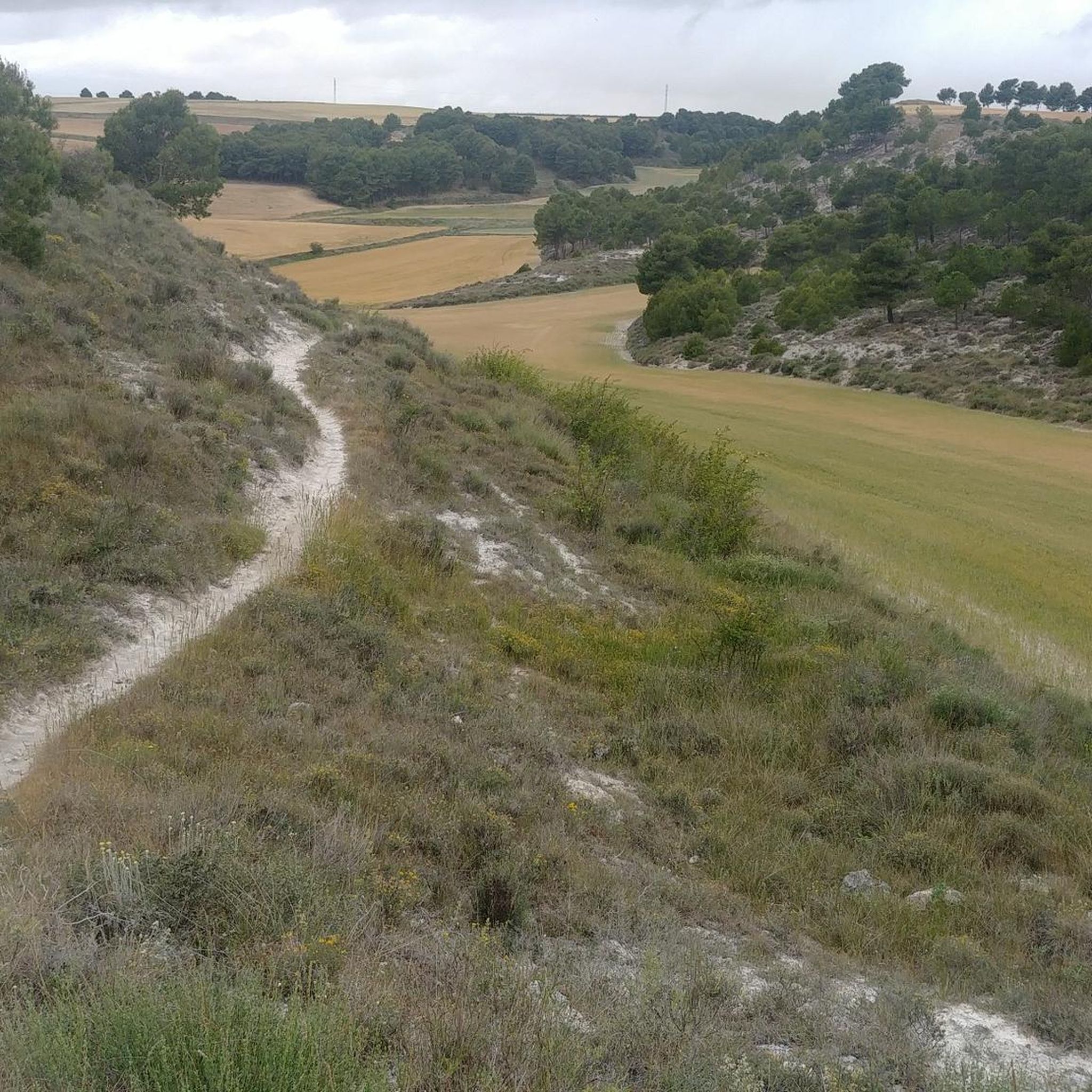
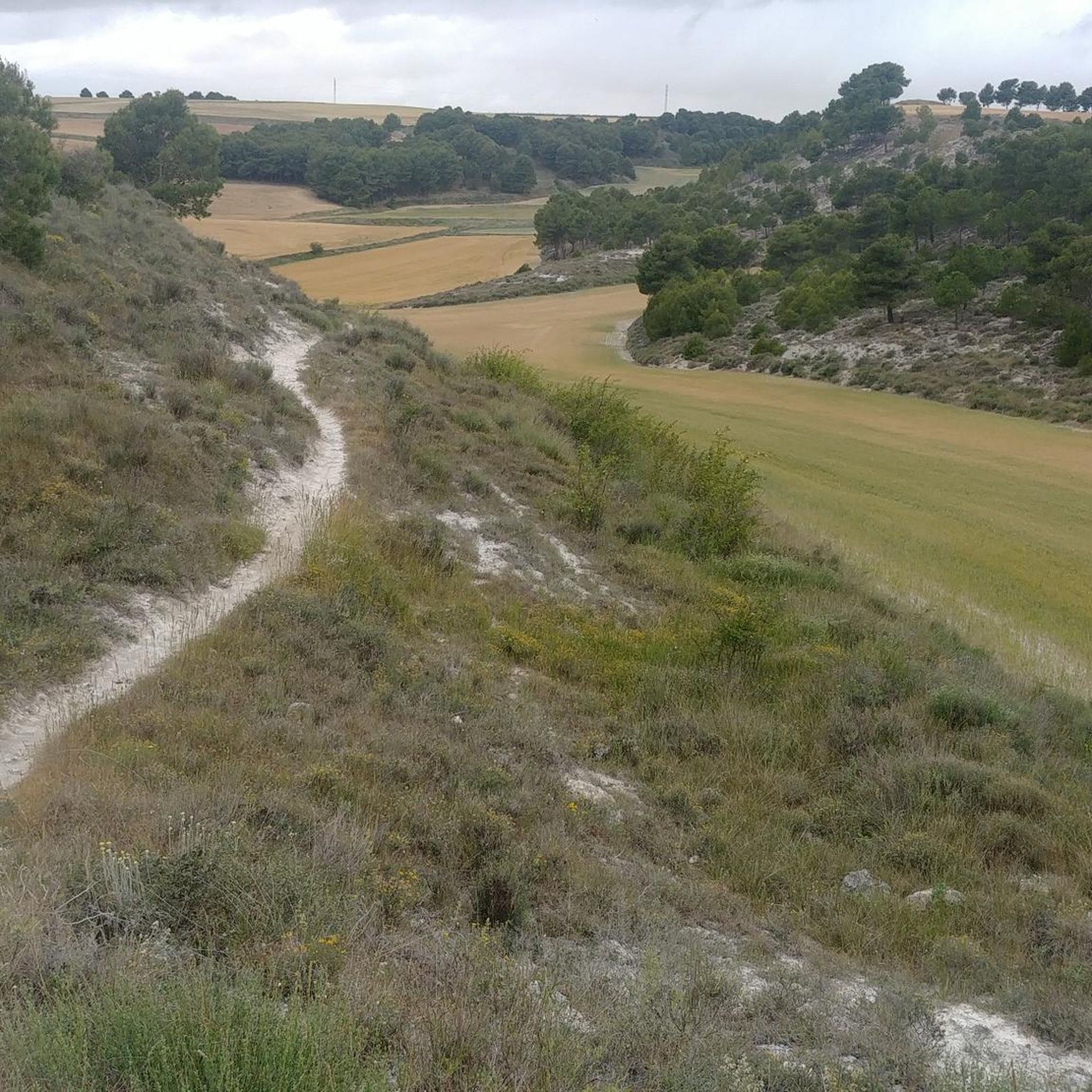
Hiking around Fuensaldaña offers routes through the flat plains of the Campiña del Pisuerga, characterized by agricultural landscapes, vineyards, and historical elements like castles. The region features paths along waterways such as the Pisuerga River and the Canal de Castilla. Trails often traverse open countryside, providing views of the Castilian plateau.
Best hiking trails around Fuensaldaña
- The most popular hiking route is Meandros del río Pisuerga por el Canal de Castilla (GR-89) desde Valladolid, a 7.4 miles (12.0 km)…
Last updated: July 5, 2026
10
hikers
Moderate hike. Good fitness required. Easily-accessible paths. Suitable for all skill levels.
1
hikers
9.46km
02:28
70m
70m
Moderate hike. Good fitness required. Easily-accessible paths. Suitable for all skill levels.

Sign up for free
13.7km
03:36
120m
120m
Moderate hike. Good fitness required. Easily-accessible paths. Suitable for all skill levels.
17.7km
04:38
140m
140m
Moderate hike. Good fitness required. Easily-accessible paths. Suitable for all skill levels.
22
hikers
5.30km
01:21
20m
20m
Easy hike. Great for any fitness level. Easily-accessible paths. Suitable for all skill levels.
Get access to more routes and recommendations from other explorers.
Sign up for free
Already have an account?
Our route recommendations are based on thousands of hikes, rides, and runs completed by other people on komoot.
Start today with a free account
Your next adventure awaits.
Login or Signup


Tips from the Community

The ruins of Mucientes Castle, in the province of Valladolid, are a valuable historical testament, although today only vestiges of its former grandeur remain. It was built in the 14th century as a stone and masonry castle-palace. The castle has been designated a public park, with trails that allow visitors to explore the archaeological remains. It's an ideal place to combine with a visit to the nearby Mucientes Winery District.
1
0
The Bodegas neighborhood of Mucientes, especially the one known as Cuarto de San Pedro, is one of the most unique ethnographic sites in Castile and León. The construction of wine cellars began outside the town center in the 16th century, as a measure to avoid risks within the town. In Mucientes, there are more than 200 underground wine cellars, mainly grouped in the neighborhoods of San Antón and San Pedro.
1
0

very well preserved.
0
0
The Ribera de Castilla Park is located in Valladolid, in the north of the city, next to the Pisuerga River. This park is one of the largest in the city and offers a variety of activities for all ages. The park has wide paths for walking, cycling or skating, and is accessible for people with reduced mobility. There are also play areas for children, a picnic area to enjoy an outdoor picnic, and a pond with a fountain. In addition, it is an ideal place for bird watching, as it is home to numerous native and migratory species.
3
0
It was built in the 15th century by the Vivero family, nobles of Galician origin, as a stately residence. The castle is modeled after the Valladolid school and was conceived more as a residence than as a military fortress. Throughout its history, it has had various palatial uses and was also the headquarters of the Cortes of Castilla y León. Currently, it has been restored and converted into a medieval museum. This castle, which was the headquarters of the Cortes of Castilla y León between 1983 and 2007, is property of the Provincial Council of Valladolid and is currently used as an interpretation center for the castles. 🏰🌟
3
0

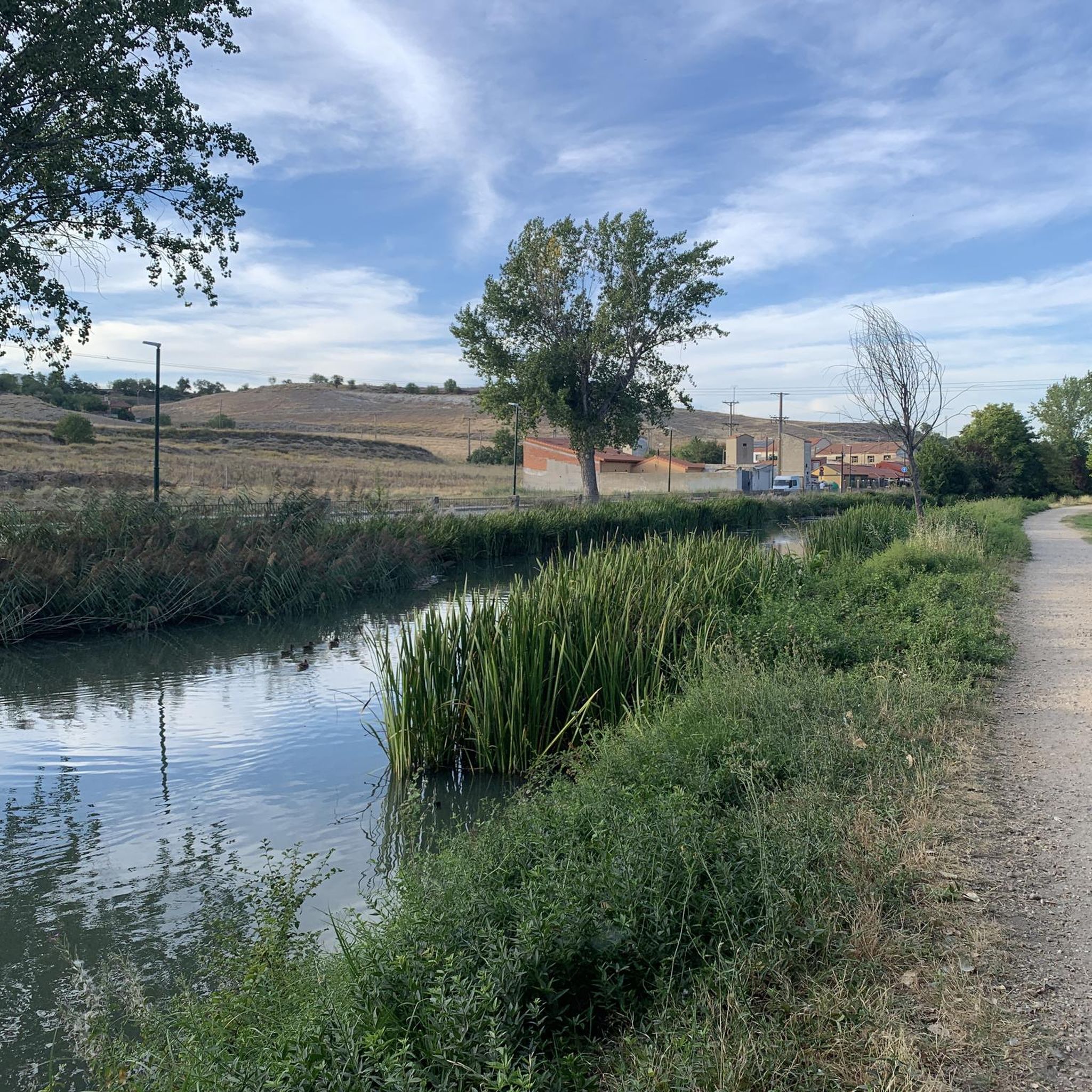
One of the points where the Canal and the Pisuerga River approach each other without meeting.
1
0
The monumental Church of Santiago is a grandiose project begun in 1535 under the design of Rodrigo Gil de Hontañon, considered one of the introducers of the Renaissance in Spain. The project was finally carried out by Juan de Saravia and Diego de Praves, ending in the year 1772.
9
0

Fortification built in the 15th century, it stands out for its elegant Gothic architecture and its imposing keep. This castle has witnessed numerous events over the centuries, it was here that the Catholic Monarchs signed their betrothal on October 18, 1469. The castle has stood the test of time with pride.
1
0
Frequently Asked Questions
How many hiking trails are available around Fuensaldaña?
There are over 160 hiking trails around Fuensaldaña, offering a wide range of options from easy strolls to more challenging routes. The region is well-suited for exploring the flat plains of the Campiña del Pisuerga.
Are there easy hiking trails suitable for beginners in Fuensaldaña?
Yes, Fuensaldaña offers many easy hiking trails. Over 75 routes are classified as easy. A good option for beginners is the Ribera de Castilla Park loop from Valladolid-Universidad, which is a gentle 3.3-mile (5.3 km) path.
What kind of landscapes can I expect to see while hiking in Fuensaldaña?
Hiking in Fuensaldaña primarily takes you through agricultural landscapes, vineyards, and open countryside. You'll often find paths along waterways like the Pisuerga River and the Canal de Castilla, offering views of the Castilian plateau and historical elements such as castles.
Are there any circular walks in the Fuensaldaña area?
Yes, there are several circular walks available. For example, the Clarete Trails of Mucientes Loop is a popular moderate 5.9-mile (9.5 km) route that explores vineyard landscapes and offers open views.
What historical sites or landmarks can I visit while hiking near Fuensaldaña?
The region is rich in history. You can visit the impressive Fuensaldaña Castle, which is often passed on routes like Mucientes from Fuensaldaña — castles of Campiña del Pisuerga. Other notable sites include the Plaza Mayor of Valladolid and various churches like the Church of Santa María la Antigua.
Are there any long-distance hiking options near Fuensaldaña?
For those seeking longer distances, routes like Clarete Trails 2: Mucientes-Cigales offer a more extended experience, covering over 10 miles (17 km) through the scenic wine region.
What do other hikers enjoy most about hiking in Fuensaldaña?
The area is highly rated by the komoot community, with an average score of 4.4 stars from over 110 reviews. Hikers often praise the peaceful riverine paths, the expansive agricultural fields, and the historical castle views that define the region's routes.
Are there any natural attractions or viewpoints to discover?
Yes, you can find several natural attractions and viewpoints. The Mirador de los Cortados offers scenic vistas, and you can also enjoy the Pond and Viewpoint in Campo Grande Park. The View of the Pisuerga River from the Cabezón Cliffs is another popular spot.
Is it possible to hike along the Canal de Castilla from Fuensaldaña?
Yes, you can hike along the historic Canal de Castilla. The route Meandros del río Pisuerga por el Canal de Castilla (GR-89) desde Valladolid follows both the winding Pisuerga River and sections of the canal, offering a pleasant 7.4-mile (12 km) experience.
What is the best time of year to go hiking in Fuensaldaña?
Spring and autumn are generally the most pleasant seasons for hiking in Fuensaldaña, with milder temperatures ideal for exploring the open landscapes and vineyards. Summer can be very hot, while winter offers a different, often crisp, perspective on the Castilian plateau.
Are there any routes that pass through vineyards or wine regions?
Absolutely. The region is known for its 'clarete' wines. Routes like the Clarete Trails of Mucientes Loop and Clarete Trails 2: Mucientes-Cigales specifically explore these vineyard landscapes, offering gentle ascents and open views of the wine-producing areas.
Most popular routes around Fuensaldaña
Most popular attractions around Fuensaldaña

Get inspired with the komoot mobile app


Explore more
Browse the best Hikes in other regions.
