The best road cycling routes around Lora Del Río
5.0
(6)
739
riders
44
rides
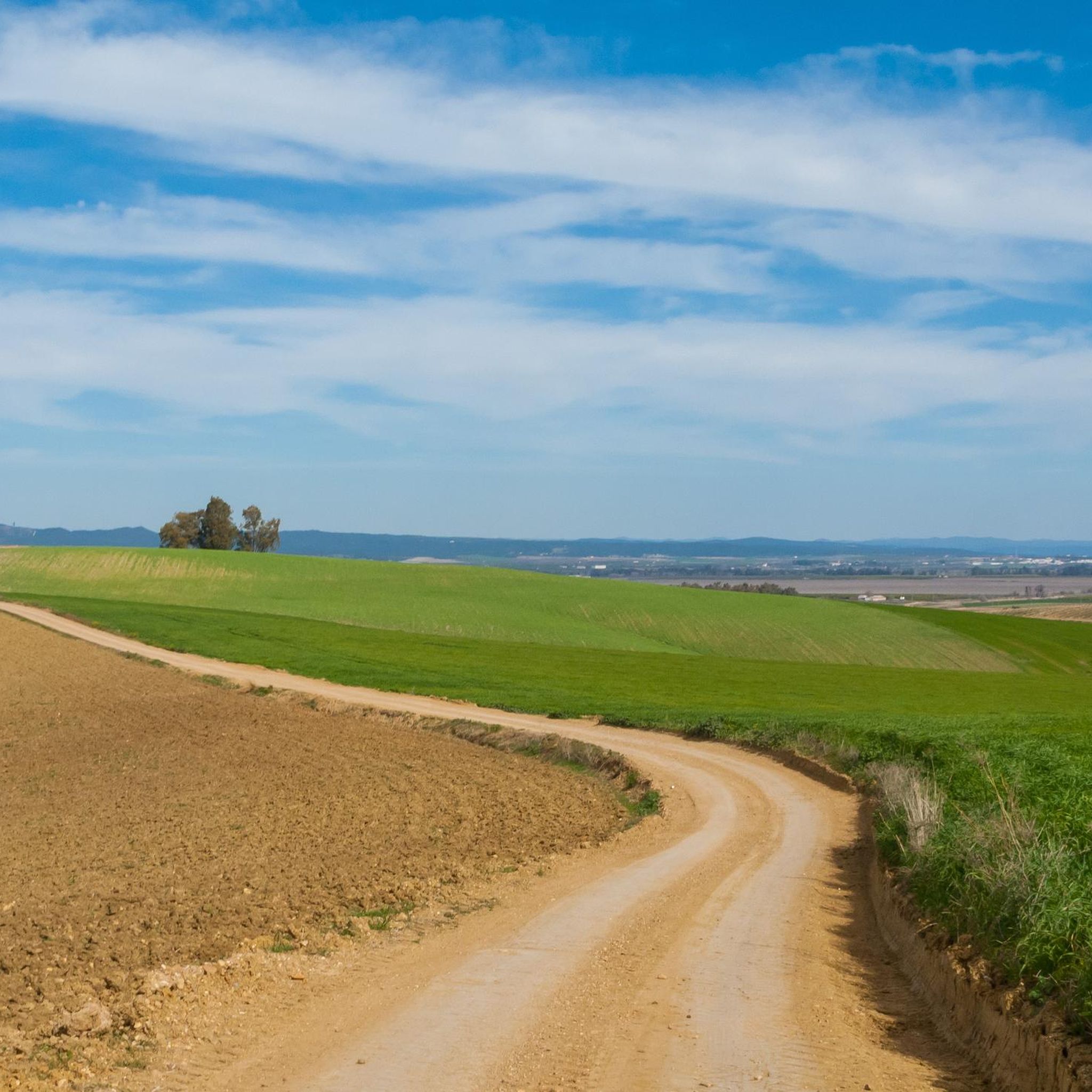
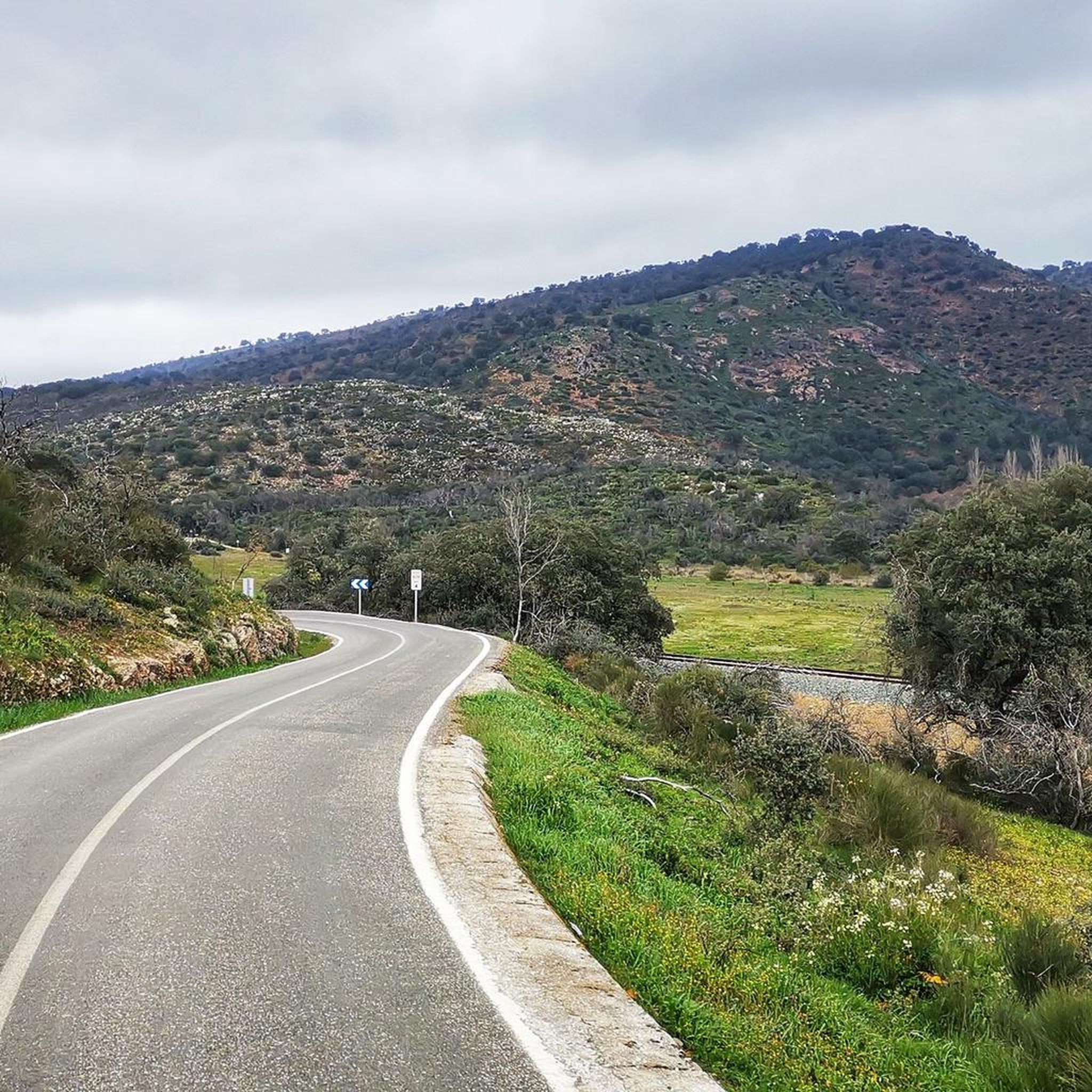
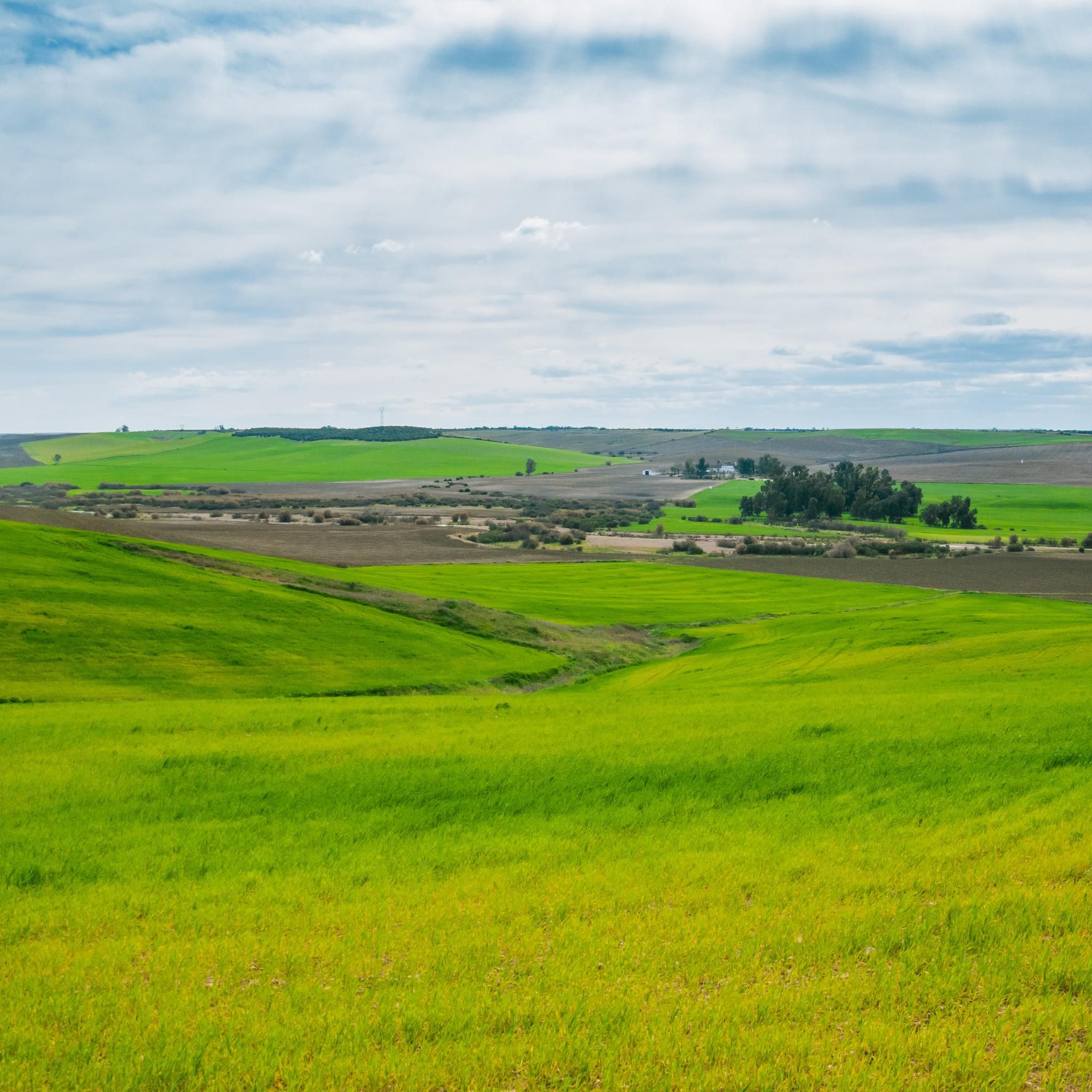
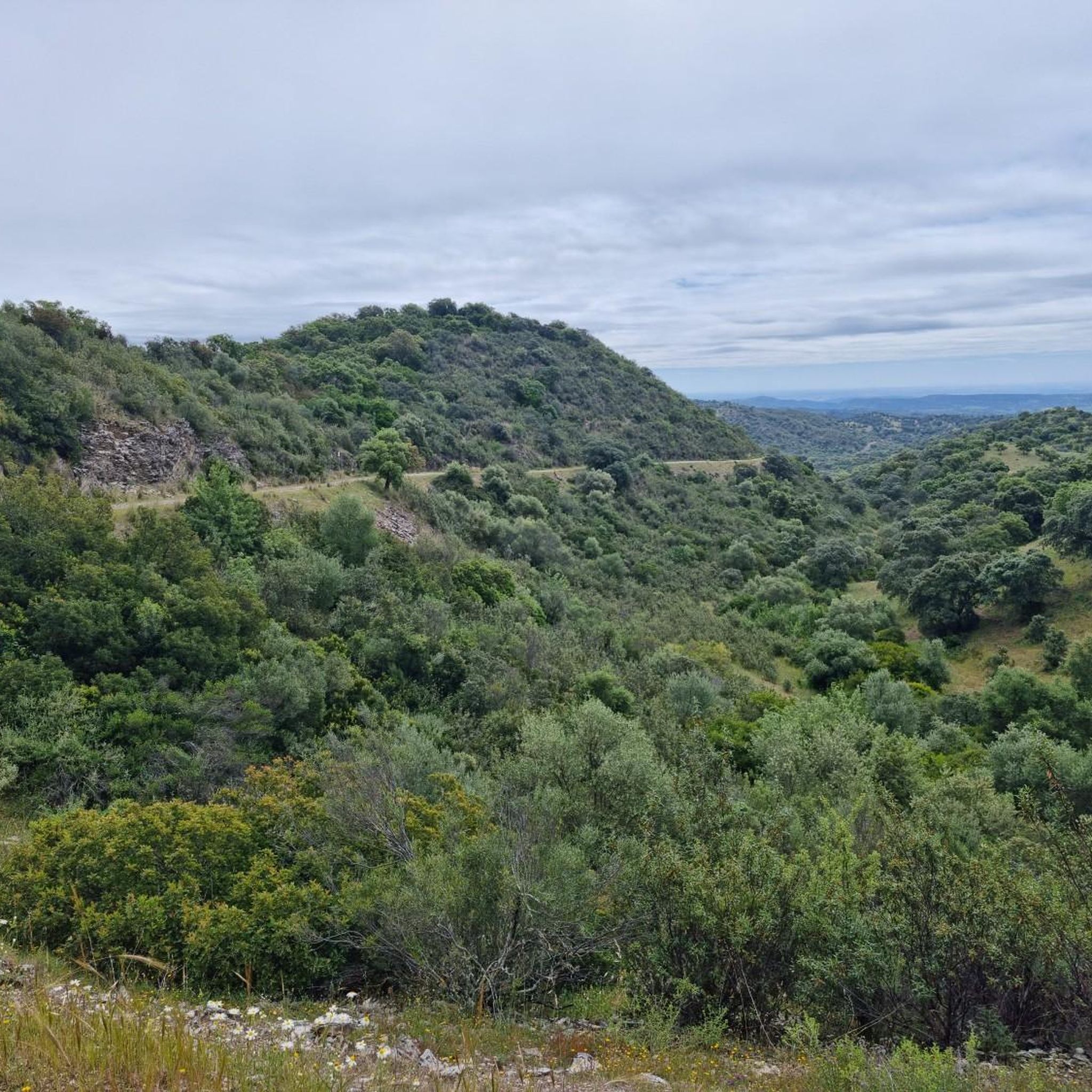
Road cycling around Lora Del Río offers varied terrain across three distinct geomorphological zones: the mountainous Sierra to the north, the fertile Vega (valley) in the center, and rolling countryside to the south. This topography provides a range of gradients, from challenging climbs to more relaxed routes. Cyclists can traverse oak and pine forests, extensive olive groves, and agricultural lands, with routes often following the Guadalquivir River valley or passing by features like the Embalse de Peñaflor.
Best road cycling…
Last updated: July 3, 2026
31
riders
76.0km
03:42
880m
880m
Moderate road ride. Good fitness required. Some segments of this route may be unpaved and difficult to ride.
5
riders
93.9km
03:54
550m
550m
Moderate road ride. Good fitness required. Some segments of this route may be unpaved and difficult to ride.

Sign up for free
1
riders
125km
04:57
500m
500m
Moderate road ride. Good fitness required. Mostly well-paved surfaces and easy to ride.
48
riders
125km
05:47
1,470m
1,470m
Hard road ride. Very good fitness required. Mostly well-paved surfaces and easy to ride.
30
riders
99.8km
04:59
1,450m
1,450m
Hard road ride. Very good fitness required. Mostly well-paved surfaces and easy to ride.
Get access to more routes and recommendations from other explorers.
Sign up for free
Already have an account?
Our route recommendations are based on thousands of hikes, rides, and runs completed by other people on komoot.
Start today with a free account
Your next adventure awaits.
Login or Signup
Tips from the Community

The Sanctuary of Our Lady of Setefilla—also known as the Hermitage of Setefilla—is one of the most important places of devotion in the Lora del Río region. It is located in the mountains, very close to Setefilla Castle, an old Muslim fortress. The sanctuary is situated about 11–12 km from Lora del Río, on the road to La Puebla de los Infantes, next to the site of a former medieval village and under the watchful gaze of the castle that overlooks the entire valley.
0
0
In the heart of the Guadalquivir Valley, at the foot of the Sierra Morena mountains, 57 km from Seville. Its origins are Turdetani and Roman (Axati), followed by the Andalusian period (Al Lawra), and after the conquest, it became a domain of the Order of Malta.
8
0
The Cordoba Gate is one of Carmona's most emblematic monuments and a living testament to its ancient history. It formed part of the walled enclosure and the route of the Via Augusta, connecting Carmona with Cordoba. Its function was more propagandistic than defensive, conceived as a triumphal arch to symbolize the power and prosperity of the Roman Empire.
3
0

Castelo dos Infantes [1 ] (officially called Santiago de Castelo dos Infantes) [2 ] [3 ] is a parish and a village [4 ] in the municipality of Sarria, in the province of Lugo, Galicia.
1
0

Delicious tapas next to the pool. Nice place to sit.
3
0

It is worth going up, seeing it and enjoying the views.
1
1

The Canal de los Presos del Bajo Guadalquivir, also known as the Canal del Bajo Guadalquivir, is an important irrigation canal in the provinces of Seville and Cádiz. The canal was built between 1940 and 1962 and has a length of 158 kilometres. It starts at the Embalse de Peñaflor and ends at the Embalse de Don Melendo in Lebrija. The construction of the canal was carried out by thousands of political prisoners who were deployed in the Servicio de Colonias Penitenciarias Militarizadas during the dictatorship of Francisco Franco. The canal was originally intended to irrigate an area of 56,000 hectares, but today it covers an area of 80,000 hectares. The canal plays a crucial role in the agriculture of the region by providing irrigation to the fertile lands along the Guadalquivir. It is an important example of the infrastructure built during the Francoist period and has deep historical significance due to the working conditions of the prisoners who built it.
8
1

Non-cycling route in many sections. Fences with padlocks Not recommended for bikes Yes for hiking
0
1
Frequently Asked Questions
What kind of terrain and difficulty levels can I expect for road cycling in Lora Del Río?
Lora Del Río offers a diverse range of terrain. The region is divided into three distinct zones: the mountainous Sierra to the north, the fertile Vega (valley) in the center, and the rolling countryside to the south. This means you can find everything from challenging climbs with significant elevation gain in the Sierra to more relaxed, flatter routes through agricultural lands in the Vega. Out of 45 total road cycling routes, 6 are easy, 20 are moderate, and 19 are difficult, catering to various skill levels.
Are there any routes suitable for beginners or less experienced road cyclists?
Yes, Lora Del Río offers several options for beginners or those seeking a less strenuous ride. There are 6 easy routes available, primarily found in the flatter Vega and countryside areas, which feature gentler gradients and scenic agricultural landscapes. These routes are ideal for leisurely rides and touring.
What natural features and landscapes will I encounter on road cycling routes in Lora Del Río?
You'll experience a rich variety of landscapes. Routes often traverse picturesque oak and pine forests, extensive olive groves, and agricultural lands with cotton, fruit, and walnut plantations. Many paths follow the scenic Guadalquivir River valley, and you might also pass by reservoirs such as the José Torán Reservoir or the Peñaflor Reservoir, offering beautiful waterside views.
Are there any specific landmarks or points of interest along the road cycling routes?
Yes, several routes offer opportunities to see interesting landmarks and natural features. You might cycle alongside the Canal de los Presos del Bajo Guadalquivir, an important irrigation canal, or cross the Puente de Hierro de Lora del Río. The region also features viewpoints like the Viewpoint of Las Palomas, providing panoramic vistas.
What do other road cyclists enjoy most about cycling in Lora Del Río?
The komoot community highly rates road cycling in Lora Del Río, with an average score of 5.0 stars from 4 reviews. Cyclists often praise the region's diverse landscapes, which offer a mix of challenging climbs and relaxed rides, as well as the scenic beauty of the olive groves, forests, and river valleys. The variety ensures there's something for every preference.
Are there any long-distance or circular road cycling routes available?
Yes, Lora Del Río features several long-distance and circular routes. For example, the From Lora del Rio to Ecija - circular via Palma del Rio is a moderate 77.6-mile (124.8 km) path, offering a substantial ride through agricultural landscapes. Another option is the Lora del Río and Constantina Loop via José Torán Reservoir, a 76 km moderate route with significant elevation.
What is the best time of year to go road cycling in Lora Del Río?
While specific seasonal data isn't provided, given Andalusia's climate, spring (March to May) and autumn (September to November) are generally ideal for road cycling in Lora Del Río. During these periods, temperatures are milder, making long rides more comfortable than in the intense heat of summer. The agricultural landscapes are also particularly vibrant during spring.
Is public transport available for cyclists in Lora Del Río?
Yes, Lora Del Río is accessible by train, which can be convenient for cyclists looking to start or end their routes in the town. This allows for more flexible planning, especially for longer, inter-town cycling adventures.
Can I find challenging routes for advanced road cyclists?
Absolutely. The mountainous Sierra to the north of Lora Del Río provides excellent opportunities for advanced road cyclists seeking a challenge. There are 19 difficult routes available, including the Lora del Río – Hornachuelos Viewpoint loop from Lora del Río, a 77.9-mile (125.3 km) trail with significant elevation gain, and the Lora del Río – Las Navas de la Concepción loop from Lora del Río, a 100 km route with over 1400m of climbing.
Are there any routes that pass through towns or villages where I can stop for refreshments?
Many routes in the Lora Del Río region connect to or pass through various towns and villages, offering opportunities for refreshment stops. For instance, the route From Lora del Río to Carmona and Villanueva del Río y Minas leads through populated areas where you can find cafes and other amenities.
How many road cycling routes are there in total around Lora Del Río?
There are over 45 road cycling routes available around Lora Del Río, offering a wide selection for cyclists of all abilities and preferences. These routes cover the diverse topography of the region, from the Sierra to the Vega and countryside.
Most popular attractions around Lora Del Río

Get inspired with the komoot mobile app


Explore more
Browse the best Road cycling routes in other regions.
