Attractions and Places To See around Lebrija - Top 20
Attractions and places to see around Lebrija include a variety of historic landmarks, cultural sites, and natural features within the province of Seville, Spain. This historic town, with Roman and medieval influences, is situated in an area that includes parts of the Lower Guadalquivir marshlands. Visitors can explore ancient ruins, significant religious buildings, and natural reserves. The town also has a rich flamenco heritage and traditional pottery-making.
Best attractions and places to see around Lebrija
- The most popular attractions is…
Last updated: October 18, 2026
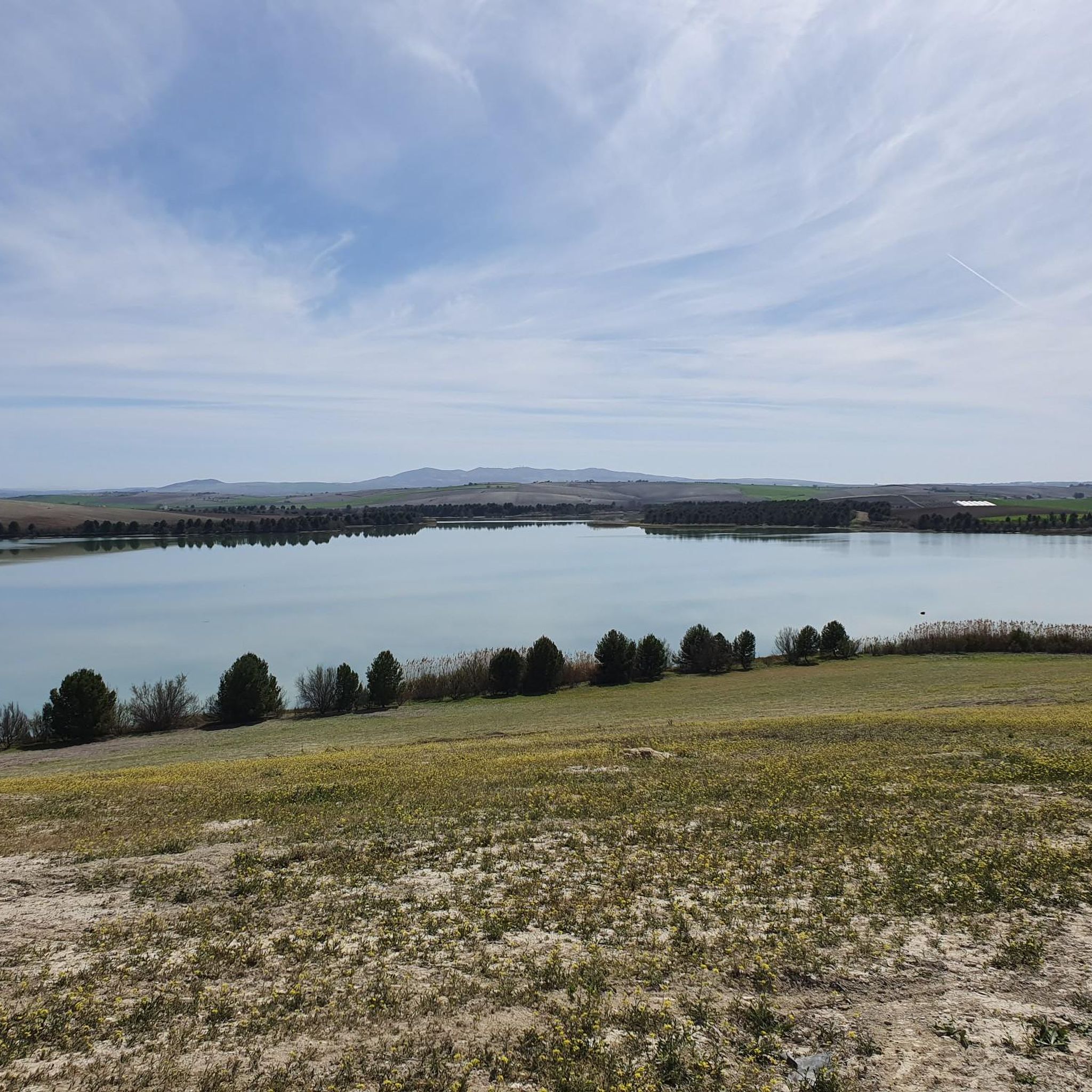
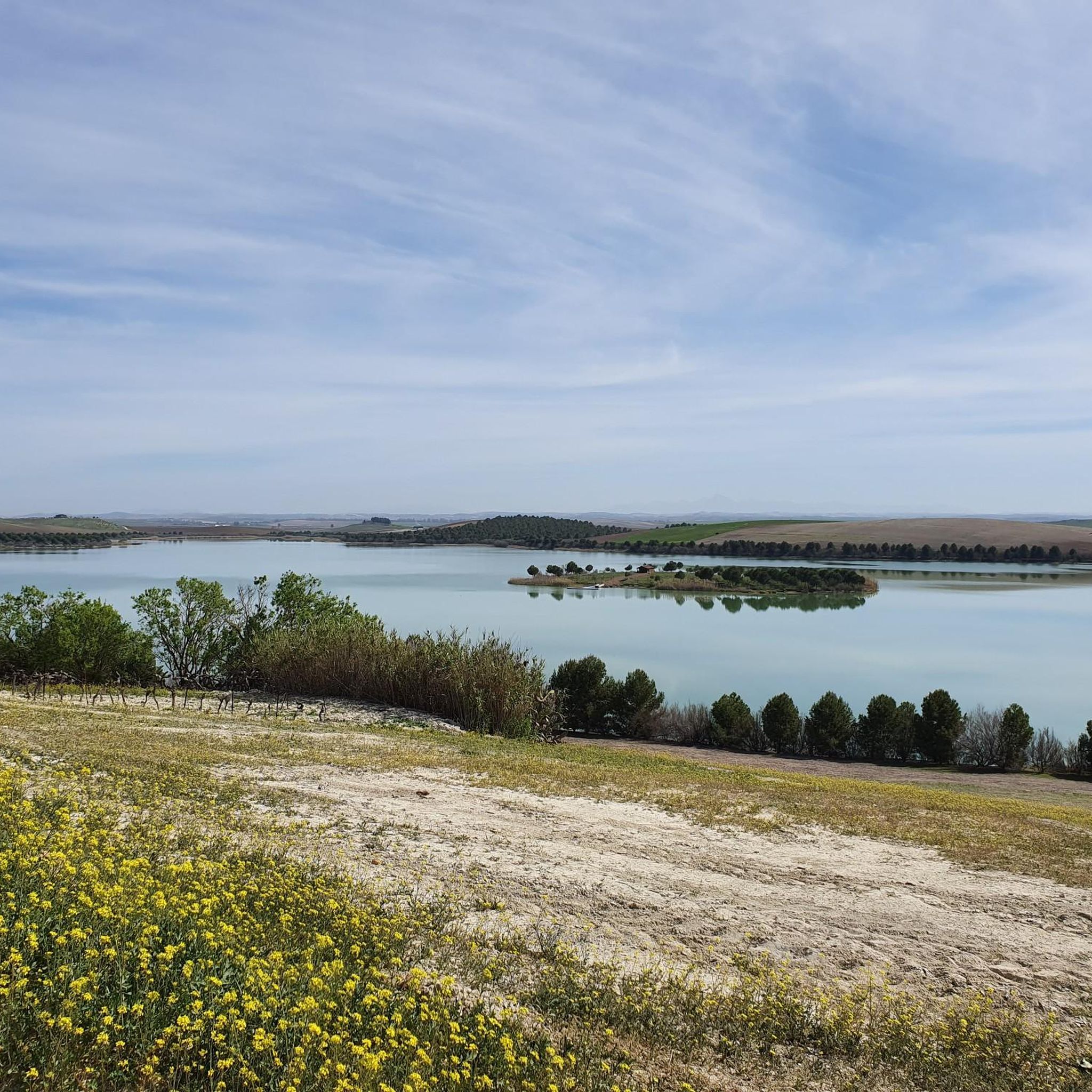
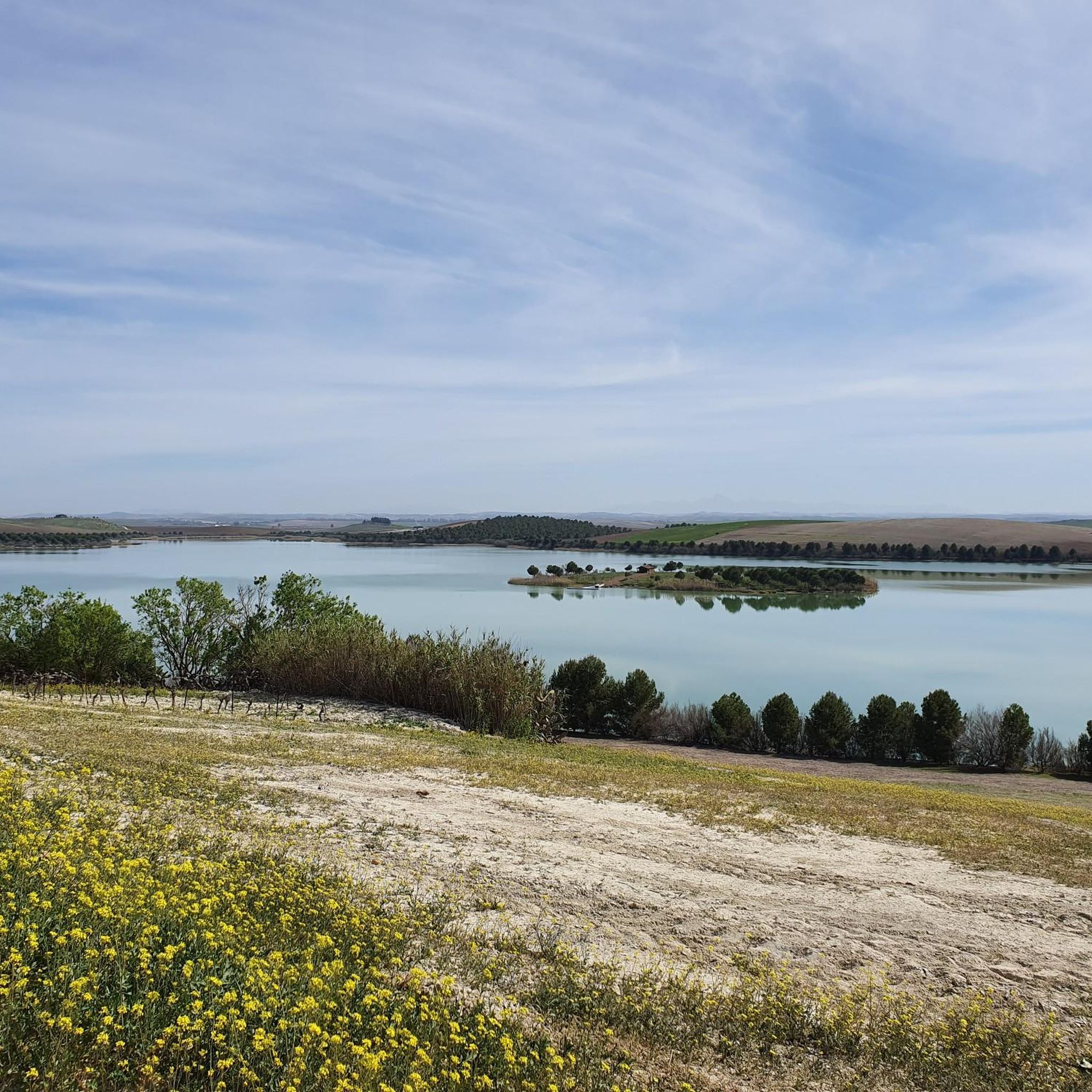
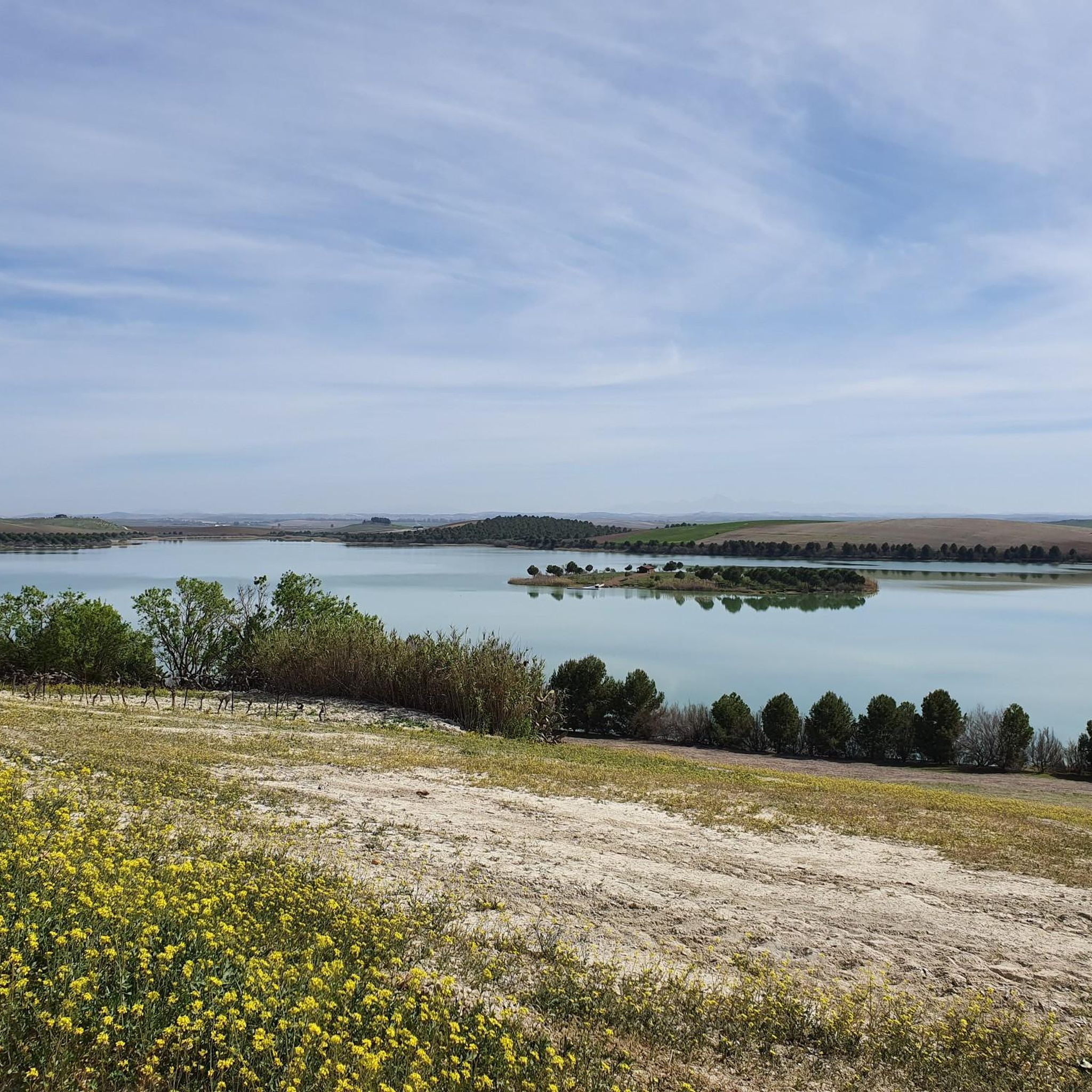
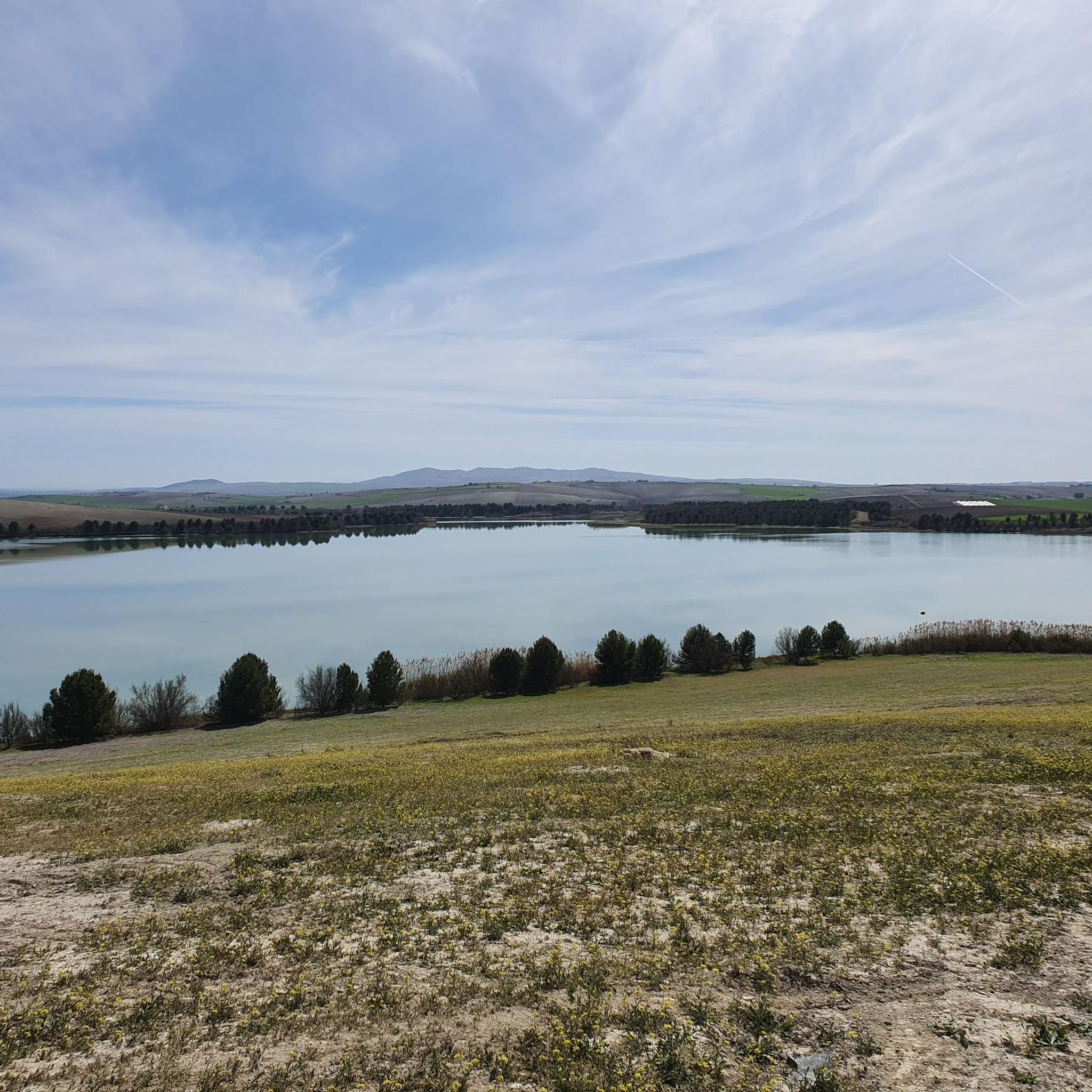
Balsa de Don Melendo
Highlight • Lake
Translated by Google •
Tip by

Via Augusta from Cádiz to Seville, Lebrija
Highlight • Trail
Translated by Google •
Tip by
Sign up now to discover places like this
Get recommendations on the best single tracks, peaks, & plenty of other exciting outdoor places.
Calle del Práctico Road and Doñana Wetlands View
Highlight (Segment) • Viewpoint
Translated by Google •
Tip by

View of flamingos at Laguna de Fuente de Piedra
Highlight • Lake
Translated by Google •
Tip by

Fatetar Castle in Espera
Highlight • Castle
Translated by Google •
Tip by
Sign up for free to discover even more attractions around Lebrija.
Already have an account?
Start today with a free account
Your next adventure awaits.

Tips from the Community

Here you will of course be rewarded for your efforts. The climb is spectacular.
6
0
The Castillo de Fatetar is a historic castle located in Espera, in the province of Cádiz, Andalusia. The castle was probably built in the 10th century by Abderraman III and has had several inhabitants and owners since then, including the Visigoths and the Moors. The castle has been well preserved thanks to the collaboration of various institutions such as the Diputación de Cádiz and the Junta de Andalucía. The castle offers beautiful views of the surrounding area and is an important historical monument. Inside the castle you will find the Ermita del Santísimo Cristo de la Antigua, a small chapel that served as a parish church for the inhabitants of Espera.
6
0

The only house for many kilometers
0
0
Utrera is located close to the Laguna de Fuente de Piedra, one of the largest salt lakes in Andalusia and an important breeding ground for flamingos. The best time to see flamingos is from March to July, when they breed and raise their young.
6
0

Too bad, the lake is completely fenced in and can only be entered via the canoe club. All around only fields and country lanes...
1
0

The Via Augusta is the high Roman road that was used to go from city to city of the Roman capitals in ancient times. Most of these paths have been preserved and this is an example, it is still valid and reaches the Don Melendo Reservoir.
1
0
The Don Melendo pond is an artificial lagoon that came into operation in 2003, to regulate and store water for irrigation.
1
0

If you are lucky enough to be cycling here at the appropriate time, you will be able to stop to contemplate these peculiar beings, who stop "to refuel" at this stop on their migratory path.
3
0
Frequently Asked Questions
What natural attractions can I explore around Lebrija?
Lebrija offers several natural highlights. You can visit Balsa de Don Melendo, an artificial lagoon ideal for bird watching and water sports. The Calle del Práctico Road and Doñana Wetlands View provides extensive views of the Parque Natural Doñana. Further afield, the View of flamingos at Laguna de Fuente de Piedra is a significant breeding ground for flamingos. Additionally, the Lebrija-Las Cabezas Lagoon Complex Natural Reserve, part of the Lower Guadalquivir marshlands, is excellent for hiking, horse riding, and cycling.
Are there historical sites to visit in Lebrija?
Yes, Lebrija is rich in history. You can explore the ancient Via Augusta from Cádiz to Seville, Lebrija, a preserved Roman road. The town also features the Nuestra Señora de la Oliva Parish Church and its tower, La Giraldilla, dating back to the 13th century, and the Virgen del Castillo Shrine and Castle Ruins with Roman origins and Mudejar architecture. The Nebrija Interpretation Centre and the Ruins of Roman Nabrissa also offer insights into the town's past.
What cultural experiences does Lebrija offer?
Lebrija is a hub for cultural experiences. It is renowned as a birthplace of flamenco, hosting the annual 'La Caracolá Lebrijana' festival. You can also experience flamenco in local bars or at the 'Pepe Montaraz' flamenco club. The town has a strong tradition of pottery-making, with workshops offering insights into this craft. The Casa de la Cultura, formerly an 18th-century granary, now hosts various cultural events.
What kind of outdoor activities can I do near Lebrija?
The area around Lebrija is great for outdoor activities. You can find numerous trails for hiking, mountain biking, and road cycling. For hiking, explore routes like the Balsa de Melendo Trail or the Carretera del Práctico - Marismas del Guadalquivir Loop. Cyclists can enjoy routes such as 'From Lebrija to Gibalbín' or 'Quiet Country Road – Castillo de Melgarejo loop'. You can find more details on these activities in the dedicated guides for Hiking around Lebrija, MTB Trails around Lebrija, and Road Cycling Routes around Lebrija.
Is Lebrija suitable for family visits?
Yes, Lebrija offers family-friendly options. The View of flamingos at Laguna de Fuente de Piedra is a popular spot for families, especially during the breeding season from March to July. The Lebrija-Las Cabezas Lagoon Complex Natural Reserve provides opportunities for easy walks and bird watching, which can be enjoyable for all ages.
When is the best time to visit Lebrija?
The best time to visit Lebrija largely depends on your interests. For observing flamingos at the Laguna de Fuente de Piedra, the period from March to July is ideal. Generally, spring and autumn offer pleasant weather for exploring historical sites and engaging in outdoor activities like hiking and cycling, avoiding the intense heat of summer.
What are some notable architectural landmarks in Lebrija?
Lebrija boasts several significant architectural landmarks. The Plaza de España features the 19th-century neoclassical Town Hall. The Nuestra Señora de la Oliva Parish Church, a National Monument, showcases a beautiful tower known as 'La Giraldilla'. The historic Convent of the Madres Concepcionistas and the picturesque Callejón de las Monjas are also worth seeing. The Old Town Hall (Casa del Cabildo) and the Public Granary (Cilla del Cabildo), now the Casa de la Cultura, are fine examples of 18th-century Andalusian Baroque architecture.
Can I find viewpoints with panoramic views in Lebrija?
Yes, Lebrija offers several spots for panoramic views. The Virgen del Castillo Shrine and Castle Ruins, perched at the highest point of Lebrija, provide extensive views of the town and its surroundings. The Mirador de la Peña also offers unforgettable vistas of Lebrija. Additionally, the Calle del Práctico Road and Doñana Wetlands View gives broad views of the natural landscape, including the Parque Natural Doñana.
Are there any castles or ancient ruins near Lebrija?
Beyond Lebrija's own castle ruins, you can visit Fatetar Castle in Espera, a historic 10th-century castle offering beautiful views of the surrounding area and Sierra Grazalema. Within Lebrija itself, the Virgen del Castillo Shrine is built on the site of a castle with Roman origins, and the Ruins of Roman Nabrissa are also present near the Casa de Juventud.
What local gastronomy and wine can I experience in Lebrija?
Lebrija's cuisine features traditional dishes such as broad beans with mint, Lebrija-style snails, and fried garlic. The town is also known for its local winery, which produces wines with a designation of origin, offering visitors a taste of the region's viticultural heritage.
Are there opportunities for wildlife spotting around Lebrija?
Yes, the natural areas around Lebrija are excellent for wildlife spotting, especially birds. The Balsa de Don Melendo is a good spot for observing various bird species. The Laguna de Fuente de Piedra is particularly famous as a breeding ground for flamingos. The Lebrija-Las Cabezas Lagoon Complex Natural Reserve, part of the Lower Guadalquivir marshlands, is an important habitat for diverse birdlife.
What is the Callejón de las Monjas?
The Callejón de las Monjas (Nuns' Alley) is a charming and picturesque street adjacent to the historic Convent of the Madres Concepcionistas. It is considered one of Lebrija's most scenic spots, adorned with flowerpots and arches, offering a delightful stroll through the town's historic center.
Most popular routes around Lebrija

Get inspired with the komoot mobile app


Explore more
Still not found the Highlight you’re looking for? See guides of the top attractions in other regions:
