The best MTB trails around Murueta
4.7
(94)
1,063
riders
118
rides
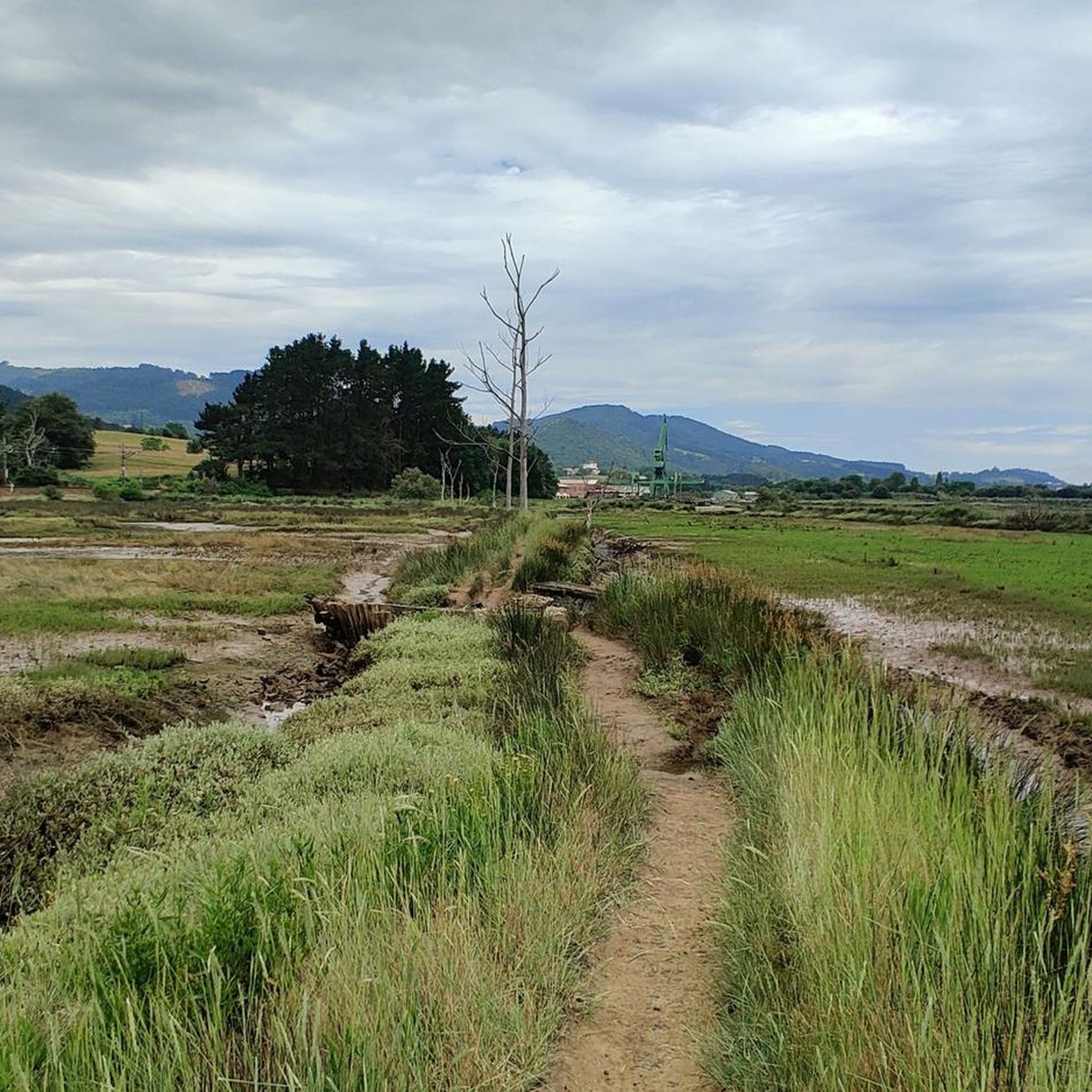
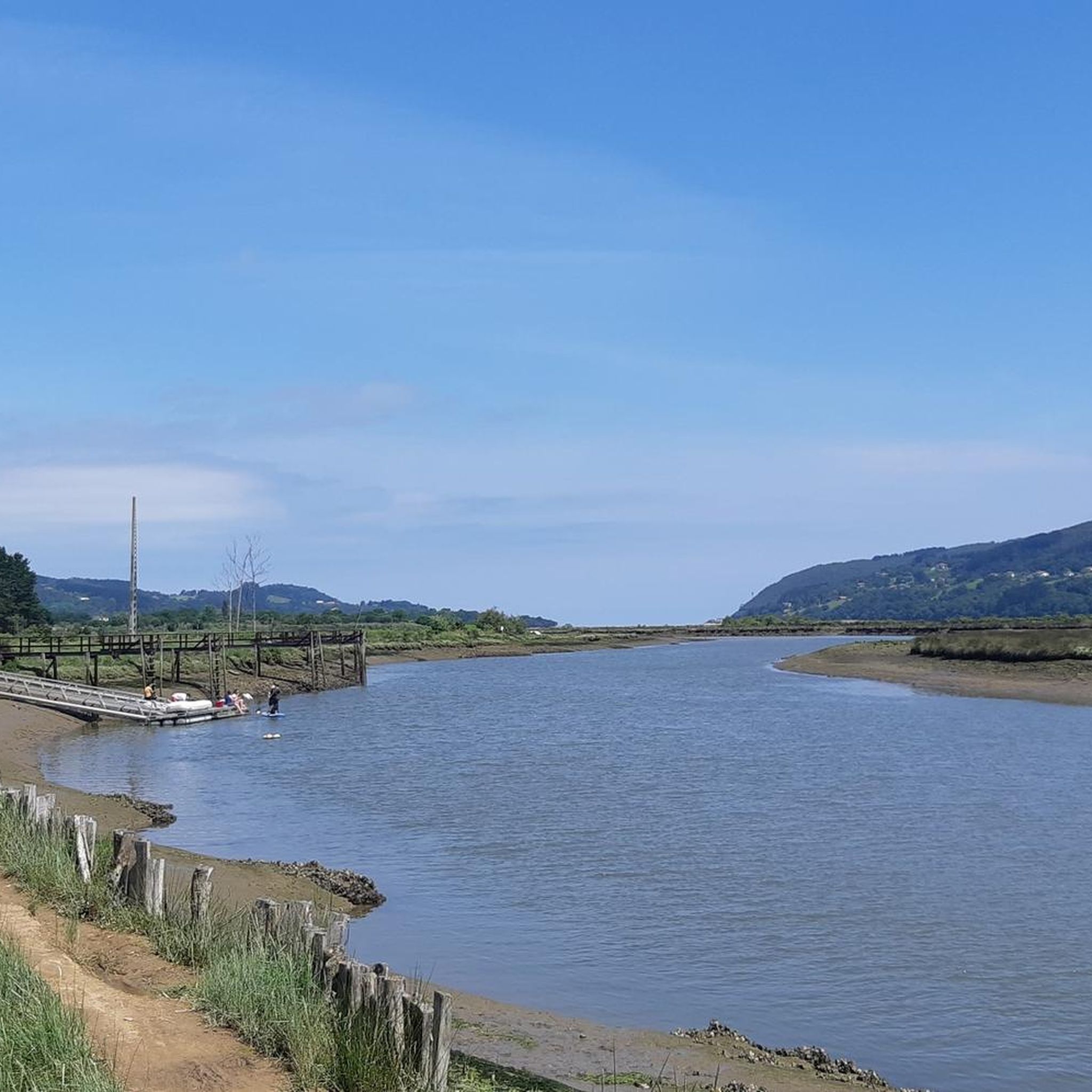
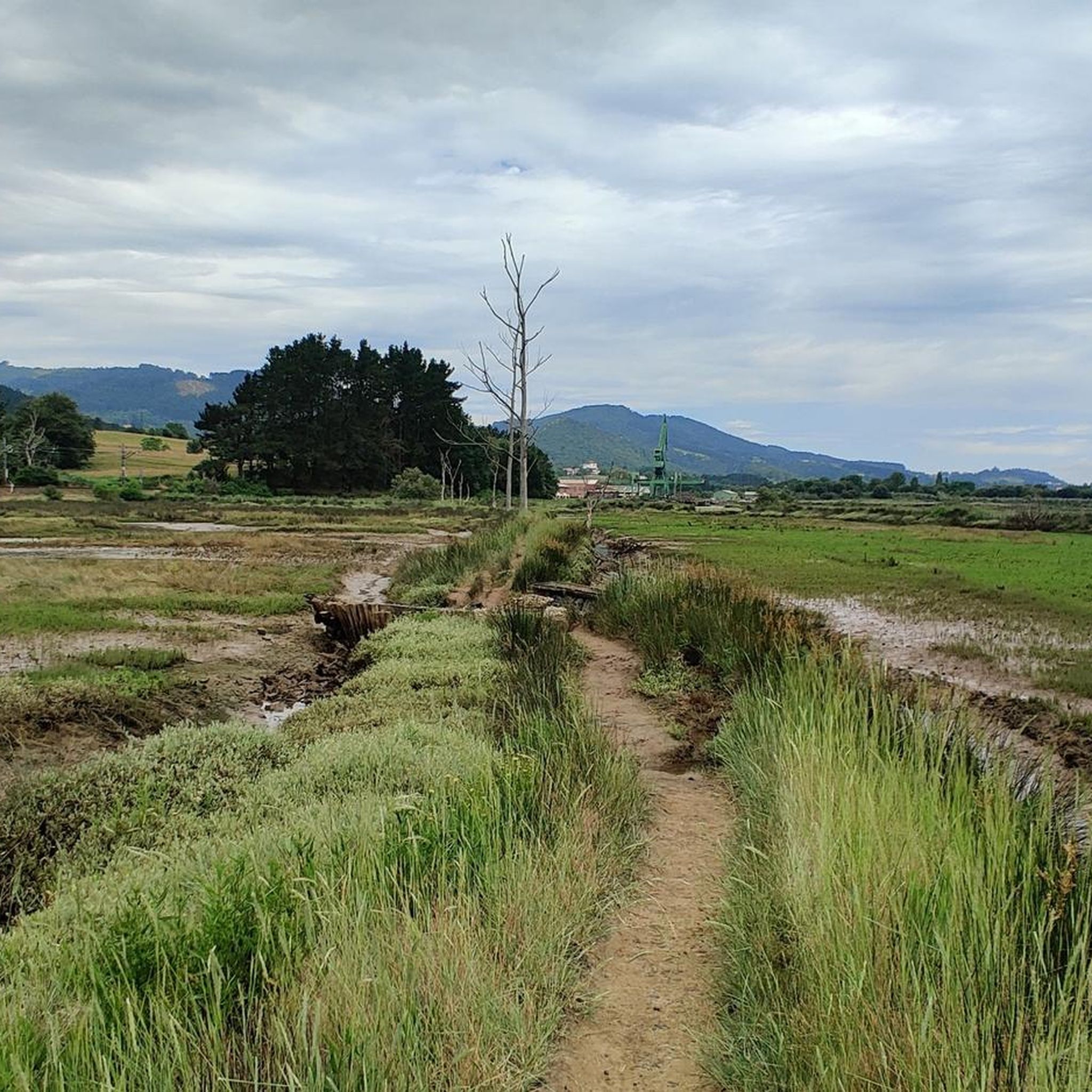
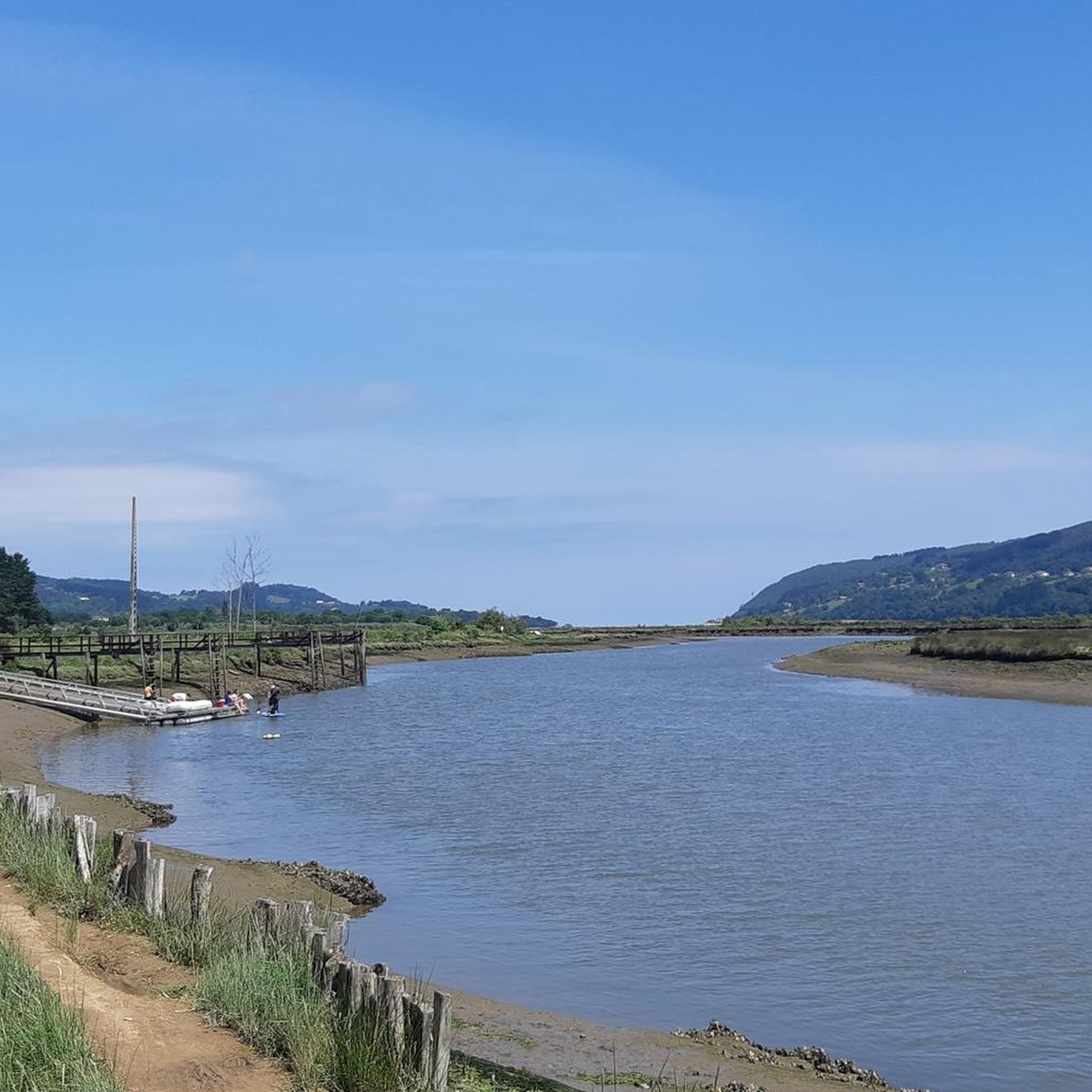
Mountain bike trails around Murueta traverse a varied landscape, characterized by the coastal features of the Urdaibai Biosphere Reserve and inland areas with cultural landmarks. The terrain includes both moderate climbs and more challenging ascents, offering diverse riding experiences. Riders can expect a mix of paths through natural reserves and routes that skirt the coastline, providing a dynamic environment for mountain biking.
Best mountain bike trails around Murueta
- The most popular mountain bike trail is Centro BTT Urdaibai Ruta 8…
Last updated: October 5, 2026
12
riders
70.3km
04:55
1,010m
1,010m
Hard mountain bike ride. Very good fitness required. Suitable for all skill levels.
4.7
(3)
8
riders
Moderate mountain bike ride. Good fitness required. Suitable for all skill levels.

5.0
(1)
9
riders
23.7km
01:50
440m
450m
Moderate mountain bike ride. Good fitness required. Suitable for all skill levels.
3.0
(1)
4
riders
24.6km
02:15
710m
710m
Moderate mountain bike ride. Good fitness required. Suitable for all skill levels.
5.0
(1)
6
riders
Moderate mountain bike ride. Good fitness required. Suitable for all skill levels.
Get access to more routes and recommendations from other explorers.
Already have an account?
Our route recommendations are based on thousands of hikes, rides, and runs completed by other people on komoot.
Start today with a free account
Your next adventure awaits.

Tips from the Community

A visit to the renovated Oma forest is highly recommended. There are 32 marked points on the ground, which even indicate the direction to look to see the visual combinations between the trees.
1
0

The Oma Forest - Omako basoa in Basque - is also known as the painted forest, the enchanted forest or even the Ibarrola Forest. Its most common name - Oma Forest - refers to the district in which it is located, which belongs to the municipality of Kortezubi. This original work of art was created between 1982 and 1985, when the Basque painter and sculptor Agustín Ibarrola used the trunks of trees as a kind of canvas for a total of 47 images. On them he painted animals, geometric figures and people, or just parts of them, such as eyes and lips. In addition, many of the compositions do not consist of a single tree, but must be viewed in the context of several tree trunks. To do this, you must pay attention to the signs on the ground that tell the viewer where to stand in order to enjoy the whole image.
1
0

In 1982, artist Agustín Ibarrola began painting the pine trees in the forest near his homestead with the intention of using the landscape as a canvas to give continuity to his artistic expression. It is at this moment when he decides to break the law of perspective and transgress the three-dimensionality of a white line until it becomes two-dimensional. From then on, he explored the possibilities offered by the arrangement of the forest trees, playing with the different planes of depth and creating artistic sets composed of human figures, curves or straight lines, and circles of intense colors. The ideas and concepts that it develops become more complex and advances in various directions as the painted forest expands. With the help of two students from the Faculty of Fine Arts of the UPV/EHU, he carried out a large part of the work that was open to the public until 2018, at which time the biological cycle of the forest came to an end. Given the importance that the work had acquired, the Provincial Council of Bizkaia began the process of making the Forest last, for which it had from the first moment the support of the artist who had made clear his desire for the forest to survive. In this way and in order to preserve El Bosque de Oma, the Ibarrola work has been moved to a new location, also recovering original artistic ensembles lost due to felling, attacks and natural tree falls. Today we can enjoy El Bosque de Oma more complete and more faithful to the artist's original idea.
1
0
The Forest of Oma is one of the best-known works of the Basque artist Agustín Ibarrola and is an expression of the artistic movement known as Art and Nature, which emerged in the late sixties of the 20th century and whose purpose is to convey artistic work to the natural environment, using the landscape as a framework, support and raw material for the artist. The work, located in the town of Kortezubi (Bizkaia), is made up of several sets of geometric motifs and figures painted on the trunk of radiata pine trees. The use of natural living supports, the play of two-three-dimensionality and the experience of placing the visitor at the center of the work of art through his discovery, as well as the diversity of responses it proposes, make this work a reference of the Art and Nature movement and of Basque Art in particular.
1
0

The castle of Arteaga, also known as the castle of Empress Eugenia de Montijo, was built in the 19th century in neo-medieval style on the foundations of an 8th century castle. Its location stands out, in a large flat meadow surrounded by vegetation, unlike the medieval defensive castles built on a hill.
1
0

This bridge is an incredible find in the middle of the forest. It is covered with ivy and in summer it is so green that it is hardly visible. If you go down next to the river you can take some great photos with the water and the bridge. For many years this bridge has had to survive numerous floods. It's amazing that he's still here.
1
0
In this area you will find the Santimamiñe cave and very close to the painted Forest of Oma. In the cave there are paintings from the Magdalenian period of the Upper Paleolithic (13,000 BC). The paintings are of animals such as bison, horses, deer, goats, and brown bears. There is a 3D virtual tour available at the Visitor Center.
1
0
This is a lovely trail that can be a bit difficult when wet but otherwise easy to follow.
1
0
Frequently Asked Questions
How many mountain bike trails are there around Murueta?
There are over 100 mountain bike trails around Murueta, offering a wide range of options for different skill levels and preferences. The area is highly rated by the komoot community, with an average score of 4.7 stars from over 50 reviews.
Are there any beginner-friendly mountain bike trails in Murueta?
Yes, Murueta offers a few easier mountain bike trails. While most routes are moderate or difficult, there are 3 trails specifically rated as easy. These typically feature less challenging terrain and elevation, making them suitable for those new to mountain biking or looking for a more relaxed ride.
What are some good mountain bike trails for advanced riders in Murueta?
Advanced riders will find plenty of challenging options, with 30 trails rated as difficult. A notable difficult route is Centro BTT Urdaibai Ruta 8 – Reserva de la Biosfera de Urdaibai, which covers 29.1 miles (46.8 km) with significant elevation gain, offering extensive exploration within the natural reserve.
Are there any family-friendly mountain bike routes around Murueta?
For families, it's best to look for the easier or moderate trails, especially those with less technical terrain. While specific 'family' routes aren't explicitly designated, the 3 easy trails available would be the most suitable starting point. Always check the route details for distance and elevation to ensure it matches your family's capabilities.
Can I bring my dog on the mountain bike trails in Murueta?
Many trails in the Murueta area, particularly those outside strict nature reserve zones, are generally dog-friendly. However, as the region includes the Urdaibai Biosphere Reserve, it's always recommended to keep dogs on a leash and be mindful of local regulations, especially concerning wildlife and protected areas. Always practice responsible pet ownership.
What kind of views or attractions can I expect along the mountain bike trails?
The trails offer a mix of coastal and inland scenery. You can expect views over the Urdaibai marsh, coastal paths, and cultural sites. Notable attractions include the Artzubi Bridge, the Guernica Mural in Gernika, and the Santa Catalina Hermitage and Mundaka Harbor. Many routes also lead to viewpoints like Views over the Urdaibai marsh.
Are there any circular mountain bike routes in Murueta?
Yes, many mountain bike routes around Murueta are designed as loops, allowing you to start and finish at the same point. Examples include the Arrola Oppidum loop from Institutoa, which offers significant elevation gain and leads to historical sites, and the Sukarrieta Coastal Path – Mundaka Harbor loop from Forua, providing coastal views.
What is the best time of year for mountain biking in Murueta?
Given Murueta's coastal location within the Urdaibai Biosphere Reserve, spring and autumn generally offer the most pleasant conditions for mountain biking, with mild temperatures and less rainfall. Summers can be warm, while winters are typically mild but may bring more rain, especially along coastal paths. Always check the local weather forecast before heading out.
Where can I find parking for mountain bike trails in Murueta?
Parking availability varies by trailhead. Many routes start from towns or villages like Forua or near Institutoa, where public parking is often available. For routes within the Urdaibai Biosphere Reserve, look for designated parking areas near visitor centers or trail access points. It's advisable to check the starting point of your chosen route for specific parking information.
Are there any cafes or places to eat near the mountain bike trails?
Yes, many mountain bike routes pass through or near towns and villages within the Murueta area, such as Mundaka, Gernika, or Sukarrieta. These locations typically offer cafes, restaurants, and shops where you can refuel and refresh during or after your ride. The Sukarrieta Coastal Path – Mundaka Harbor loop from Forua, for instance, takes you past Mundaka Harbor, which has several dining options.
What do other mountain bikers enjoy most about Murueta's trails?
The area is highly rated by the komoot community, with an average score of 4.7 stars. Reviewers often praise the diverse landscape, which combines coastal features with inland cultural landmarks, and the variety of trails suitable for different ability levels. The scenic beauty of the Urdaibai Biosphere Reserve and the well-maintained paths are frequently highlighted.
How long do mountain bike trails typically take to complete in Murueta?
Trail durations vary significantly based on distance and difficulty. For example, the moderate Sukarrieta Coastal Path – Mundaka Harbor loop from Forua, at 18.7 miles (30.1 km), can be completed in about 1 hour 50 minutes. More challenging routes like the difficult Centro BTT Urdaibai Ruta 8 – Reserva de la Biosfera de Urdaibai, spanning 29.1 miles (46.8 km), typically take around 4 hours 32 minutes.
Most popular attractions around Murueta

Get inspired with the komoot mobile app


Explore more
Browse the best MTB trails in other regions.
