The best road cycling routes around Belvís De La Jara
157
riders
10
rides
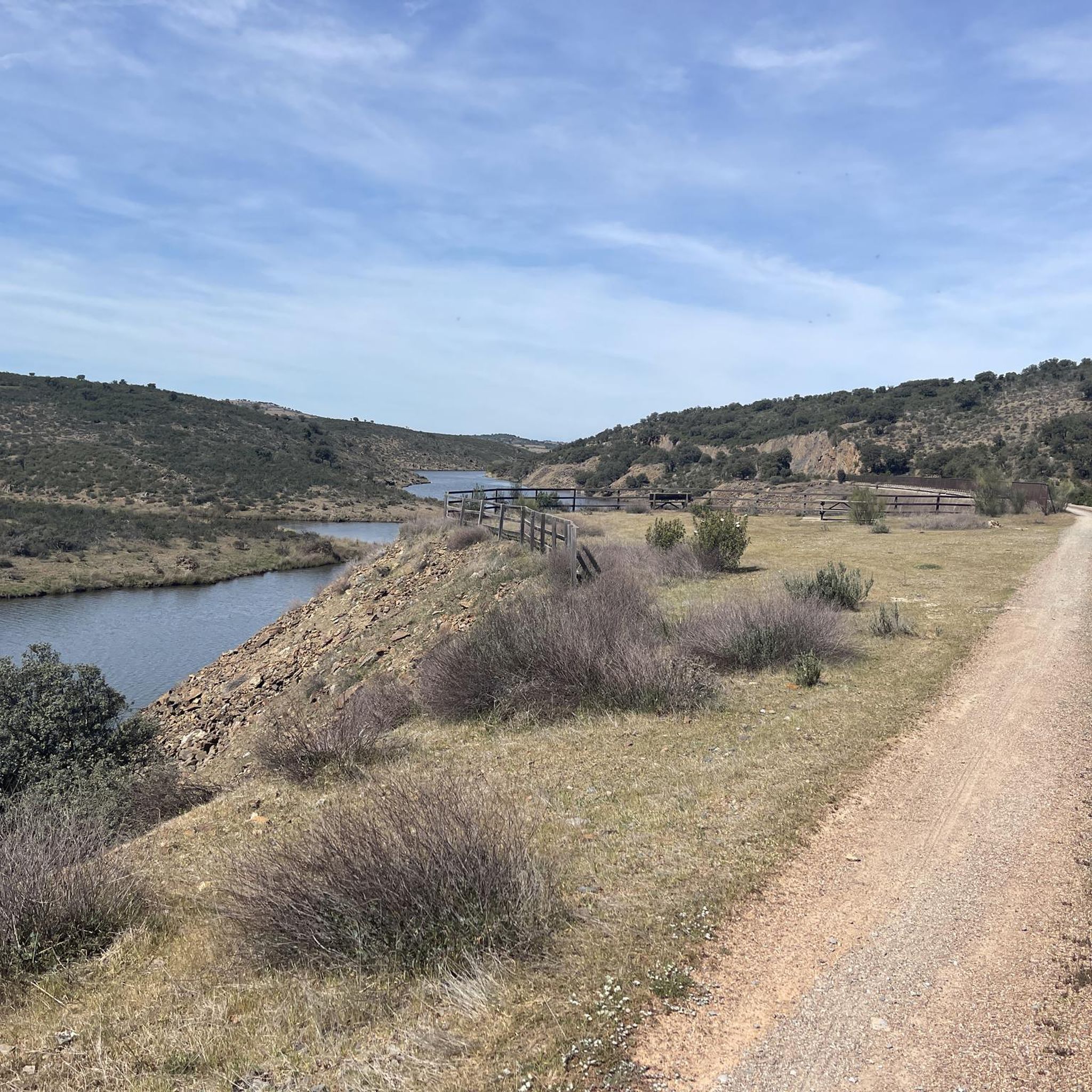
Road cycling routes around Belvís De La Jara traverse a landscape characterized by a blend of meadowland, olive groves, and holm oaks. The region features rolling hills and diverse geological formations, including granite and slate. A notable feature for cyclists is the Vía Verde de la Jara, a disused railway line transformed into a cycling path, which includes tunnels and viaducts. This area offers varied terrain for road cyclists.
Best road cycling routes around Belvís De La Jara
- The most…
Last updated: July 10, 2026
5
riders
Moderate road ride. Good fitness required. Some segments of this route may be unpaved and difficult to ride.
56
riders
84.8km
03:47
810m
810m
Moderate road ride. Good fitness required. Some segments of this route may be unpaved and difficult to ride.

Sign up for free
2
riders
129km
06:32
1,900m
1,900m
Hard road ride. Very good fitness required. Some segments of this route may be unpaved and difficult to ride.
34
riders
57.6km
02:25
140m
140m
Moderate road ride. Good fitness required. Mostly well-paved surfaces and easy to ride.
8
riders
29.7km
01:14
150m
140m
Easy road ride. Great for any fitness level. Mostly well-paved surfaces and easy to ride.
Get access to more routes and recommendations from other explorers.
Sign up for free
Already have an account?
Our route recommendations are based on thousands of hikes, rides, and runs completed by other people on komoot.
Start today with a free account
Your next adventure awaits.
Login or Signup


Tips from the Community

Historic bridge commissioned by the Archbishop of Toledo in the 14th century, in spring/summer home to hundreds of swifts, creating a unique spectacle.
0
0

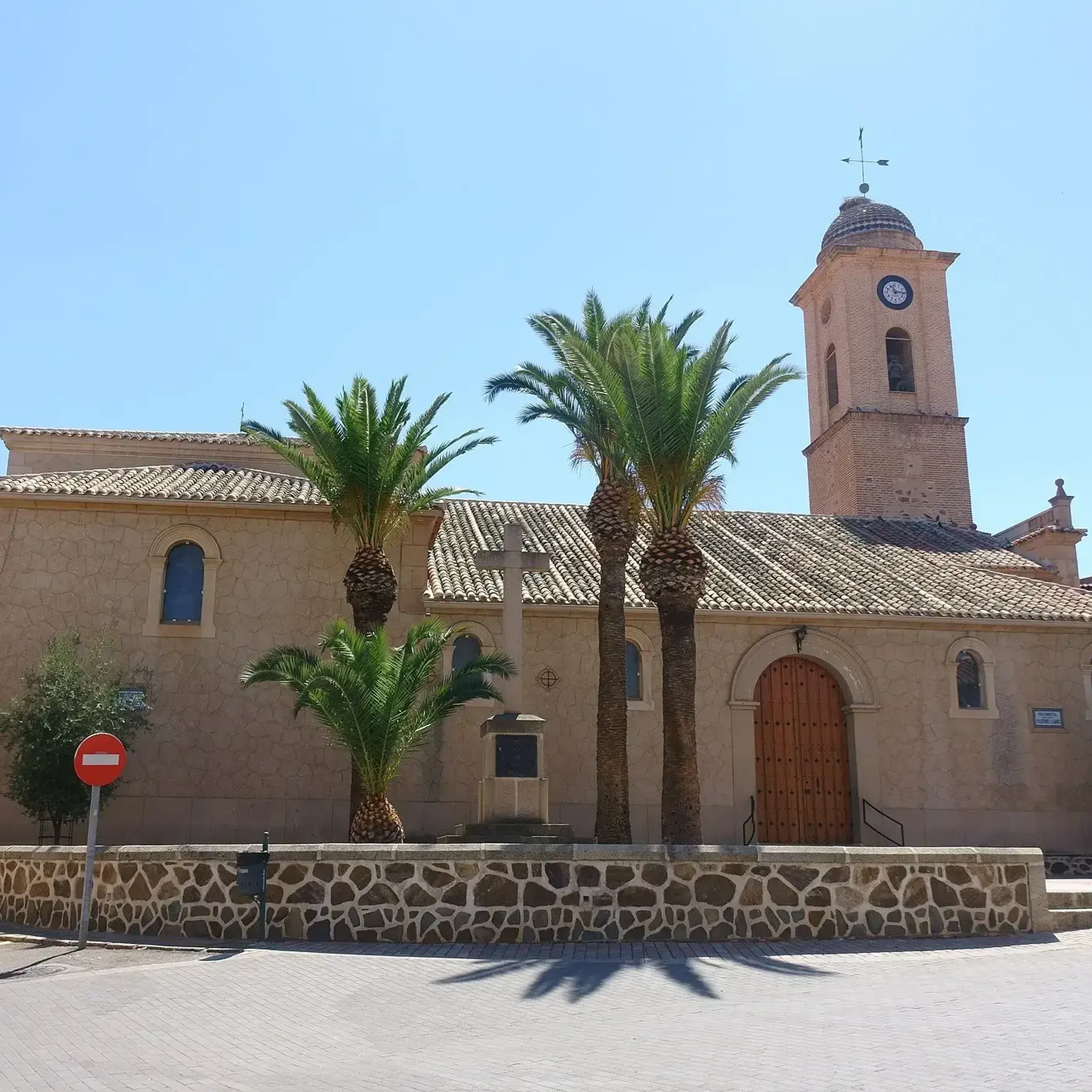
What to see in Los Navalmorales Church of Our Lady of La Antigua: A 16th-century church with a Baroque altarpiece and an octagonal baptistery. Historic Hermitages: San Sebastián, San Antonio, Virgen de los Remedios, and Santísimo Cristo de la Fuente. Fountain of the Six Spouts: Built in the 17th century and supplied by aquifers. Hermosilla House: Declared a Site of Cultural Interest. Pillory of Justice: A historical symbol in the town square. Huerta del Convento Park: Ideal for strolling and relaxing. Olive Grove Interpretation Center (La Pontezuela Estate): An experience about olive oil and olive culture.
7
0
It's a peaceful village, ideal for rural getaways and getting away from it all. Surrounded by olive groves and Mediterranean forests, it boasts an interesting historical heritage and good connections to Talavera and the Cabañeros National Park.
8
0

Calera y Chozas, in the province of Toledo, is an ideal destination for those looking to combine nature, history, and active tourism.
5
0
Beautiful viewpoint in Navalucillos with a picnic area and spectacular views of Cabañeros National Park.
14
0
It extends along the eastern bank of the Tagus River and is the second most populated municipality in the province and the fourth in Castilla-La Mancha. Among its monuments are the Basilica of Our Lady of the Prado, which houses what is today the patron saint of the city. It was called Queen of the Hermitages by Philip II, it is also called the Sistine Chapel of ceramics, because this colorful art shows here all its splendor from the 16th century to the present day. The style of its construction is a combination of Renaissance and Baroque, although it has undergone various restorations over the centuries. It was elevated to the dignity of Basilica in 1989 by Pope John Paul II. In the Church of Santa María La Mayor (La Colegial) you can admire its pure Gothic cloister, which was built around the year 1469. Its floor plan is rectangular, made up of three longitudinal naves and without a transept. In the years 1704 and 1705 the two upper sections of the Tower were added.
10
0

Despite having only about 350 inhabitants, Santa Ana de Pusa undoubtedly stands out for its numerous and original popular festivals. Beginning on January 20 with the Fiesta de los Perros, the celebrations continue at Easter with the Burning of Judas and have their maximum expression in their patron saint festivities dedicated to Santa Ana in the month of July. There is also a festival called El Cristo in mid-September.
0
0
Frequently Asked Questions
What types of landscapes will I encounter on road cycling routes around Belvís De La Jara?
The region offers a diverse landscape characterized by meadowland, extensive olive groves, and holm oaks. You'll also find rolling hills and varied geological formations, including granite and slate. A significant feature is the Vía Verde de la Jara, which integrates seamlessly with these natural surroundings, providing views of fantastic dehesas (wooded pastures) and, at certain points, the gentle waters of the Tagus River near the Azután reservoir.
Are there easy road cycling routes suitable for beginners or families?
Yes, there is one easy road cycling route available. The Vía Verde de la Jara, a disused railway line, is generally easy with minimal inclines, making it suitable for touring cyclists and various fitness levels, including families. While some segments might be unpaved, many sections are paved, accommodating different cycling preferences.
What are some of the longer or more challenging road cycling routes in the area?
For those seeking a challenge, there are four difficult routes. One notable option is the Robledo del Mazo – Los Navalucillos loop from Estación de Silos, which spans 84.4 miles (135.9 km) and typically takes around 6 hours 40 minutes to complete, leading through diverse landscapes. Another demanding route is the Aquelcabos Medieval Bridge – Ramacastañas loop from Calera-Chozas, covering 131.5 km with significant elevation gain.
When is the best time of year to go road cycling in Belvís De La Jara?
The best times for road cycling in Belvís De La Jara are typically spring and autumn. During these seasons, the weather is most pleasant. Summer months can be excessively hot, which might make longer rides uncomfortable.
Are there circular road cycling routes available?
Yes, many routes in the region are designed as loops. For example, the Comarca de la Jara – circular to Sierra Ancha and Sierra Aguda from Aldeanueva de Barbarroya is a popular 39.6-mile (63.8 km) circular route. Another option is the Palacio Marqueses de Velada – Ermita de San Sebastián loop from Calera-Chozas, a moderate 52.5-mile (84.5 km) path.
What interesting sights or landmarks can I see along the road cycling routes?
While cycling, you can explore several points of interest. Along the Vía Verde de la Jara, you might encounter the impressive Amador Bridge or Azután Viaduct, and enjoy views from the Puente Azután Viewpoint. The Huso River Valley and Tunnel also offer unique scenery. Within the town, the Parish Church of San Andrés Apóstol is a notable Mudejar-style building.
How long do road cycling routes typically take in Belvís De La Jara?
Route durations vary depending on distance and difficulty. For instance, the Comarca de la Jara – circular to Sierra Ancha and Sierra Aguda from Aldeanueva de Barbarroya typically takes about 3 hours. A longer route like the Palacio Marqueses de Velada – Ermita de San Sebastián loop from Calera-Chozas can take around 3 hours 45 minutes.
What are the typical distances for road cycling routes in this region?
Distances for road cycling routes around Belvís De La Jara range significantly. You can find routes like the Talavera de la Reina – Calera y Chozas loop from Calera-Chozas, which is about 58.1 km (36.1 miles), up to much longer options such as the Robledo del Mazo – Los Navalucillos loop from Estación de Silos, spanning 135.9 km (84.4 miles).
Are there any specific considerations for road cycling on the Vía Verde de la Jara?
The Vía Verde de la Jara is a beautiful route, known for its tunnels and viaducts. While generally easy, it's important to note that some segments might be unpaved, so a bike suitable for varied terrain could be beneficial. Also, be aware that some sections, like the Vía Verde de la Jara Loop, have been reported as currently closed due to safety concerns, so it's advisable to verify the current status before your trip.
What makes the Belvís De La Jara region unique for road cycling?
The region's unique appeal for road cycling stems from its 'bellavista' (beautiful view) landscapes, characterized by a blend of meadowland, olive groves, and holm oaks. The Vía Verde de la Jara, a 52-kilometer greenway built on a disused railway, is a primary highlight, celebrated for its tunnels, viaducts, and the vibrant display of flower fields in early spring. It offers a sense of vastness and tranquility, traversing largely uninhabited areas.
How many road cycling routes are available in Belvís De La Jara?
There are 11 distinct road cycling routes available around Belvís De La Jara, offering a range of options from easy to difficult, catering to different skill levels and preferences.
Most popular attractions around Belvís De La Jara

Get inspired with the komoot mobile app


Explore more
Browse the best Road cycling routes in other regions.
