Attractions and Places To See around Padilla De Abajo - Top 18
Best attractions and places to see around Padilla De Abajo include historical sites and natural landscapes in the province of Burgos, Spain. This municipality is situated within the wide river plains between the Odra and Pisuerga rivers, offering expansive Castilian fields. The area features historical landmarks like ancient churches and Roman milestones, alongside opportunities for outdoor activities. Visitors can explore a variety of cultural and natural points of interest.
Best attractions and places to see around Padilla De Abajo
- The…
Last updated: July 7, 2026
Collegiate Church of Santa María del Manzano
Highlight • Religious Site
Translated by Google •
Tip by

Castrojeriz
Highlight • Settlement
Translated by Google •
Tip by

Sign up now to discover places like this
Get recommendations on the best single tracks, peaks, & plenty of other exciting outdoor places.
Sign up for free
Puente del Rey Aqueduct (Canal de Castilla)
Highlight • Bridge
It allows the crossing over the Valdavia river over five semicircular arches.
Translated by Google •
Tip by

Alto de Mostelares Viewpoint
Highlight • Viewpoint
Translated by Google •
Tip by

Monument
Highlight • Monument
Translated by Google •
Tip by
Sign up for free to discover even more attractions around Padilla De Abajo.
Sign up for free
Already have an account?
Start today with a free account
Your next adventure awaits.
Login or Signup
Popular around Padilla De Abajo
Tips from the Community

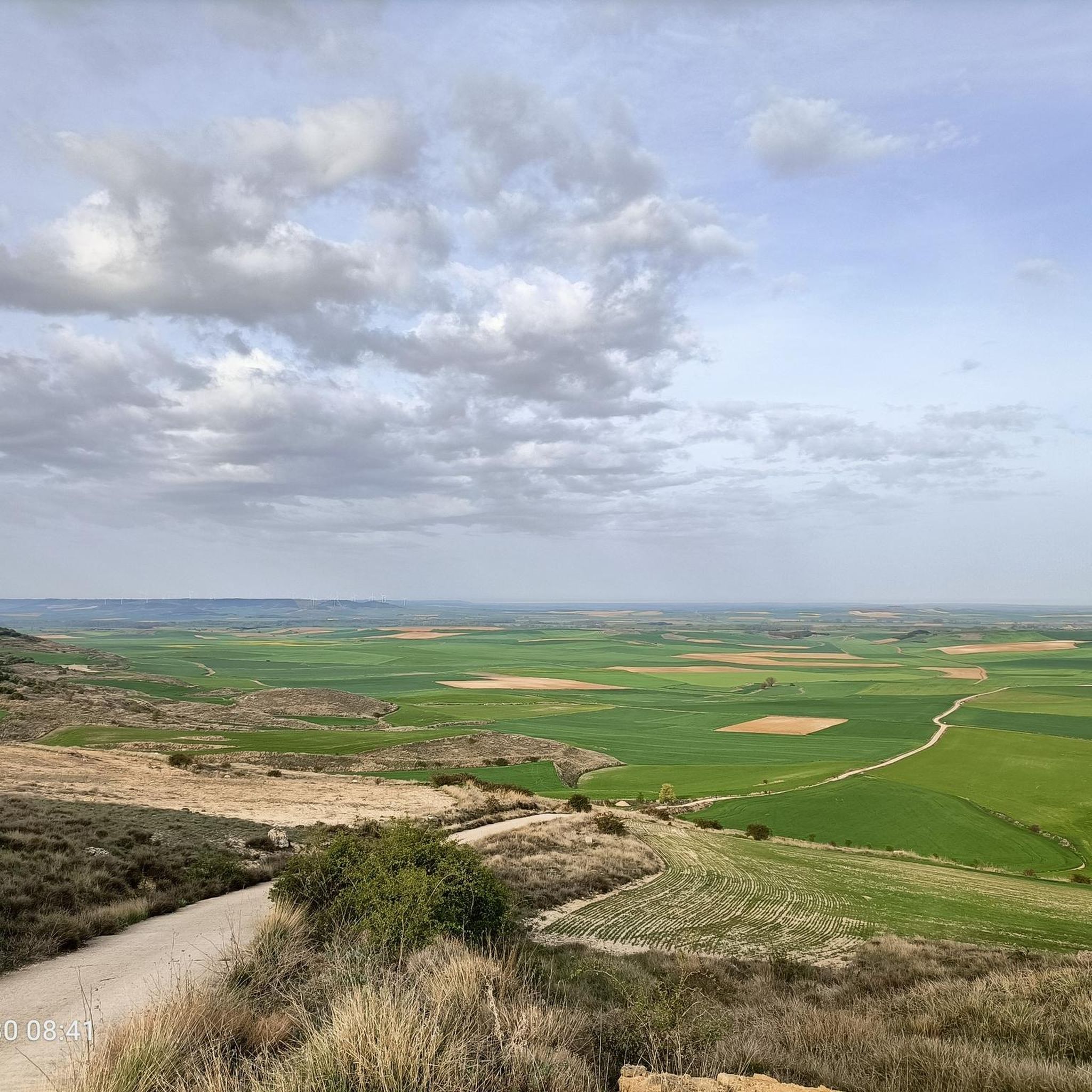
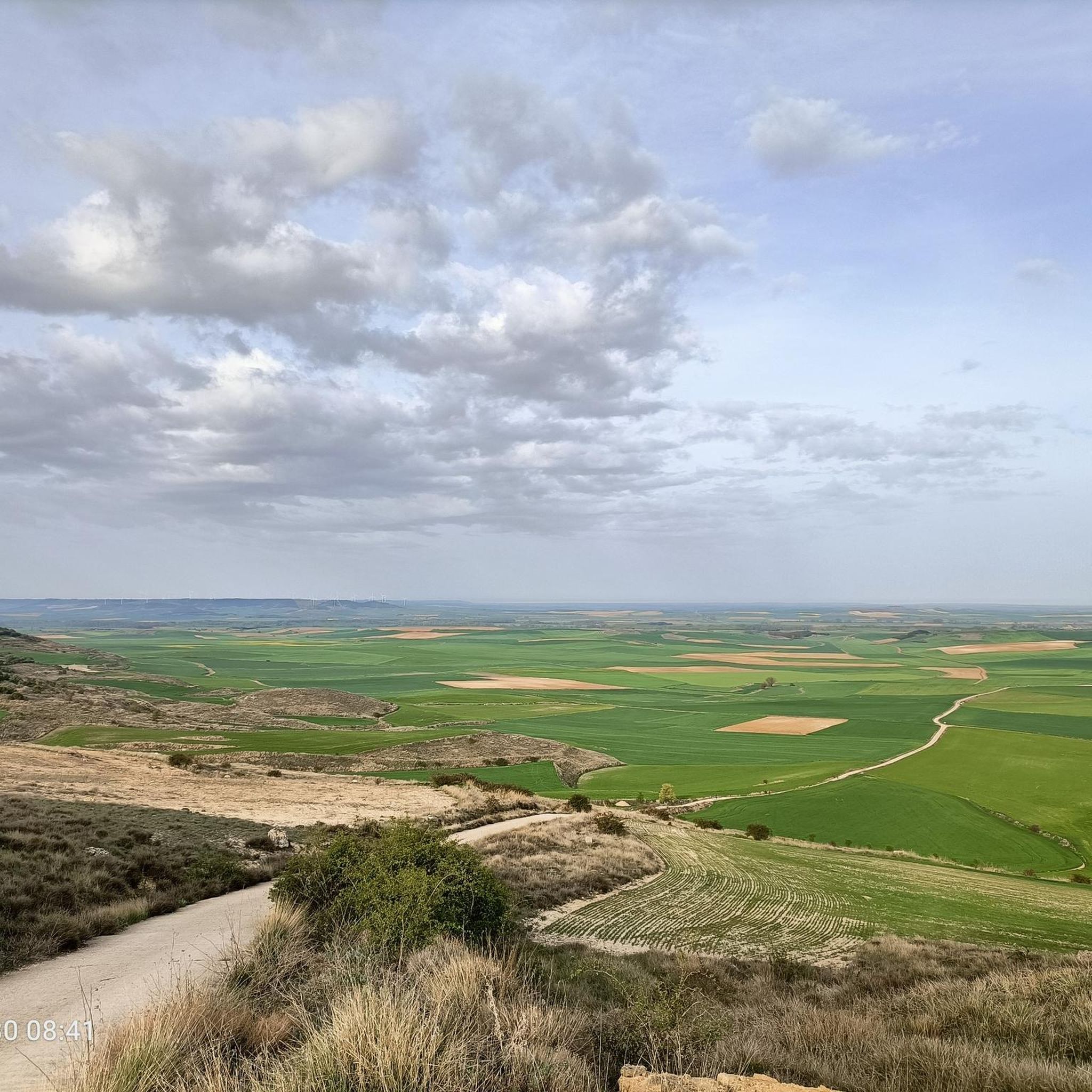
The view from Alto de Mostelares is one of the most iconic and spectacular views of the Camino de Santiago in the province of Burgos. This peak is located approximately 4 km west of Castrojeriz and is famous for both its challenging climb and its panoramic views.
2
0
The Castrojeriz Charter Monument is a commemorative site that recalls the historical importance of the charter granted to the town in 974. This monument is located in the municipality of Castrojeriz, in the province of Burgos, and is often marked on tourist maps and historical routes. The commemorative monument is located in the center of Castrojeriz, near the main square and other historical sites such as the Church of San Juan and the former collegiate church of Santa María del Manzano.
2
0
Castrojeriz is a historic town located in the province of Burgos, right on the Camino de Santiago. It is known for its impressive heritage, its ancient history, and its key role as a Jacobean site. Castrojeriz Castle: Located atop a hill, it dominates the town and offers spectacular views of the region. Its origins are Roman, although it was expanded by Arabs and Christians. It suffered severe damage in the Lisbon earthquake of 1755, but its ruins can still be visited.
2
0

There is an entrance fee; 5 euros.
6
0
The Puente del Rey is one of the most outstanding structures of the Canal de Castilla, one of the most important hydraulic engineering works in Spain. The Canal de Castilla was built between the 18th and 19th centuries with the aim of facilitating the transport of goods, especially cereals, from the interior of Castile to the ports of northern Spain.
7
0

A tough climb with 12% gradients, spectacular views of Castrojeriz and its region when you reach the top. It is highly recommended to stop and contemplate them before continuing on the path.
0
0

The Alto de Mostelares is a well-known point on the Camino Francés, located between Castrojeriz and Hornillos del Camino. It offers a beautiful view of the Meseta, the vast plain that forms an important part of the pilgrimage route. It is a popular place for pilgrims to stop and enjoy the panoramic views.
2
0

Large church at the entrance to Castrojeriz
2
0
Frequently Asked Questions
What historical and religious sites can I visit around Padilla De Abajo?
The region is rich in history. You can explore the Collegiate Church of Santa María del Manzano, a 13th-century religious building with a Gothic façade and a valuable 13th-century image of the Virgin of Manzano. In Padilla de Abajo itself, the Iglesia Parroquial de los Santos Juanes showcases late Gothic and Renaissance architecture. Just outside the village, the 13th-century Romanesque Ermita de Nuestra Señora del Torreón is believed to house tombs of the noble Padilla lineage. Additionally, two ancient Roman Milestones discovered in the area mark the presence of the historic Vía Aquitania.
Are there any ancient settlements or towns worth visiting nearby?
Yes, Castrojeriz is an ancient settlement with a rich history. Visitors can expect cobbled streets, historical churches, and the prominent ruins of an ancient castle on a hilltop. It's a pilgrimage site with a lot of history and offers nice streets, restaurants, and albergues.
Where can I find panoramic views of the area?
For breathtaking panoramic views, visit the Alto de Mostelares Viewpoint. This summit rises to almost a thousand meters high and offers a good panorama of the surrounding Castilian landscape. It's also a notable point on the Camino de Santiago.
What natural features define the landscape around Padilla De Abajo?
Padilla de Abajo is nestled within the wide river plains between the Odra and Pisuerga rivers. This geographical setting creates a picturesque landscape characterized by expansive Castilian fields and seasonal variations. The area is well-suited for rural tourism and outdoor excursions, offering routes through these natural settings.
Are there any notable engineering marvels or aqueducts to see?
Yes, the Puente del Rey Aqueduct (Canal de Castilla) is a must-see. It's one of the most spectacular works of the entire Canal de Castilla, allowing the crossing over the Valdavia river via five semicircular arches. This structure is part of one of Spain's most important hydraulic engineering works, built to facilitate the transport of goods.
What outdoor activities can I do near these attractions?
The region offers various outdoor activities, especially cycling and mountain biking. You can find numerous routes for touring bicycles and MTBs. For cycling, explore routes like 'Alar del Rey by the Canal de Castilla' or 'Requena de Campos e Itero de la Vega'. For mountain biking, consider 'Castrillo de Murcia loop' or 'La Quince Lock – Lock No. 15, Canal de Castilla loop'. You can find more details on these and other routes in the Cycling around Padilla De Abajo and MTB Trails around Padilla De Abajo guides.
Are there family-friendly attractions around Padilla De Abajo?
Many attractions in the area are suitable for families. Historical sites like the Collegiate Church of Santa María del Manzano and the town of Castrojeriz offer engaging experiences. The Puente del Rey Aqueduct is also considered family-friendly, providing an interesting historical and engineering sight. The natural routes through the Castilian fields are also great for family walks or bike rides.
What is the best time to visit Padilla De Abajo for outdoor activities?
The wide river plains and Castilian fields around Padilla de Abajo offer beautiful scenery that changes with the seasons. Spring and autumn are generally ideal for outdoor activities like hiking and cycling, as the weather is mild and the landscapes are vibrant. Summer can be warm, but still suitable for early morning or late afternoon excursions. Winter offers a different, serene beauty, though some routes might be less accessible depending on conditions.
What do visitors enjoy most about the attractions around Padilla De Abajo?
Visitors particularly appreciate the blend of historical significance and natural beauty. The rich history of sites like the Collegiate Church of Santa María del Manzano and the ancient town of Castrojeriz is highly valued. The panoramic views from spots like the Alto de Mostelares Viewpoint are also a favorite, especially for those seeking scenic vistas and photo opportunities. The area's connection to the Camino de Santiago adds another layer of appeal for many.
Are there any unique historical markers or signs in the area?
Yes, the Signpost of the Camino de Santiago is a unique and frequently photographed marker. It's a significant point for pilgrims and visitors alike, indicating the path of the famous Camino de Santiago de Compostela.
Can I find easy walking trails suitable for beginners or casual strolls?
Yes, the natural routes through the vast Castilian fields surrounding Padilla de Abajo are well-suited for easy walks. While specific 'beginner' trails aren't highlighted, the general landscape between the Odra and Pisuerga rivers provides gentle terrain perfect for casual strolls, allowing you to appreciate the natural beauty at a relaxed pace. Many of the cycling routes can also be adapted for walking.
Most popular routes around Padilla De Abajo

Get inspired with the komoot mobile app


Explore more
Still not found the Highlight you’re looking for? See guides of the top attractions in other regions:
