Top 9 Mountain Passes around Aliaga
Best mountain passes around Aliaga are situated within the Iberian System, featuring diverse terrain across areas like the Sierra de Eljuve and Sierra de Gúdar. This region offers routes that ascend to elevations exceeding 1400 meters, providing varied experiences for outdoor enthusiasts. The landscape includes natural monuments and viewpoints, with some passes separating distinct mountain ranges. Aliaga's passes are characterized by their elevation gains and scenic vistas.
Best mountain passes around Aliaga
- The most popular mountain passes is Puerto de…
Last updated: June 26, 2026
Puerto de Majalinos
Highlight • Mountain Pass
Translated by Google •
Tip by

San Cristóbal Pass
Highlight (Segment) • Mountain Pass
DISTANCE: 7.59km
GRADE: 568m
PEND MEAN: 7.48%
MPA COEFFICIENT: 155
CATEGORY: 1st cat
START ALTITUDE: 890m
MAX ALTITUDE GPS: 1458m
Translated by Google •
Tip by
Sign up now to discover places like this
Get recommendations on the best single tracks, peaks, & plenty of other exciting outdoor places.
Sign up for free
Col sign! 😁
Highlight • Mountain Pass
Translated by Google •
Tip by

Los Órganos de Montoro Pass
Highlight (Segment) • Mountain Pass
Translated by Google •
Tip by
San Just Pass (1408 m)
Highlight • Mountain Pass
Translated by Google •
Tip by

Sign up for free to discover even more mountain passes around Aliaga.
Sign up for free
Already have an account?
Start today with a free account
Your next adventure awaits.
Login or Signup



Tips from the Community

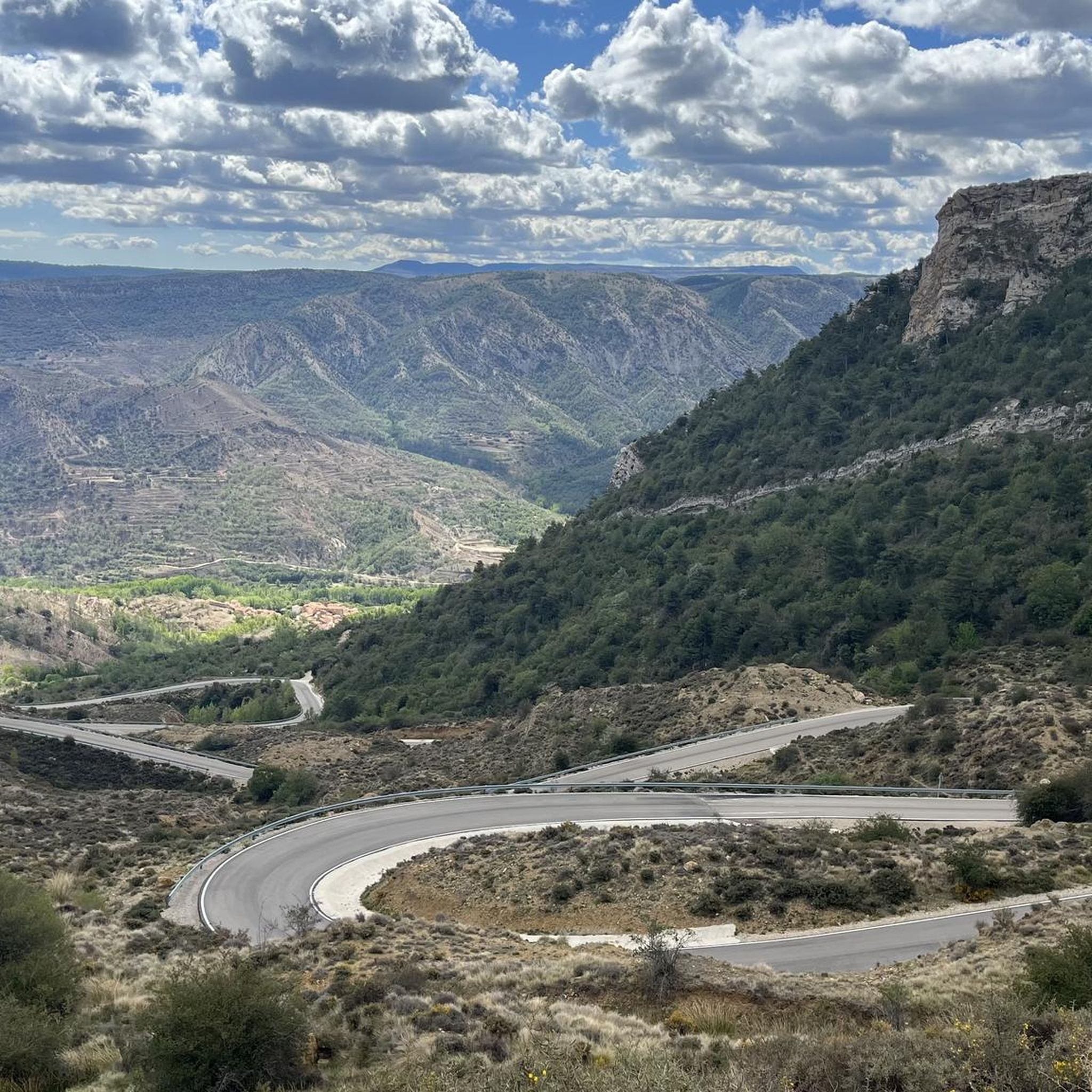
Tough climb but with beautiful hairpin bends
0
0

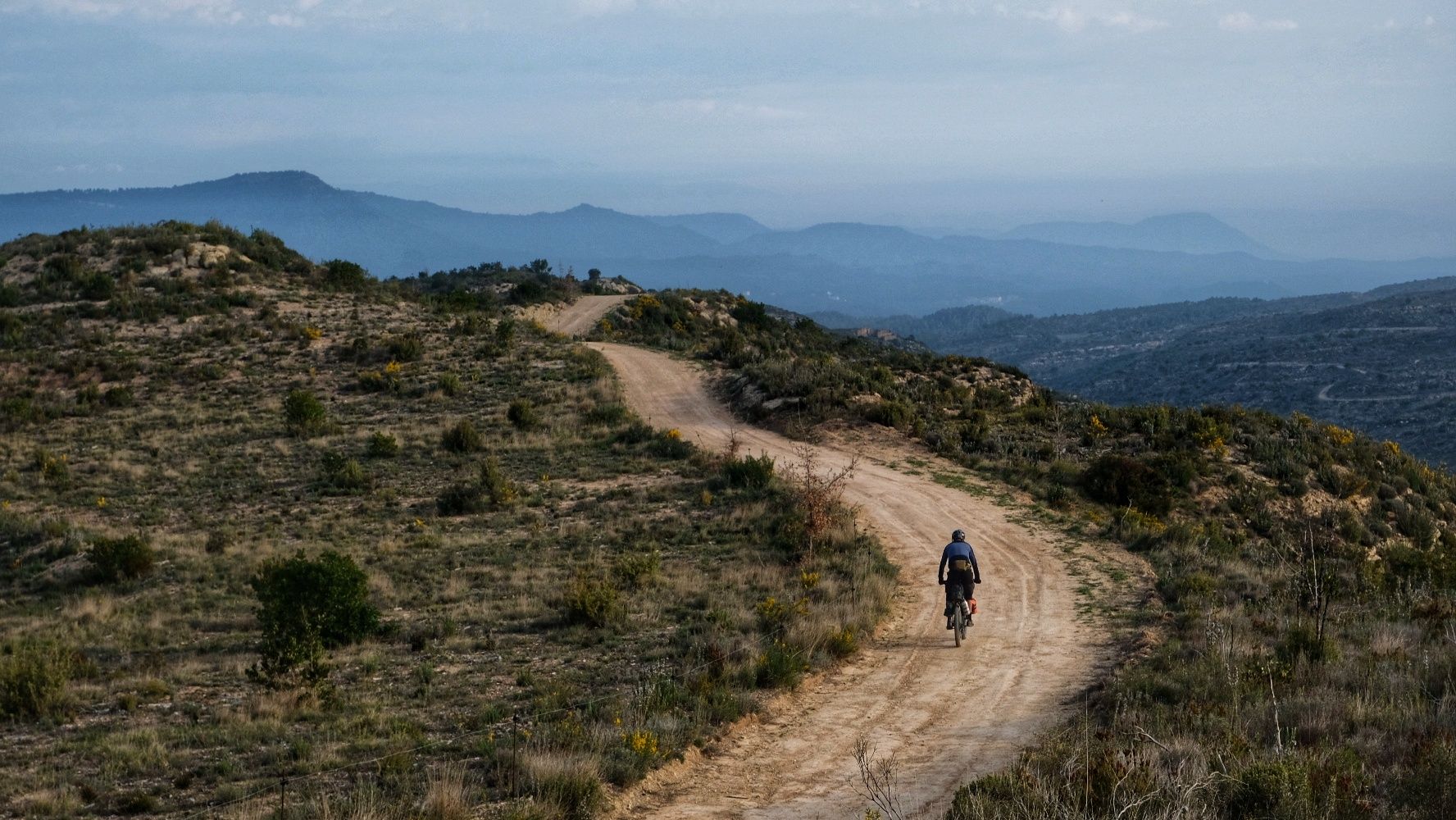
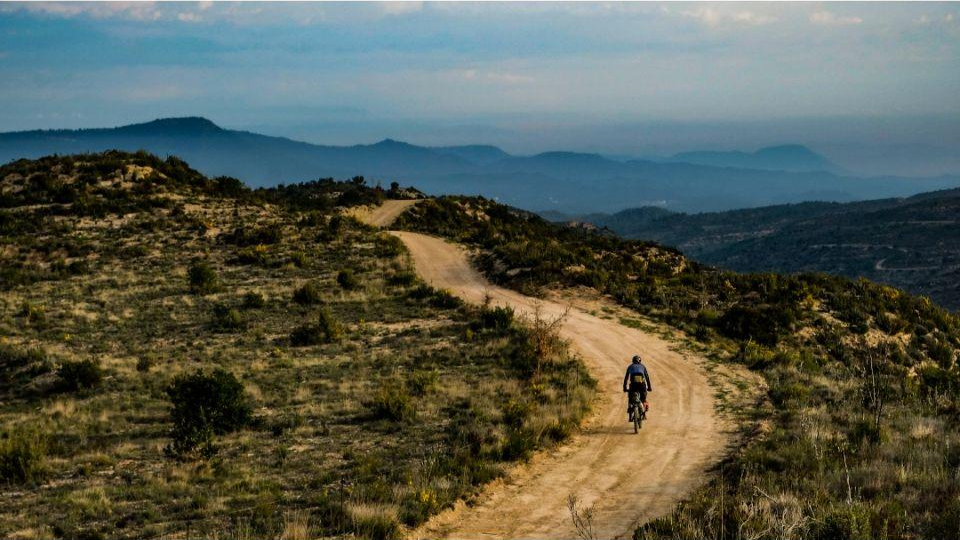
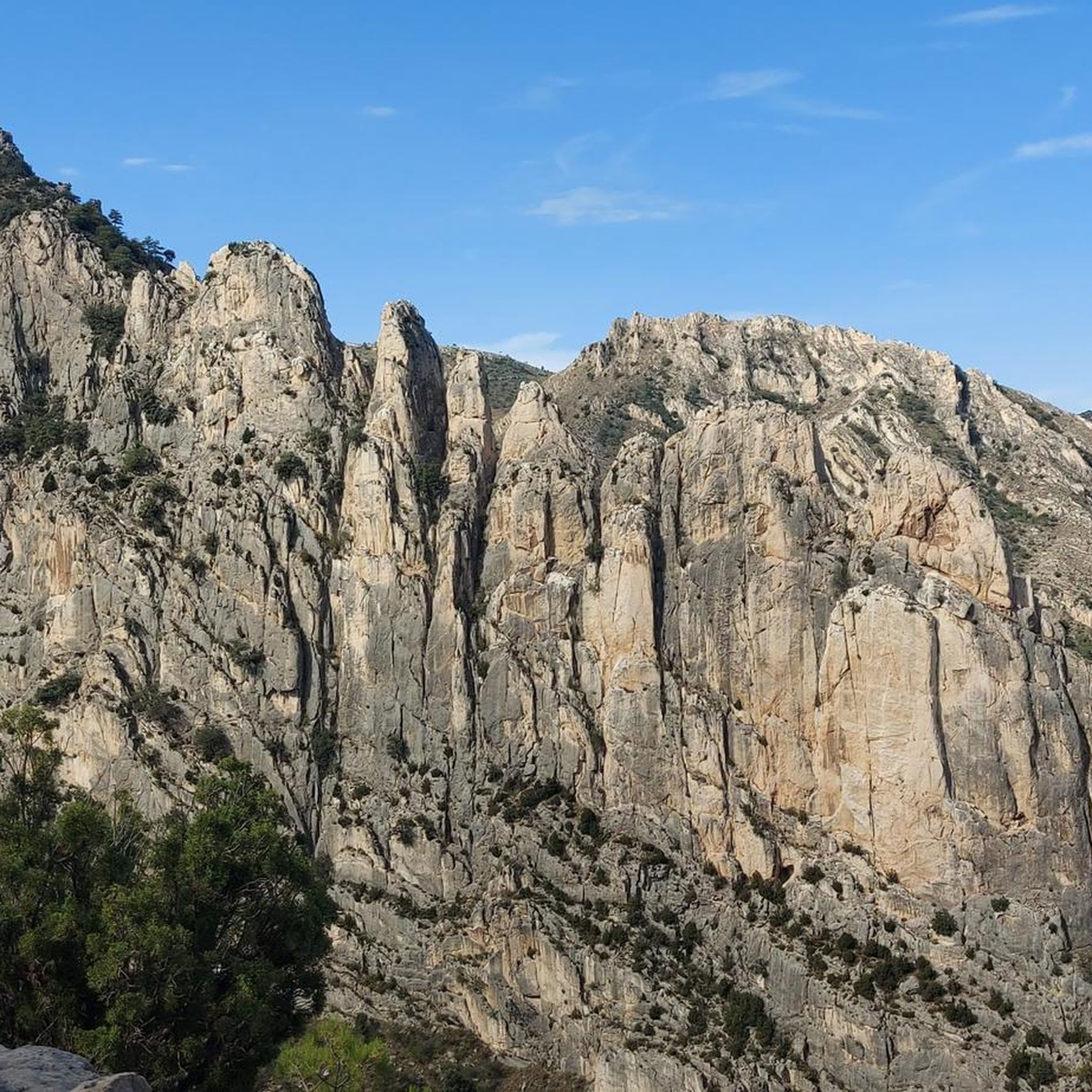
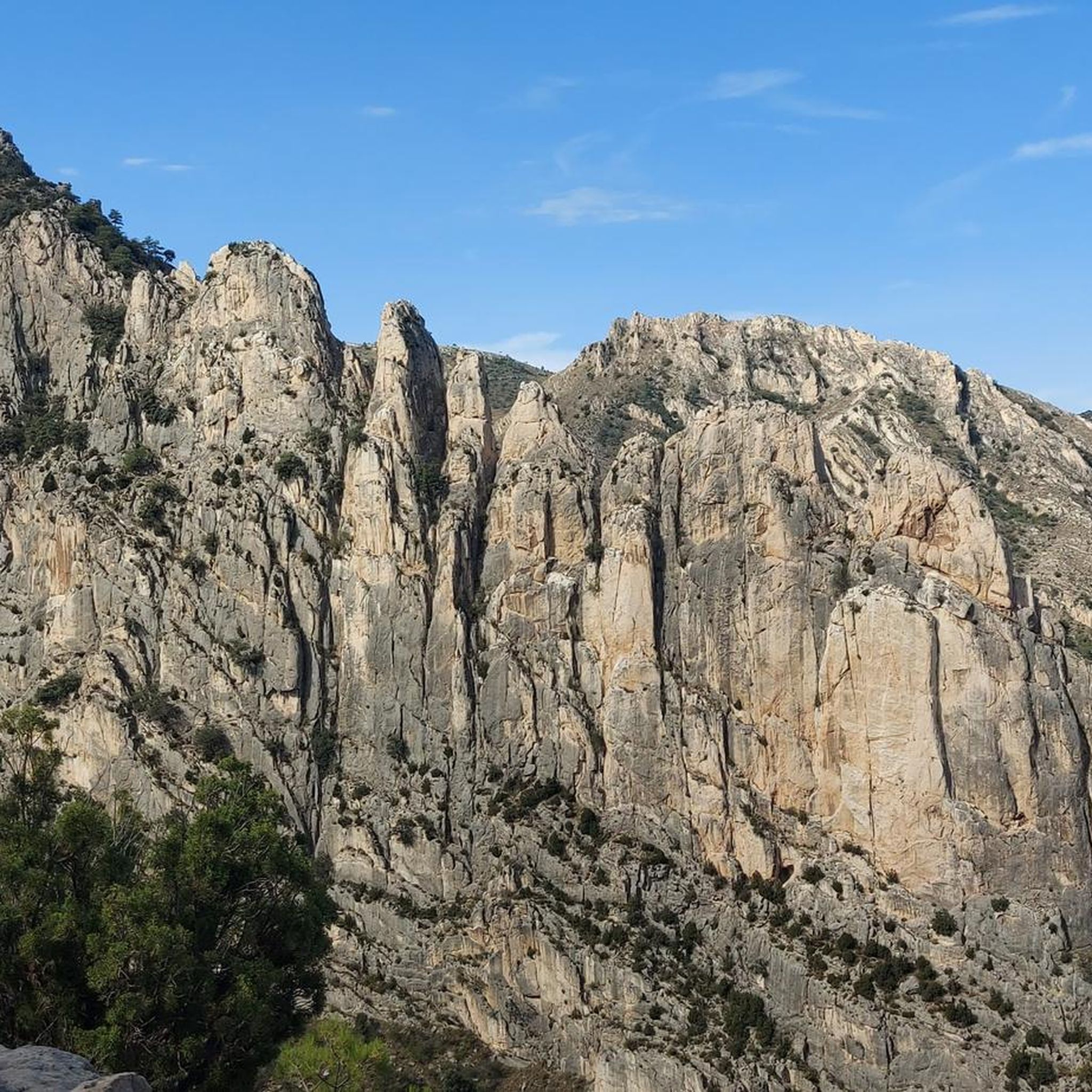
The port of Villarroya separates the Sierra de Gúdar. From the Villarroya viewpoint we will have magnificent views of the town of Villarroya de los Pinares.
1
0

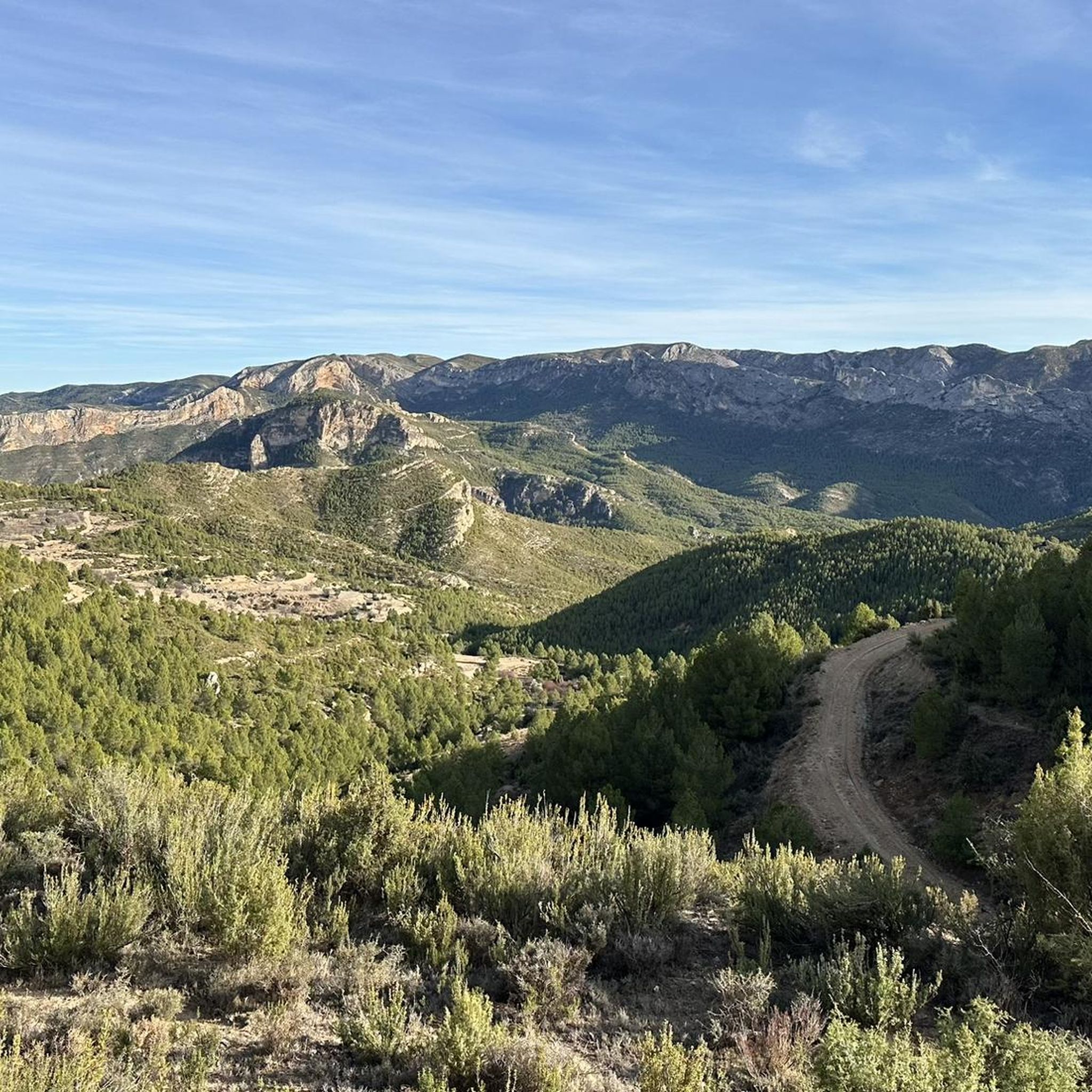
Mountain pass that starts in the town of Eljuve, with a length of 7 kilometers and an average slope of 5%. With a height difference of 350 meters, it is a port that rises in the middle of the Iberian System, in the heart of the Sierra de Eljuve
0
0
This port separates the areas of the Sierra de Gúdar, where the mountains at the end of the Iberian System rise. From this pass you can see the views of the town of Villarroya de los Pinares.
0
0

Good to know what you have in front of you (or is ignorance bliss?)
0
0

Roughly dangerous two-way national road with cars passing me closely by more than 100. Not worth it considering how little they respect the safety distance.
0
0

Very easy on the south face. On the very long and heavy north face, bear in mind that it really starts at the Montalbán roundabout.
0
0
Perhaps the hardest port in Aragon. DISTANCE: 7.59km GRADE: 568m PEND MEAN: 7.48% MPA COEFFICIENT: 155 CATEGORY: 1st cat START ALTITUDE: 890m MAX ALTITUDE GPS: 1458m
0
0
Frequently Asked Questions
What are some of the most notable mountain passes around Aliaga?
Aliaga is home to several significant mountain passes. Among them, Puerto de Majalinos stands out as a 1st category port, spanning 12.2 km with an average slope of 3.8%. Another challenging option is San Cristóbal Pass, known for its steep 7.48% average gradient over 7.59 km. For scenic views, Col sign! 😁 offers magnificent vistas of Villarroya de los Pinares, separating the Sierra de Gúdar.
Are there any easy or intermediate mountain passes suitable for less experienced cyclists or hikers?
Yes, for those seeking a less strenuous experience, Puerto de Majalinos is categorized as intermediate, offering a manageable ascent. Similarly, Col sign! 😁 is also an intermediate mountain pass, providing a rewarding experience without extreme difficulty. Another intermediate option is Los Órganos de Montoro Pass, which offers an easy and friendly climb with stunning views.
What kind of natural features can I expect to see at the mountain passes in Aliaga?
The mountain passes around Aliaga are part of the Iberian System, offering diverse natural landscapes. You can expect to see impressive geological formations, such as the Organs of Montoro near Los Órganos de Montoro Pass. Many passes also serve as natural viewpoints, providing panoramic vistas of the surrounding mountain ranges like the Sierra de Eljuve and Sierra de Gúdar, and towns such as Villarroya de los Pinares.
What is the best time of year to visit the mountain passes around Aliaga?
While specific seasonal data for all passes isn't provided, general advice for the region suggests that spring and autumn offer pleasant temperatures for outdoor activities. During summer, especially when tackling passes like Puerto de Majalinos, it's recommended to bring plenty of water due to potential heat, especially in areas affected by past fires.
Are there family-friendly activities or passes suitable for children near Aliaga?
While the guide focuses on mountain passes, the region offers broader outdoor activities. For family-friendly options, consider some of the easier hiking routes nearby. For example, the Hiking around Aliaga guide lists routes like the 'Valloré Viewpoint Trail' and 'Guadalope River Trail: Hoz Mala Section' which are rated as easy.
What outdoor activities can I do near the mountain passes in Aliaga?
Beyond exploring the passes themselves, Aliaga offers a variety of outdoor activities. You can find numerous hiking trails, including easy routes like the 'Valloré Viewpoint Trail' and more challenging ones like the 'Martín River Trail (GR 262)'. For cyclists, there are extensive cycling routes, such as the 'Sierra del Pobo and Camino de los Pilones – circular from Aguilar de Alfambra' or the 'Puerto de Majalinos – Aldehuela Gorge loop from Aliaga'.
What are the typical elevations and gradients of the mountain passes in Aliaga?
The mountain passes in Aliaga are situated within the Iberian System and often reach elevations exceeding 1400 meters. For instance, Puerto de Majalinos starts at 978m and ascends to 1450m with an average slope of 3.8%. San Cristóbal Pass climbs from 890m to 1458m, featuring a challenging average gradient of 7.48%.
Are there any specific tips for tackling challenging passes like San Cristóbal Pass?
When approaching challenging passes like San Cristóbal Pass, which is considered one of the hardest in Aragon with a 7.48% average gradient, it's crucial to be well-prepared. Knowing the route's profile and being aware of the significant elevation gain (568m over 7.59 km) will help you manage your effort. Always carry sufficient water and supplies, especially during warmer months.
What do visitors appreciate most about the mountain passes in Aliaga?
Visitors to Aliaga's mountain passes frequently appreciate the challenging climbs and the rewarding scenic vistas. Many passes, such as Col sign! 😁 and Los Órganos de Montoro Pass, are highlighted for their magnificent views and natural beauty. The variety of routes, catering to different skill levels, also contributes to their appeal.
Can I find circular hiking or cycling routes that incorporate these mountain passes?
Yes, the region offers circular routes that can include or pass near these mountain passes. For example, the Cycling around Aliaga guide features a 'Puerto de Majalinos – Aldehuela Gorge loop from Aliaga' which is a substantial 68.7 km ride. For hikers, the Hiking around Aliaga guide includes options like the 'Valloré Footbridges – Valloré Footbridges loop'.
Are there any specific safety considerations when exploring the mountain passes?
Safety is paramount when exploring mountain passes. For passes like Puerto de Majalinos, especially in summer, it's crucial to bring plenty of water due to the heat and the impact of past fires in the area. Additionally, some roads, like parts of the route near San Just Pass (1408 m), can be busy with cars, so cyclists should be mindful of traffic and safety distances.
What kind of wildlife and flora can be observed in the Aliaga mountain pass region?
The mountain passes of Aliaga are situated within the Iberian System, an area known for its diverse ecosystems. While specific wildlife and flora details for each pass are not provided, the region's varied terrain, including areas like the Sierra de Eljuve and Sierra de Gúdar, supports a range of Mediterranean and mountain species. Keep an eye out for local birds, insects, and resilient plant life adapted to the mountainous environment.
Most popular attractions around Aliaga

Get inspired with the komoot mobile app


Explore more
See even more epic mountain passes by checking out these guides around Aliaga:
