Attractions and Places To See around Mieres - Top 20
Attractions and places to see around Mieres, located in the heart of Asturias, Spain, offer a blend of industrial heritage, natural beauty, and cultural sites. The region is characterized by the Central Mountains of Asturias, featuring dense forests, mountain pastures, and winding rivers. Mieres also preserves its rich mining history and serves as a crossroads for historical routes like the Ruta de la Plata and a section of the Camino de Santiago. These diverse features provide numerous opportunities for exploration…
Last updated: October 9, 2026
Cathedral of San Salvador in Oviedo
Highlight • Religious Site
Translated by Google •
Tip by

Route of the Xanas
Highlight (Segment) • Gorge
Translated by Google •
Tip by
Sign up now to discover places like this
Get recommendations on the best single tracks, peaks, & plenty of other exciting outdoor places.
San Isidoro el Real Church (Oviedo)
Highlight • Religious Site
Translated by Google •
Tip by

La Maternidad by Fernando Botero, Escandalera Square
Highlight • Monument
Translated by Google •
Tip by
Ascent to Altu L'Angliru
Highlight (Segment) • Climb
Showing Translation
Tip by

Sign up for free to discover even more attractions around Mieres.
Already have an account?
Start today with a free account
Your next adventure awaits.
Popular around Mieres
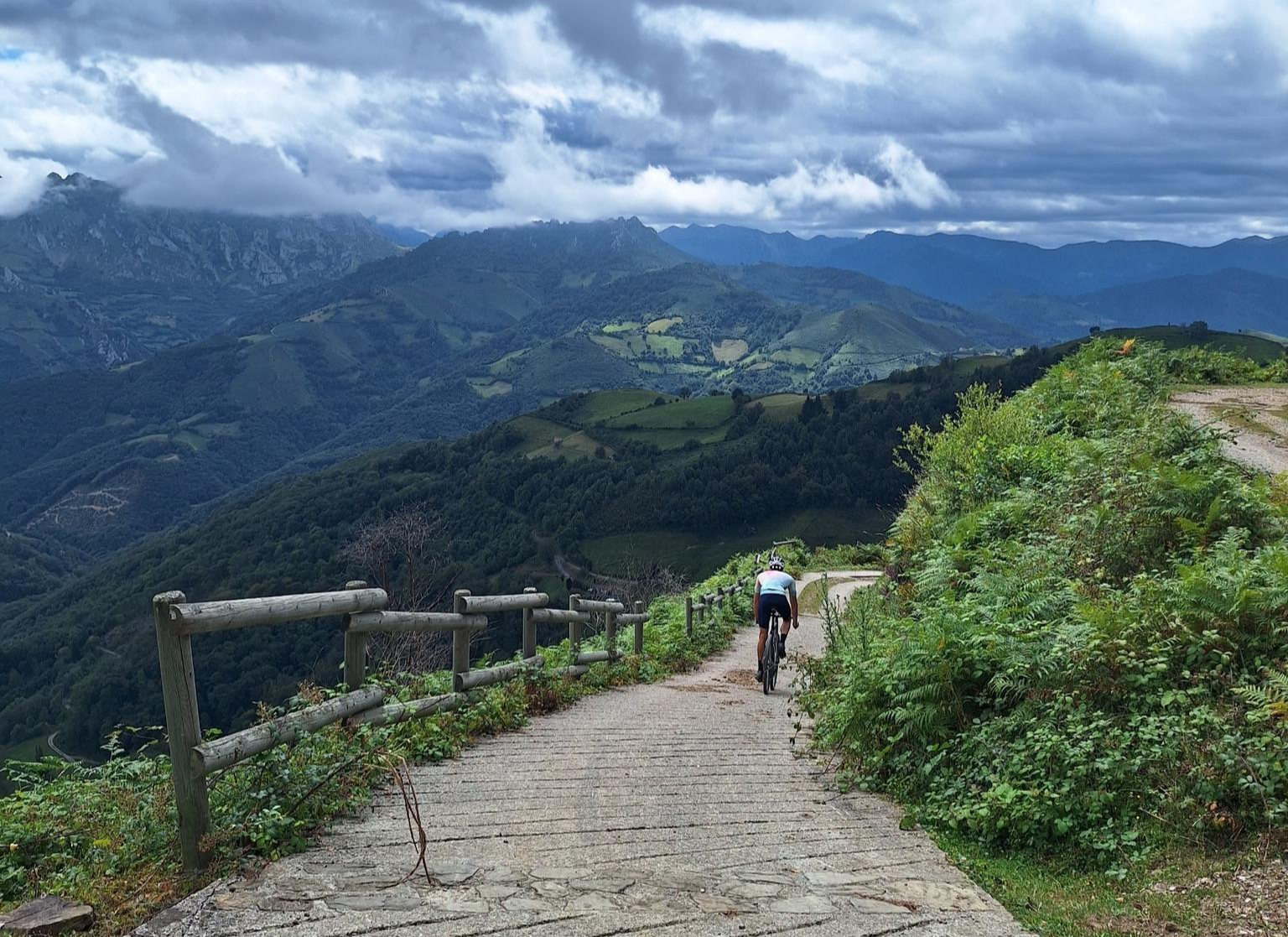
Central Mountain Cycling Ring GR 208 - Tour of the Asturian Mountains
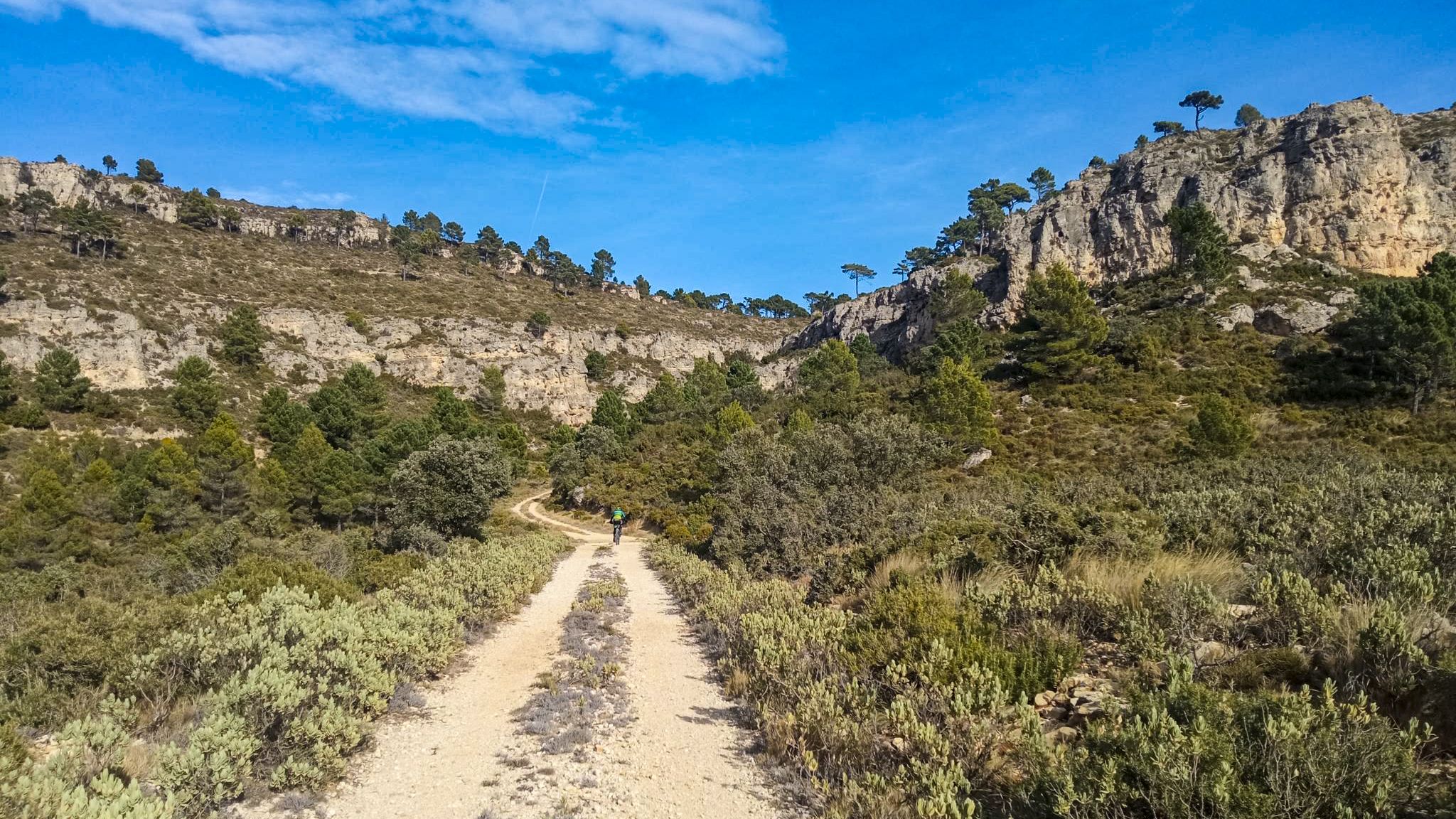
10 gravel routes to discover hidden gems in Spain
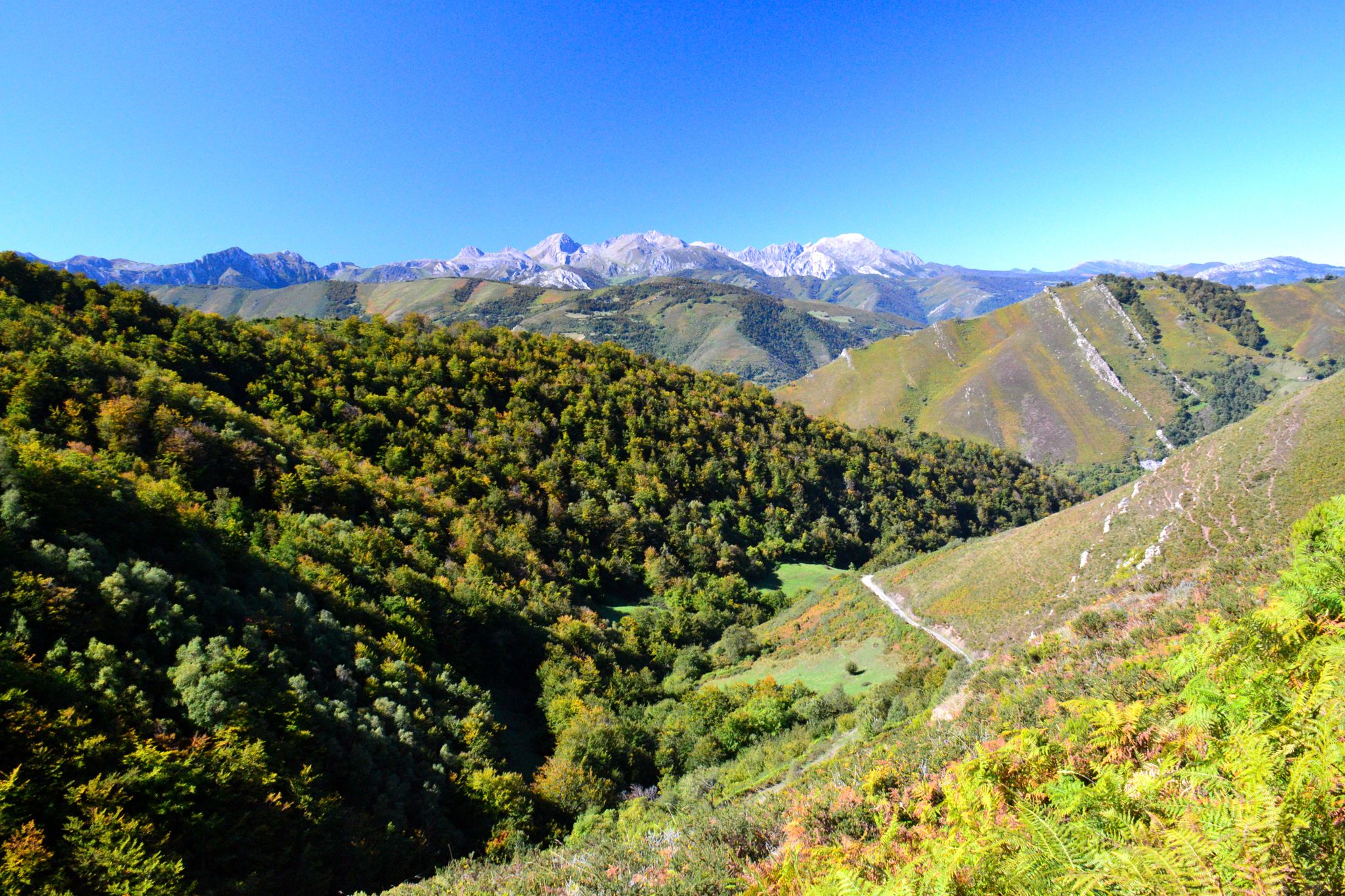
The heart of Asturias – Central Mountain Cycling Ring
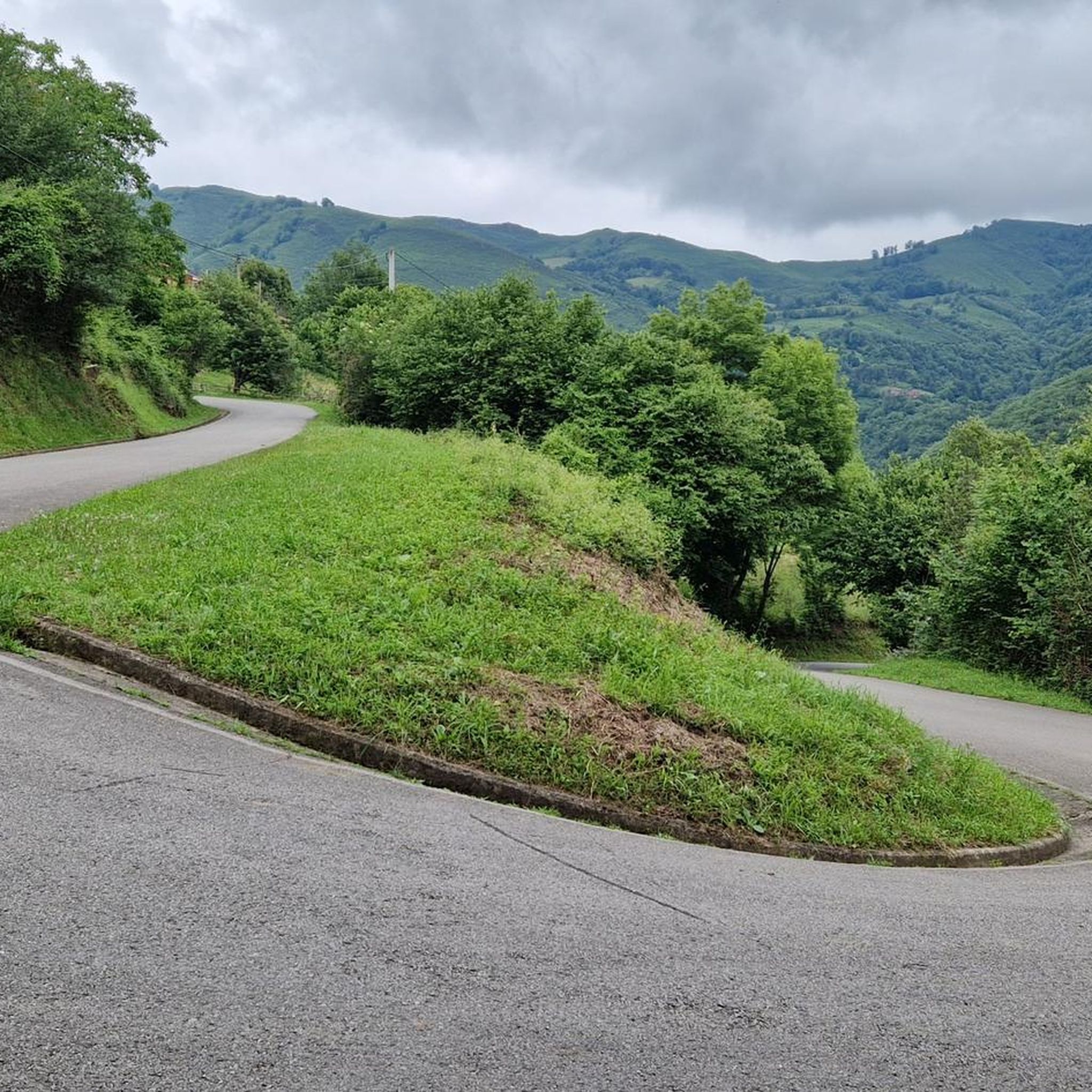
Road Cycling Routes around Mieres
Cycling around Mieres
Hiking around Mieres
MTB Trails around Mieres
Running Trails around Mieres

Gravel biking around Mieres
Other adventures around Mieres


Tips from the Community

spectacular work by Botero
1
0

This trail is very easy to walk, as it's mostly shaded. However, you should still wear good, sturdy shoes.
0
0

This important place of worship—as a cathedral, the most important church not only in the city but in the entire archdiocese—bearing the title "San SALVADOR" was not dedicated to one of the many people we venerate as blessed or saints and ask for their heavenly intercession with God. Rather, it is dedicated to the incarnate Son of God, Jesus Christ, our Redeemer and Savior.
1
1
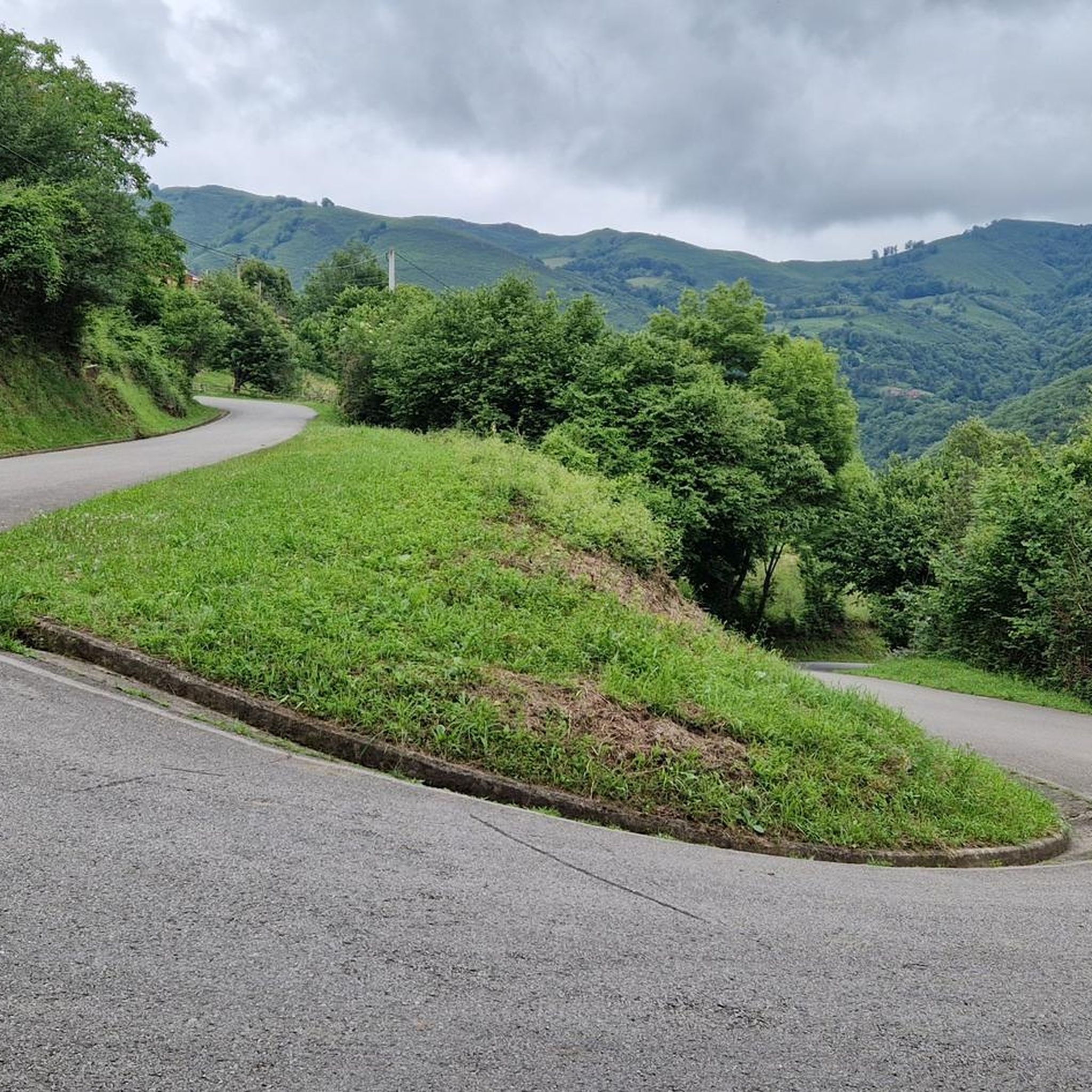
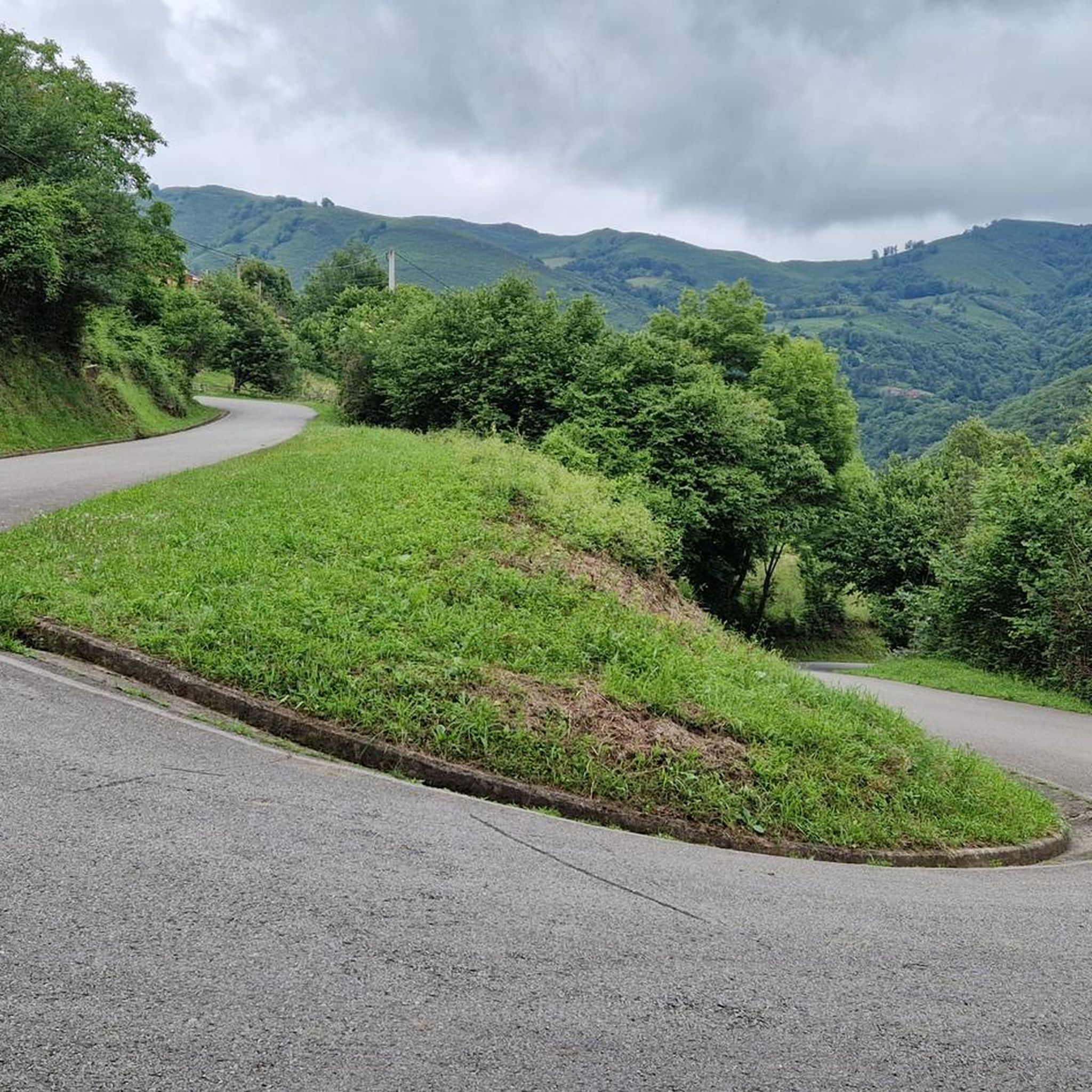
If you want to reach the top, start by saving your strength. And if you have to put a foot down, do so; it's no disgrace. With a 12-kilometer route, 1258 meters of elevation gain, a first half with an incline of around 8% and a second half with an average of 13% and ramps over 22%, it is considered one of the toughest climbs in Europe. And watch out for the descent: if it's wet, it's very dangerous, and if it's dry, rim brakes could overheat the rims too much.
2
0

The "Xanas," after whom the gorge is named, are Asturian mountain stream nymphs who enchant shepherds on St. John's Eve. The path was created in the 1930s as preparatory work for a planned road from Villanueva to Pedroveya, which ultimately never came to fruition.
1
0
Take it easy at the beginning, the hard part is at the end
0
0

The sculpture represents the artistic movement called "Boterismo". Botero depicts women, men, daily life, historical events and figures, milestones of art, still lifes, animals and nature in general, with exaggerated and disproportionate volumetry, accompanied by fine details of biting criticism, irony, humor and ingenuity.
3
0
Frequently Asked Questions
What natural attractions and trails can I explore around Mieres?
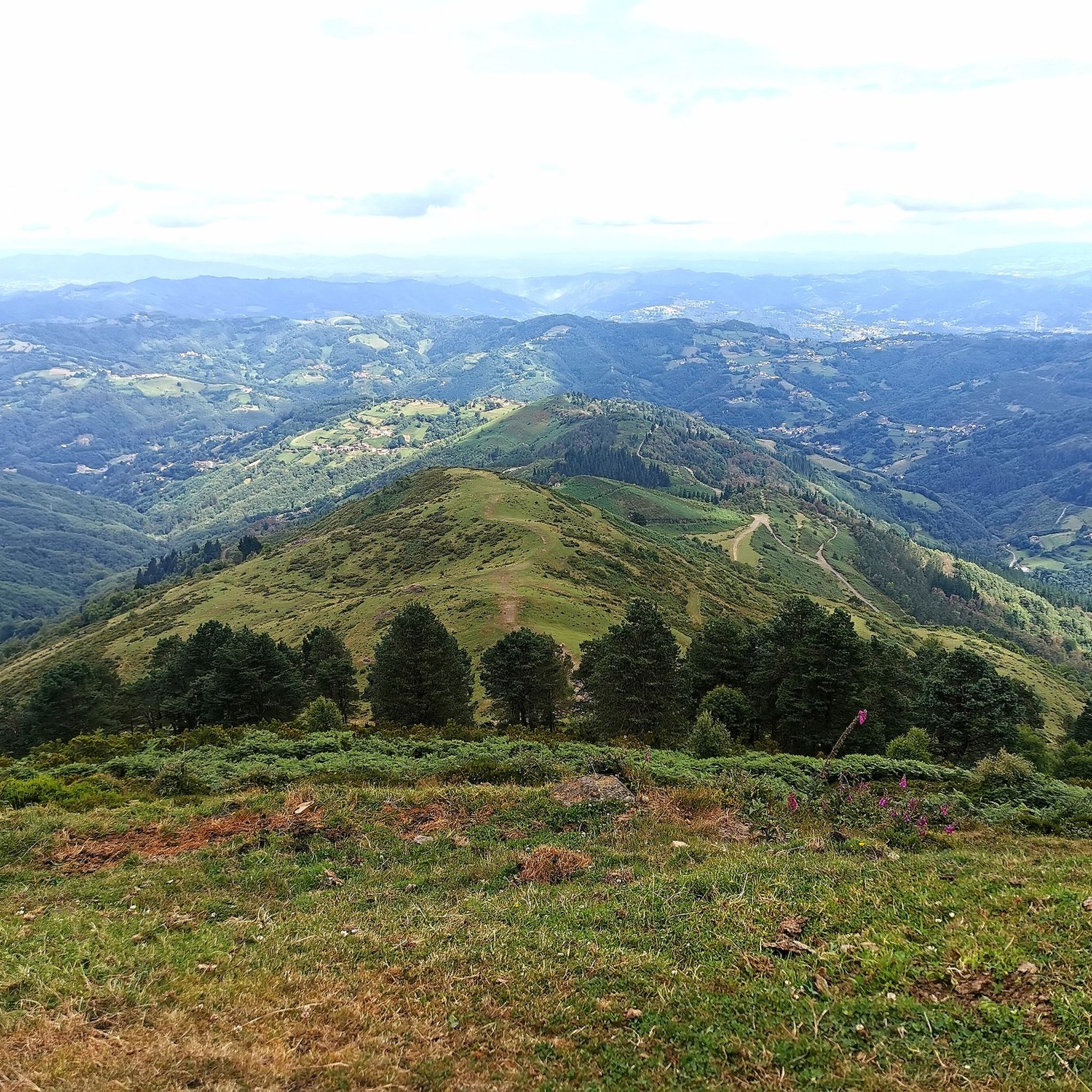
Mieres is surrounded by impressive natural landscapes, offering numerous opportunities for outdoor activities. A must-visit is the Route of the Xanas, a spectacular gorge known for its rock formations and lush vegetation. The region also features protected areas with dense beech and oak forests, mountain pastures, and winding rivers. You can find several walking routes like The Green Belt of Turon, the Castañir Route, and the Navaliego Mountain Route.
What historical or cultural sites are worth visiting in Mieres?
Mieres offers a rich blend of industrial heritage and cultural sites. You can explore the **Mining Village of Bustiello**, a site of Cultural Interest that provides a glimpse into the industrial past, including the Headframes of Pozu Espinos and San Jose Pit. The **Santa Barbara Pit** is another significant mining site. In the town center, notable structures include The Town Council building, Casa Duro, and the Church of San Juan Bautista. The **Palace of the Camposagrado Marquees** also stands as a prominent landmark.
Does Mieres have any significant religious sites?
Yes, Mieres and its surroundings are home to several important religious sites. The **Church of San Juan Bautista** in the town center is particularly noteworthy, with Romanesque columns and capitals, and origins dating back to AD 857. The **Romanesque Santa Eulalia Church** and the Sanctuary of the Martyrs of Valdecuna are also significant. Further afield, the Cathedral of San Salvador in Oviedo is a major religious and historical site, housing relics like the Shroud of Oviedo and serving as a key stop for medieval pilgrims on the El Salvador Route of the Camino de Santiago.
Are there challenging outdoor activities for experienced adventurers?
Absolutely. For road cycling enthusiasts, the Ascent to Alto de l'Angliru is a legendary challenge. This 12-kilometer route with 1258 vertical meters features ramps over 20 percent, making it a demanding climb. For mountain biking, there are well-organized routes of varying difficulty, including the Navaliego Mountain Range and The Cordal of Rozamayor Route. You can find more challenging routes in the MTB Trails around Mieres guide.
What are some easy walking options near Mieres?
Mieres offers several accessible walking routes suitable for various fitness levels. The Green Belt of Turon, the Castañir Route, and the Navaliego Mountain Route are good options for exploring the natural surroundings. For a more relaxed experience, the **Parque Xovellanos** provides a green space for relaxation and recreation within the town. You can also find moderate running trails in the Running Trails around Mieres guide, such as the 'Highlights of Mieres loop from Mieres' which is 7.3 km.
Are there family-friendly attractions in Mieres?
While specific family-focused attractions are not detailed, the natural trails and green spaces like **Parque Xovellanos** offer pleasant environments for families. The San Isidoro el Real Church (Oviedo) is listed as family-friendly, and exploring the historic town center with its interesting architecture can also be an engaging activity for families. The **Mining Village of Bustiello** could also be an educational visit for older children.
What is Mieres' connection to historical routes?
Mieres holds a significant position as a crossroads for two important historical routes. It lies on the **Route of the Silver (Ruta de la Plata)**, which has Roman origins. Additionally, a section of the **Route of Santiago (Camino de Santiago)**, known as the 'El Salvador Route,' passes through the area. This route enters Asturias via the Pajares Mountain pass, leading to Oviedo and connecting with the 'Primitive Route' at the San Salvador Cathedral, making Mieres a historically rich stop for pilgrims and travelers.
Where can I experience local culture and cuisine in Mieres?
To experience local culture and cuisine, head to the **Plaza de Requejo**, also known as “Cider Square.” This popular spot is ideal for al fresco dining and enjoying tapas, reflecting the region's strong cider culture. The town also preserves its cultural identity through various ethnographic examples, including the ethnographic zone of San Justo, Llano Pomar, stately homes, Asturian food stores, mills, and pigeon lofts.
Are there any unique artistic monuments in Mieres?
Yes, Mieres and nearby Oviedo feature unique artistic monuments. In Oviedo, you can find La Maternidad by Fernando Botero in Escandalera Square. This urban sculpture, dated 1989 and made of bronze, represents a modern version of a mother with her son, showcasing the exaggerated and disproportionate volumetry characteristic of the Colombian sculptor's style, known as 'Boterismo'.
What kind of cycling opportunities are available around Mieres?
Mieres offers diverse cycling opportunities, from challenging road climbs to mountain biking trails. The Ascent to Alto de l'Angliru is a world-renowned road cycling challenge. For mountain biking, there are routes like the Navaliego Mountain Range, The Cordal of Rozamayor Route, and the Padrun and Baiña Route. You can explore more options in the MTB Trails around Mieres and Gravel biking around Mieres guides.
When is the best time to visit Mieres for outdoor activities?
Mieres, located in the Central Mountains of Asturias, experiences a varied climate. The region's dense forests and mountain pastures are beautiful year-round. Spring (April-June) and Autumn (September-October) generally offer pleasant temperatures for hiking and cycling, with lush greenery in spring and vibrant colors in autumn. Summer (July-August) is also popular, though some routes might be more challenging due to heat. Winter can bring colder temperatures and potential snow in higher elevations, which might appeal to those seeking winter sports or a different kind of scenic beauty.
Most popular attractions around Mieres

Get inspired with the komoot mobile app


Explore more
Still not found the Highlight you’re looking for? See guides of the top attractions in other regions:
