Attractions and Places To See around Jimera De Líbar - Top 20
Best attractions and places to see around Jimera De Líbar include a range of natural and historical sites. This white village, nestled in the Serranía de Ronda within the Guadiaro Valley, is situated in the Sierra de Grazalema Natural Park. The area offers insights into historical settlements and features landscapes shaped by rivers and mountains. Moorish influences are visible in the village's architecture, providing a blend of cultural and natural exploration.
Best attractions and places to see around Jimera De…
Last updated: October 9, 2026
New Bridge
Highlight • Bridge
Showing Translation
Tip by

View of the Puente Nuevo
Highlight • Viewpoint
Translated by Google •
Tip by

Sign up now to discover places like this
Get recommendations on the best single tracks, peaks, & plenty of other exciting outdoor places.
Arab Bridge of Ronda
Highlight • Bridge
Translated by Google •
Tip by

Parador of Ronda
Highlight • Restaurant
Translated by Google •
Tip by

Cuenca Gardens
Highlight • Viewpoint
Translated by Google •
Tip by

Sign up for free to discover even more attractions around Jimera De Líbar.
Already have an account?
Start today with a free account
Your next adventure awaits.
Popular around Jimera De Líbar
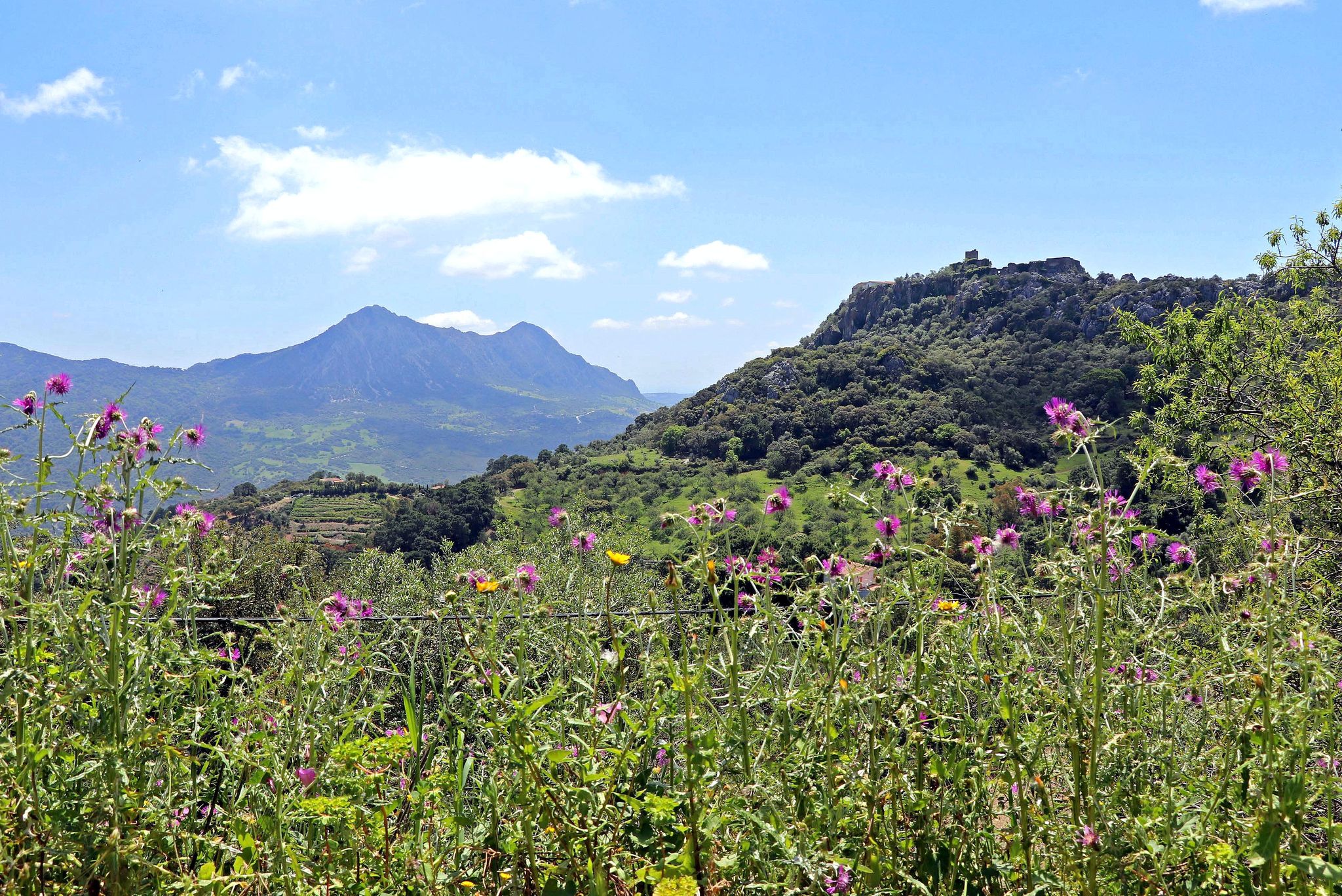
A jewel of Malaga – Gran Senda de la Serranía de Ronda (GR 141)
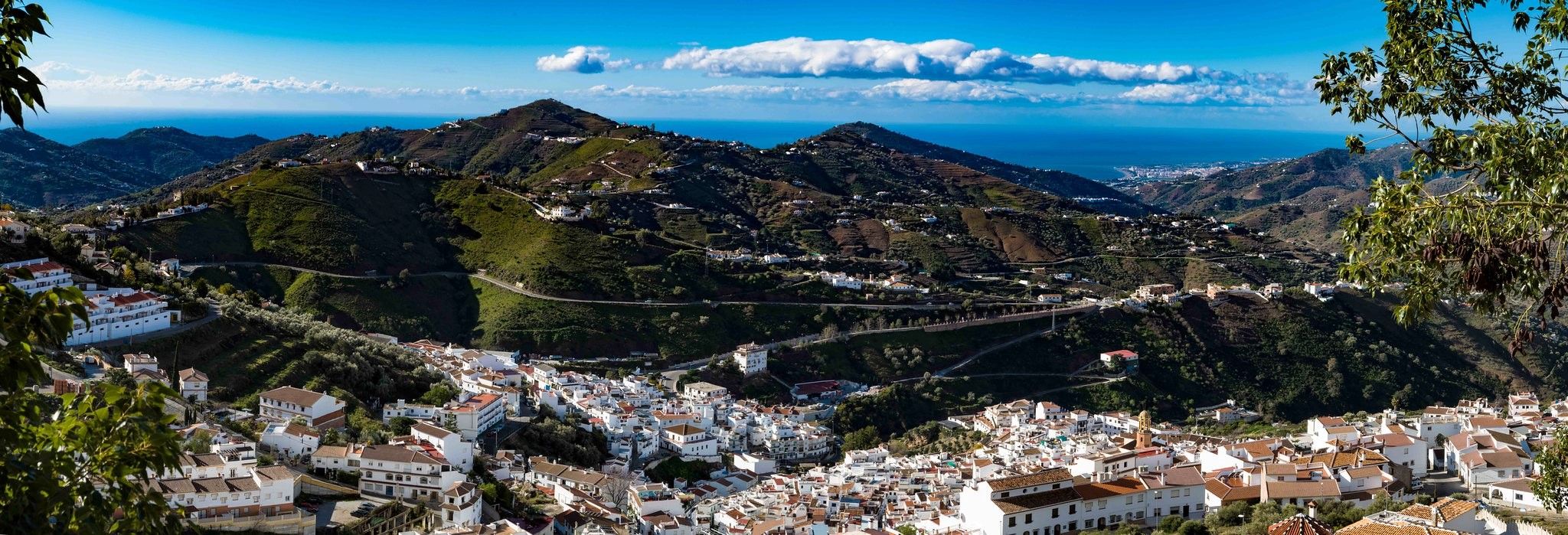
Hike between sea and mountains — Gran Senda de Málaga (GR 249)
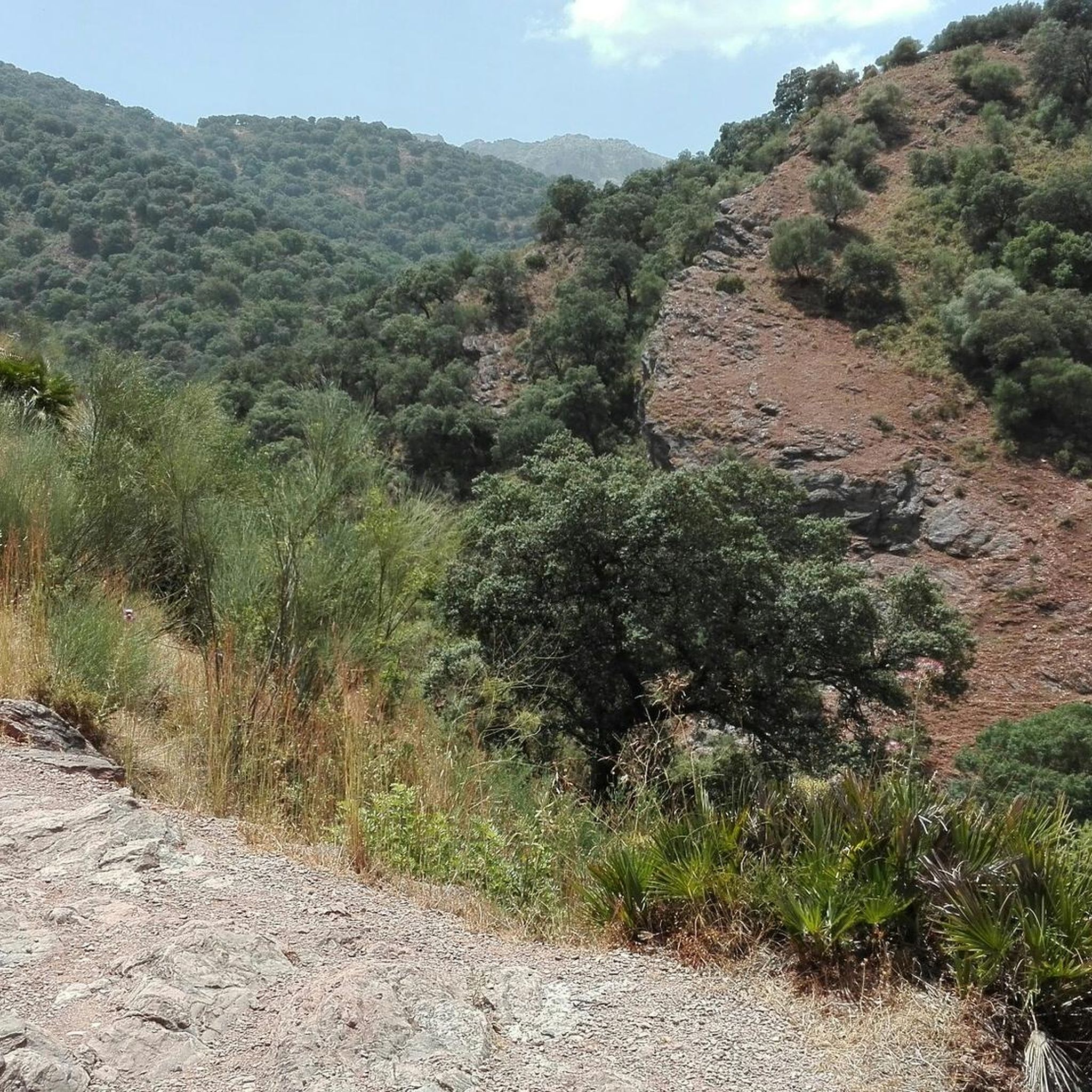
Road Cycling Routes around Jimera De Líbar
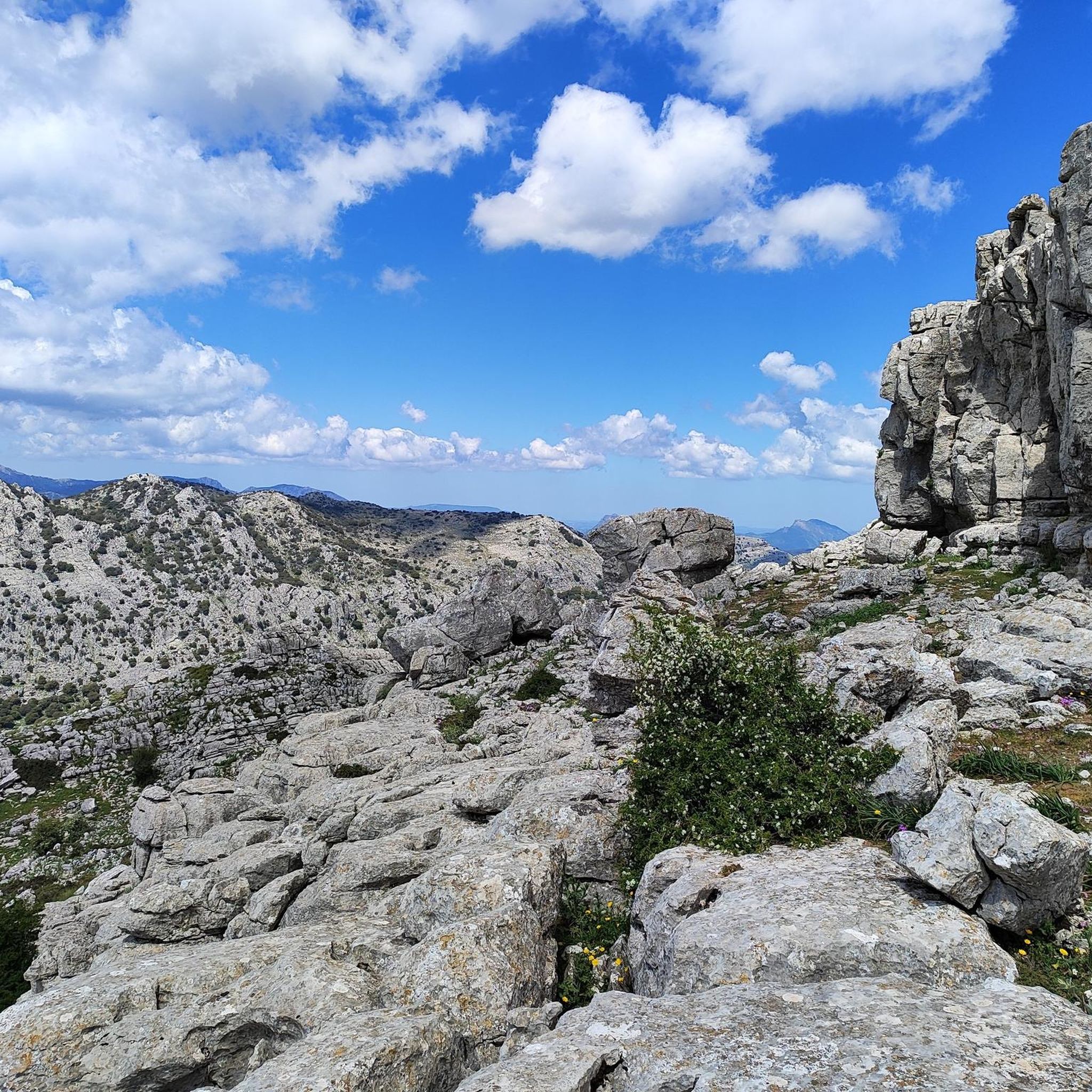
Hiking around Jimera De Líbar
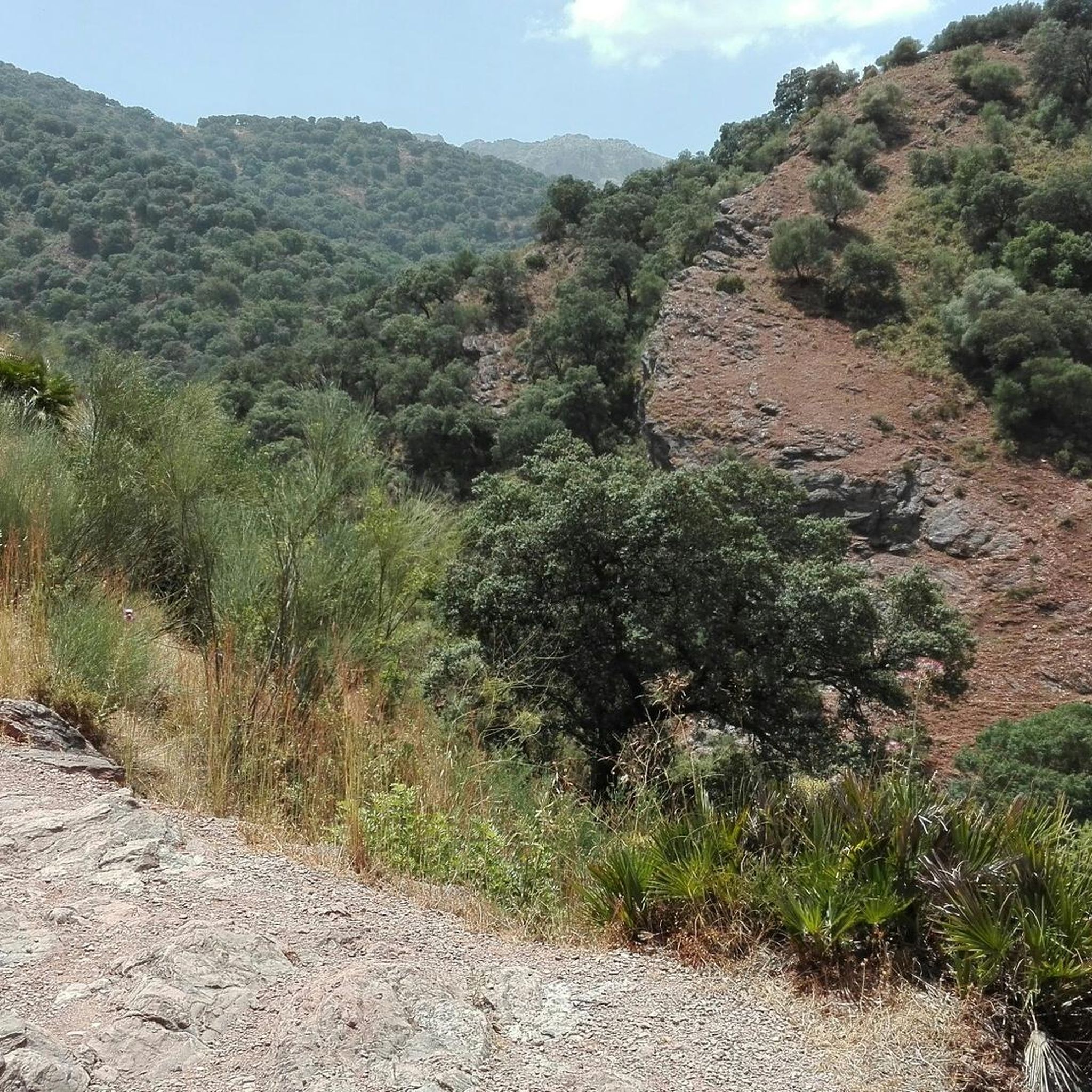
Running Trails around Jimera De Líbar
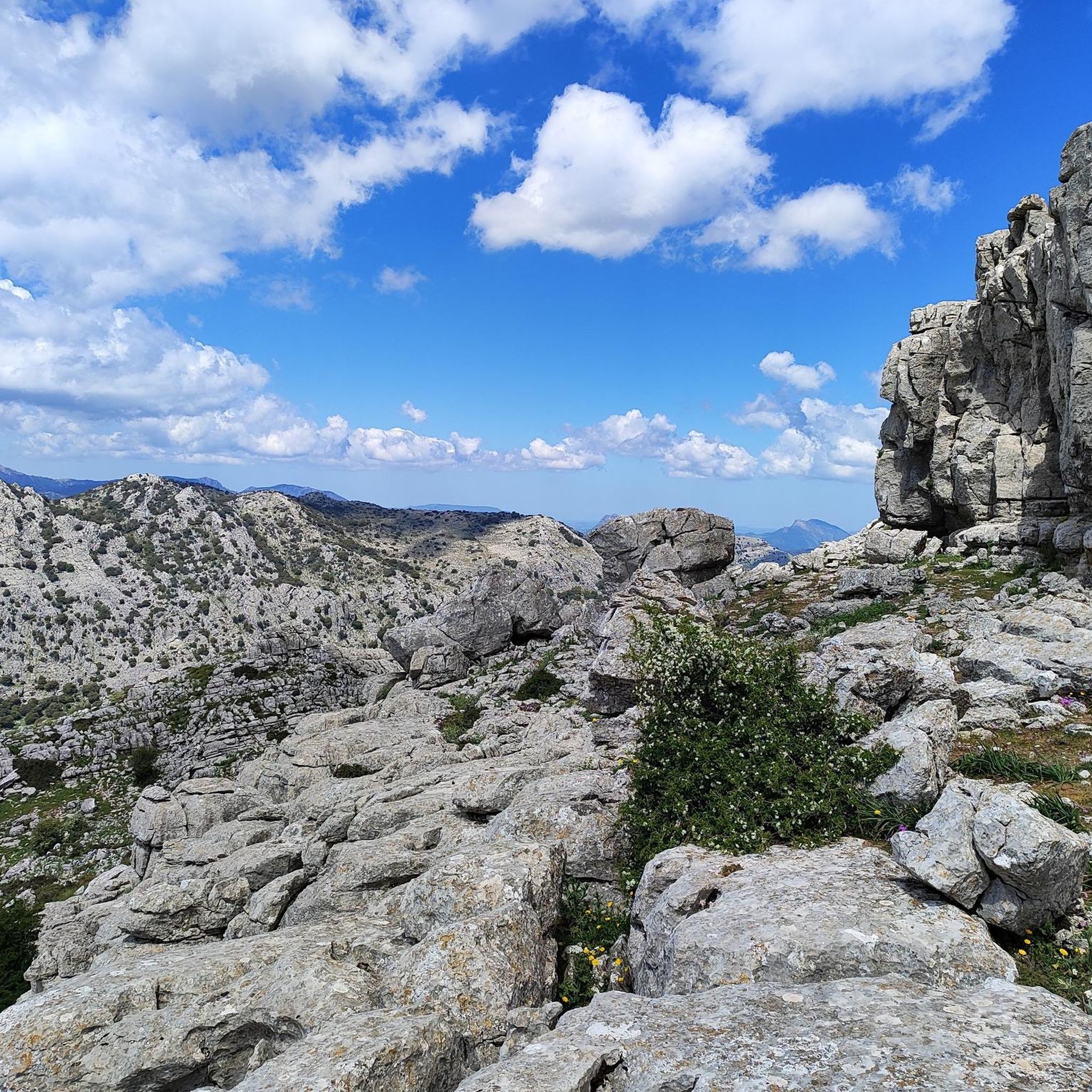
Cycling around Jimera De Líbar
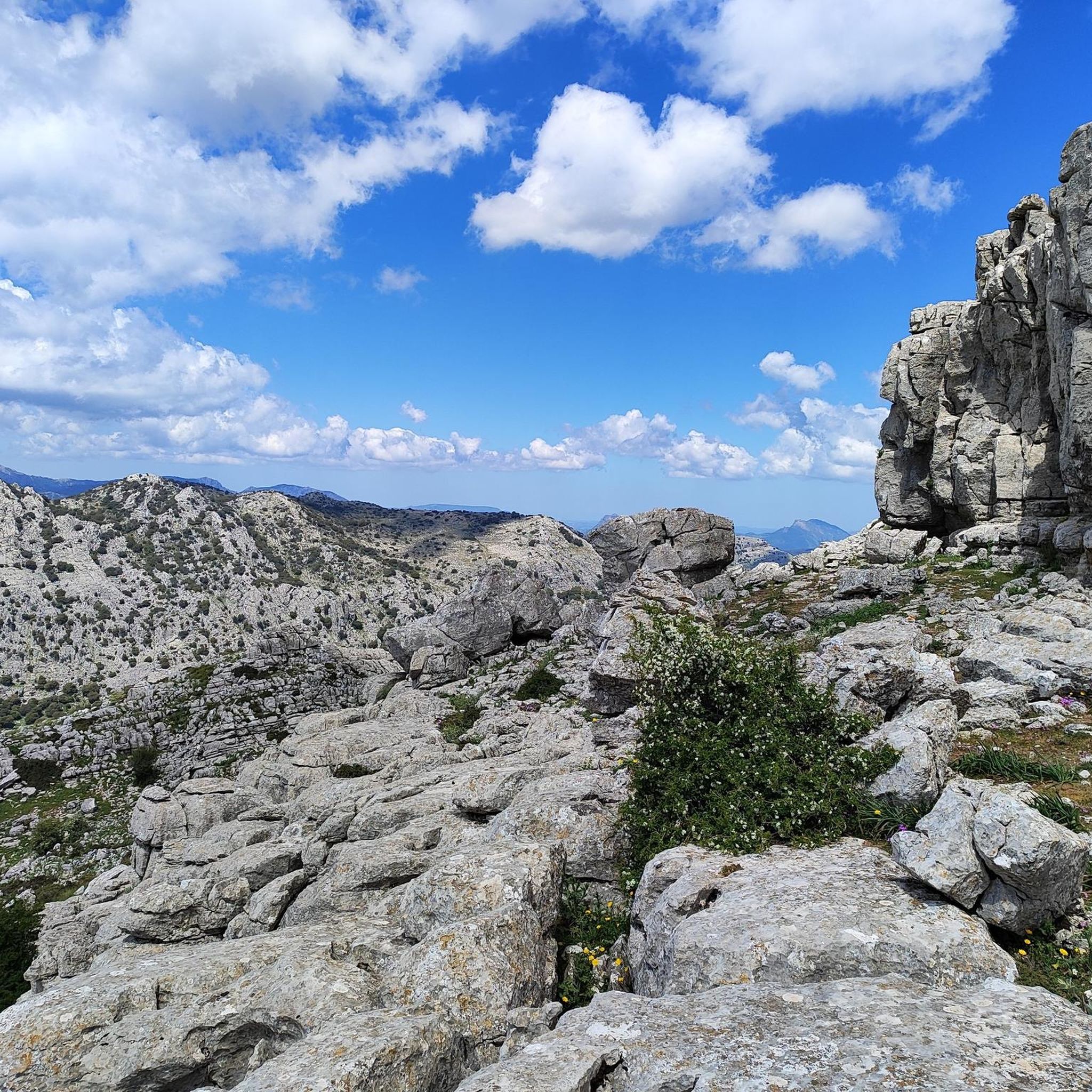
MTB Trails around Jimera De Líbar

Gravel biking around Jimera De Líbar

Tips from the Community

Above the gorge, so stately and refined, lies the Parador, with a view so pure. The palace embraces the mountains and stone, a place steeped in history, elegant and serene. The Tajo River sparkles, the Puente Nuevo nearby, whoever stays here feels Ronda's magic. A refuge of tranquility, of charm and splendor, where past and present gently await each other.
2
0

The view of Ronda from the plains is breathtaking and one of the most impressive panoramas in Andalusia. From the flat plain below the city, Ronda appears as a spectacularly situated cluster of whitewashed buildings perched on a high plateau, crisscrossed by the dramatic Tajo de Ronda gorge. Ronda is literally perched on the steep cliffs and seems almost interwoven with the landscape. Particularly striking is the Puente Nuevo (New Bridge), which connects the two parts of the city across the deep gorge. From the valley below, the bridge appears monumental and showcases the engineering skills of the 18th century.
4
0

From the new bridge there is a good view of Puente Viejo: an old stone bridge that is one of three bridges that spans the deep Tajo de Ronda gorge with the Guadalevín river in it.
19
1
A very popular location. The main building is the old town hall of Ronda, built in the 18th century, of which the original main facade with an arcaded gallery, cornices and the traditional clock still remains today. The rest of the complex is located on the site where the Plaza de Abastos Central was until 1974 and on other adjacent plots where a cable car station over the Tajo de Ronda was to be built. The current hotel "Parador de Ronda" is part of the network of National Tourism Paradors and is located in the center of the city of Ronda. Most Paradores in Spain are located in historically significant places or in outstanding landscape locations and often offer remarkably beautiful views. The hotel opened in 1994, is located on the edge of the Tajo de Ronda and next to the Puente Nuevo and offers views of the Tajo Gorge and the Los Molinos Valley with the Guadalevín River. There is a publicly accessible promenade around the Parador with terraces and viewing points. You don't have to stay in a hotel room - a short break on the outdoor terrace with coffee and cake is already a special experience. An extraordinary atmosphere combined with wonderful views and impressions. It will stay in your memory!
9
0

The Arab Bridge of Ronda or Puente de las Curtiderías is located a few meters from the famous Arab Baths of the city. It is accessed by going down from the old bridge and Arco de Felipe V. Popularly known as Puente Romano, there is nothing in the current plant that betrays such an origin. However, it cannot be ruled out that there was a bridge from Roman times in the same place, since the location was the only one that allowed access to the city from the north.
9
0
The Puente Árabe "Arab Bridge" is the oldest of the three bridges in Ronda. The stone bridge spans the Guadalevín River, which flows in the Tajo de Ronda gorge. The bridge is located outside the city walls of Ronda and is lower than the neighboring Puente Viejo.
12
0
The Puente Nuevo is certainly the most famous landmark of the city of Ronda. It spans the spectacular El Tajo gorge, which separates the old town "La Ciudad" from the newer town "El Mercadillo". The bridge is about 98 meters high and was built in the 18th century to connect the two parts of the city. The construction of the bridge began in 1751, lasted 42 years, and was completed in 1793. The structure is made of massive stone and offers breathtaking views of the surrounding mountains and the gorge below. Inside the bridge, there is a small room that was formerly used as a prison. A symbol of Ronda's impressive architecture and history. The Puente Nuevo in Ronda is a real highlight and an absolute must for those seeking impressive views and an unforgettable experience. A visit to the Puente Nuevo is therefore not only a visual highlight but also an experience that combines history, nature, and adventure. There are places where you should have been. This is certainly one of them! The fascinating impressions leave a lasting impression.
17
1

The oldest of the three bridges spanning the gorge that separates the old town from the new town. Nearby also the old baths.
1
0
Frequently Asked Questions
What historical and cultural sites can I explore in Jimera de Líbar?
Jimera de Líbar offers several historical and cultural points of interest. You can visit the Our Lady of the Rosary Church in the main village, which features a typical Andalusian facade. The Hermitage of the Virgen de la Salud, located near the train station, is dedicated to the town's patron saint. Additionally, the village's narrow, winding streets and whitewashed houses showcase clear Moorish influences. For a deeper historical dive, the archaeological site of Finca El Tesoro, about 4 kilometers away, is believed to be a Phoenician necropolis dating back to the 7th or 6th century B.C.
Are there any significant natural attractions or viewpoints around Jimera de Líbar?
Yes, Jimera de Líbar is nestled within the stunning Sierra de Grazalema Natural Park, offering diverse natural beauty. The village itself is in the picturesque Guadiaro Valley, with the River Guadiaro providing scenic walks. For panoramic views, consider visiting the Cross of Ventura, which overlooks the Guadiaro Valley. While not directly in Jimera de Líbar, the famous Tajo de Ronda (Ronda Gorge) is a prominent natural feature nearby, offering dramatic landscapes.
What kind of outdoor activities are available near Jimera de Líbar?
The area around Jimera de Líbar is a paradise for outdoor enthusiasts. You can find numerous hiking trails within the Sierra de Grazalema Natural Park, connecting Jimera de Líbar to other municipalities. The River Guadiaro also offers opportunities for canoeing and scenic walks. For specific routes, explore the hiking guide for Jimera de Líbar, which includes trails like the 'Tajo del Abanico' and 'Hermitage Pond' loops. There are also options for running and cycling.
Are there family-friendly attractions or activities in the area?
Families can enjoy the natural surroundings of Jimera de Líbar, with many easy walks along the Guadiaro River. The Cuenca Gardens in Ronda are also noted as family-friendly, offering beautiful terraced gardens with views of the gorge. Exploring the historic Jimera de Líbar Railway Station can also be an interesting outing for all ages.
What is the best time of year to visit Jimera de Líbar for outdoor activities?
The best time to visit Jimera de Líbar for outdoor activities like hiking and cycling is typically during the spring (April to June) and autumn (September to November). During these seasons, the weather is milder and more pleasant for exploring the natural parks and trails. Summers can be very hot, while winters are generally mild but can have more rainfall.
Can I find unique historical structures like old mills or bridges?
Yes, the region is rich in such structures. You can visit Molino La Flor, an old watermill resting on the remains of a Roman bridge, which has been restored and converted into tourist accommodation. In nearby Ronda, the Arab Bridge of Ronda is the oldest of the three bridges spanning the Guadalevín River, offering a glimpse into ancient engineering.
Are there any famous caves or archaeological sites nearby?
Beyond the local Finca El Tesoro archaeological site, the renowned Cueva de la Pileta (Pileta Cave) is a significant nearby attraction, approximately 10 minutes from Jimera de Líbar. It is famous for its prehistoric paintings, offering a fascinating look into ancient human history in the region.
What are some popular viewpoints to see the landscape around Jimera de Líbar?
For breathtaking views, the Cross of Ventura provides panoramic vistas of the Guadiaro Valley. In Ronda, the Parador of Ronda, situated next to the Puente Nuevo, offers unparalleled views of the Tajo Gorge and the Los Molinos Valley. The Cuenca Gardens also provide spectacular stepped terraces overlooking the Tajo de Ronda.
Is public transport available to reach attractions or trailheads from Jimera de Líbar?
Jimera de Líbar has a railway station, built in 1892, which is part of the scenic train line connecting Algeciras to Ronda. This can be a convenient way to access nearby towns and their attractions. For specific trailheads, local bus routes or taxis might be necessary, as direct public transport to all remote starting points may be limited. It's advisable to check local schedules for the most up-to-date information.
What do visitors enjoy most about the attractions around Jimera de Líbar?
Visitors frequently appreciate the blend of historical landmarks and stunning natural beauty. The dramatic views from sites like the Puente Nuevo in Ronda and the deep Tajo de Ronda are often highlighted. The serene atmosphere of Jimera de Líbar itself, with its traditional Andalusian charm and access to extensive hiking routes within the Sierra de Grazalema Natural Park, also receives high praise.
Are there any specific regulations for hiking in the Sierra de Grazalema Natural Park, such as permits?
The Sierra de Grazalema Natural Park is a protected area, and some specific routes or areas, particularly those with sensitive ecosystems or during certain seasons (e.g., fire risk periods), may require permits. It's always recommended to check with the park authorities or local tourist information centers in advance, especially for less common trails, to ensure compliance with any regulations.
Can I find places to eat or drink in Jimera de Líbar village?
Yes, Jimera de Líbar, though a small village, offers local cafes and pubs where you can enjoy traditional Andalusian cuisine and refreshments. These establishments provide a taste of local life and are often found in the village center, perfect for a break after exploring the area.
Most popular routes around Jimera De Líbar
Most popular attractions around Jimera De Líbar

Get inspired with the komoot mobile app


Explore more
Still not found the Highlight you’re looking for? See guides of the top attractions in other regions:
