Attractions and Places To See around San Pedro Del Romeral - Top 20
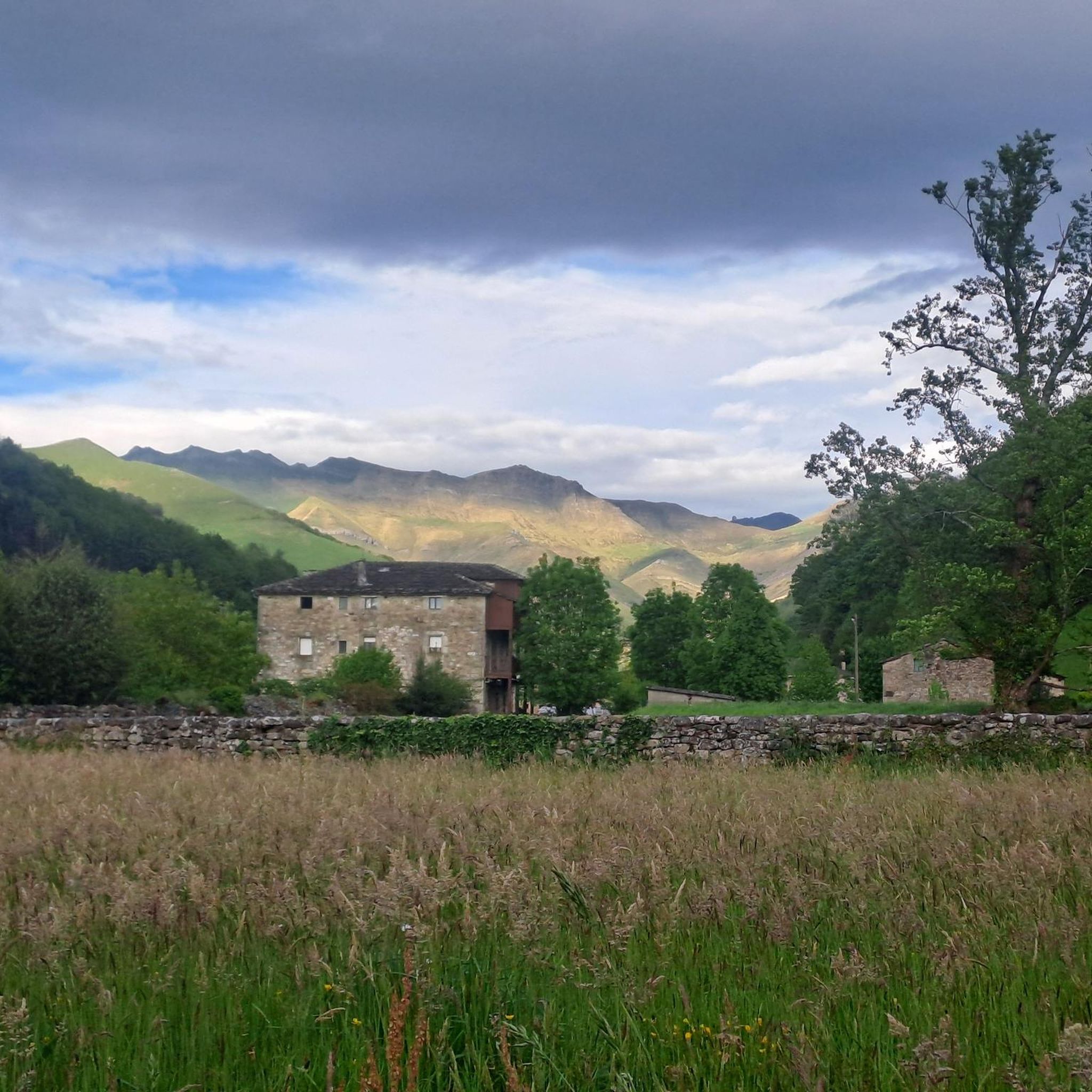
Best attractions and places to see around San Pedro Del Romeral are found within the Pasiegos Valleys of Cantabria. This region is characterized by its unique Pasiego identity, reflected in its natural beauty and cultural heritage. The landscape features stunning mountain scenery, lush valleys, and traditional stone constructions known as Pasiego Huts. Visitors can explore a variety of natural and historical sites.
Best attractions and places to see around San Pedro Del Romeral
- The most popular attraction is Estacas de…
Last updated: July 7, 2026
Castro Valnera Summit
Highlight • Summit
Translated by Google •
Tip by

Hermitage of San Bernabé of Ojo Guareña
Highlight • Religious Site
Translated by Google •
Tip by

Sign up now to discover places like this
Get recommendations on the best single tracks, peaks, & plenty of other exciting outdoor places.
Sign up for free
Yera ghost station
Highlight • Monument
Translated by Google •
Tip by

Engaña Tunnel
Highlight • Structure
Translated by Google •
Tip by
Estacas de Trueba Pass
Highlight • Mountain Pass
Translated by Google •
Tip by

Sign up for free to discover even more attractions around San Pedro Del Romeral.
Sign up for free
Already have an account?
Start today with a free account
Your next adventure awaits.
Login or Signup
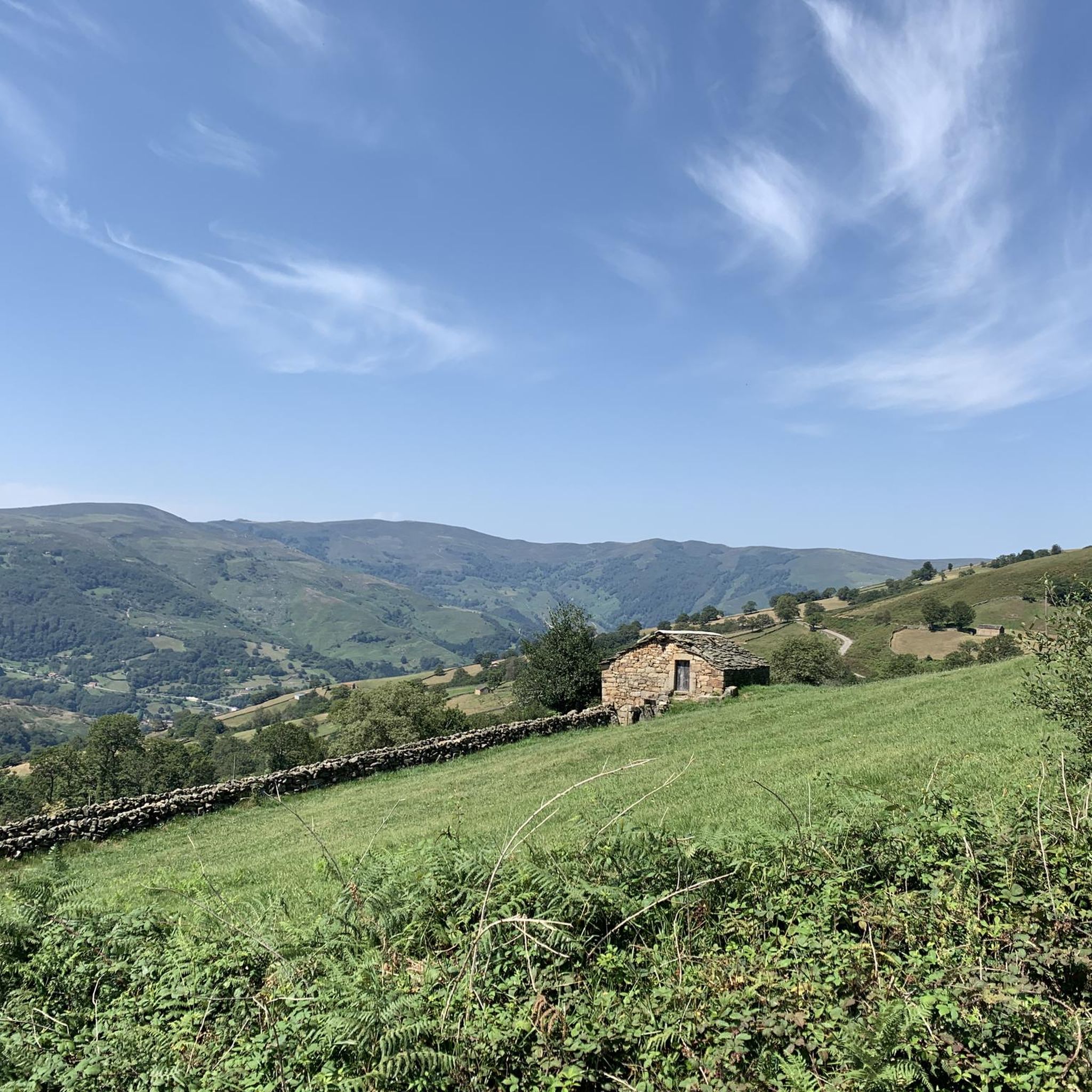
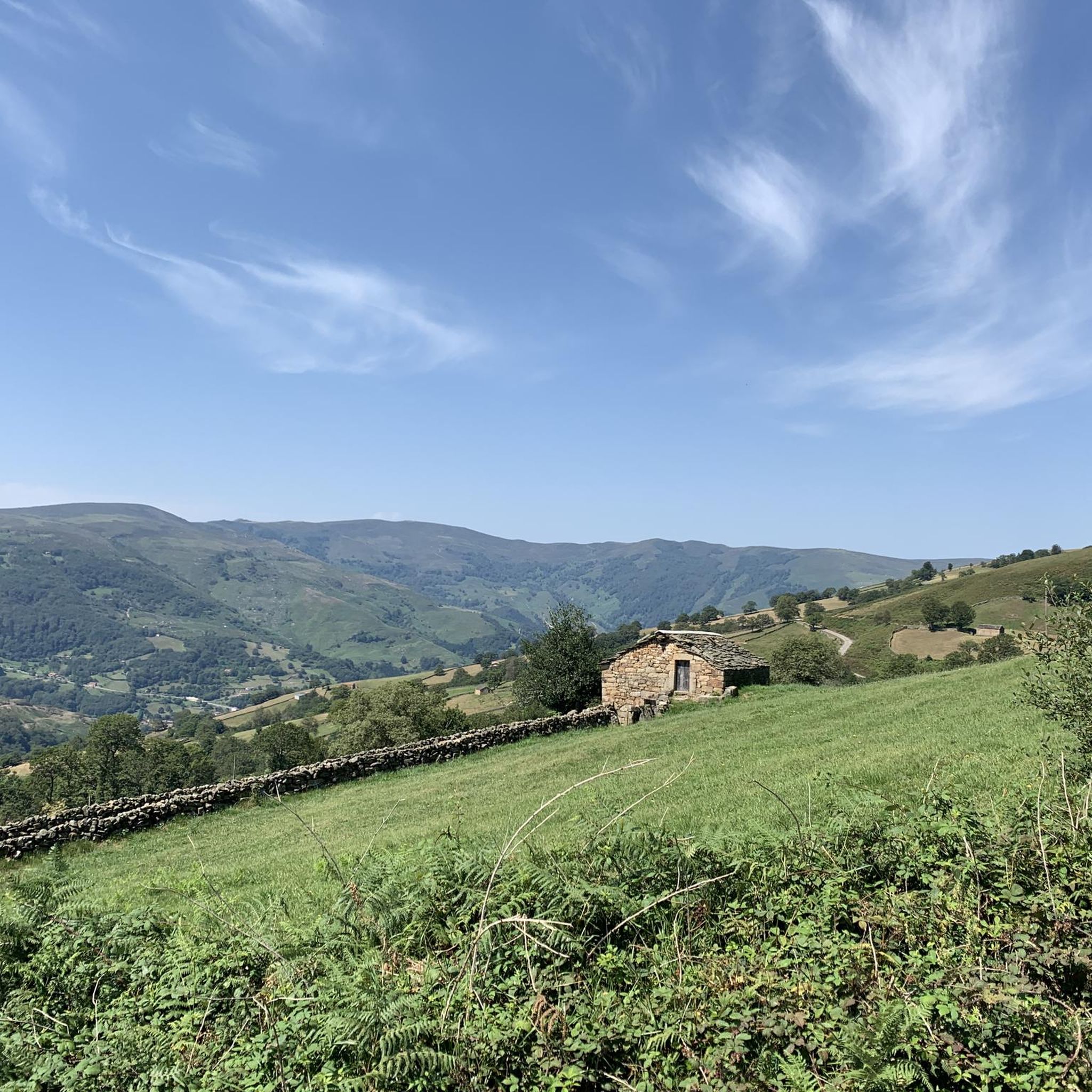
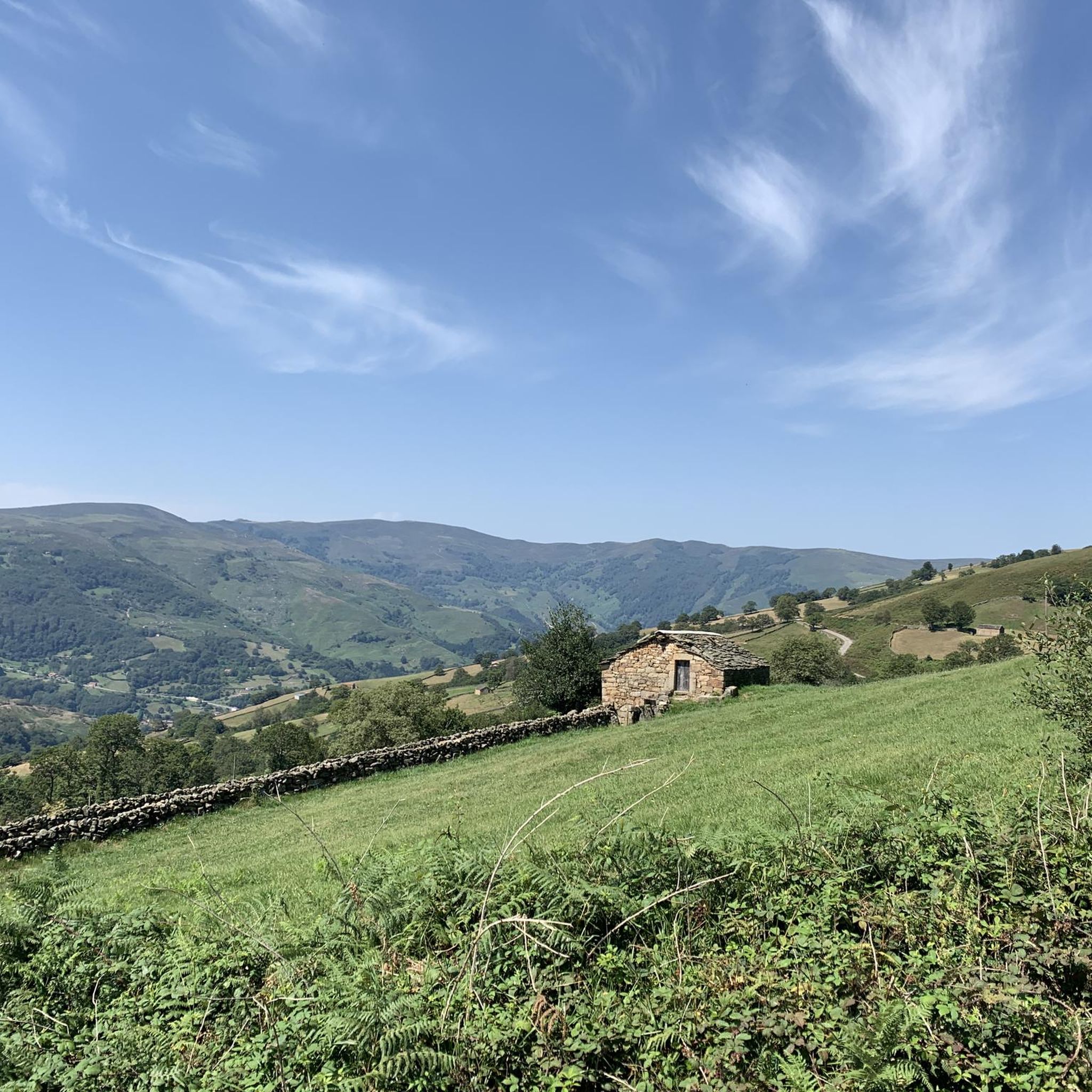
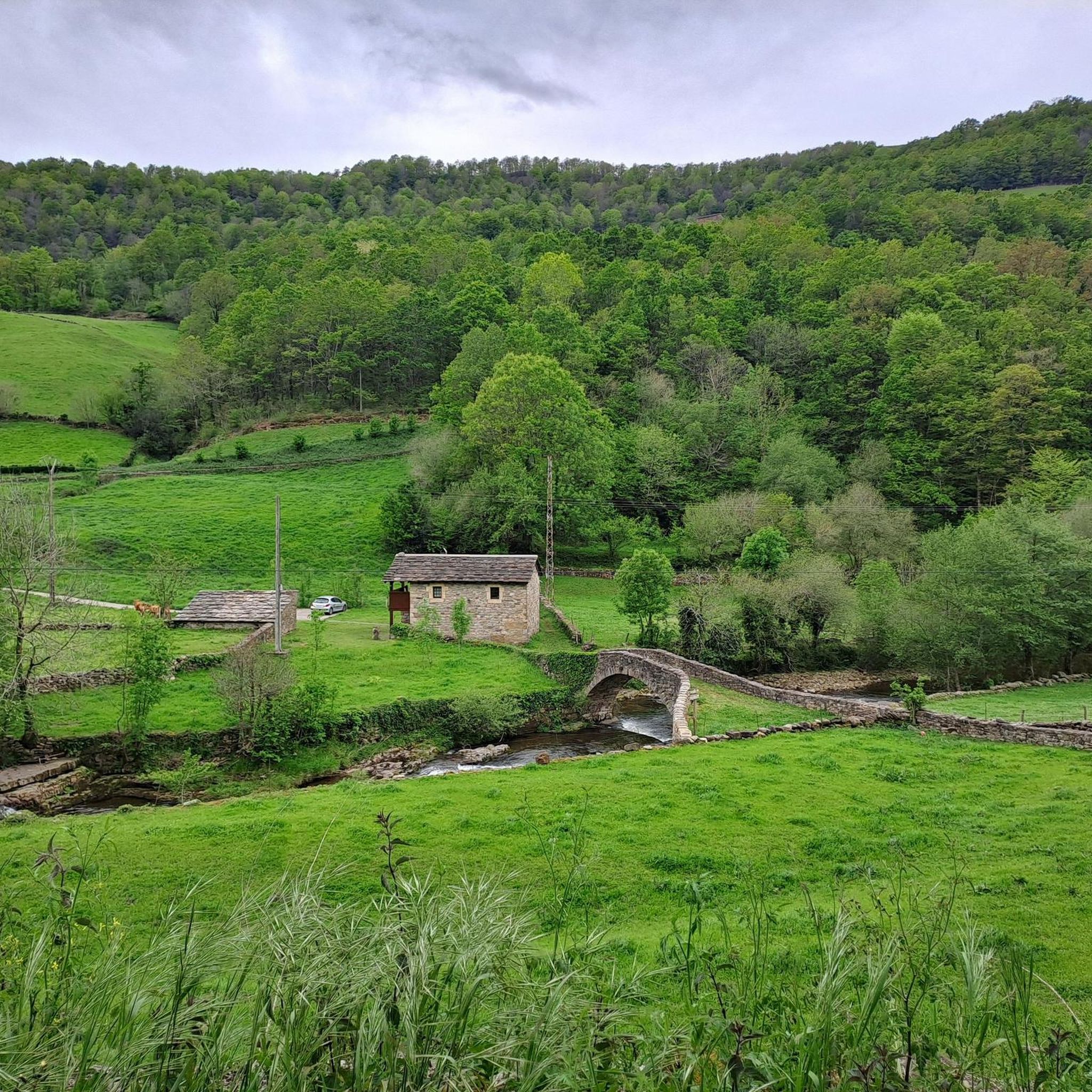
Tips from the Community

A demanding but VERY beautiful route. The Estacas de Trueba pass is absolutely spectacular!
0
0

Yera Station is an old railway station located in the municipality of Vega de Pas, Cantabria. It was part of the Santander-Mediterranean railway project, which was never completed. The station is abandoned and is located near the northern mouth of the Engaña Tunnel. In 2022, the Government of Cantabria approved a rehabilitation project to convert the station into a hostel, exhibition hall and restaurant, with the aim of promoting sustainable tourism in the area. This project also includes the creation of a cycle and pedestrian path to the tunnel.
4
0
The route to the tunnel begins at the ruins of the Yera station, near Vega de Pas. Along the way, you can see waterfalls, Pasiegan huts and remains of old barracks used by the Republican prisoners who worked on the construction of the tunnel. It is a route of approximately 18 km, well signposted and suitable for hikers of all levels.
4
0

The hermitage of San Bernabé is located at the main entrance of the Ojo Guareña Karst Complex and is part of the caves. Located in the municipality of Cueva de Sotoscueva. The date of its construction is unknown, some place it between the 8th and 9th centuries, but it is also believed to be from the 13th century.
0
0

The panoramic views from the top are spectacular
2
0

It is striking to find this old station, in the middle of the mountains.
1
0

In the Merindades region to the north of Burgos is the Cueva Ermita de San Bernabé, located at the main entrance of the karstic complex of the Ojo Guareña Natural Monument, a hermitage that was previously dedicated to San Tirso and later San Bernabé
0
0
Castro Valnera is a beautiful, formidable mountain with its 1,718 meters. It is the highest in the eastern sector of the Cantabrian mountain range.
10
1
Frequently Asked Questions
What unique cultural aspects can I explore in San Pedro del Romeral?
San Pedro del Romeral is deeply rooted in the unique Pasiego identity. You can learn about the traditional Pasiego lifestyle, including the semi-transhumant practice of "muda" (seasonal movement of livestock and families) and the use of "cuévanos" (large woven baskets). The Yera ghost station and the nearby Engaña Tunnel also offer a glimpse into an ambitious historical railway project that shaped the region.
Are there any significant historical or religious buildings to visit?
Yes, the region features several notable historical and religious sites. The 18th-century Church of San Pedro del Romeral is a key example of artistic expression in the higher Pas region, housing a 17th-century altarpiece. Additionally, the Hermitage of San Bernabé of Ojo Guareña is a unique religious building integrated directly into a cave system, offering a fascinating historical and natural experience.
What are the best natural viewpoints in the area?
For breathtaking panoramic views, consider visiting the Estacas de Trueba Pass, which offers expansive vistas of the valley and features ancient Castilian stone signage. Another excellent spot is the Castro Valnera Summit, the highest peak in the eastern Cantabrian mountain range, providing extensive views of the Cantabrian area and mountains on a clear day.
What kind of hiking trails are available near San Pedro del Romeral?
The area around San Pedro del Romeral offers a variety of hiking opportunities. You can find trails that lead to natural features and historical sites. For specific routes, explore the hiking guide for San Pedro del Romeral, which includes routes like the circular trail to Túnel de la Engaña by Arroyo Aján or the Aján River Waterfalls loop.
Are there any family-friendly activities or attractions?
While specific family-friendly attractions are not detailed, the natural environment offers opportunities for families to explore. The Ruta de las Cascadas y los Molinos, near the Bustaleguín neighborhood, is a circular trail along the Barcelada River featuring waterfalls and old mills, which can be an enjoyable and tranquil outing for families. The Interpretation Center of the Pasiego Landscape and Way of Life also provides an educational experience suitable for all ages.
Where can I see traditional Pasiego architecture?
The traditional Pasiego Huts (Cabañas Pasiegas) are a defining characteristic of the landscape around San Pedro del Romeral. These stone constructions were historically used for semi-transhumant livestock farming and represent a significant ethnographic interest. You'll encounter them throughout the lush valleys and steeply sloped meadows of the region.
What natural parks or significant natural features are nearby?
Beyond the immediate vicinity, the region boasts significant natural features. The Ojo Guareña Natural Monument, a large karst complex, is located approximately 15.2 km away. Additionally, the Collados del Asón Natural Park offers excellent opportunities for trekking, birdwatching, and experiencing diverse flora and fauna.
What is the significance of the Yera ghost station and Engaña Tunnel?
The Yera ghost station and Engaña Tunnel are remnants of the ambitious, uncompleted Santander-Mediterranean railway project. The station, though never inaugurated, features finished platforms and offers spectacular views. The nearly 7-kilometer-long Engaña Tunnel, while mostly collapsed inside, symbolizes the grand scale of the project. There are plans to rehabilitate Yera station into a sustainable tourism hub.
What kind of cycling routes are available in the area?
San Pedro del Romeral and its surroundings are popular for cycling. You can find various routes for touring bicycles, road cycling, and mountain biking. For detailed options, refer to the cycling guide or the road cycling guide for San Pedro del Romeral, which list routes like the challenging Church of Vega de Pas – Puerto de las Estacas loop.
What local gastronomy should I try in San Pedro del Romeral?
When visiting San Pedro del Romeral, be sure to explore the local gastronomy. The region is known for its traditional Cantabrian cuisine. A popular local product to try is "Sobaos Etelvina Sañudo," a type of sponge cake, often enjoyed with coffee or as a dessert.
Are there any less crowded or 'hidden gem' attractions?
While the main attractions are well-known, exploring the smaller hermitages like Ermita del Rosario in the Bustiyerro neighborhood can offer a quieter experience. Additionally, seeking out the numerous Pasiego Huts scattered across the landscape provides a glimpse into the region's unique heritage away from more frequented spots.
What is the Interpretation Center of the Pasiego Landscape and Way of Life?
The Interpretation Center of the Pasiego Landscape and Way of Life, located in the local town hall, serves as a hub for understanding the region's unique heritage. It features ethnographic exhibits alongside photographic and audiovisual displays, providing valuable context for visitors interested in the Pasiego culture and guiding them to other attractions in the area.
Most popular routes around San Pedro Del Romeral
Most popular attractions around San Pedro Del Romeral

Get inspired with the komoot mobile app


Explore more
Still not found the Highlight you’re looking for? See guides of the top attractions in other regions:
