The best cycling routes around Querol
4.5
(16)
444
riders
57
rides
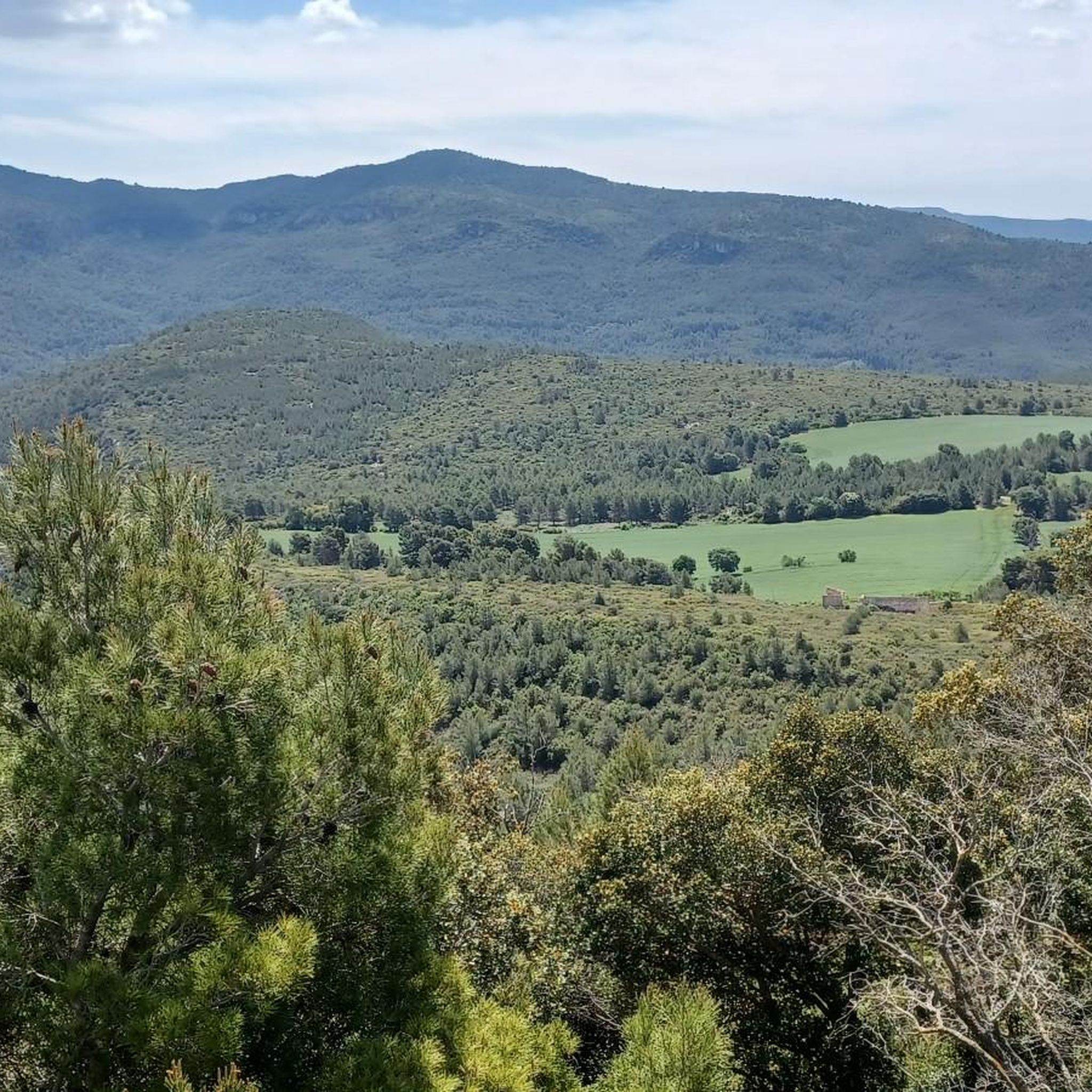
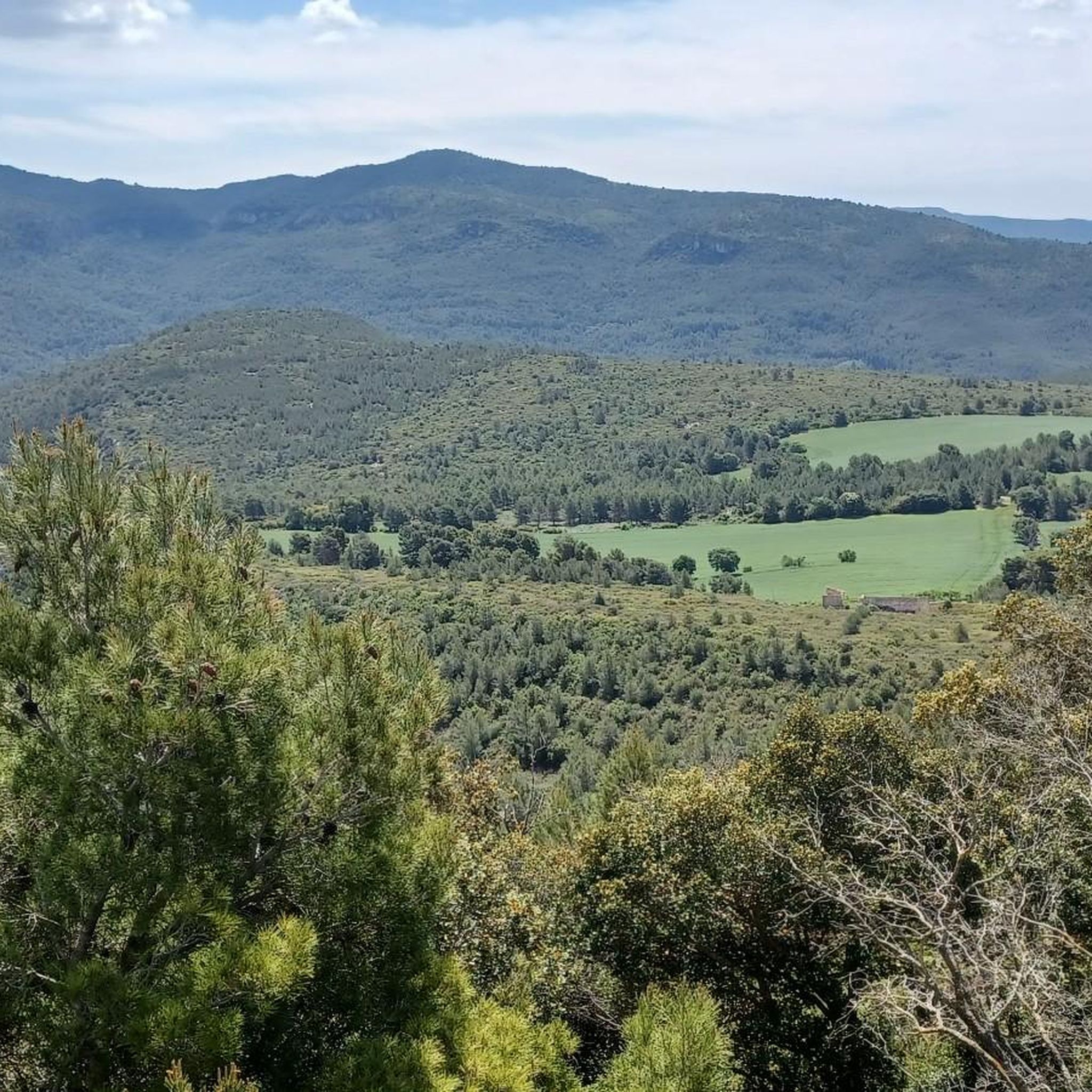
Touring cycling routes around Querol traverse a diverse landscape within the Alt Camp comarca of Tarragona, Catalonia. The region features smooth, generally low-traffic roads with varied gradients and significant elevation changes, including challenging climbs. Cyclists can expect to encounter areas with historical landmarks such as castles and churches, alongside natural elements like the Gaià river. This varied terrain provides options for different skill levels, from moderate paths to more demanding ascents.
Best touring cycling routes around Querol
- The most popular…
Last updated: May 20, 2026
34.2km
02:36
360m
360m
Moderate bike ride. Good fitness required. Mostly paved surfaces. Suitable for all skill levels.
22
riders
70.0km
04:48
1,050m
1,050m
Hard bike ride. Very good fitness required. Mostly paved surfaces. Suitable for all skill levels.

Sign up for free
15
riders
32.2km
02:12
570m
570m
Hard bike ride. Very good fitness required. Mostly paved surfaces. Suitable for all skill levels.
10
riders
34.0km
03:39
830m
830m
Hard bike ride. Very good fitness required. Mostly paved surfaces. Suitable for all skill levels.
6
riders
38.3km
02:33
610m
610m
Hard bike ride. Very good fitness required. Mostly paved surfaces. Suitable for all skill levels.
Get access to more routes and recommendations from other explorers.
Sign up for free
Already have an account?
Our route recommendations are based on thousands of hikes, rides, and runs completed by other people on komoot.
Start today with a free account
Your next adventure awaits.
Login or Signup

Tips from the Community

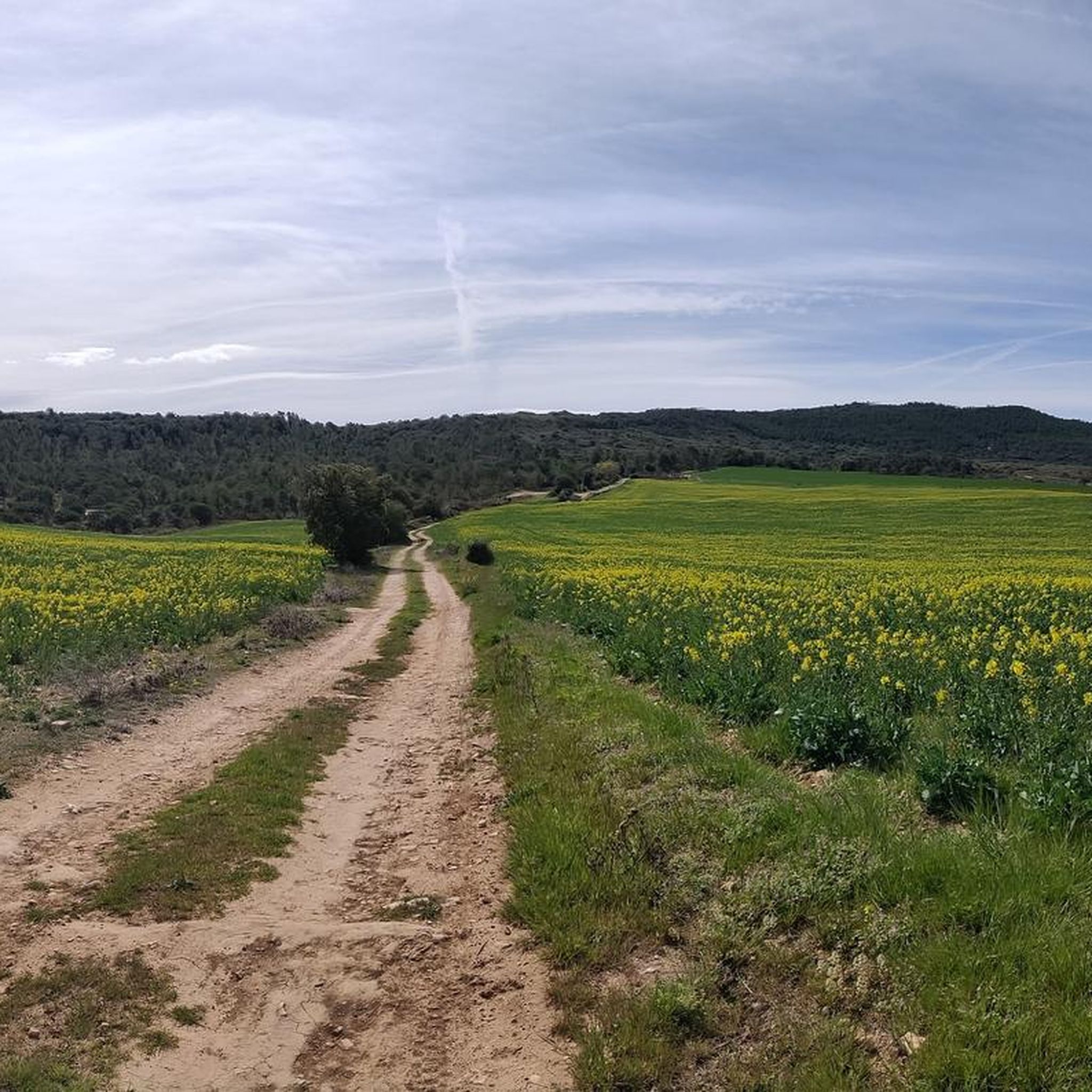
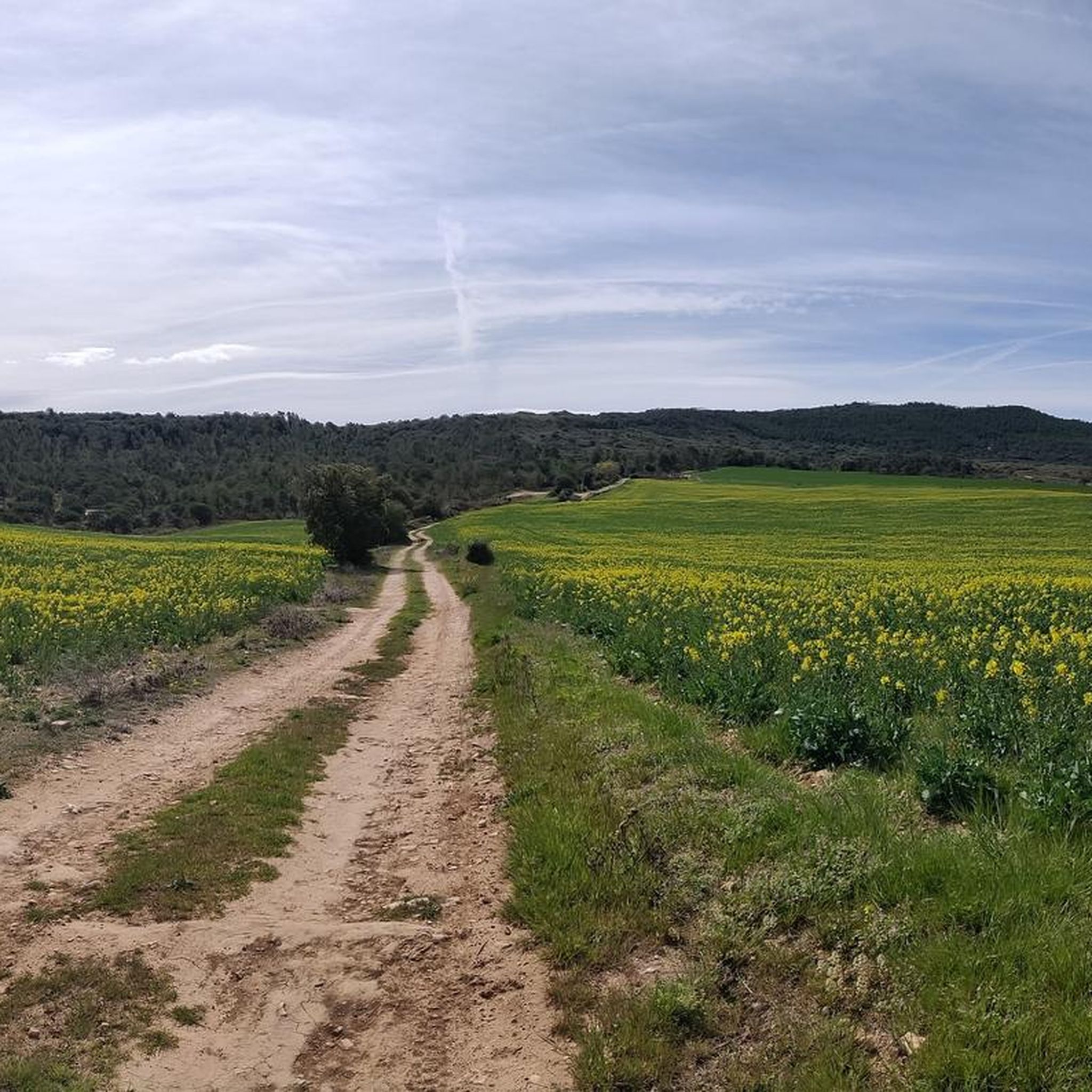
In the Plana d'Aiguaviva, the vineyards bring seasonal color and beautify the landscape on both sides of the road.
1
0

It's worth it, it's a Cistercian monastery
0
0

The path is very easy and pleasant.
0
0

The remains of an aqueduct from the late Roman period (4th or 5th century) are preserved near the Arcs farmhouse. Three sections remain standing, a group of three arches of 12.7 meters, a solitary arch, and another group of two arches, which is 8.7 meters. The height of the aqueduct is about 4 meters. It is built with local stone bound with mortar. It seems that it was used to supply water to a large Roman villa located where the Arcs farmhouse is now. It is of particular interest given the scarcity of remains of this type in Catalonia. Source: https://www.poblesdecatalunya.cat/element.php?e=1435
0
0

It is located in a rural environment of vine cultivation that has certainly been a mute witness to conflicts between the farmers, to dead rabassa contracts, to the appearance of phylloxera... but also to the prosperity of its inhabitants, of demographic growth, changes... Sant Joan de Lledó is a small church of Romanesque origin, whose factory has been modified over the years. It is one of the many testimonies that are part of the repopulating movement of these borderlands. It is a chapel with a single rectangular nave with an added side building, the sacristy, which has the shape of a pre-Romanesque apse. It has lateral buttresses and a raised apse, with a Romanesque window, in the Baroque period. It has a door on the west facade with an archivolt and above it, an open bull's eye and a redone bell tower. The chapel is located in the middle of vineyards, almond trees and olive trees.
0
0


The Monastery of Santa María de Santes Creus is a Cistercian abbey built in the 12th century. The grandeur of the monastery is due to the donations received from the nobility who wanted to be buried here.
1
0
Sant Martí Sarroca is a municipality in the Alt Penedès region. As is typical of this region, the town is surrounded by extensive vineyards and rolling hills. On the outskirts of the urban area, the monumental complex of Sa Roca stands out, where a medieval castle and hermitage are preserved.
0
0
Frequently Asked Questions
What kind of terrain can I expect on touring cycling routes around Querol?
Querol offers a diverse landscape with smooth, generally low-traffic roads. You'll encounter varied gradients and significant elevation changes, including challenging climbs like the Port de Querol. The region's routes are well-regarded for their mix of quiet roads and varied inclines, suitable for different skill levels.
Are there routes suitable for beginners or less experienced touring cyclists in Querol?
Yes, while Querol is known for its challenging climbs, there are routes suitable for moderate skill levels. For example, the Cistercian Route: Santes Creus and Figuerola del Camp Loop is a moderate 34.2 km trail that offers a blend of cultural interest and varied terrain without extreme difficulty.
What historical landmarks can I see along the touring cycling routes in Querol?
The touring cycling routes in Querol often pass through areas rich in history. You can expect to encounter historical landmarks such as castles and churches. The Cistercian Route: Santes Creus and Figuerola del Camp Loop, for instance, offers cultural interest alongside its varied terrain.
Are there any natural features or scenic viewpoints to discover while cycling in Querol?
Absolutely. Querol's natural beauty is a highlight for cyclists. You can explore natural elements like the Gaià river and its scenic pools. The region also features various mountain passes such as Coll de les Ventoses and Collet de la Serra, offering stunning views and diverse scenery.
What is the best time of year to go touring cycling in Querol?
While specific seasonal advice isn't provided, Catalonia generally offers pleasant cycling conditions during spring (April-May) and autumn (September-October) when temperatures are milder and the weather is typically stable. Summer can be hot, especially in July and August, while winter can be cooler with a chance of rain.
Are there any challenging routes for experienced touring cyclists?
Yes, Querol is well-suited for experienced cyclists looking for a challenge. Routes like the Vilafranca – Hermitage of Sant Joan de Lledó loop from la Llacuna are classified as difficult, featuring substantial elevation gain over its 70.0 km distance, taking approximately 4 hours and 48 minutes to complete.
How many touring cycling routes are available in Querol?
There are over 60 touring cycling routes available around Querol, catering to various skill levels. This includes 1 easy route, 22 moderate routes, and 38 difficult routes, ensuring options for every cyclist.
What do other touring cyclists say about the routes in Querol?
The routes in Querol are highly rated by the komoot community, with an average score of 4.5 stars from over 16 reviews. More than 400 touring cyclists have used komoot to explore Querol's varied terrain, often praising the smooth roads, varied gradients, and the presence of historical landmarks.
Are there any circular touring cycling routes in Querol?
Many of the touring cycling routes in Querol are designed as loops, allowing you to start and end at the same point. Examples include the Entrance to Sant Pau – Parish of Sant Jaume loop from la Torre, which is a 32.2 km trail through varied landscapes.
Where can I find parking for my bike when starting a route in Querol?
While specific parking information for each route is not detailed, it is generally advisable to look for parking in the main towns or villages that serve as common starting points for these routes. Many local municipalities offer public parking facilities.
Are there any lakes or rivers I can see along the cycling routes?
Yes, the region's natural features include the Gaià river and its scenic pools. You can also find highlights such as Formigosa Lake and the Natural pool of the Gaia River, which are part of the beautiful landscapes you'll encounter.
Can I find cafes or places to eat along the touring cycling routes in Querol?
While specific cafes or pubs are not listed for each route, the routes often pass through or near villages and towns within the Alt Camp comarca. These settlements typically offer local establishments where cyclists can stop for refreshments or a meal. It's always a good idea to check local amenities before you set off.
Most popular attractions around Querol

Get inspired with the komoot mobile app


Explore more
Browse the best Cycling routes in other regions.
