The best mountain hikes around Pau
5.0
(3)
9
hikers
4
hikes
Mountaineering around Pau is characterized by its direct proximity to the majestic Pyrenees Mountains, offering a diverse range of natural landscapes. The region features snow-capped peaks, vibrant green valleys, and varied mountain terrain with waterfalls, cliffs, and mountain lakes. Notable features include the iconic Pic du Midi d'Ossau and the extensive Ossau Valley, providing a dramatic backdrop for outdoor pursuits. The foothills of the Pyrenees offer a mix of challenging ascents and scenic trails.
Best mountaineering routes around Pau
- The most popular mountaineering route is Cova de Veta Negra – Sant Salvador Castle loop from Palau-saverdera, a 6.0 miles (9.6 km) trail that takes 3 hours 56 minutes to complete. This moderate route explores historical sites and natural caves.
- Another top favourite among local mountaineers is Cova de Veta Negra – Sant Salvador Castle loop from Palau-saverdera, a difficult 4.2 miles (6.7 km) path. This route offers challenging terrain with rewarding views of the surrounding landscape.
- Local mountaineers also love the Cova de Veta Negra – Sant Salvador Castle loop from Monestir de Sant Pere de Rodes, a 4.1 miles (6.6 km) trail leading through historical monastery grounds and varied terrain, often completed in about 2 hours 42 minutes.
- Mountaineering around Pau is defined by the rugged Pyrenees Mountains, lush green valleys, and diverse mountain landscapes, including waterfalls and cliffs. The network offers options for different ability levels, from moderate ascents to more challenging high-altitude routes.
- The routes in Pau are highly rated by the komoot community with an average score of 5.0 stars from over 4 reviews. More than 10 mountaineers have used komoot to explore Pau's varied terrain.
Last updated: June 28, 2026
5.0
(1)
4
hikers
Hard mountaineering route. Good fitness required. Sure-footedness, sturdy shoes and alpine experience required.
1
hikers
Moderate mountaineering route. Good fitness required. Mostly accessible paths. Sure-footedness required.

Sign up for free
5.0
(2)
2
hikers
9.39km
03:34
420m
410m
Hard mountaineering route. Good fitness required. Sure-footedness, sturdy shoes and alpine experience required.
2
hikers
Moderate mountaineering route. Great for any fitness level. Mostly accessible paths. Sure-footedness required.
Our route recommendations are based on thousands of hikes, rides, and runs completed by other people on komoot.
Start today with a free account
Your next adventure awaits.
Login or Signup
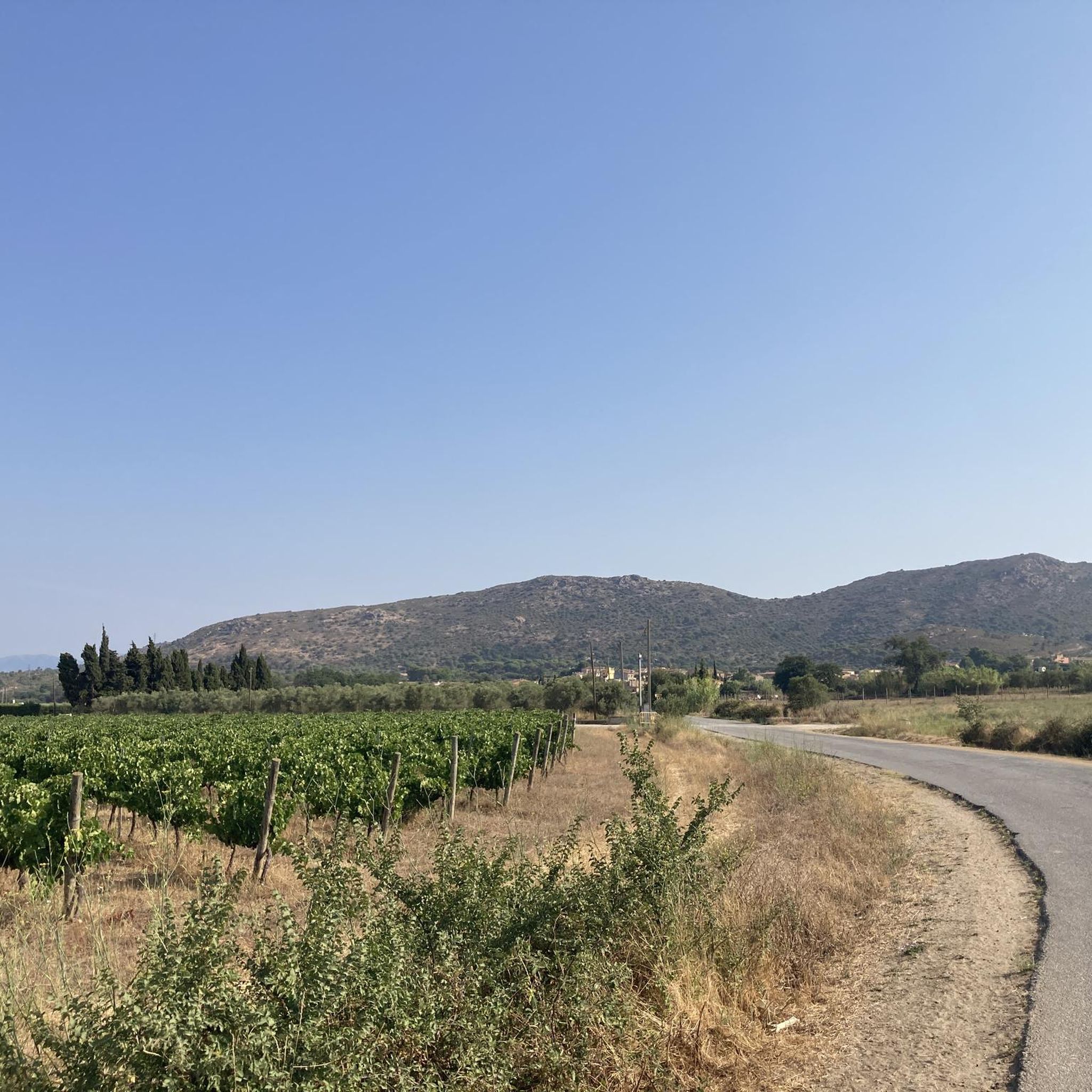
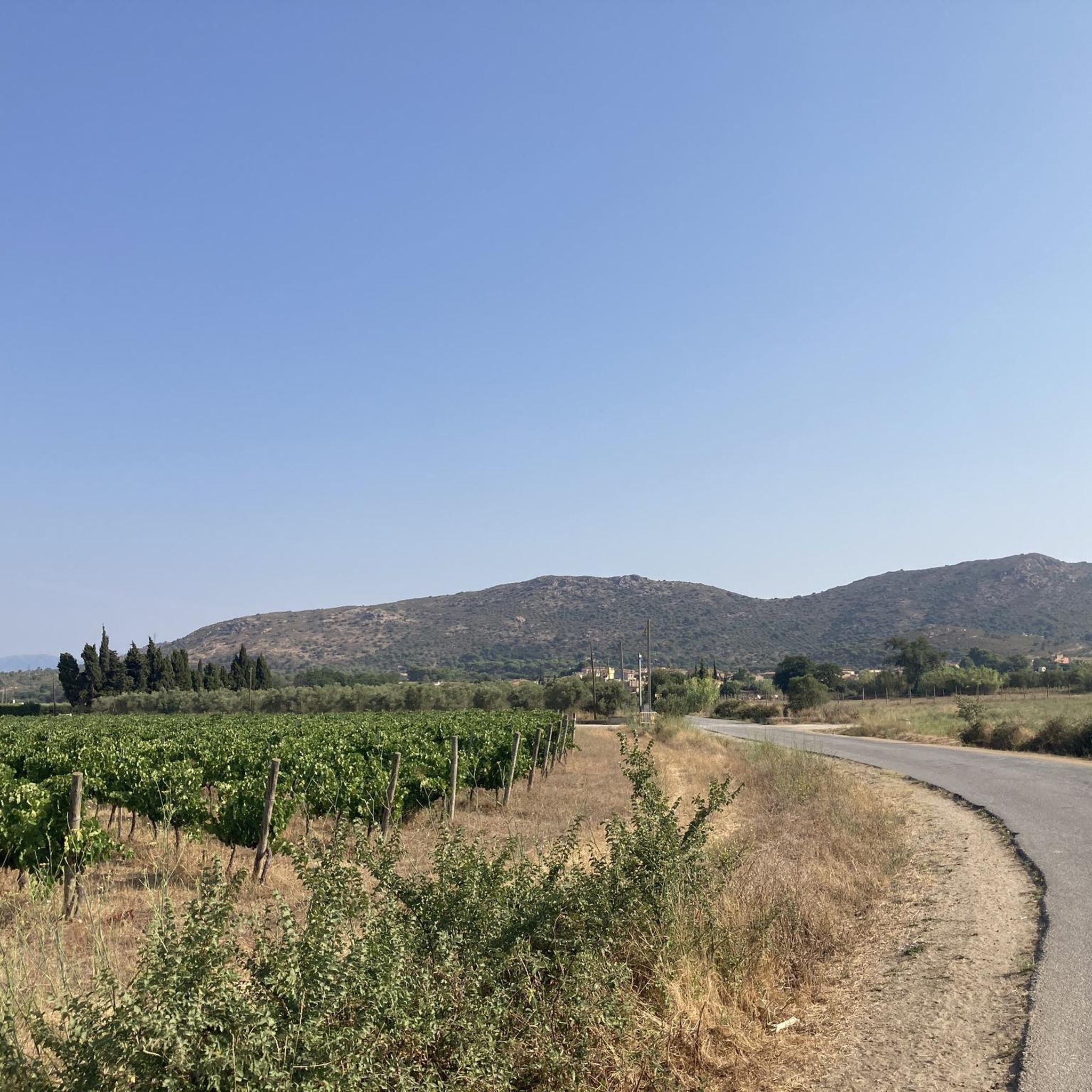
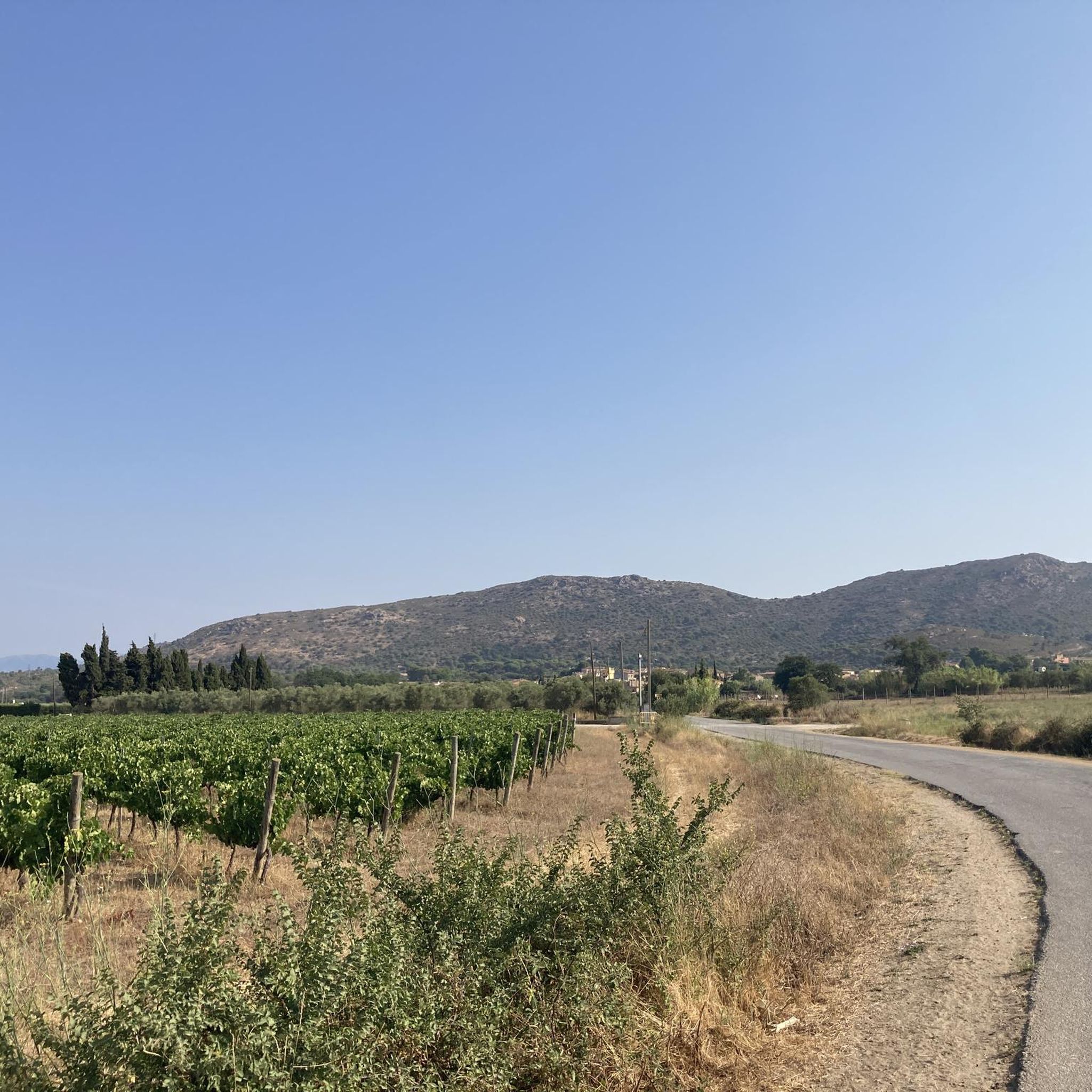
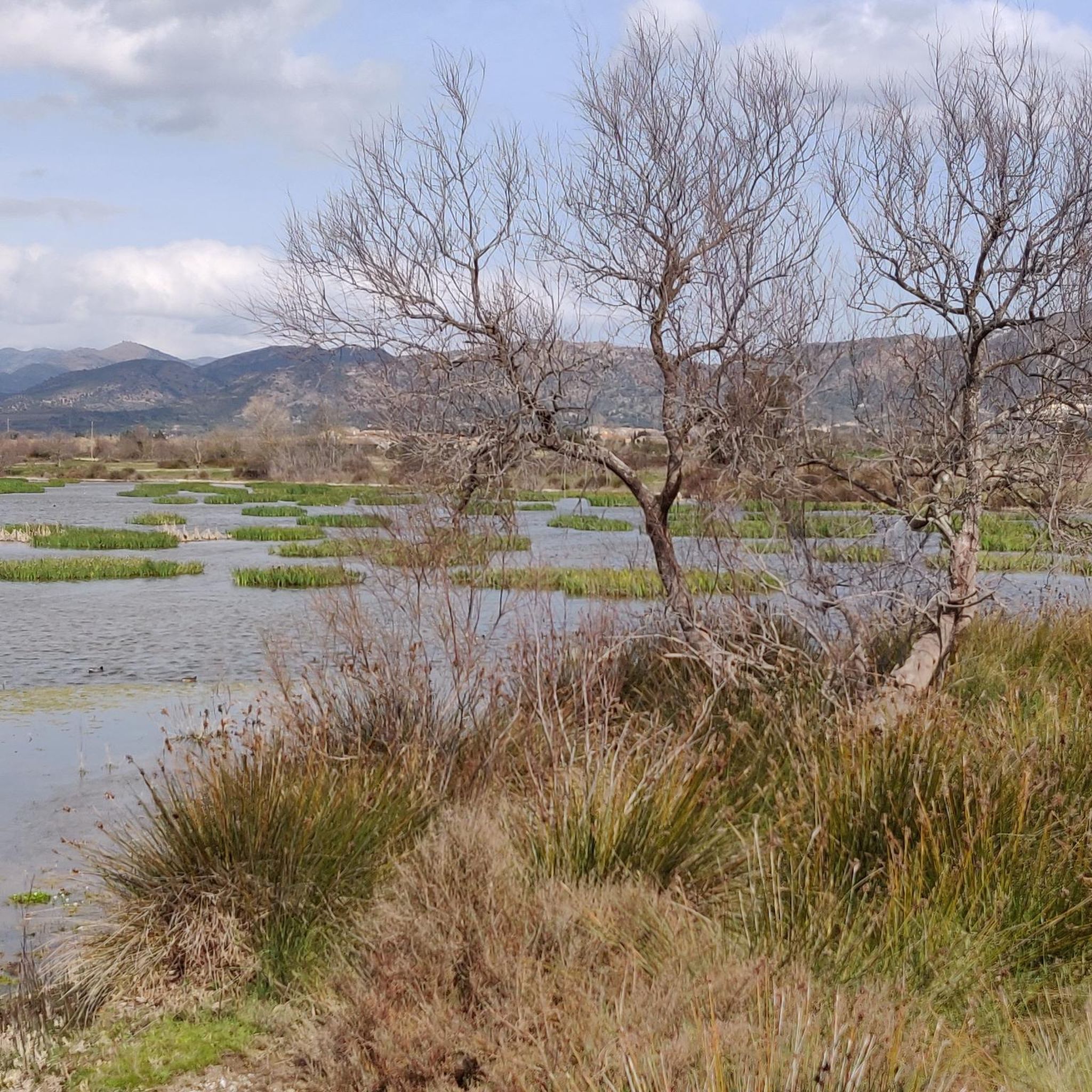
Tips from the Community

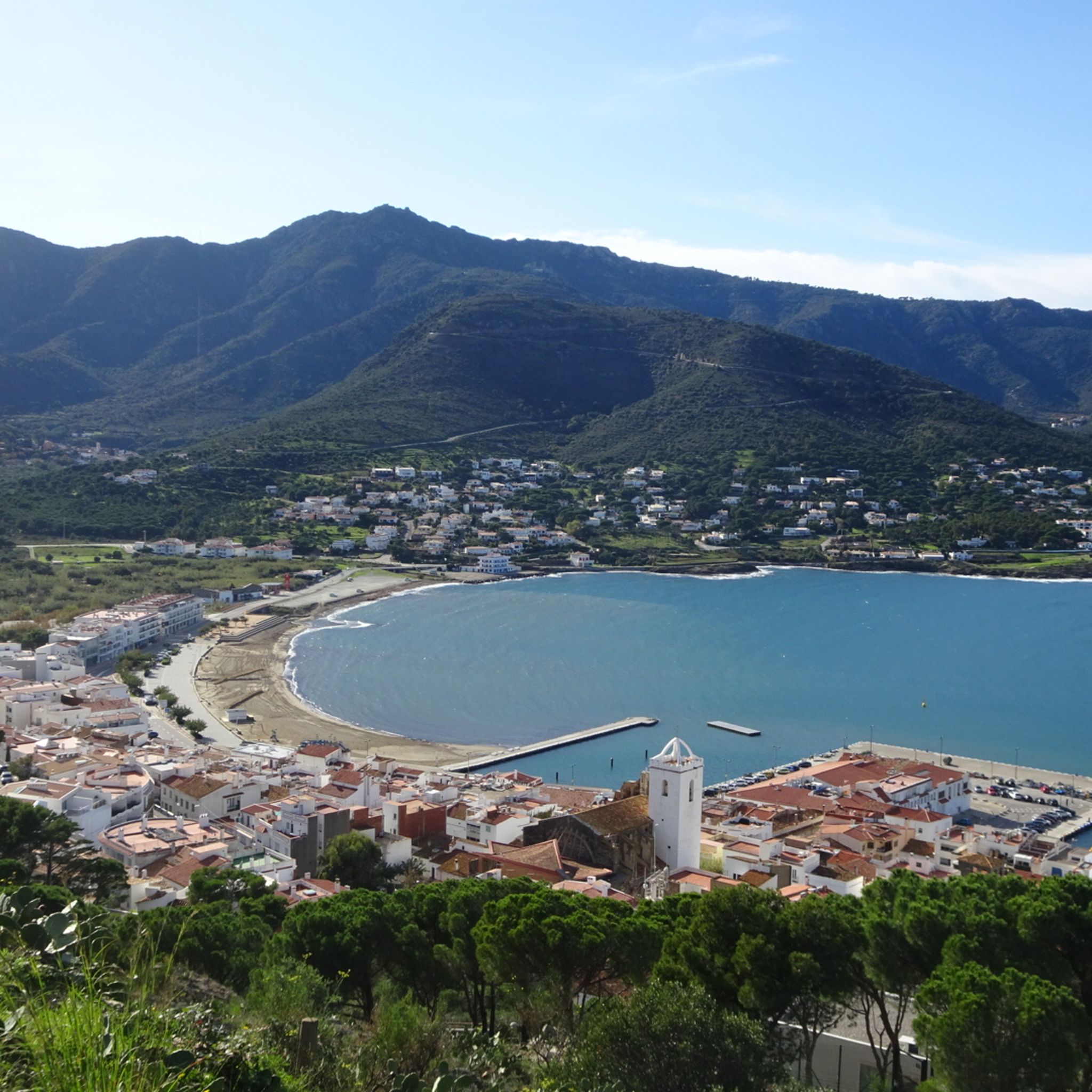
The view from the Benedictine abbey, founded in 878, across the sea, the bays and mountains of Cap de Creus is particularly magnificent.
0
0
Magnificent power tree
0
0

A huge cork oak, surely centuries old... Perfect for a stop and a few photos to remember, while you contemplate its grandeur...
0
0

A route to get started on and above all to look at the weather forecast, if it's windy you won't enjoy it.
2
0

Beautiful views of the Bay of Roses. Moderate path.
0
0

From the nearby car park you can start a short walk to the remains of Santa Creu de Rodes (Iglesia de Santa Helena) - or hike longer tours on the Way of St. James
1
0
From the nearby car park you can take a nice little walk to the remains of Santa Creu de Rodes (Iglesia de Santa Helena) and have a wonderful view
0
0

Nice walk between the cork oaks and the olive trees, the return path is easier, good for the knees...
0
0
Frequently Asked Questions
Are there mountaineering routes suitable for beginners around Pau?
Yes, the Pau region offers several moderate mountaineering routes perfect for those starting out. For example, the Sant Pere de Rodes Monastery loop from Monestir de Sant Pere de Rodes is a moderate 3.8-mile trail that provides a great introduction to the area's terrain without being overly strenuous.
What are some challenging mountaineering routes near Pau?
For experienced mountaineers seeking a challenge, the Pau region, with its proximity to the Pyrenees, offers demanding trails. Consider the Puig de l'Àliga – Puig de la Sardina loop from Roses, a difficult 5.7-mile route with significant elevation gain, or the more intense Cova de Veta Negra – Sant Salvador Castle loop from Palau-saverdera, a difficult 4.2-mile path known for its challenging terrain.
Are there family-friendly mountaineering options in the Pau region?
While mountaineering routes generally require a certain level of fitness, some moderate trails around Pau can be suitable for active families. Shorter, less steep sections of routes like the Sant Pere de Rodes Monastery loop might be manageable, especially if children are accustomed to hiking. Always check the route's distance and elevation profile to ensure it matches your family's capabilities.
Can I bring my dog on mountaineering routes near Pau?
Many trails in the Pau region are dog-friendly, but it's crucial to be aware of local regulations, especially when near or within protected areas like the Pyrenees National Park, where dogs may be restricted or require leashes. Always keep your dog under control, carry waste bags, and ensure they are fit enough for the chosen route.
Are there circular mountaineering routes available around Pau?
Yes, all the mountaineering routes highlighted in this guide are circular, allowing you to start and end at the same point. This includes popular options like the Cova de Veta Negra – Sant Salvador Castle loop from Palau-saverdera and the Cova de Veta Negra – Sant Salvador Castle loop from Monestir de Sant Pere de Rodes.
What natural features or landmarks can I expect to see on mountaineering routes near Pau?
Mountaineering near Pau offers stunning natural beauty and historical sites. You can expect panoramic views of the Pyrenees, lush valleys, and diverse mountain terrain. Some routes pass by significant landmarks such as the Sant Pere de Rodes Monastery, or offer glimpses of the Aiguamolls de l'Empordà Natural Park. The region is also known for its wetlands and river systems like the Gave de Pau.
Are there routes with stunning views of the Pyrenees?
Absolutely. Pau is renowned for its direct access to the Pyrenees, and many mountaineering routes offer breathtaking vistas. The city itself boasts panoramic views from the Boulevard des Pyrénées, and trails in the surrounding hills, such as those in the Jurançon vineyards, often provide spectacular distant views of the snow-capped peaks. Routes like the Puig de l'Àliga – Puig de la Sardina loop are particularly noted for rewarding views.
Can I find routes that pass by lakes or water features?
Yes, the region around Pau features several beautiful water bodies. While specific mountaineering routes might not directly hug lake shores, you can find highlights like Cortalet Pond, Matà Lakes, and Delfià Ponds in the broader area. The Gave de Pau river also flows through the region, offering refreshing trails along its banks.
What is the best time of year for mountaineering near Pau?
The best time for mountaineering near Pau generally depends on the altitude and your preferred conditions. Spring (late April to June) and autumn (September to October) offer pleasant temperatures and vibrant landscapes, ideal for most trails. Summer (July to August) is excellent for higher-altitude routes, though it can be hot at lower elevations. Winter (December to March) opens up opportunities for snowshoeing and skiing in nearby resorts like Gourette and Artouste, but requires specialized gear and experience for mountaineering.
What do other mountaineers enjoy the most about mountaineering in Pau?
The mountaineering routes around Pau are highly rated by the komoot community, with an average score of 5.0 stars. Reviewers often praise the diverse natural landscapes, from snow-capped peaks to green valleys, and the varied terrain that includes waterfalls and cliffs. The well-maintained trails and the rewarding views of the Pyrenees are frequently highlighted as favorite aspects.
Are there any specific permits or restrictions for mountaineering in the Pyrenees National Park near Pau?
When mountaineering in or near the Pyrenees National Park, it's important to be aware of specific regulations designed to protect the natural environment. While general access is often free, certain activities or areas might require permits, especially for overnight stays or specific climbing routes. It's always advisable to check the official Pyrenees National Park website for the most current information on permits, restricted zones, and guidelines before your trip.
How accessible are the mountaineering routes near Pau by public transport?
While Pau itself has good public transport, access to the more remote mountaineering trailheads in the Pyrenees can be limited. Some villages at the foothills might be reachable by regional buses, but for many routes, especially those deeper in the mountains, a car is often the most convenient option. Always check local bus schedules in advance if you plan to rely on public transport.
Are there opportunities for wild swimming near mountaineering routes in Pau?
The region's rivers, like the Gave de Pau, and various ponds and lakes, such as those found near the Matà Lakes or Delfià Ponds, offer potential spots for refreshing dips. However, always exercise caution, check for local regulations regarding swimming, and be aware of water currents and temperatures, especially in mountain rivers fed by snowmelt.
Most popular attractions around Pau

Get inspired with the komoot mobile app


Explore more
Browse the best Mountain Hikes & Routes in other regions.
