Attractions and Places To See around Iglesias - Top 20
Attractions and places to see around Iglesias offer a look into historical and religious sites in a region known for its cultural heritage. The area features medieval architecture and significant religious buildings. Visitors can explore various historical sites and viewpoints that provide insights into the local past.
Best attractions and places to see around Iglesias
- The most popular attractions is Ruins of the Monastery of San Antón, a historical site that offers an authentic journey into the past. It…
Last updated: October 23, 2026
Ruins of the Monastery of San Antón
Highlight • Historical Site
It is a temple dedicated to San Antonio Abad. The ruins of this monastery are …
Translated by Google •
Tip by

View of Hontanas
Highlight • Viewpoint
Translated by Google •
Tip by
Sign up now to discover places like this
Get recommendations on the best single tracks, peaks, & plenty of other exciting outdoor places.
Convent of San Antón
Highlight • Historical Site
Translated by Google •
Tip by

Collegiate Church of Santa María del Manzano
Highlight • Religious Site
Translated by Google •
Tip by
Castrojeriz
Highlight • Settlement
Translated by Google •
Tip by

Sign up for free to discover even more attractions around Iglesias.
Already have an account?
Start today with a free account
Your next adventure awaits.
Tips from the Community

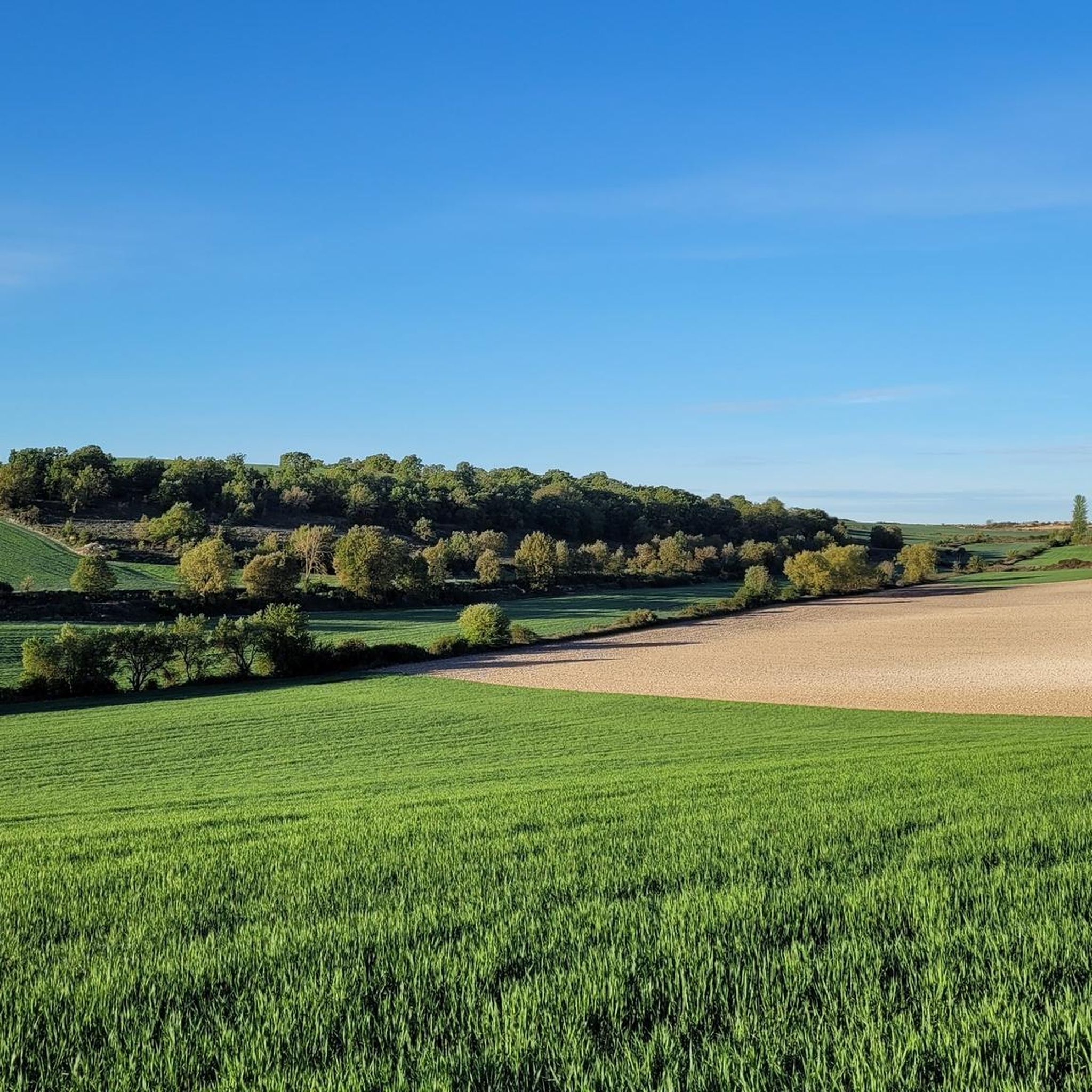
Castrojeriz is a historic town located in the province of Burgos, right on the Camino de Santiago. It is known for its impressive heritage, its ancient history, and its key role as a Jacobean site. Castrojeriz Castle: Located atop a hill, it dominates the town and offers spectacular views of the region. Its origins are Roman, although it was expanded by Arabs and Christians. It suffered severe damage in the Lisbon earthquake of 1755, but its ruins can still be visited.
2
0

There is an entrance fee; 5 euros.
6
0
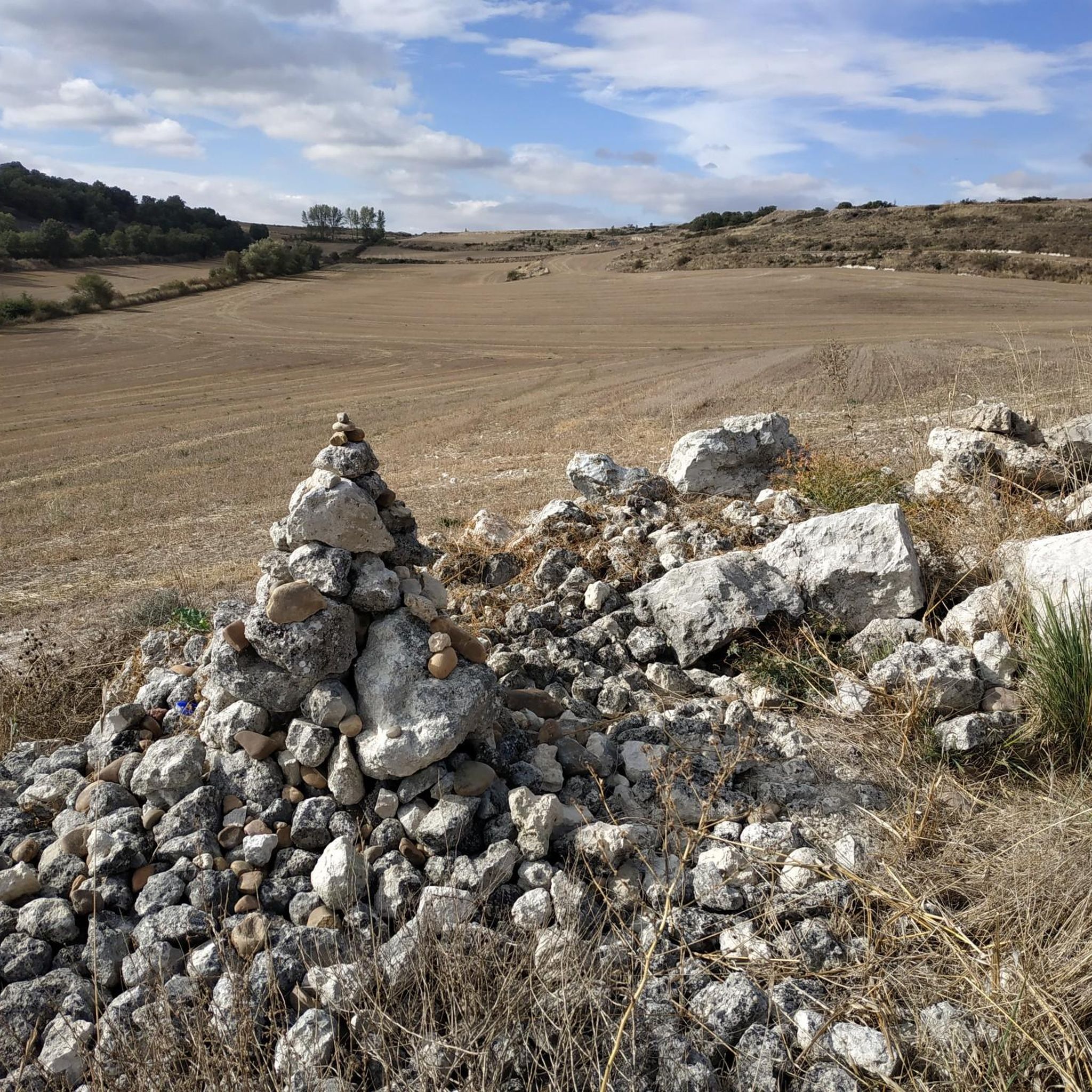
The ruins of the monastery of San Antón offer you a real journey into the past. It is a temple dedicated to Saint Anthony the Abbot. The ruins of this monastery are located in the uninhabited town of San Antón, which was part of the municipality of Castrojeriz, in the north of Spain.
10
0

There are still beautiful remains of this Gothic convent. The remains encourage meditation on the time factor in our lives.
4
0


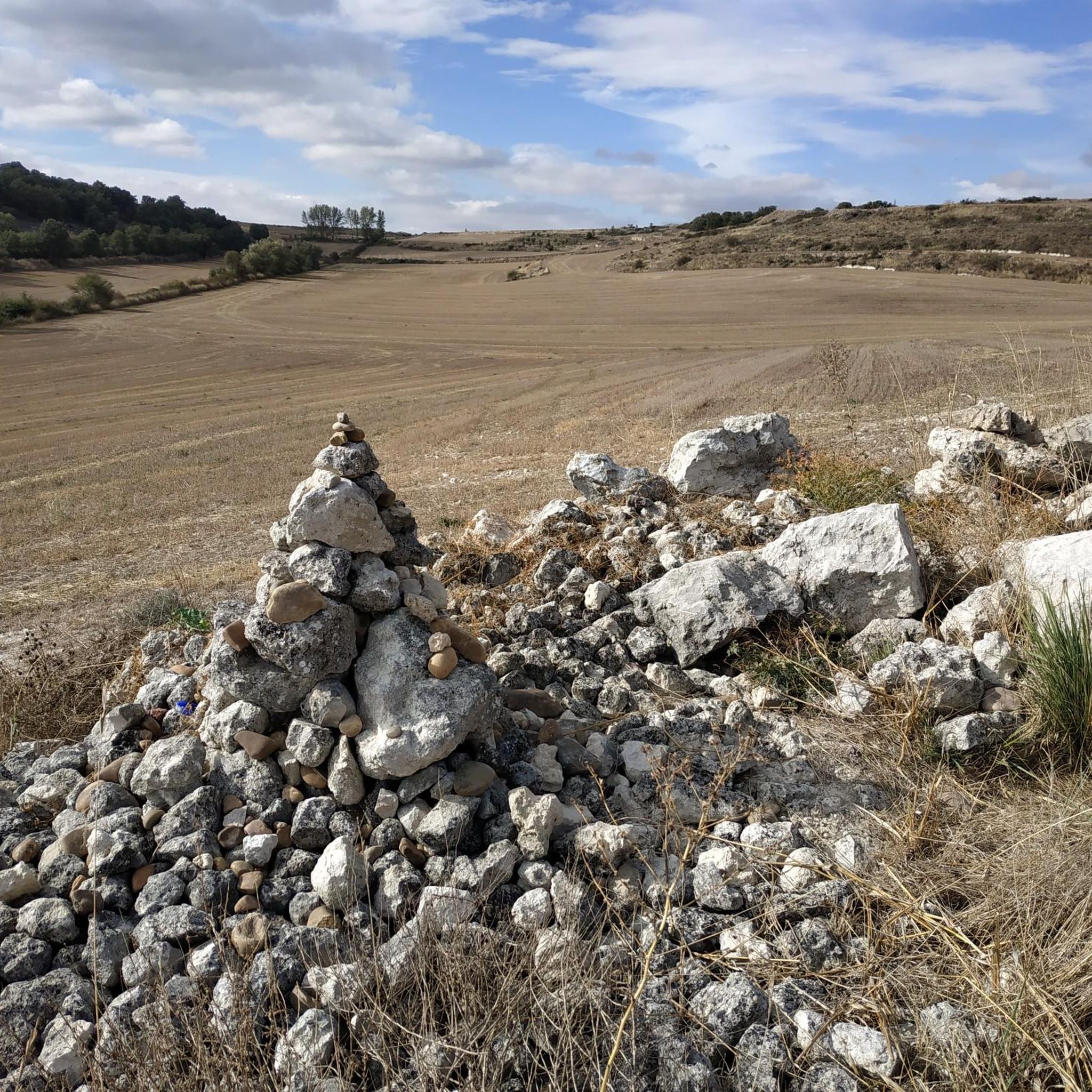
A lovely ruined monastery you pass shortly before reaching Castrojeriz, where you can choose to spend the night in the very basic pilgrims hostel. There is also a small gift/tea stall where you can rest and admire the ruins.
4
1

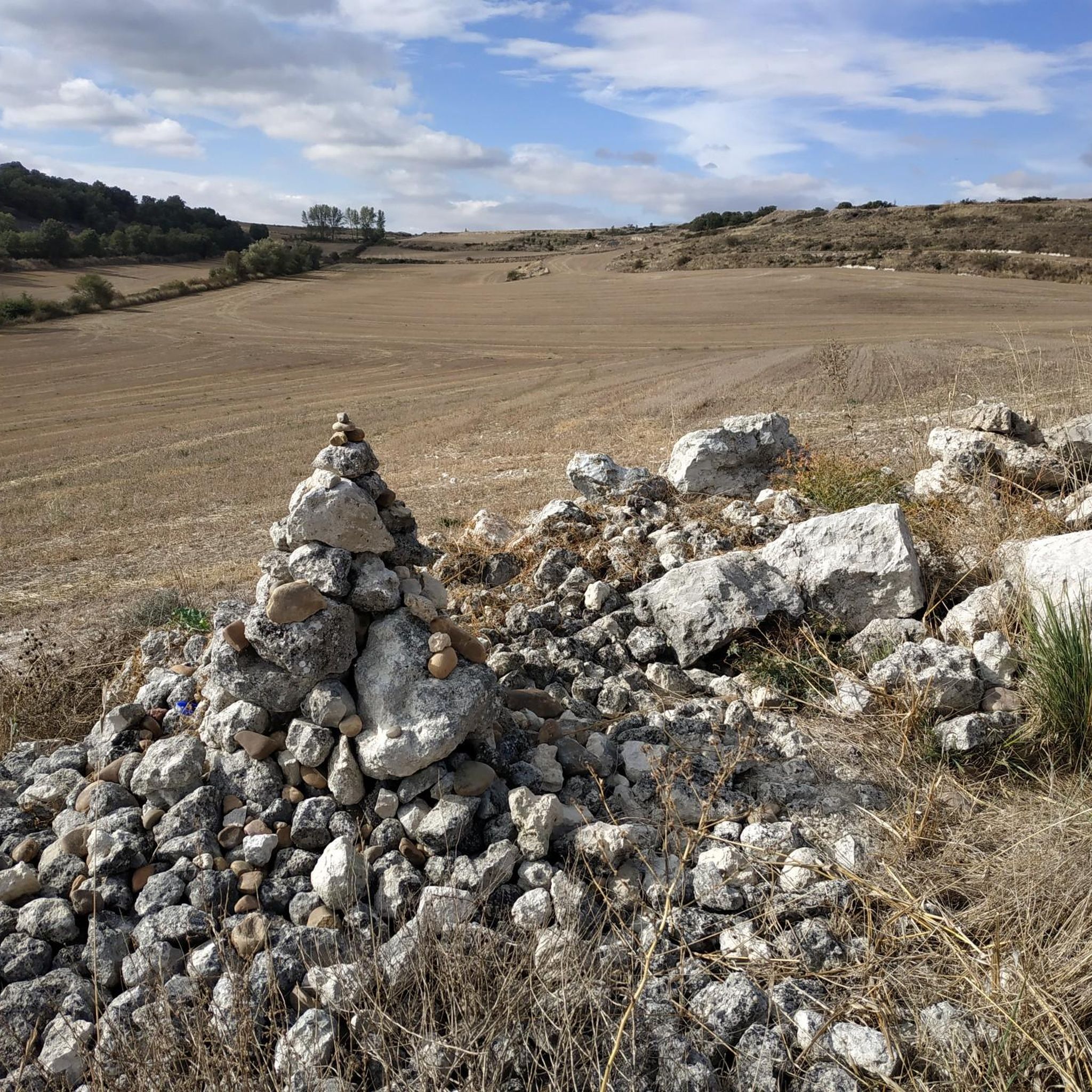
A former important monastery for the care of pilgrims. The impressive remains often contain the "Tau" symbol of the Franciscans. What is disturbing is the fact that the country road leads directly through the old portal arch. It would be pretty cool to spend the night in the albergue in the middle of the ruins. A truly moving pilgrim stop!
4
0
Large church at the entrance to Castrojeriz
2
0
Frequently Asked Questions
What are the main historical and cultural attractions in Iglesias?
Iglesias is rich in history, offering a captivating blend of medieval architecture and mining heritage. Key historical sites include the charming medieval streets of the Historic Center, the 13th-century Santa Chiara Cathedral, and Salvaterra Castle, which provides panoramic views and houses a Medieval History exhibition. You can also explore the Church of San Francesco, a significant example of Gothic architecture, and the Mining Art Museum for insights into the region's industrial past.
Where can I find unique natural features and viewpoints around Iglesias?
The area around Iglesias boasts spectacular natural features. Don't miss Porto Flavia, a unique mining tunnel opening onto the sea, offering views of the iconic Pan di Zucchero sea stack. The Grotta Santa Barbara is a stunning cave with ancient crystal formations. For breathtaking coastal panoramas, visit Il Belvedere di Nebida, which overlooks the sea and Pan di Zucchero.
Are there any family-friendly activities or attractions in Iglesias?
While the provided highlights don't explicitly list many family-specific activities for Iglesias, Sardinia, exploring the medieval Historic Center can be engaging for all ages. The Mining Art Museum offers an educational experience, and a visit to the unique Porto Flavia or the beautiful beaches like Cala Domestica and Masua Beach can be enjoyable for families.
What outdoor activities can I do near Iglesias?
Iglesias and its surroundings are ideal for outdoor enthusiasts. You can explore the region's mining history and beautiful landscapes by hiking sections of Il Cammino Minerario di Santa Barbara, a roughly 500 km trail that starts in Iglesias. The Marganai Forest offers opportunities for trekking. For cycling, you can find various routes around the area, including gravel biking, road cycling, and touring bicycle options. Discover more routes on the Gravel biking around Iglesias, Road Cycling Routes around Iglesias, and Cycling around Iglesias guide pages.
Where are the best beaches for relaxation or water activities near Iglesias?
Several beautiful beaches are easily accessible from Iglesias. Cala Domestica is a picturesque bay perfect for relaxation, nature walks, diving, and fishing, nestled among rocks and old mine workings. Masua Beach is excellent for snorkeling and offers stunning sunset views of Pan di Zucchero. Additionally, Fontanamare and Portixeddu are known for their golden sands and are popular spots for surfers and beach walkers.
Can I visit any old mines or industrial heritage sites in the area?
Yes, Iglesias is deeply connected to its mining past. You can visit the Mining Art Museum to see original tools and models. The Miniera di Monteponi is one of the most important disused mining complexes, offering guided tours. Don't miss Porto Flavia, a unique engineering marvel where minerals were loaded directly onto ships, and the haunting industrial ruins of Laveria Lamarmora in Nebida, which overlook the sea.
What is the significance of Pan di Zucchero?
Pan di Zucchero, or Sugarloaf, is a towering limestone rock formation that dramatically rises from the sea, making it the tallest sea stack in the Mediterranean. It's a spectacular natural monument and a powerful symbol of the coast around Iglesias. It can be admired from various viewpoints, including Porto Flavia and Masua Beach.
Are there any religious sites worth visiting in Iglesias?
Iglesias, whose name means 'churches,' lives up to its name with several significant religious buildings. The Santa Chiara Cathedral, a 13th-century Romanesque-Gothic structure, is the city's main place of worship. The Church of San Francesco is considered one of Sardinia's most intact examples of Gothic architecture. Other notable sites include the Church of Our Lady of Graces (Madonna delle Grazie) and the Sanctuary of the Virgin of Good Journey (Santuario della Madonna del Buon Cammino), which also offers panoramic city views.
What kind of hiking trails are available near Iglesias?
The region offers diverse hiking opportunities, particularly centered around its mining heritage. The most prominent is Il Cammino Minerario di Santa Barbara, a long-distance trail that explores the Sulcis-Iglesiente-Guspinese area's landscapes, mining history, and religious traditions, with its first stage beginning in Iglesias. The Marganai Forest also provides trails for trekking amidst natural beauty. For specific routes and difficulties, refer to the outdoor activity guides for the region.
What is the best time to visit Iglesias for outdoor activities?
While specific weather conditions vary, the Mediterranean climate of Sardinia generally makes spring (April-May) and autumn (September-October) ideal for outdoor activities around Iglesias. During these seasons, temperatures are pleasant for hiking, cycling, and exploring historical sites without the intense heat of summer. Summer (June-August) is excellent for beach activities but can be very hot for strenuous outdoor pursuits.
Are there any hidden natural gems or caves to explore near Iglesias?
Beyond the well-known attractions, the region holds some impressive natural wonders. The Grotta Santa Barbara, discovered by miners, is a stunning cave within the San Giovanni Mine, featuring spectacular dark barite crystals and ancient limestone formations. Another impressive cave, Grotta Azzurra, is located near Masua, offering more opportunities for exploration.

Get inspired with the komoot mobile app


Explore more
Still not found the Highlight you’re looking for? See guides of the top attractions in other regions:
