The best road cycling routes around Robleda-Cervantes
5.0
(10)
909
riders
53
rides
Road cycling routes around Robleda-Cervantes traverse a landscape characterized by extensive forests and mountains, offering diverse gradients and scenic views. The region is home to the Sanabria Lake Natural Park, featuring the largest glacial lake on the Iberian Peninsula, which provides picturesque backdrops for rides. Varied terrains, from well-paved surfaces to challenging mountain ascents, define the cycling experience. This area combines natural beauty with historical charm, making it suitable for a range of road cycling adventures.
Best road cycling routes…
Last updated: July 12, 2026
5.0
(1)
119
riders
50.7km
02:47
990m
1,000m
Hard road ride. Very good fitness required. Mostly well-paved surfaces and easy to ride.
12
riders
46.1km
02:14
650m
650m
Moderate road ride. Good fitness required. Mostly well-paved surfaces and easy to ride.

Sign up for free
9
riders
79.0km
03:55
1,220m
1,220m
Hard road ride. Very good fitness required. You may need to push your bike for some segments of this route.
53
riders
92.2km
04:52
1,710m
1,710m
Hard road ride. Very good fitness required. Mostly well-paved surfaces and easy to ride.
5.0
(1)
49
riders
75.4km
04:01
1,400m
1,400m
Hard road ride. Very good fitness required. Some segments of this route may be unpaved and difficult to ride.
Get access to more routes and recommendations from other explorers.
Sign up for free
Already have an account?
Our route recommendations are based on thousands of hikes, rides, and runs completed by other people on komoot.
Start today with a free account
Your next adventure awaits.
Login or Signup
Tips from the Community

a spectacular area for nature sports
0
0

Rio de Onor is not just a beautiful village; it's a "living museum" of a way of life that has almost disappeared in Europe. It's worth visiting because it is possibly the village with the most fascinating social history in Portugal. Here are the 4 main reasons to go there: 1. It's a Community Village ("Communitarianism") This is Rio de Onor's great trademark. For centuries, the village lived under a system of total sharing among neighbors, something very rare: Sharing of Goods: The bread oven, the watermill, and even the village bull belonged to everyone. The "Rod of Justice": Decisions and fines for infractions in the village were marked on a wooden rod, managed by the "judge" elected by the people. You can see this history explained at the Casa do Touro (House of the Bull), a small, unmissable museum in the village. 2. One Village, Two Countries Rio de Onor is a village bisected by the international border. On this side is Rio de Onor (Portugal); on the other side is Rihonor de Castilla (Spain). For the inhabitants, the border never really existed: they share land, livestock, and even speak their own dialect (Rionorês), an ancient mixture of Portuguese and Castilian. It's very curious to cross from one country to the other on foot in the middle of the main street. 3. The Schist Landscape and Nature Located in the Montesinho Natural Park, the village is visually stunning. The houses are made of dark schist with wooden balconies, typical of Trás-os-Montes, and are very well preserved. The Onor River, which crosses the village, has clear waters and creates a very pleasant natural river beach in the summer, perfect for picnics. 4. The "Roman" Bridge The old stone bridge (which is actually from the 19th century, despite its popular name) is the village's postcard image. The reflection of the arches in the water with the schist houses in the background creates one of the most photogenic landscapes in Northern Portugal. Visiting Rio de Onor is like stepping back in time and understanding how communities survived in isolation in the mountains, supporting each other. It's a lesson in life and history in an incredible natural setting.
2
0

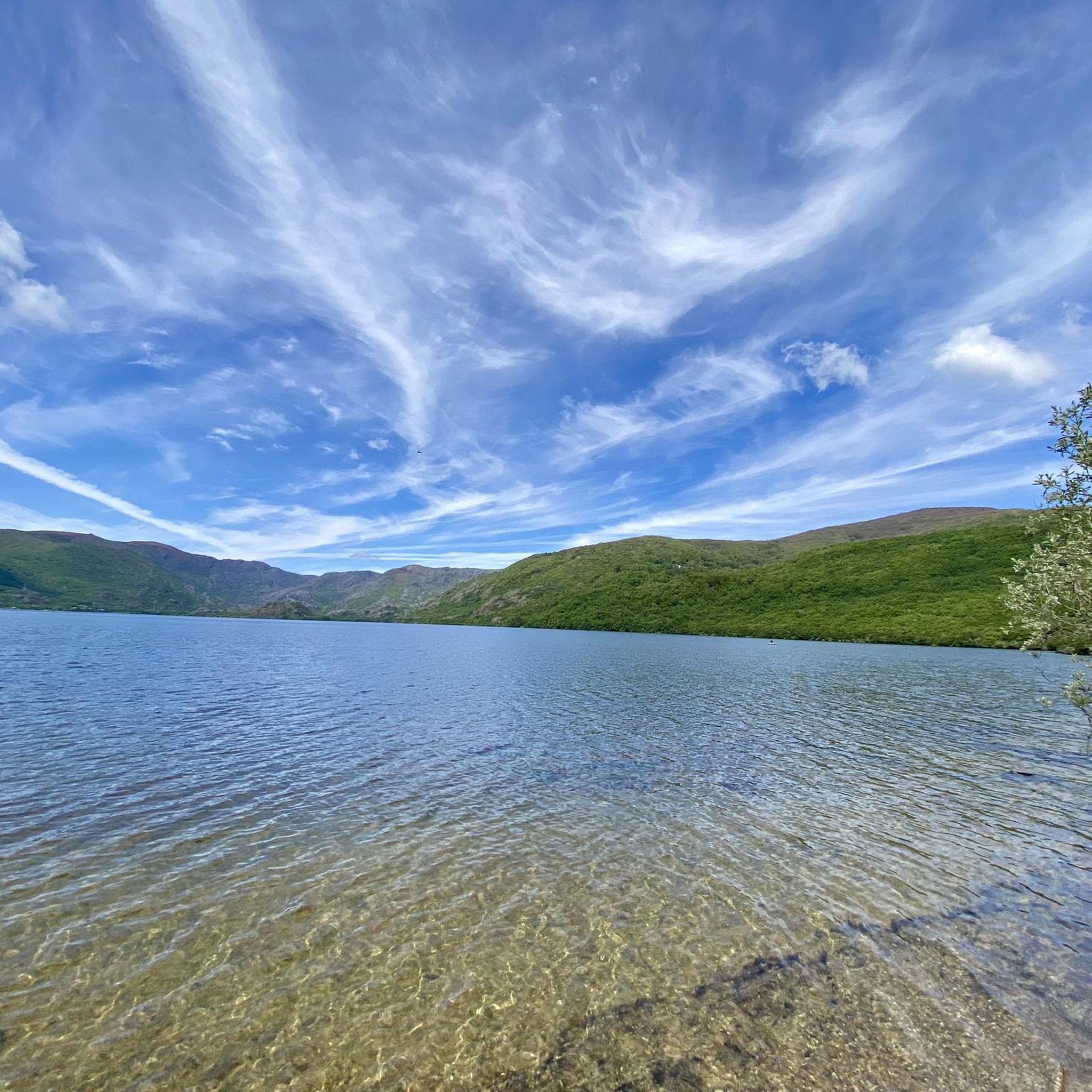
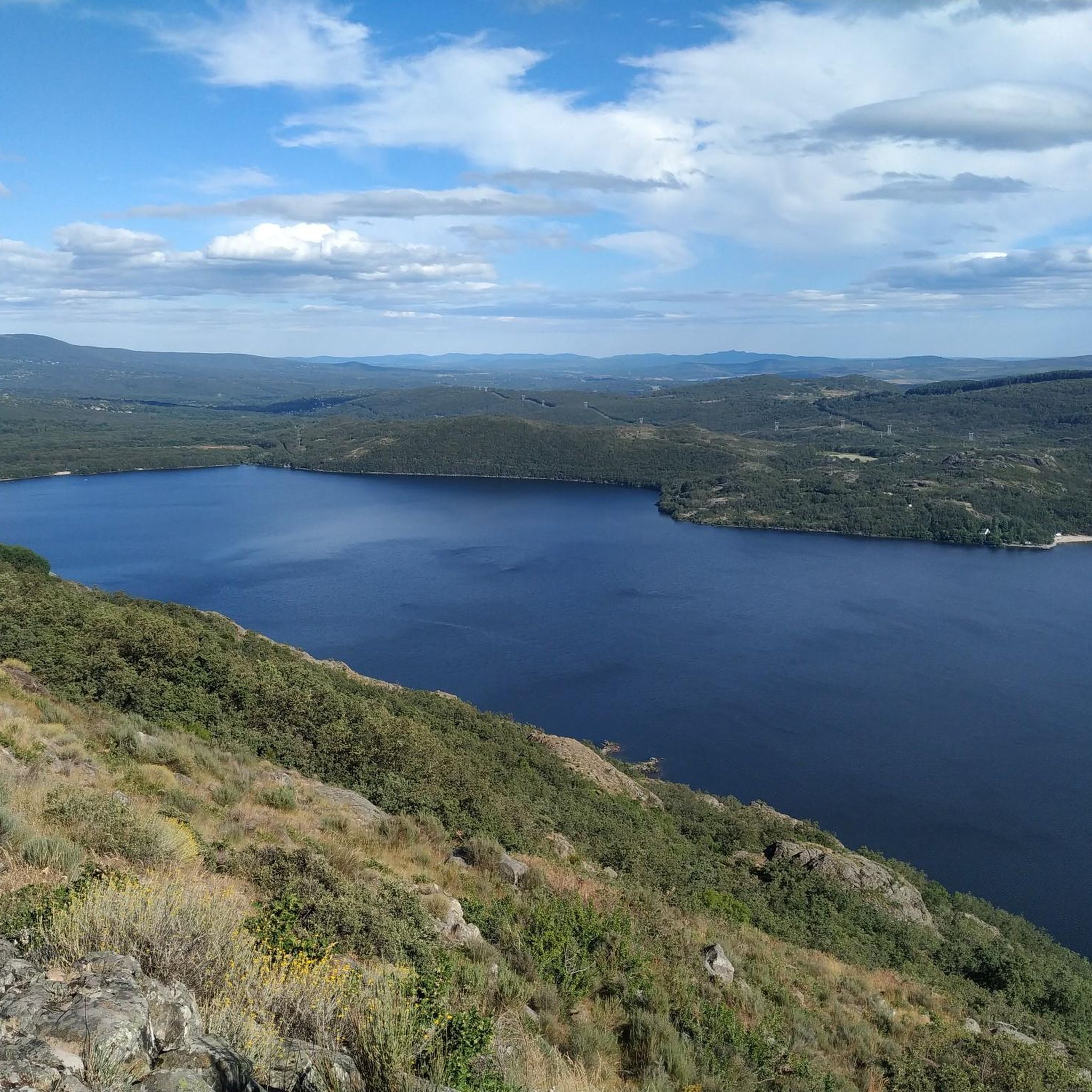
The view of Lake Sanabria from the Neveira Viewpoint is one of the most spectacular in the natural park. This viewpoint is located near the Monastery of San Martín de Castañeda, on a route that combines history, nature, and breathtaking panoramas.
3
0

Rio de Onor is a sleepy little village right on the Portugal/Spain border. The drive through it is a challenging one and absolutely not recommended for larger campervans.
3
1

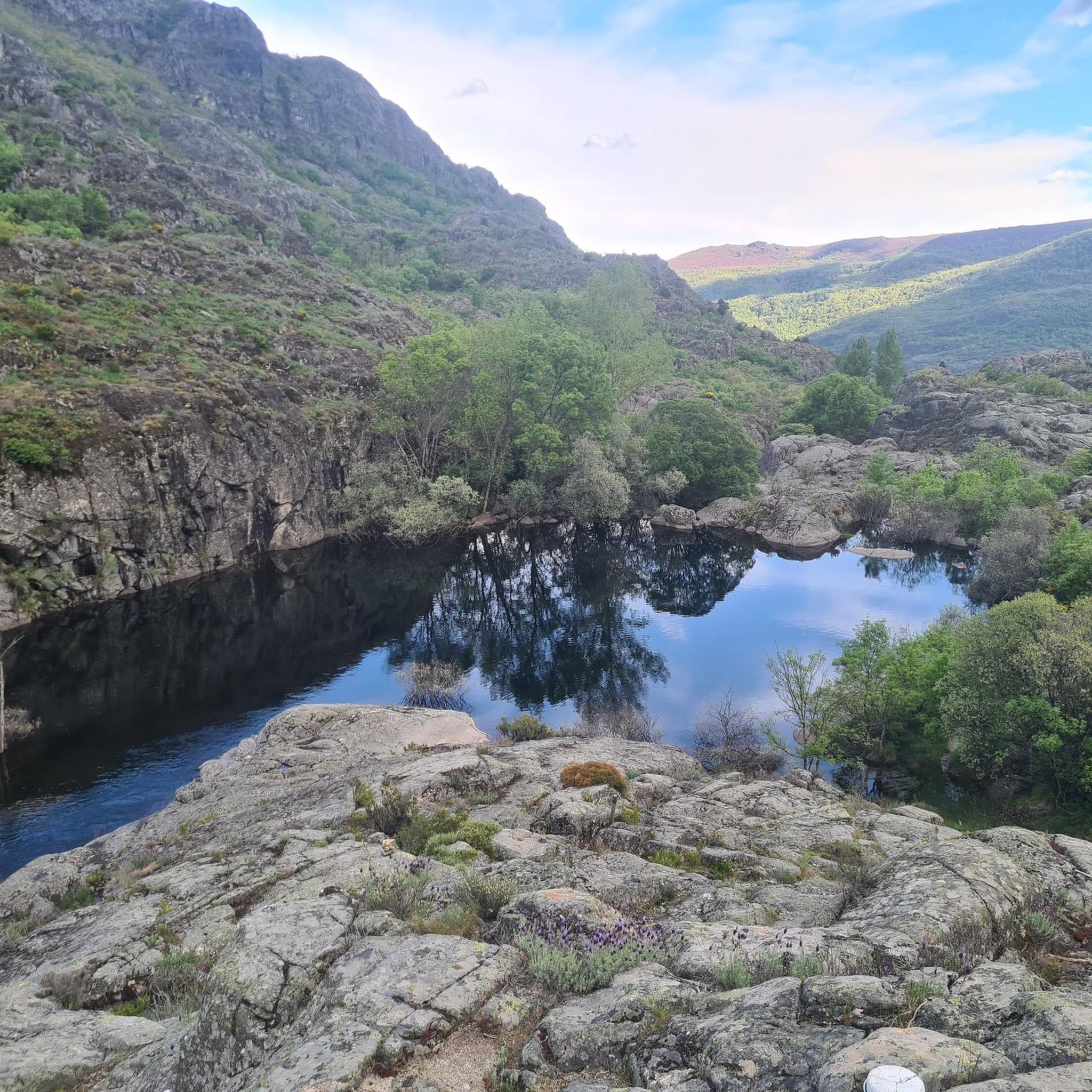
Small village in the Montesinho National Park. From here you can follow the old levadas to the river and there is also an excellent river beach...
3
0
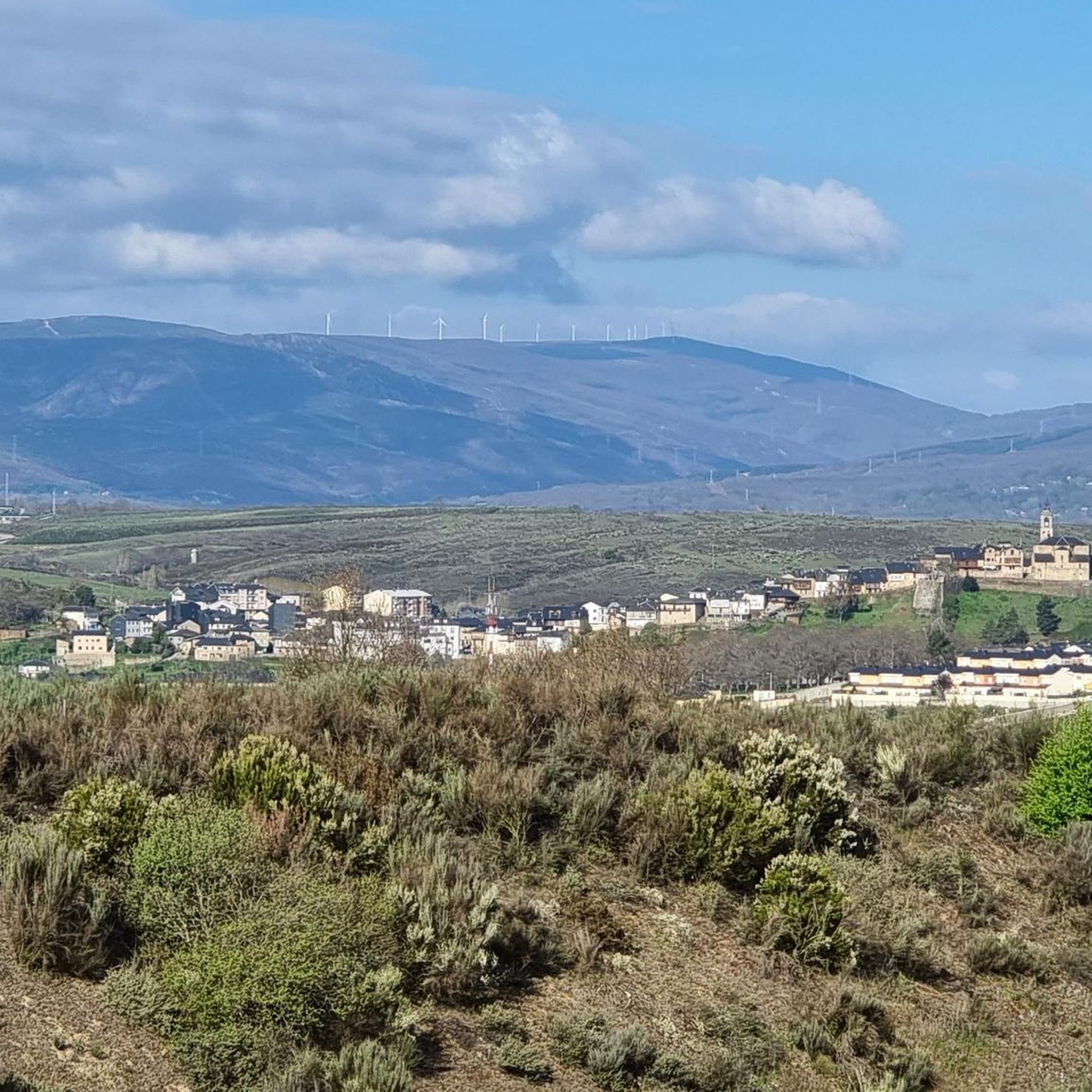
Rio de Onor is one of the most emblematic villages in Bragança and the Montesinho Natural Park, and was elected the 7th Wonder of Portugal in 2017 – a village in a protected area. Crossing the border with Spain, on one side is Rio de Onor, and on the other, Rihonor de Castilla, which is why it is said to be “one village, two countries”!
5
0

The climb to Laguna de los Peces can be done by car, motorcycle or bicycle. Motor vehicles have parking available a few hundred meters before. It is always open. In winter months you must ensure that the accesses are free of snow/ice. There are many cycling fans who ascend here after overcoming 17 km of moderate but continuous climbing. Mountain bikes can ascend to San Martín de Castañeda on roads, but the last kilometers must be on the road. The same happens for descent. It is advisable to bring warm clothing because it is almost always cold near the Lagoon. It is recommended that cyclists wear a vest to keep warm on the way down.
0
0

Built in the s. XV by the Pimentel family after taking control of the region, the fortress would witness the wars with Portugal in the s. XVIII and the War of Independence, when Portuguese soldiers would face the Serrar Division of the French army.
0
0
Frequently Asked Questions
What kind of terrain can I expect when road cycling around Robleda-Cervantes?
The region of Robleda-Cervantes is characterized by a blend of extensive forests and mountains, offering diverse gradients and scenic views. You'll find routes with varied terrains, from well-paved surfaces suitable for moderate rides to challenging mountain ascents, especially around the Sanabria Lake Natural Park.
How many road cycling routes are available in the Robleda-Cervantes area?
There are over 35 road cycling routes documented around Robleda-Cervantes, catering to various skill levels. This includes 1 easy route, 19 moderate routes, and 15 difficult routes, ensuring options for every cyclist.
Are there any family-friendly road cycling routes in Robleda-Cervantes?
While many routes feature significant elevation, there are options suitable for families. For instance, the area offers at least one easy route and 19 moderate routes that could be considered, depending on the family's experience level. These routes often provide a scenic journey through charming villages and varied terrain.
What natural features or landmarks can I see along the road cycling routes?
Road cycling routes in Robleda-Cervantes often pass by stunning natural features and historical landmarks. You can enjoy views of the largest glacial lake on the Iberian Peninsula within the Sanabria Lake Natural Park. Notable attractions include the impressive Sotillo Waterfall and the historic Castle of the Counts of Benavente. Many routes also traverse the charming Old Town of Puebla de Sanabria.
What is the best time of year for road cycling in Robleda-Cervantes?
Robleda-Cervantes is an excellent destination for outdoor activities, including road cycling, particularly when the weather is favorable for exploring its natural landscapes and mountainous terrain. Spring and autumn generally offer pleasant temperatures and beautiful scenery, while summer provides longer daylight hours for extended rides.
Are there any circular road cycling routes available?
Yes, many of the road cycling routes in Robleda-Cervantes are designed as loops. For example, the Laguna de los Peces and Lake Sanabria Circuit offers a challenging loop with significant elevation gain, and the Puebla de Sanabria, Galende, and Trefacio Loop provides a moderate scenic journey.
What do other road cyclists say about the routes in Robleda-Cervantes?
The road cycling routes in Robleda-Cervantes are highly rated by the komoot community, with an average score of 5.0 stars from 3 reviews. Over 400 road cyclists have used komoot to explore the varied terrain, often praising the scenic views, mountainous landscapes, and the beauty of the Sanabria Lake Natural Park.
Can I find routes with significant elevation gain for a challenging ride?
Absolutely. Robleda-Cervantes is known for its mountainous terrain, offering numerous routes with significant elevation gain. For instance, the Peña Mira and Rio de Onor Loop from Puebla de Sanabria features over 1200 meters of ascent, providing a demanding experience for advanced cyclists.
Are there any routes that pass through charming villages?
Yes, several routes offer the opportunity to cycle through picturesque villages. The Puebla de Sanabria, Galende, and Trefacio Loop is a great example, taking you through charming villages and varied terrain around Puebla de Sanabria, which itself boasts a historic old town.
What is the longest road cycling route available in the area?
One of the longer and more challenging routes is the Rio de Onor Village – Puebla de Sanabria loop from Puebla de Sanabria, which spans approximately 92 kilometers and includes over 1700 meters of elevation gain, making it a substantial ride for experienced cyclists.
Are there any routes suitable for beginners or those looking for an easier ride?
While the region is known for its mountainous character, there is at least one designated easy route available. Additionally, some of the 19 moderate routes might be suitable for beginners looking for a slightly longer but less strenuous ride, especially those with less elevation gain or on well-paved surfaces.
Most popular attractions around Robleda-Cervantes

Get inspired with the komoot mobile app


Explore more
Browse the best Road cycling routes in other regions.
